
Where and When: Cusco – Peru, 28 May 2023
0730: It is a relatively early start, as our guide and driver pick us up from the hotel to take us to Lima Airport. We are on our way to Cusco.
Lima is the only international airport in Peru, so unless you cross a land border into Peru, you have to travel via Lima to get to other parts of Peru.
Lima airport is very busy, but the check-in and security is efficient and we are soon waiting to board the flight to Cusco.
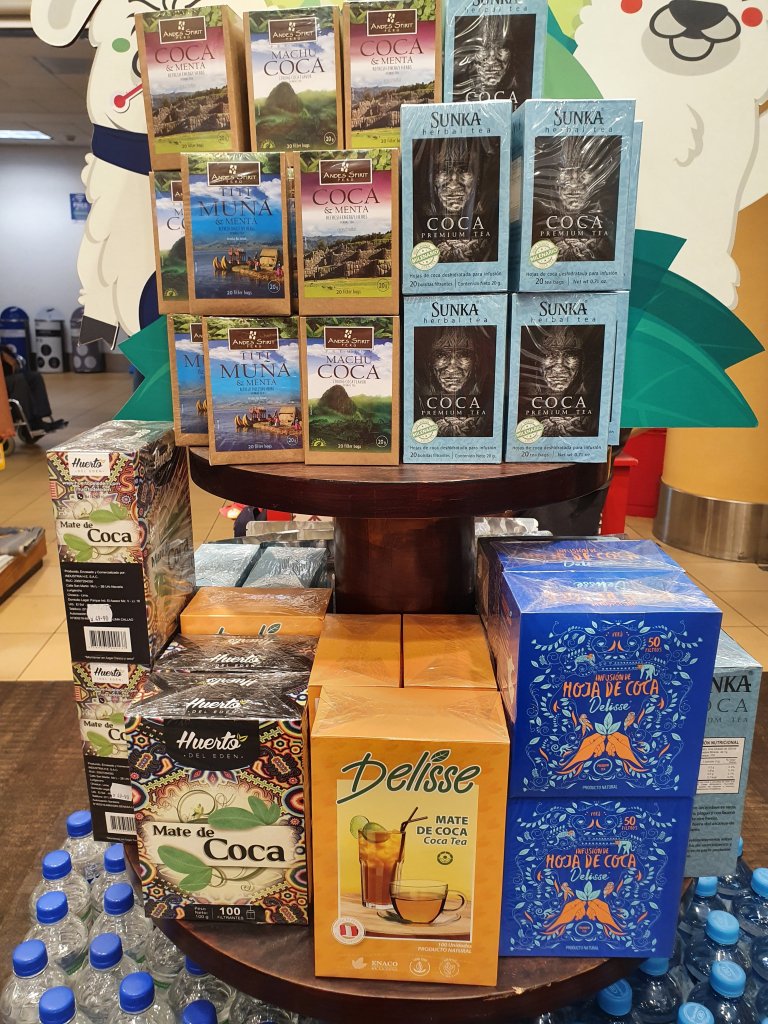
Whilst waiting, I explore the shops. The airport shops stock many Coca based products; Coca tea, sweets, chewing gum and even altitude sickness medicine with Coca. For me it is an unusual sight, as coca is banned in many countries around the world, including the UK.

1035: On flight to Cusco with LATAM Airlines. I am always a bit apprehensive about flying with airlines that I am not familiar with, but I found LATAM to be on par with any other international airline (and they had better service than many).
We soon started to fly over the Andean mountains and before we know it, we had landed in Cusco, at an altitude of 3400m.

1215: Our driver and guide pick us up at the airport and we are soon at our hotel for the night; The Abitarre Hotel in the centre of Cusco.
The hotel reception welcomes us with Coca tea, which is supposed to help with Altitude Sickness.

1300: We start our half a day city tour of Cusco. The first stop is Saqsaywaman; this is a huge former fortress located on the outskirts of Cusco at an altitude of 3570m.

For me, this is the most impressive archaeological site we saw in Peru (and yes, including Machu Picchu). Inca “Pachacuti” – widely considered to be the greatest of Inca emperors started building this fortress in the 15th century, and it was subsequently extended during the reigns of his son and grandson.
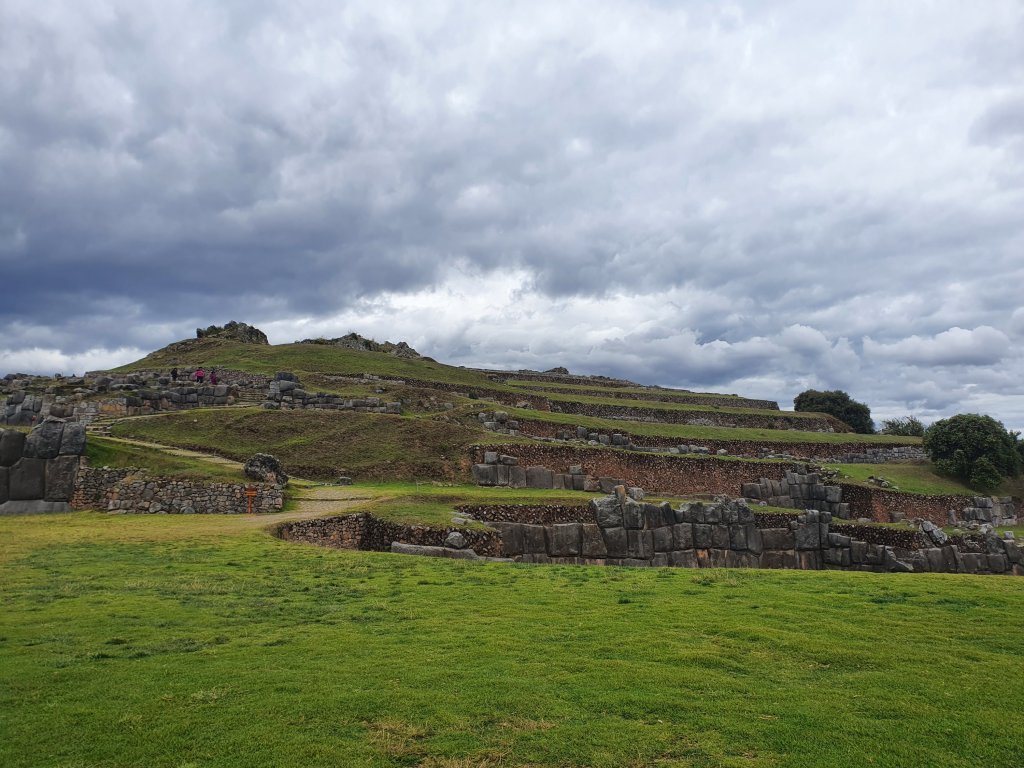
The buildings are made up of enormous walls arranged in zig zags and made of stones each weighing up to 300 tones.
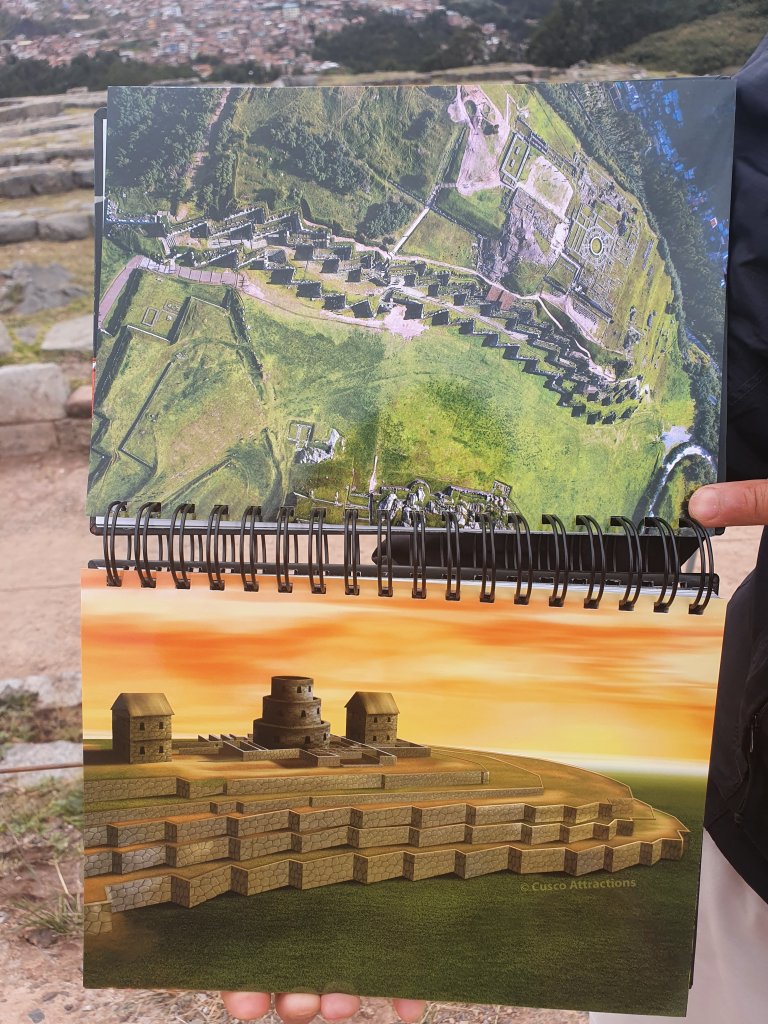
The site was also home to tall observatory towers that Incas used to observe the sun and the stars, to set dates for their calendar. Only the foundation of the towers and other buildings remain, as the site was demolished and stones were reused by Spaniards to build colonial Cusco.

The stonework here is a magnificent example of Inca craftsmanship. The stone edges are unbelievably straight, and the joints between the stones (each weighing many tonnes) are so fine, you cannot even slide a piece of paper in between.
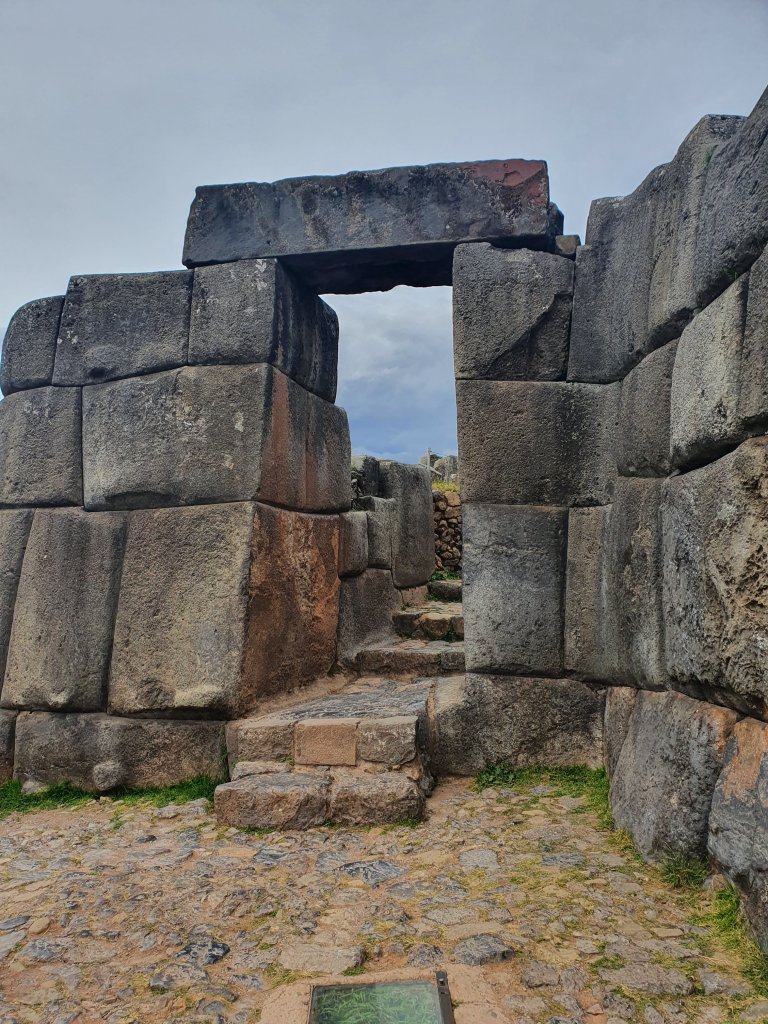
The stones were cut by making a small crack in the rock and filling it with water. When the temperatures dropped the water would freeze and expand, cracking the stone further. No motar is used in the construction and the stones are joined together using metal links.


As well as being a fortress, the site was also used for ceremonial purposes. Event today this is where the Inca festival of Inti Raymi takes place on the 21st of June – Winter Solstice in Peru. The festival is held in honour of the Sun, to entreat it to return after the shortest day of the year.
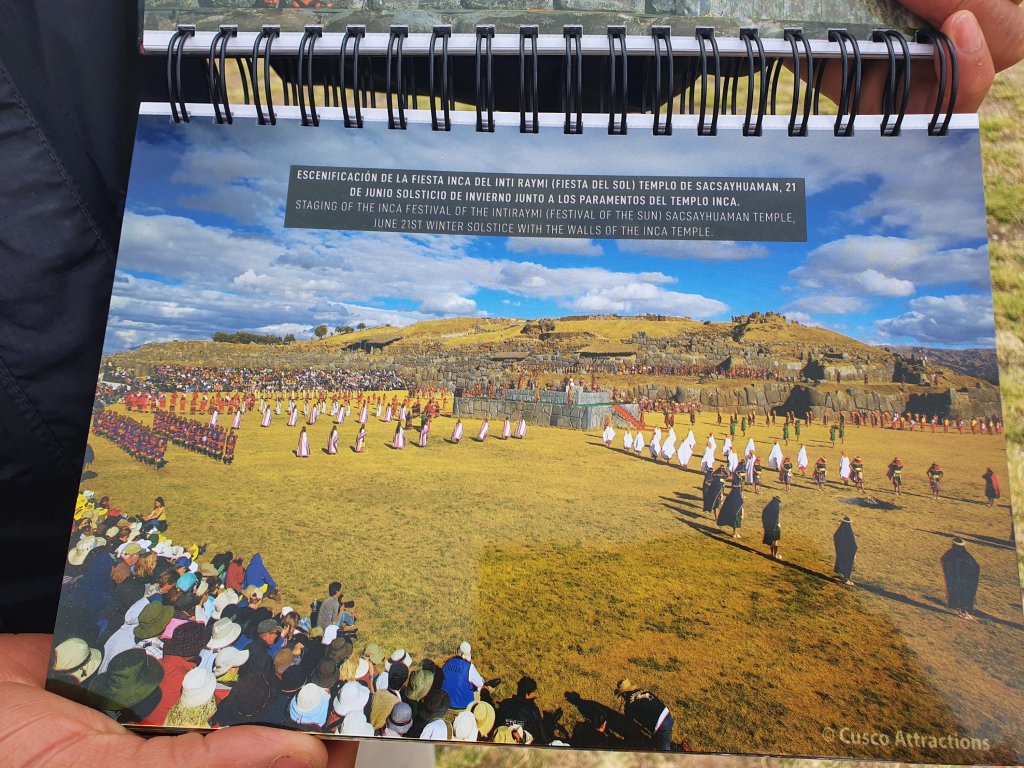
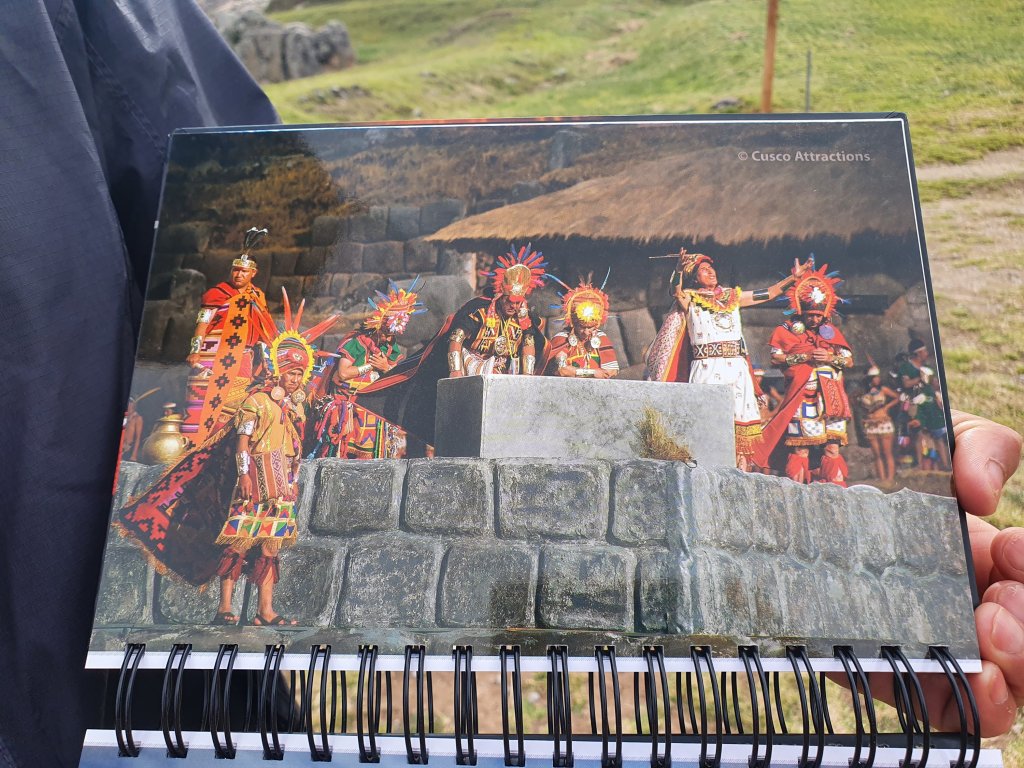
Saqsaywaman was also the site of several famous Inca battles. One such battle was when one of the last Inca Emperors, Manco Inca tried to re-capture Cusco from the Spanish in 1536. Manco Inca almost succeeded before Pizarro’s cavalry came in to provide re-enforcements to the Spanish.
Saqsaywaman is located 200m above Cusco, so from here you can get great views over the city.

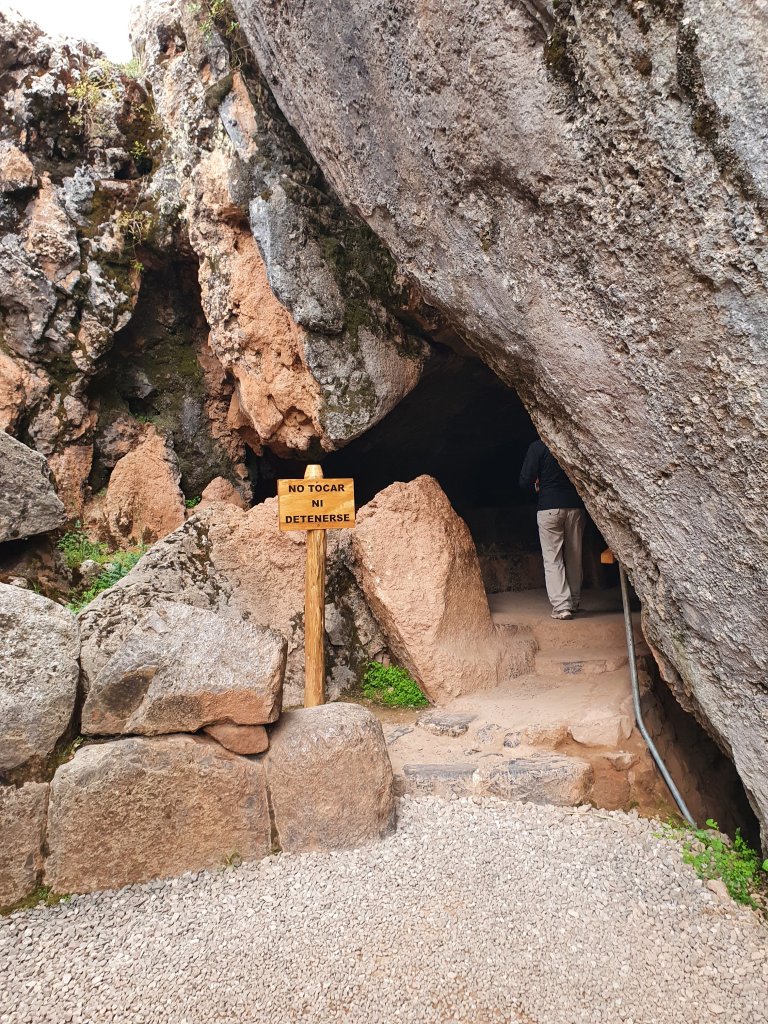
Our next stop is Qenco. This is a smaller archaeological site near Saqsaywaman. It is thought to be a place where mummification and burial preparations took place in pre-colonial times.


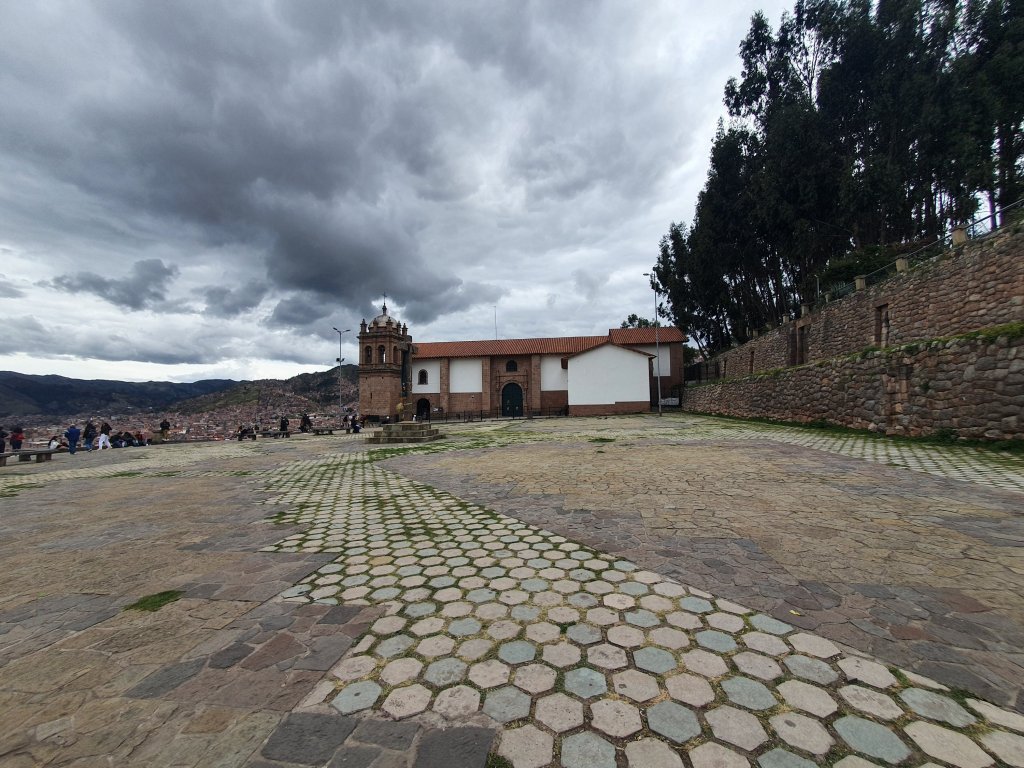
On the way down, we stop at Mirador de Plaza St Cristobal to get even better views over the city. It really reminds me of Mirador St Nicholas in Granada and from here, Cusco looks very much like the Spanish city of Granada. The Catholic Church here has been built over the previous Inca Palace.

Our next stop is San Pedro Market. This indoor market is mostly used by locals to purchase fresh fruit and vegetables, but there are also many stands selling clothes and other products.
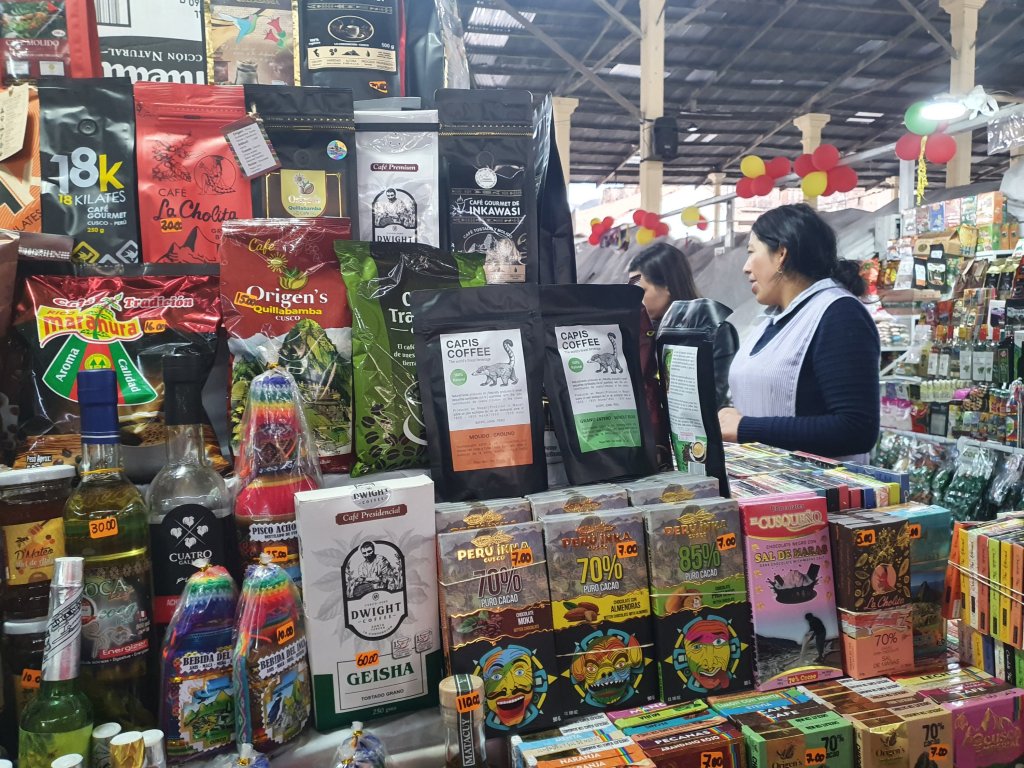


It is a great place to get an insight to local peruvian specialities. Fruits, vegetables – dehydrated potatoes (more on this later) Coca products, coffee, clothing and everything in-between.
Next we go to Cusco Catherdral. Cusco’s imposing cathedral is on the main square in the historic centre of the city. Construction started in 1559 but it was not completed until 1654.

It was built on the site of the former Inca palace – as we would find out in subsequent days, it was quite a common practice for the Spanish to build their Cathedrals on the site of destroyed Inca temples and palaces. No photos allowed inside the Catherdral, but the splendour and the wealth the church had is clear to see.

1700: Our last stop of the day is the Coricancha temple. This is one of the most important sites in Cusco. Coricancha means ‘golden courtyard’ in the indigenous Quechua language and this was at one time the richest and most spectacular temple in the Inca empire.

The original temple had several buildings surrounding a courtyard. Although smaller in scale, the stonework is as impressive as the much larger Saqsaywaman – massive stones, clean, straight lines, no gaps and no mortar.

The temple was built by Inca Pachakutiq who dedicated it to Inti or the Sun god. Incas popularised the Sun worship in their empire and established their power on earth by being the sole represetative of the Sun god on earth.

The temple walls were said to be covered in gold, with many intricate gold statues and artworks in the building and the courtyard. The temple was stripped off its riches by the Spanish as part of the ransom of Inca Atahualpa. All the gold artifacts were melted, made into bricks and transported to Spain.

Subsequently the Convent of Santa Domingo was built on the site by putting a tower and cloister in the middle of the courtyard and turning some of the buildings into chapels. It reminded me of the Cordoba Mosque-Cathedral in Spain, where the conquering Spanish built a Cathedral in the centre of a Mosque.

The tale of how a force of less than 200 Spanish Conquistadores managed to capture the mighty Inca empire that ruled over 16 million people is a fascinating tale of bravery, treachery and deciet.
Tip: I would highly recommend reading John Hemming’s “Conquest of the Incas” before you visit Peru. I did read the book, but it was after my visit to Peru. I really wish I had read it beforehand as it would have provided much context to what we saw in Peru, and I may have added a few other places to our itinerary.
There is so much more to see in Cusco, but that is all we have time for today. If you can, I would highly recommend spending at least two days in Cusco to see the main sites. It will also allow you to adjust to the altitude.
Speaking of altitude, the effects were not as bad by the end of the day as I had feared. Other than a slight headache and being a bit out of breath at times, I felt fine and nowhere near as bad as Tibet.
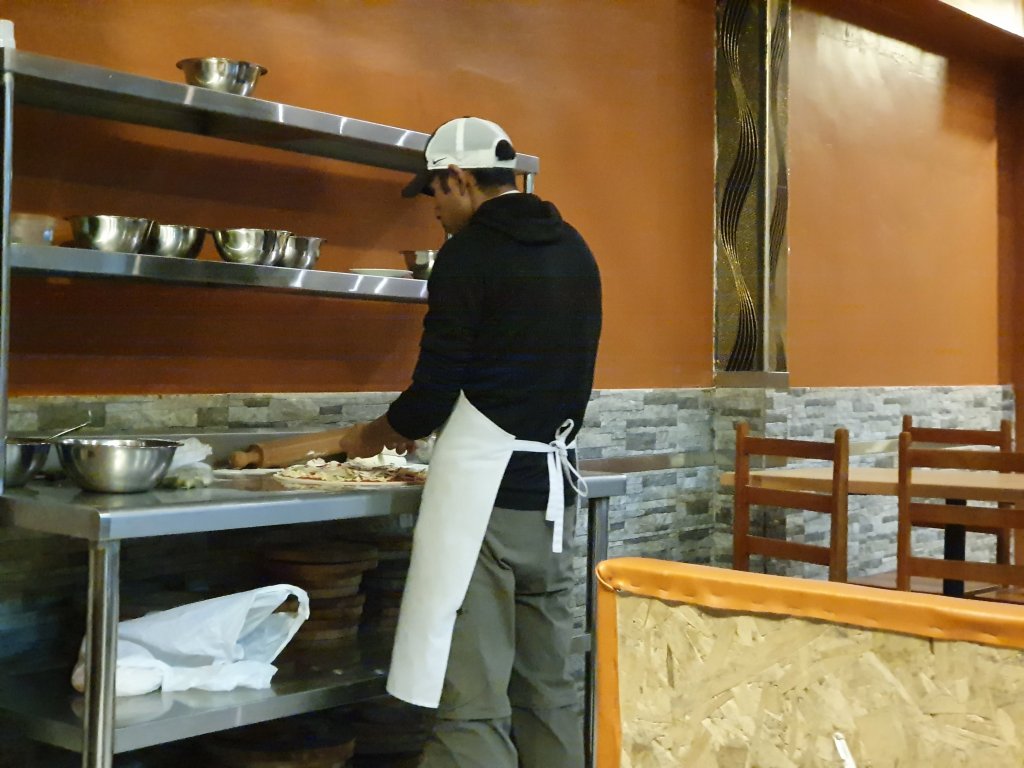
2000: Pizza at Tupac Palace for dinner (excellent restaurant!) and it is an early bedtime as we have a 6am start tomorrow.
Have you been to Cusco? What sites did you visit? Or perhaps you are thinking of visiting- what would you like to see most? Leave a comment below and let me know.
 Diary of a Tourist
That stone work is remarkable!
LikeLiked by 1 person