
I greatly enjoyed my short trip to Copenhagen in March 2022. As with all my trips, I loved finding out more about the city and its culture and history. Here are some facts that took me by surprise in Copenhagen.
The Danish Royal Family
- Many of the tourist attractions in Copenhagen are royal related. Queen Margarethe II and the Royal family play a big role in Copenhagen tourism.
- Queen Margarethe II was “elected” as Queen. At the time of her birth, the Danish throne could only be inherited by males. Margarethe’s father (Frederick IX of Denmark) had no sons, so there was a referendum to decide whether to abolish the Danish monarchy or continue it with a Queen. Danes voted in favour of keeping the royal family and have never looked back. Today, the Danish royal family, especially the Queen, is hugely popular in the country.
- In 2022, Queen Margarethe II celebrated her golden jubilee. Following the death of Queen Elizabeth II, she is now the longest reigning monarch and only Queen in the world.
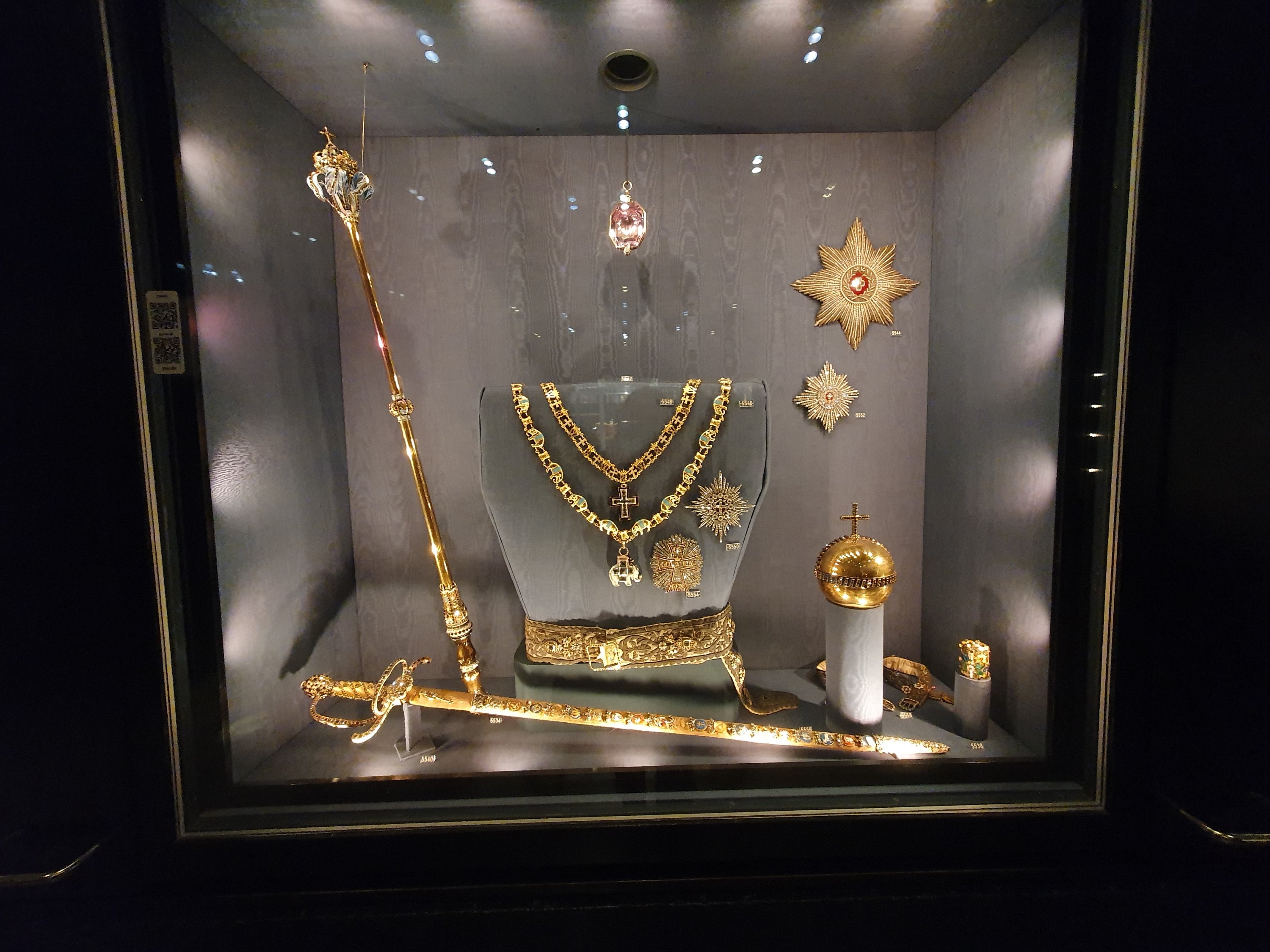
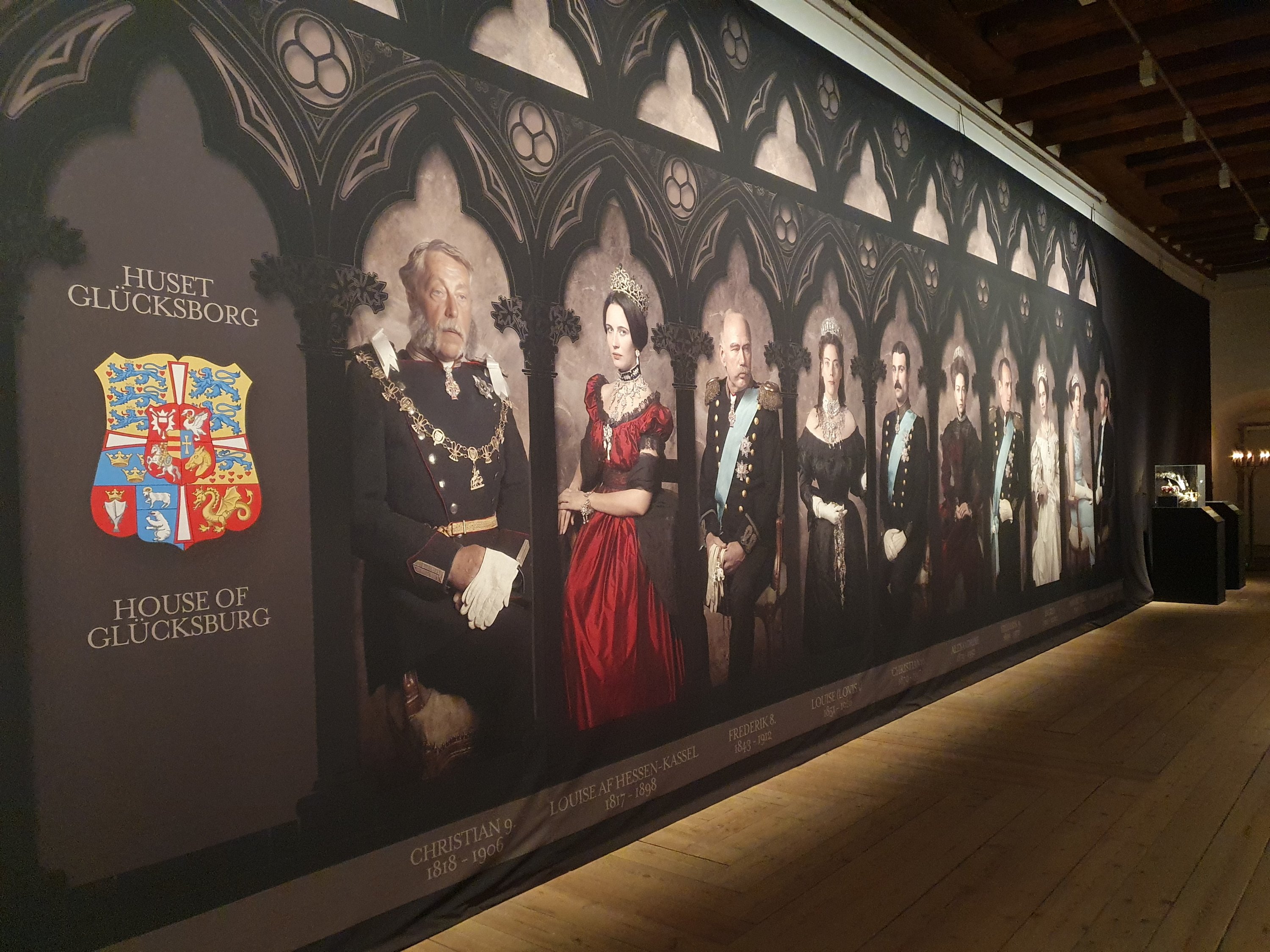

The Queen’s Jewellery box
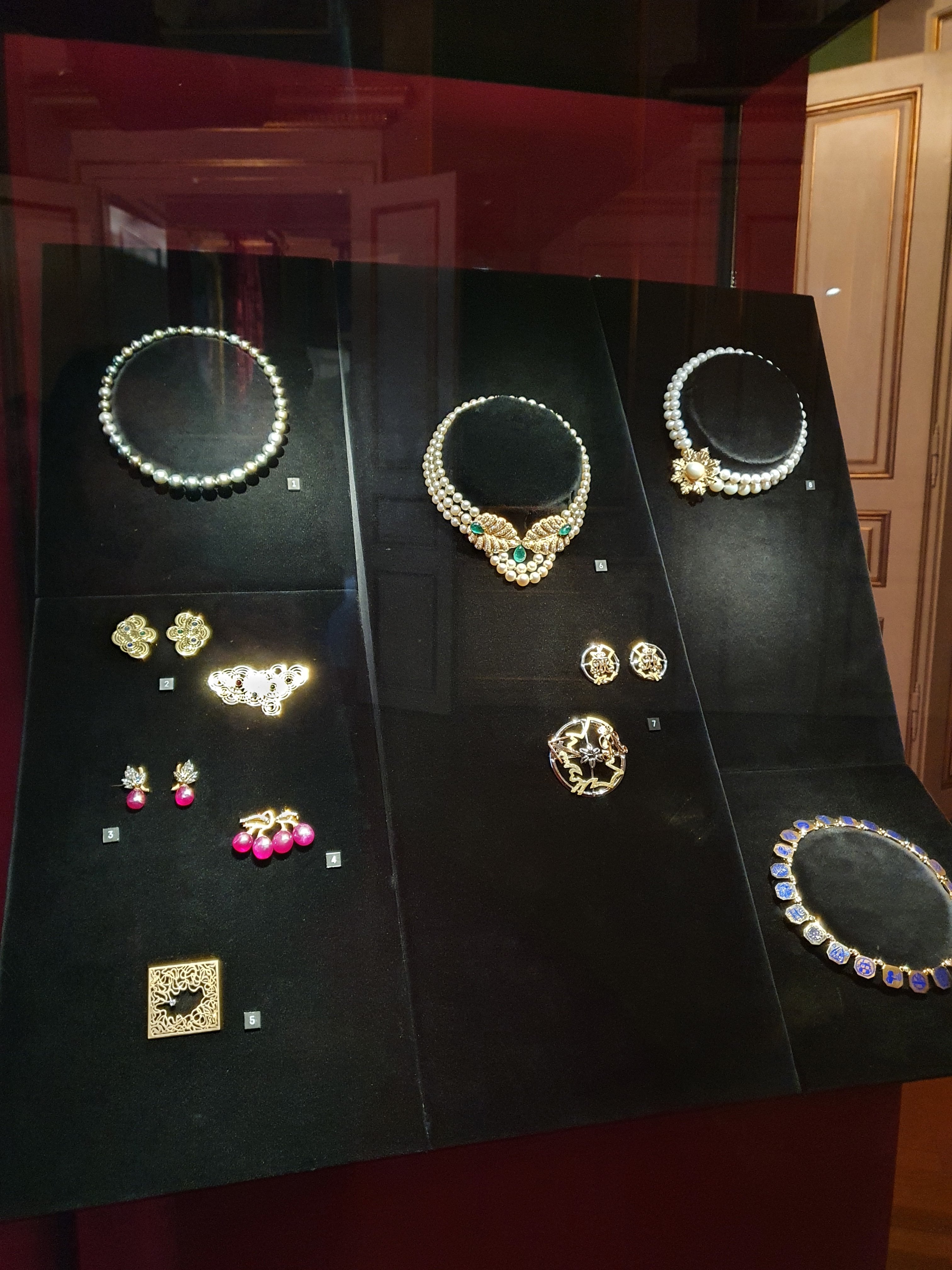
- In celebration of her golden jubilee, Amalienborg Palace housed an exhibition of Queen Margarethe’s personal jewellery (as opposed to the Danish Crown Jewels) aptly named “The Queen’s Jewellery Box”.
- In the exhibition you can hear in the Queen’s own words about certain pieces of jewellery, either inherited or made for her.
- What I did not realise was that Queen Margarethe is also a very talented designer, and had designed many of the jewellery pieces herself. I subsequently found out that she is also a costume designer for the Danish opera.


The “Party Palace”
- Copenhagen is home to many royal palaces, and they all have different uses.
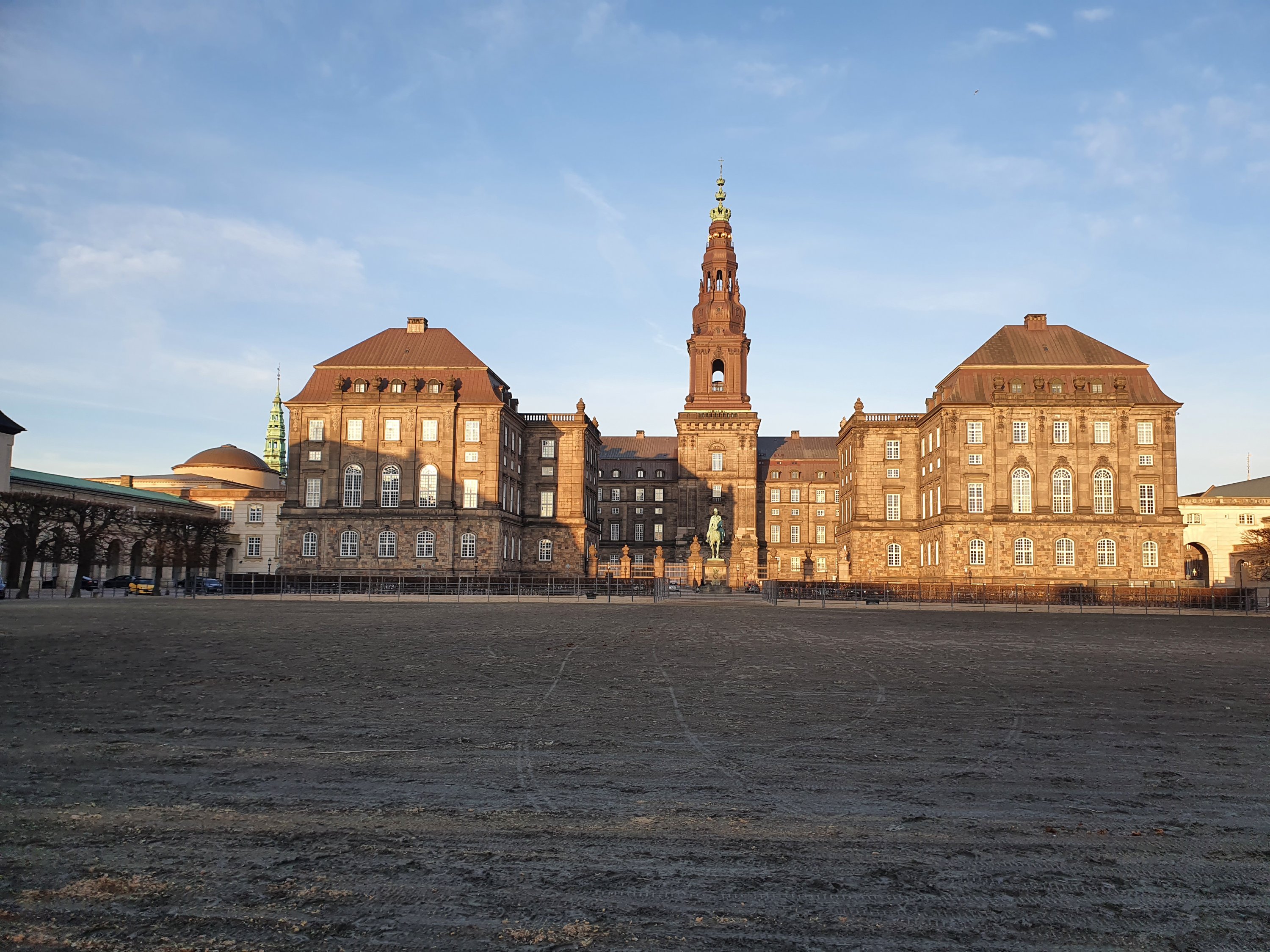
- Christiansborg Palace is use for state ceremonies and official purposes such as public audiences. Is is also next to the Danish Parliament.
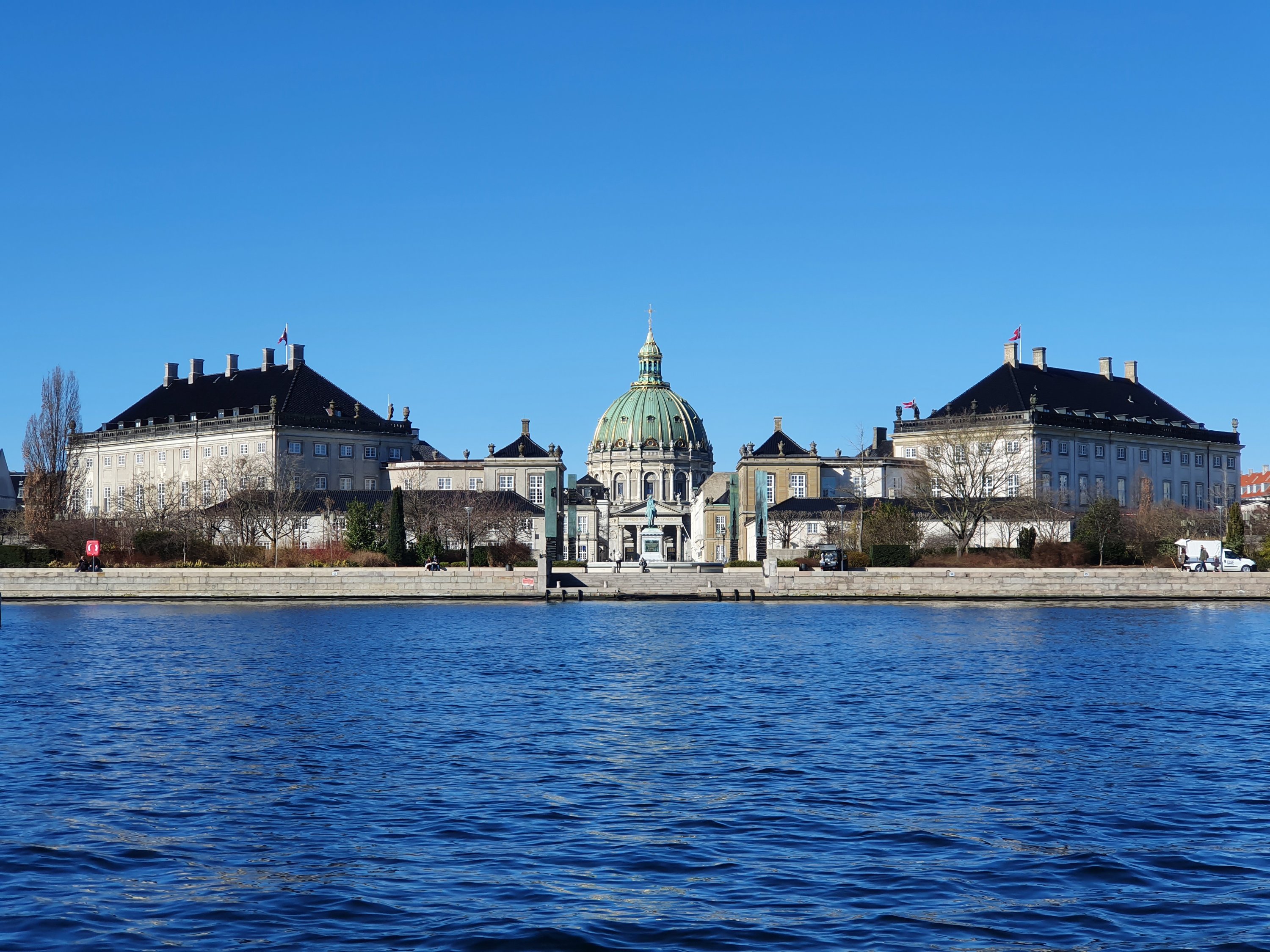
- Amalienborg Palace is the Monarch’s winter residence. Amalienborg was originally built for four noble families; however, when Christianborg Palace burnt down on 26 February 1794, the royal family bought and moved into Amalienborg Palace . The Queen herself resides in Christian IX’s Palace and the Crown Prince and family reside in Frederik VIII’s Palace.
- Fredensborg Palace is used for state ceremonies and is the royal family’s autumn and spring residence. It is affectionately known in Denmark as the “Party Palace” given the number of high profile functions held there.
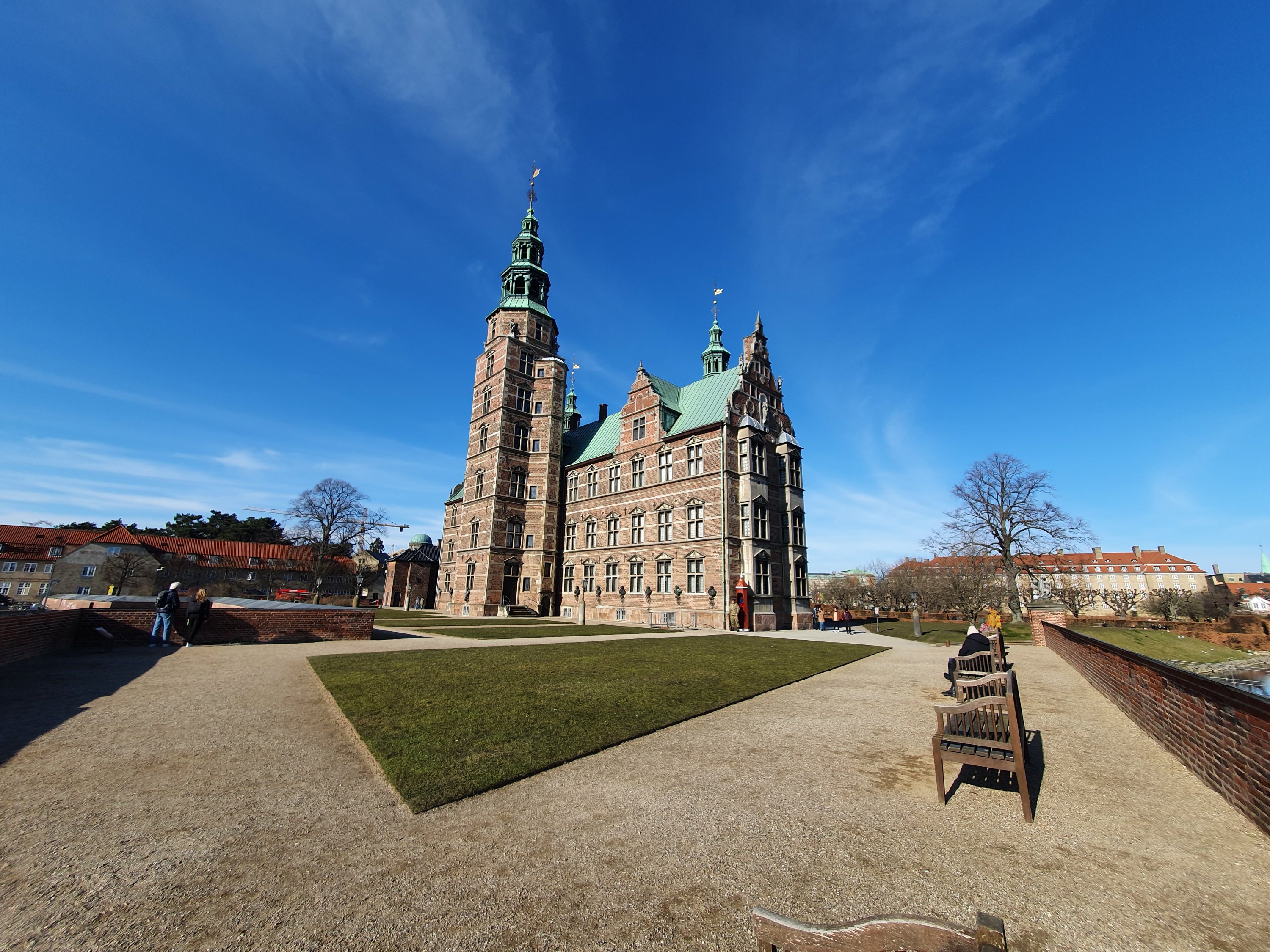
- Rosenborg Castle is the home of the Danish Crown Jewels.
Royal Family Names
Remembering the names of kings and queens of Denmark is very easy. Kings always take the names Frederick or Christian (alternating between generations). Queens are always named Margarethe (but there have been only two queens to date). Queen Margarethe’s father was Frederick the IX, so she took the place of a “Christian” and the crown prince is named Frederick. The son of the crown prince is named Christian.
Kronborg Castle (aka Hamlet’s Castle)
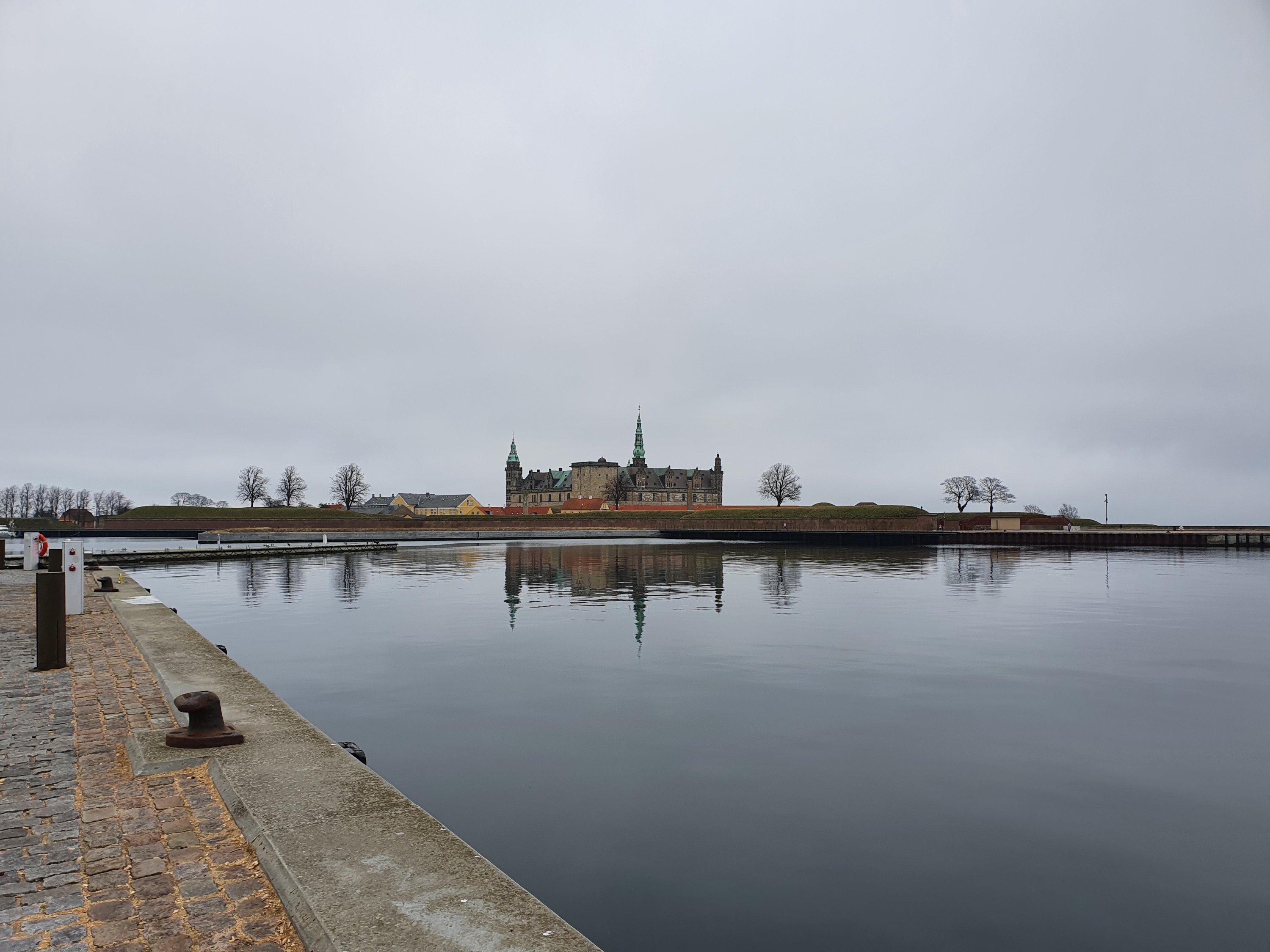
- In Shakespeare’s Hamlet, Kronborg Castle was home to famous the Danish Prince. What is less well known is that in real life, it was also a temporary home to a British monarch; James VI of Scotland (who would go onto become James I of England) for several months.
- Anne of Denmark (daughter of Frederick II of Denmark) was betrothed to James whilst he was still King of Scotland. As was the custom at the time, after a proxy marriage, Anne set-off for Scotland in August 1589. Her ship was blown off-course and she had to seek refuge in Oslo, Norway. King James set-off from Scotland to find Anne after this. They finally met were married in Oslo and afterwards they travelled to Kronborg Castle in December 1589. They resided there for the winter and left for Scotland the following spring.
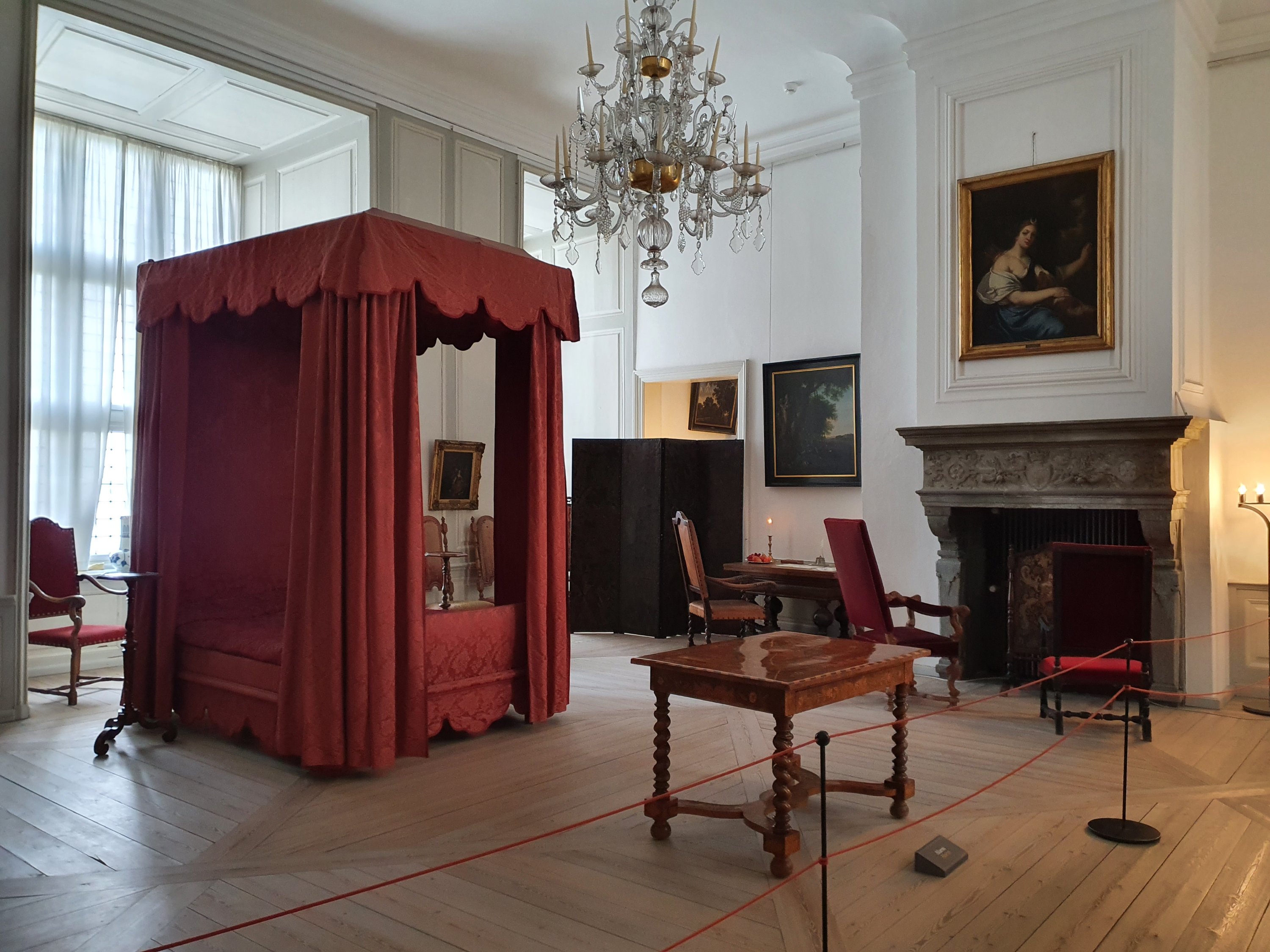
- Today at Kronsborg Castle you can see the royal apartments King James and Queen Anne stayed in (know as the “Scottish suite”). It is also believed that it is whilst here that King James came to believe in witchcraft. He believed it was witchcraft which scuppered Anne’s journey to Britain and became a staunch opponent of anything related to the occult, which subsequently led to many witch trials in Scotland and England.


Hans Christian Andersen
Copenhagen was home to Hans Christian in his most prolific period as an author. He wrote some of his most well known stories whilst living in Copenhagen. The centre of Copenhagen has a small Hans Christian Anderson museum that is well worth a visit.
Visiting the museum was also a chance to revisit many of the fairy tales I had first heard as a child, in their original versions. As the museum reminds us the aim of the stories was to inject a healthy dose of reality and there isn’t a happy ending always. For example, in the original version of the little mermaid, there is no happily ever after; the prince marries the princess from the neighbouring kingdom and the little mermaid throws herself off the ship and turns into sea foam. In the story of the Matchbox girl, she uses up all her matchsticks, trying to see visions that bring comfort, but are not real. Subsequently she freezes to death overnight.


The little mermaid – not so little
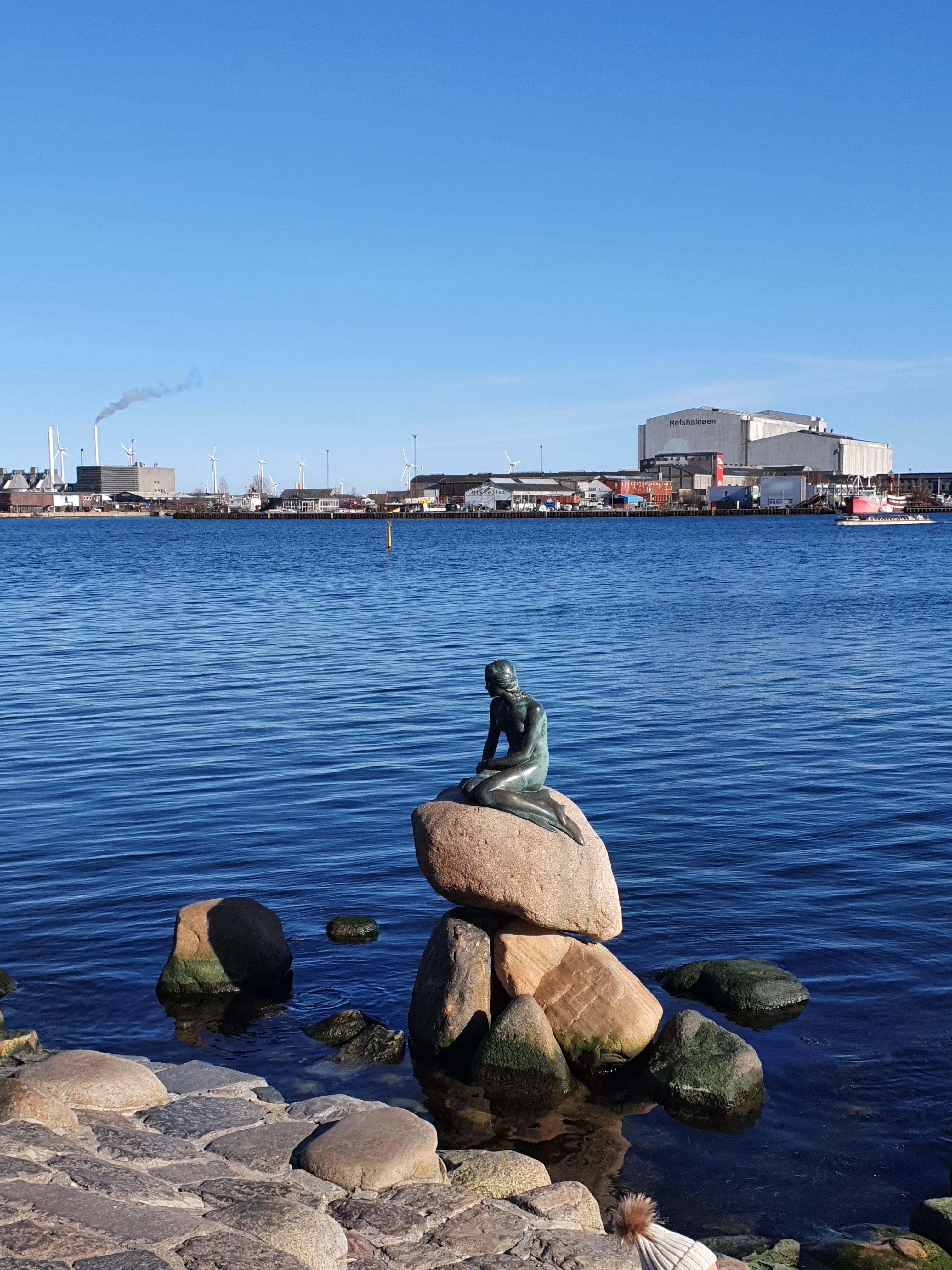
Before I went to Copenhagen I read/heard in several places that the famous little mermaid statue was actually a lot smaller than you imagine. But for me this was not the case at all. The statue is lifesize. What did surprise me was the fact that the statue was actually inspired by 2 women. The sculpture was inspired by ballerina Ellen Price, who in 1909 danced the lead role in the ballet The Little Mermaid at the Royal Theatre. The statue was funded by the Danish brewer Carl Jacobsen who gifted it to the City of Copenhagen. The brewer was so captivated by the fairy tale after seeing a ballet performance starring Ellen Price, he commissioned the sculptor Edvard Eriksen to create a sculpture of the mermaid. However, Ellen Price would not model in the nude for sculptor Eriksen, and so Eriksen’s wife, Eline Eriksen, posed for the sculpture of The Little Mermaid. So the body of the sculpture is based on Eline Eriksen, but the face is based on Ellen Price.

 Diary of a Tourist