Where and when: Rio de Janeiro, Brazil, 29 February 2024
0800: We start the day with a half day tour of Rio de Janeiro.
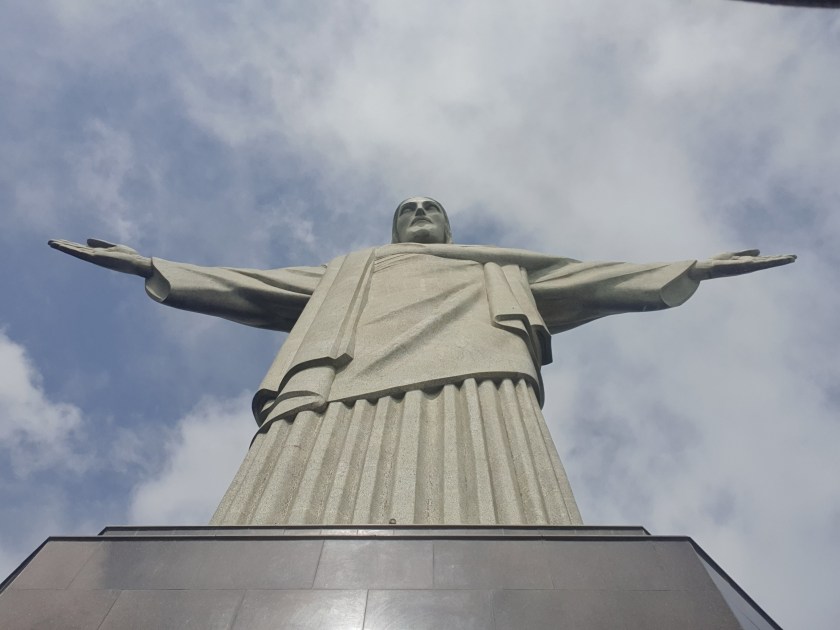
First stop of the tour is the famous Chirst the Redeemer statue. The statue sits atop the Corcovado (meaning “hunchback” in Portuguese) mountain. It is a 710-metre granite peak located in the Tijuca Forest, a national park.
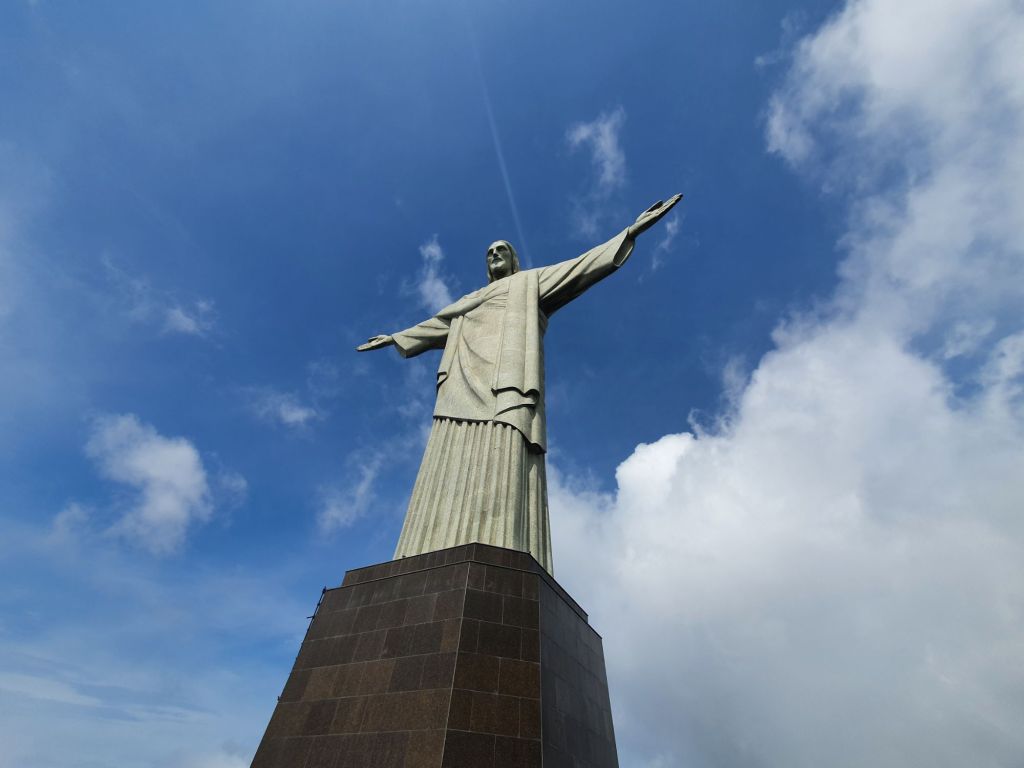
Christ the Redeemer is an Art Deco statue of Jesus Christ. The statue was constructed between 1922 and 1931, the statue is 30 metres high, not including its 8-metre pedestal. The arms stretch 28 metres wide. It was created by French-Polish sculptor Paul Landowski and built by Brazilian engineer Heitor da Silva Costa, in collaboration with French engineer Albert Caquot. Romanian sculptor Gheorghe Leonida sculpted the face.
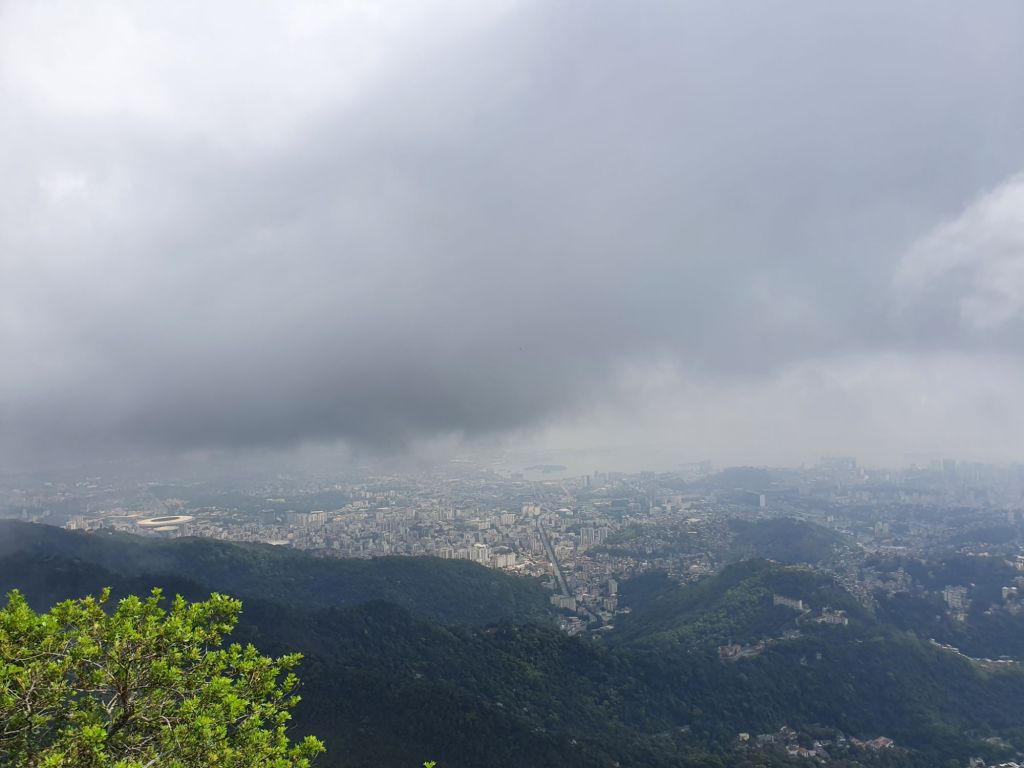
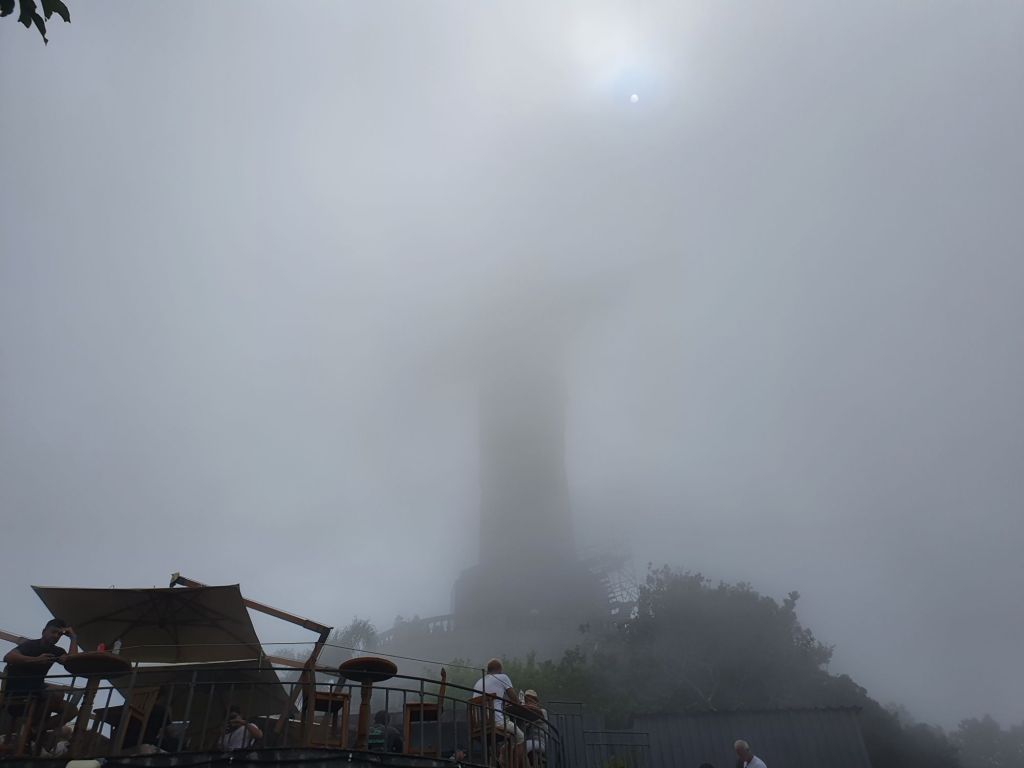
As the Corcovado peak is so high, it is often covered in clouds. So we didn’t get the best views of the city from the top. At least we were lucky enough to see the statue in its full glory when we arrived – 30 minutes later it was completely covered in fog.
Next was a stop at the Santa Teresa neighbourhood. It is located on top of the Santa Teresa hill, in the centre of Rio, and is famous for its winding, narrow streets which are a favourite spot for artists and tourists.

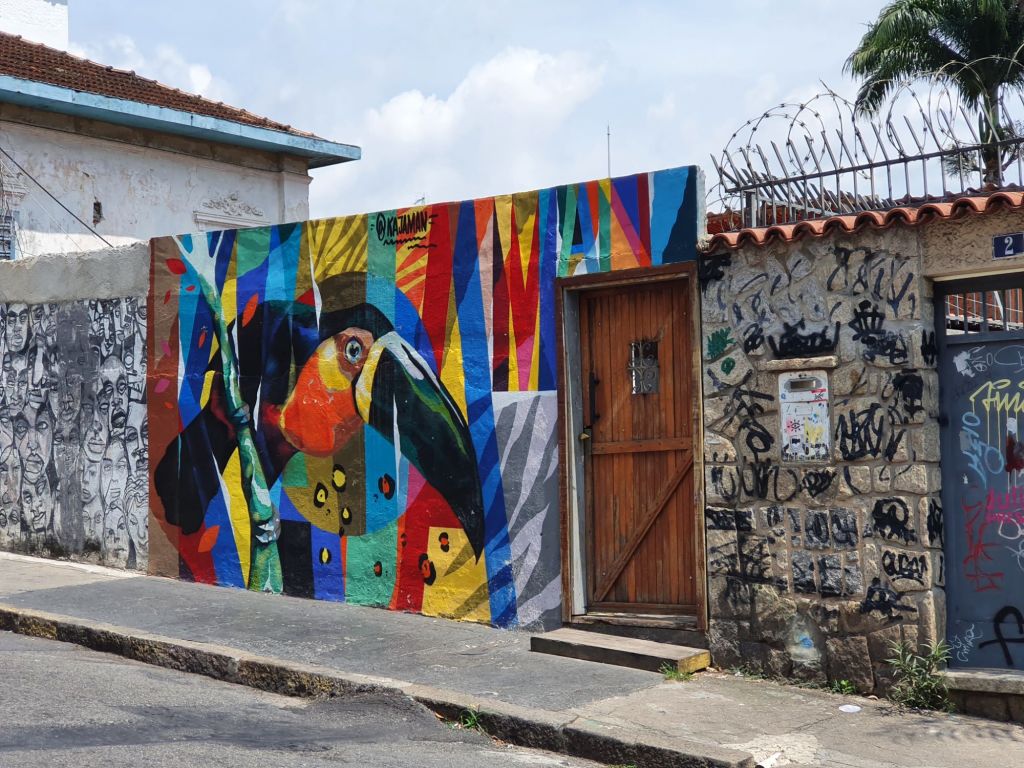
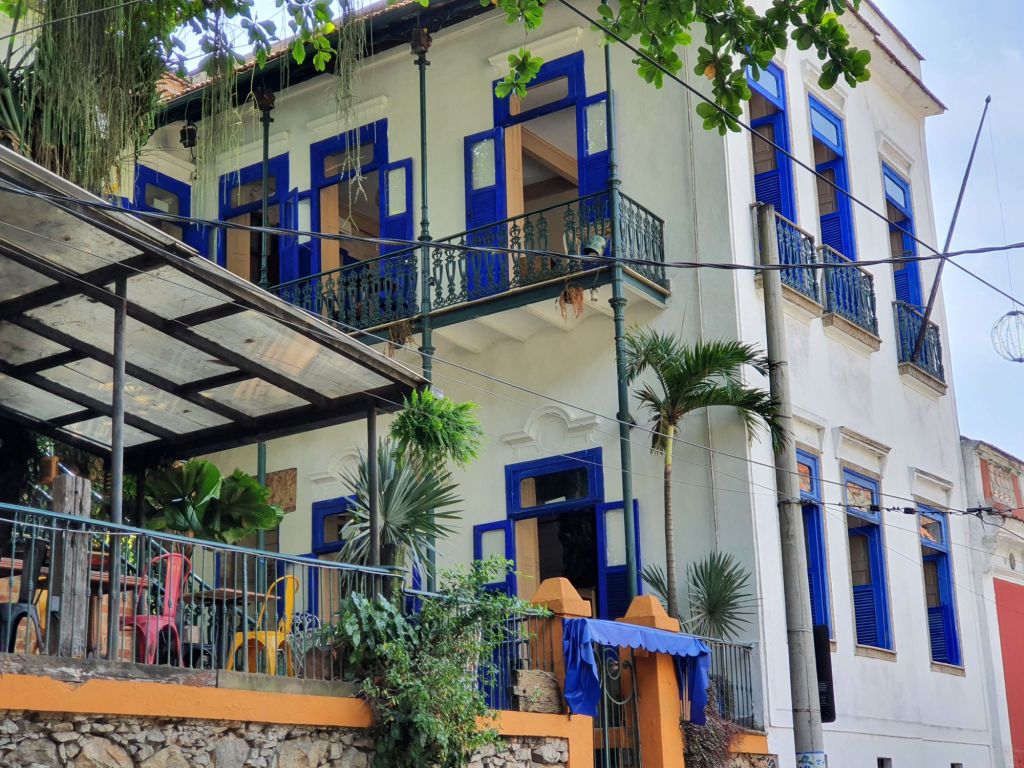
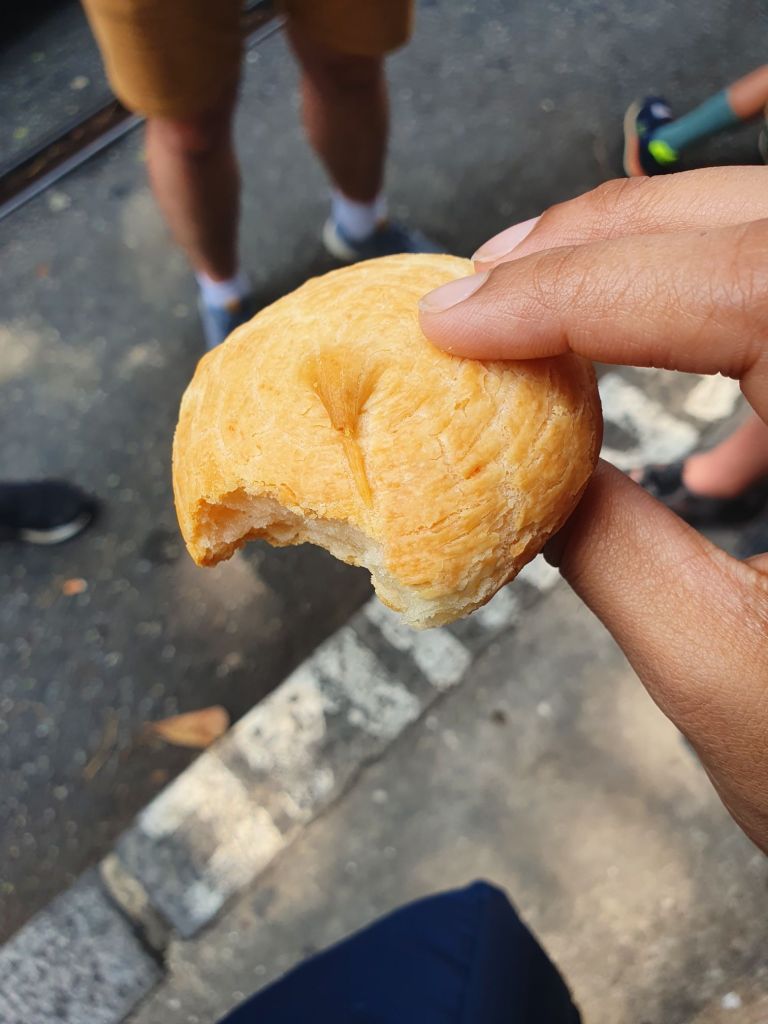
The houses are colonial and has a bohemian vibe. We stopped here to try some locally made “Pão de queijo” – a Brazilian cheese bun made of tapioca flour and cheese.
Our next stop is the Selarón Steps (“Escadaria Selarón”). The steps straddle the Lapa and Santa Teresa neighbourhoods. There are 215 steps measuring 125 metres (135 yards) long, which are covered in over 2000 tiles collected from over 60 countries around the world.
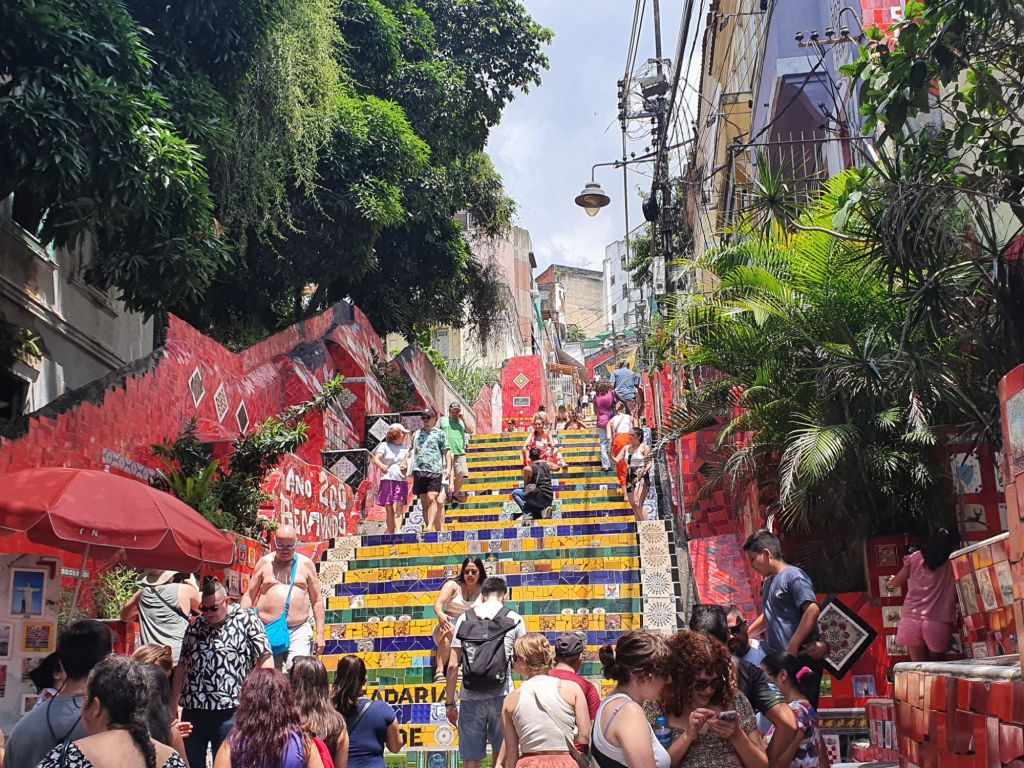
They are the work of Chilean-born artist Jorge Selarón. He started decorating the steps in front of his house but it soon grew into a famous art project.

Originally, tiles for the work were scavenged from various construction sites and piles of urban waste found on the Rio streets. But in later years, most of the tiles were donated by visitors from all around the world.
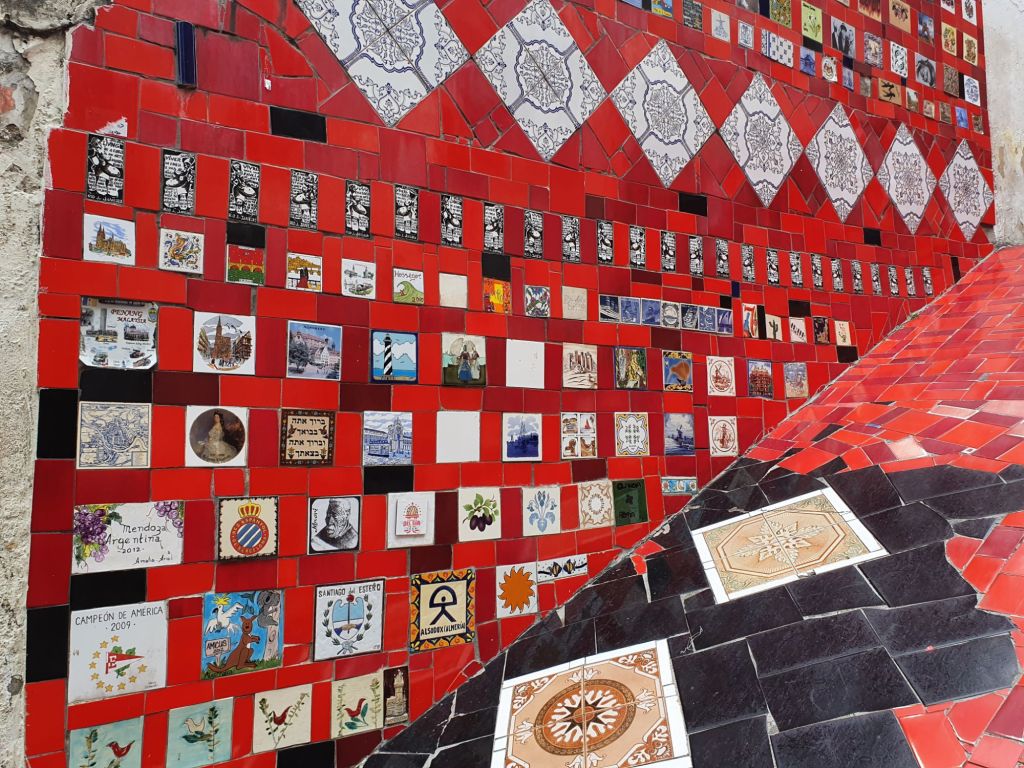
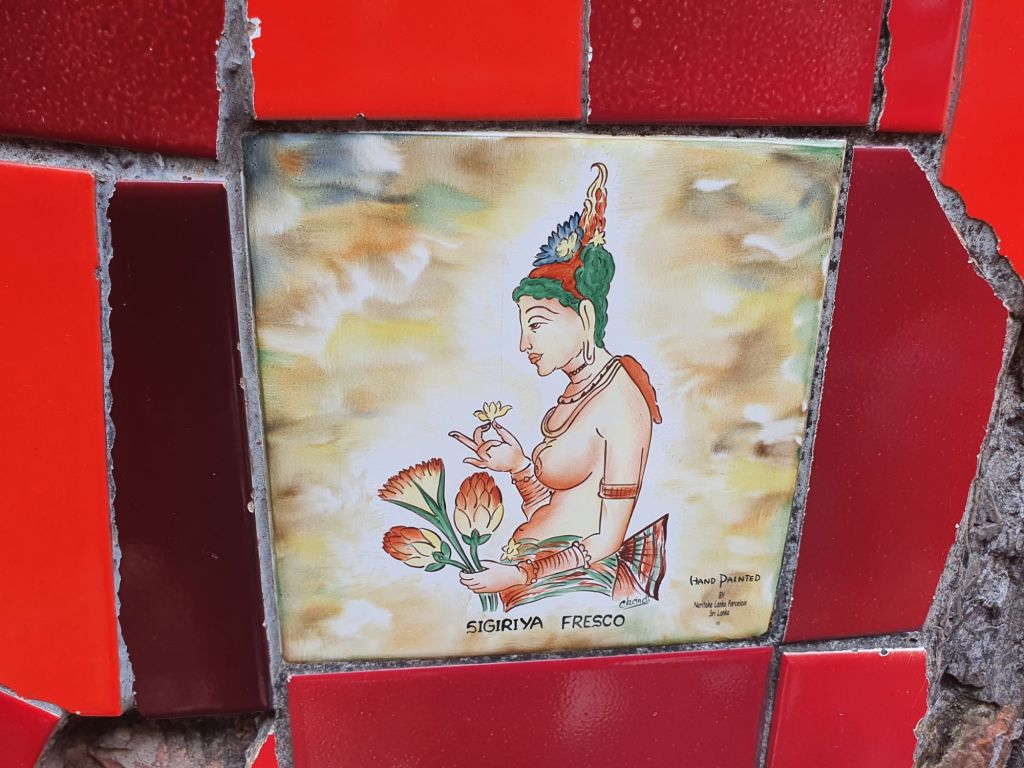
We spent a good 30 minutes here exploring the steps and looking at the tiles from all four corners of the world. I was particularly pleased to find a tile from Sri Lanka made by its best known porcelain company, Noritake.
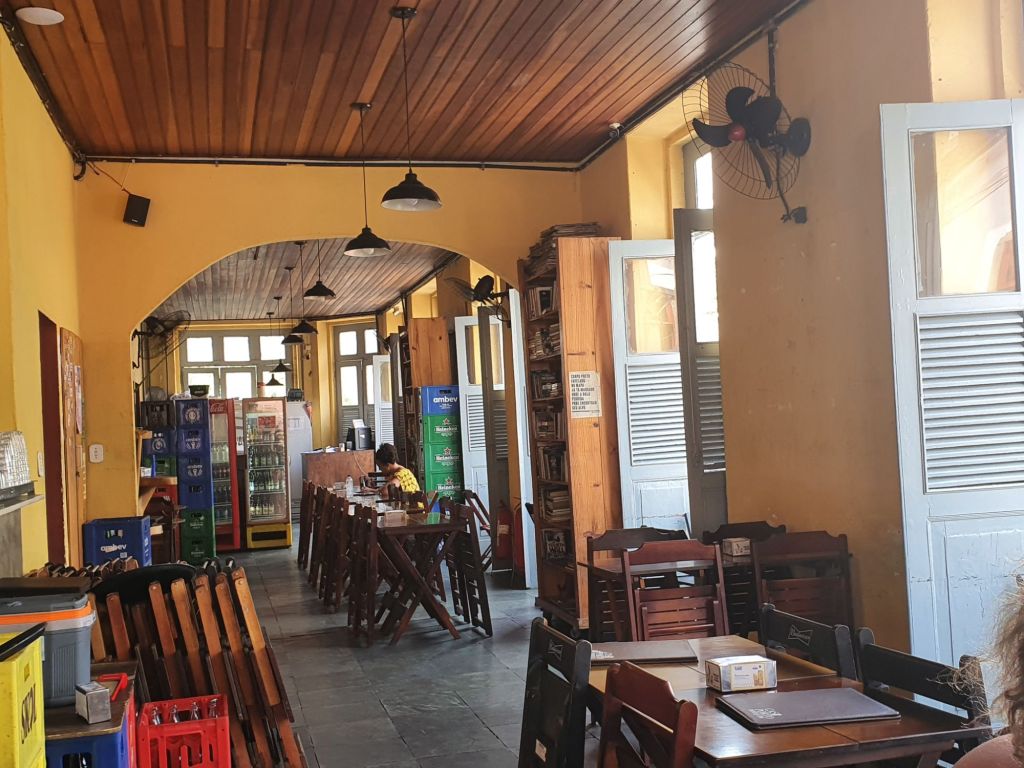
1215: Lunch at Casa Porto. This is part library, part restaurant proving comforting Brazilian cooking – and they serve Caipirinhs by the pitcher.

1400: After lunch, we go on to “Cidade do Samba” (Samba City), which is a complex of buildings in the neighborhood of Gamboa.
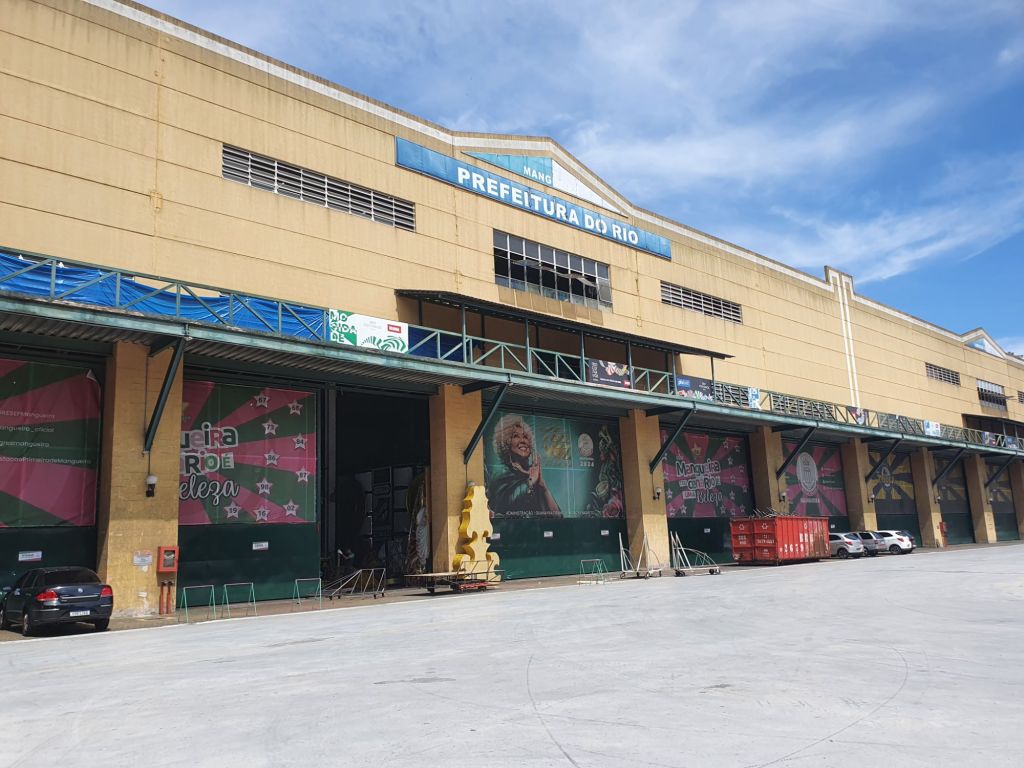
It is used for Samba schools to prepare for carnival. About fourteen of the major Samba schools have a warehouse in the complex. We are here to go behind the scenes of the carnival 2024.
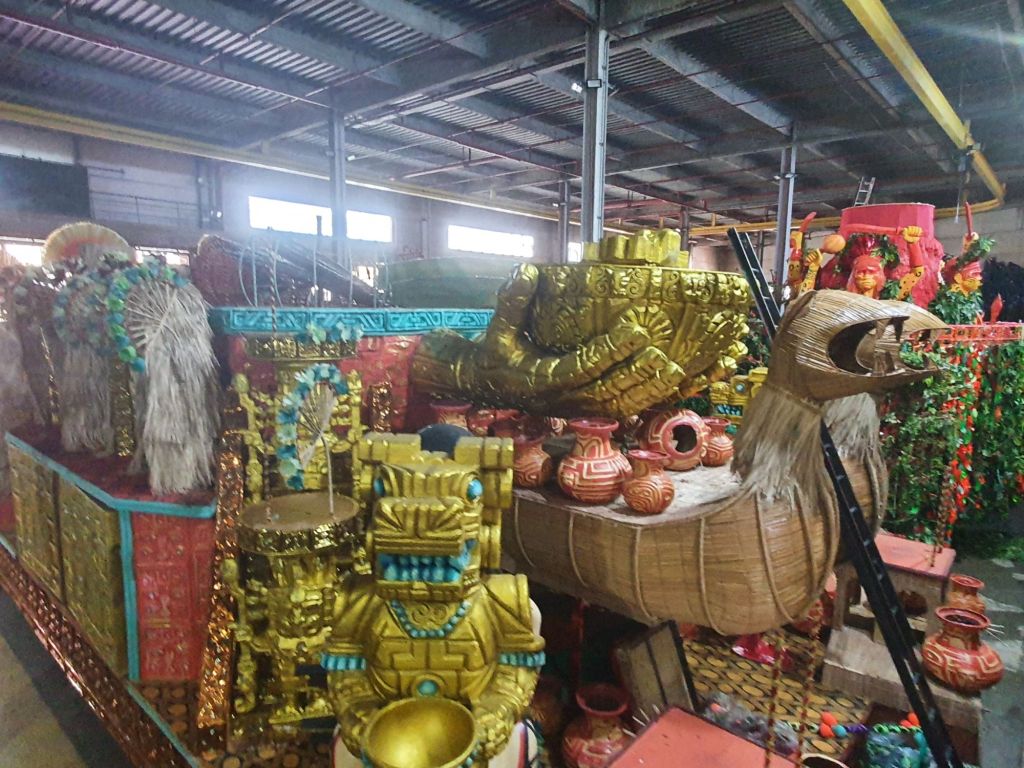
The Rio Carnival is in February at the start of lent. In 2024, the official dates were February 9th – 17th.
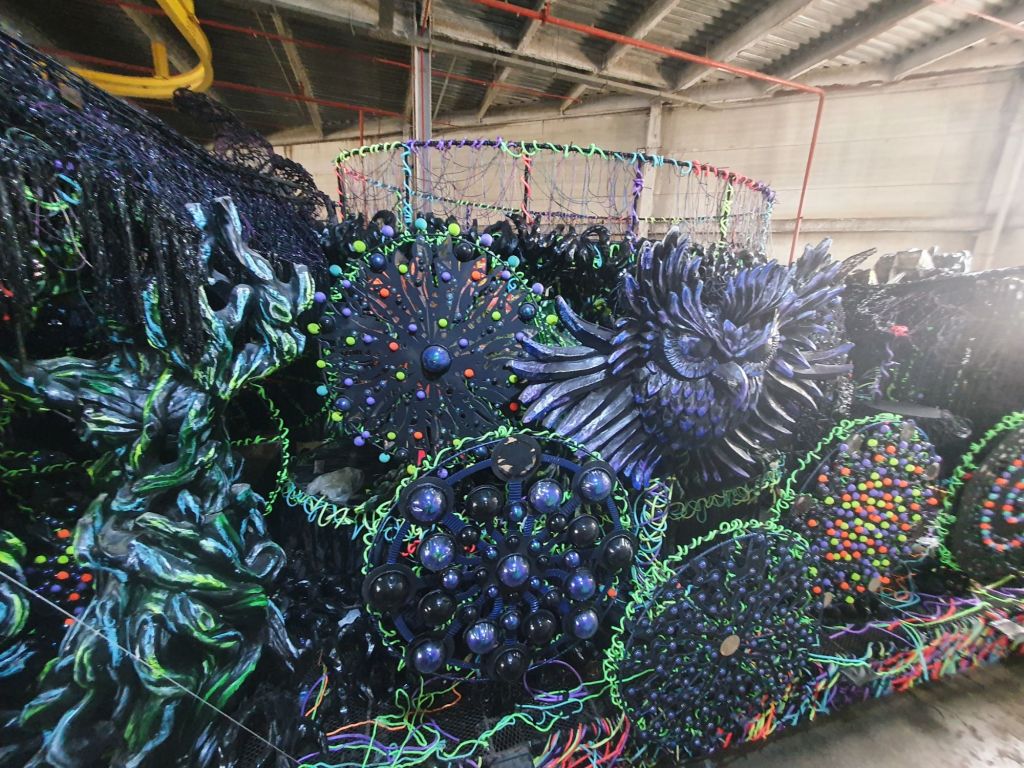
Carnival activities include the Samba parades and the hundreds of blocos scattered throughout the city – these are the street parties and free concerts.
The Carnival Parade is actually a competition between Samba schools, each parading across the Sambadrome in a highly elaborate performance that’s been in the making for a year. There are strict rule governing what the performance should include (or not). Each school has upto 2500 performance on their parade and spends upwards on 1 million USD on their parade. It is highly competive and the two schools that score the lowest marks get relegated – and the scores are very close indeed.
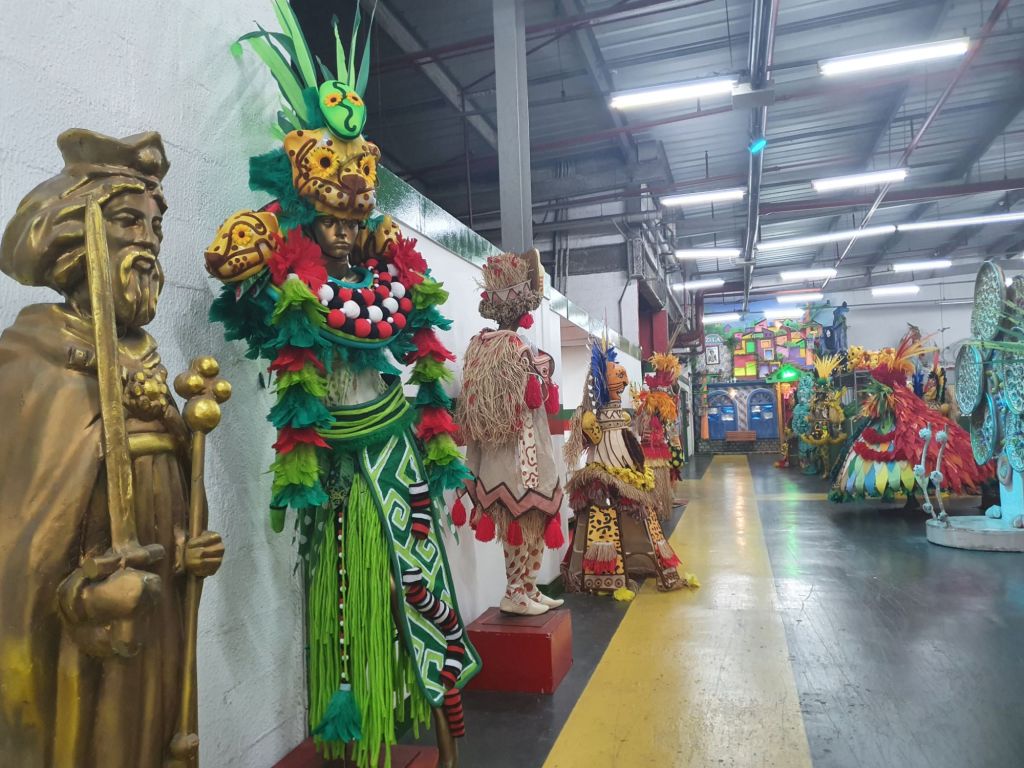
In the weeks and months leading upto the carnival, the schools work 24/7 in secret and entrance to the warehouses is strictly controlled. As we were a couple of weeks after the carnival, we got to go and view the floats and costumes from the Carnival this year.
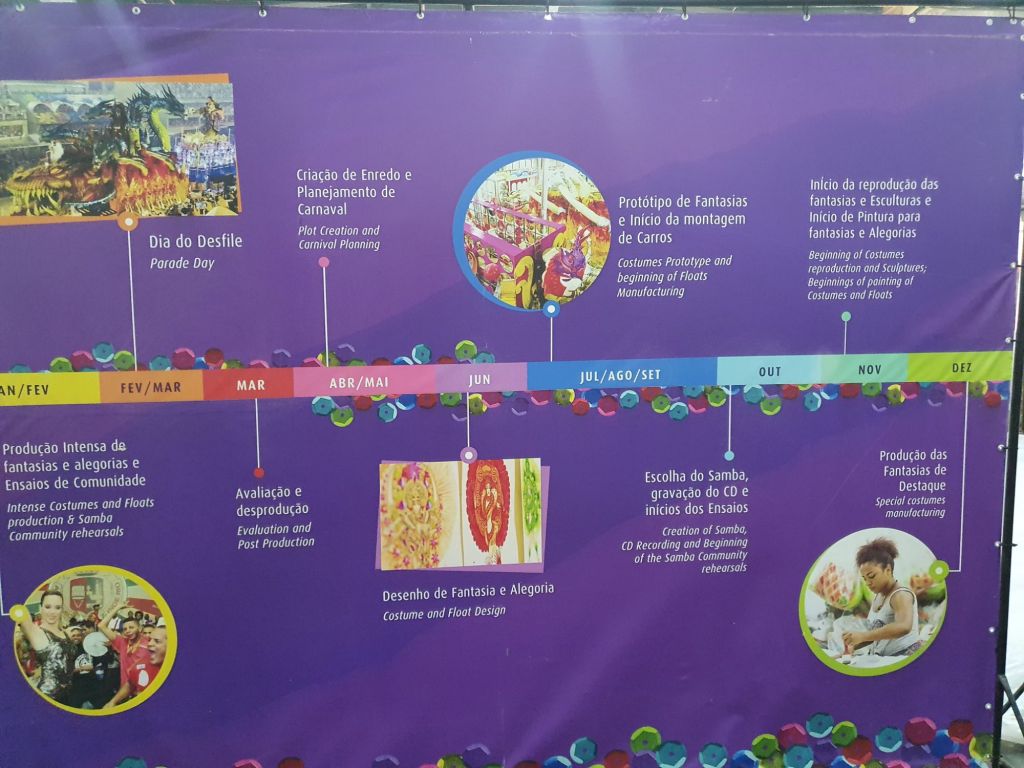
The ground level holds the floats for this year. They will be dismantled and recycled for next year.
Upstairs we go on to see the costumes. The costumes weigh many 10s of kilos. Not sure how anyone could carry them, let alone dance in them, in the summer heat (the parades are held at night)
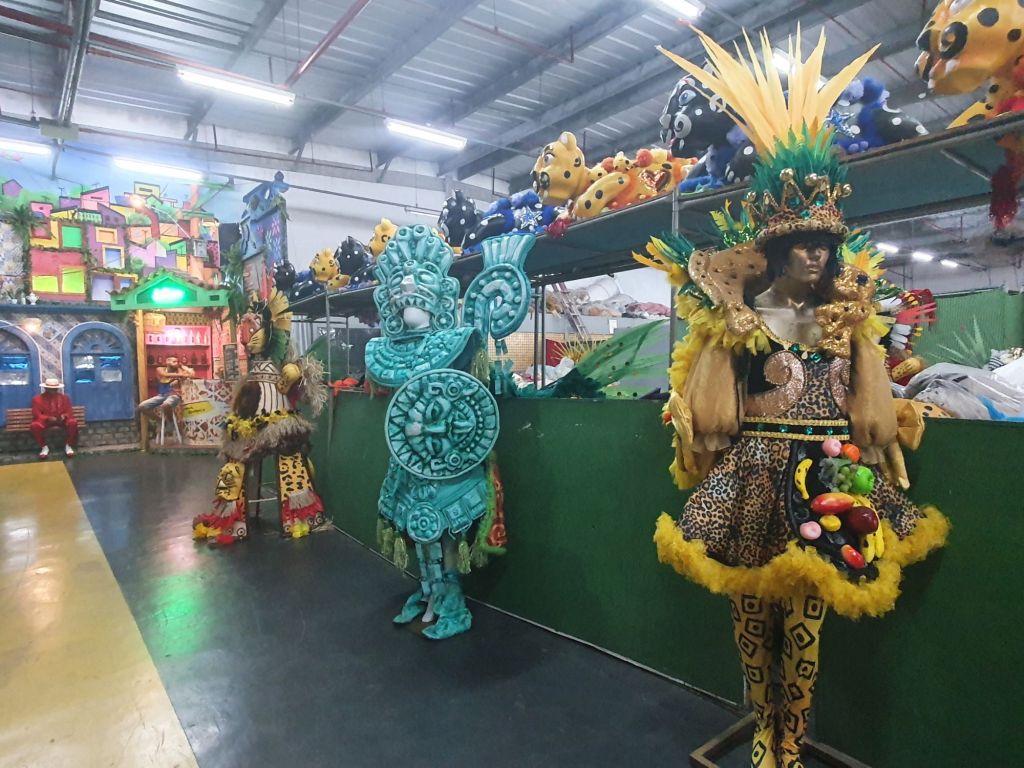
The last bit was the most interesting – we got to try some samba costumes from previous parades.
Just as we thought it couldn’t get any better, we next got to see a performance and a samba lesson from one of the dancers in this year’s festival.
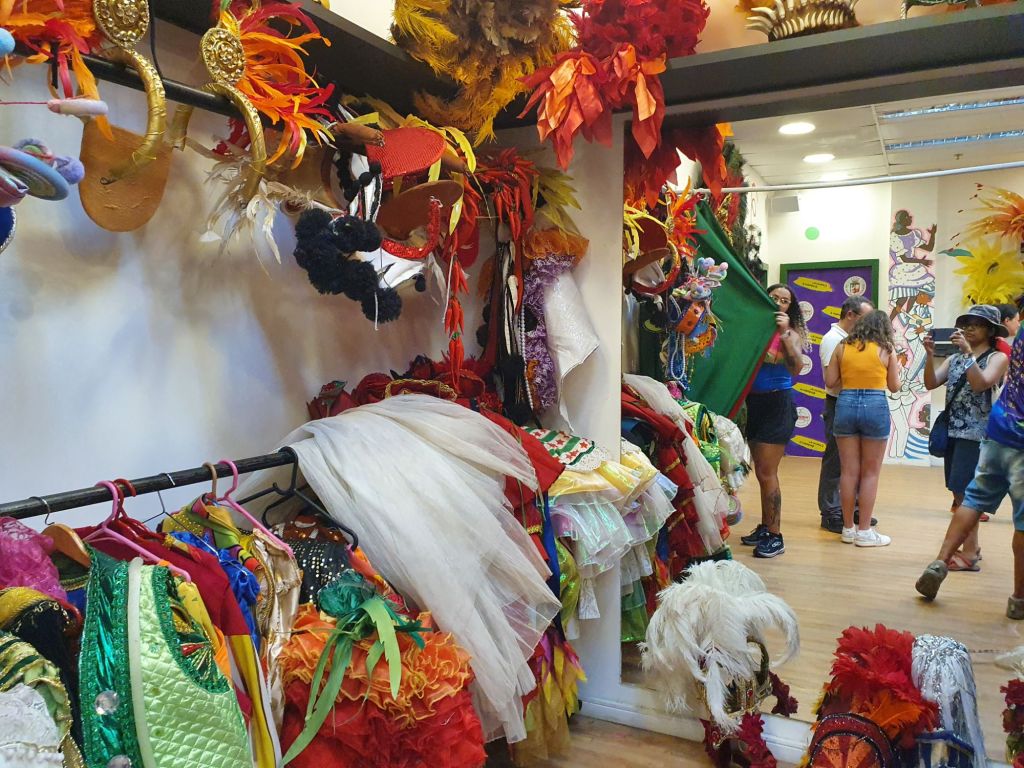
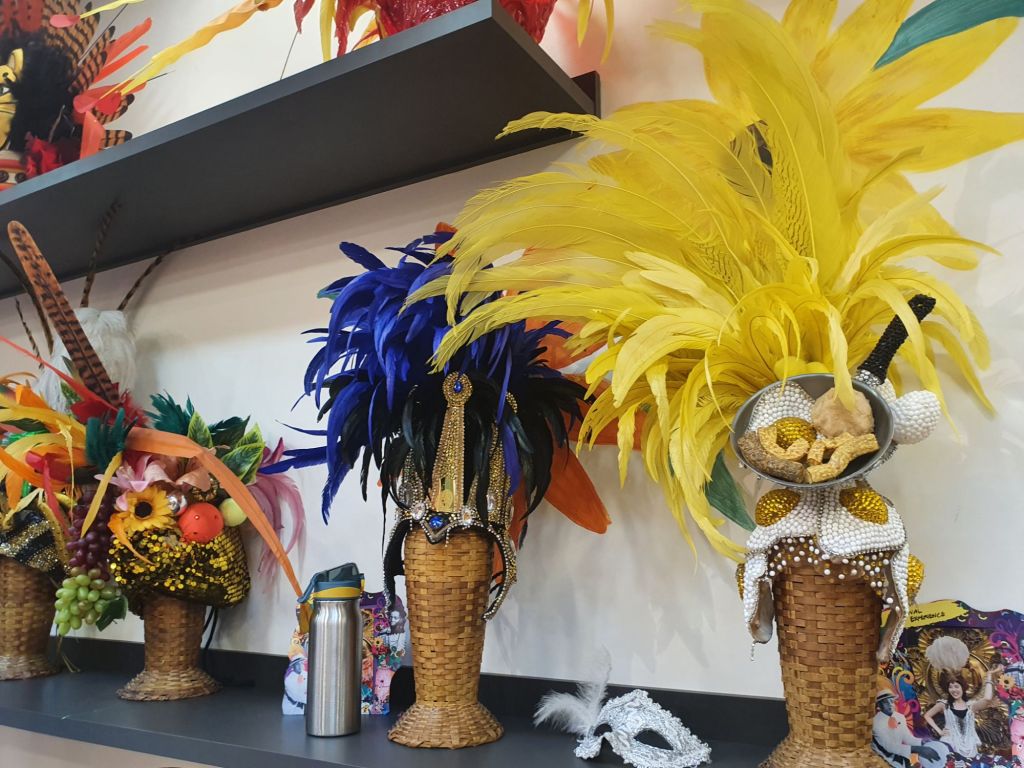
After a quick Caiprinha we are on our way.
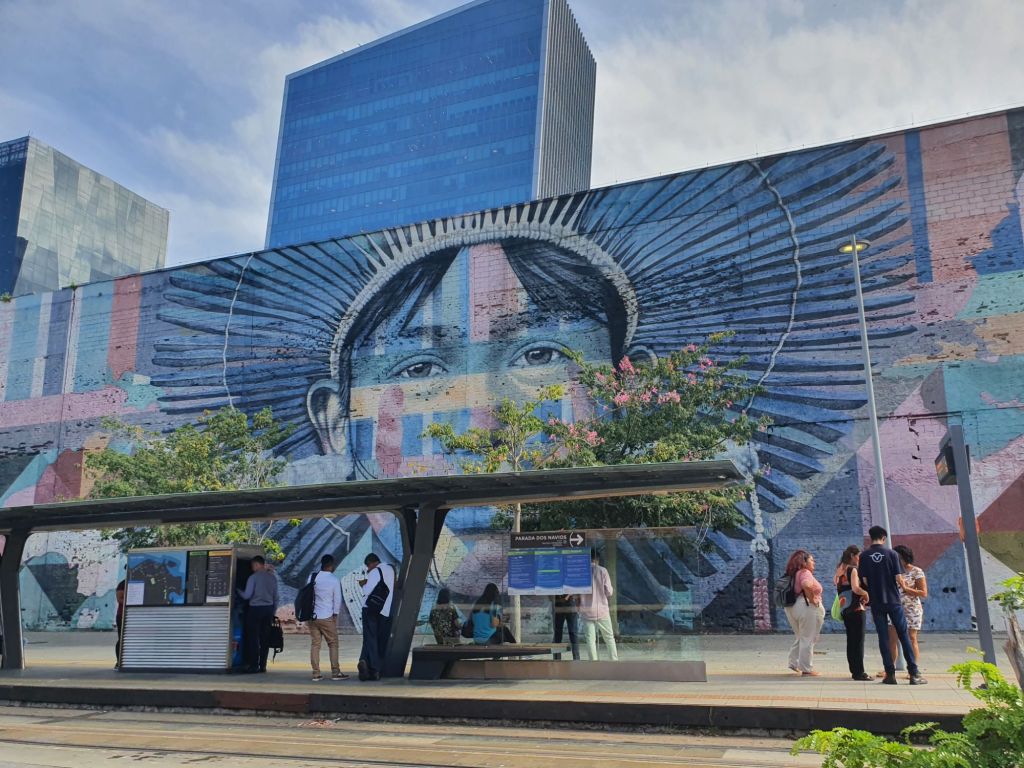
1600: We make a short detour to see some Rio 2016 Olympic murals, Rio”s financial distric and science museum.
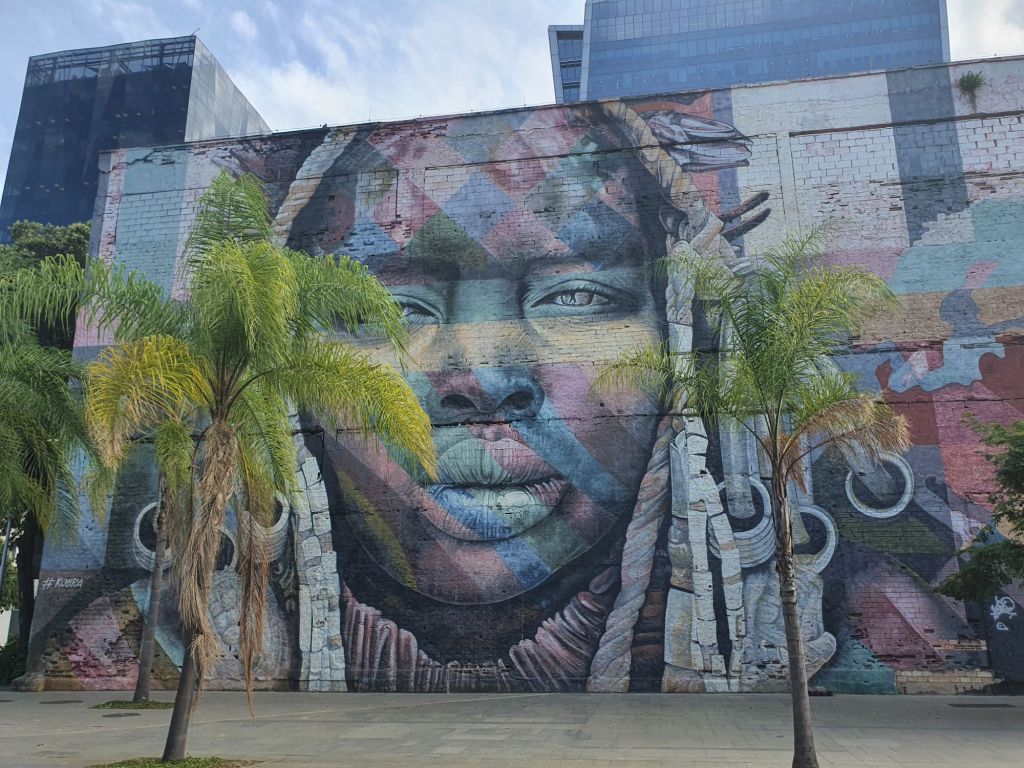
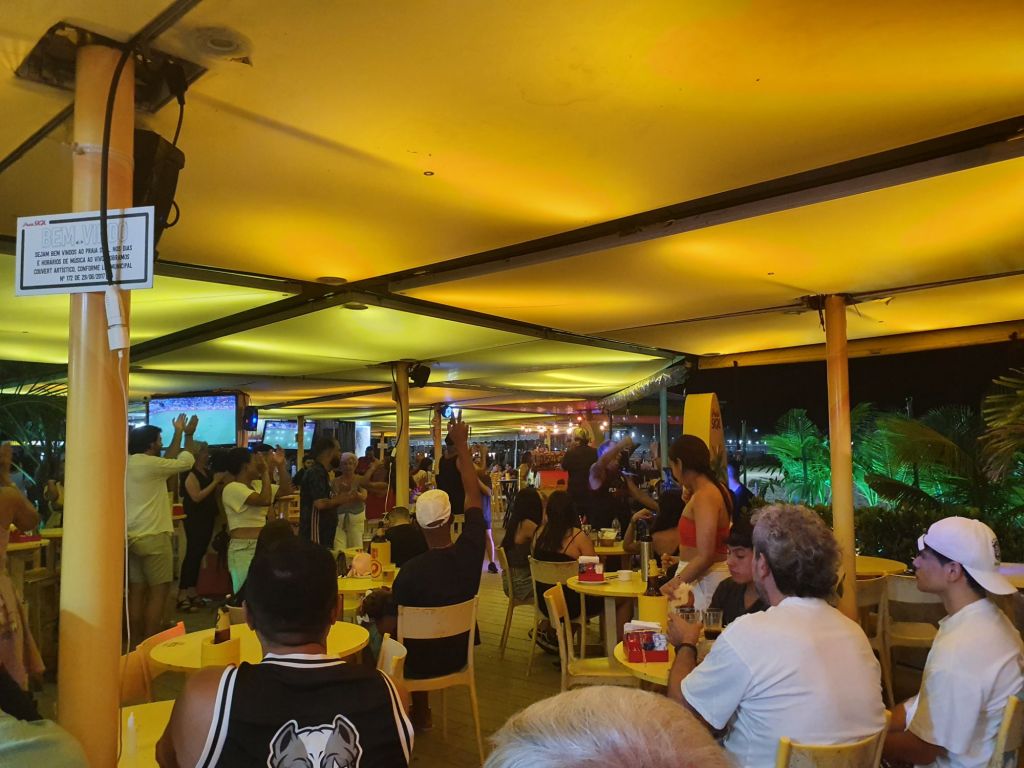
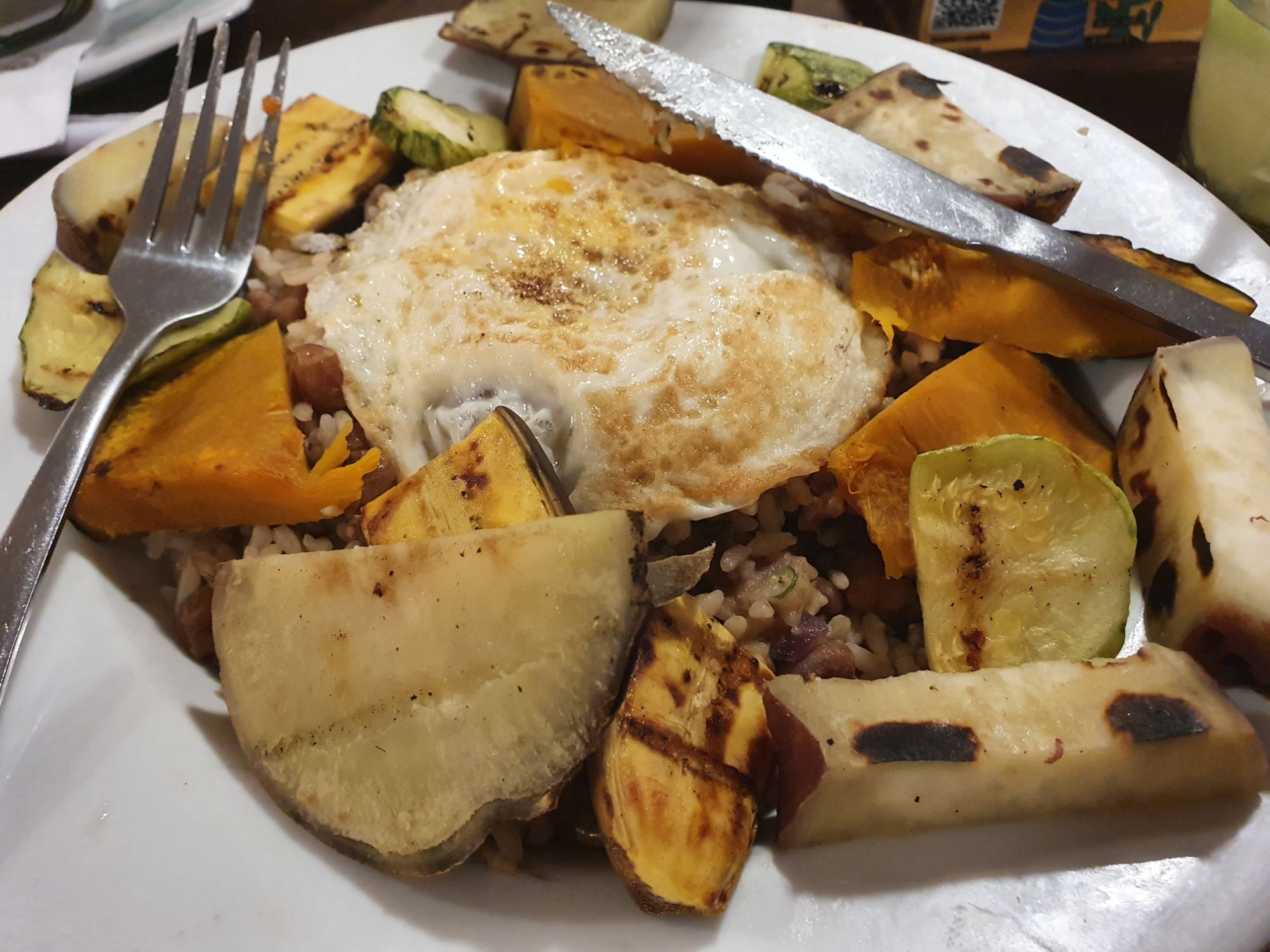
1900: Our final trip dinner – we are having North Brazilian cuisine at a restaurant on the Copacabana beach.

 Diary of a Tourist
How interesting to see behind the scenes of Carnival. I had no idea it was a competition. I wonder how the relegated schools ever get back into the running. The Santa Teresa neighborhood looks fun!
LikeLiked by 1 person