
Where and when: Porto/Gaia, Portugal, 14 September 2024
Having explored the city of Porto and the Duoro valley, we decided to spend the last day of our trip exploring Vila Nova de Gaia.
1000: Walking tour of Gaia with GuruWalk.
Vila Nova de Gaia is on the South of the river Duoro across from the Porto old town. Both towns date back to Roman times and for a long period they were the border towns between the Christian and Moorish Kingdoms of Spain (with the Duoro river being the border).

Gaia is said to be named after the wife of Christian King Ramiro. The legend of Gaia offers one theory of how the town of gaia got its name.
Vila Nova de Gaia means the new village of Gaia, which expanded around the central hill of Gaia as the town grew.
Gaia became the centre of Port export from the 17th century onwards – one because they had the space to build the large port and wine cellars. And also because the sun rises behind Gaia, which means that for the majority of the day, Gaia doesn’t get direct sunlight (unlike Porto on the opposite side of the river).

Gaia today is the third largest city in Portugal, behind Lisbon and Sintra (and yes, population-wise, it is bigger than Porto). The working tour took us past several intresting spots of Porto, including some famous street art.
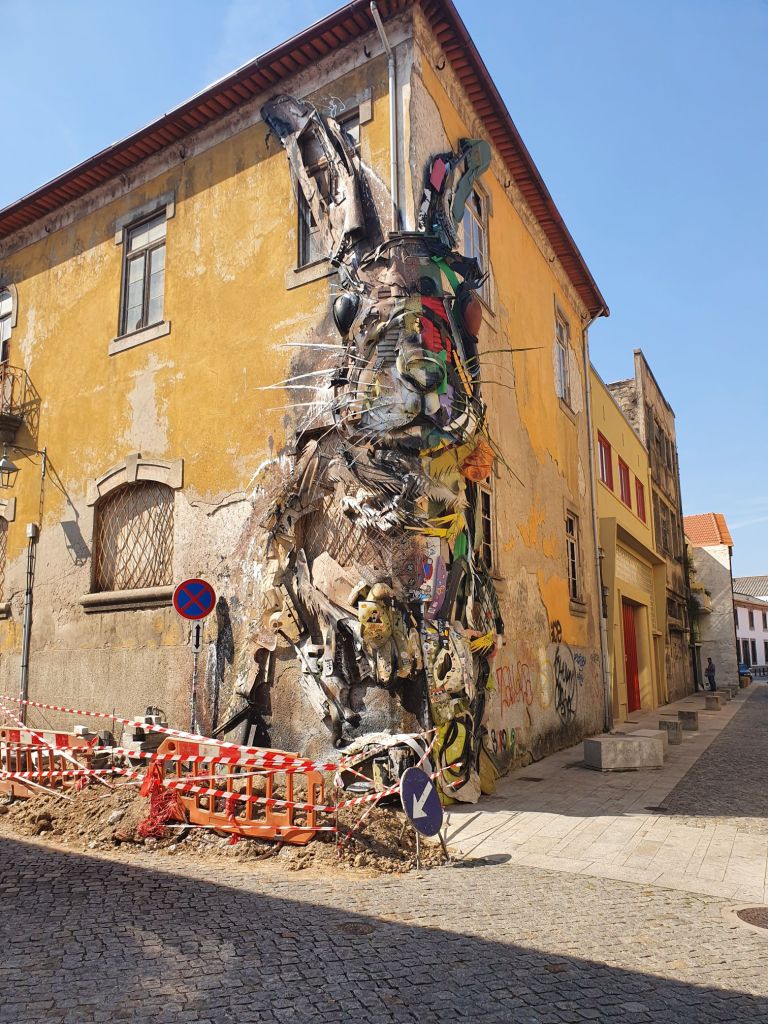
We also saw the WoW cultural district – a complex of museums and restaurants built to celebrate the surrounding wine region. There are specialty museums dedicated to Rose Wine, Cork and Chocolate. We didn’t have time to explore any of the museums, so it is definitely on the list for next time.

Being a Saturday, there was a market at the water front, selling local handicrafts. Gaia felt a lot less busy and as a result, more relaxed than Porto. There were a lot of locals enjyoing their Saturday with a stroll in the market and lunch at a waterside cafes .
1500: We visited the Cockburn’s (pronounced Coburn’s) Port cellar. One of the most widely known Port makers in the market (especially in the UK).
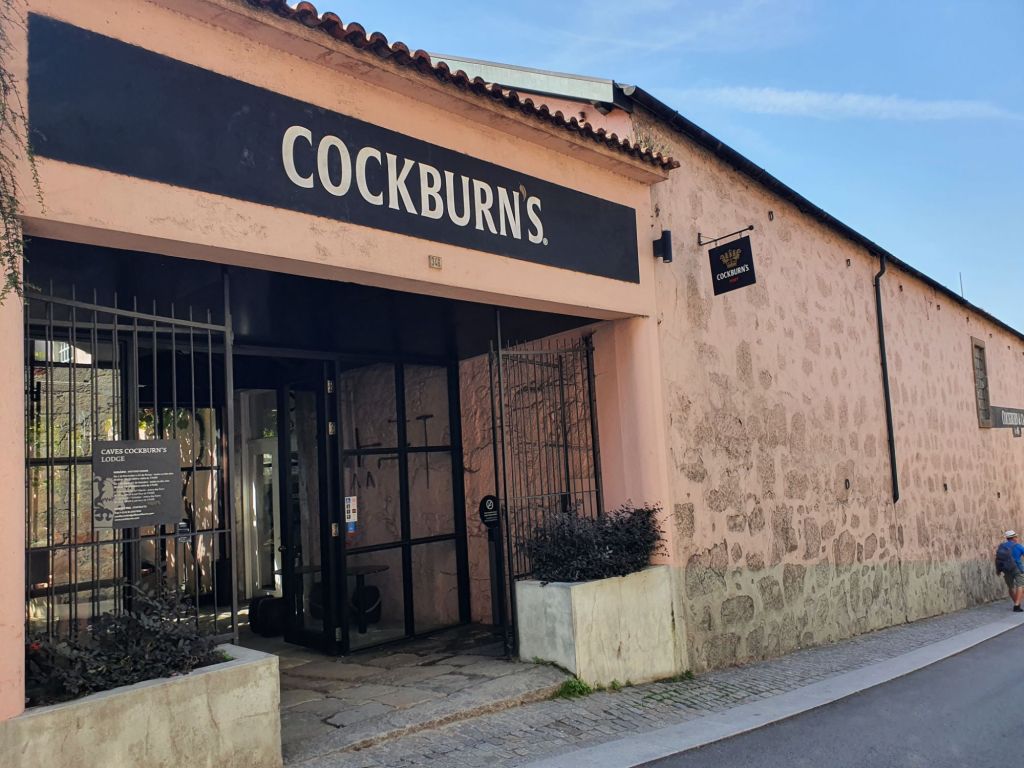
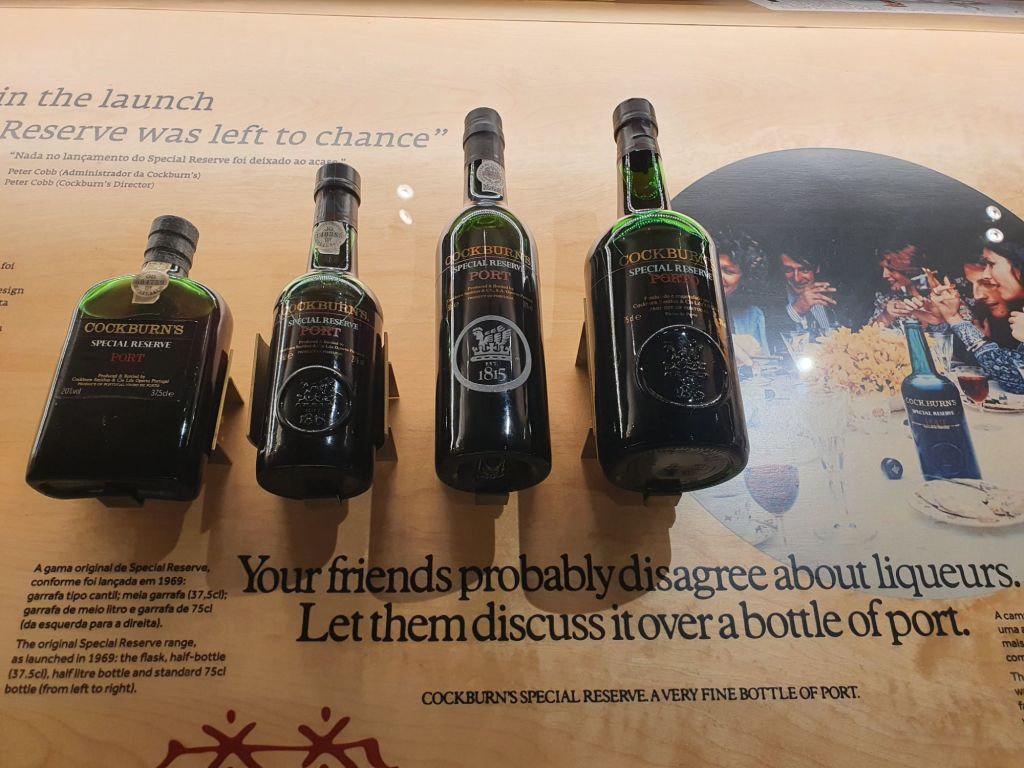
There is a museum that tells the history of the Cockburn’s Port. It was started by Robert Cockburn from Scotland in early 1800’s, who was driven by a desired to secure and sell the best quality Port wine. The brand is now owned by the Symington Family (along with several other famous Port brands such as Dow and Graham’s).
On the tour you can see barrels used to store and age the Port. Cockburn’s has the largest Port cellars in Gaia.


We also got to see the vault of the Symington family that stores rare and vintage Ports, oldest of which dates back to 1861.
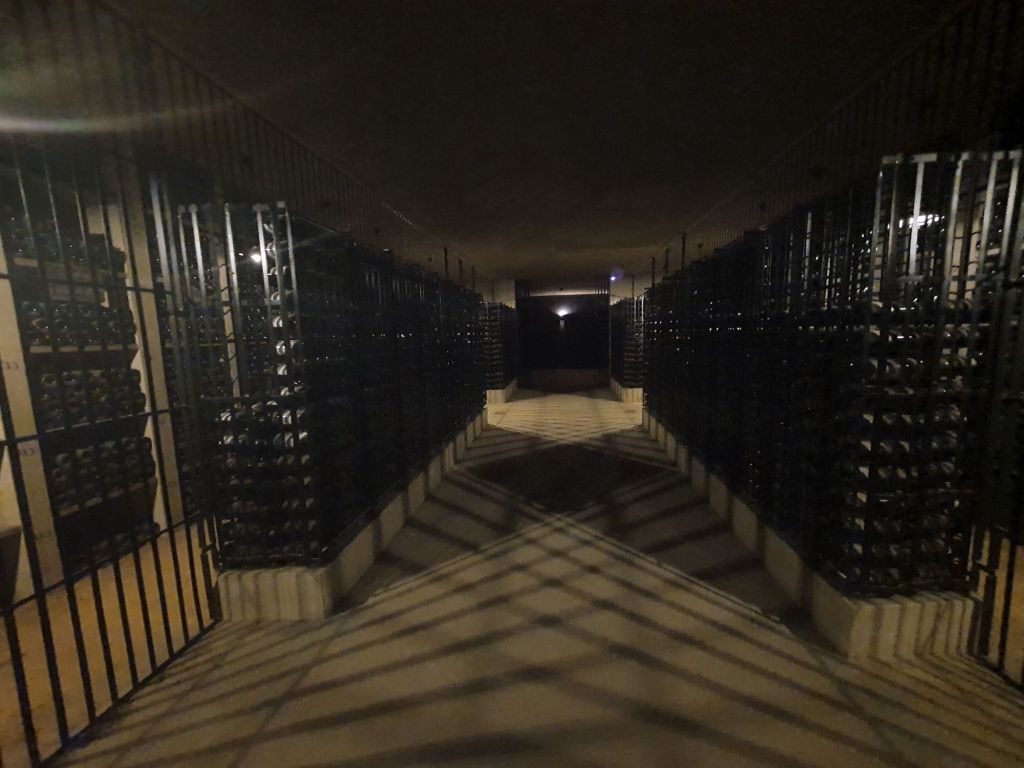
The tour ended with a tasting of 3 types of Port.
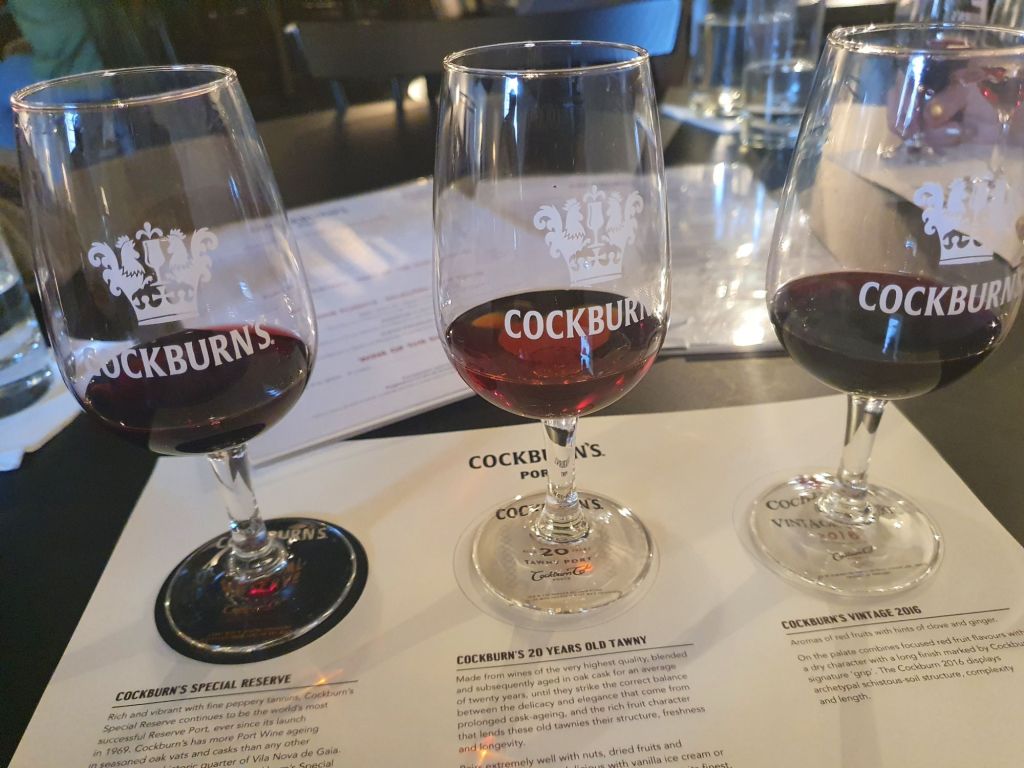
Tip: If you are going for a day trip to the Duoro valley, visit Cockburn’s before going to the Duoro valley. The Cockburn’s tour and museum tells you about the grape growing estates (or Quintas) used to provide grapes to port labels owned by the Symington family, so you can look out for these during the Duoro tour.
1800: Back to Porto via a quick crossing of the Duoro.

Our last stop of the day was the bookshop Livraria Lello. The bookshop was made famous by Harry Potter – it was believed for a long time that it was the inspriation for Diagon Alley’s bookstore Flourish & Blotts.

When you enter the bookshop you can see why it is famous – relatively small space is any book lover’s dream. Floor to ceiling wooden bookcases line all the walls and in the middle is a beautiful ornate staircase that takes you to the first floor. In the first floor the ceiling is the beautiful stained glass window.
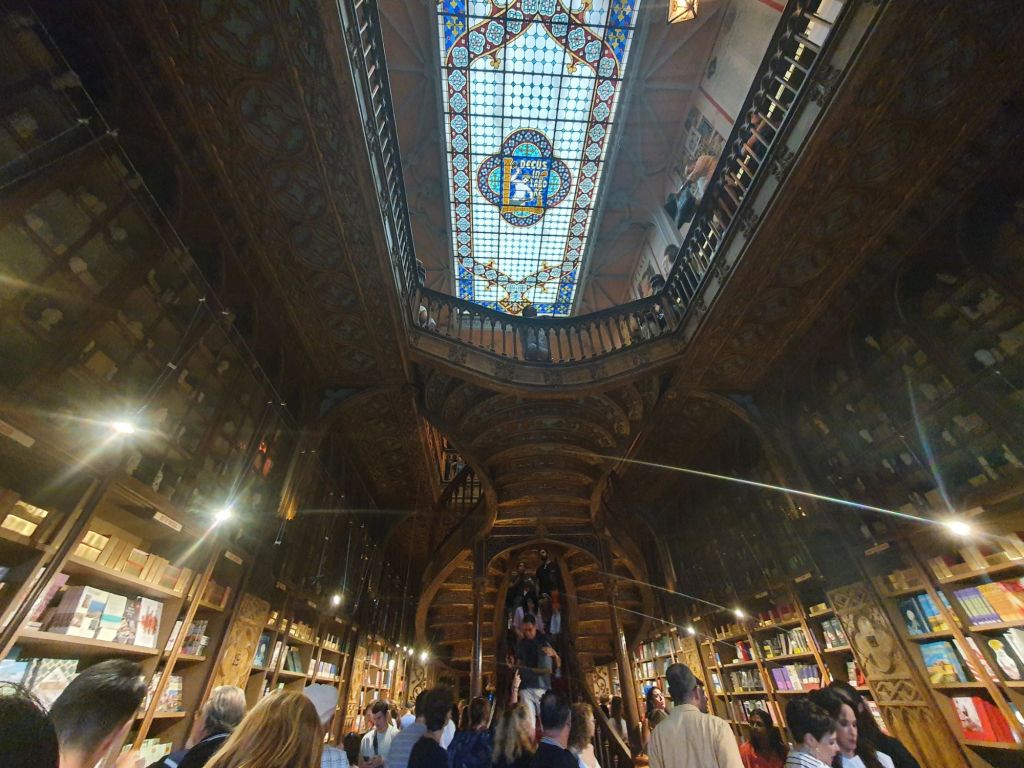
It has recently been confirmed JK Rowling never knew about the book shop. So it is unlikely to be the inspiration for the fictional bookseller in Harry Potter, but that hasn’t diminished the shops popularity. There is a long line of people waiting to enter and you need to book a timed ticket. Ticket costs 8 euros, but if you buy a book, you can redeem the cost of the ticket.
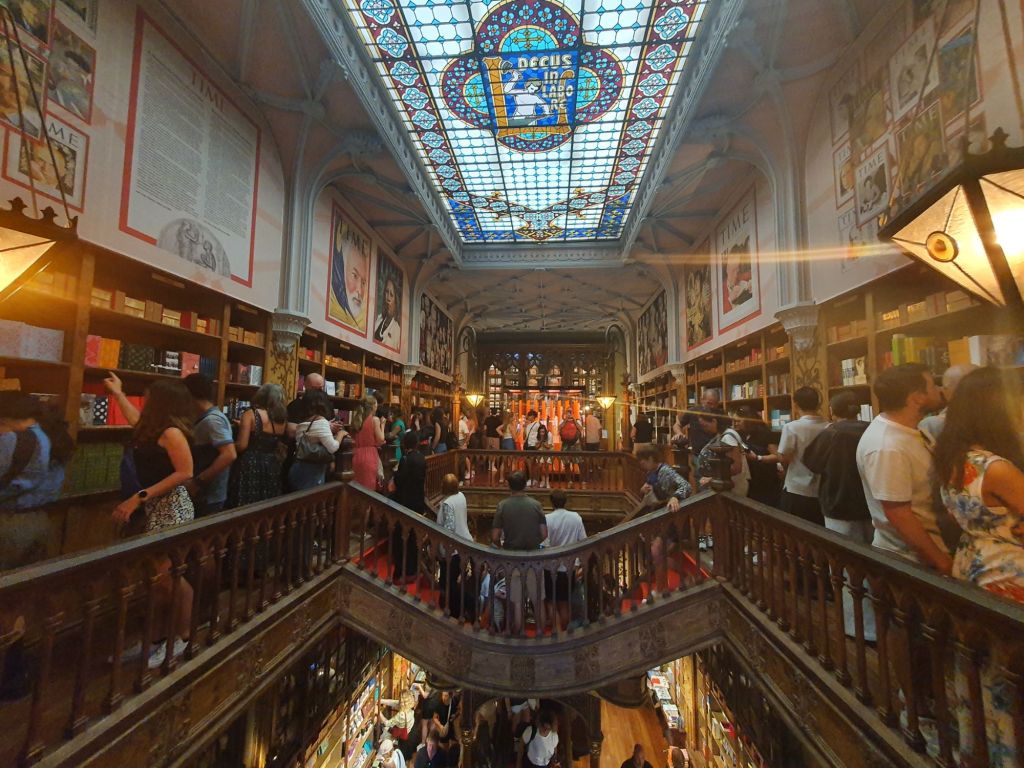
Having been inside (and bought a book) I was in no doubt it was one of the most beautiful bookshops I have been to. When we visited it was very busy and full of people. I couldn’t help thinking that, it also lacked the one thing that make a bookshop so attractive – peace and quiet. It was so full it was impossible to stay in one place for more than a minute or so, there were no quiet corners to read a few pages of a book before deciding whether to buy it or not. Whilst the loss of the “bookshop atmosphere” is a shame, but at least a lot of people get to enjoy it and it’s good for the sales of books.
That was the end of our last day in Porto. Porto is defined on my list for a return trip.
 Diary of a Tourist
I was so mad when I discovered I’d missed Bordello II’s bunny… and I was only blocks away! Visiting WOW and a few of the port houses was on our list, but we ran out of time. We need a return trip, too.
LikeLiked by 1 person