Where and When: Tokyo, Japan, 18 October 2024
It is our last day in Japan and we decided to spend it ticking off a few more attractions in Tokyo.
0930: At Tokyo Tower. Tokyo has two towers which offers great panoramic views – the Tokyo tower and the Tokyo Skytree. The skytree is towards the north end of the city, whereas Tokyo tower is more centrally located. So we thought that the latter would offer better views of the city.
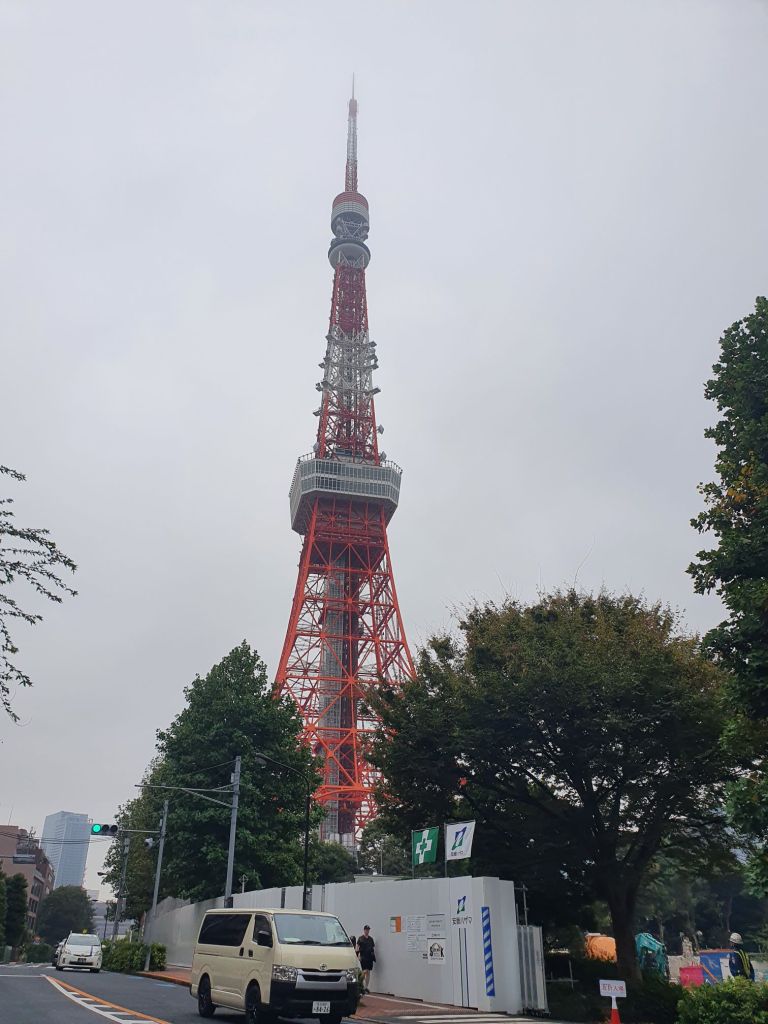
The tower looks remarkably similar to the eiffel tower. Tokyo tower is 332.9 meters whereas eiffel tower is 330 meters.
You can either buy tickets to the middle deck (for 1500 yen) or go all the way to the top for 3500 yen. We decided to go to the top deck.
The top deck entry is via a timed ticket. We had no problem getting walk-in tickets, but this was probably due to the fact it was a cloudy and rainy day, so visibility was not great.
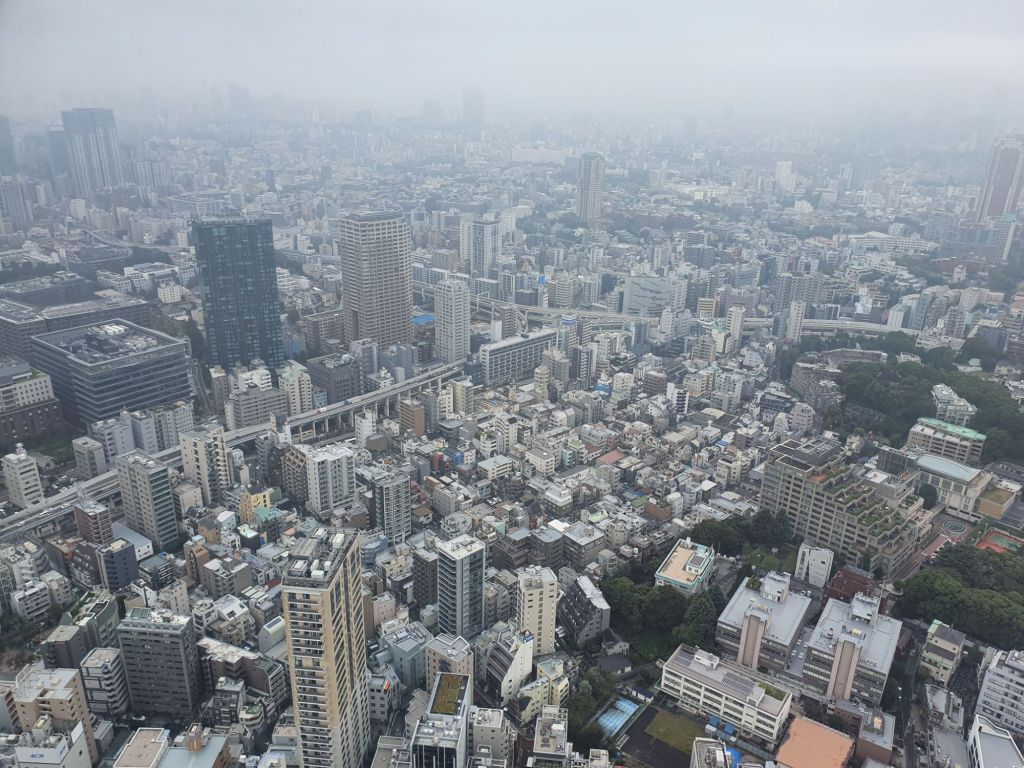
From the middle deck you get panoramic views. Helpful infomation signs tell you what landmarks you are seeing from each face of the deck. Apparently, on a clear day you can even see Mount Fuji from here.

The middle deck and top deck both also offer photo booth opportunities where staff will take your photos and you can buy a souvernir photo.
Tip: I think the photobooth from the top deck is better – so don’t buy the middle deck photo until you have seen the photo from the top deck. Also, if you don’t want to buy the full sized version, you can get a small, black and white photo for free.
The top deck is located at 250m. Again panoramic views, but we couldn’t see a lot due to the poor weather.
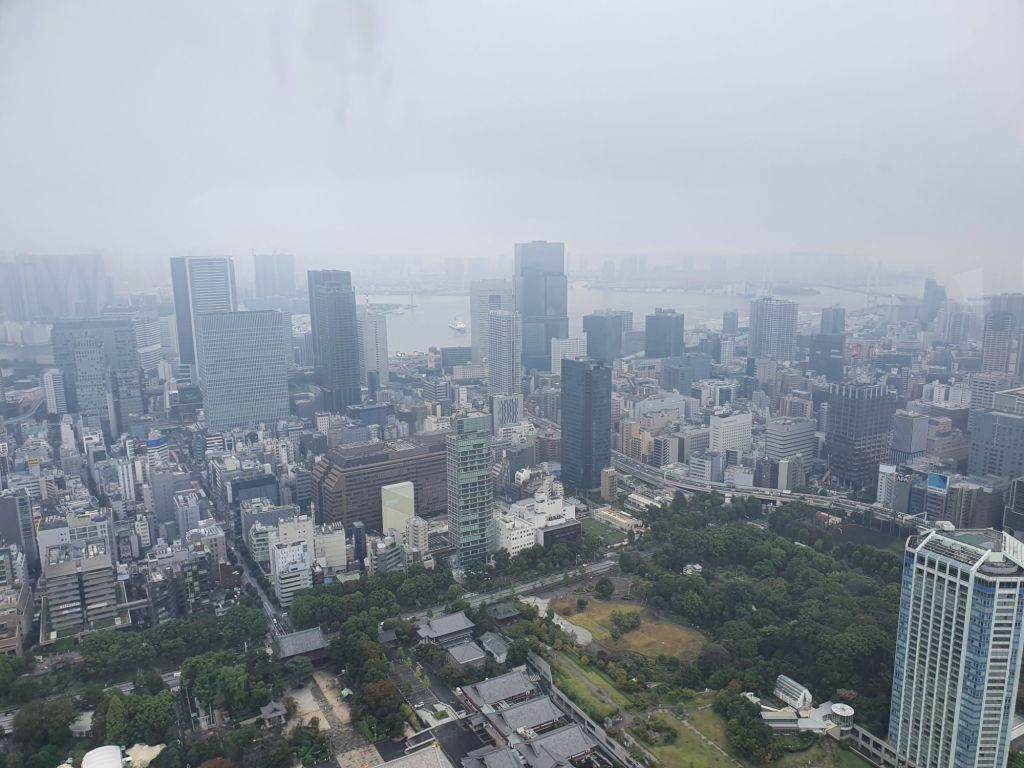
The real issue with Tokyo tower is that, unlike many other towers in the World, Tokyo tower is surrounded by lots of very tall buildings (some taller than the tower itself). So you can’t see a lot, specially on foggy day.
The SkyTree is on the banks of a Sunday river, so may have a better view from the top. (If you have been to the Tokyo SkyTree, please leave a comment below and let me know.)
1145: Next, we headed to the Imperial Palace. I had booked tickets for the 1.30 PM tour of the palace. The East gardens of the palace are open to the public (but not today, as it is a Friday) but the tour allows a bit more of a glimpse inside (although it doesnt take you inside any buildings). The tour is free and you can book tickets here, or queue up on the day (there are two tours a day, each tour has 200 walk-in tickets and 100 pre-bookable tickets)
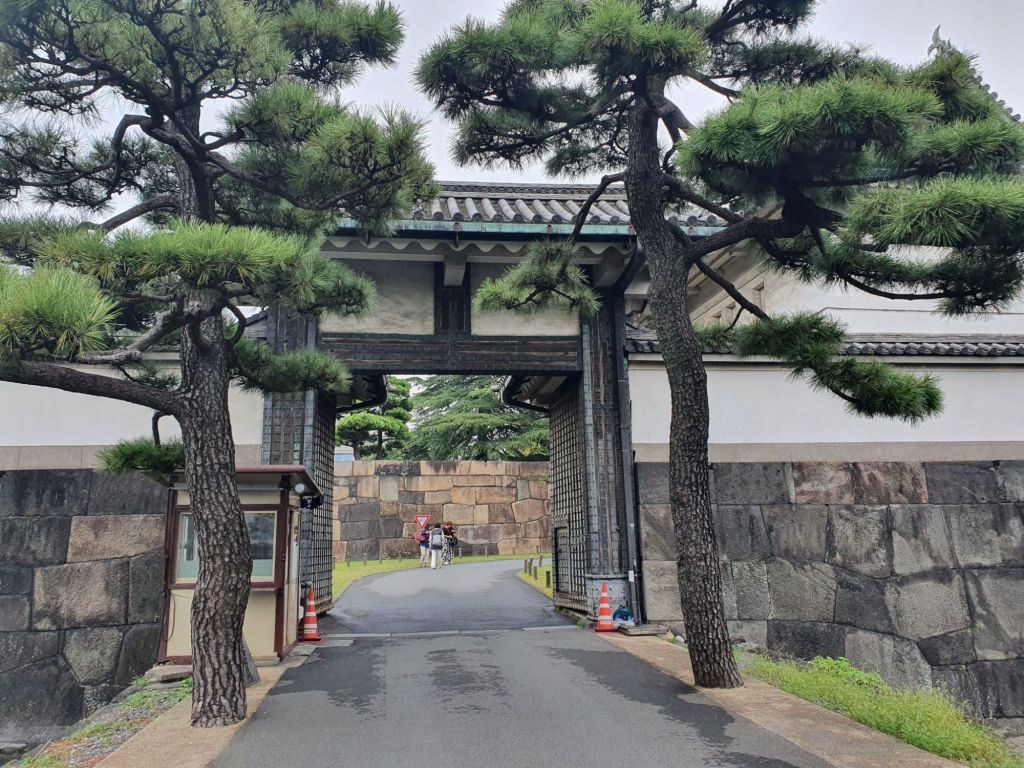
After being checked-in at the gate we made our way to a large hall, where we were given information about the tour. The tour is held in Japanese, English, Spanish, French, Chinese. English and Japanese groups are the largest.
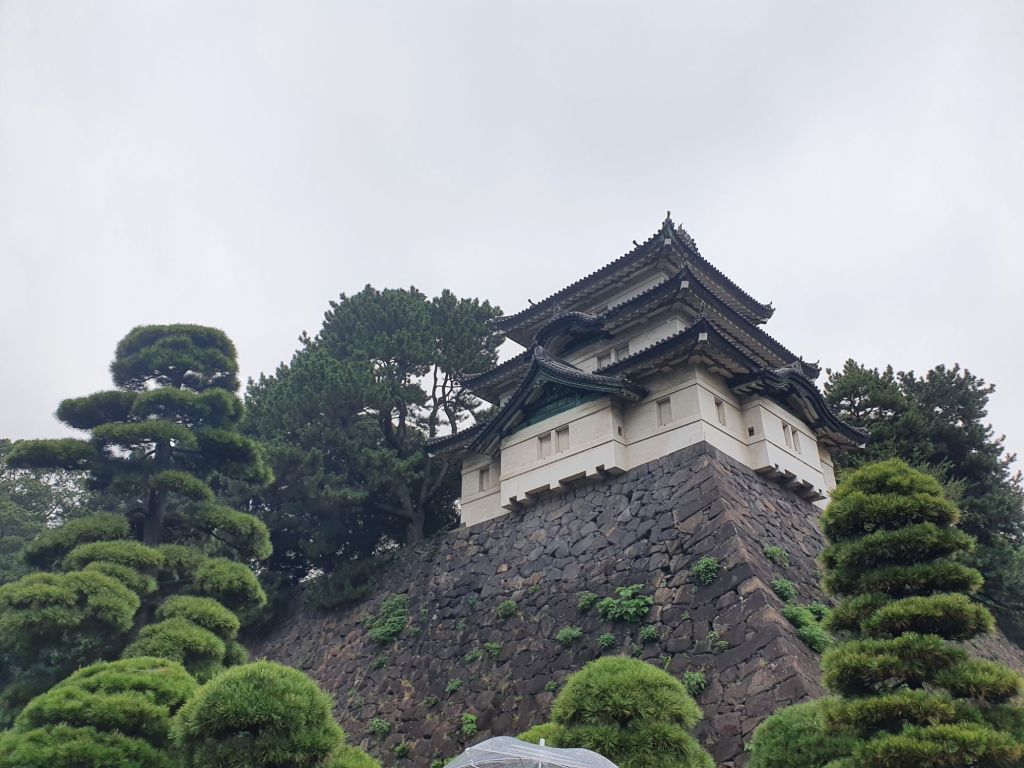
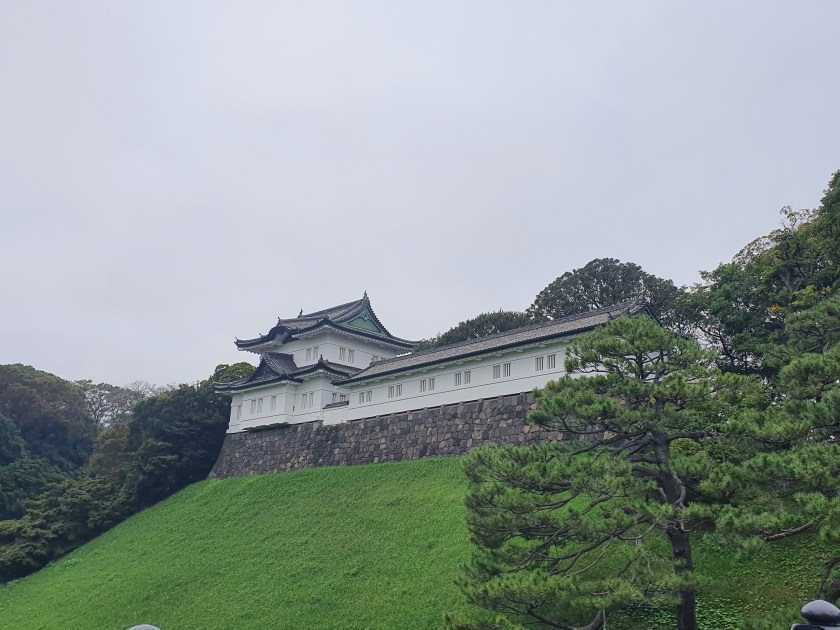
The tour takes you past a few interesting buildings, the imperial household agency, the watch tower, the banqueting and audience hall (which are ofetn seen on TV as this is where the royal family appears on new years day and the Emperor’s birthday).
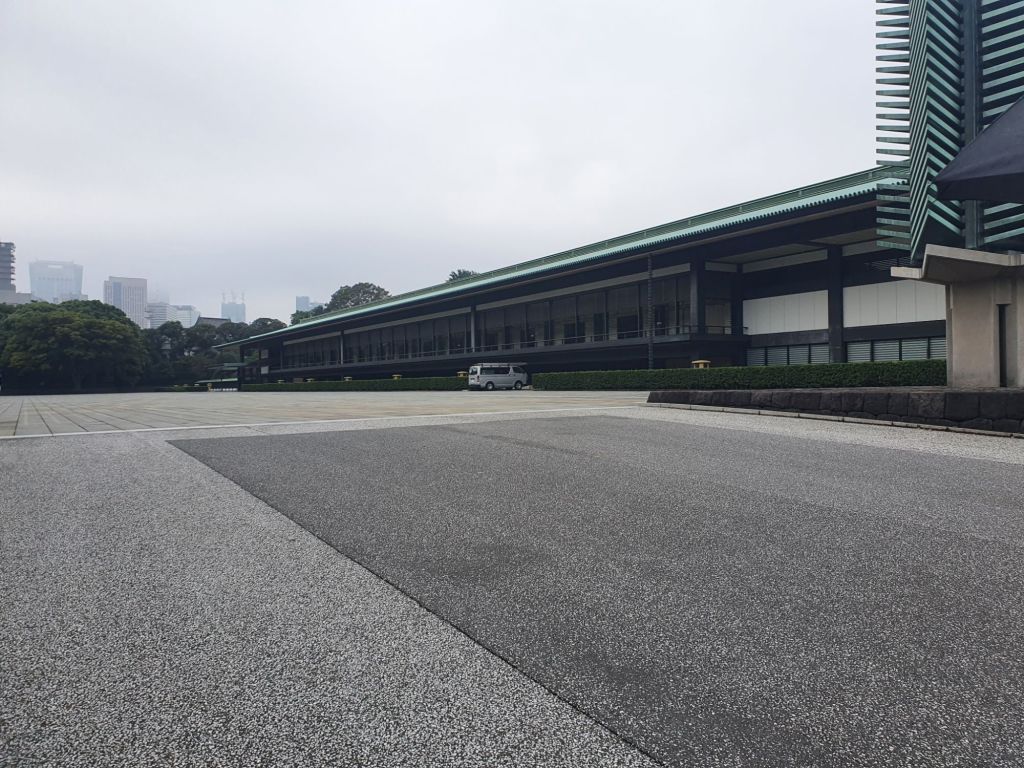
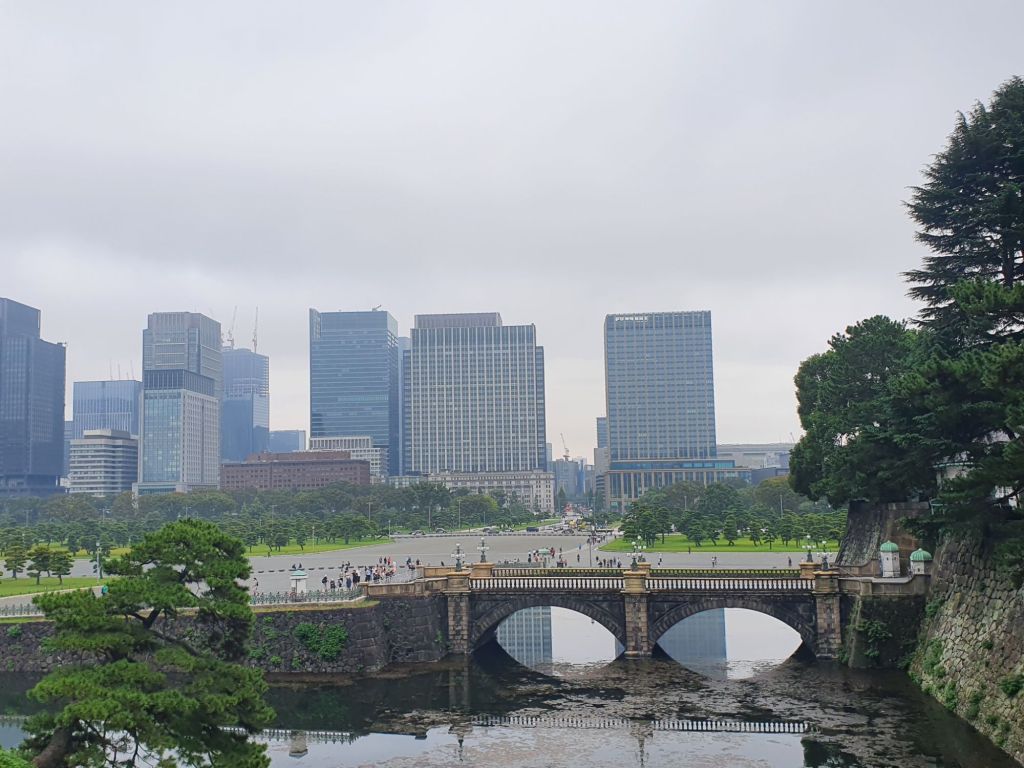
The original palace used to be the seat of the Tokugawa shogun who ruled Japan from 1603 until 1867. In 1868, the shogunate was overthrown, and the Japan’s capital and Emperor moved from Kyoto to Tokyo. In 1888 construction of a new Imperial Palace was completed. Many of the buildings burnt down in World War II and have been rebuilt.
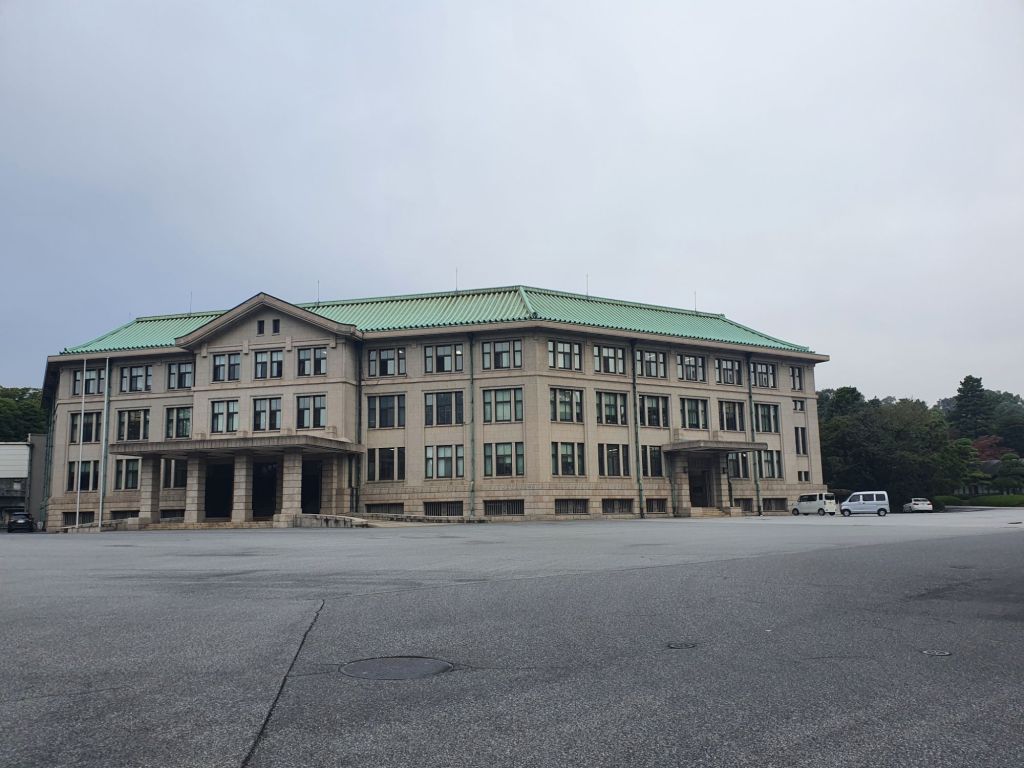
Here we also learnt that the formal Japanese tea ceremony is from the Samurai culture. Therefore the imperial family does not practice the traditional Japanese tea ceremony.

The palace gardens also house the Emperor’s personal paddy field and the Empress’s personal mulberry fields for silk production (but these cannot be seen on the tour). Paddy cultivation and silk production are two of the major industries in Japan.
1430: From here we made our way to the Meji Shrine, one of the largest and most well known in Tokyo.
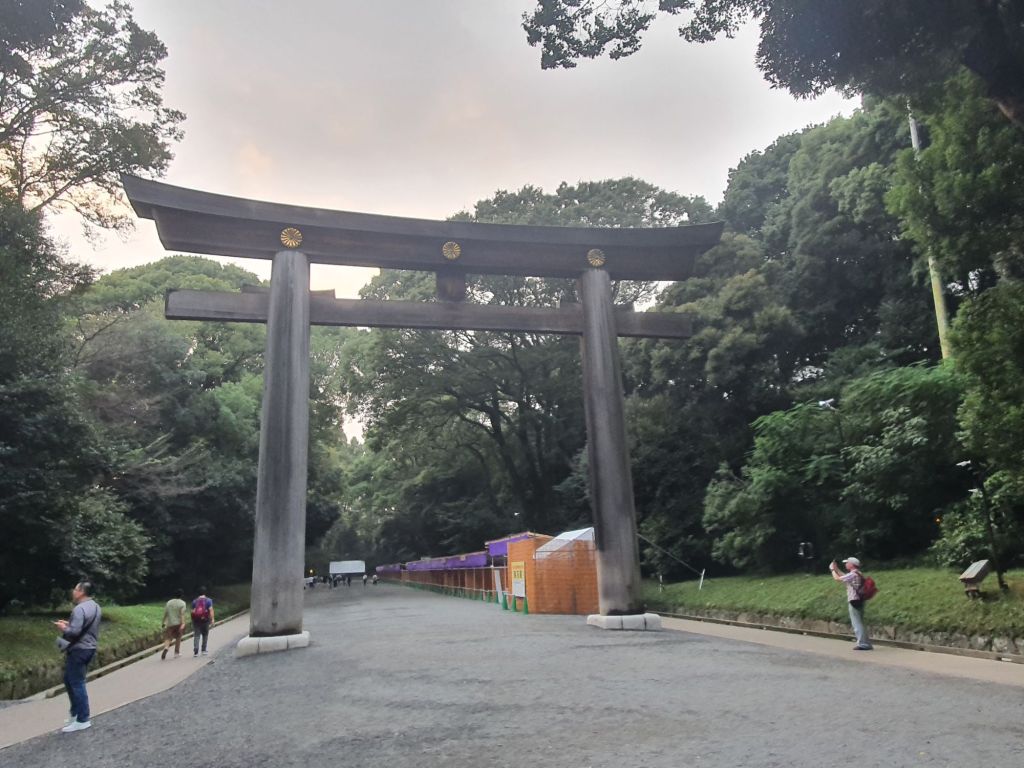
Meji shrine is dedicated to Emperor Meji and Empress Shokaten, who were instrumental in opening Japan to the outside world.
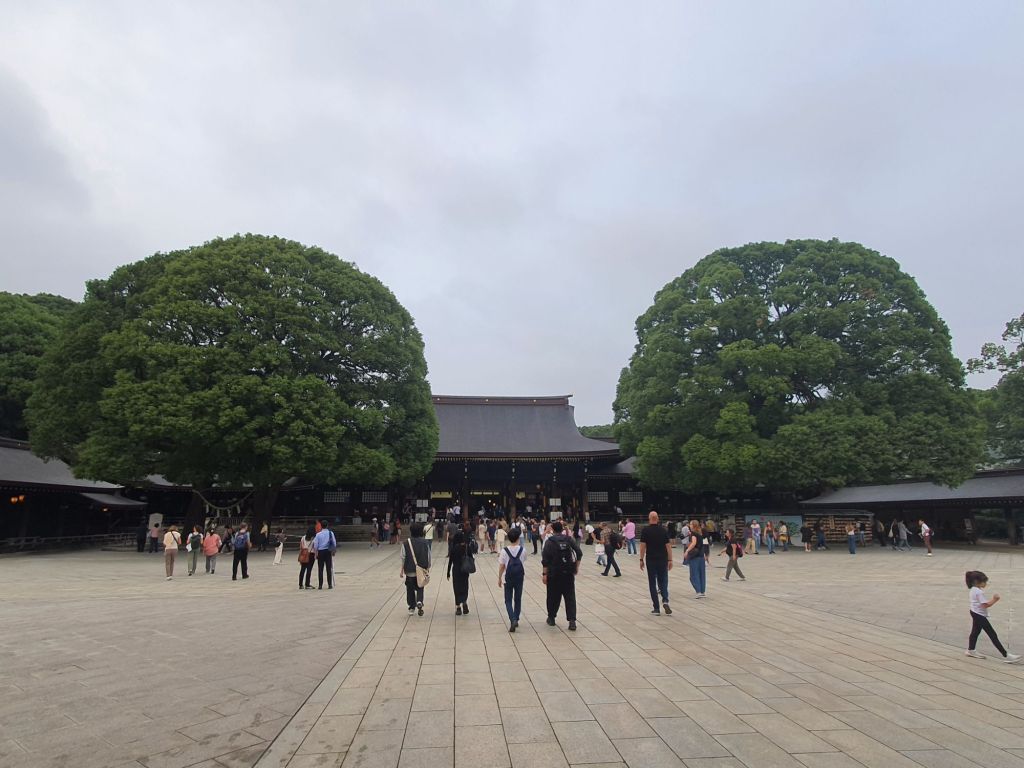
The Emperor was a fan of western culture, he cut off his traditional top knot hair and started wearing Western clothing and following Western customs.
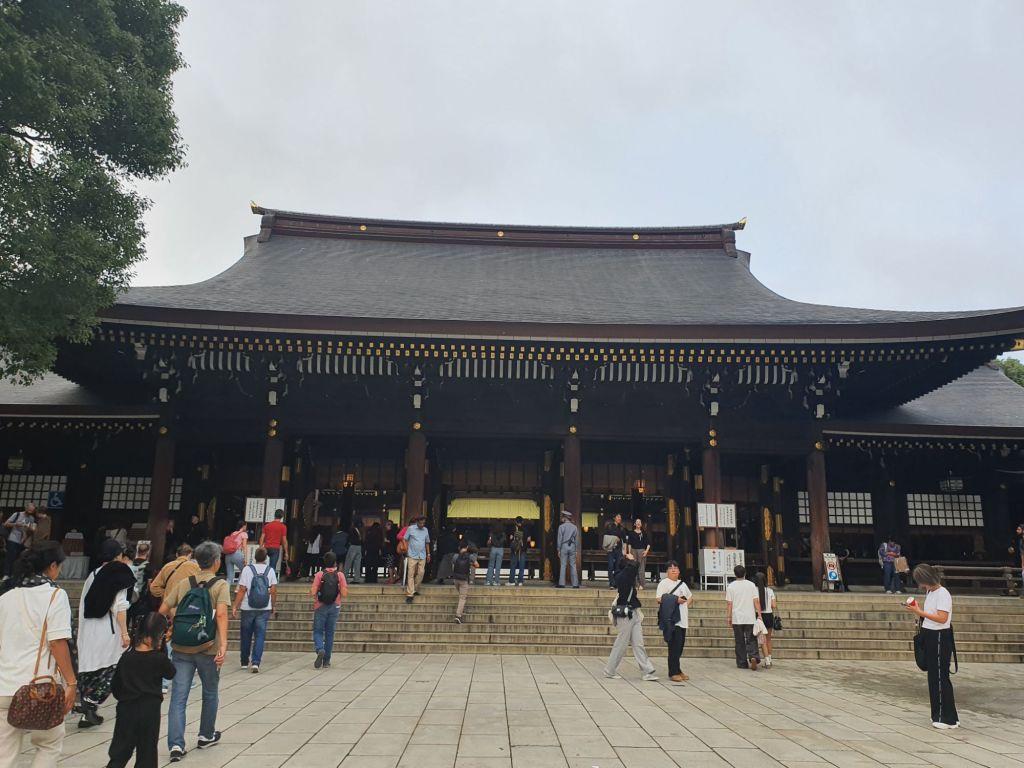
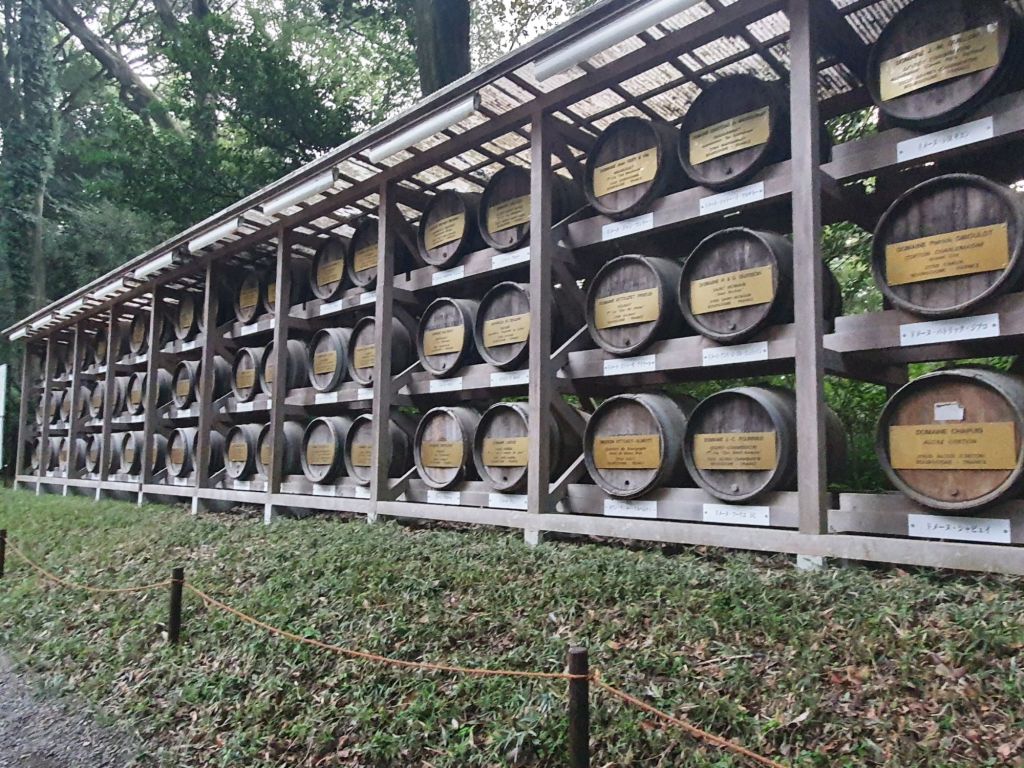
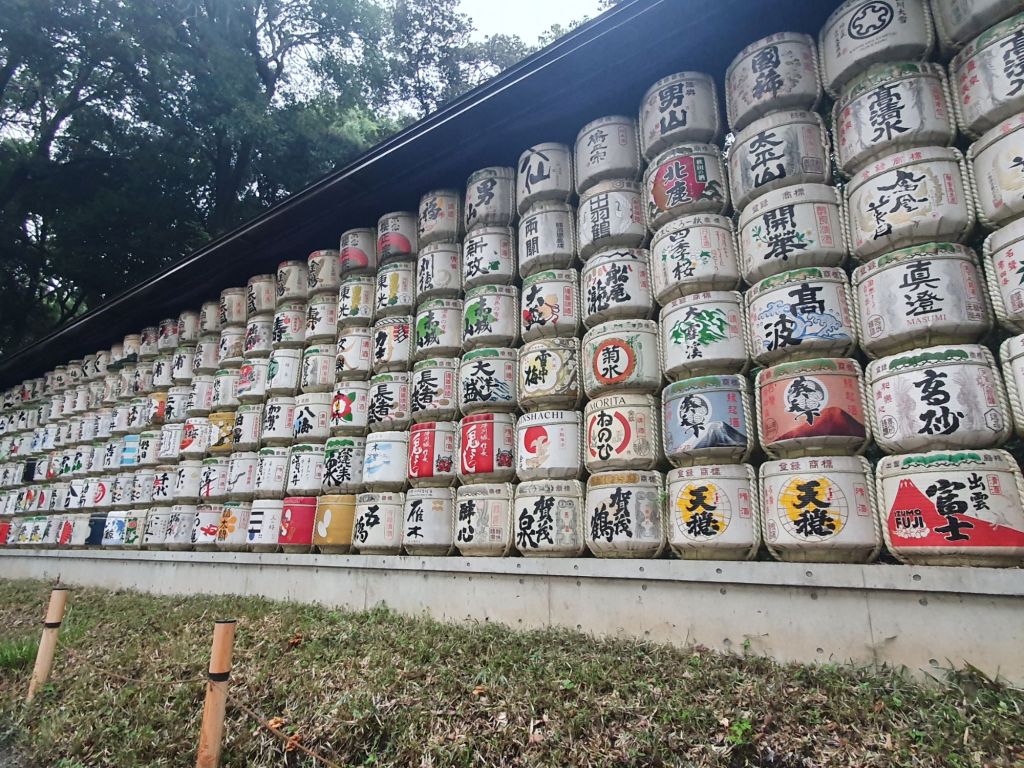
He was a huge fan of Western food and drink, so much so that there are a large numbers of French wine barrels made as an offering at the Meji shrine, alongside the traditional Japanese Sake.
We were also able to see some very impressive japanese ikabana at the temple courtyard.
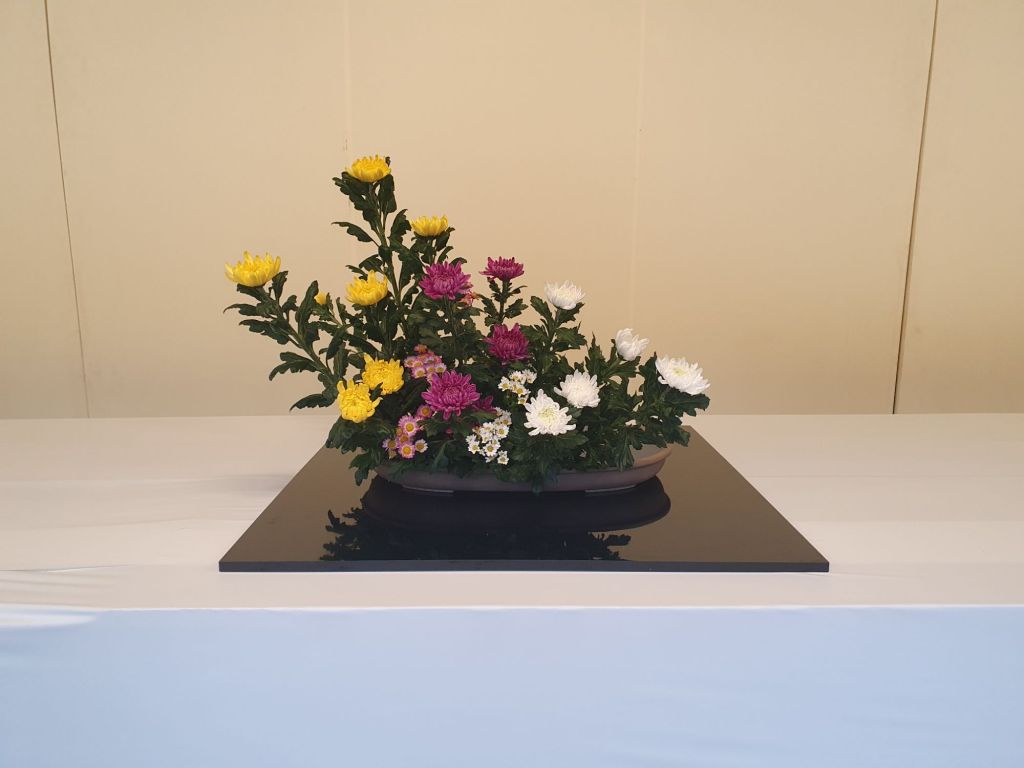
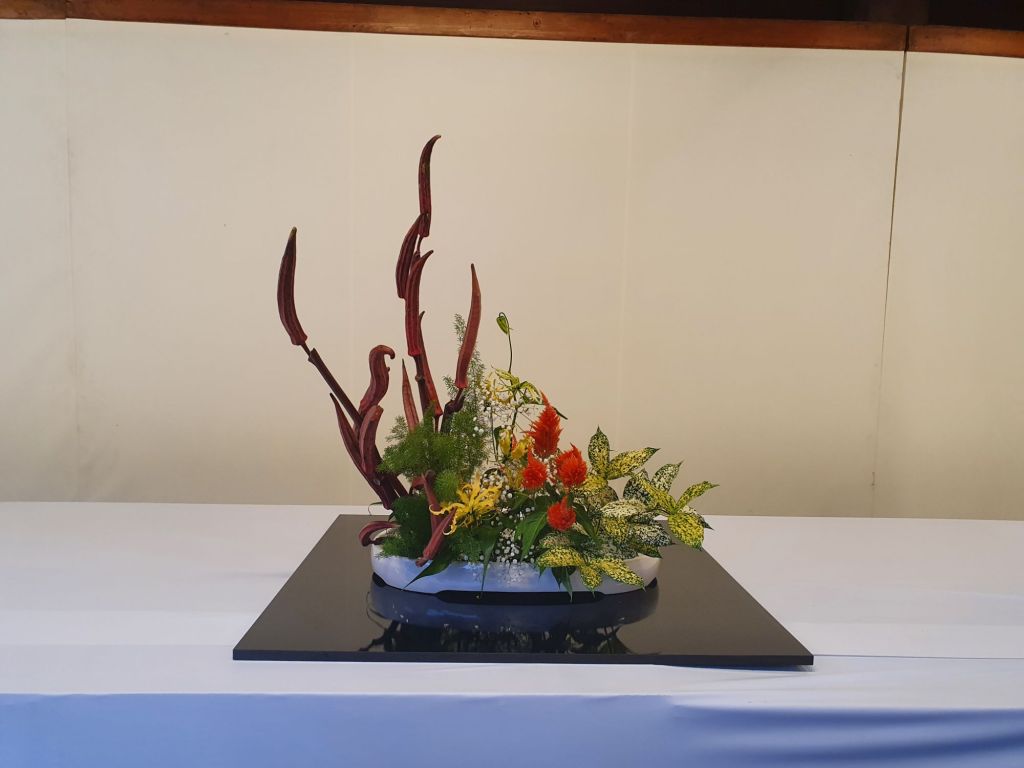
That brought our last day on Japan to an end. Our flights were early the next morning, so we decided to call it a day.
I hope you enjoyed my series of posts about Japan. I will also do a “Things I would do differently” post and a “Tips for visiting Japan” Post soon.
 Diary of a Tourist
I did enjoy seeing Japan vicariously through you. Thanks for taking me along. I look forward to your two remaining posts.
LikeLiked by 1 person
You are very welcome. Looking forward to visiting the Caucusus through your blog later in the year 😀
LikeLiked by 1 person
🙂
LikeLike