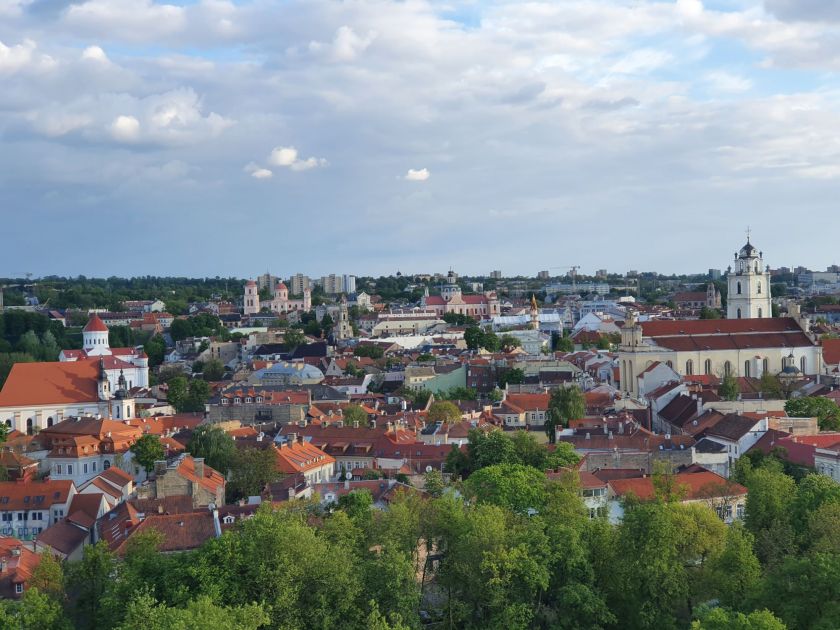
Where and when: Vilnius, Lithuania, May 2025
0945: On our first full day in Vilnius, we decided to explore Vilnius old town. We started with breakfast at Italala Caffè, near Vilnius Townhall.

We had a Vilnius old town tour booked starting at 11 am. We had an hour to kill before the tour started and we decided to spend a bit of time at Vilnius Museum of Illusions. It has mind-bending exhibits and optical illusions, very similar to the Puzzling place in Keswick.


1100: The Vilnius old town tour starts at the Town Hall, in the centre of the city. Vilnius has a rich history spanning over 700 years. The city is named after River Vilnia, which flows through the city. It was originally the capital of the Grand Duchy of Lithuania from 14th century to the late 18th century. Following this, the city fell under the occupation by Russia, France, Germany and Poland. After World War II, it fell under Soviet Russia, until it declared freedom in 1990. Today, Vilnius is the capital and the largest city in Lithuania.

As we walked through the Old Town, I noticed its sprawling layout, with streets like German Street and Jewish Street offering a glimpse into the city’s diverse heritage. We stopped also by Latvas Street, where the family of Roman Abramovich originated.

Another memorable stop was Literacy Street, which pays tribute to many famous authors and poets including Thomas Harris, author of Hannibal.
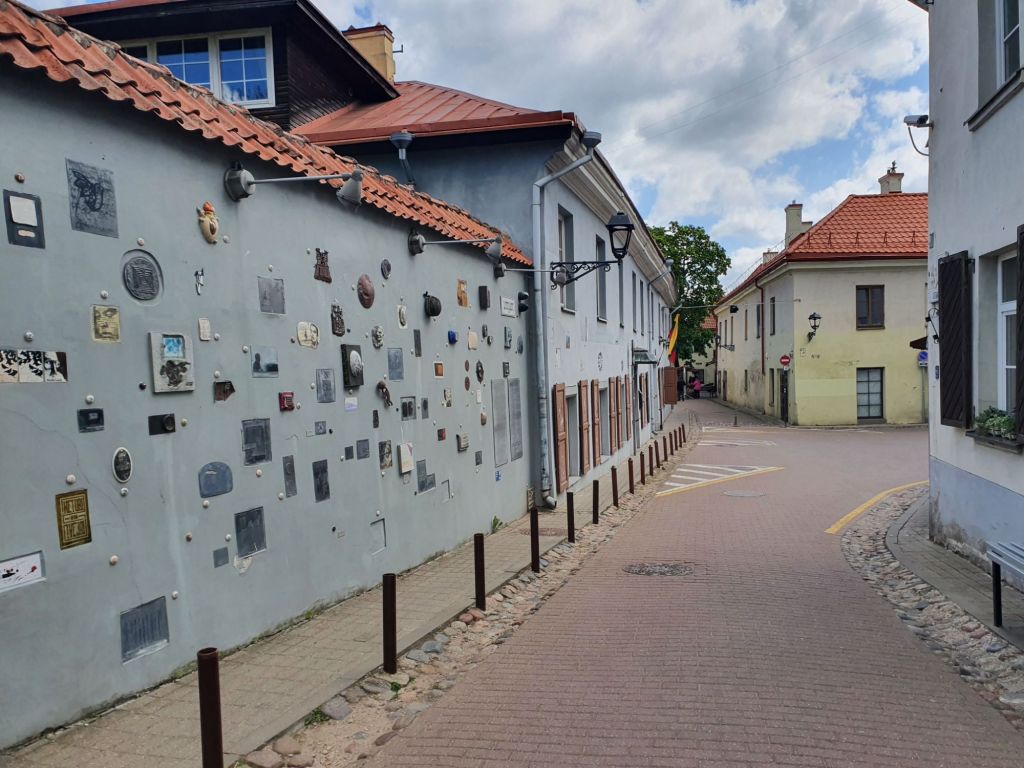
Our next stop is “The Republic of Užupis”, a quirky neighbourhood known for its artistic community. The district declared their indepedence on 1 April 1997 and has its own constitution.

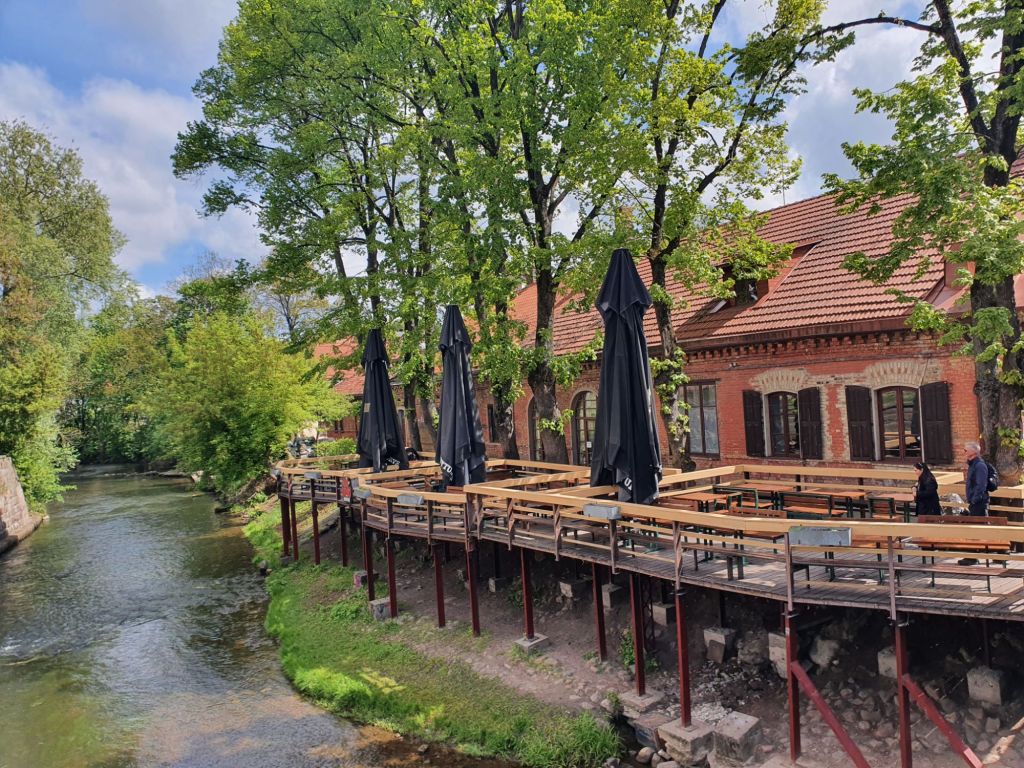
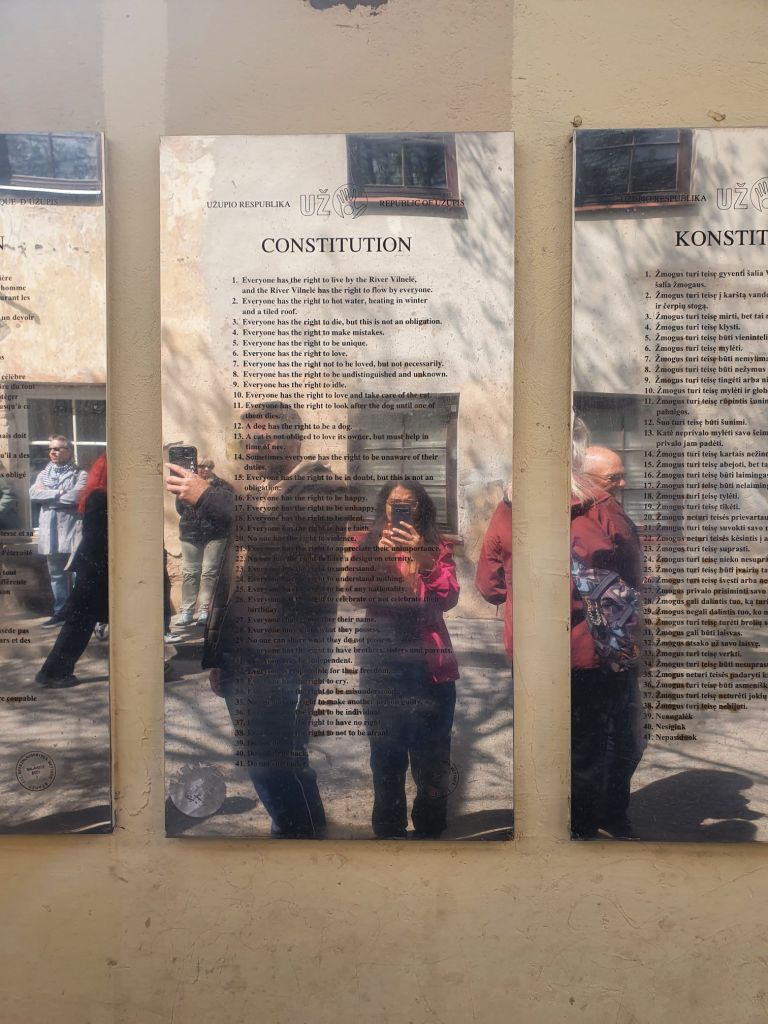
The constitution consists of 41 clauses, among them, “everyone has the right to be unique”, “the right to love”, and my personal favourites:
- Everyone has the right to love and take care of the cat.
- Everyone has the right to look after the dog until one of them dies.
- A dog has the right to be a dog.
- A cat is not obliged to love its owner, but must help in time of need.

Although Užupis is not recognised by foreign governments as an official nation, the micro-nation has become a source of pride in Vilnius and throughout Lithuania and is recognised as a UNESCO World Heritage site. It has been visited by many dignitaries around the world, including The Pope and Dalai Lama.

Next, we visited St. Anne’s Church, a stunning example of Gothic architecture, and learned about Lithuania’s unique history of pagan customs and its late adoption of Christianity. The country was one of the last to be Christianised in Europe, with mass baptisms marking a significant turning point in its history. The tour guide told us that, although the country is officially Christian, many Lithuanians still celebrated pagan customs like summer and winter solstices.
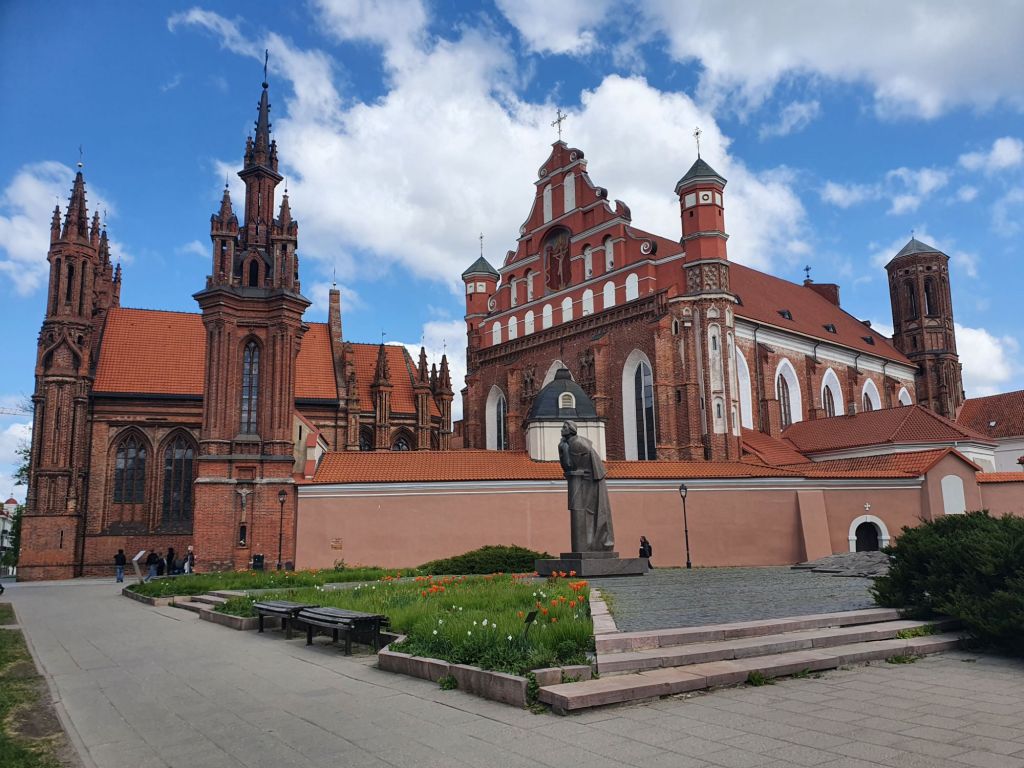
1330: Stop for lunch on Pilies Street – this long straight narrow street is full of shops, restaurants, bars and one of the busiest in Vilnius.

1500: After lunch, we went on a Soviet tour of Vilnius, taking in a number of key sites and buildings during the Soviet Occupation of Lithuania.


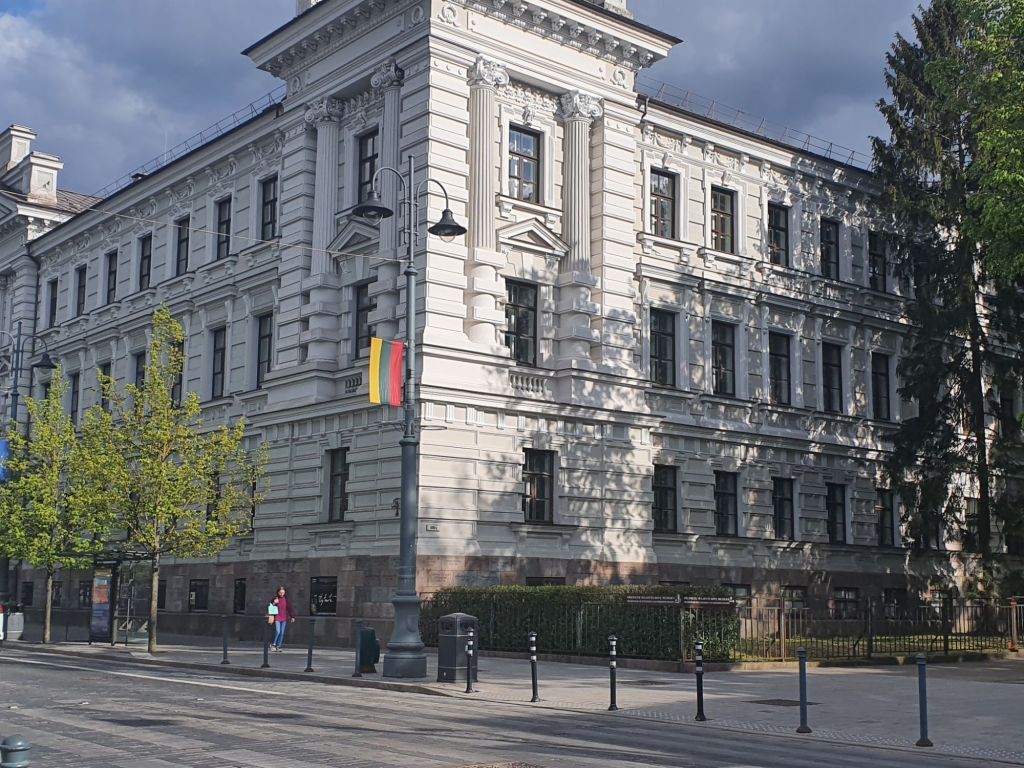
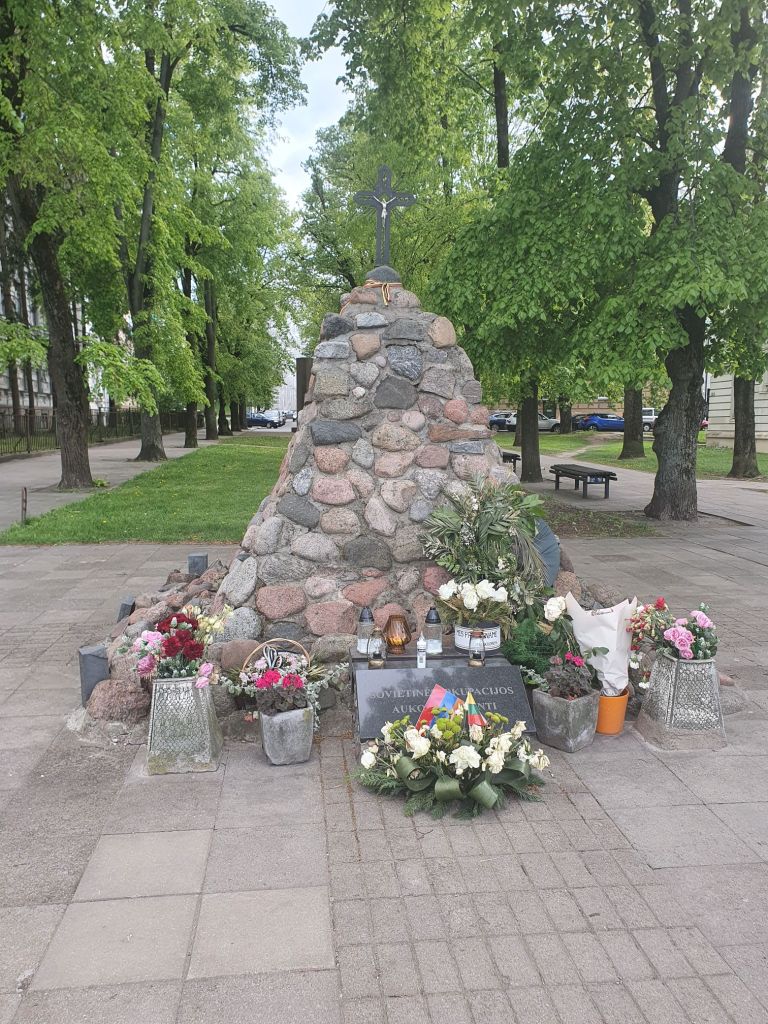


1800: After a small break at our hotel, we decided to spend a bit more time exploring. Next on the list was Gediminas Tower.

Every European city was built around a castle/fortress in a highpoint in the city, and for Vilnius, this is Gediminis tower.

The grand duke of Lithuania (who also built Trakai Castle) built Gediminus tower and castle on top of a small hill here in late 13th century.

Over time most of the castle has been destroyed, but the tower and some of the battlements remain. From top of the tower there are panoramic views of the old city as well as the new city across the river Neris. There is also a small museum in the tower.


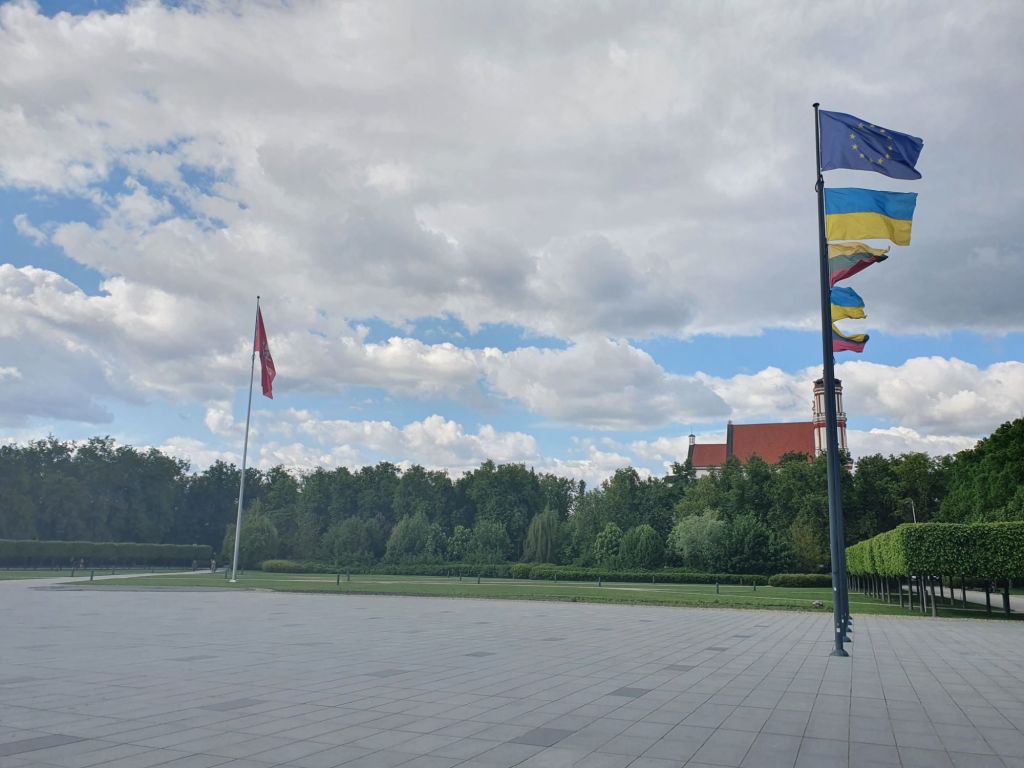
2000: By this point we had clocked up 24,000 steps, but there was one more place I wanted to see in Vilnius; the Presidential Palace. The palace gardens are open to the public during 6pm and 9pm in the evening.

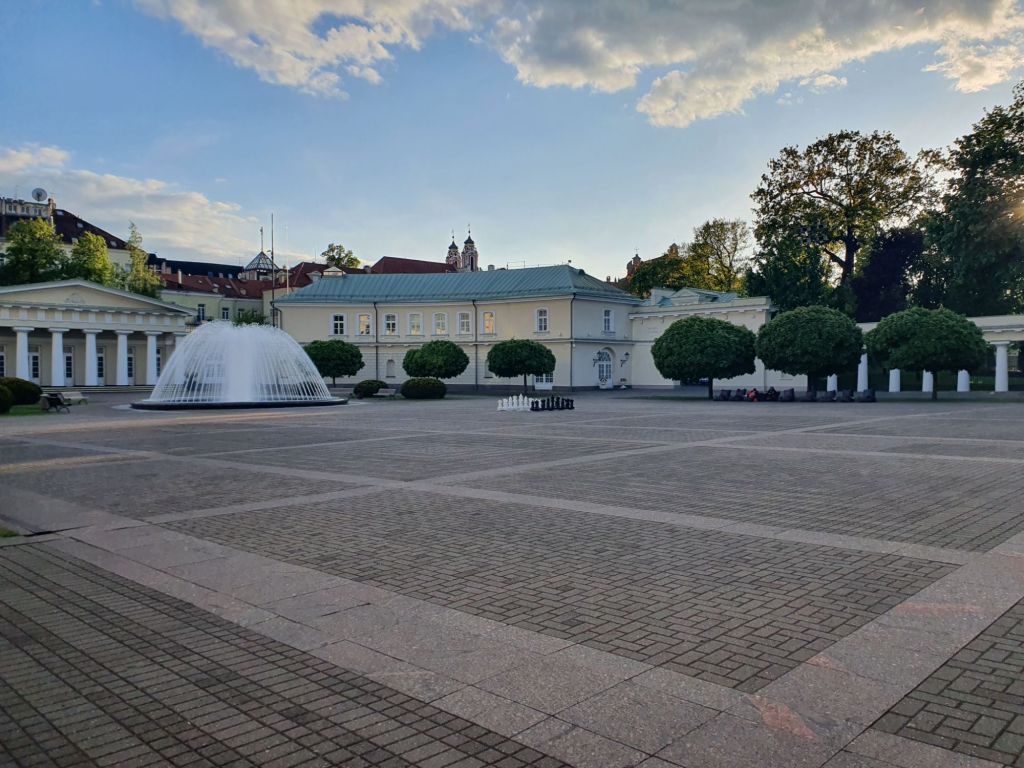
It felt refreshing to be able to walk in an relax in a President’s Palace gardens without booking ahead or a zillion security checks.

It was time for dinner soon, and I took the opportunity to try the national dish of Lithuania; Cepelinai. This is a potato dumpling made from grated potatoes and stuffed with ground meat or dry curd cheese, or liver, or mushrooms.

It had been a long day, and tomorrow we have half a day in Vilnius before flying back. So we decided to call it a night.
 Diary of a Tourist
Love the quasi-independent Uzupis “republic” and its constitution!
LikeLiked by 1 person