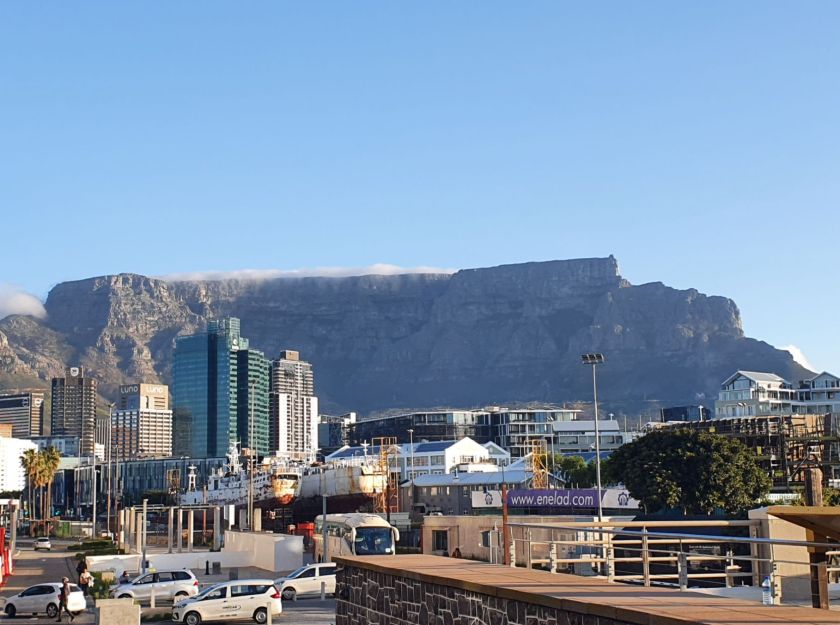
Where and when: Cape Town, South Africa, 13 September 2025
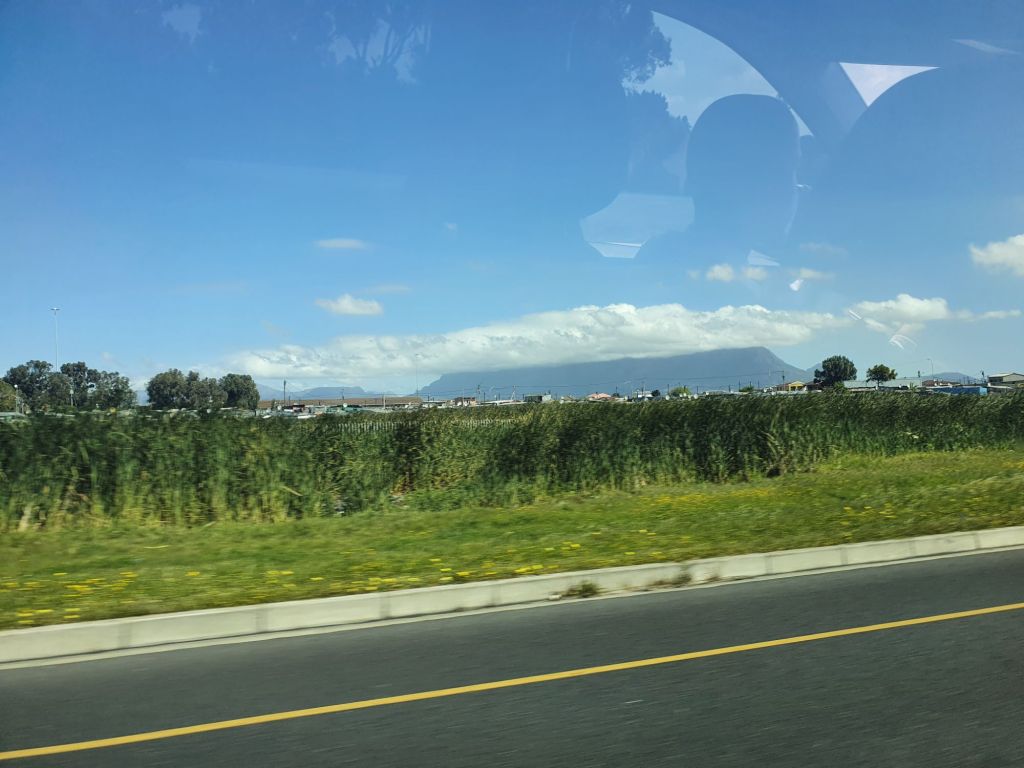
1100: Arrived in Cape Town after a 11 hr flight from London.


1140: Immigration takes about 30 minutes – mostly due to several planes arriving at once. Then there’s bit of a queue to pay for parking.
I had booked a transfer with Cape Transit (via GetYourGuide). The driver was on time and professional.
1230: Arrived at Radisson Red at V&A waterfront. The hotel is in the heart of Cape Town.
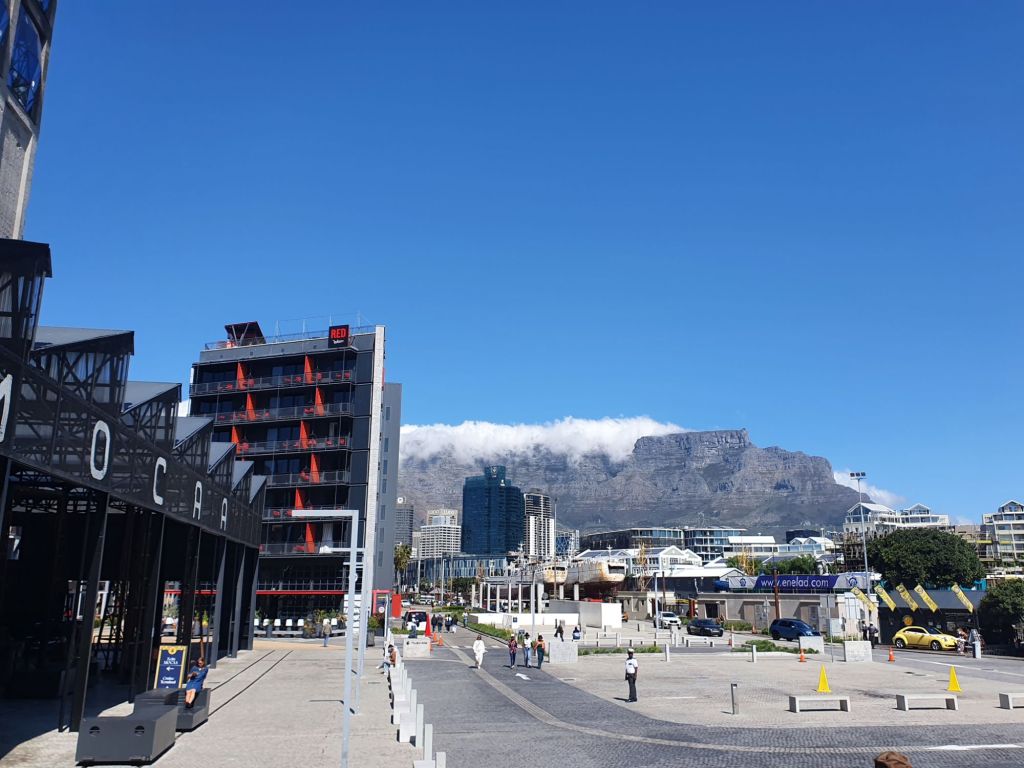
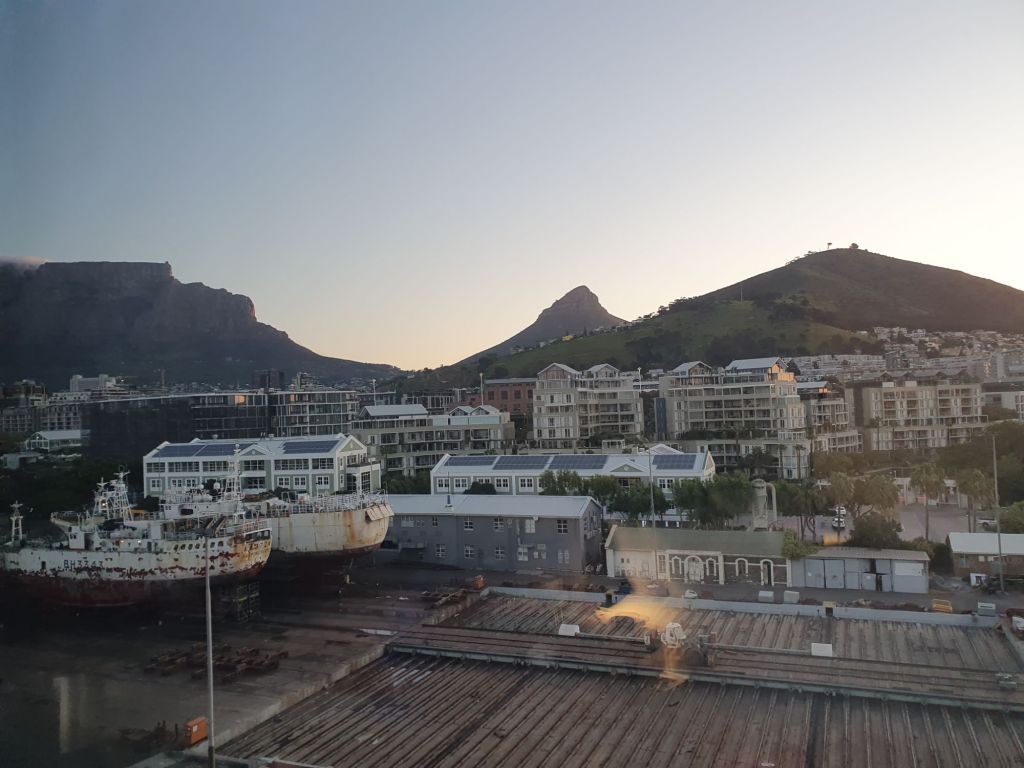
I had decided to splash out on a centrally located hotel and it turned out to be a great choice. The staff were very welcoming and gave me an early check in, there was a good restaurant and the hotel had great views of Table Mountain, Lion’s Head and Signal Hill.
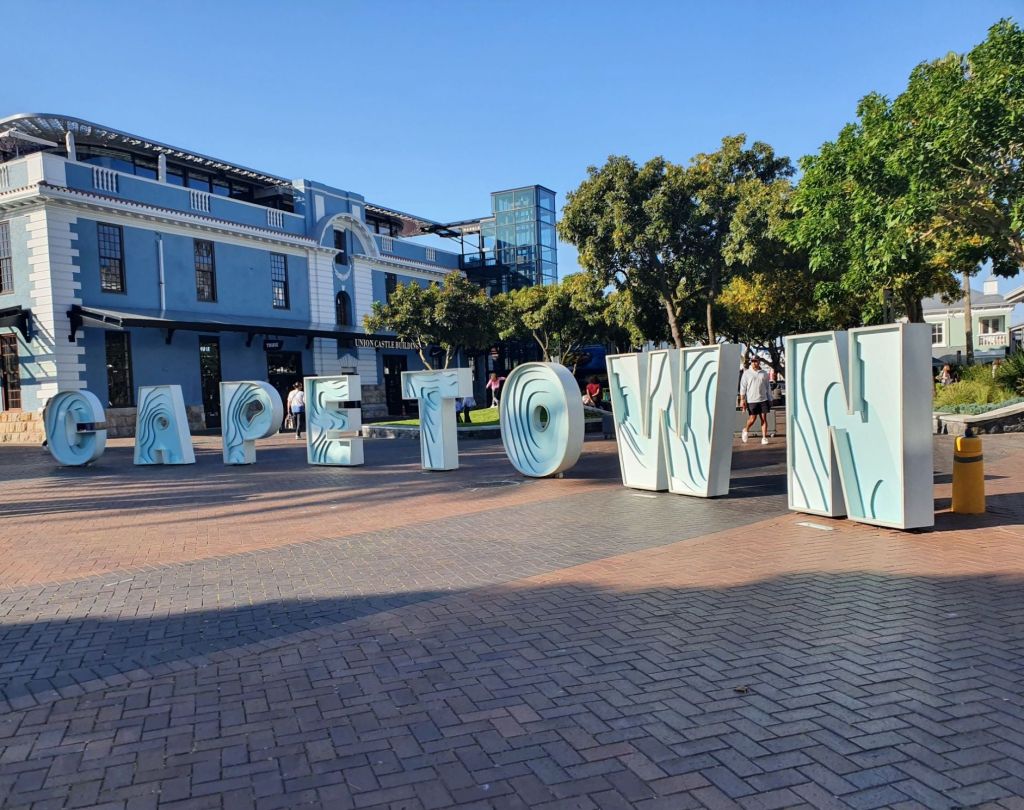
1330: I decided to spend the afternoon on a city sightseeing tour bus. This is one of my favorite ways to discover a new city.

The tour bus audio provided a quick history of Cape Town. Cape Town’s story begins with the indigenous Khoikhoi and San people, who inhabited the area for thousands of years. In 1488, Portuguese explorer Bartholomew Diaz became the first European to sight the Cape of Good Hope. The Dutch East India Company established a settlement here in 1652, to supply ships traveling to Asia.
In 1795, British took control of Cape Town, and in 1910, Cape Town became the capital of the Union of South Africa. In 1994, after the fall of Apartheid, Cape Town became the legislative capital of South Africa.

Kirstenbosch National Botanical Garden
The botanical gardens is located behind the Table Mountain. The Cape region is one of the world’s six floral kingdoms and is recognised as a UNESCO World Heritage Site. This botanical garden showcases an incredible array of plants, including many rare and endangered species from the Cape Floral Region.
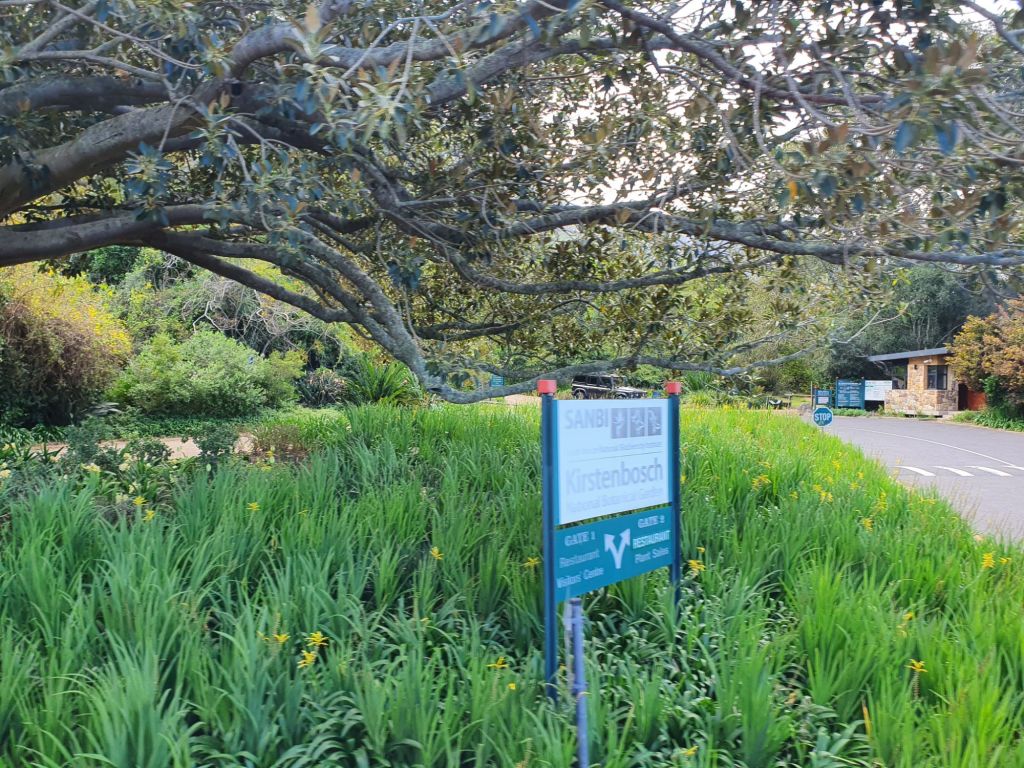
After Kirstenboch, we went past a few more points of interest.

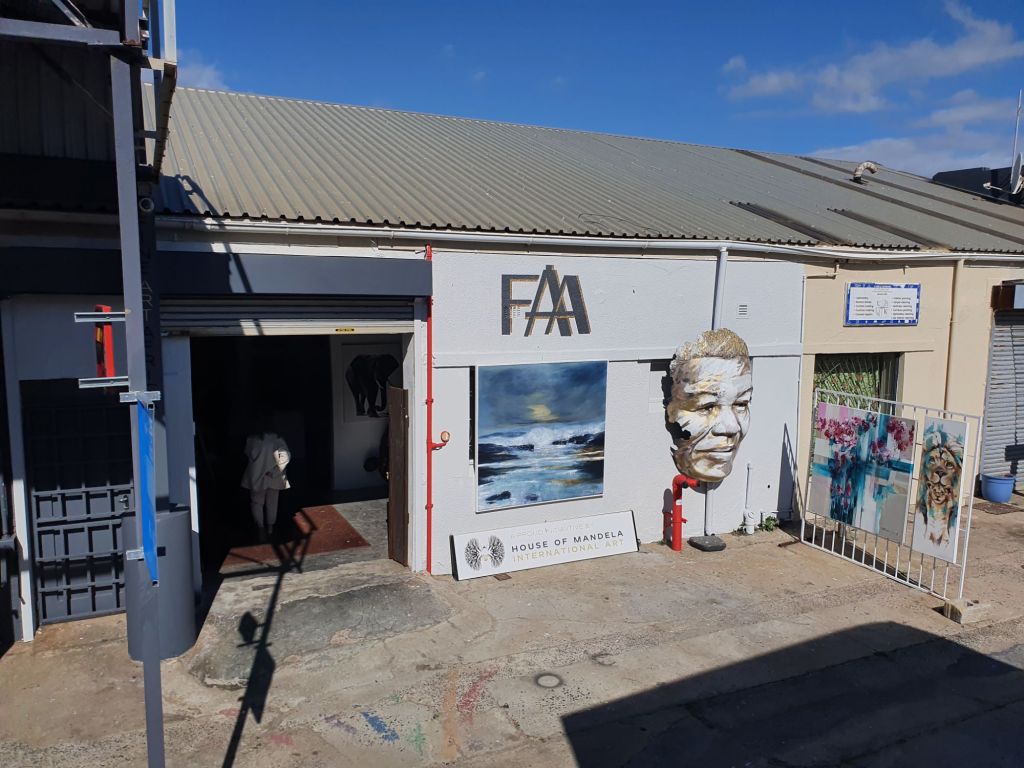
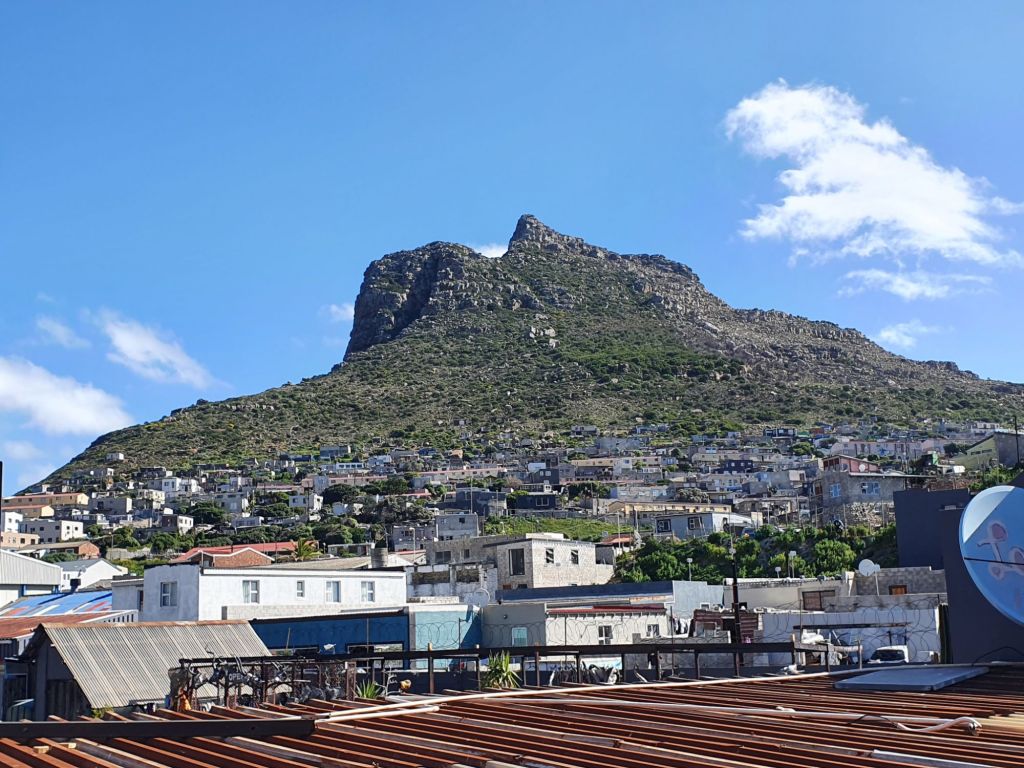
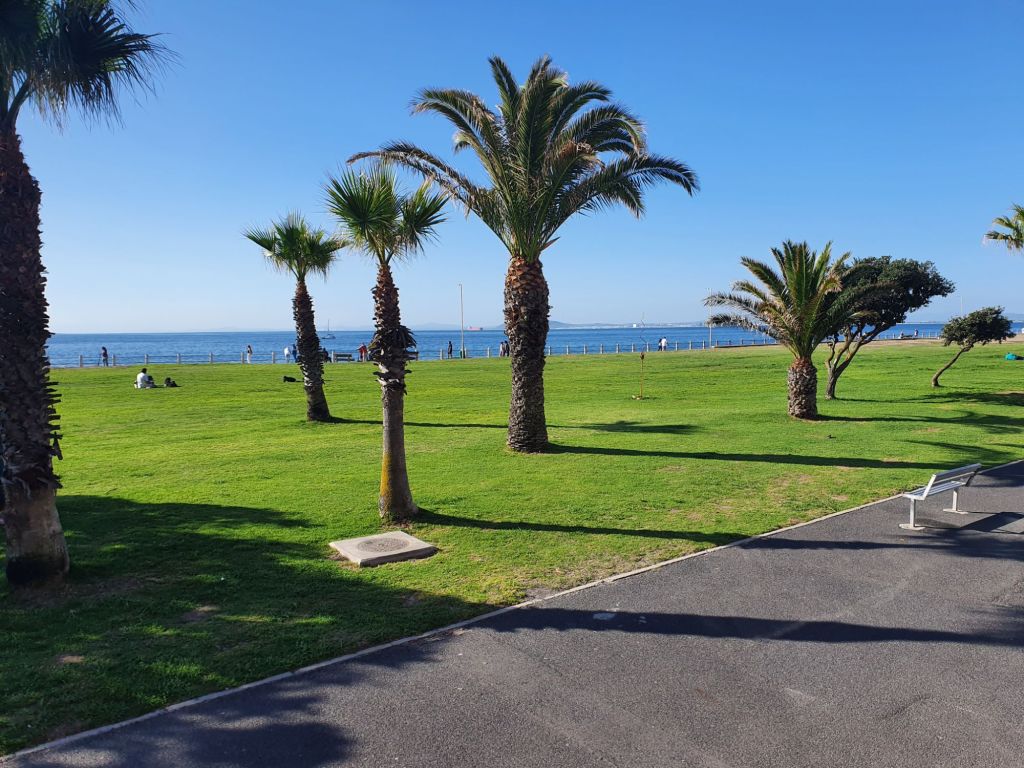
The tour bus took a route going through the city, past the table mountain and then on to Victoria Road. Victoria Road is behind the Table Mountain range, and hugs the coastline.
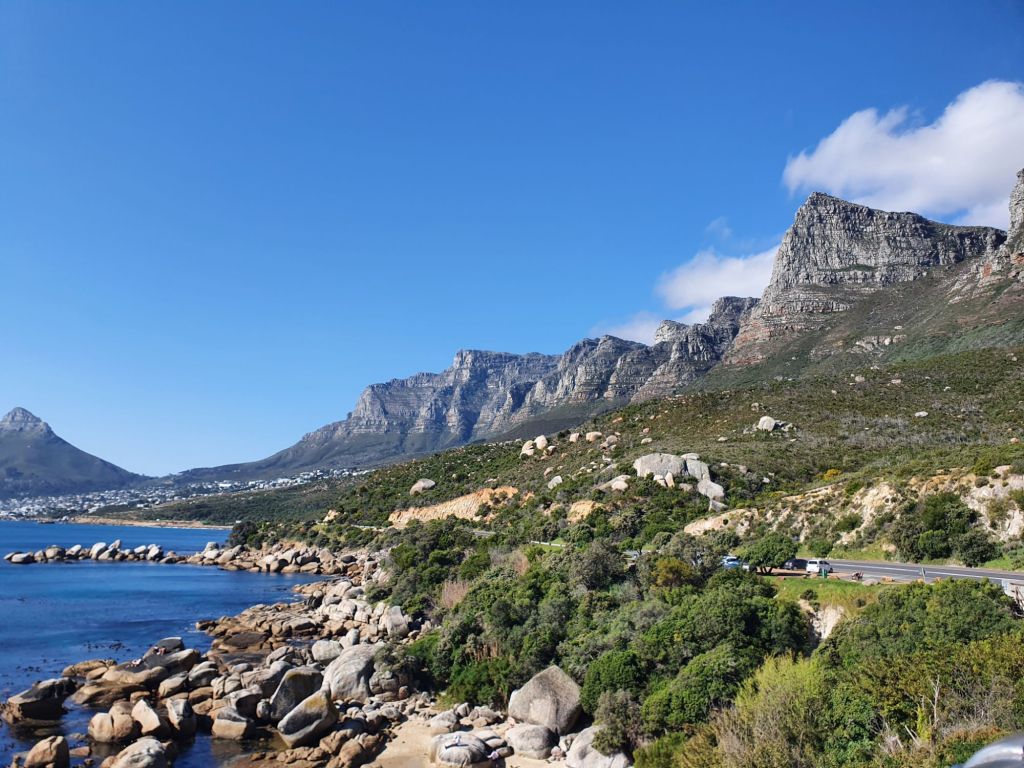
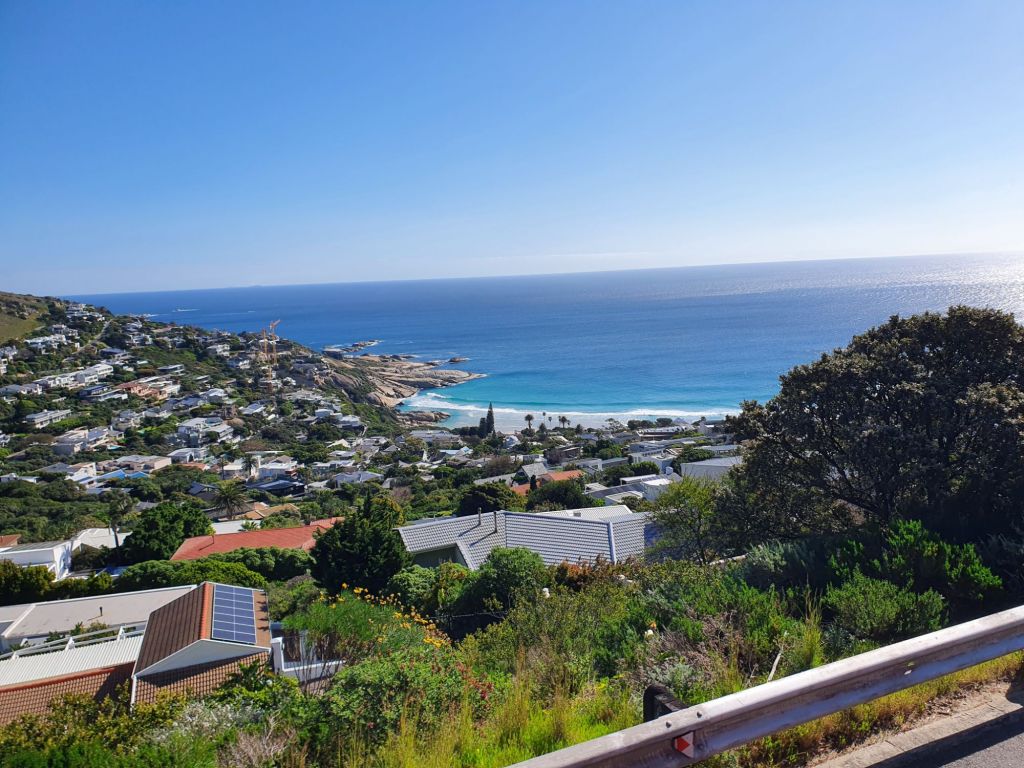
This area along Victoria Road is prime real estate in Cape Town.
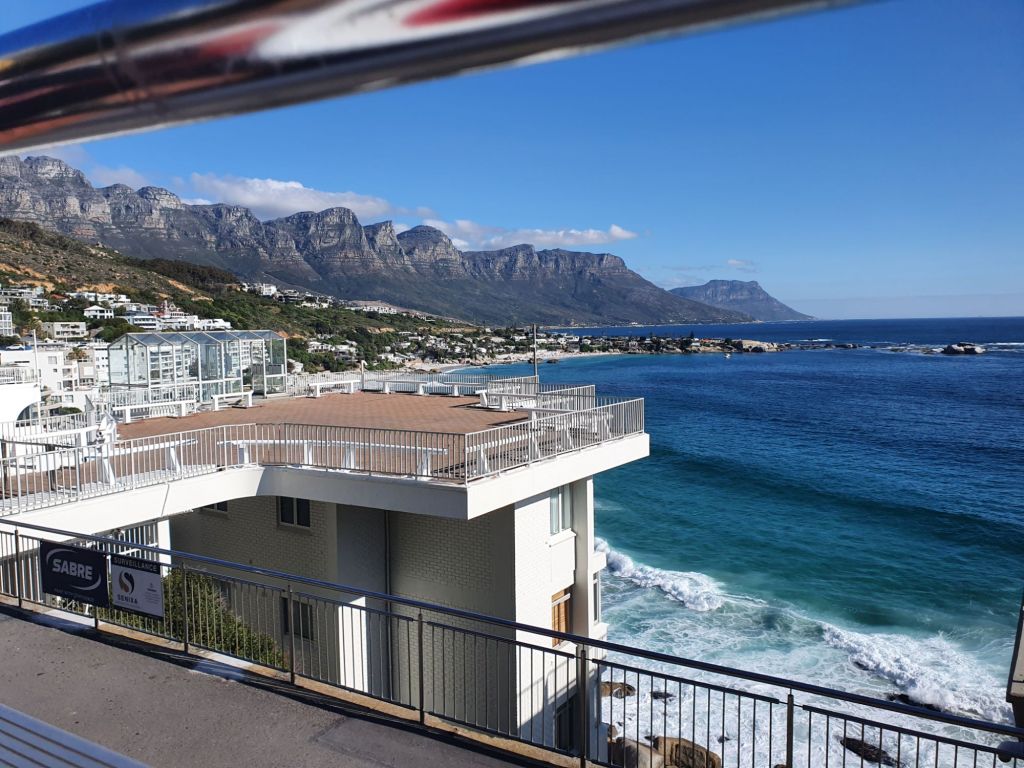
Camps bay
Further along Victoria road, Camps bay is one of the most popular beaches in Cape Town. The beach is large, with white sand and blue water and has several tidal pools for safe swimming.
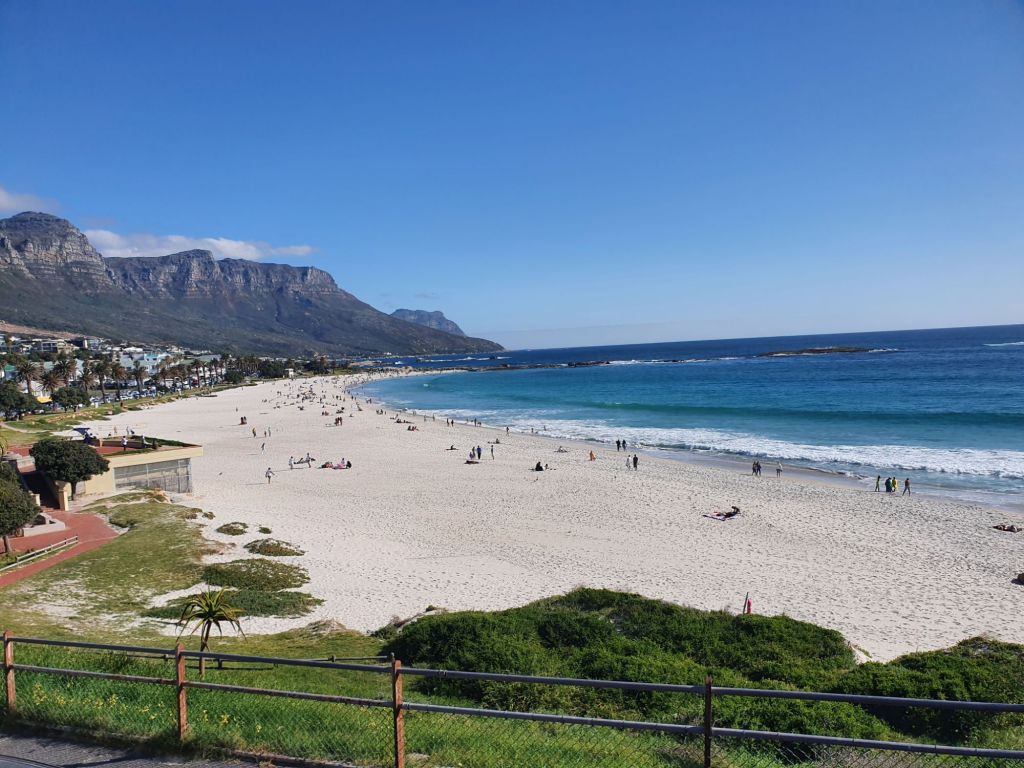
On the other side of the road from the beach, there are many bars and restaurants. It is a very popular hangout in the spring and summer, with many considering this to be Cape Town’s equivalent of Malibu.
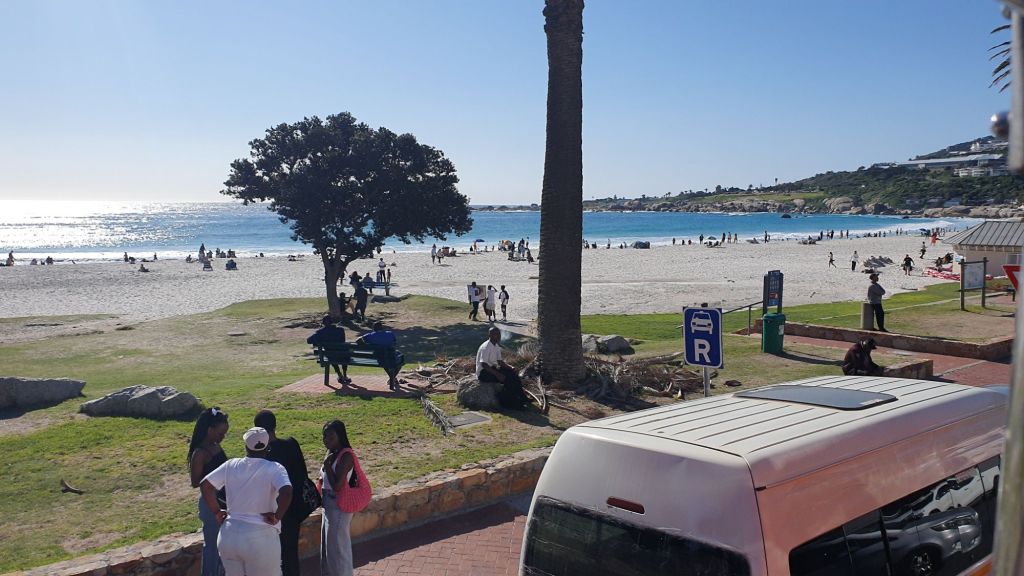
Although the beach is very inviting, the Water is pretty cold (10 to 14 celcsius in the spring). The water is actually colder in the summer due to the Antarctic ice melts resulting in cold water currents.
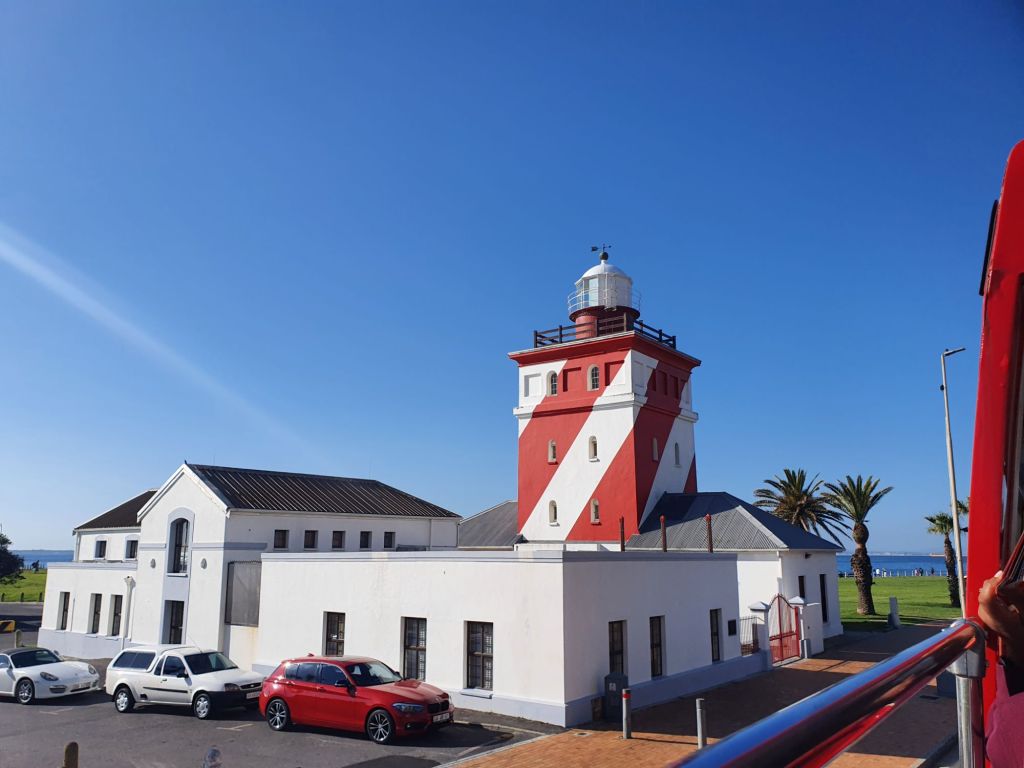
V & A Waterfront
The bus tour ended in V & A waterfront, and I decided to spend the rest of the afternoon exploring here.
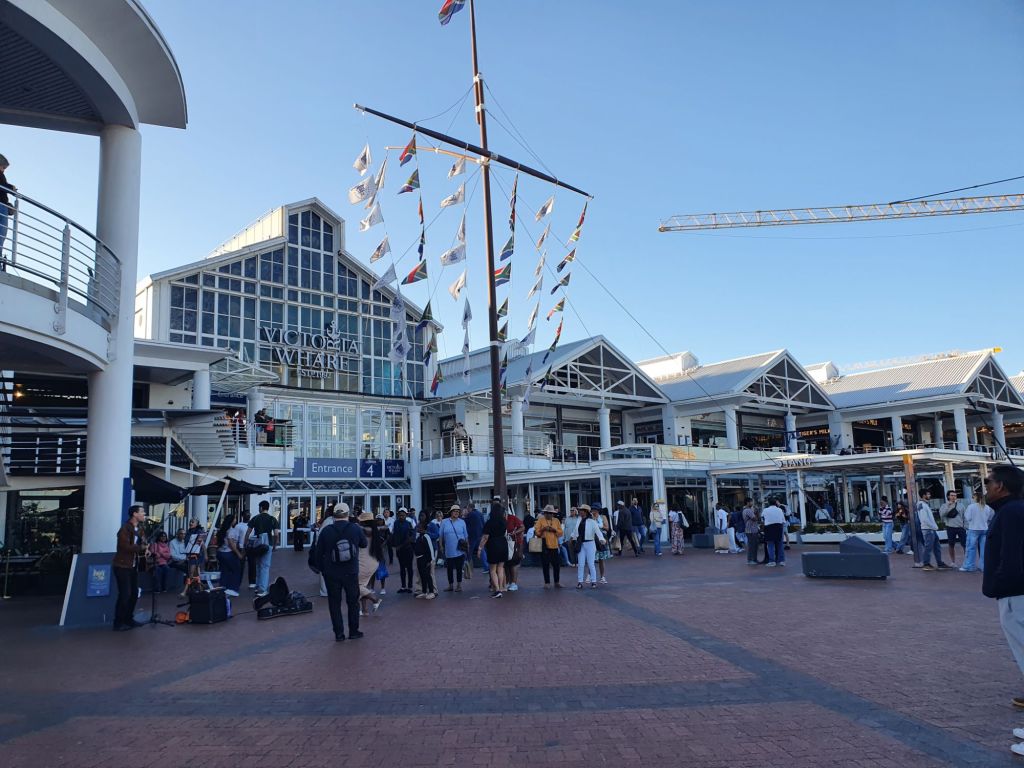
Coming from the UK, I had assumed that V&A stood for Queen Victoria and her husband Prince Albert. So I was surprised to learn that the V&A waterfront is named after Queen Victoria and her son Prince Alfred. Prince Alfred, while serving in the British Royal Navy, visited Cape Town and ordered construction of a new harbour for the Cape colony at the time.

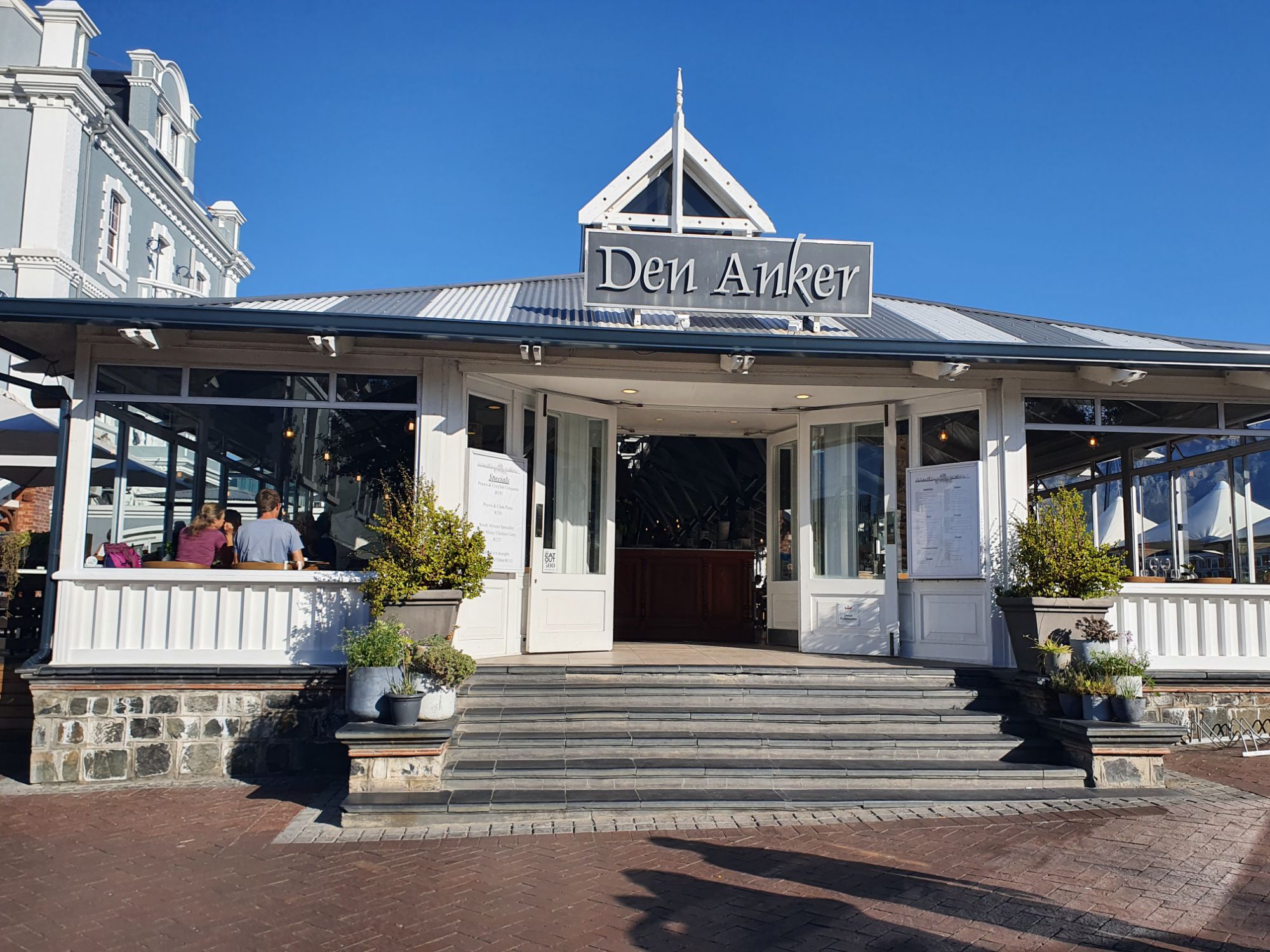
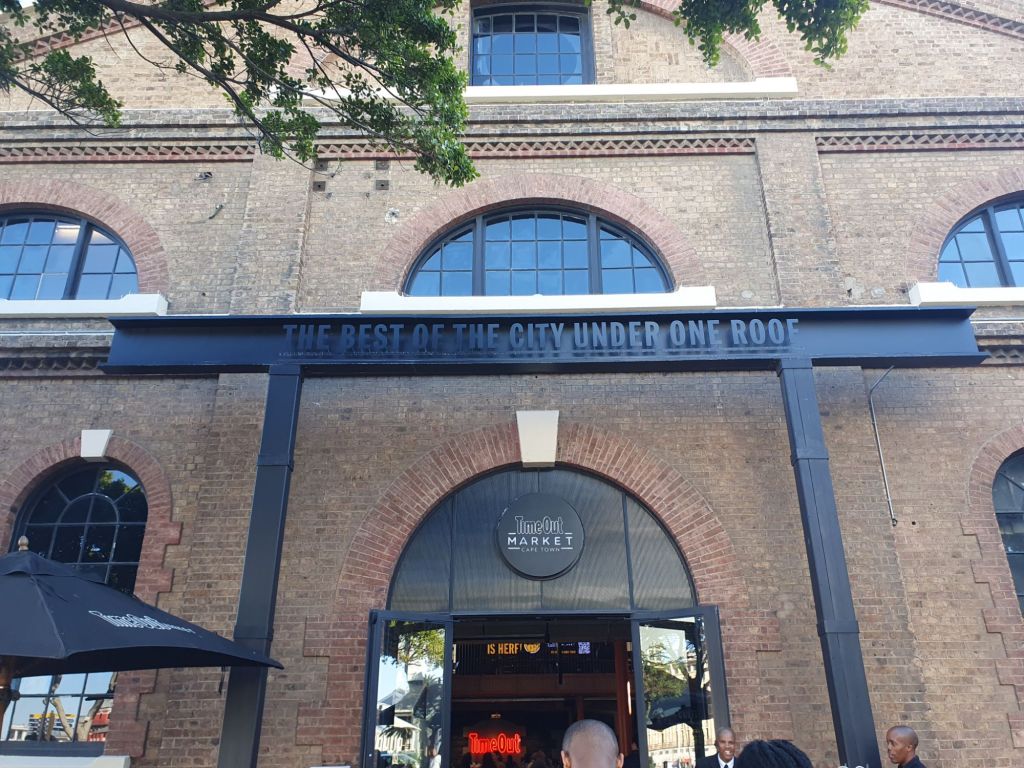
The waterfront has many shops, bars, cafes and restaurants. On this Saturday was full of people and very busy.
According to the tour bus audio guide, much of the V&A area is built on land reclaimed from the sea. Given the location of the city next to the sea and the positioning of some of the high-rise buildings create a wind tunnel effects on some of the streets on windy days.
Overall, the city is very clean, and there is no graffiti. The bus audio guide also said that there are are rules against begging in the central area. The waterfront area is generally considered safe, however the audio guide did warn to be careful when using cash machines and not to fall for scammers trying to sell you “walking permits”.
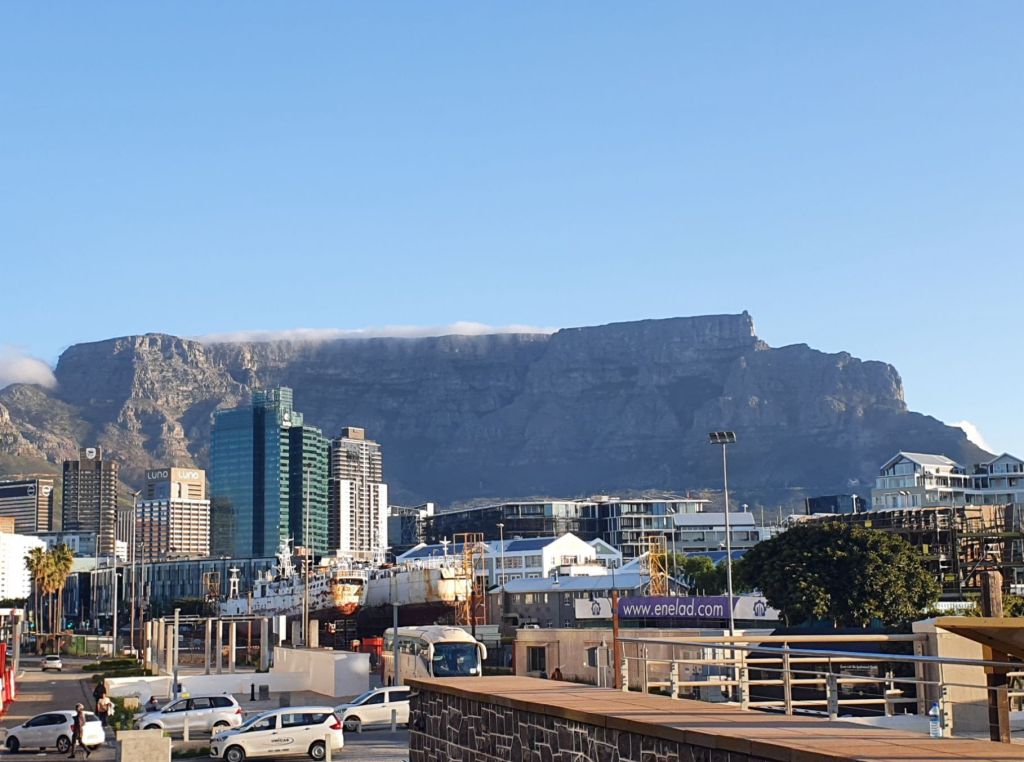
Cape Town is considered a feng shui city because its natural layout resembles an armchair, with Table Mountains “high back” providing high protection behind it, and Lion’s Head and Signal Hill acting as supporting armrests. The Table Mountain’s position is considered highly auspicious, and the presence of water and a low feature like Robben Island aligns with feng shui principles for the city’s energy flow.
I really enjoyed my first day in Cape Town. Tomorrow, I have another full day, including Table Mountain and the Cape of Good Hope. More on that on the next post!
 Diary of a Tourist
I think it’s almost always worth it to pay a little more to be in a centrally located hotel. Good instincts! 🙂
LikeLiked by 1 person