Where and when: The Cape Peninsula, 14 September 2025
0800: Pick up from hotel by guide. I only had two full days in Cape Town so I booked this tour via GetYourGuide that promised to fit many of the tourist attractions in the Cape Peninsula into a single day. And I have to say, it did very well in that regard.
Bo-Kaap
0830: Our first stop was Bo-Kaap; a vibrant neighborhood in Cape Town, famous for its brightly colored houses and cobblestone streets. Located on the slopes of Signal Hill, it’s a historic center of Cape Malay culture and one of the oldest surviving residential neighborhoods in Cape Town.
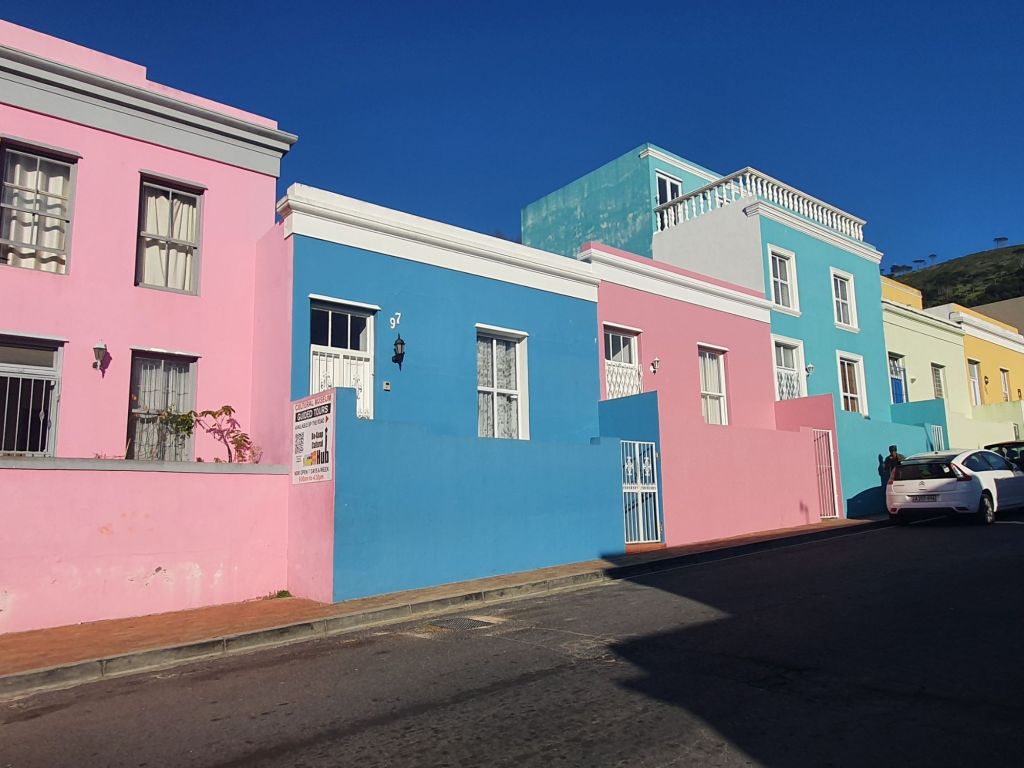
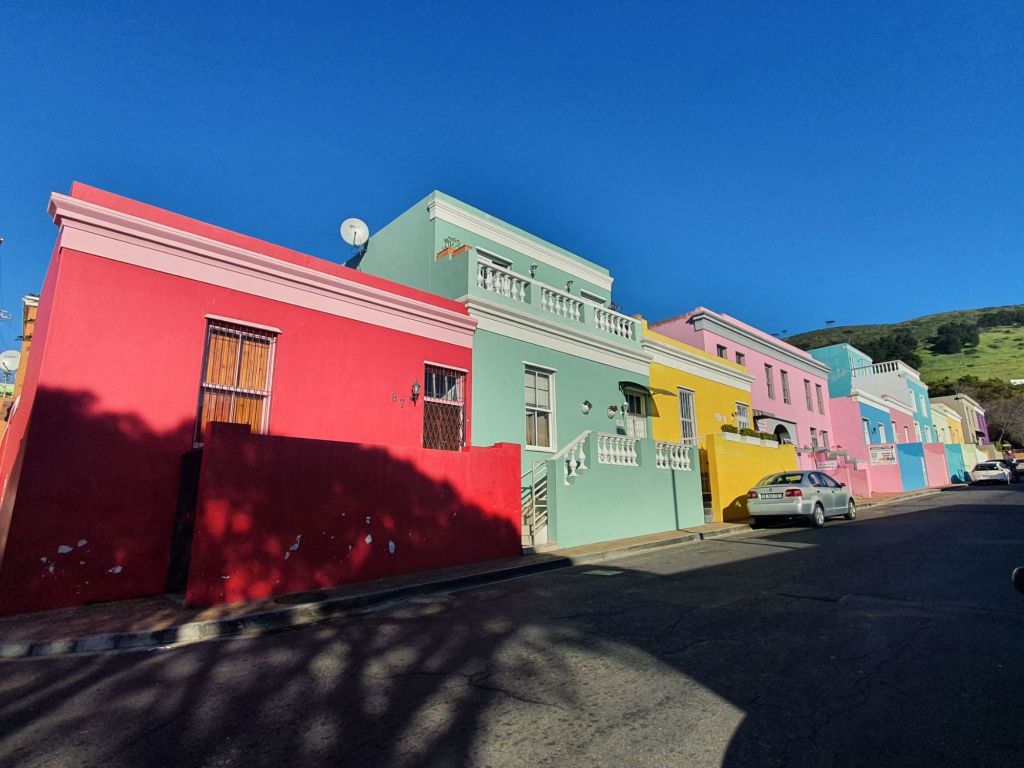
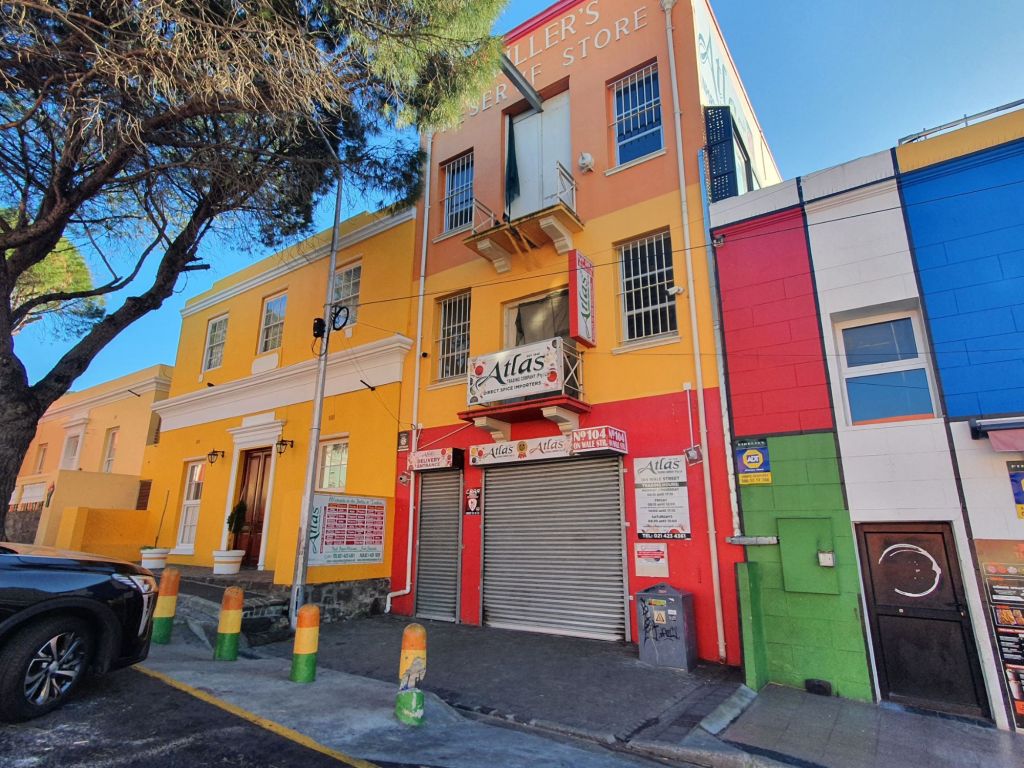
Table Mountain
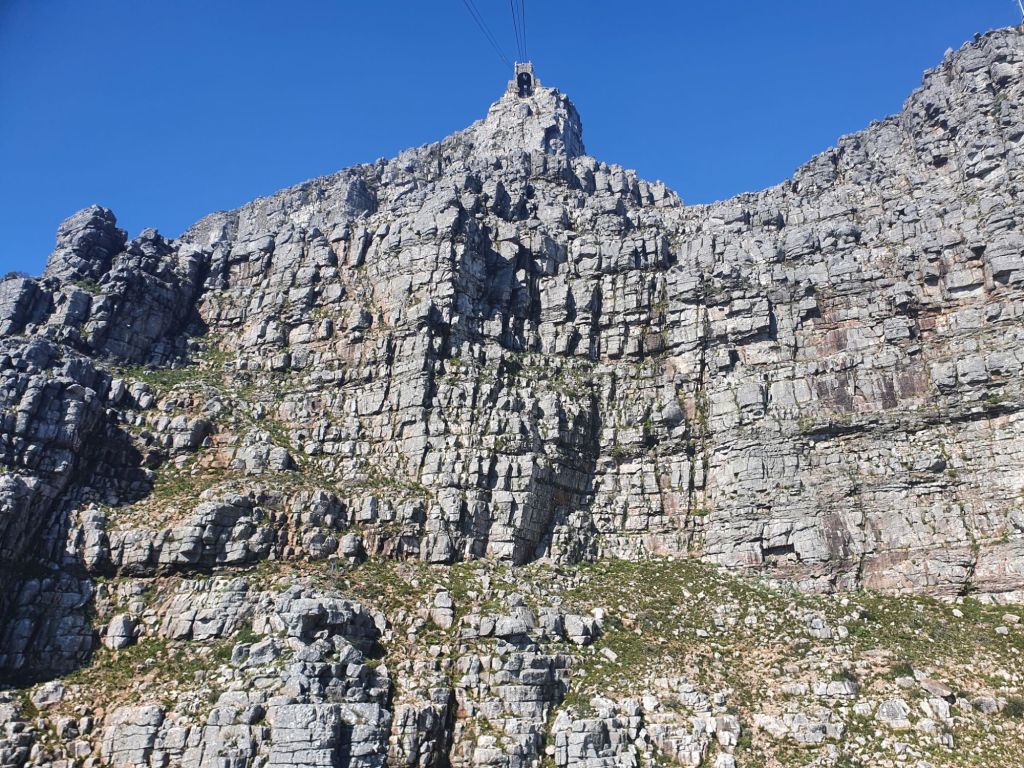
0845: Next stop was Table Mountain. There is a 45 minute queue for cable car (with tickets). It’s best to book tickets before you turn up, but if you don’t, you can join the queue and get tickets (either online or from the ticket counter)
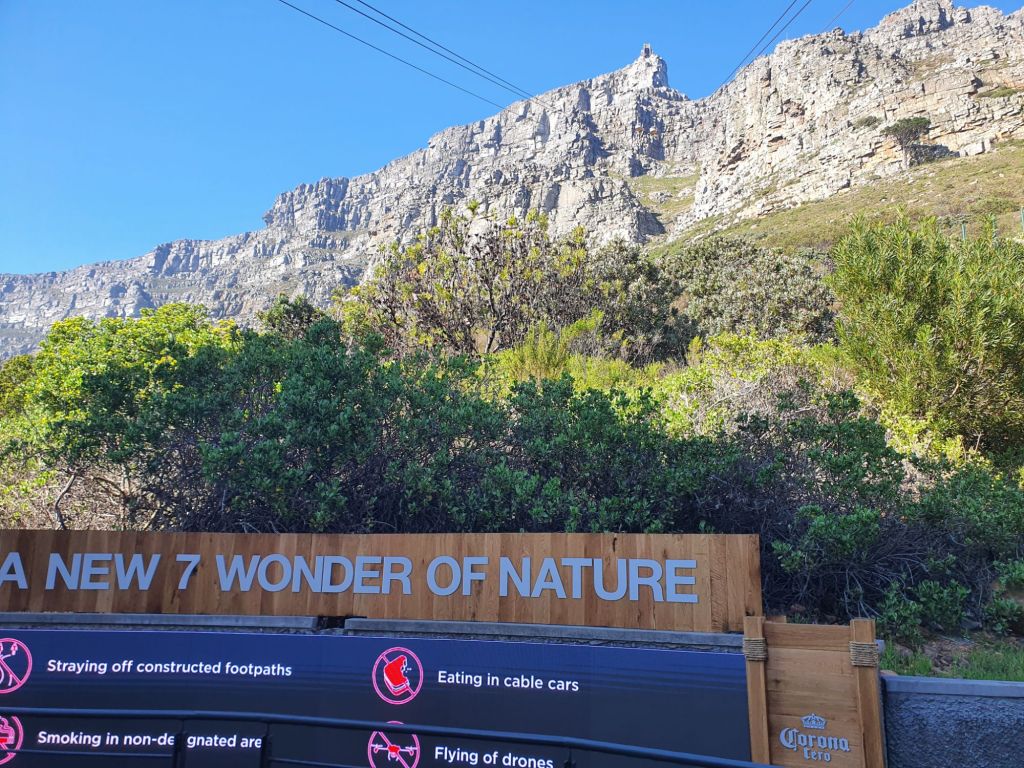
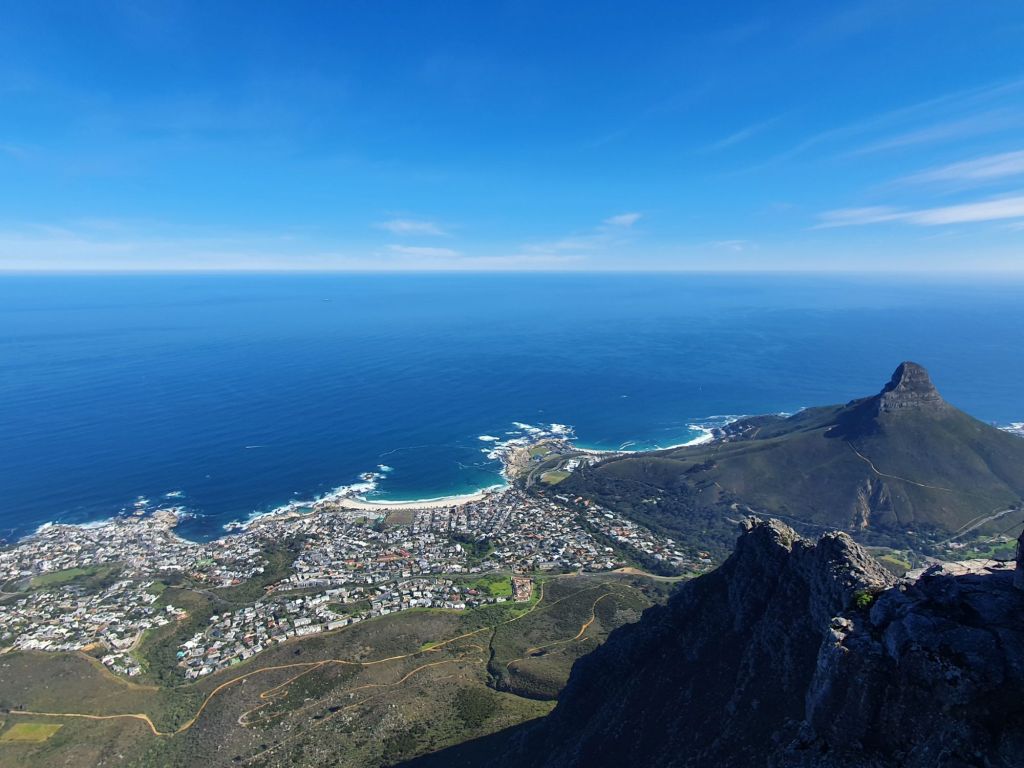
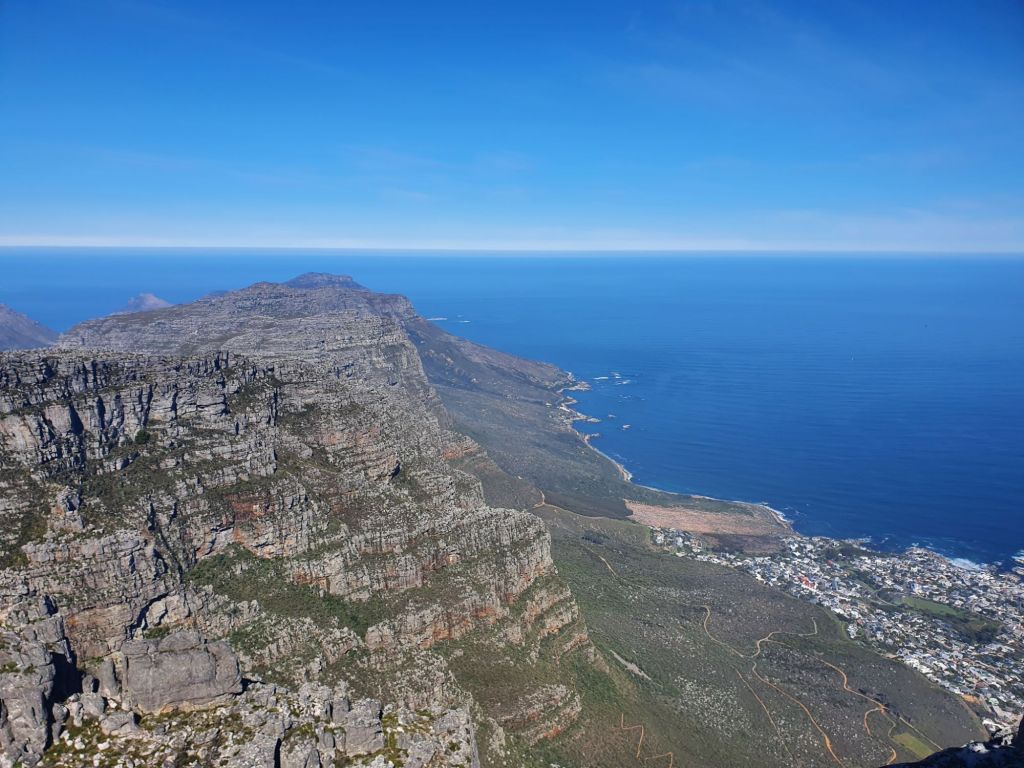
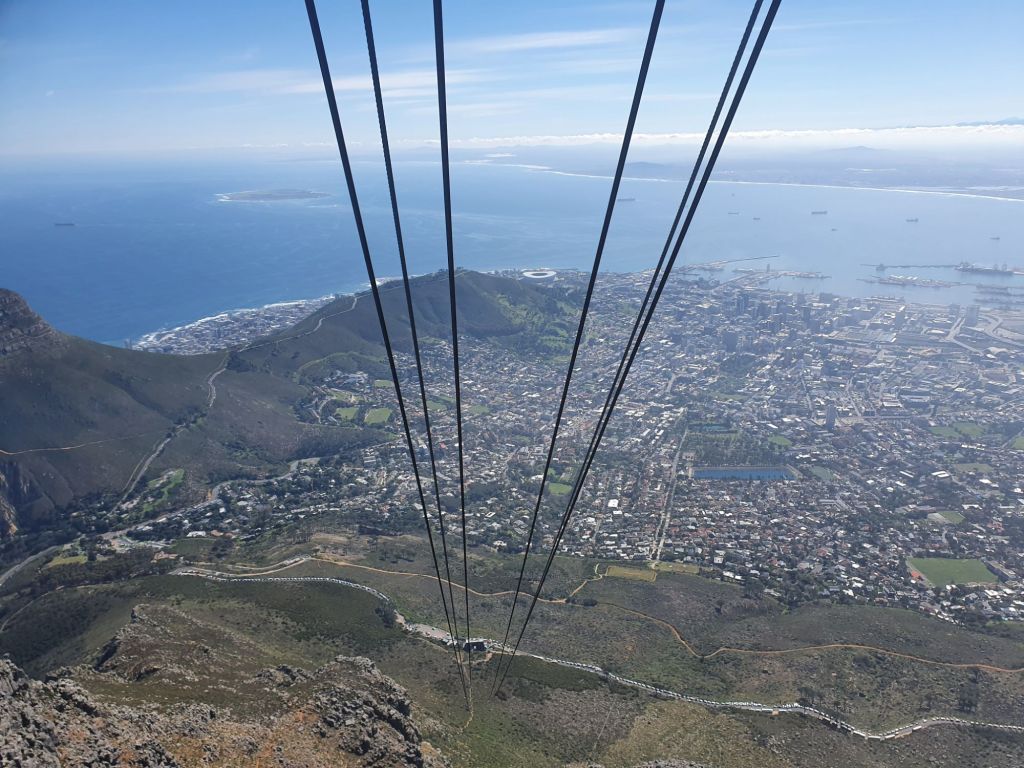
1000: Finally at the top of the Mountain. It is a clear day and we have great views from the top.
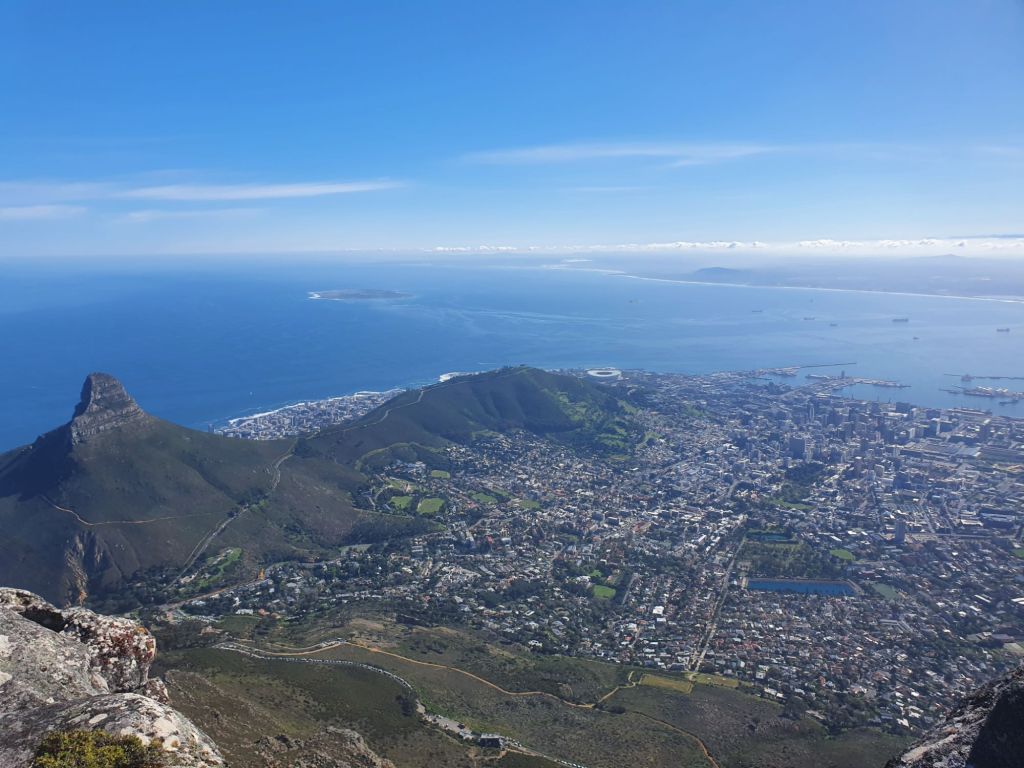
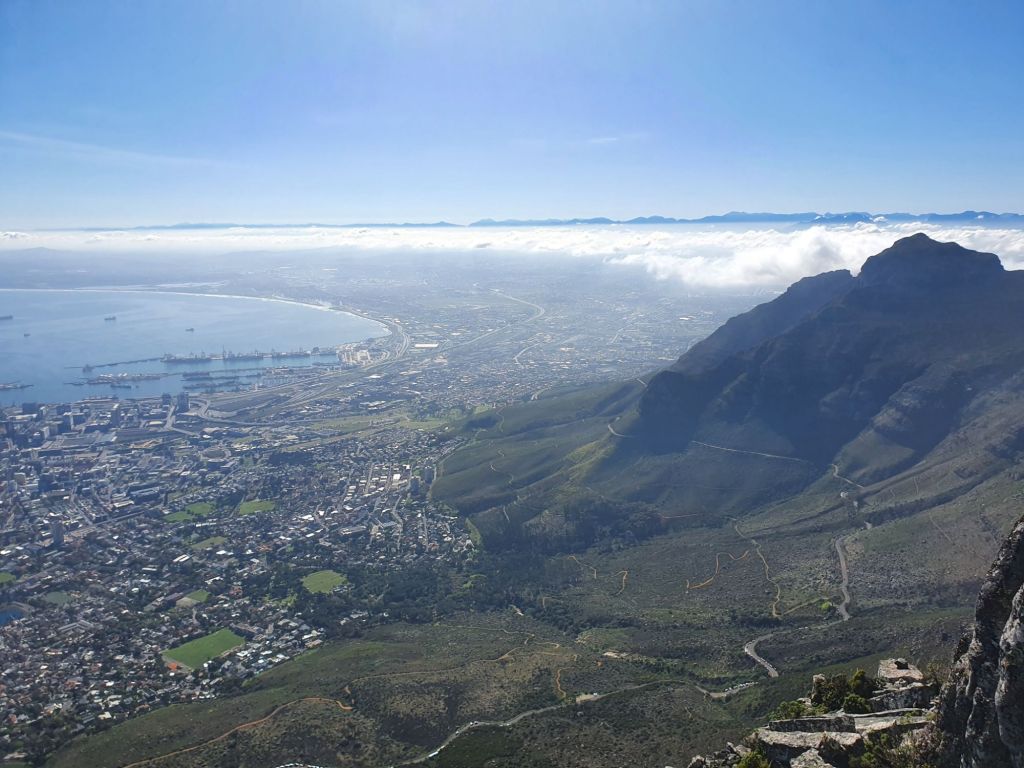
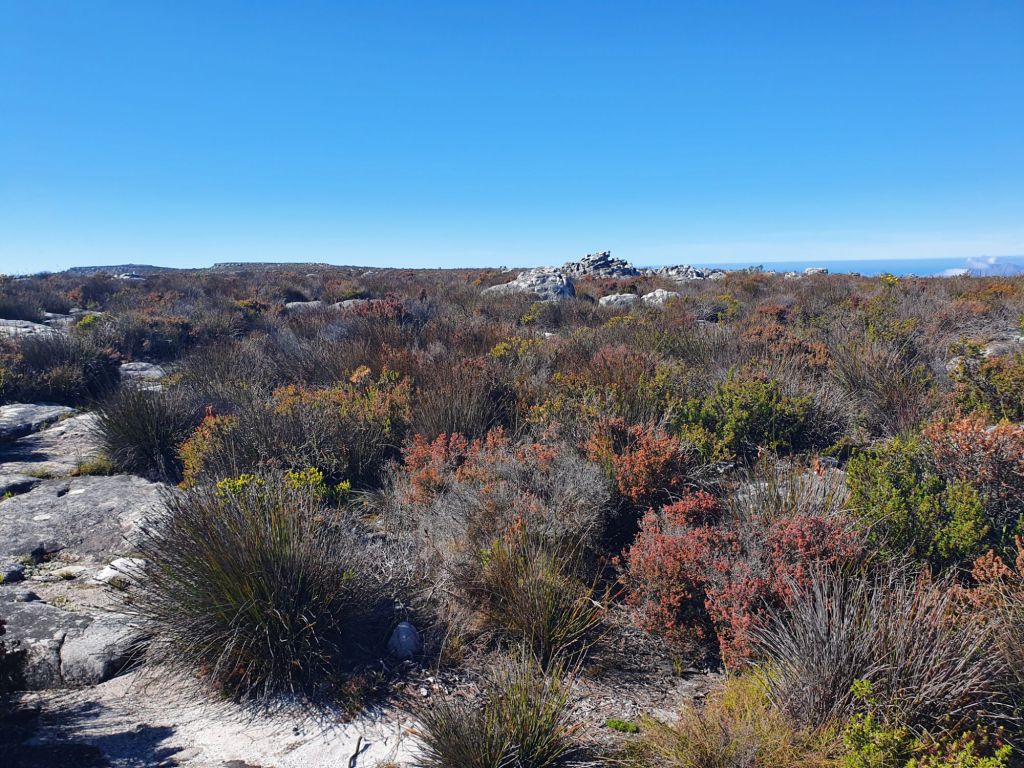
Table Mountain is in the Cape Floral Region and is full of flora and fauna.
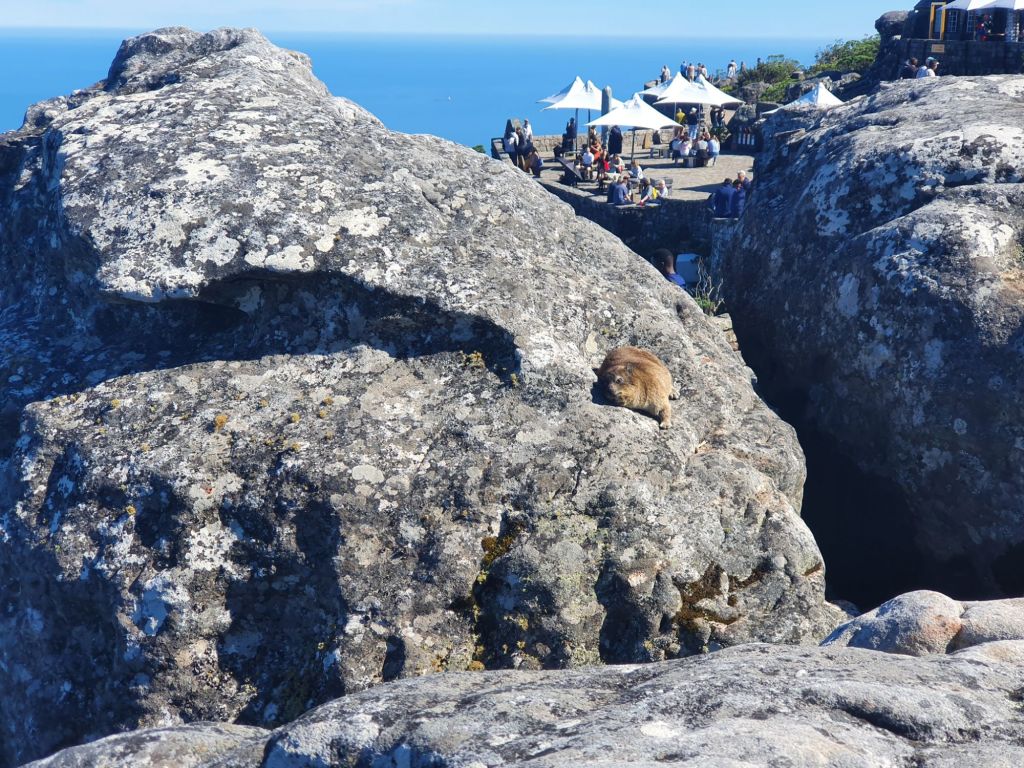
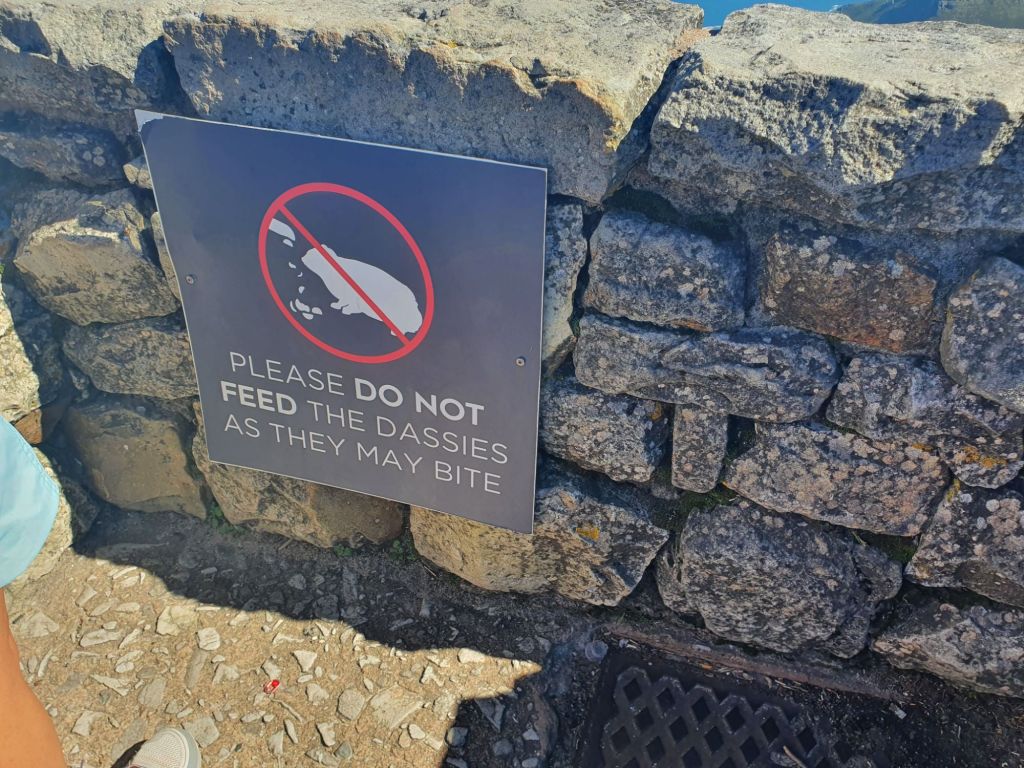
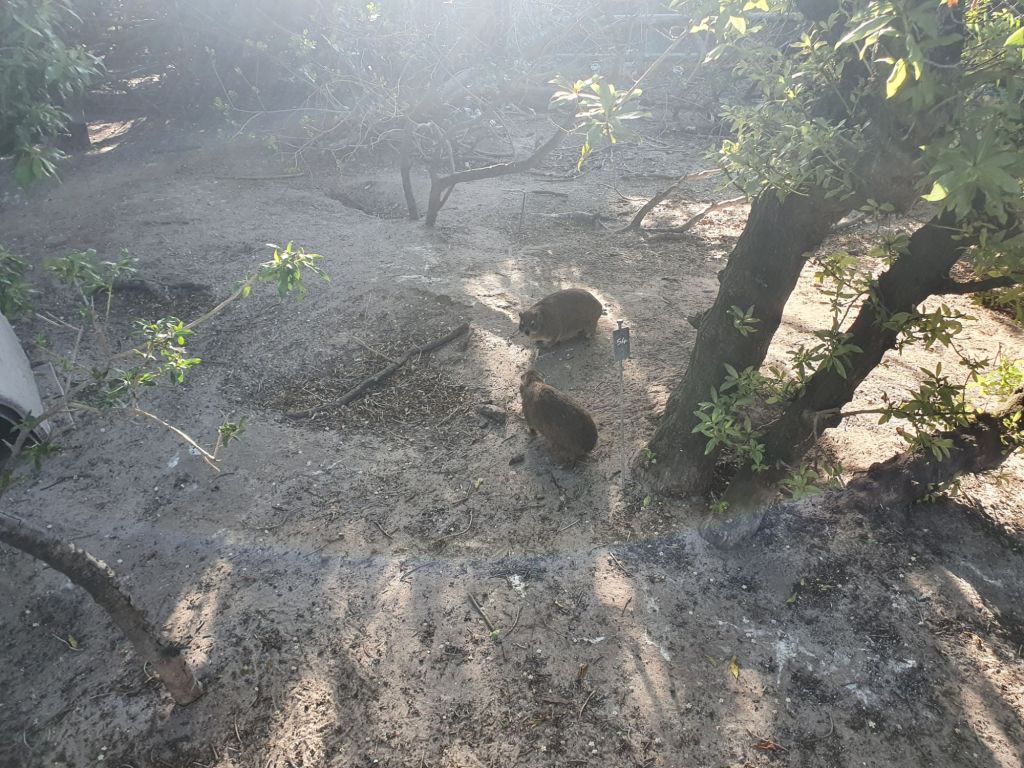
On the top, we also saw a dassie, a small, furry mammal native to Africa and the Middle East. Despite its resemblance to a guinea pig or rabbit, the dassie is actually more closely related to elephants and manatees.
1045: We had a lot to fit into the day, so it was time to head back down in the cable car. This cable car has a rotating floor, offering 360 degree view as you go up or come down.
Down the Cape Peninsula
1120: On the way again, and we have time for a brief photo stop; providing a great view of Camps bay, (which I saw yesterday), and maiden’s cove.
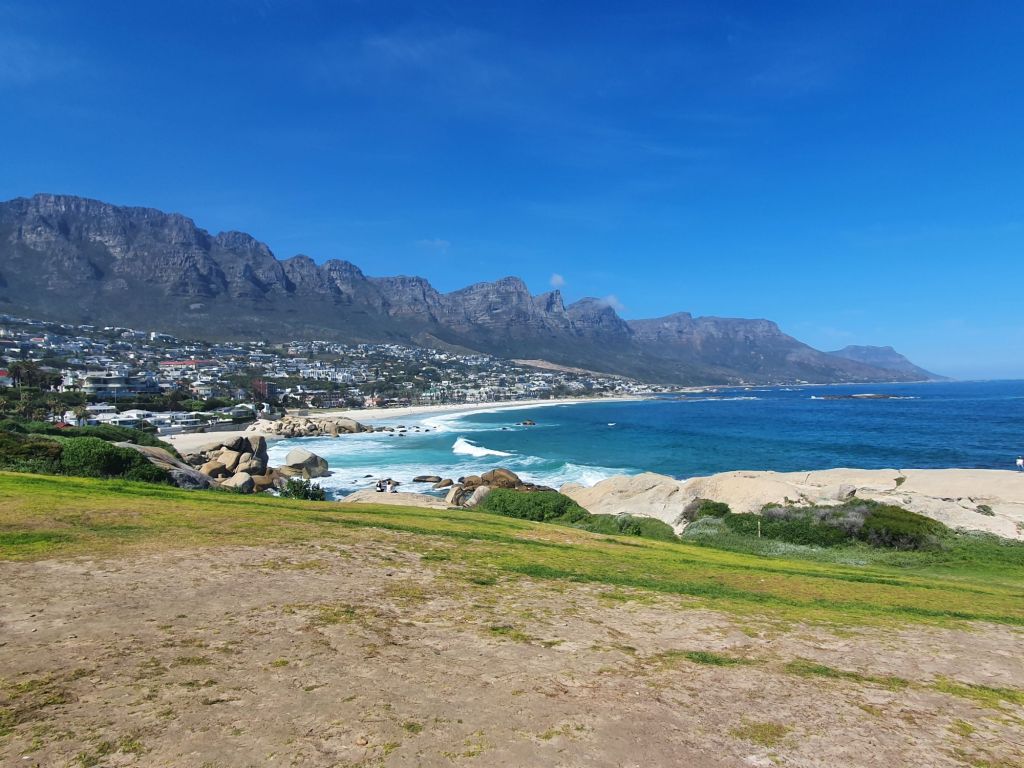
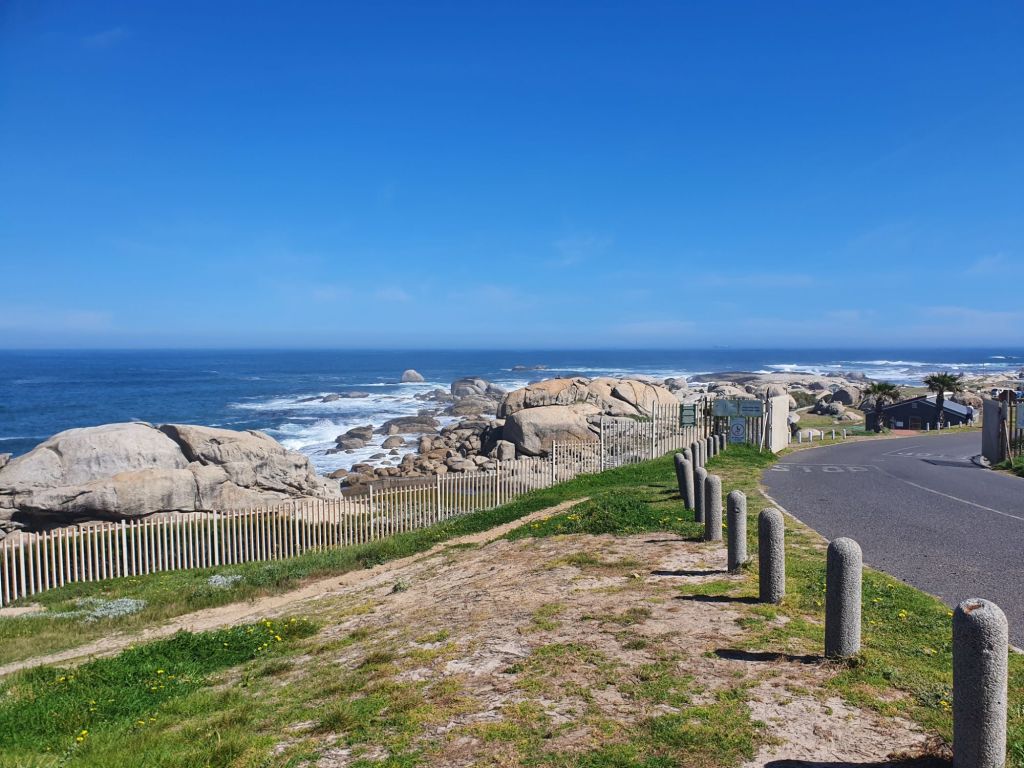
Further down along Camps bay is the 12 Apostles Hotel. A 5 star luxury hotel on the slopes of the mountain range which apparently is a favourite of Tom Cruise.
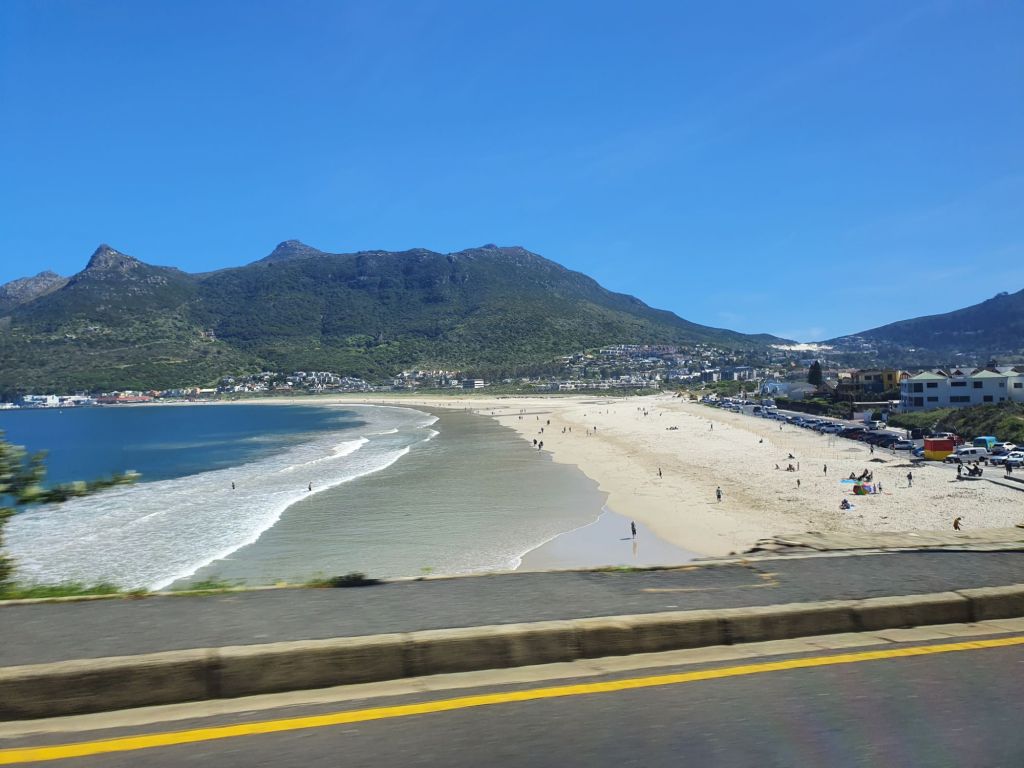
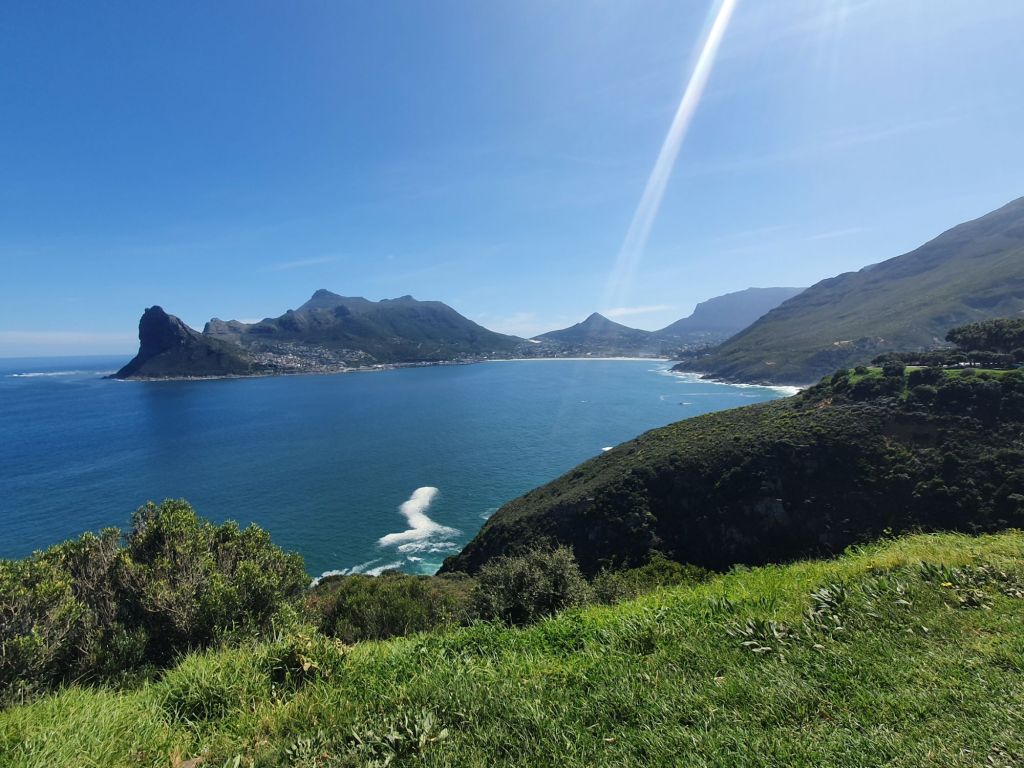
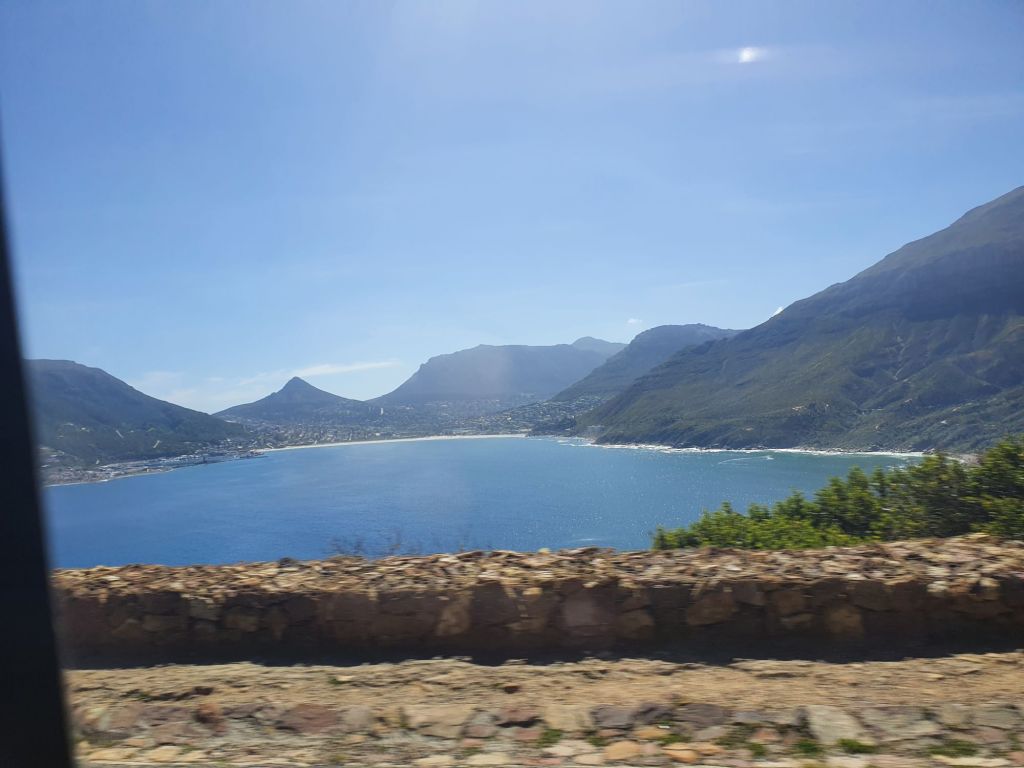
1200: Along the scenic Chapman’s drive and Chapman’s peak.
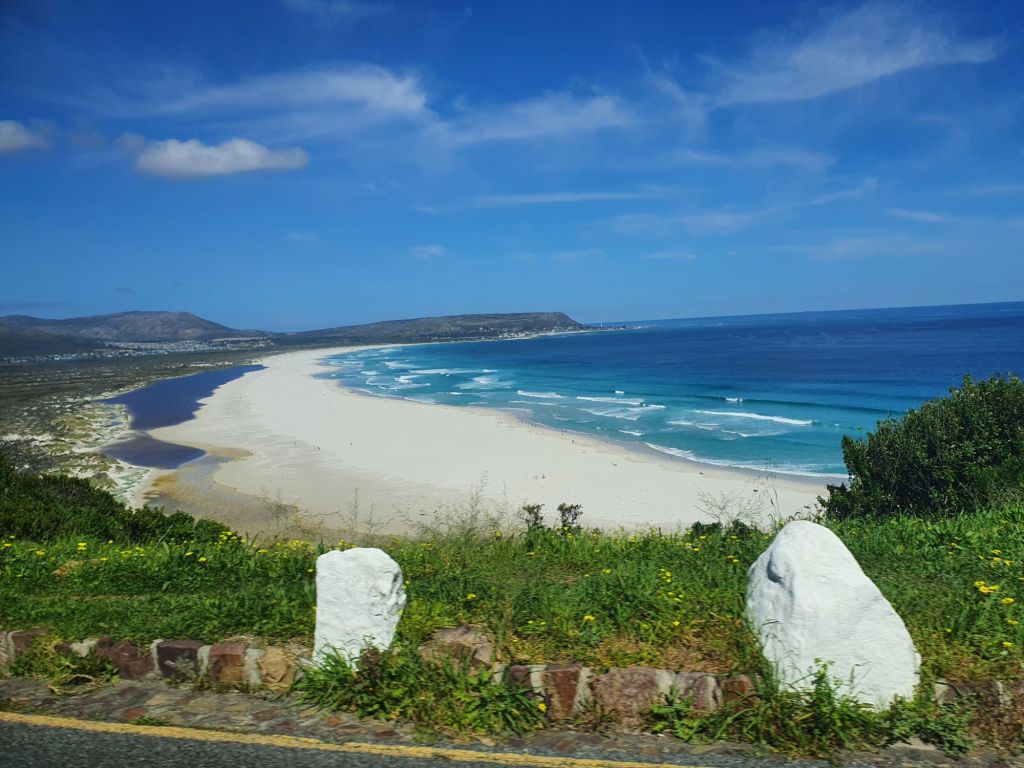
1215: About 40 mins outside Cape Town is Long Beach; one of Cape Town’s longest and most striking beaches, with a total length of 8km of powdery white sand.
Cape Point Nature Park
1300: We arrive at Cape Point Nature Park.
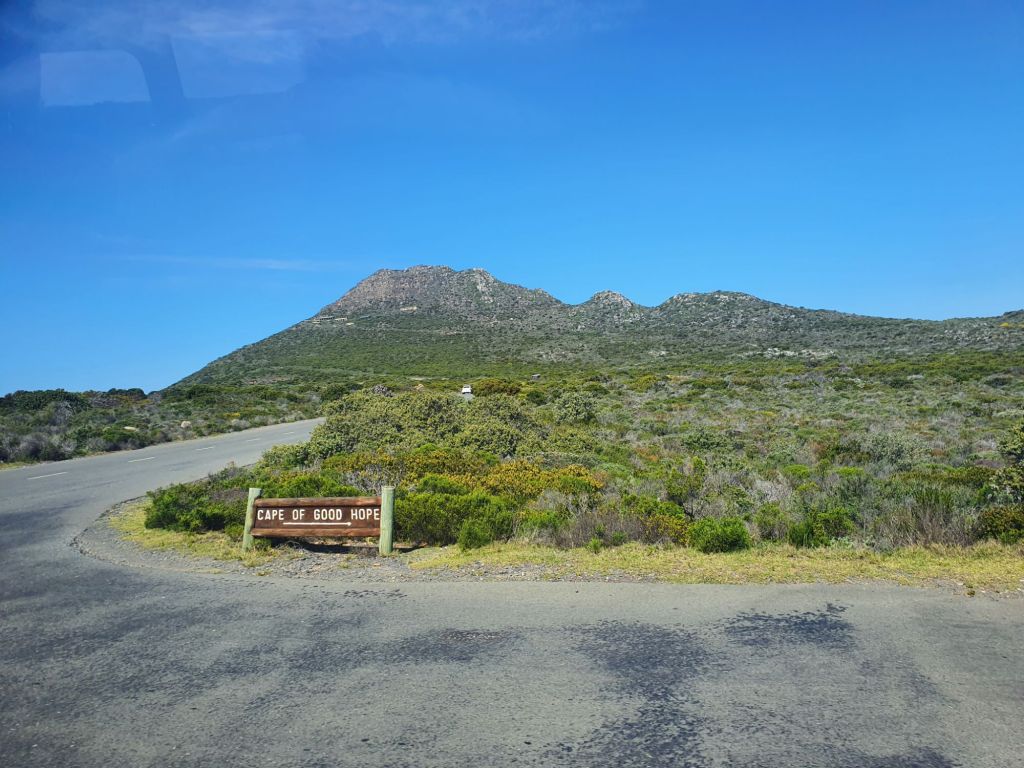
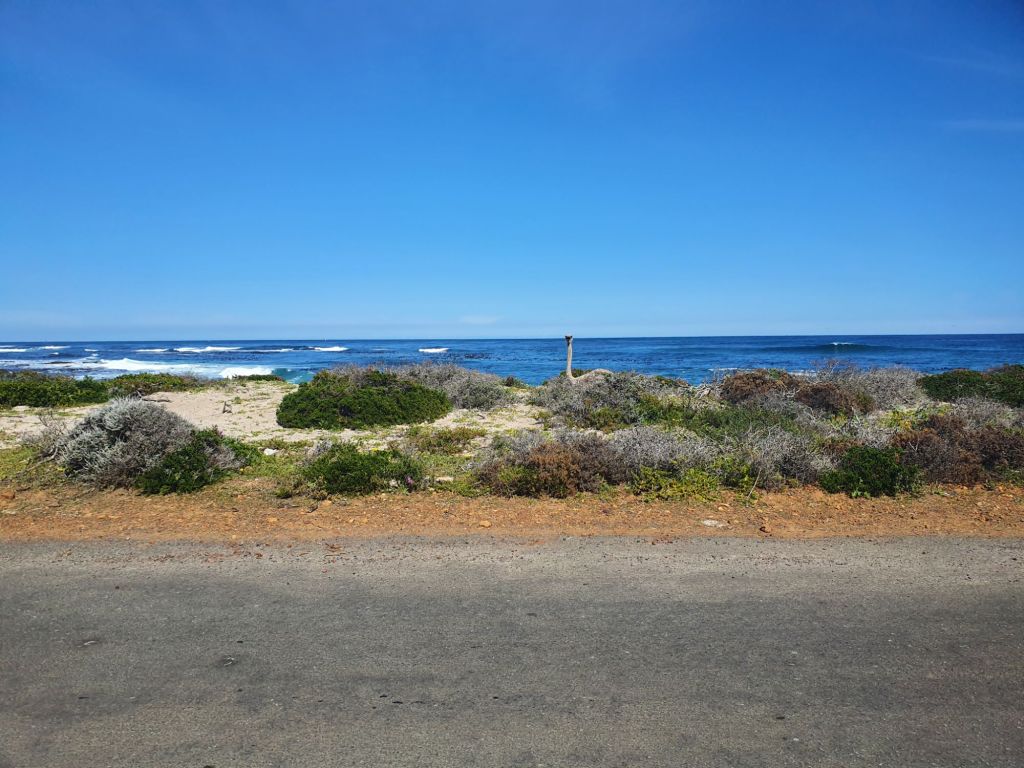
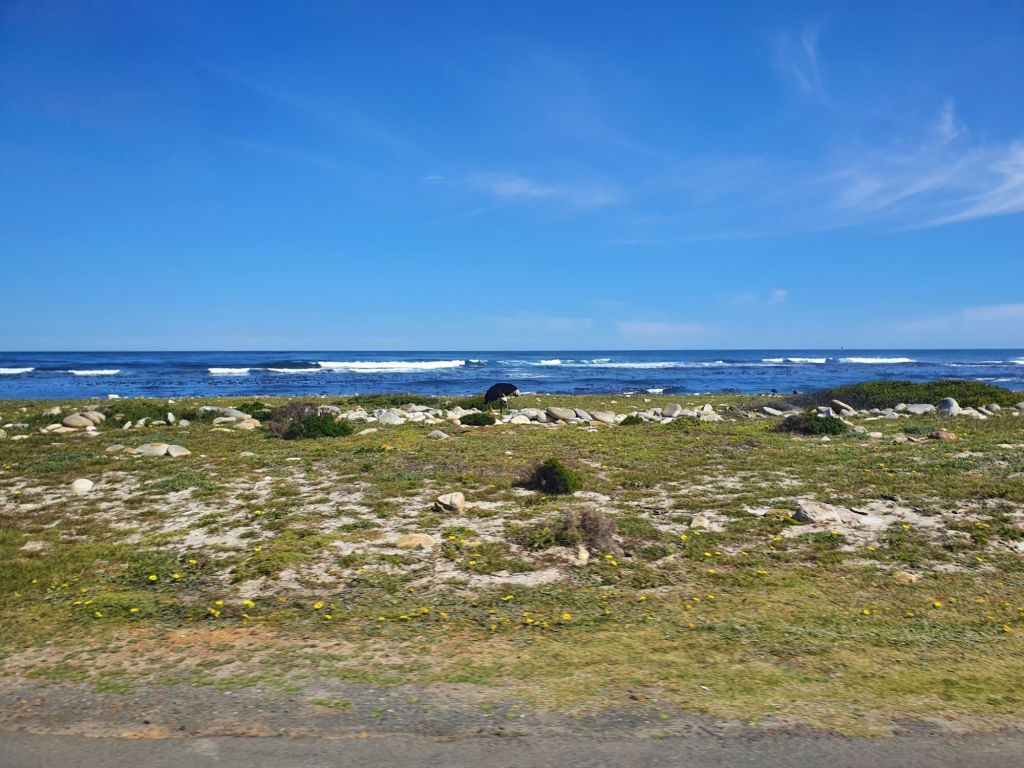
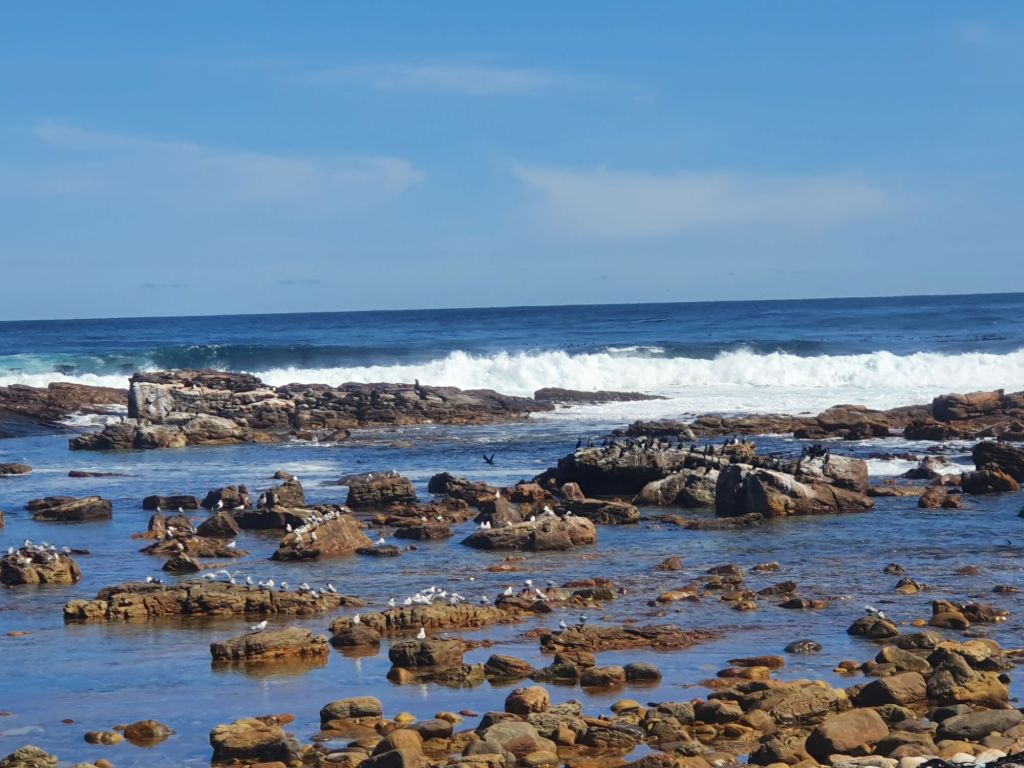
The Cape Point National Park is home to many animals. Among them, Ostriches, Seals and Baboons. There were many signs saying don’t feed the baboons.
Cape of Good Hope
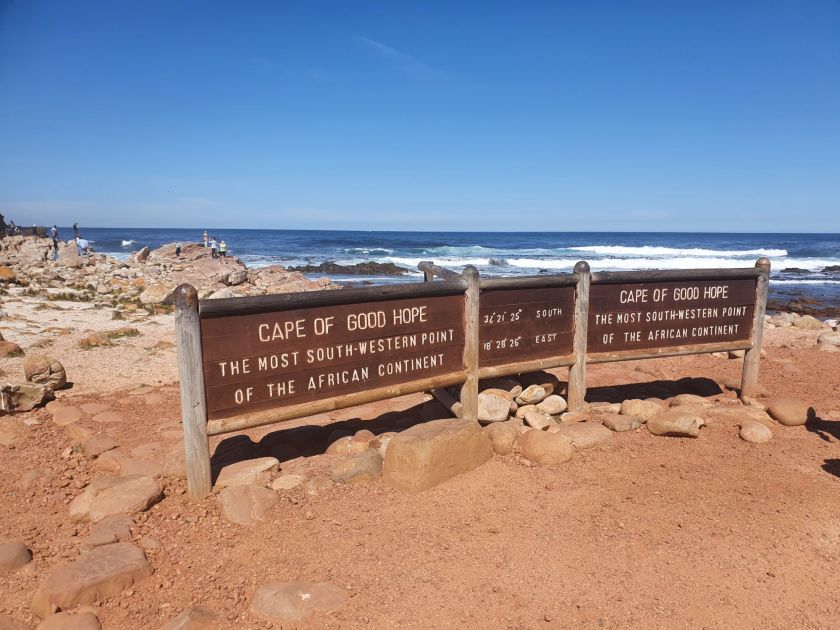
1320: Highlighy of the day! The Cape of Good Hope.
The Cape of Good Hope is the most south-east point of the African continent. The cape was first rounded by Bartholemew Dias in 1487, whilst looking for sea route to India (due to the Ottoman empire cutting-off the overland route).
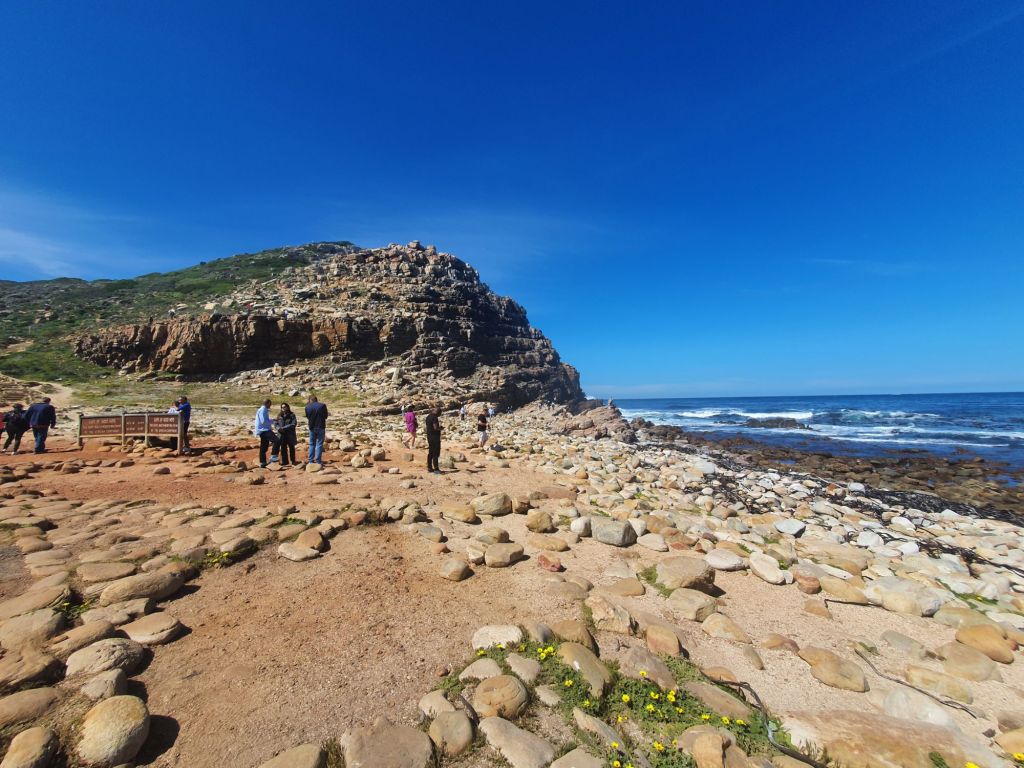
The cape was originally called the “Cape of Storms” due to the bad weather that frequented it. It was later renamed “Cape of Good Hope” because of the great optimism engendered by the opening of a sea route to India and the East.
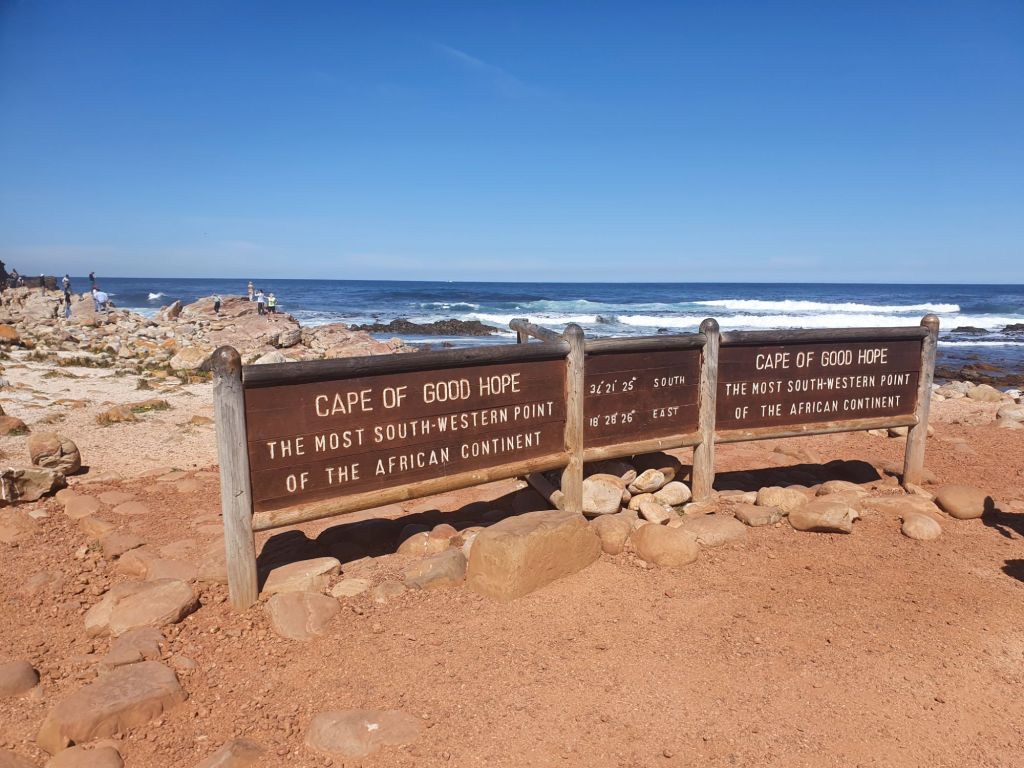
In the 19th century, Portuguese authorities erected two stone crosses on the cliffs in Cape Point Park to serve as navigational beacons. The Dias Cross was erected to commemorate Bartholomeu Dias’s voyage in 1487. The Da Gama Cross was erected to mark Vasco da Gama’s successful 1497 voyage.
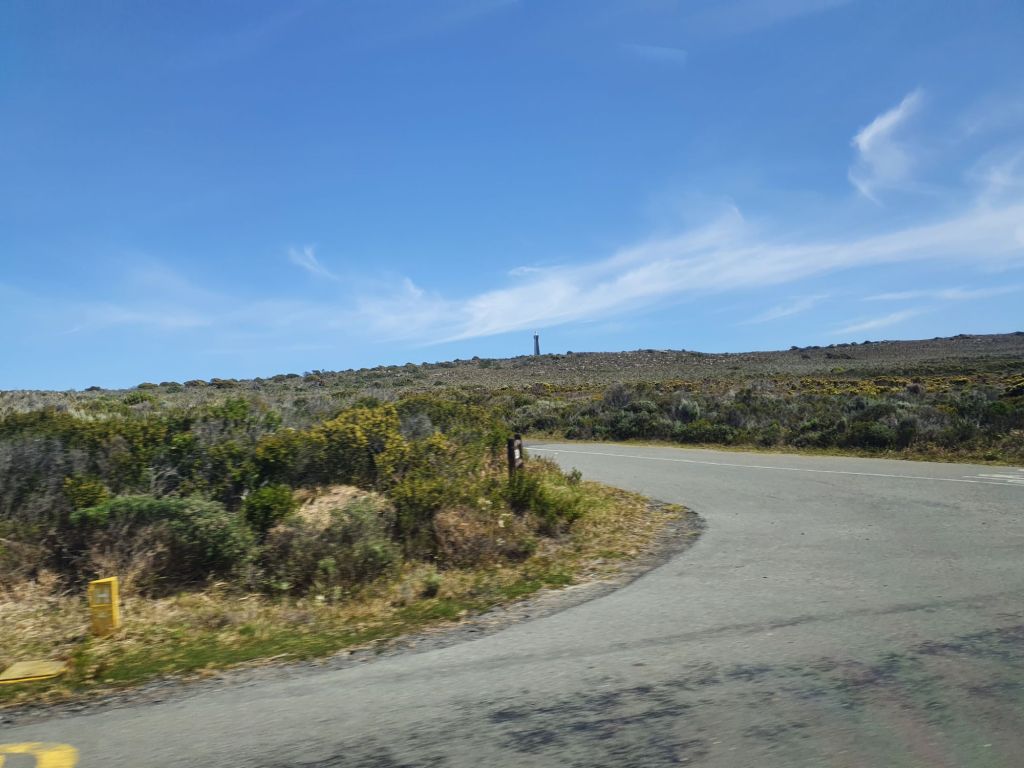
Then it was onto Cape Point, which is further along Cape Peninsula.
Cape Point
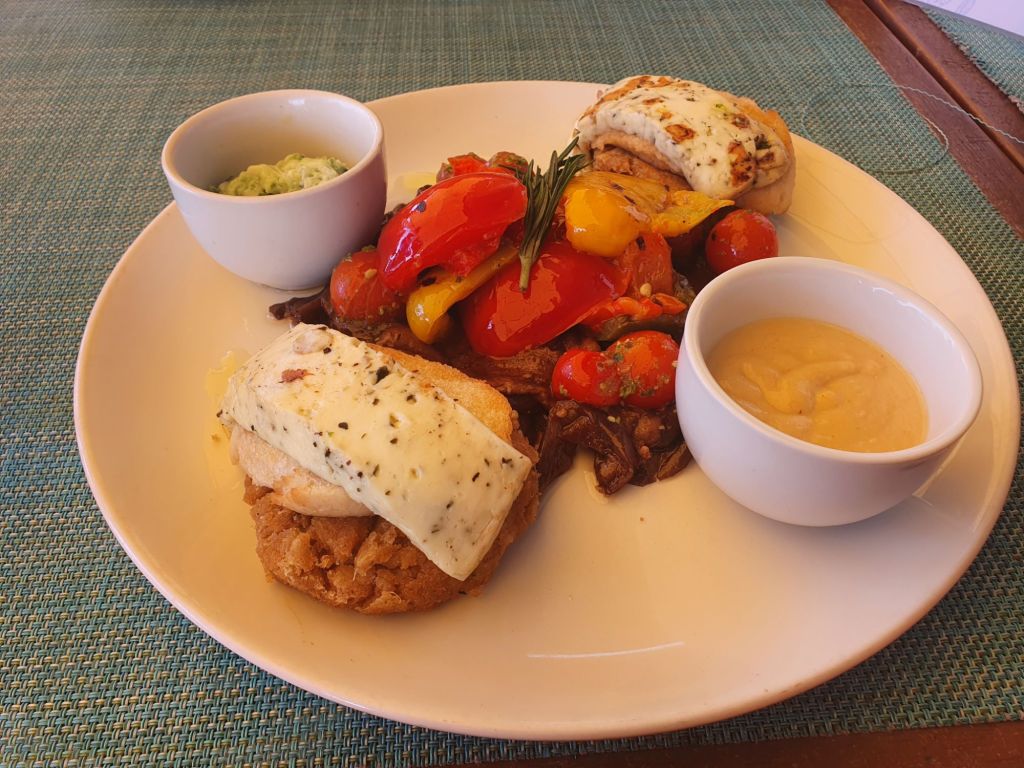
1400: Lunch at ocean view cafe on Cape Point. There are amazing views across.
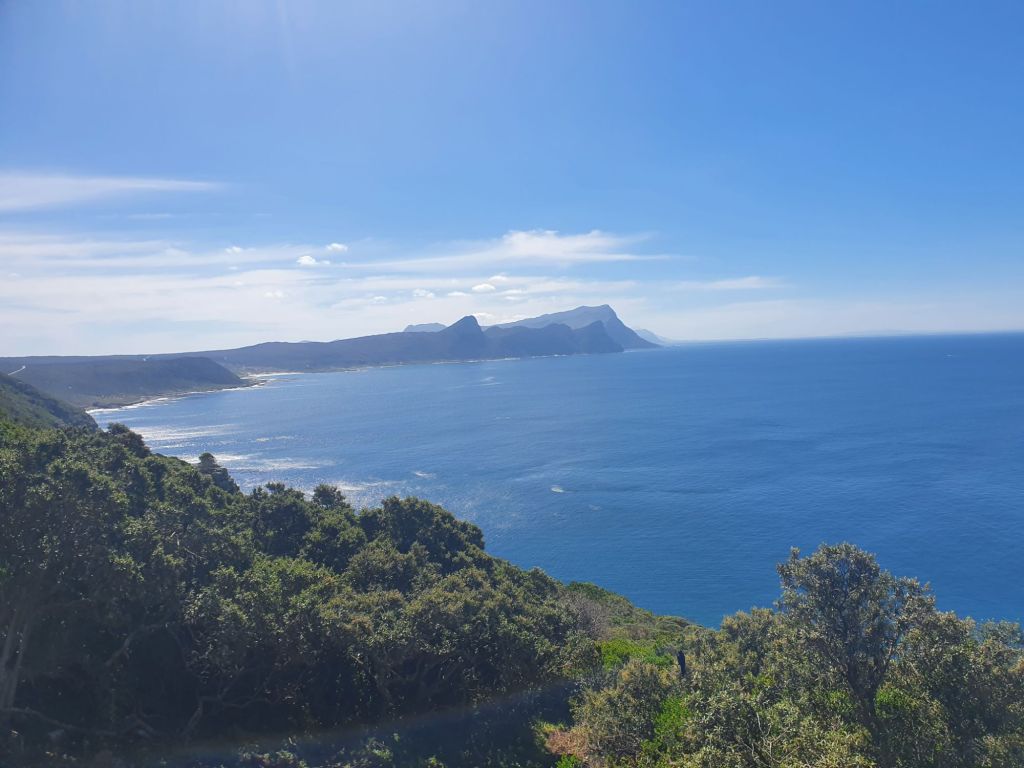
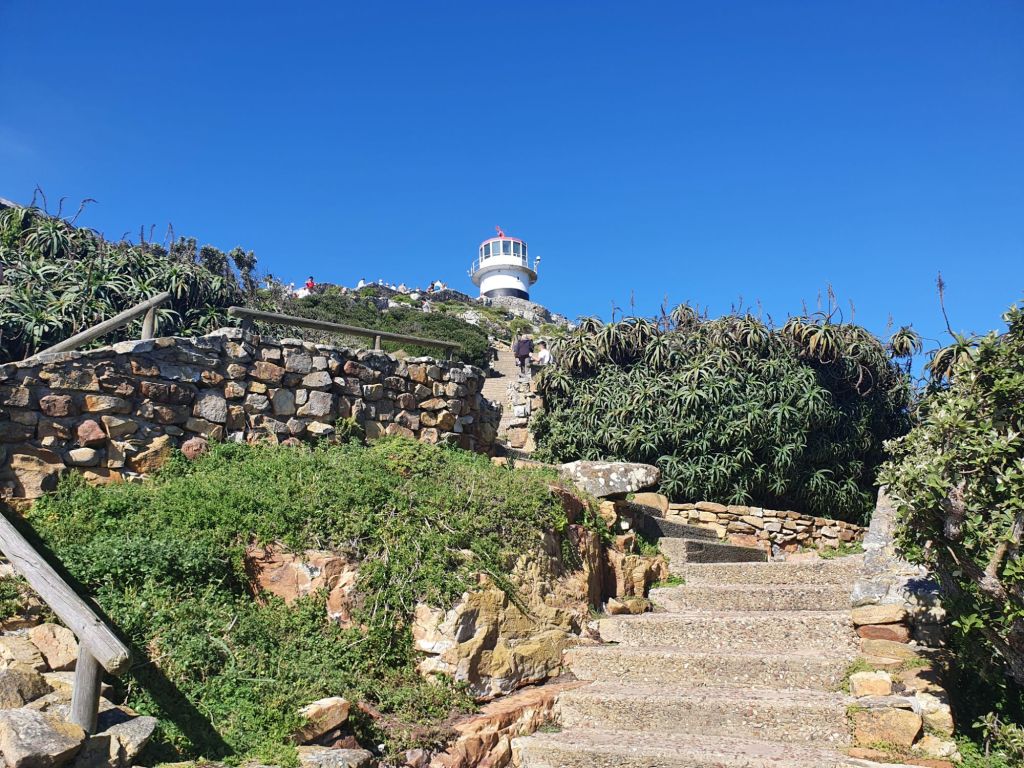
1450: After lunch we went up to the light house in the funicular. The views from here are spectacular.
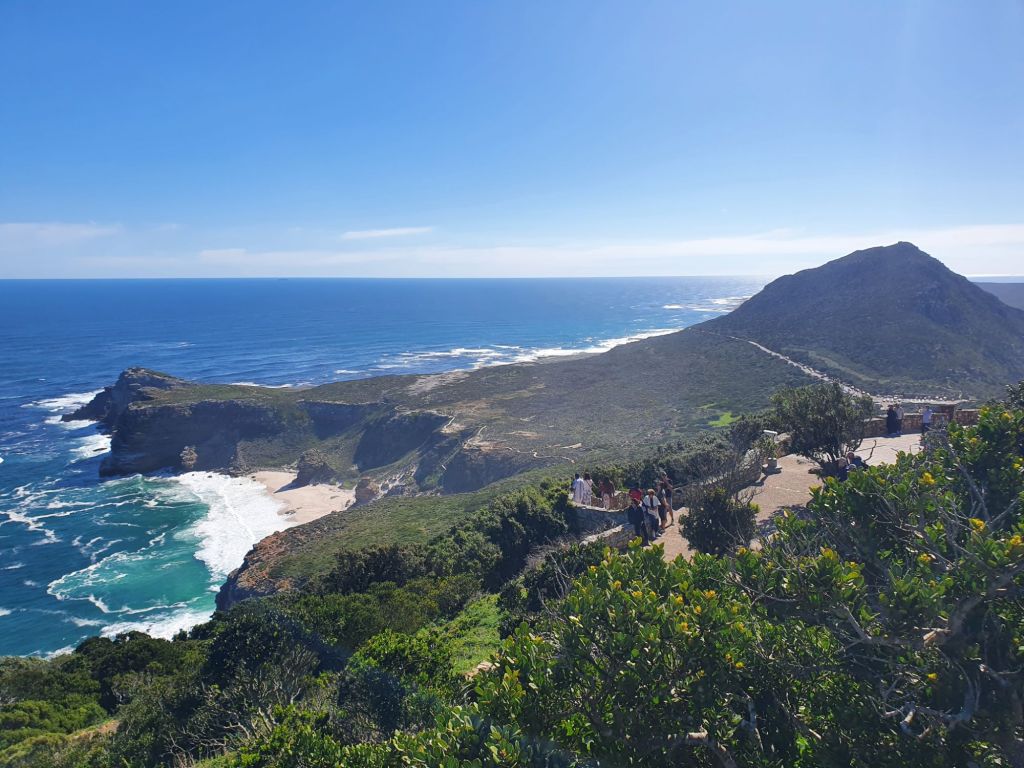
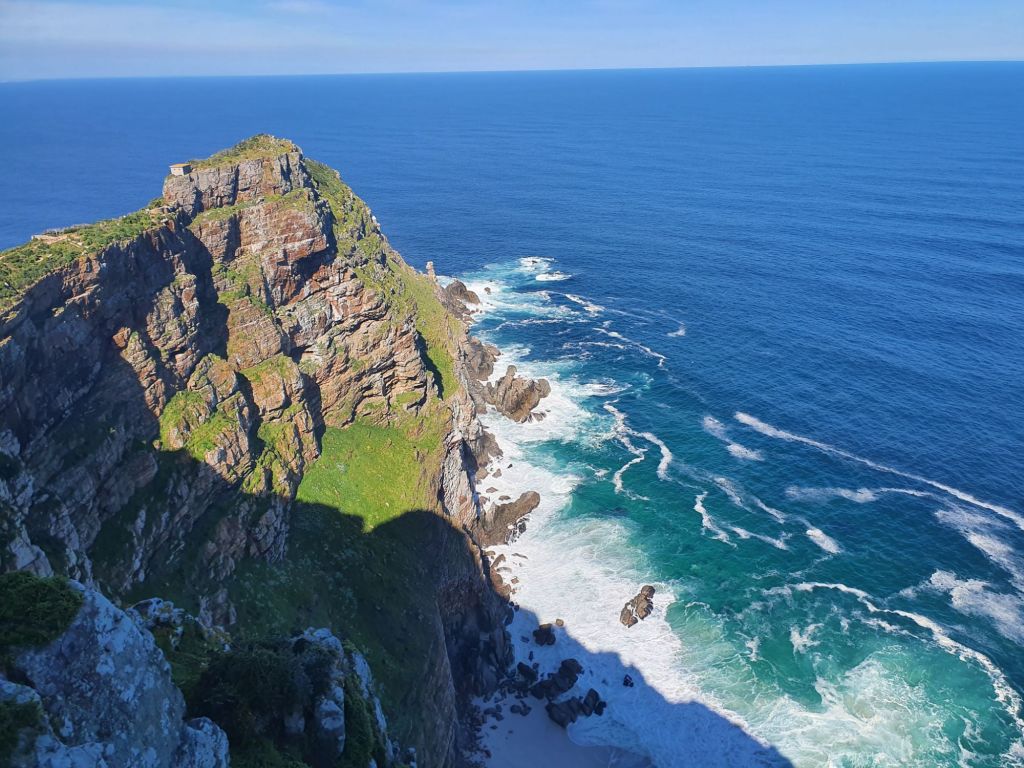
1540: We are on the road again. On the way, we can see Cape Agulhas from a distance – this is the Southern-most point of the African continent. Cape Agulhas is 225km from Cape Town so it is a day trip. One for next time!
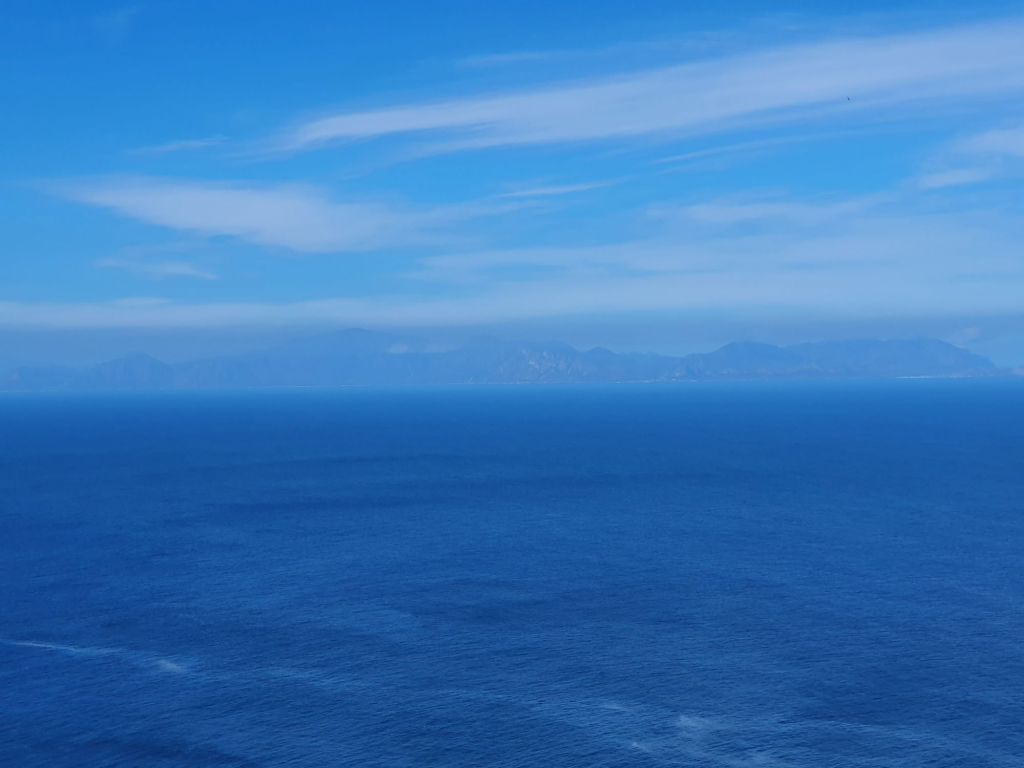
The water here looks absolutely beautiful but are shark infested. There are shark lookouts points along the road.
Boulders Beach (and Penguins!)
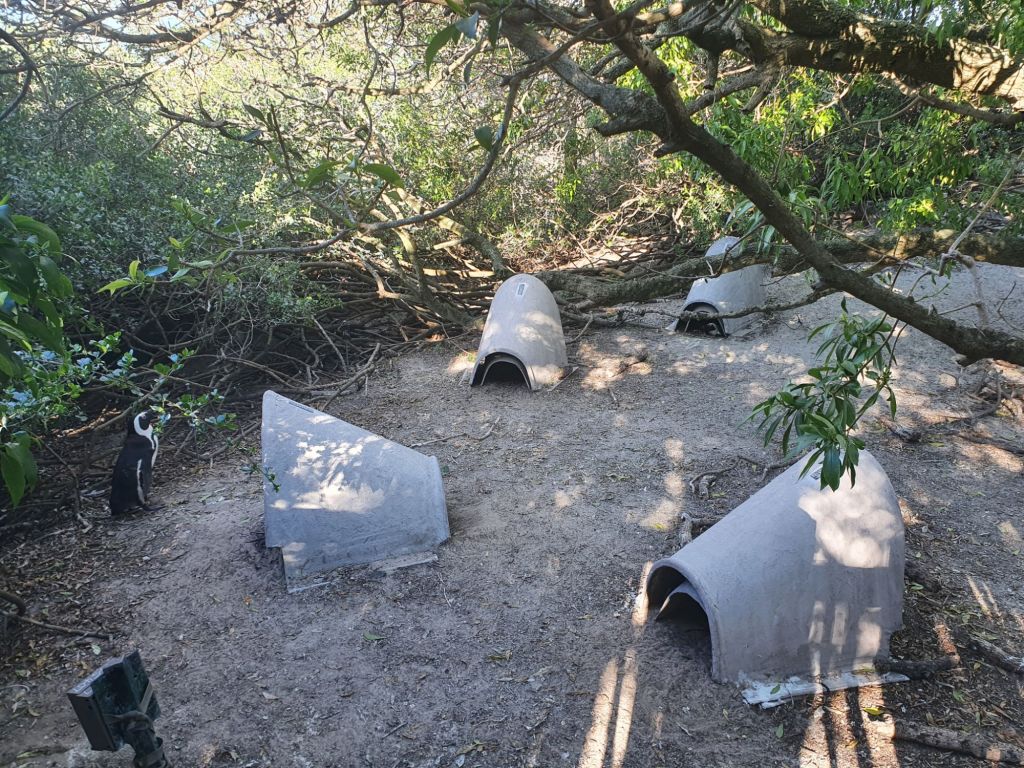
1615: Our next stop is Boulders beach and seeing African penguins. I have never see penguins in the wild before, so this was a realy highlight.
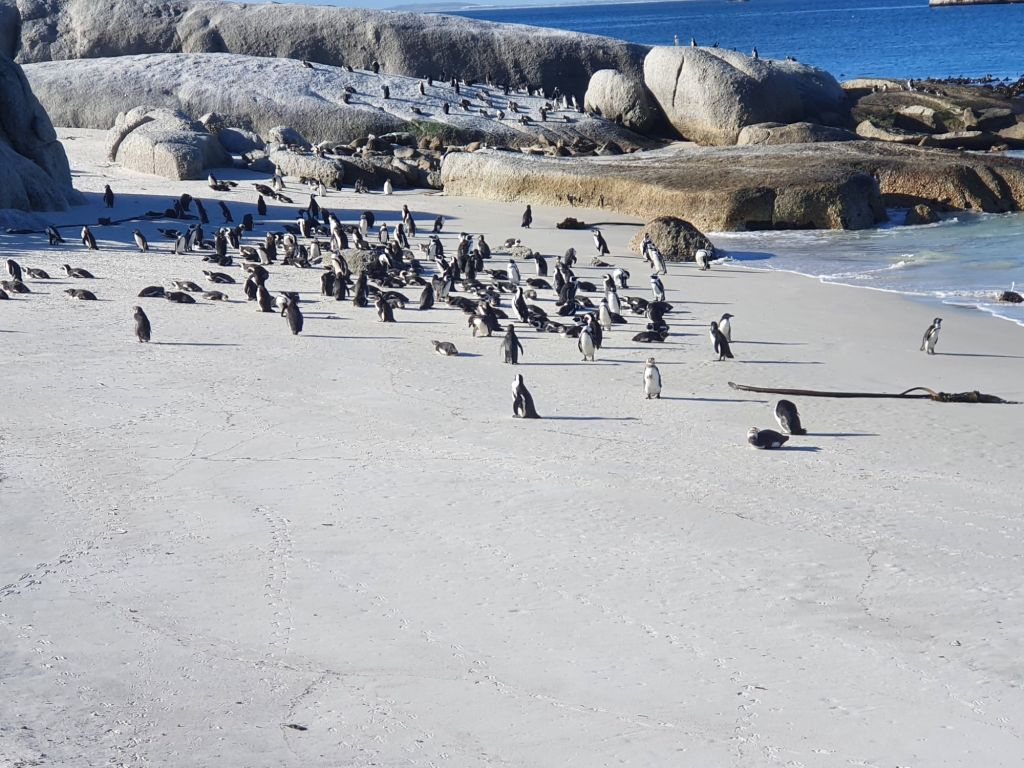
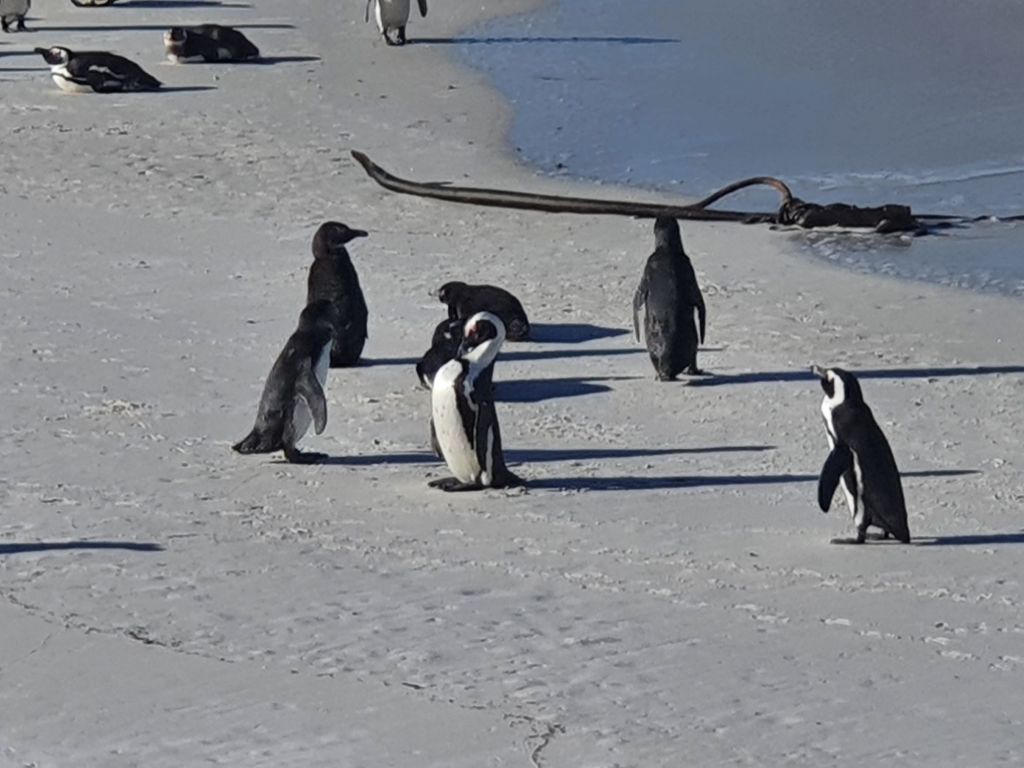
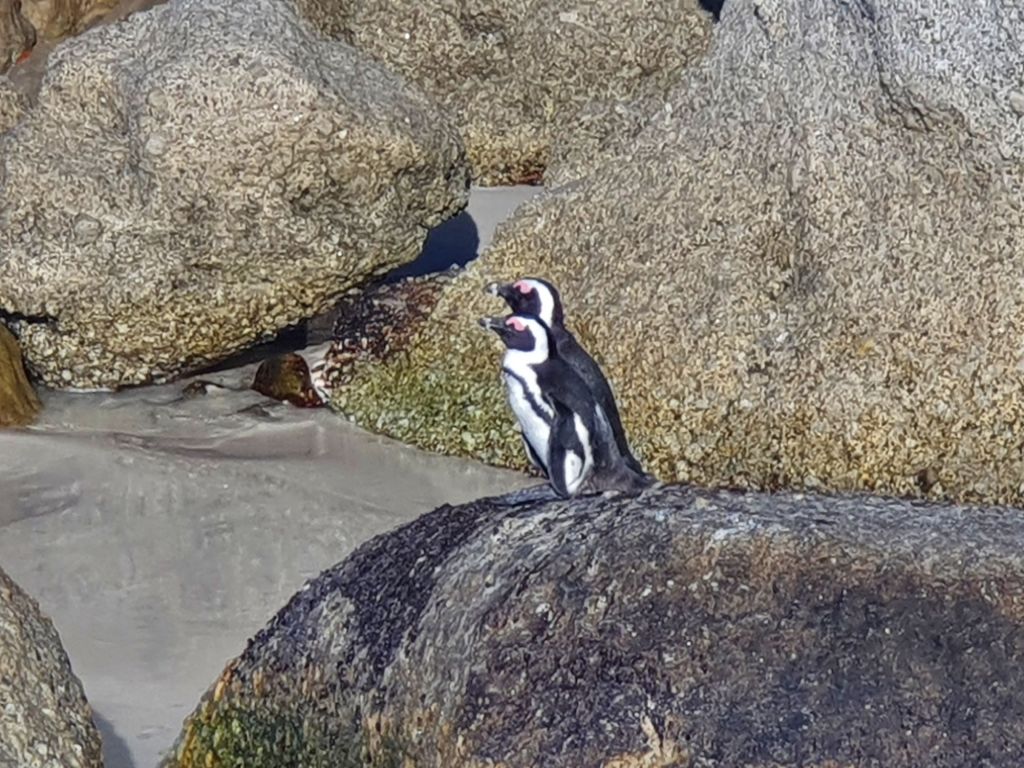
1700: Back to Cape Town via Simonstown.
Diamond Museum
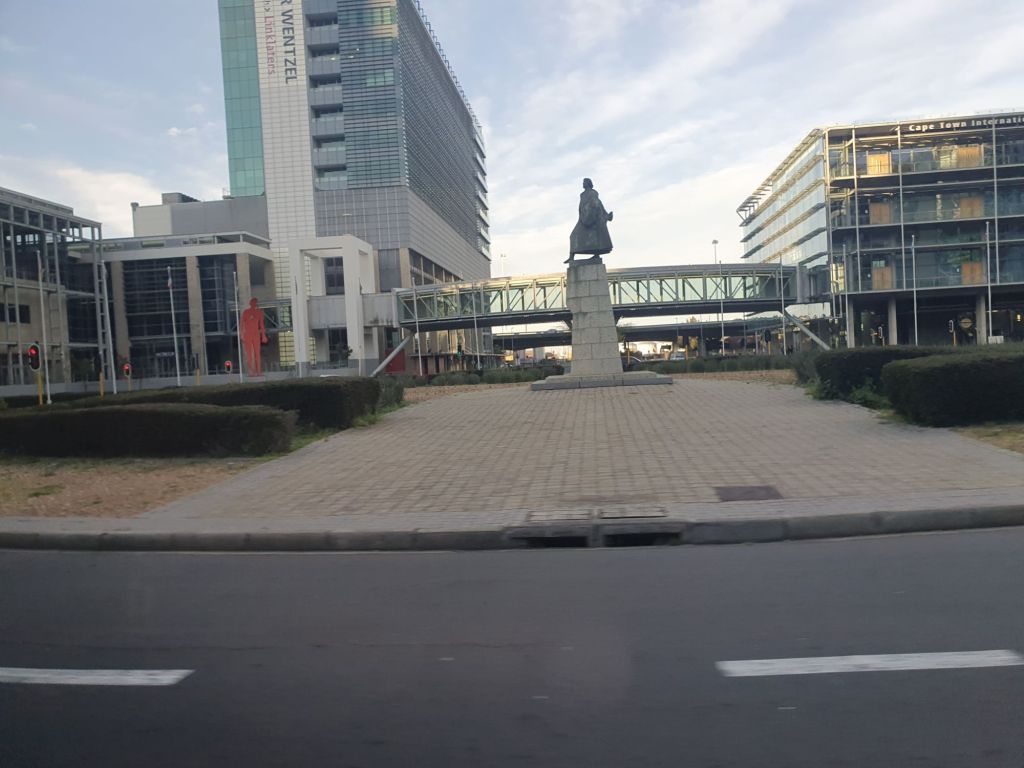
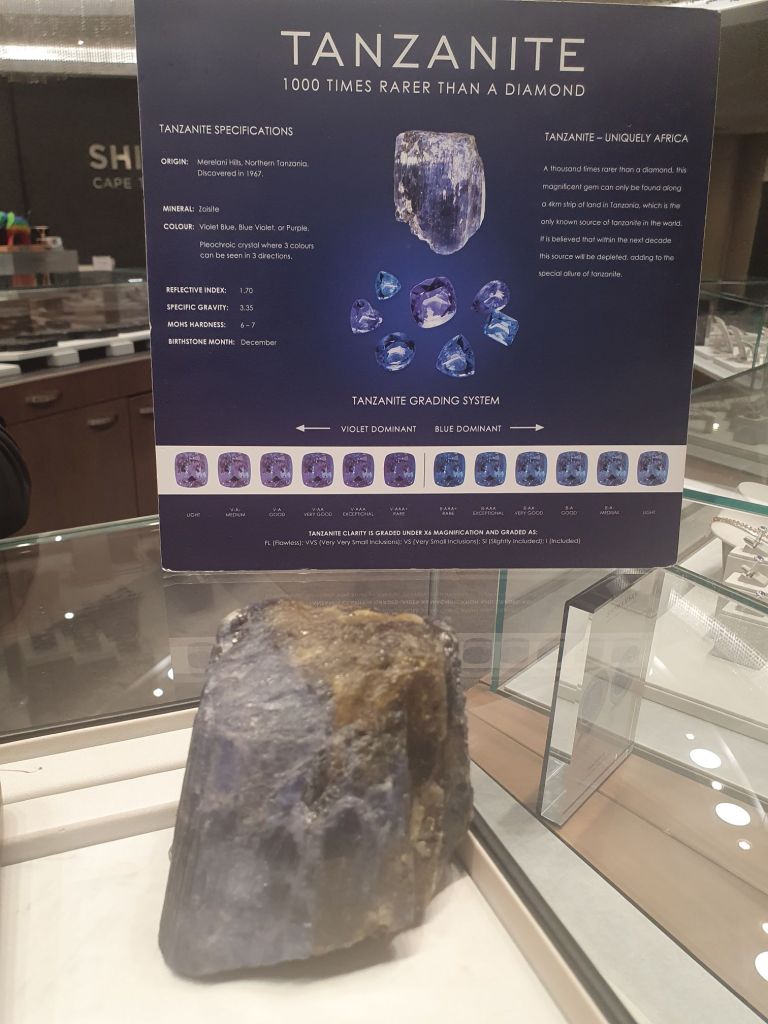
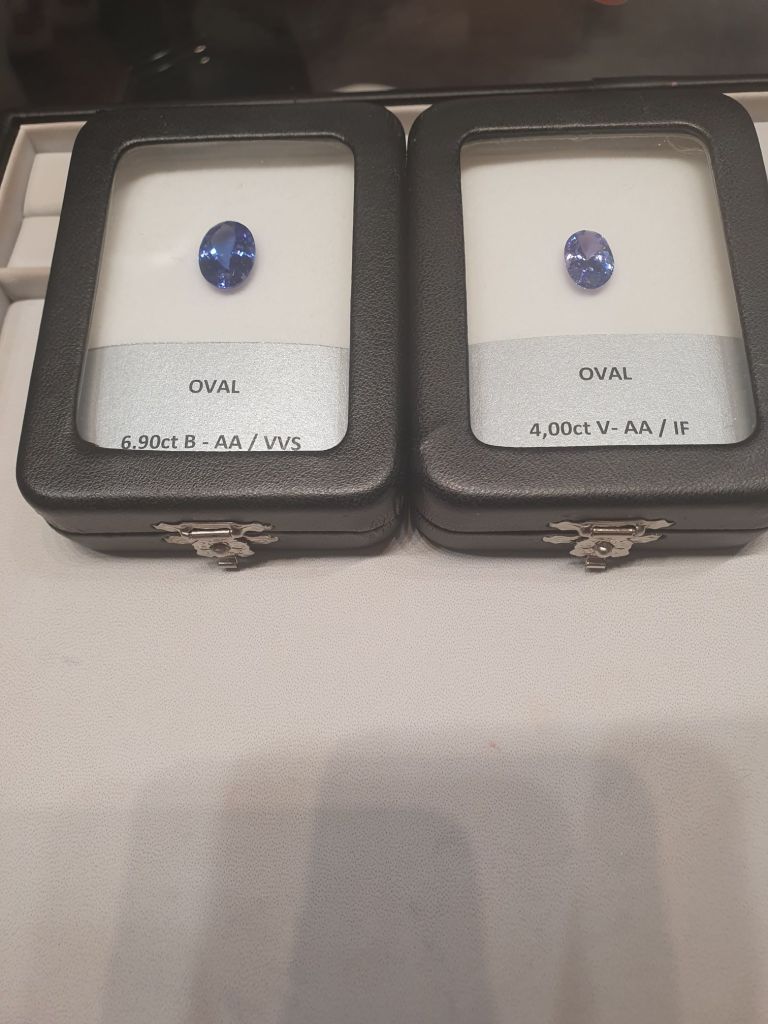
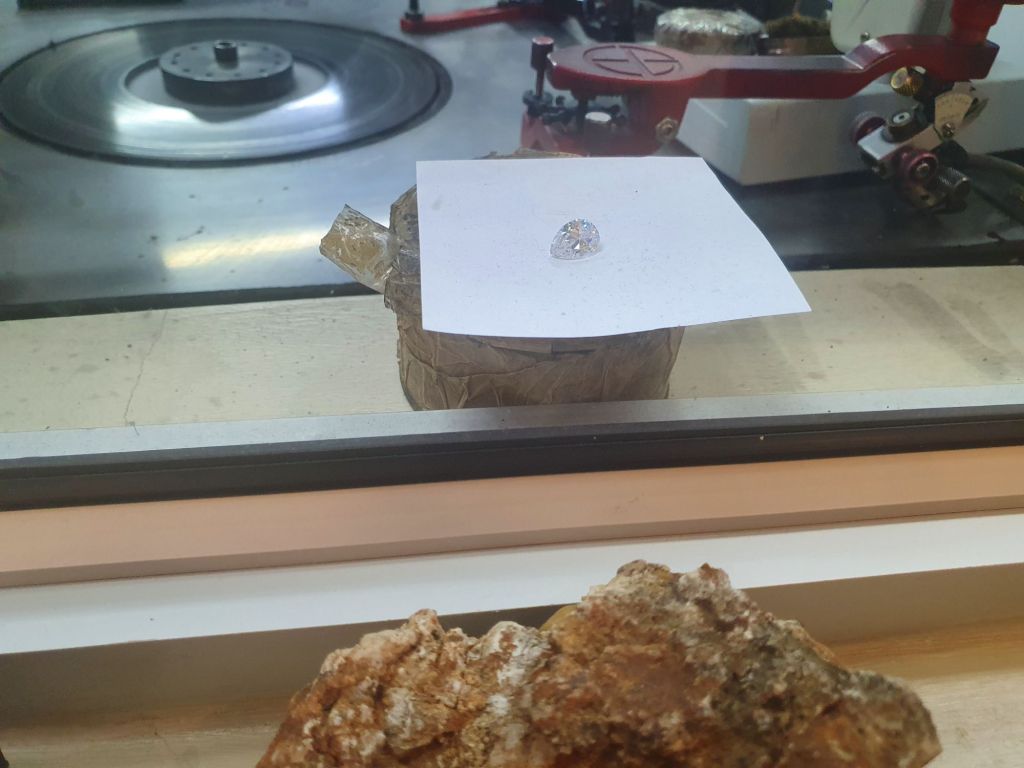
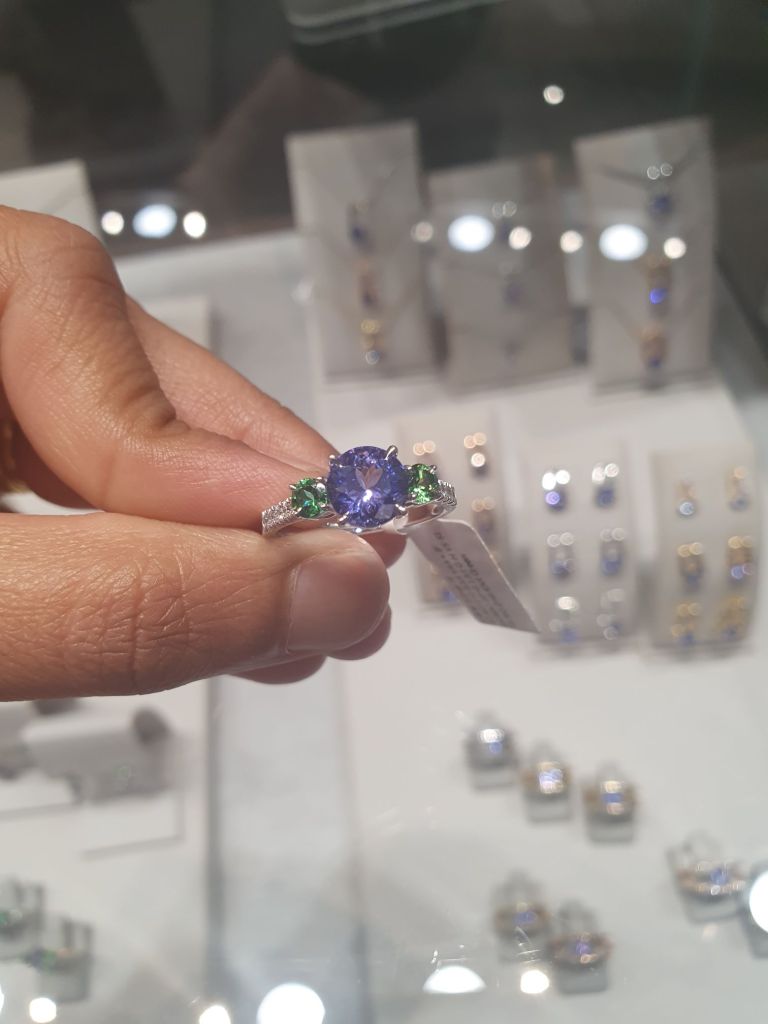
1800: I spent the evening visiting the Cape Town Diamond museum. This is actually the Shimansky Jewellery store, but they have turned part of it into a mini-museum. You get a guided tour of the museum, ending with a browse around the showroom. The staff were absolutely brilliant and welcoming.
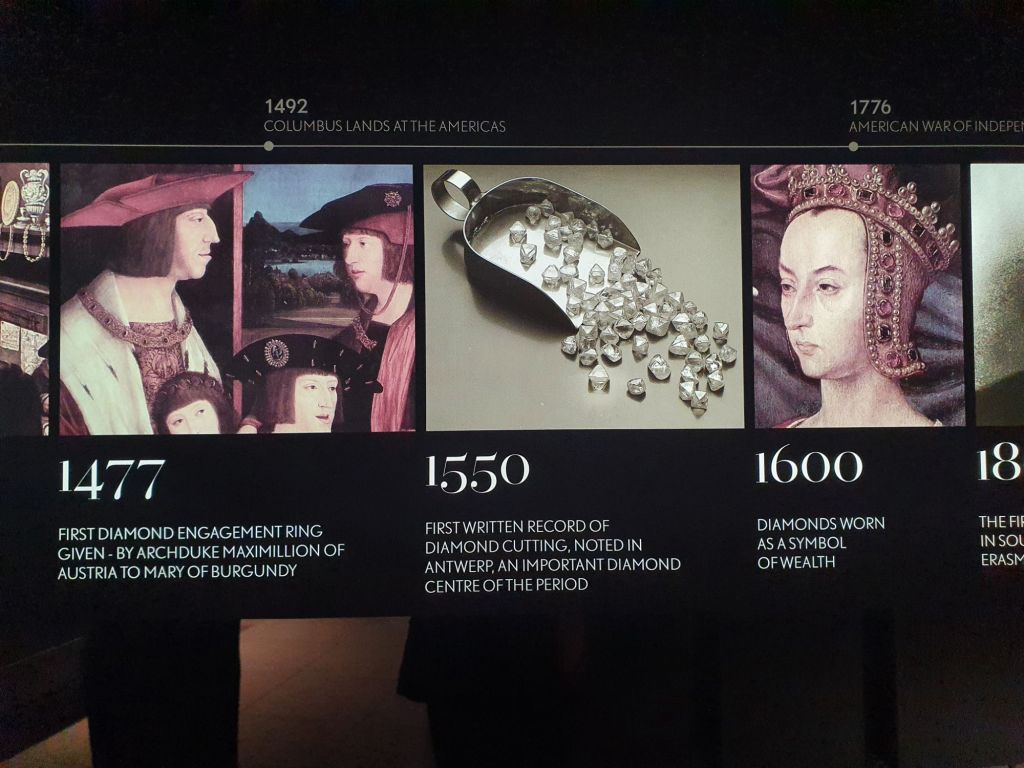
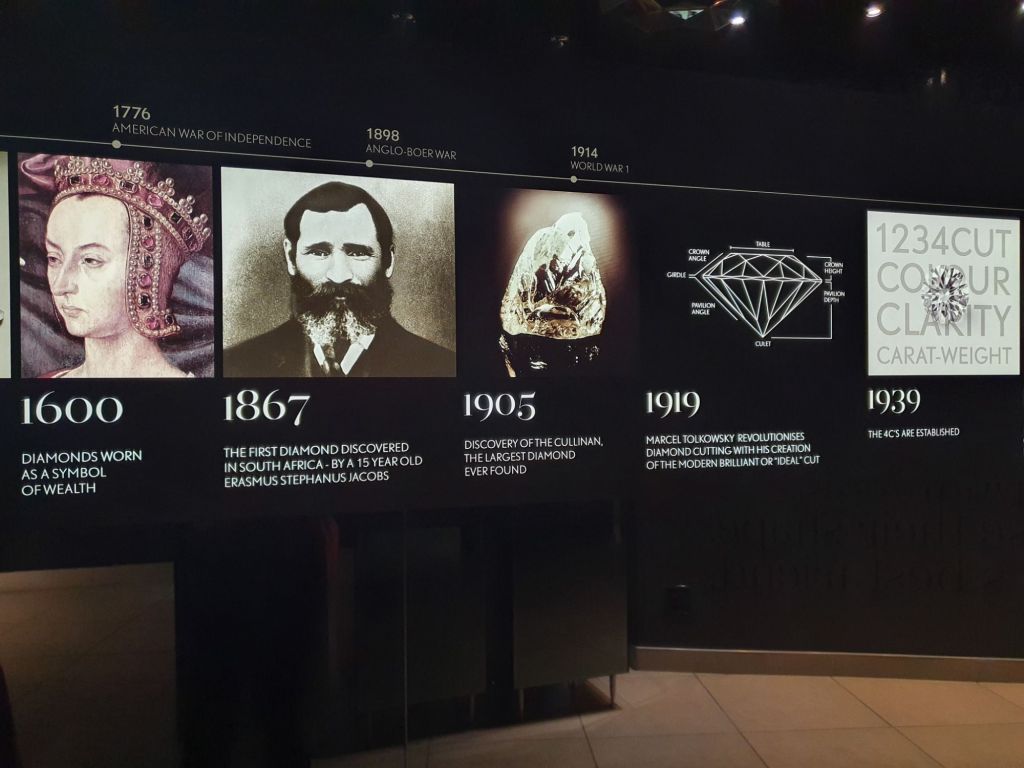
The museum covers how diamonds are made and there place in history. Diamonds were first referenced in 300 AD. In the 1400s they were given as betrothal gift between European royals, but these were uncut diamonds.
In 1867 the first diamonds were discovered in South Africa. The Cullinan diamond was discovered in 1905. In 1919 the modern brilliant cut of diamonds was created by Marcel Tolowsky.
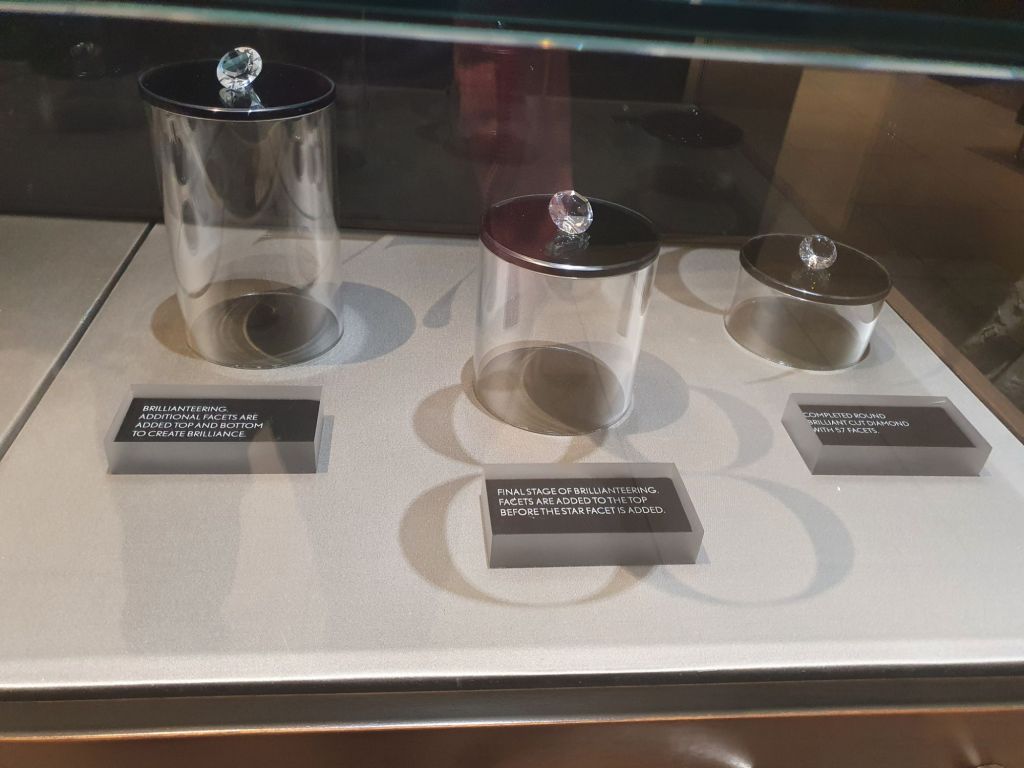
The museum displays the stages of diamon cutting. There are 9 stages of diamond cutting. Stages 1-3 are done by machine and stages 4 to 9 by hand. It takes 3 years training and 5 years appretinceship before you can get an entry level job.
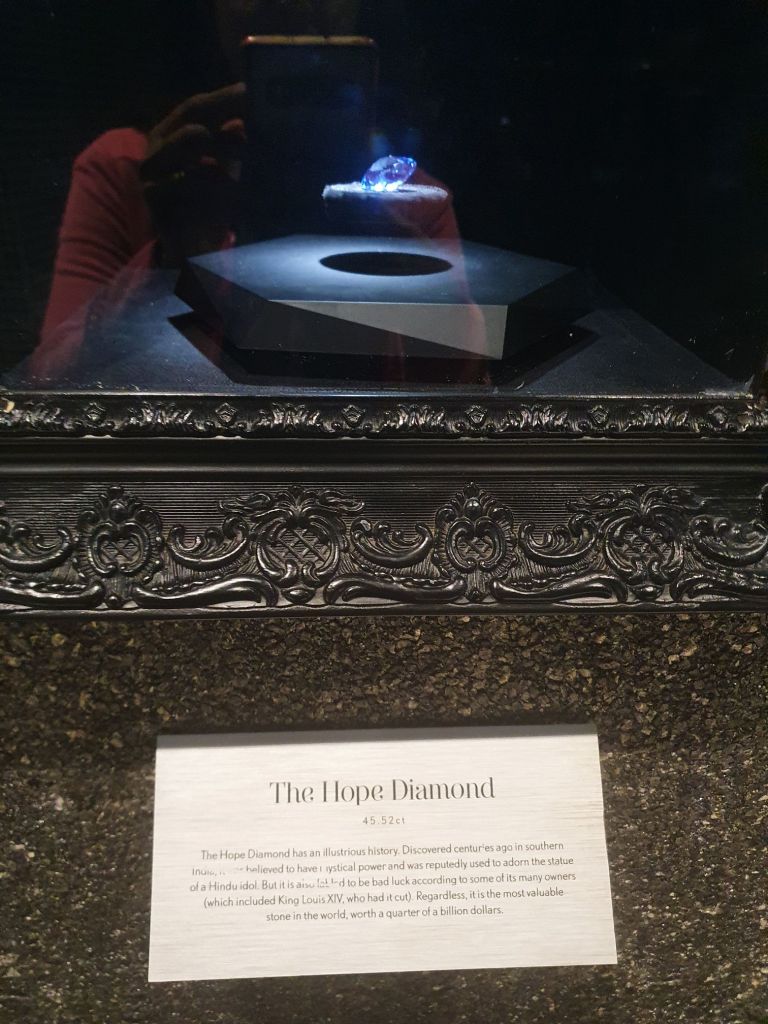
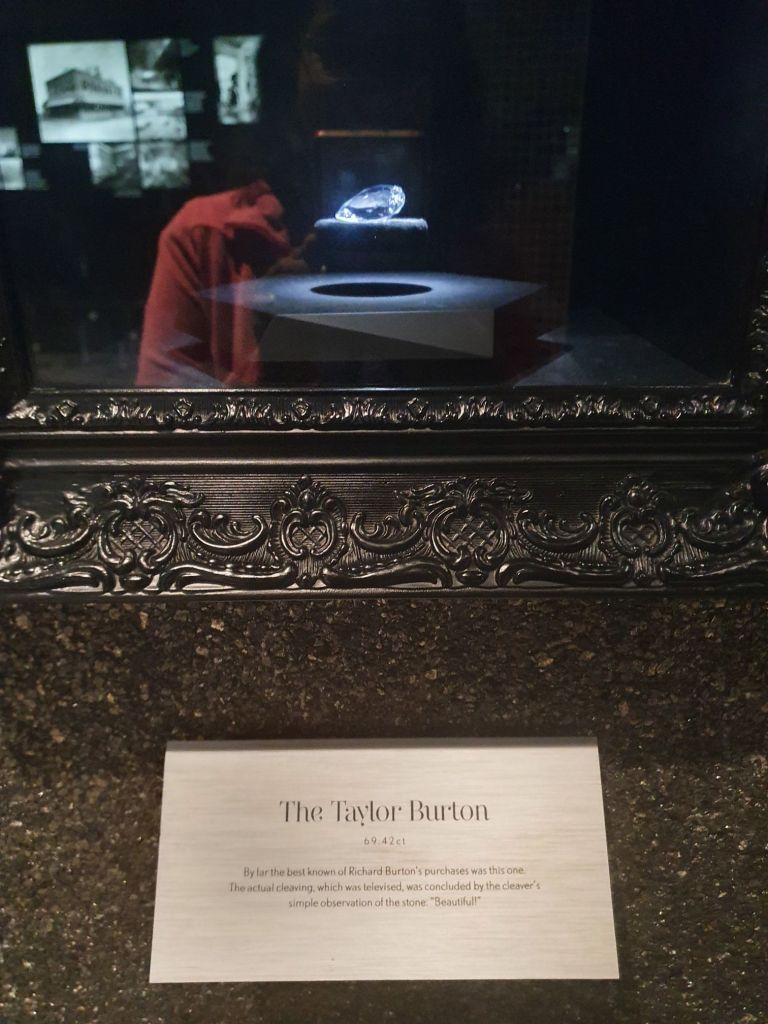
The museum also has replicas of a number of famous diamonds in the world.
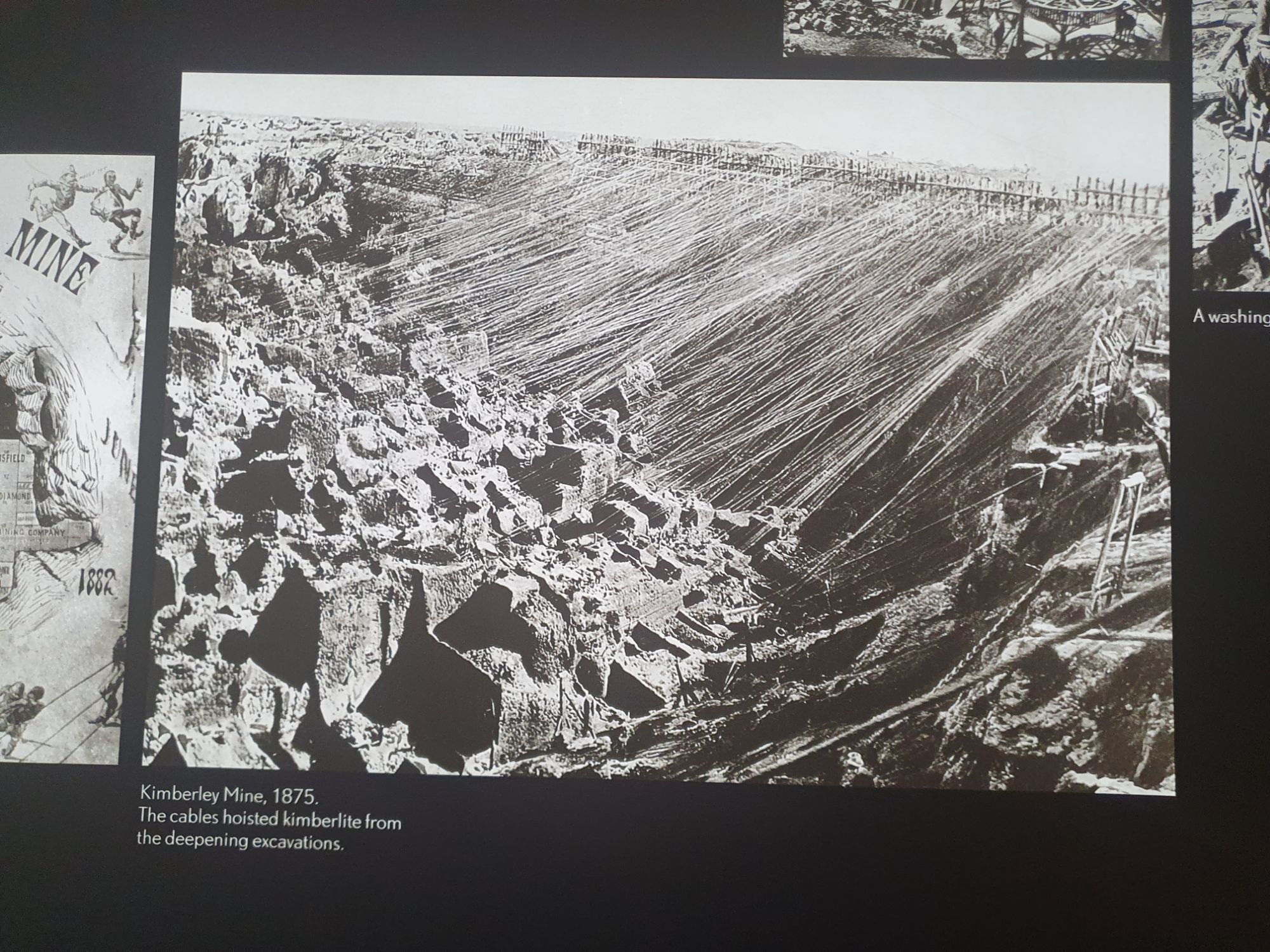
I was surprised to discover that the most famous name associated with diamonds, Debeers had very little to do with the diamond trade. Debeers brothers were the owners of the “Vooruitzicht” farm. Diamond were found here in late 1800’s and soon prospectors started to flood in. The Debeers brothers found it hard to manage, so decided to sell to the farm to Alfred Johnson Ebden.
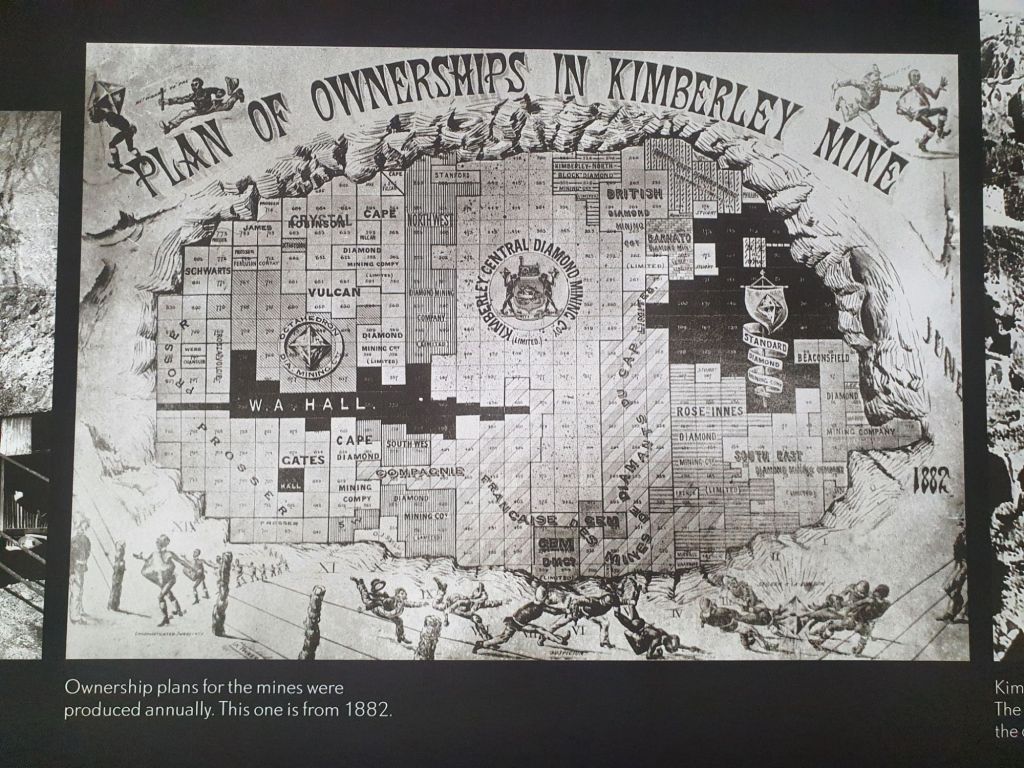
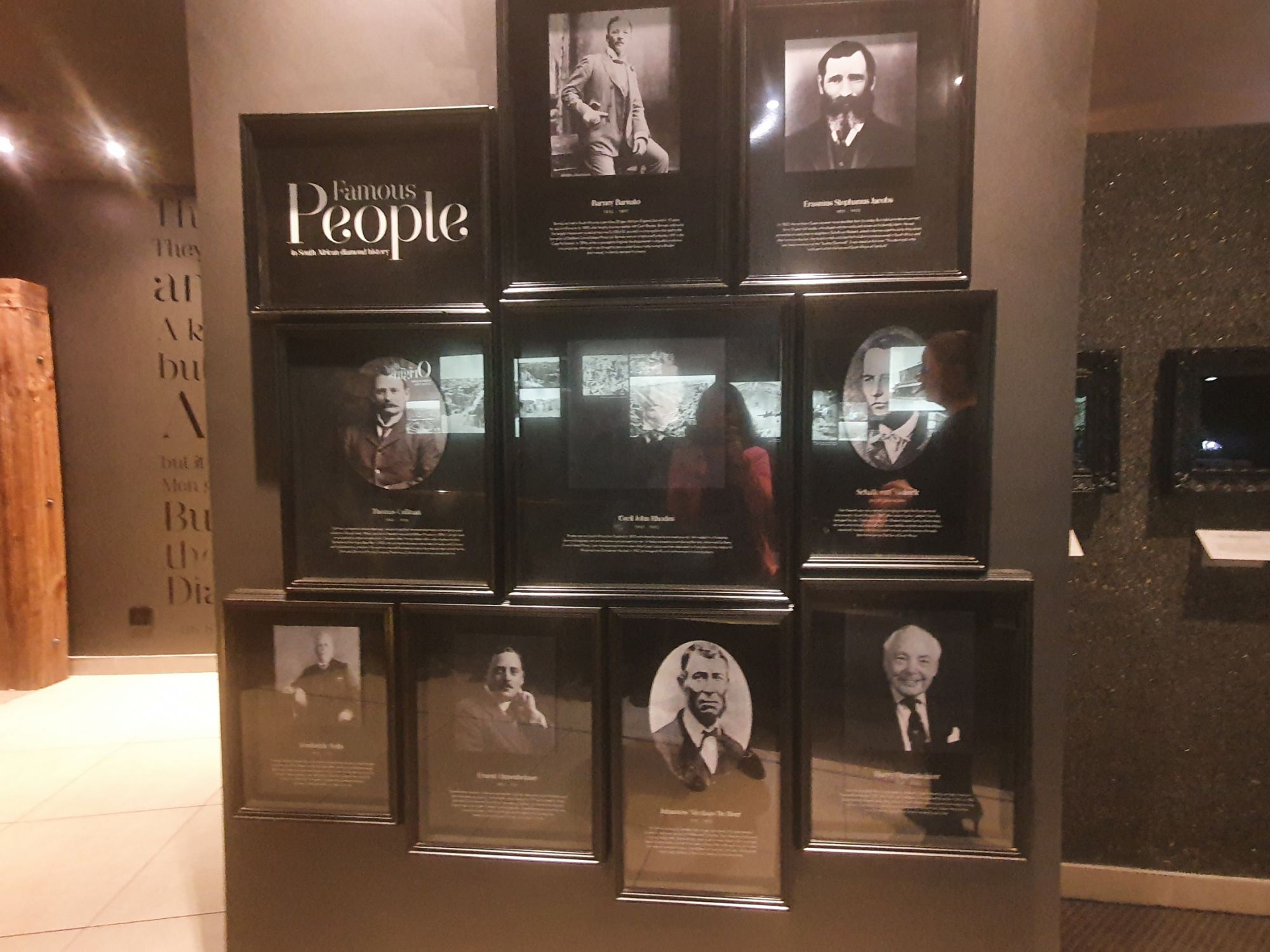
Cecil Rhodes and Barney Bernato later brought the farm and consolidated operations and controlled supply to maintain value.
The oppenheimer family owned the mine from early 1900 for about 80 years until it was sold on.
After the museum, I spent ages in the shop looking at some of the beautiful jewellery.
It was a packed second day in Cape Town, and more to come tomorrow.
 Diary of a Tourist
Clearly Cape Town is all about the views! I don’t know why, but the idea of baboons along the beach strikes me as odd. Ostriches, too, come to think of it. Mountains, animals, famous superlative points – this place has it all!
LikeLiked by 1 person
Yes, it’s fab city, got so much going for it!
LikeLiked by 1 person