Where and when: Botswana, 19 September 2025
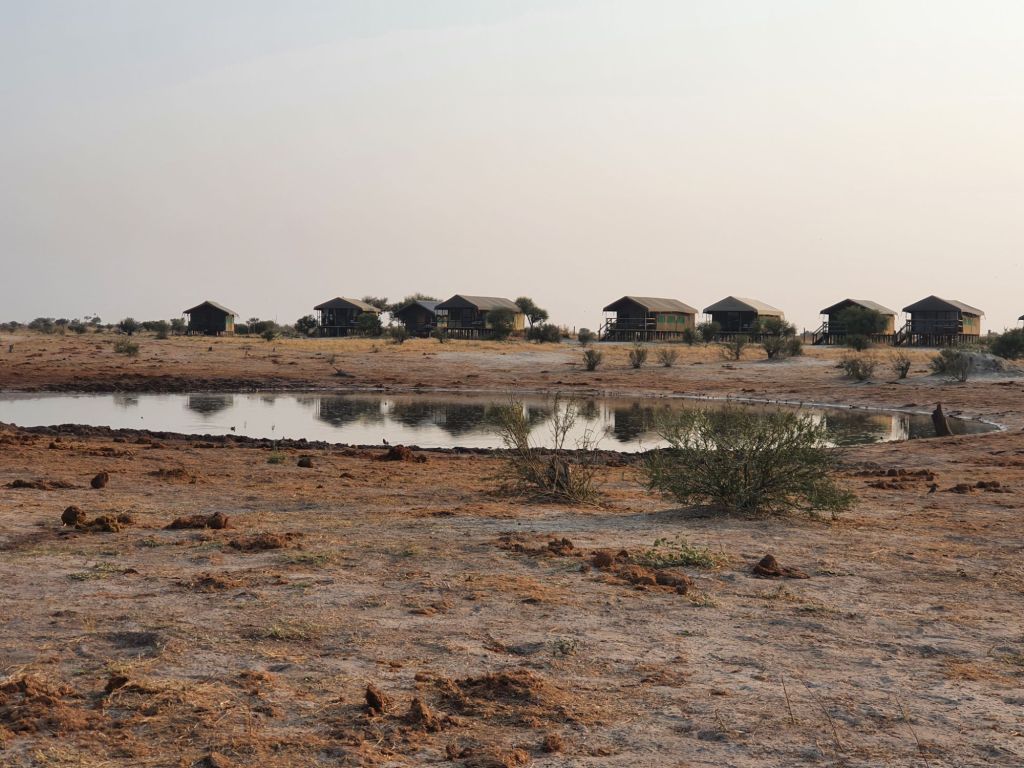
0730: It’s the morning after the night before. All the elephants who were partying by the waterhole late into the night have disappeared.
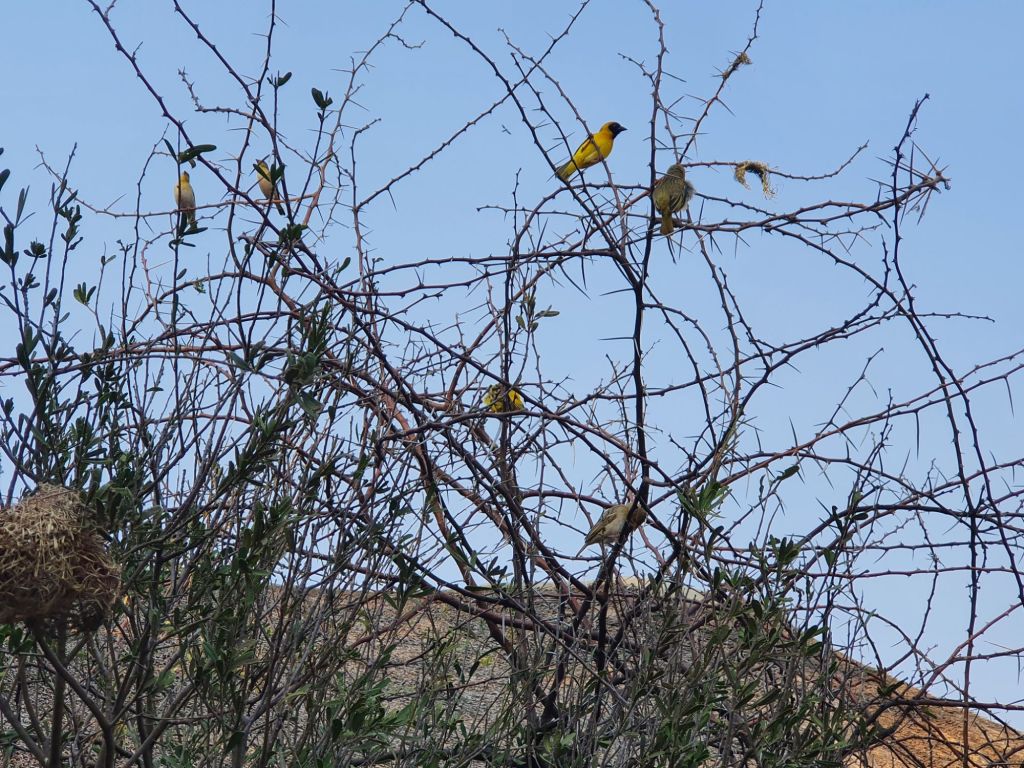
But the air is thick with morning bird song. The lodge is home to many beautiful song birds, who didn’t grab our attention yesterday as we were transfixed by the elephants.
Towards Maun
0830: Back on the road again. We are heading to Maun, the gateway city to the Okavango Delta.
As we drove on, dry arid land was dotted with termite mounds that rose from the ground like small fortresses.
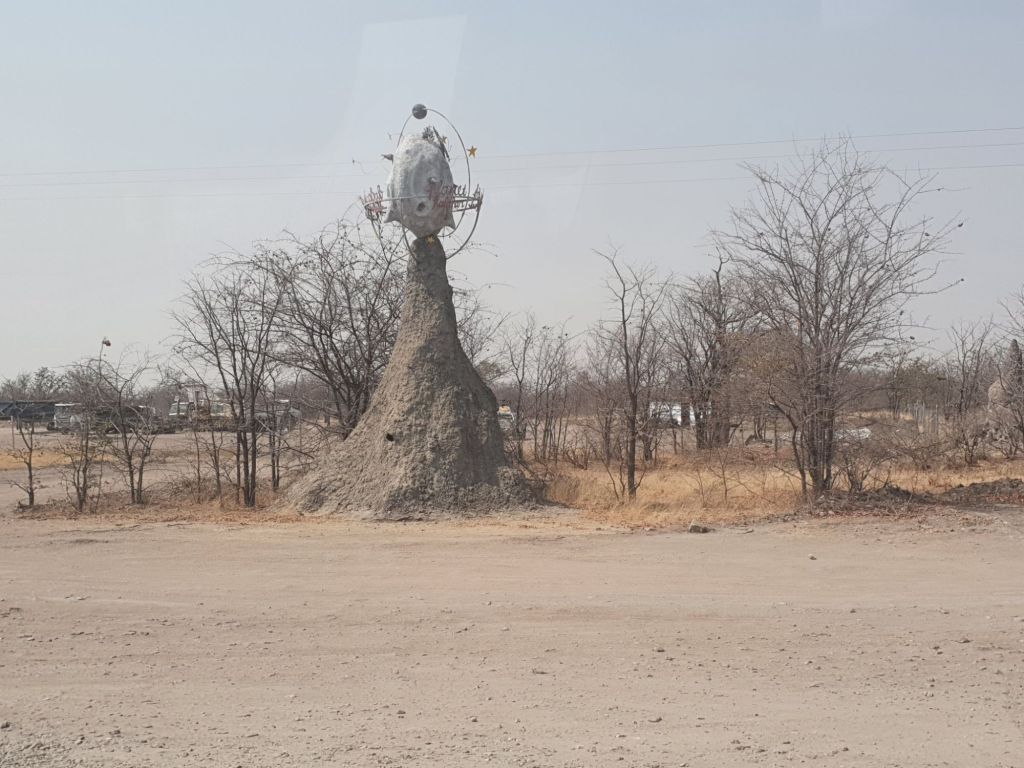
Our guide explained how these strange little towers are built by termites, only to be hollowed out later by aardvarks hunting for their meal.
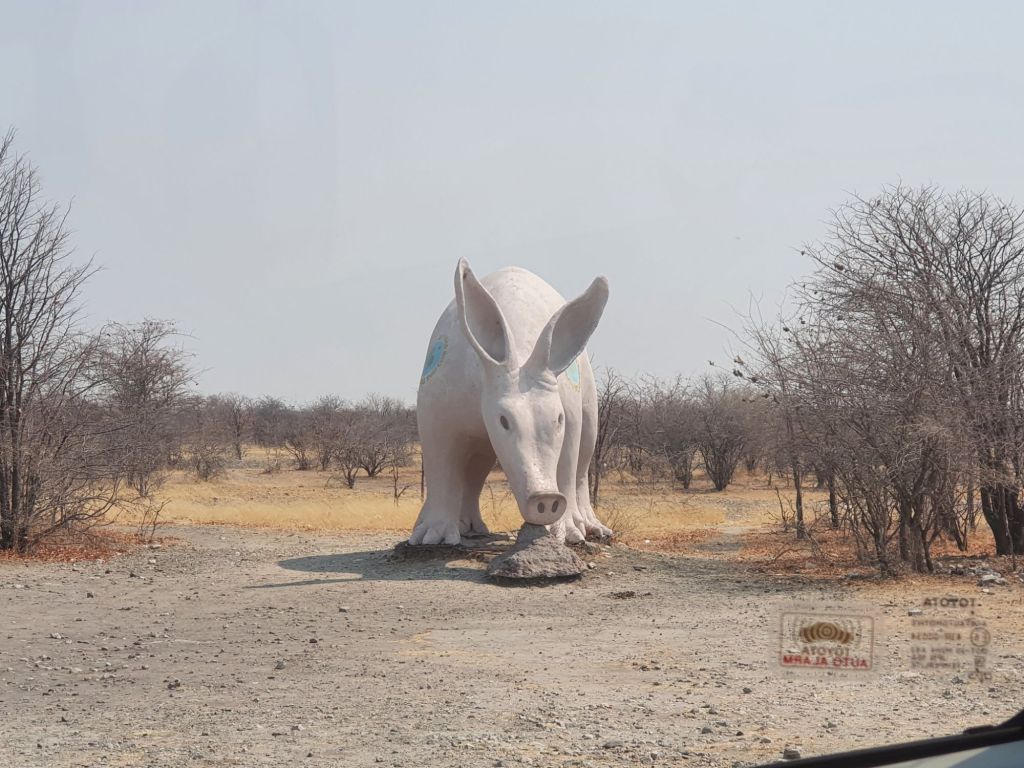
Then, once abandoned, they become homes for snakes, mongoose, warthogs, and even spiders. It’s an entire housing ecosystem in miniature — nature recycling its architecture.
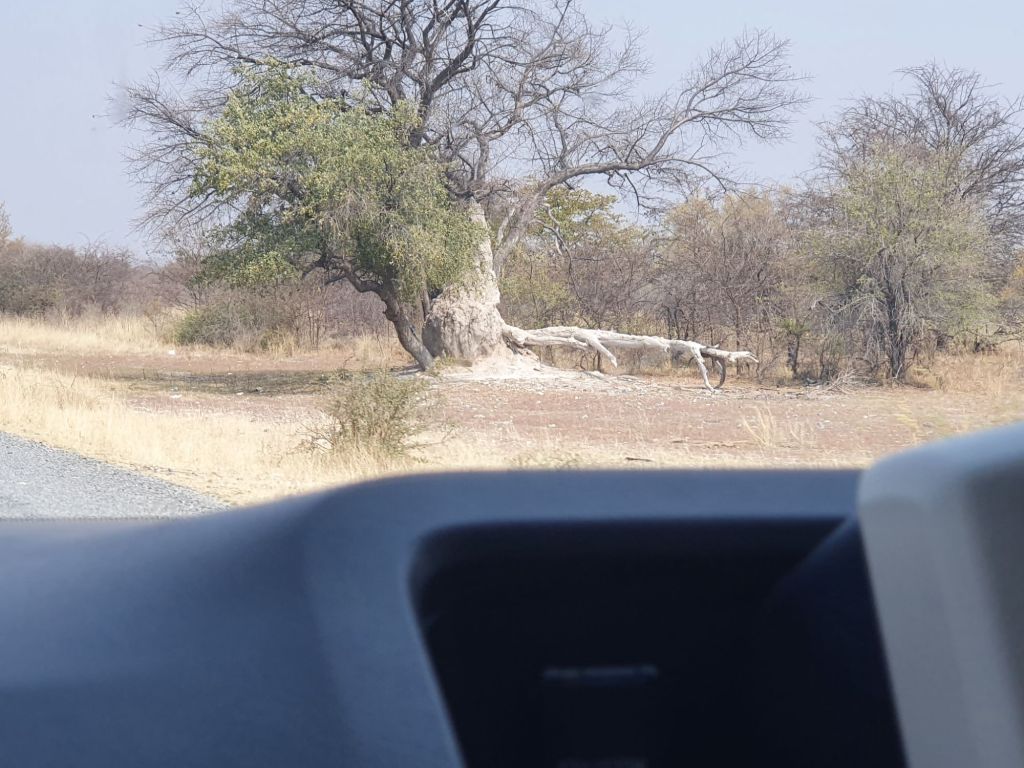
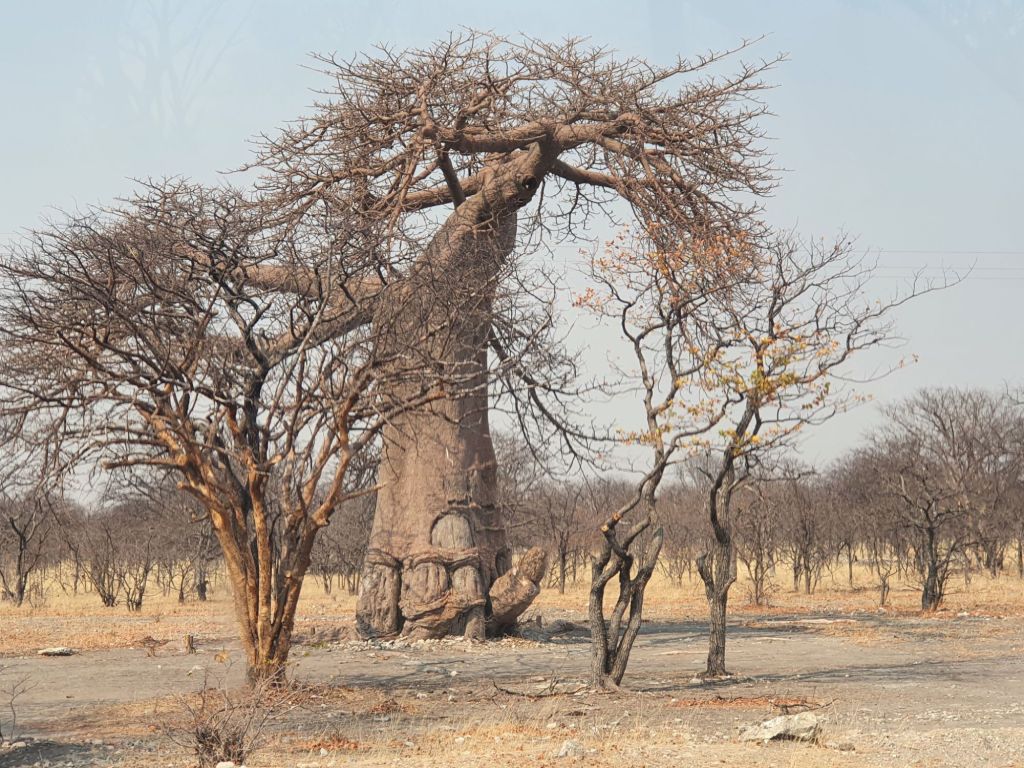
We also saw many Babobab trees.
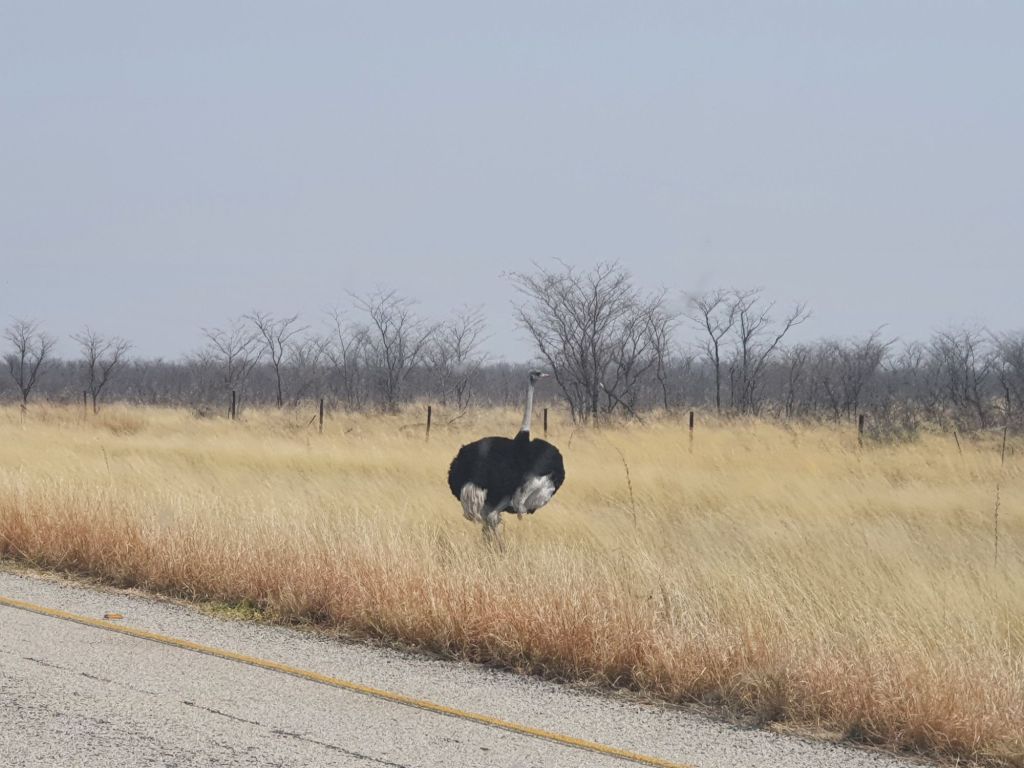
Further along the road, ostriches strutted through the scrub, feathers flickering in the heat haze like dancers in costume.
On the side of the road were many concrete slabs. According to our guide these are the manhole covers for and underground pipes transporting water.
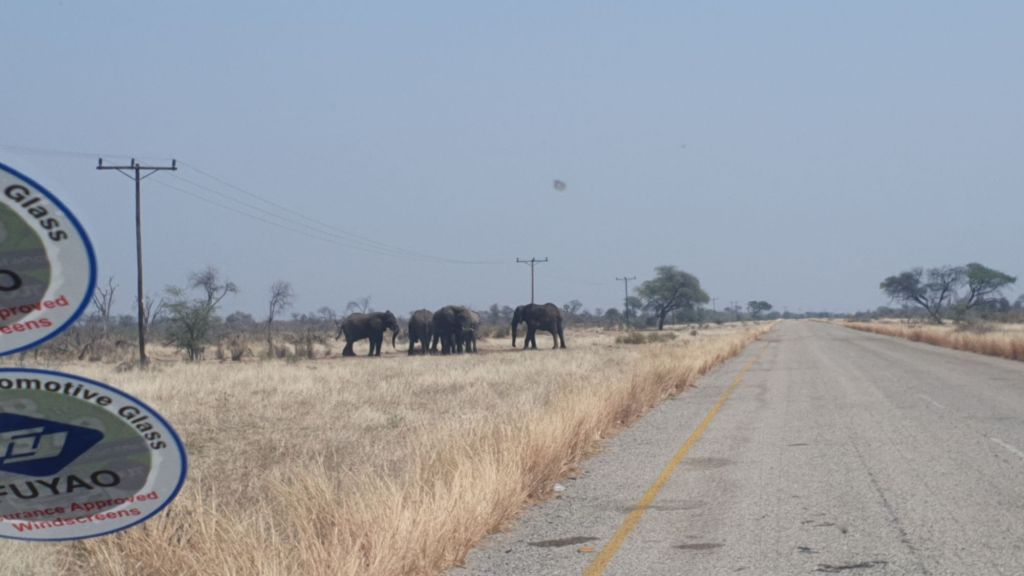
Often these are pulled out by elephants looking for water- they are very good at sensing undergorund running water and digging for it. Bit further along the road we caught a bunch of elephants red-handed. They had pulled aisde the manhole covers and wer3 happily helping themselves to water. A lone zebra was hovering nearby, obviously wanting to be part of the herd.
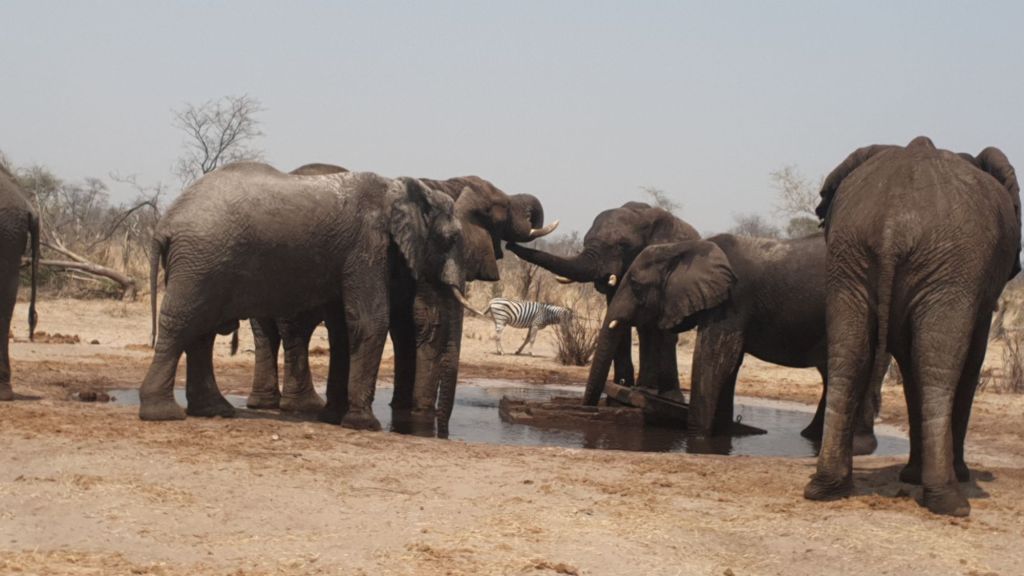
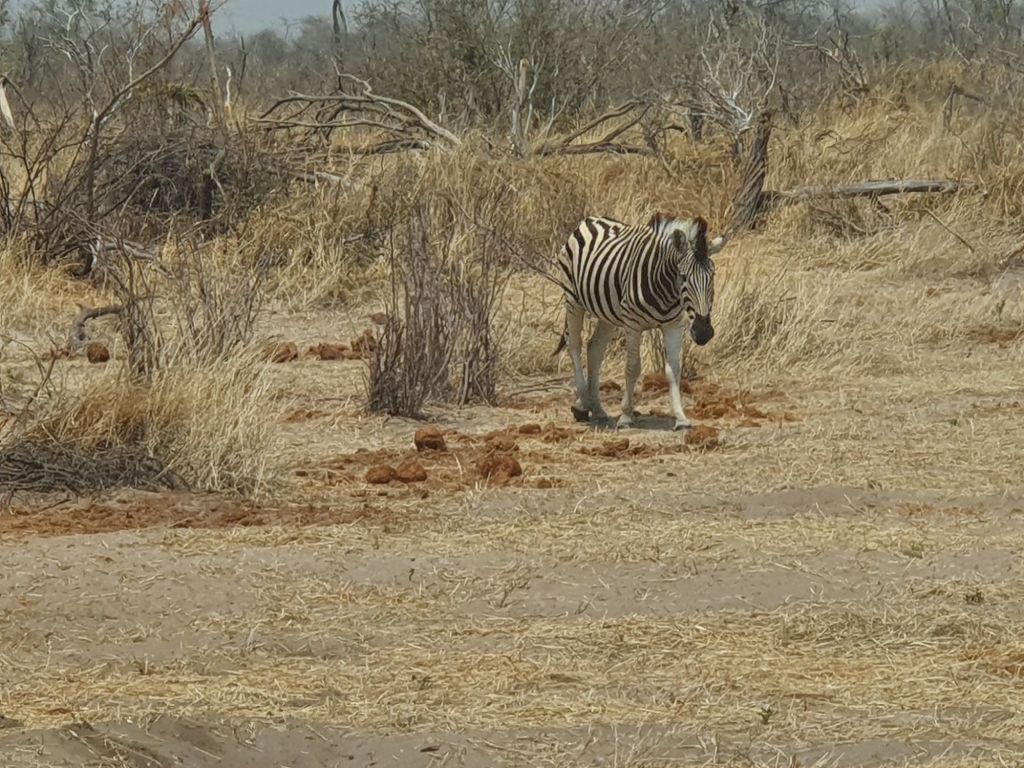
Our guide told us about the two kinds of zebra in Botswana — the plains zebra and the desert zebra — and how the foals’ stripes are designed to blend perfectly with their mothers, a built-in camouflage against predators. The zebra is also Botswana’s national animal.
1330: Arrived at Maun. We were going on a scenic flight over the Okavango delta this afternoon. After a quick bit to eat at Wimpy’s , we headed to Maun airport for our flight.
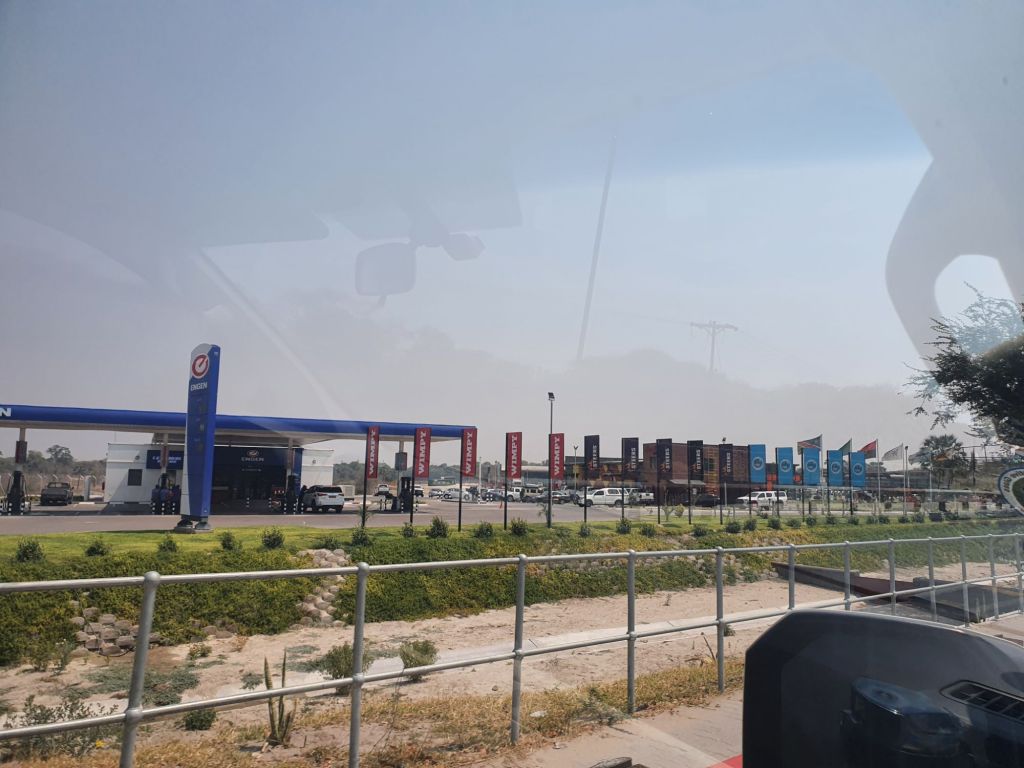
1415: We arrived at the airport, and by 2:30, we’d checked in for our scenic flight over the Okavango Delta.
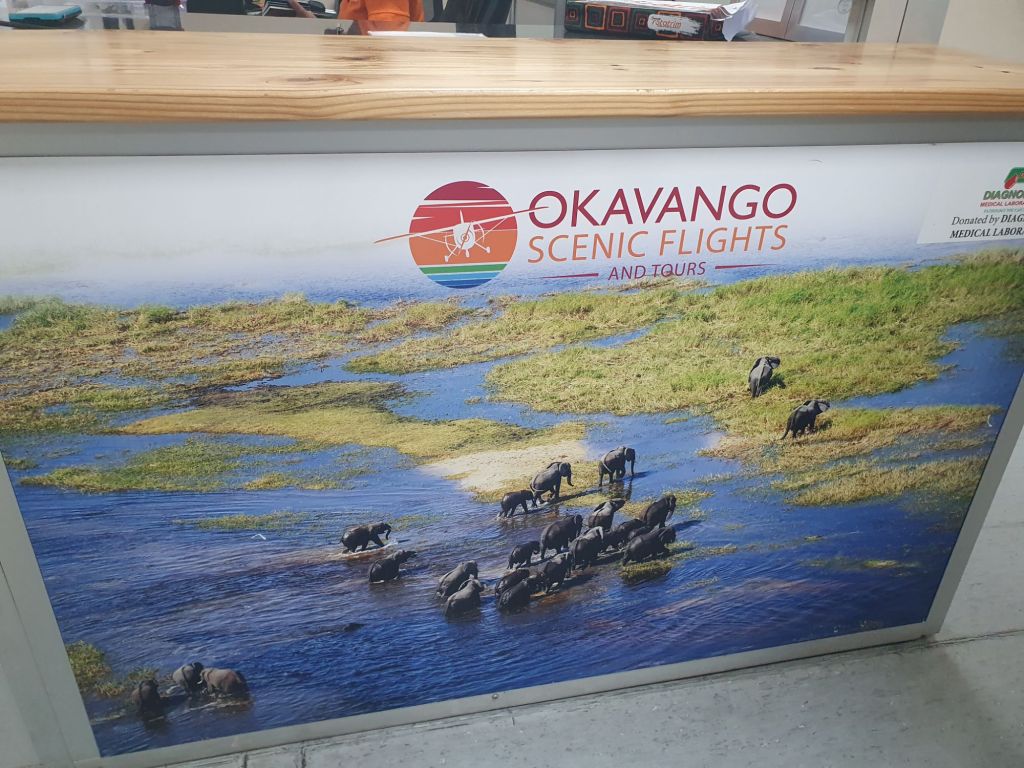
The Skies Above the Okavango Delta
After going through security and a briefing on where we’d be flying, we were shown into a small 5 seater plane.
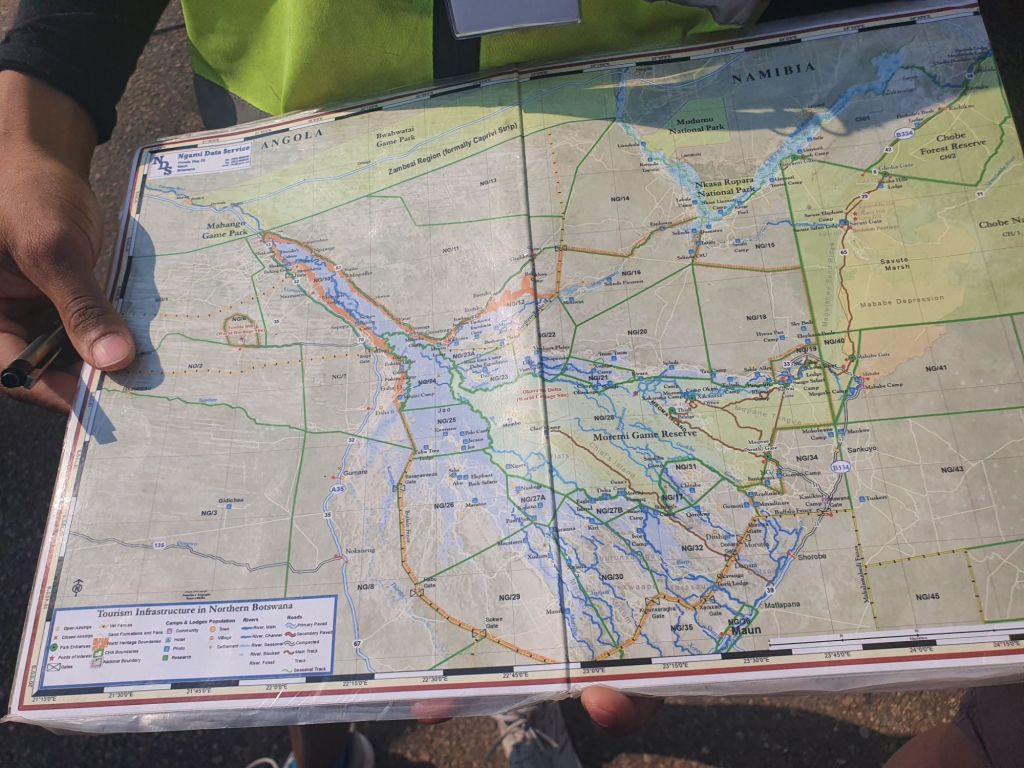
The pilot’s warning to expect bumpy conditions during the flight and being shut into (what felt like a) tin can with no windows at 37 degree Celsius heat left me seriously questioning my decision to go on the flight.
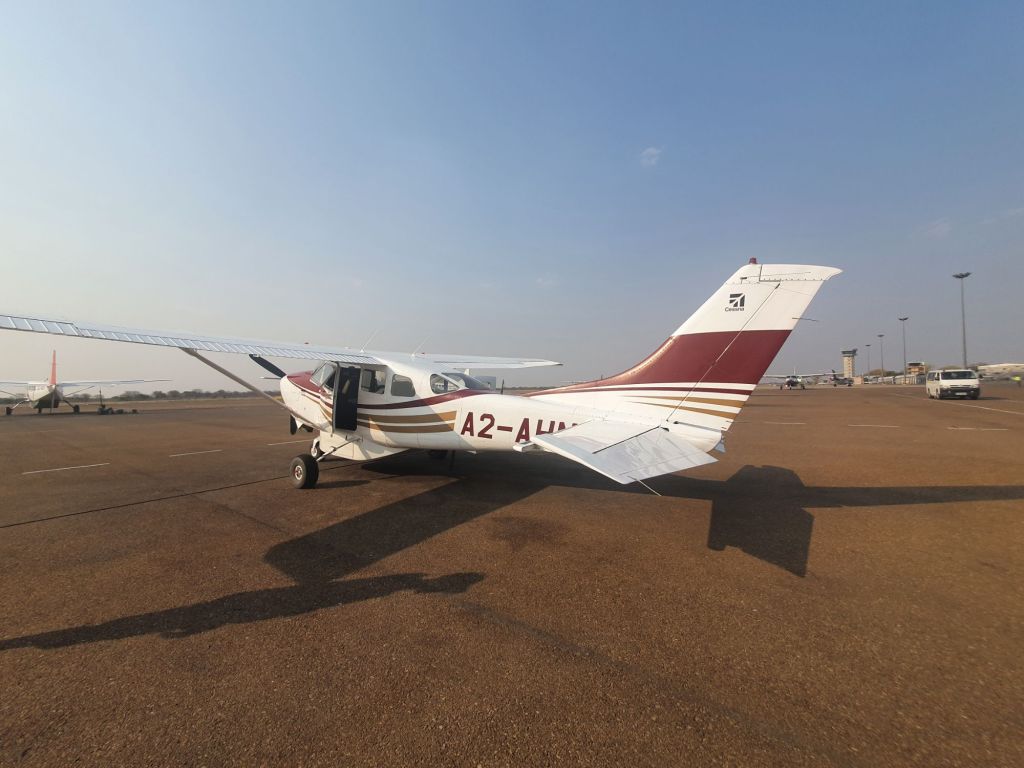
Nevertheless, I remember feeling a rush of excitement as the small plane lifted.
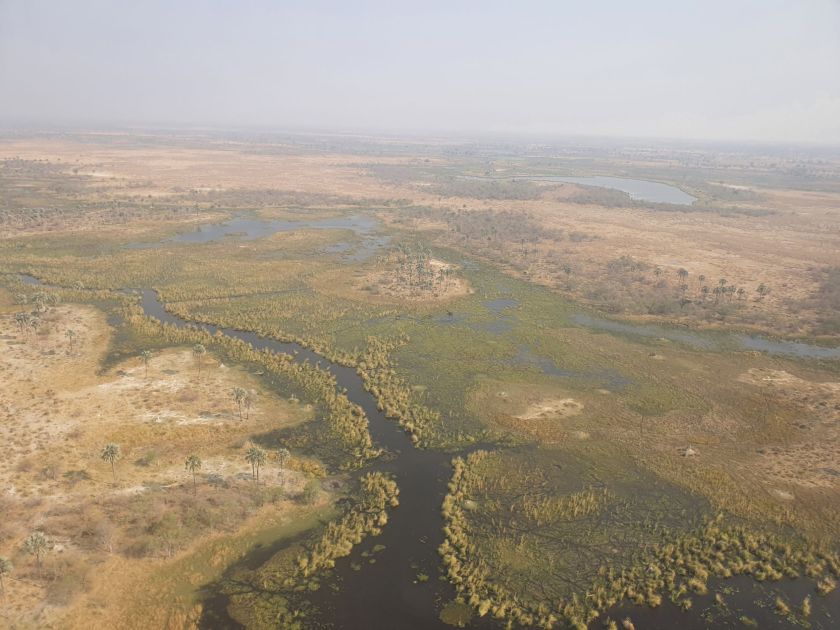
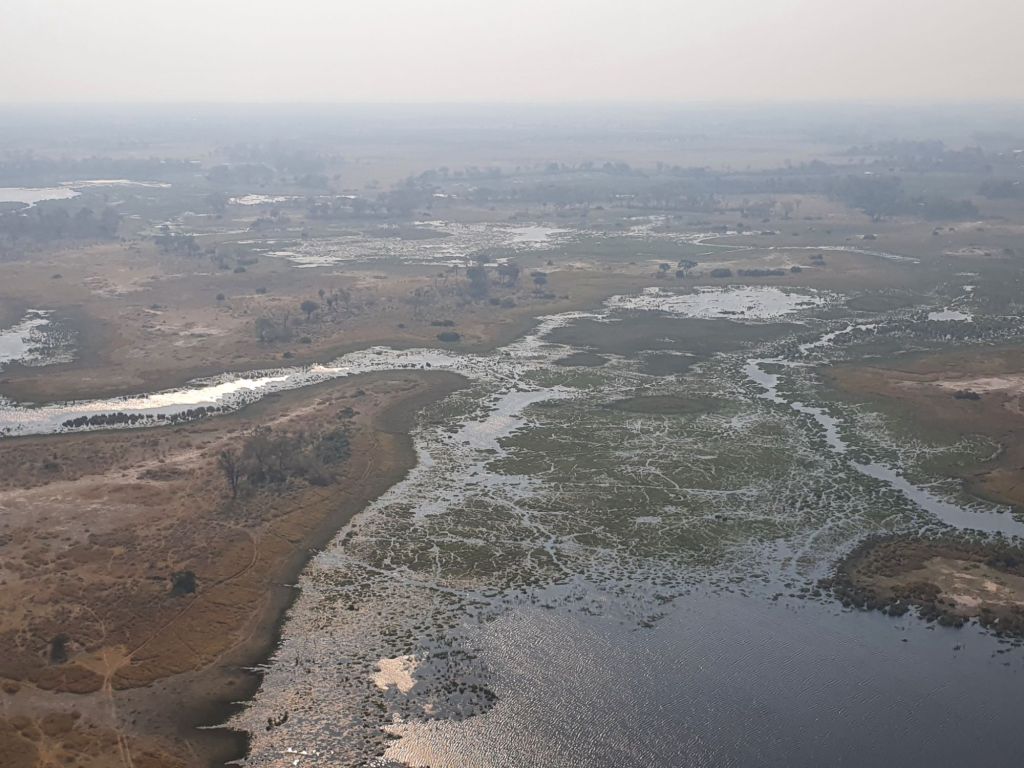
We left the city behind very soon and the world below turned into a watercolor of winding water channels with the landscape endlessly stretching before us.

For the next 45 minutes, we floated above the delta.
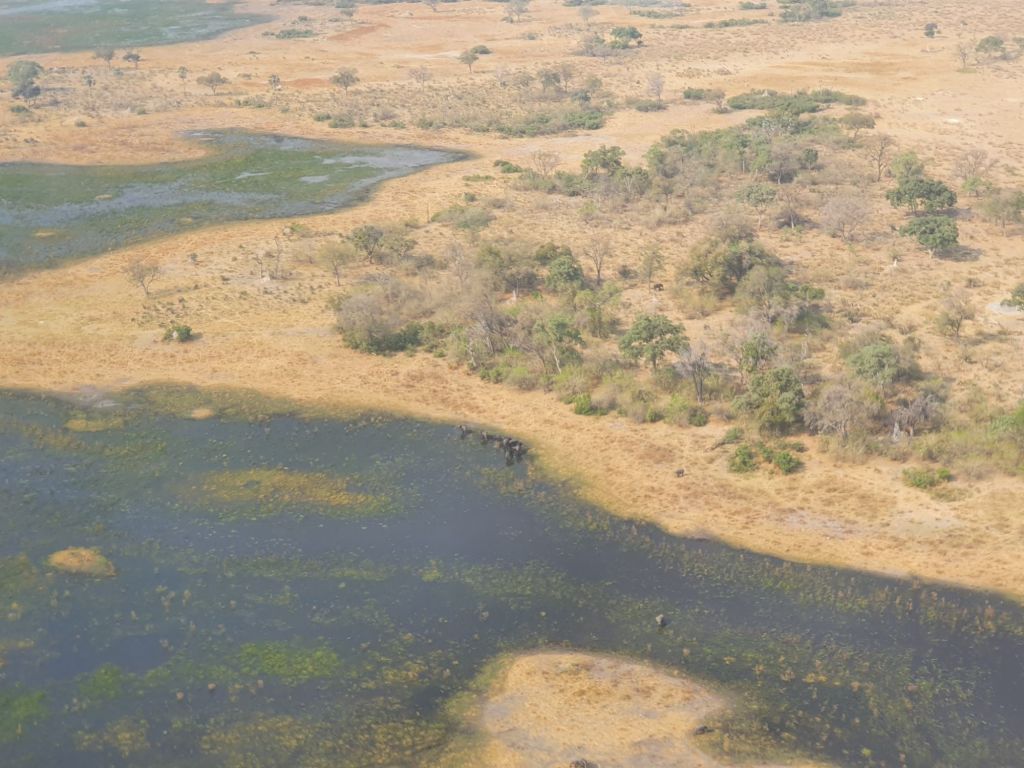
As it was the dry season, there were many animals gathers by water.
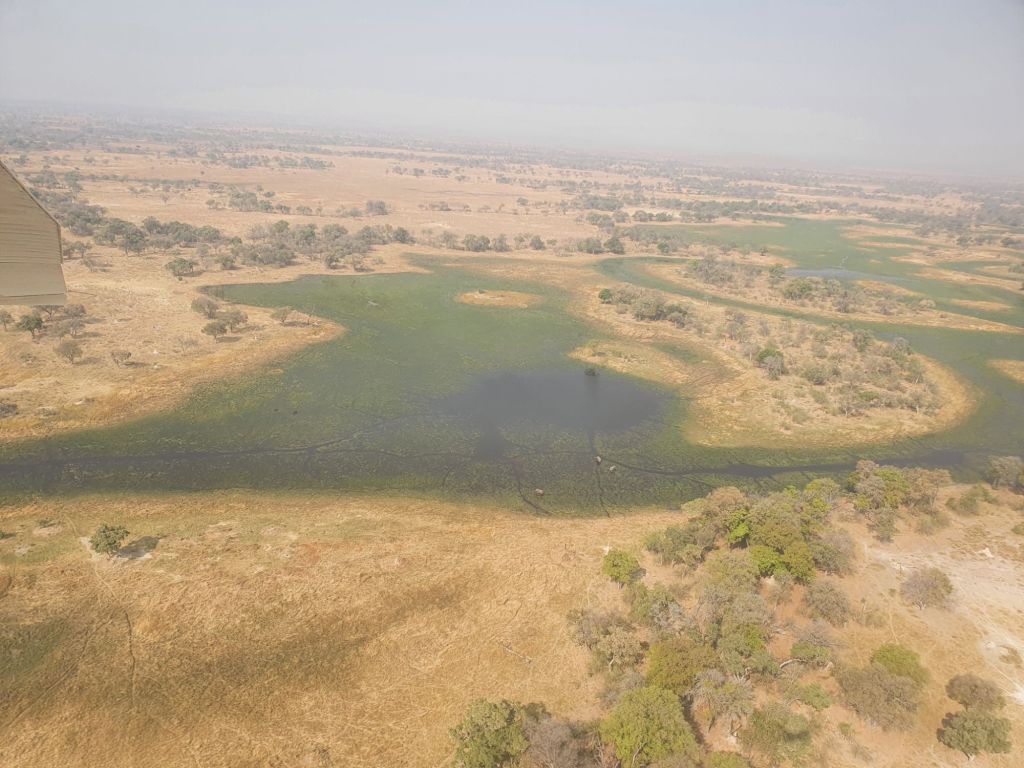
We spotted many elephants, hippos, and buffalo from the sky.
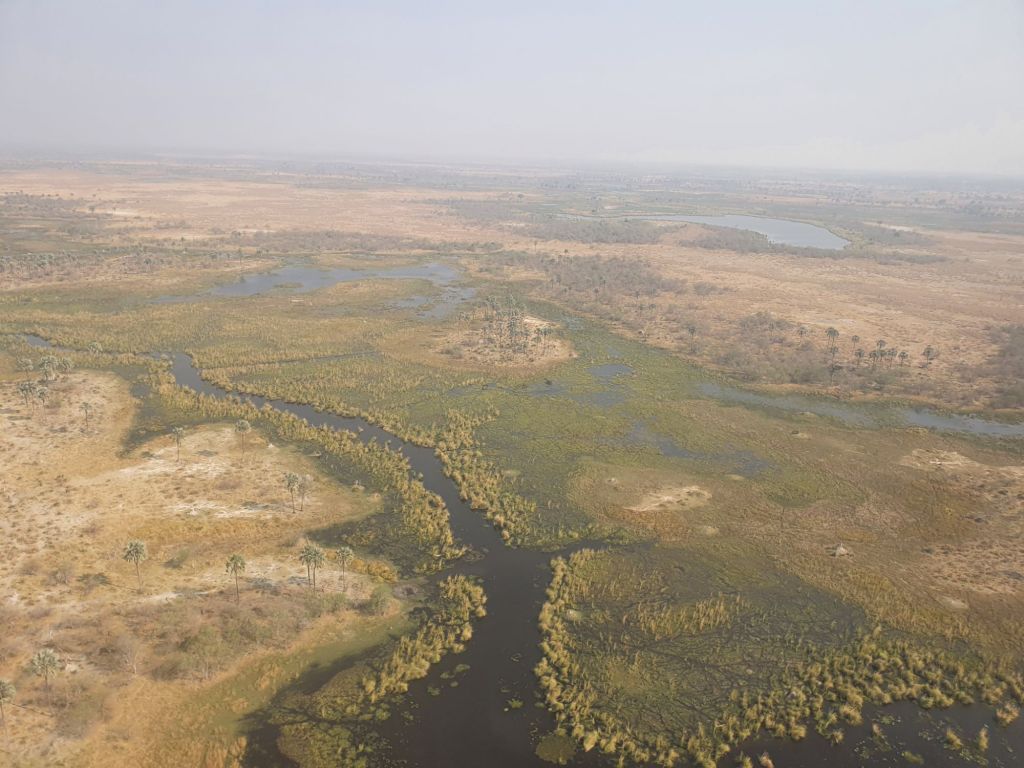
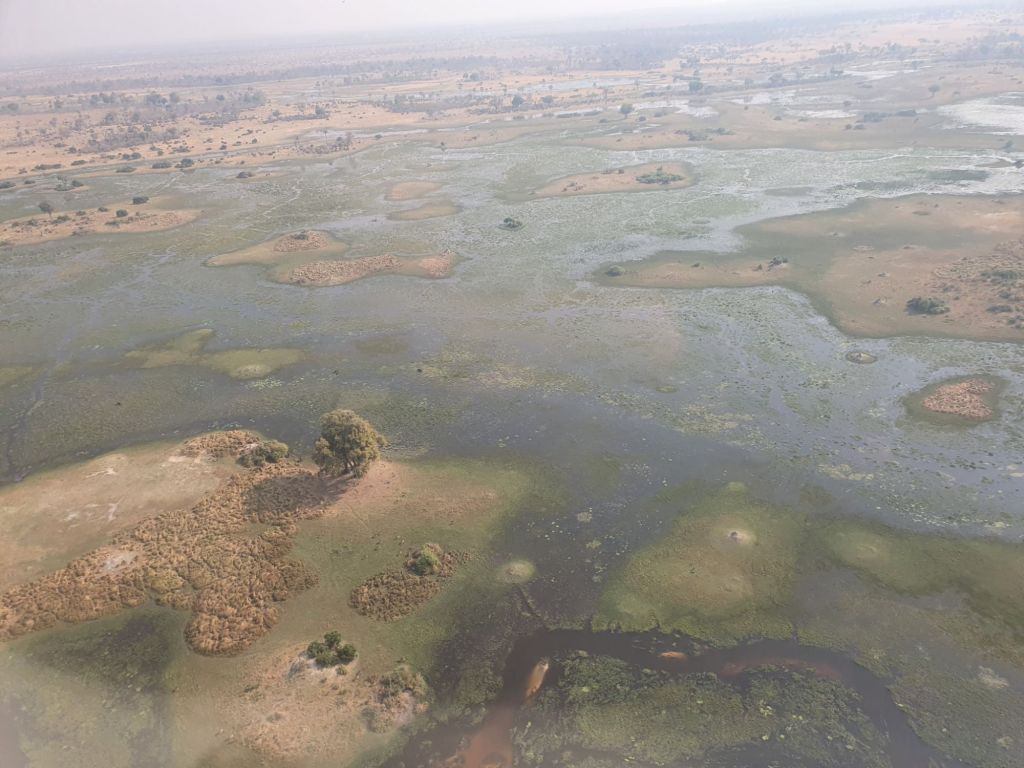
The landscape was breathtaking in its scale, but if I’m honest, I’d skip it next time. Over the course of the next week on the tour, we saw many of the same animals more closely on the ground, and while the aerial view was beautiful, it didn’t feel worth the $200 USD price tag for 45 minutes.
Back to Maun
1630: Back on land, we checked into our home for the night – Cretsa Riley hotel at the heart of Maun city.
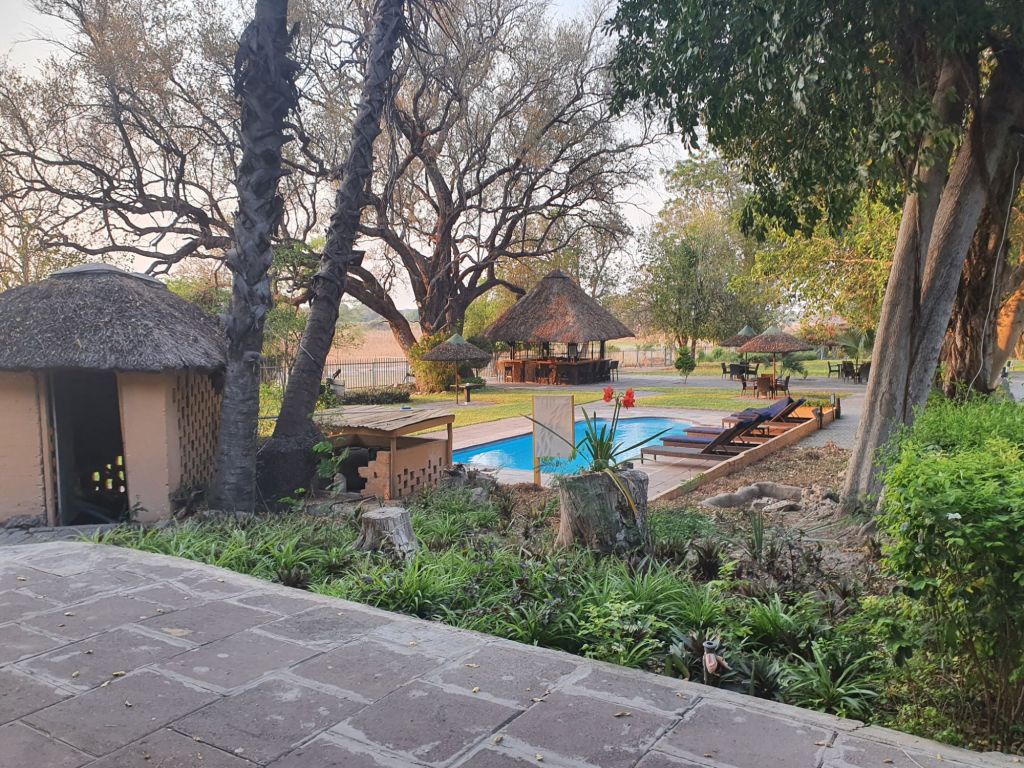
1800: As dinner time was approaching, the power went out. Not an uncommon occurrence in this part of the World. The hotel couldn’t get its generators going, so dinner at 7 p.m. was a candle-lit adventure. The lights finally blinked back to life around 7:30.
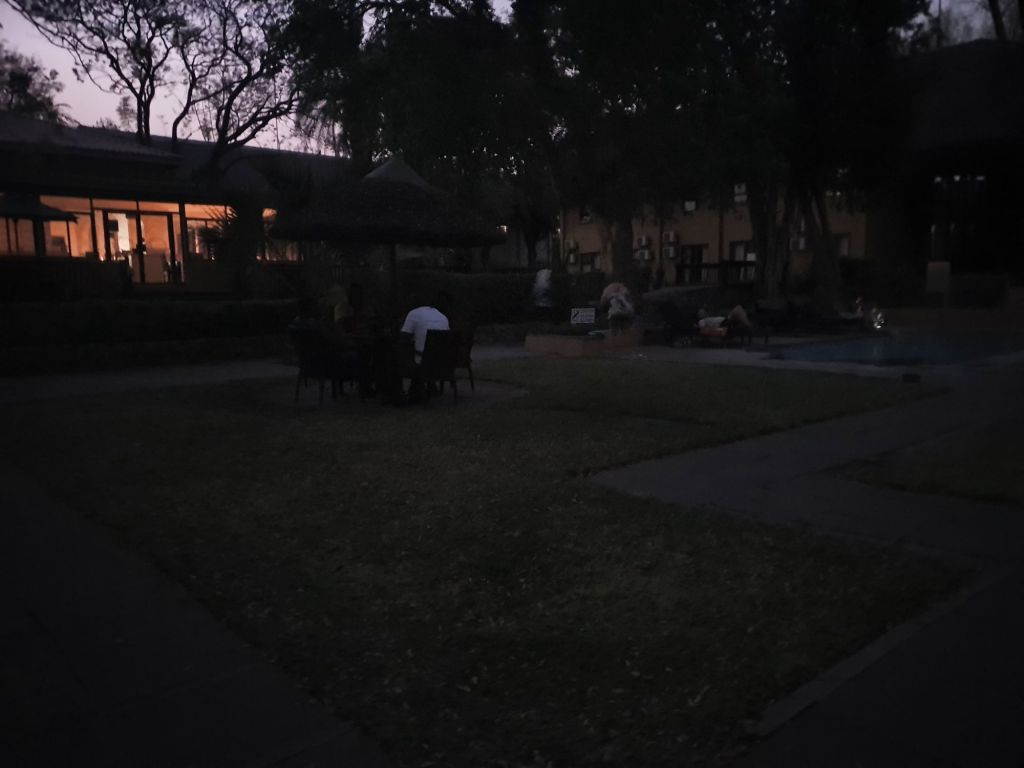
It was another tiring, but very satisfying day. After discussing plans with the guide for the next day we all turned in for the night.
 Diary of a Tourist
I get very nervous about small planes, so I would have to be goaded into taking that flight. So many interesting facts about termite mounds! Looks like a lovely place to spend the night.
LikeLiked by 1 person
Same here with the small planes, but the whole “once in a lifetime” thing got to me 🙂 don’t think I will do it again, though 🙂
LikeLiked by 1 person