Where and when: Strasbourg, France, December 2025
We visited Strasbourg for a short pre-Christmas break in December. This is Part 2 of a two-part post about the trip. (See Part 1 for history of Strasbourg, walking tours and Christmas Decorations).
Notre-Dame Cathedral Strasbourg
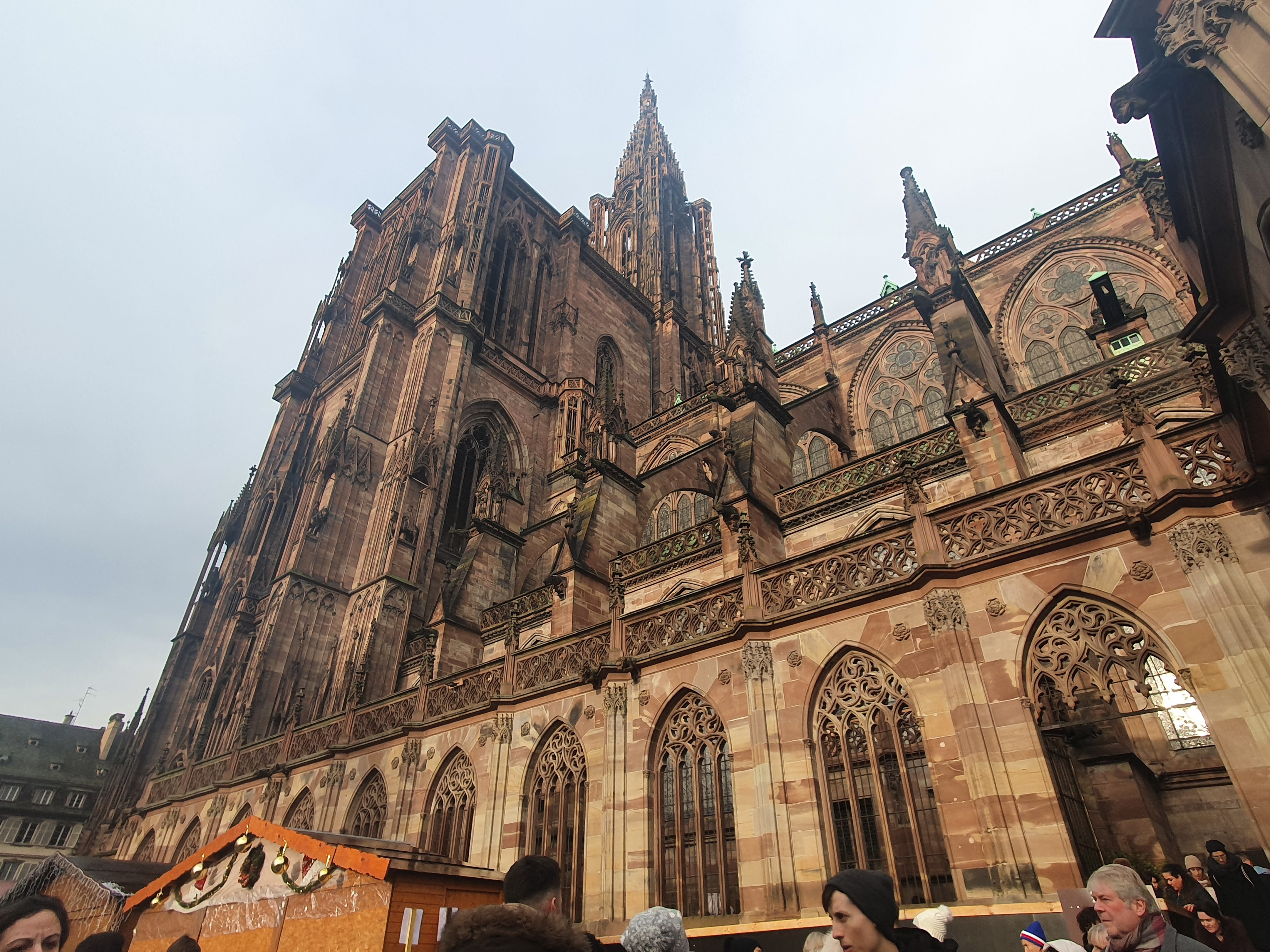
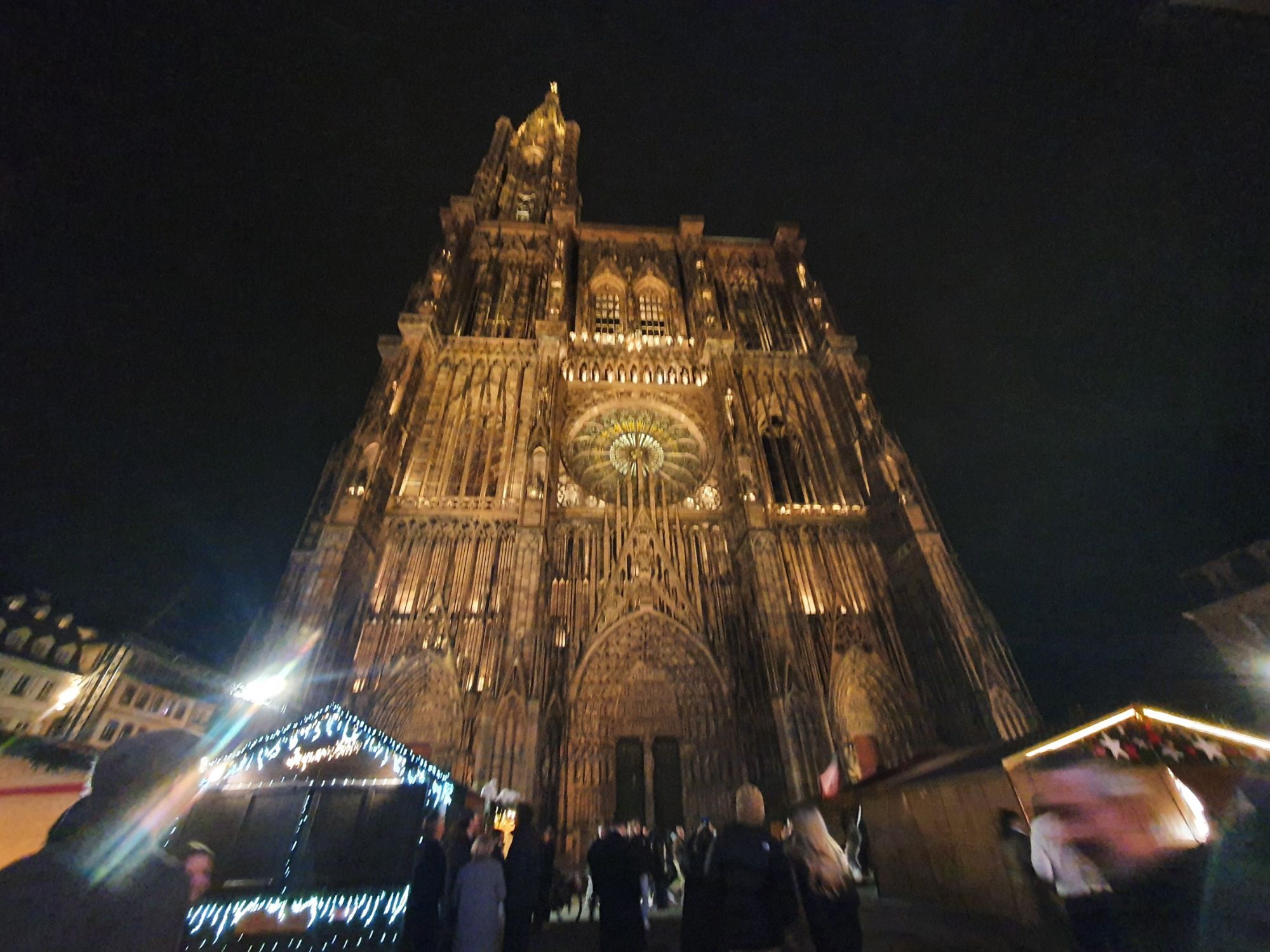
The Strasbourg Cathedral is officially known as the Cathedral of Our Lady of Strasbourg (Cathédrale Notre-Dame de Strasbourg). It is one of the most famous Gothic structures in Europe.

It was constructed between 1015 and 1439. The cathedral was originally meant to have two spires, but only one was completed due to time and resource constraints. The remaining spire reaches a height of 142 meters (466 feet), making it the tallest Cathedral in France.
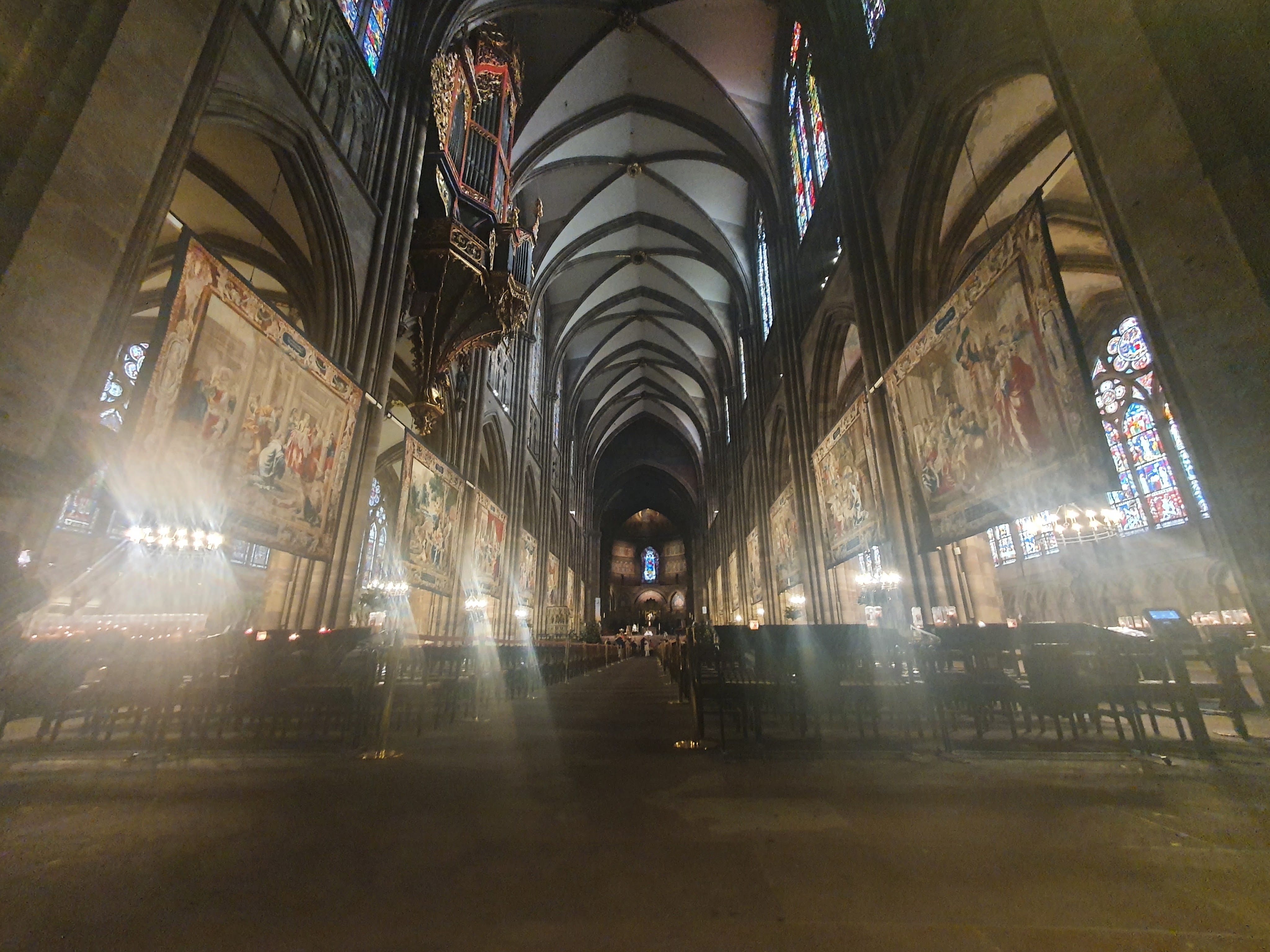
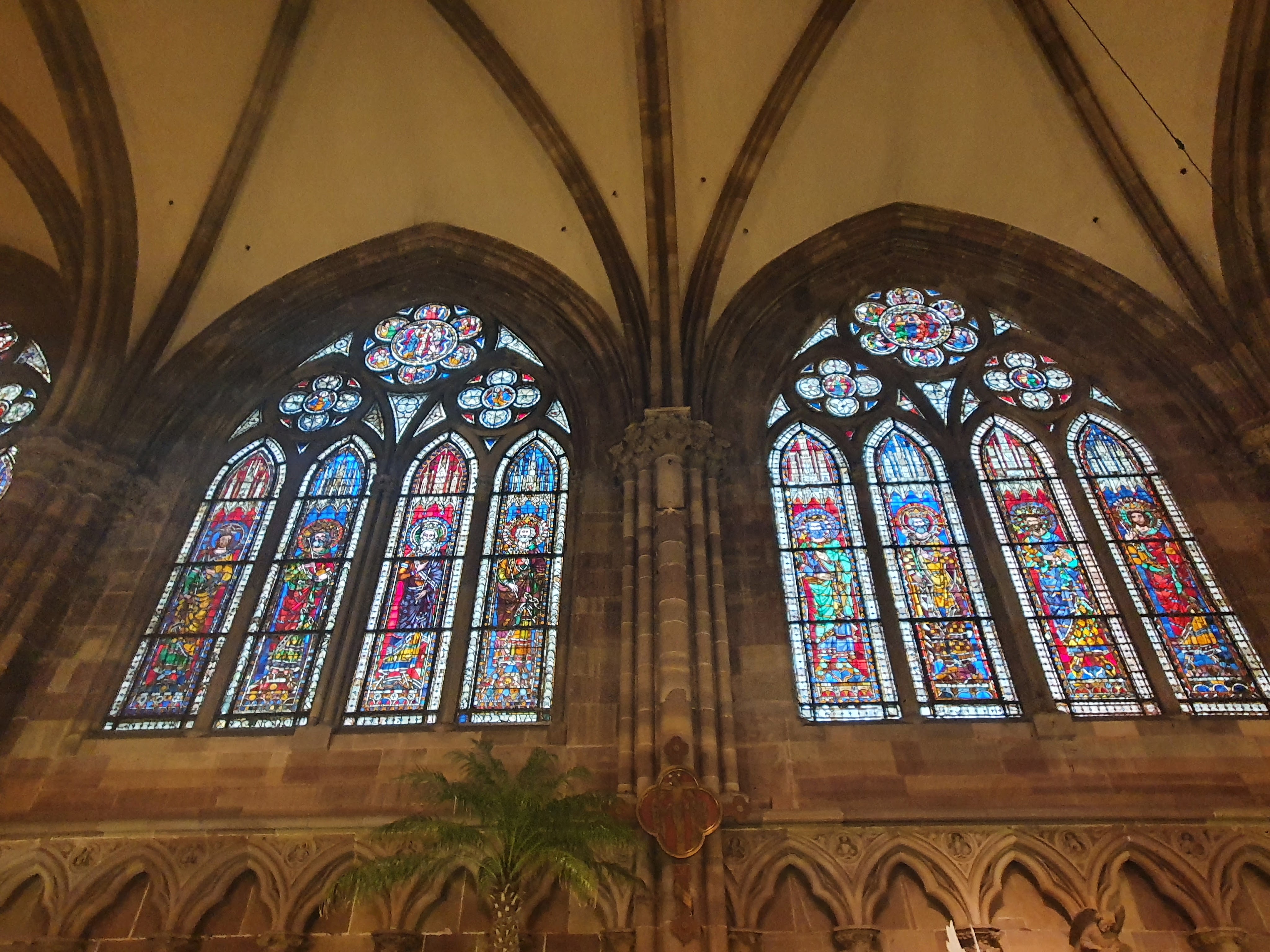
Inside the Cathedral has magnificent stained glass windows and tapestries. Strasbourg Cathedral was designated a UNESCO World Heritage Site in 1988.

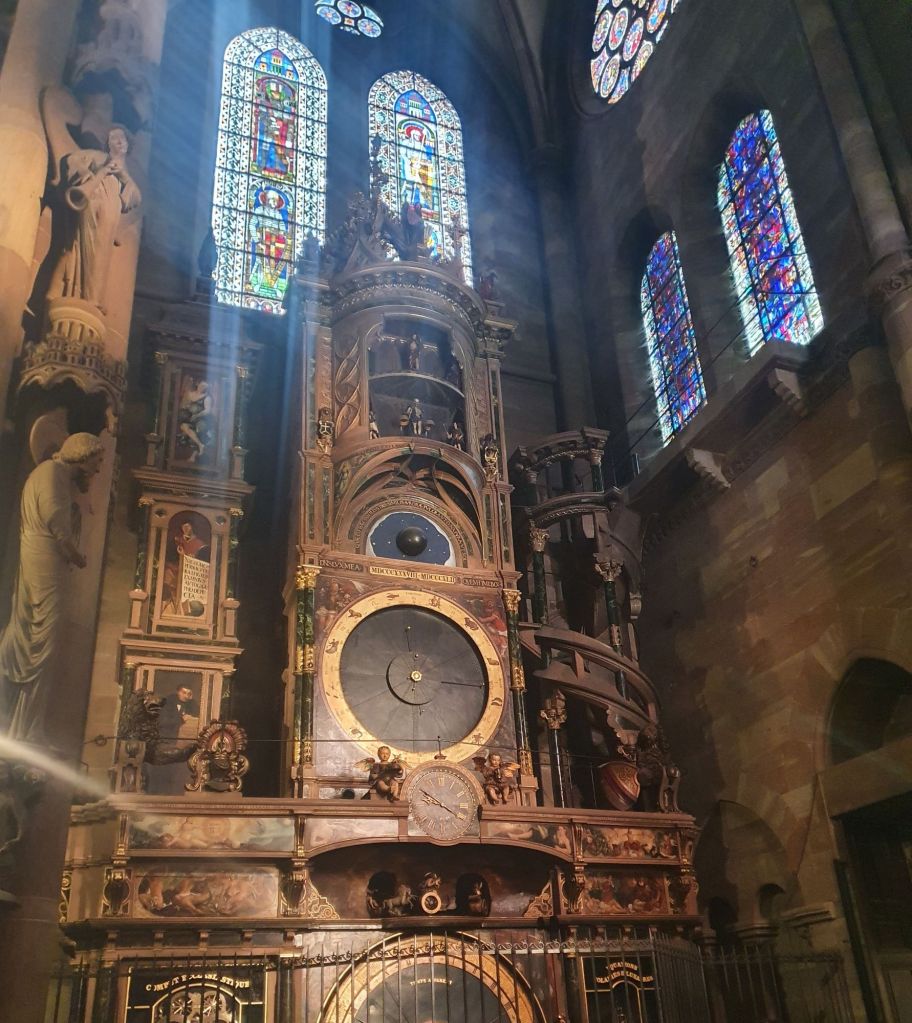
The Cathedral is also home to one of the most famous astronomical clocks in the world, which dates back to the 16th century.
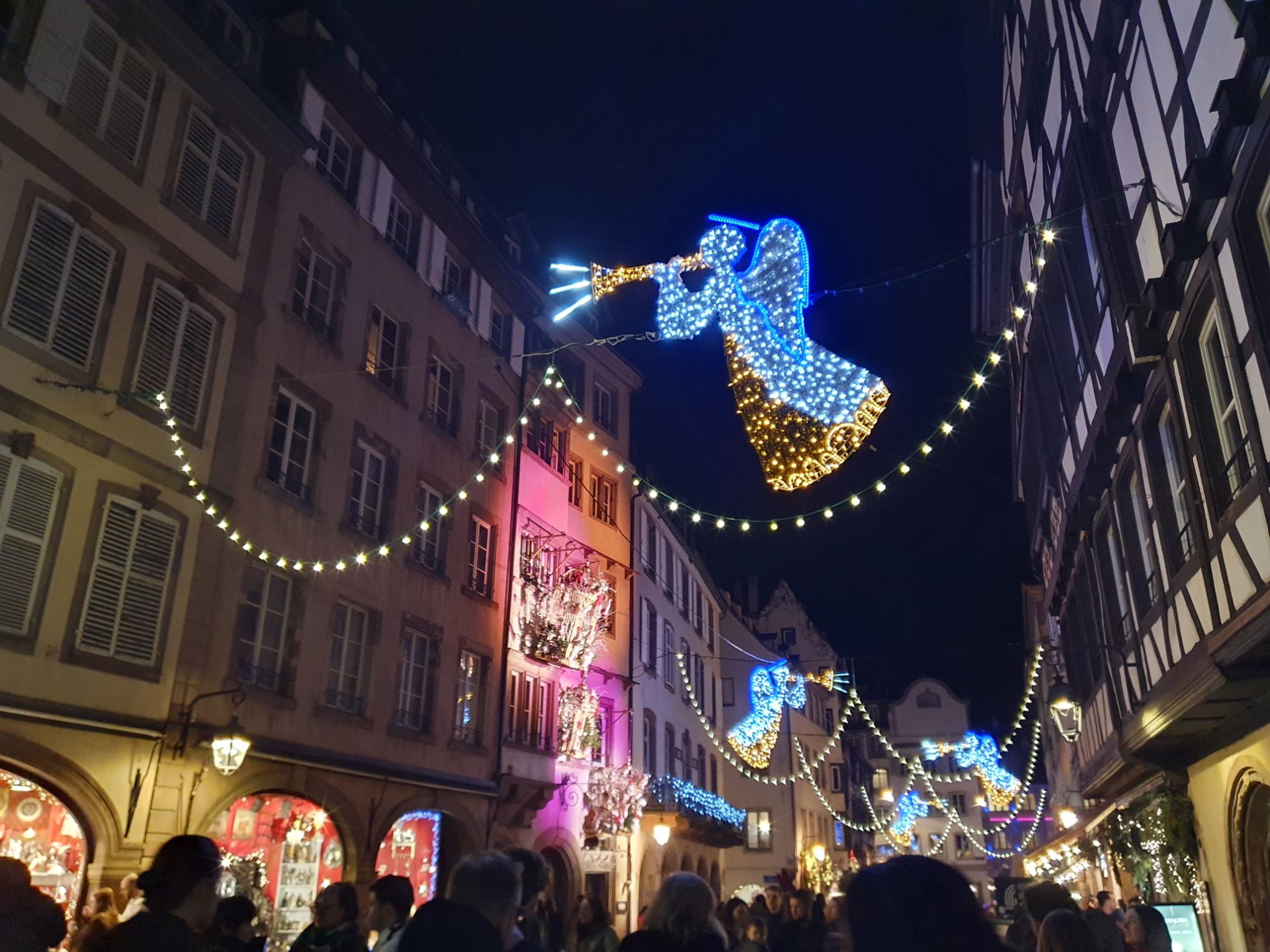
The Cathedral is impressive in day light but looks even better at night, specially surrounded by the city Christmas decorations.
Wine tasting at Cave Historique des Hospices
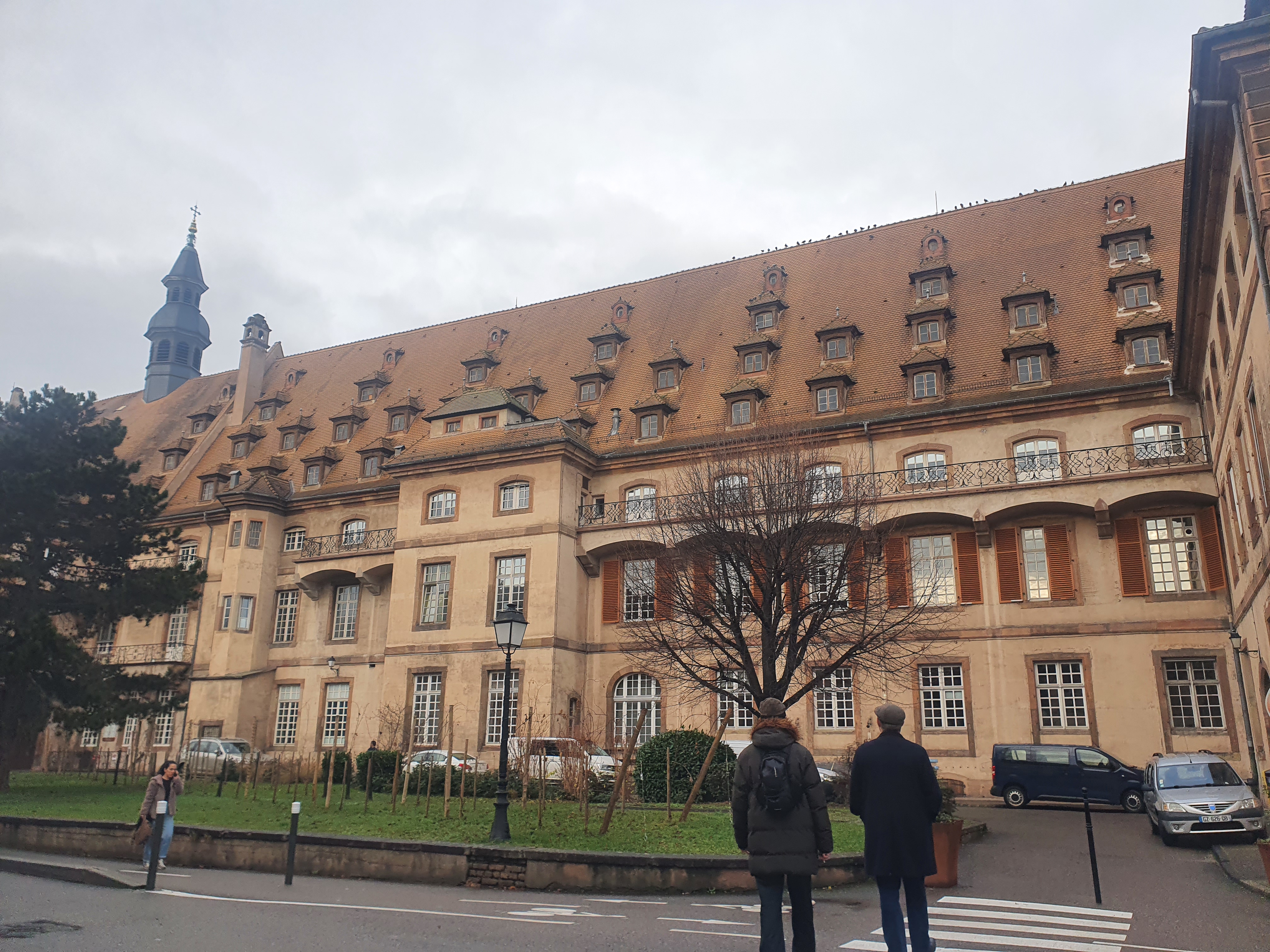
The Cave Historique des Hospices in Strasbourg is a unique wine cellar located beneath the Hospices de Strasbourg, a historic hospital and charity institution. The building dates back to the 16th century, and originally it was the morgue of the hospital.
The cellar also contains the remnants of medieval tunnels. These tunnels used to surround the city and were designed to keep the troops supplied during sieges.
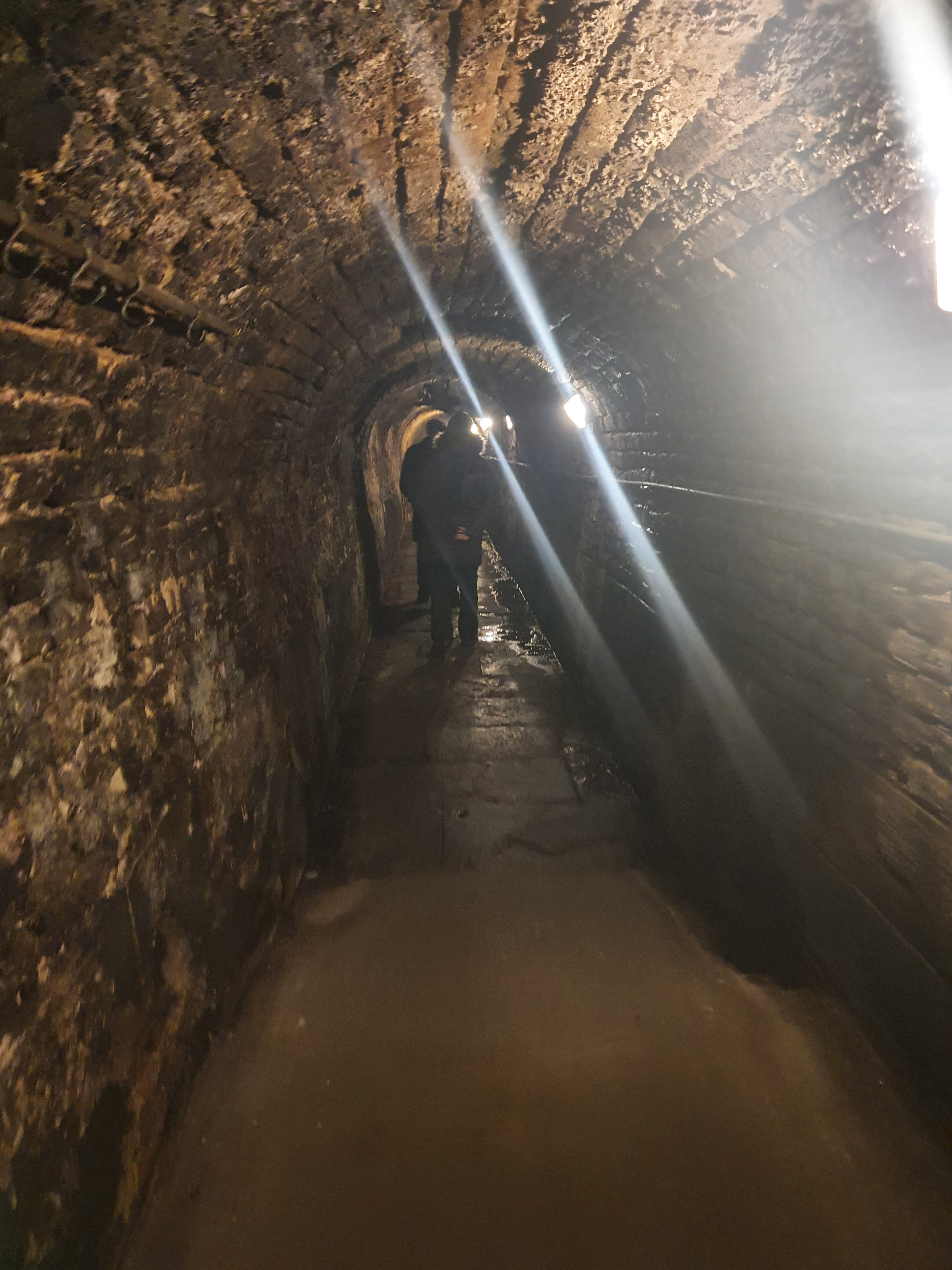
Today, this cellar is famous for its role in showcasing the region’s rich wine culture, particularly the Alsace wine tradition. The wines housed in the cellar are mostly produced from Alsace’s local grape varieties, including Riesling, Gewürztraminer, and Pinot Gris.

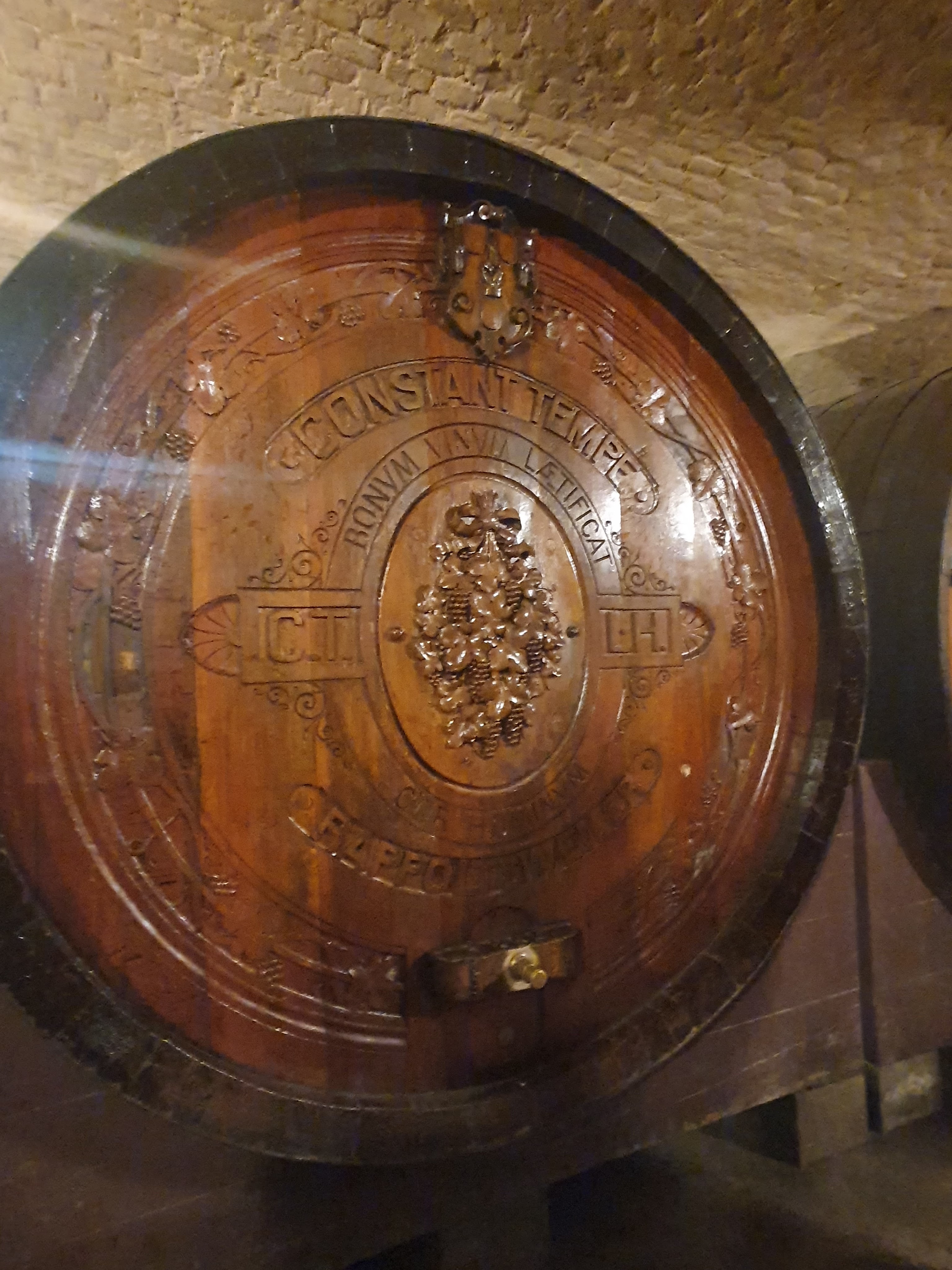
The cellar contains many barrels of wine left for ageing. Monday to Staturday, the cellar also hosts free wine tastings. When we wandered there late morning on a Saturday, we found a dozen wine makers and merchants (all from the Alsace region) holding tasting sessions in the cellar. You can try wines from different producers, and if you like them, purchase them from the shop at the front. We really enjoyed being able to sample and find out more about a number of wines and found a couple of bottles to go with our Christmas meal. The whole thing was free-flowing and there was no pressure to buy at all.

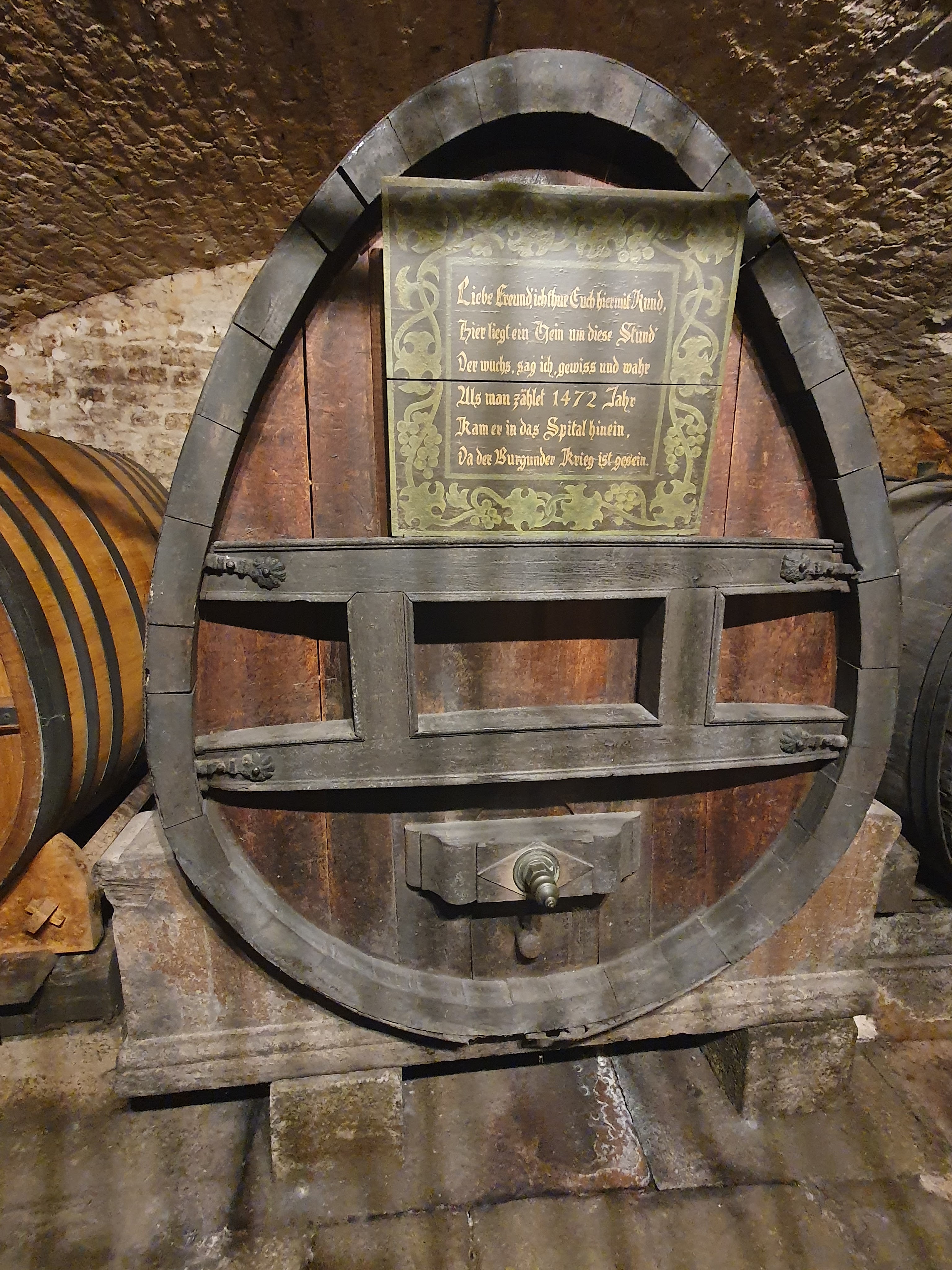
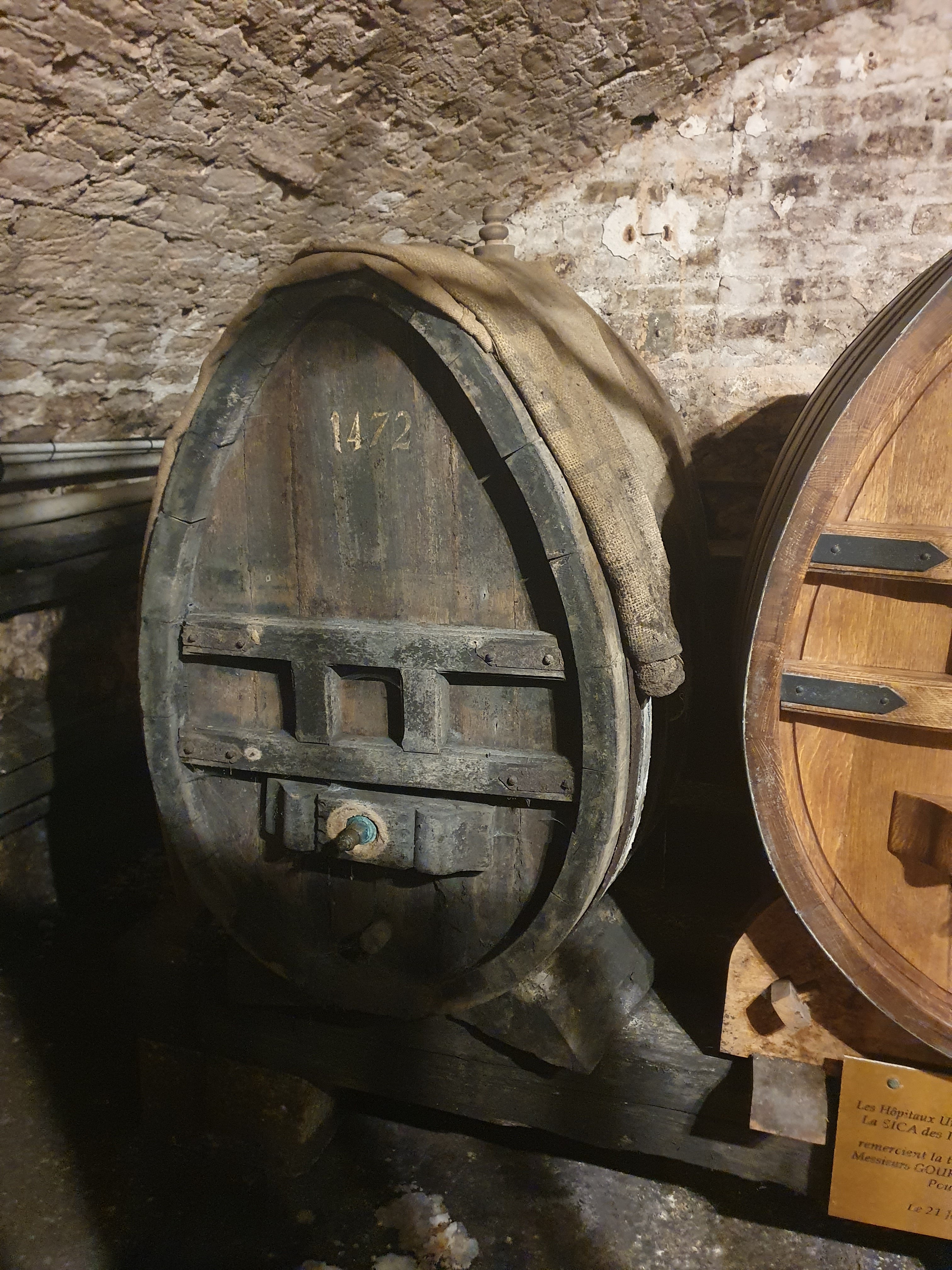
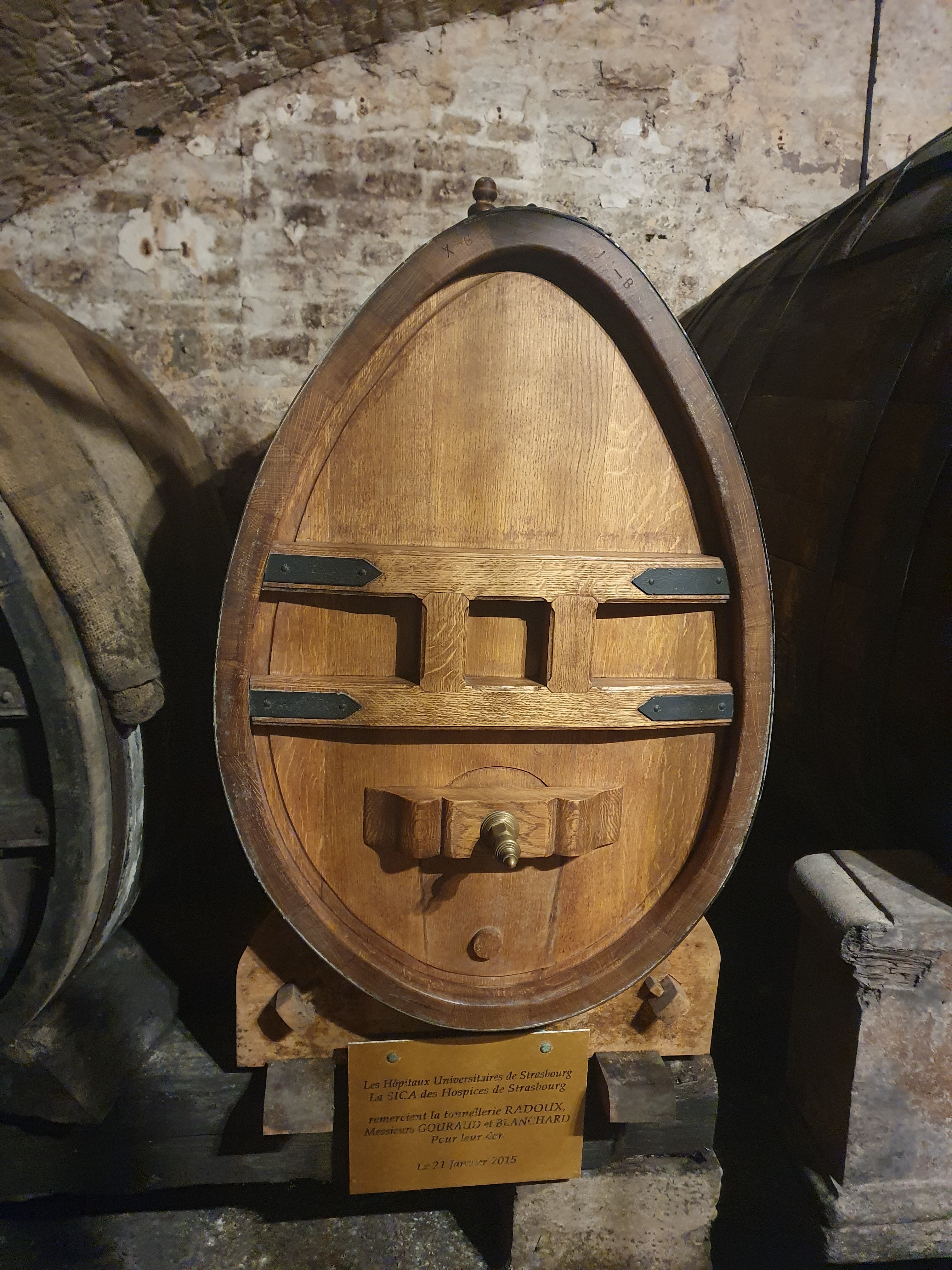
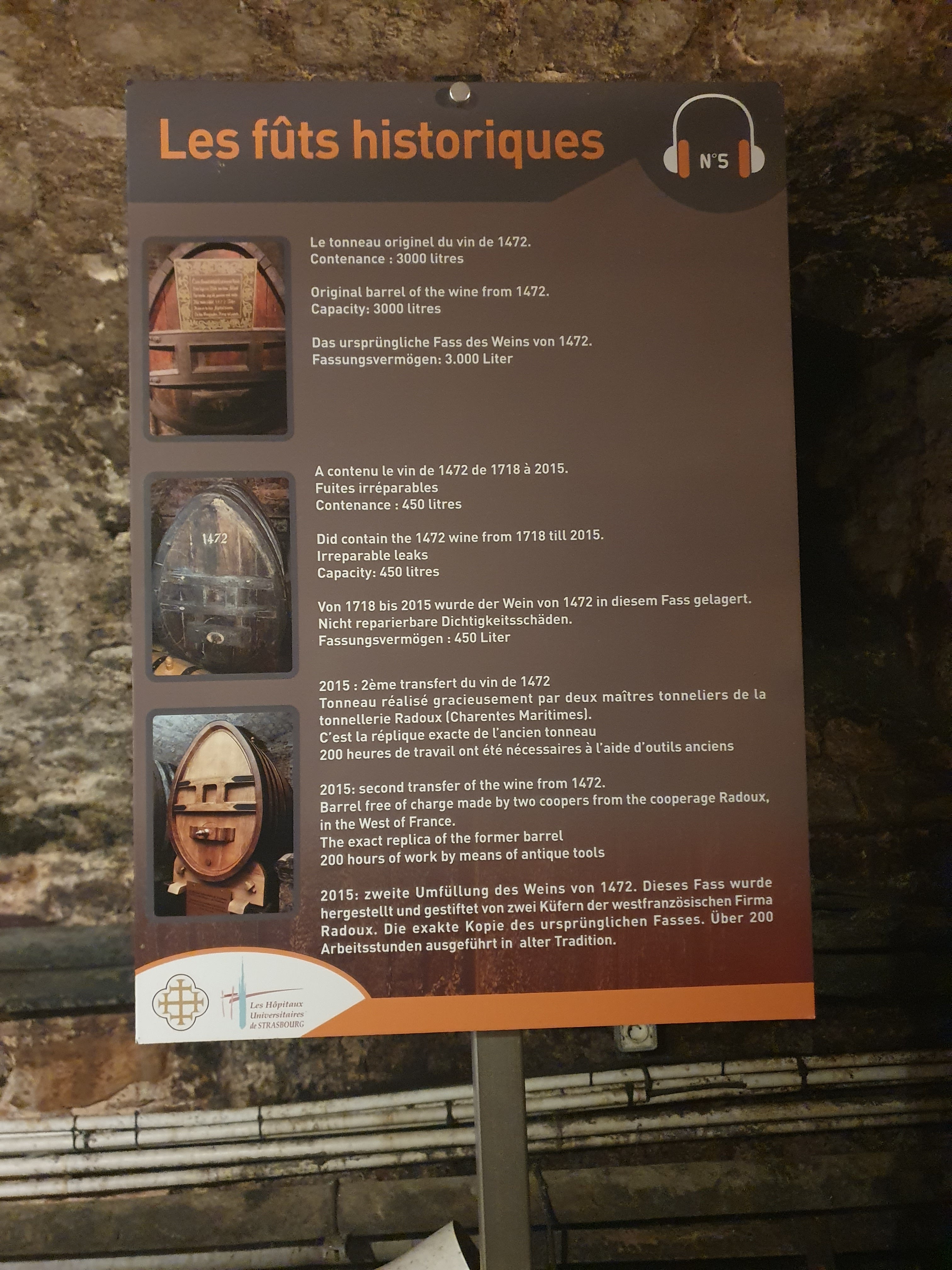
The cellar also holds some historical wines. The most significant is a wine dating back from 1472. It is the oldest white wine in the world still kept in a barrel. Apparently it has aromas of vanilla, honey, wax, camphor and tastes of straw 🙂

The information plaque also tells you the historical occasions when the wine has been tried – in 1576, to celebrate a historical military pact with the city of Zurich, in 1718, when the foundation stone of the hospital main building was laid and in 1944, when the city was liberated during World War II. You can also see the the barrels the wine was kept in since 1472.
5e Lieu Museum
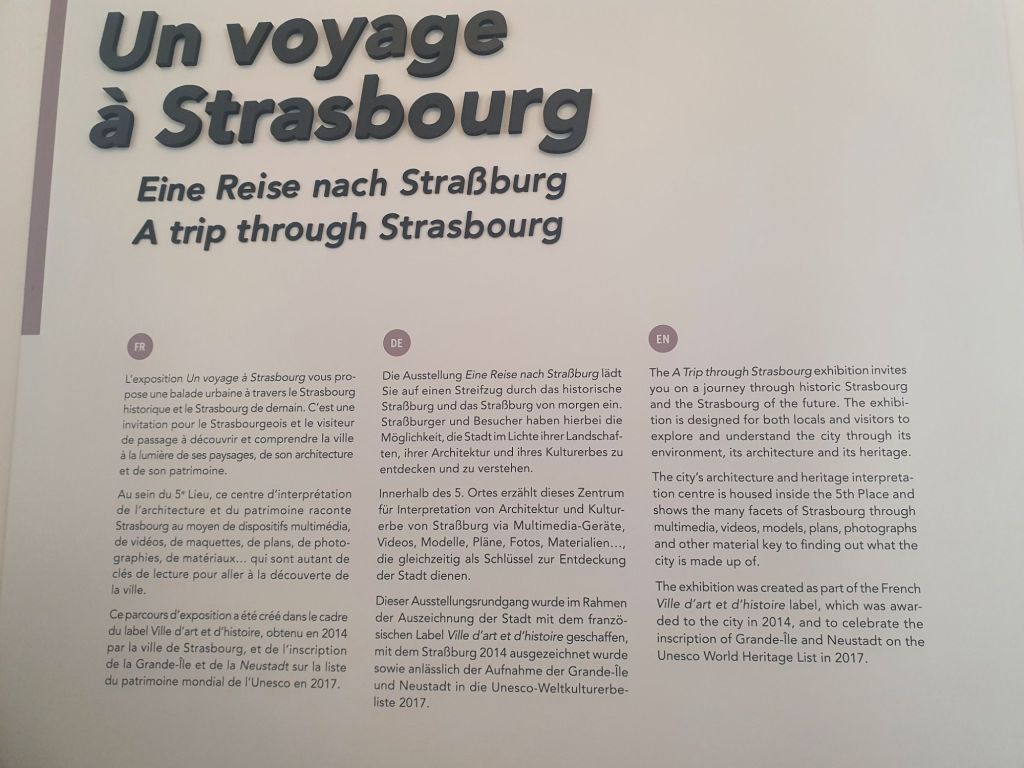
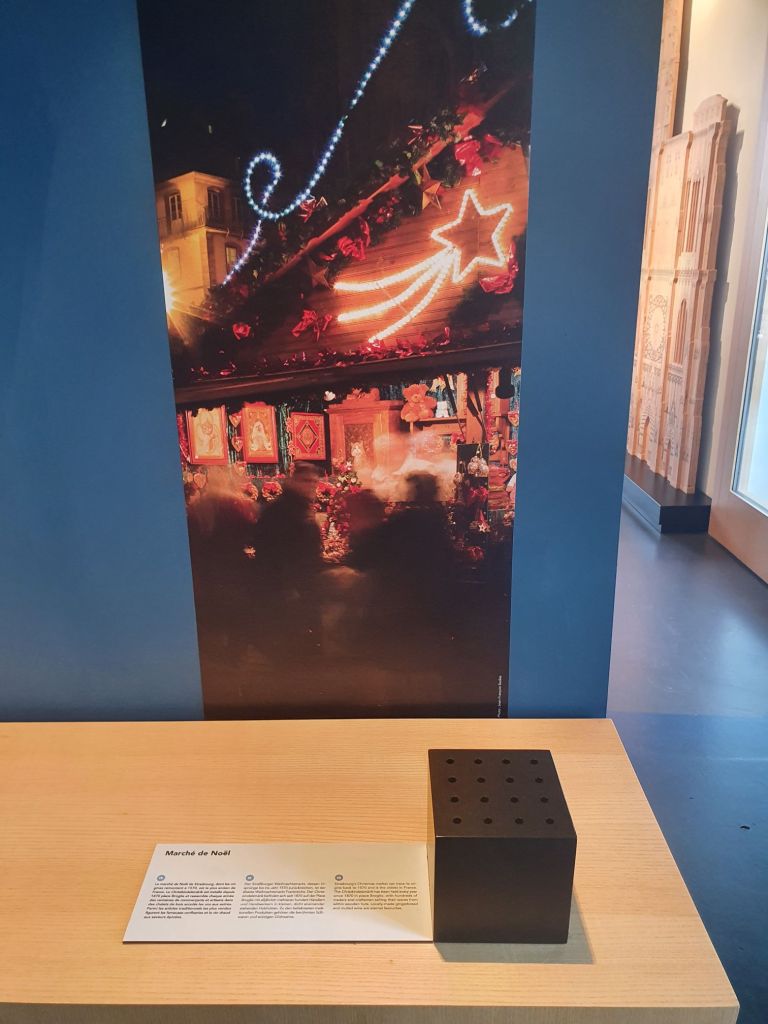
We also visited the “Le 5e Lieu” museum (which translates to 5th Place Museum – named after its location). A free museum next to the Cathedral, it provides a great overview of the history of Strasbourg and its future, focusing on its buildings. It is free and a good way to spend an hour.
Boat Tour
We also went on a boat tour with Batorama, which departs from the docks next to Historical Museum of the City of Strasbourg (which is diferent to the 5 Lieu Museum above).
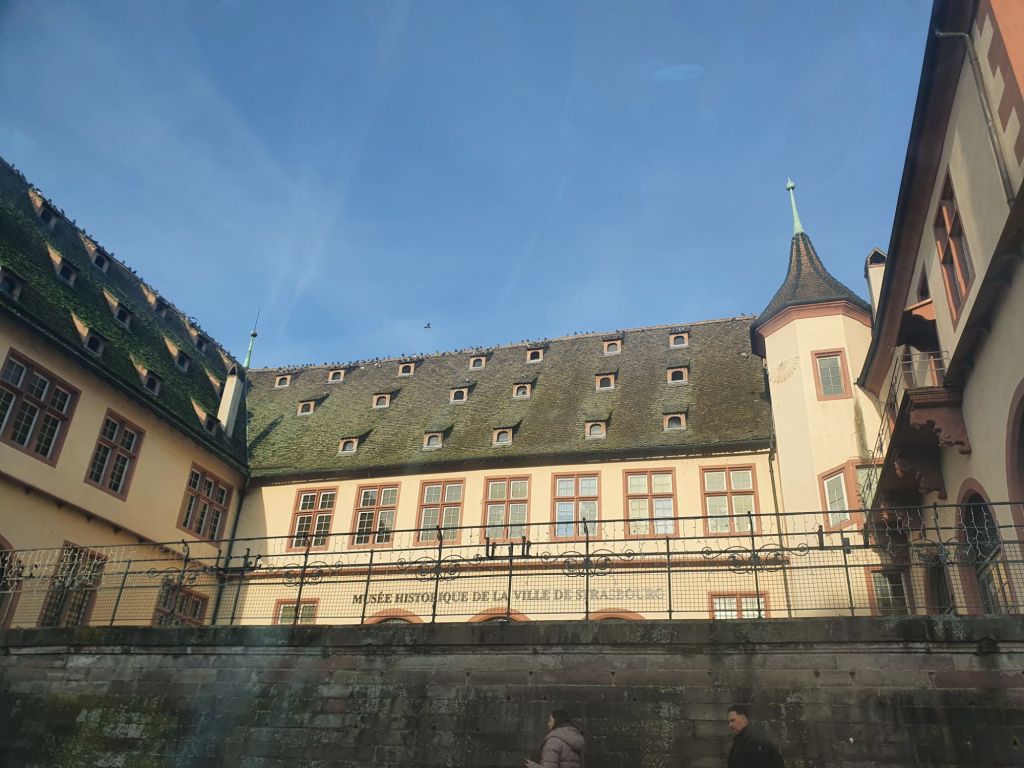
The boat tour takes you on the around the island of Central Strasbourg and along River Ill where you can see the New City, European Parliament and European Court of Human Rights.
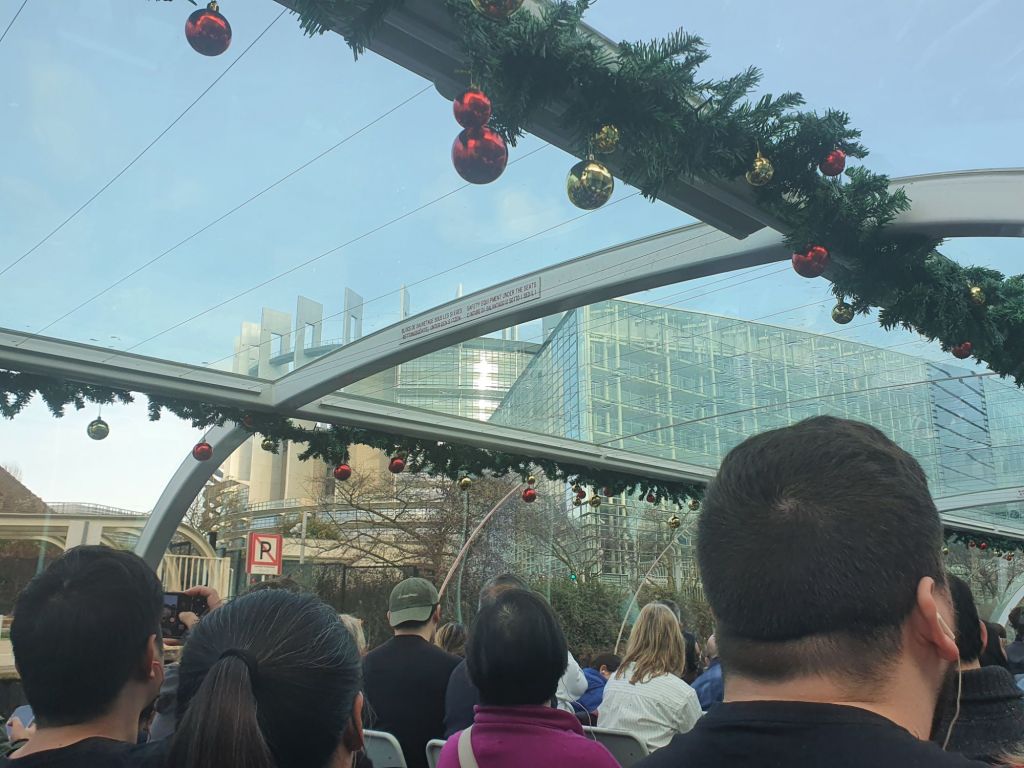
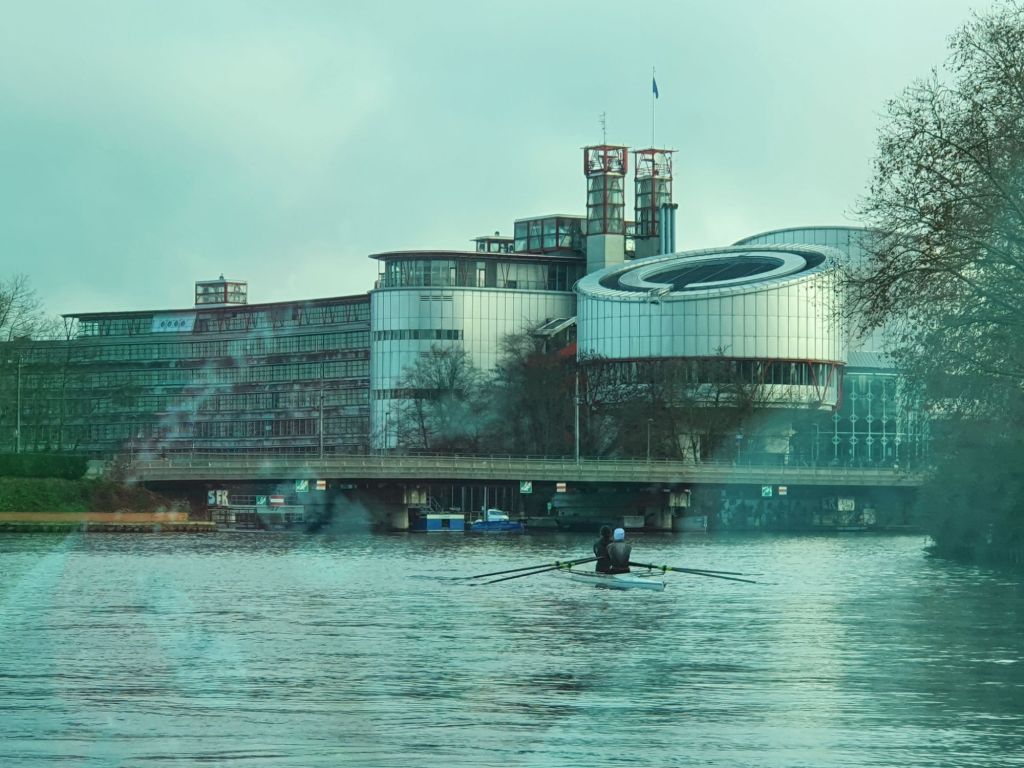
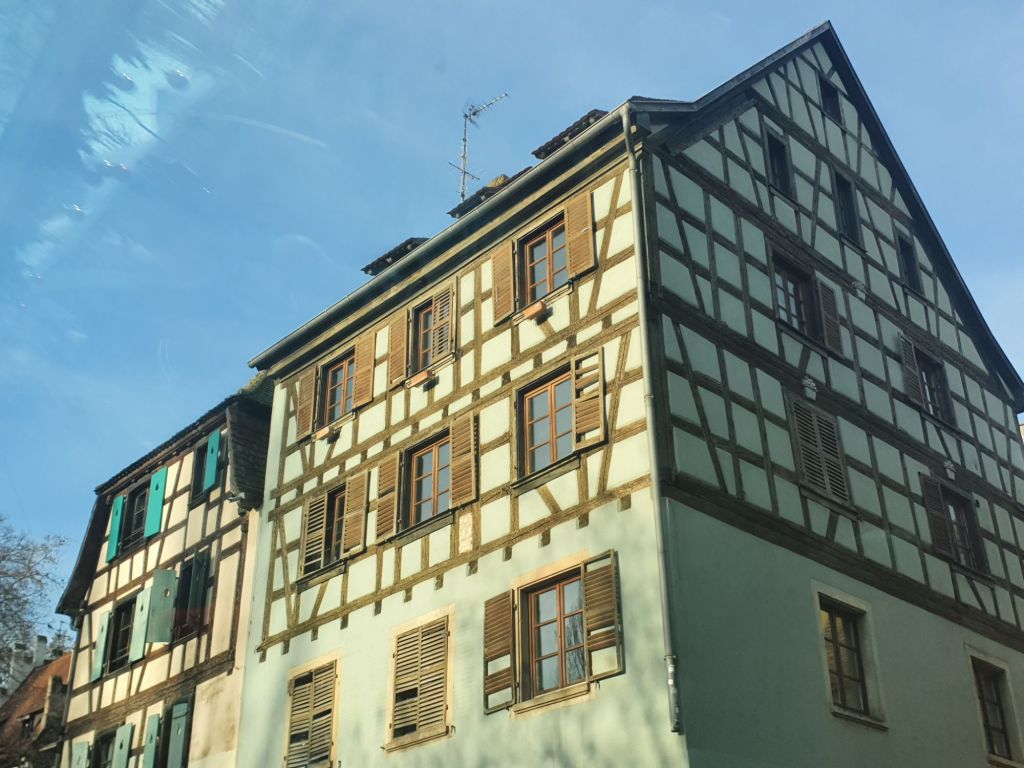
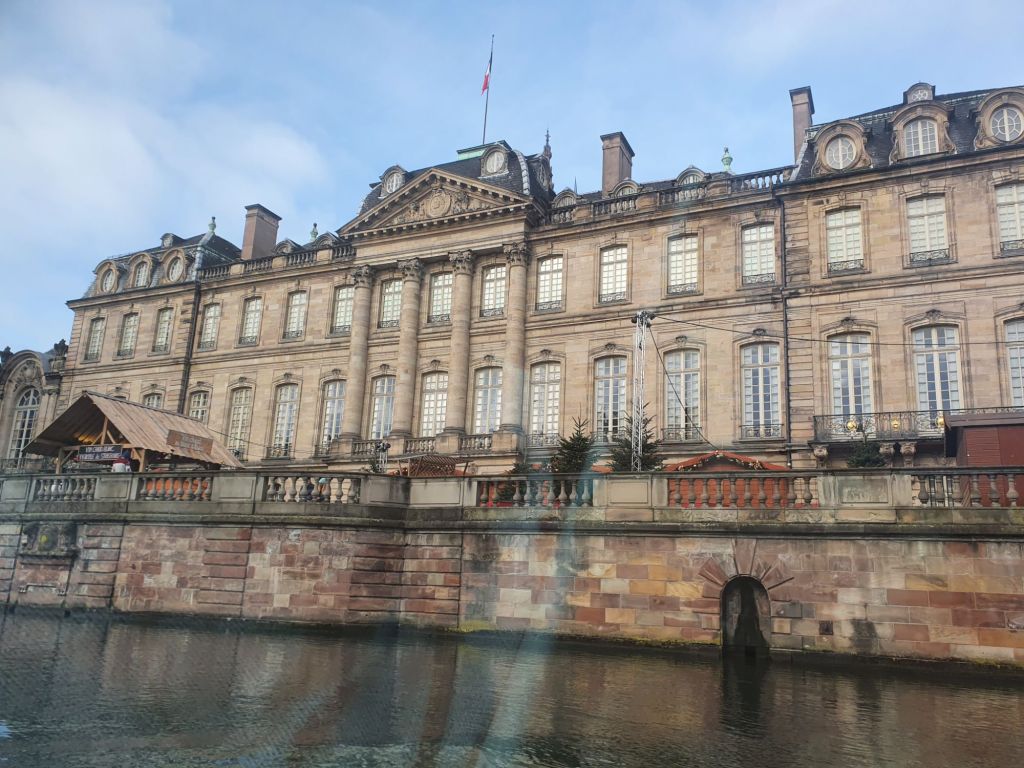
Tour takes little over an hour and there is an audio guide. In hindsight, the two walking tours we did (see Part 1) was a better way to see the old town and the new city. But if you prefer less walking or don’t have as much time, the boat tour is a good alternative.
Eating and Drinking
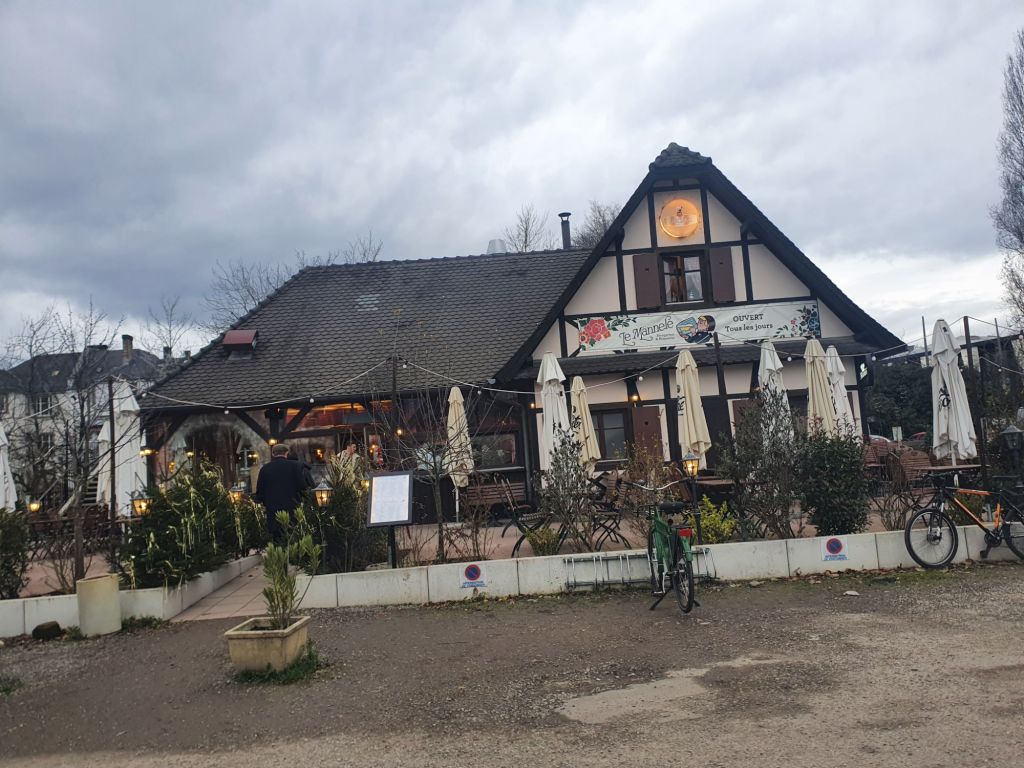
Le Männele in European Quarter – with Alsatian food and beer
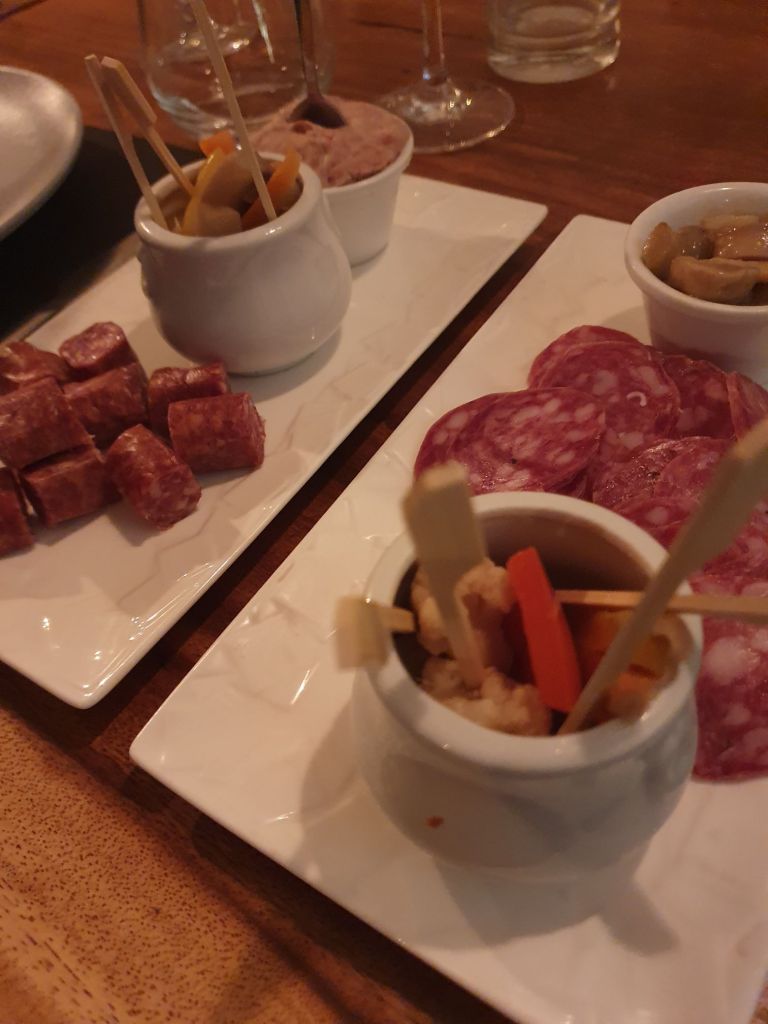
Les Chauvins in the old town of Strasbourg – lots of local specialties served in Tapas style.
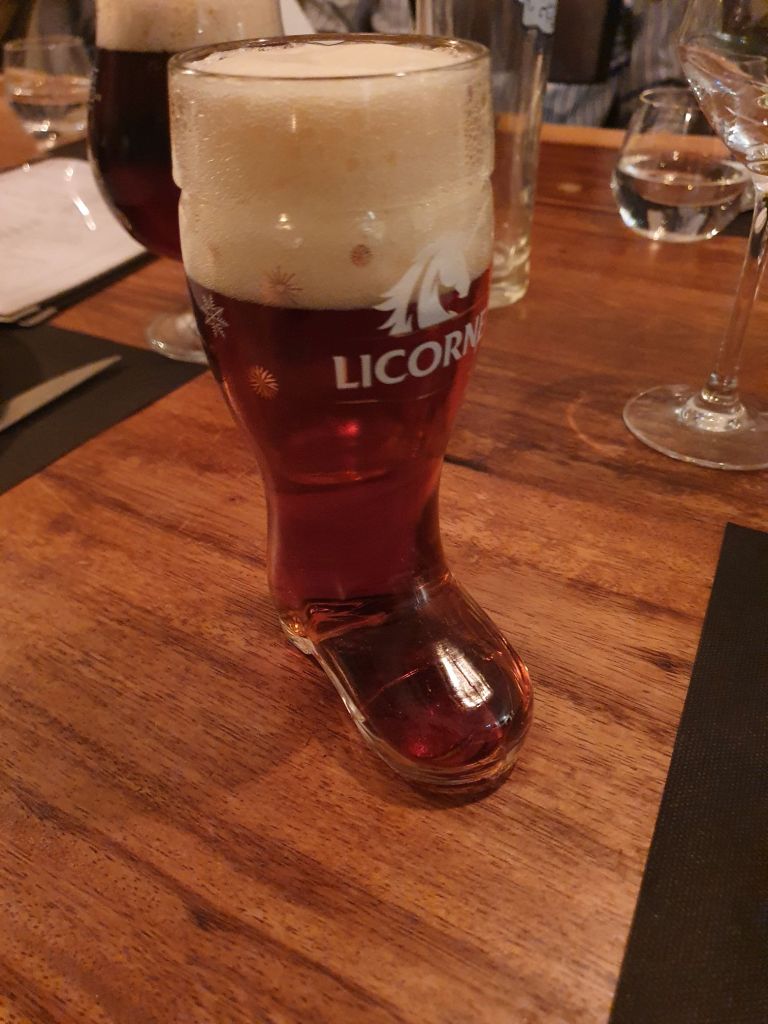
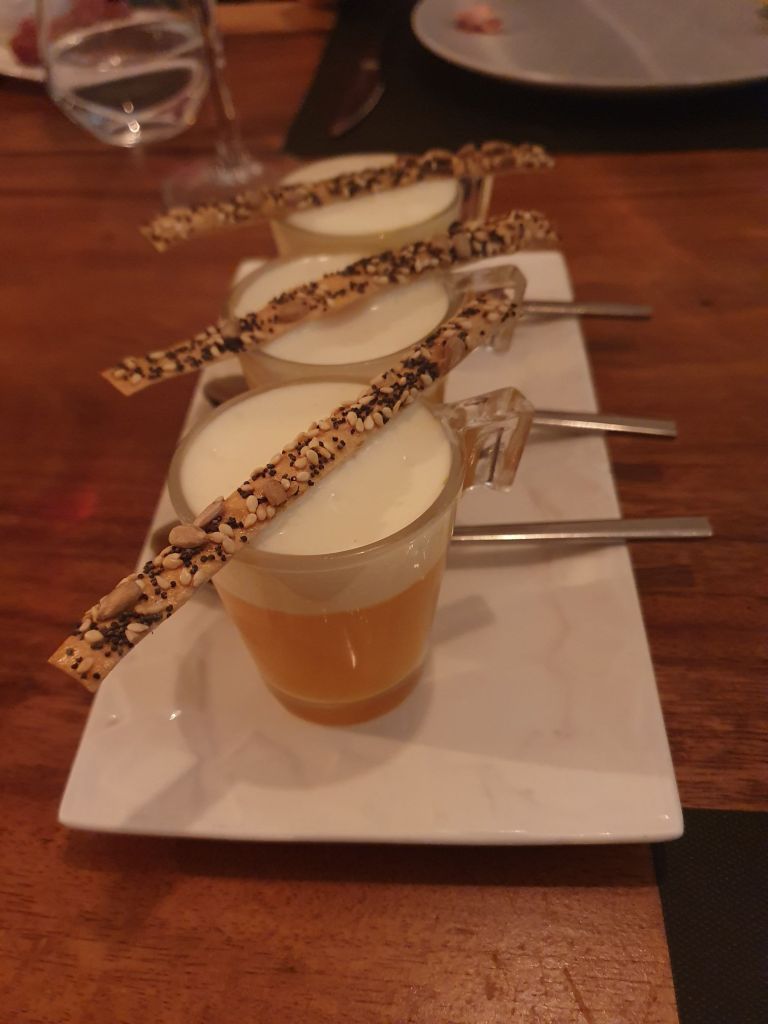
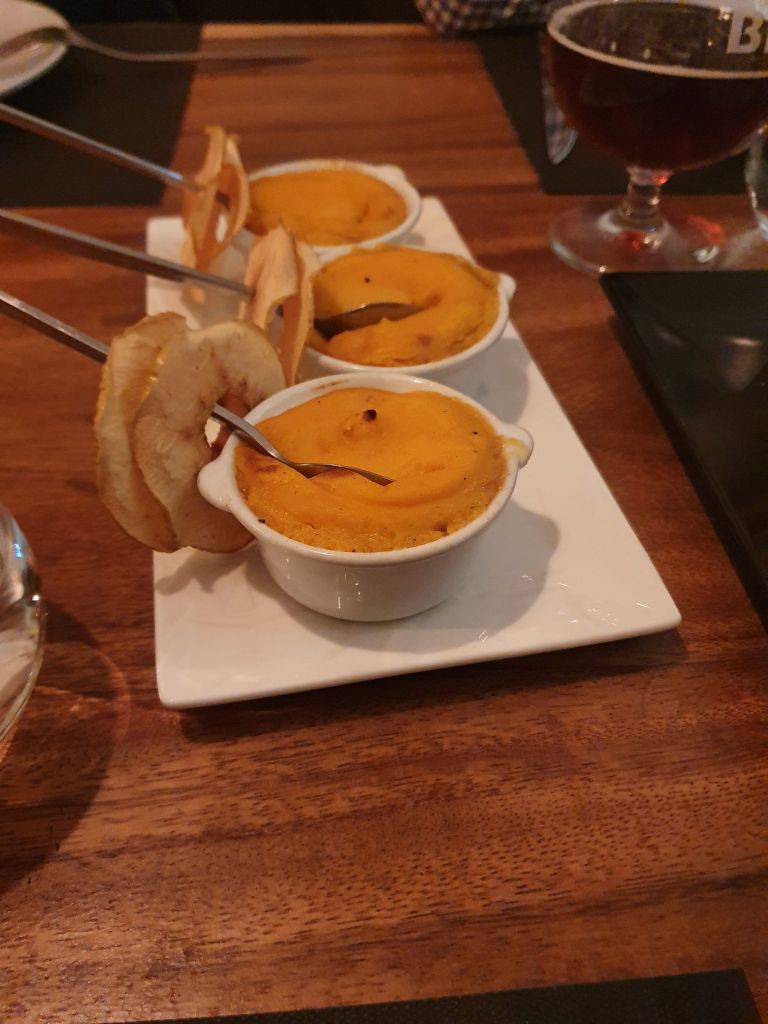
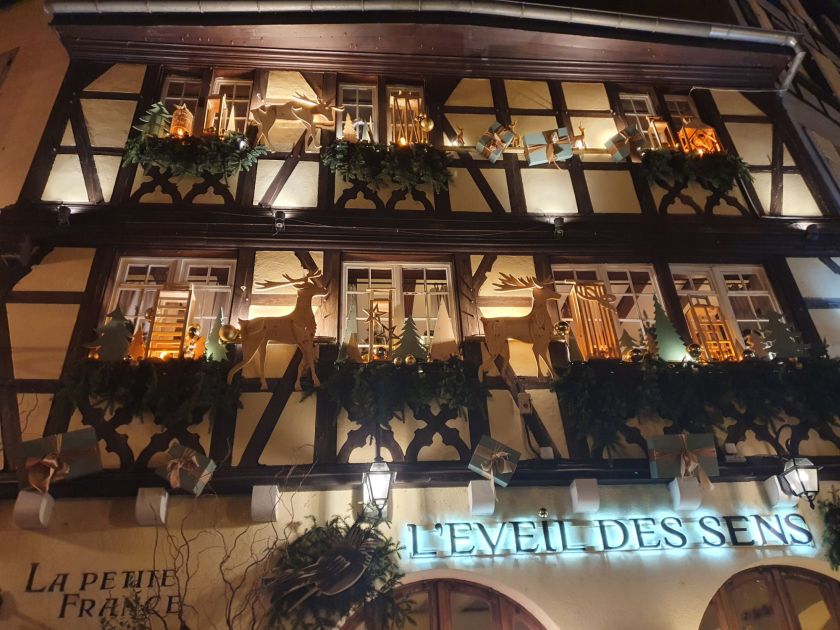
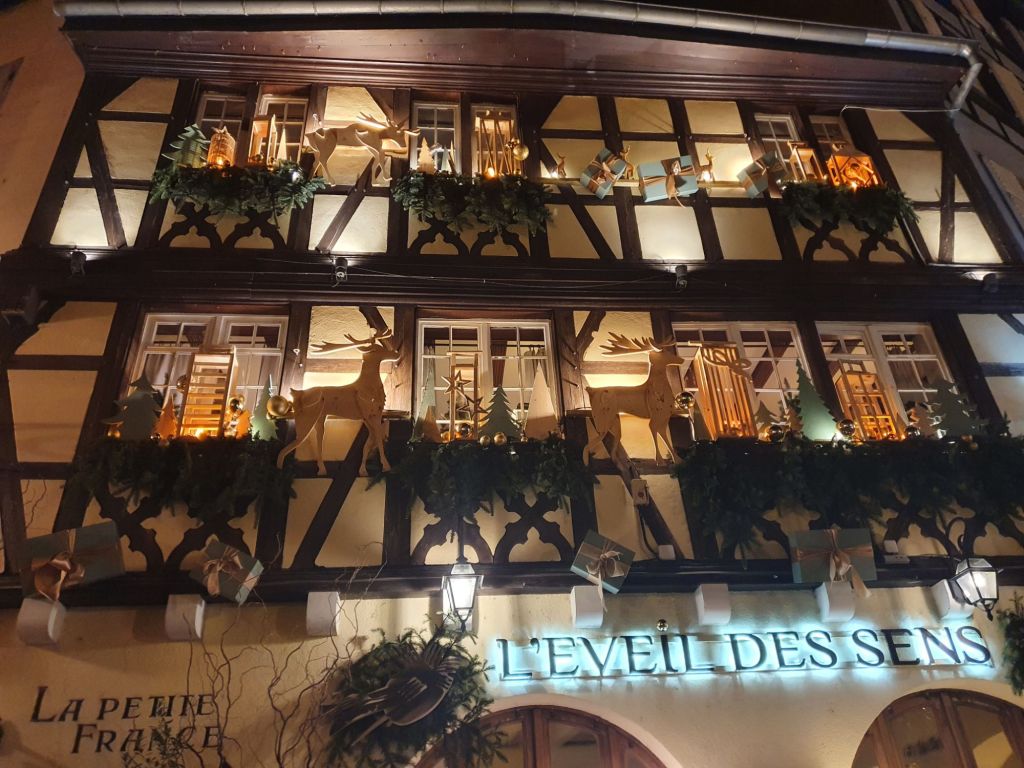
L’Eveil des Sens, also in the old town. For me this won hands down for the best experience. It was beautifully decorated for Christmas and the food was excellent.
Here I discovered “L’œuf parfait” – “perfect egg” – A French culinary technique where an egg is slow-cooked at a precise, low temperature (around 63-65°C or 145-149°F) for an extended time, creating a uniquely creamy,custard-like yolk and a tender, velvety egg white. This is my new favourite way to eat eggs (just as soon as I learn how to make it myself!)
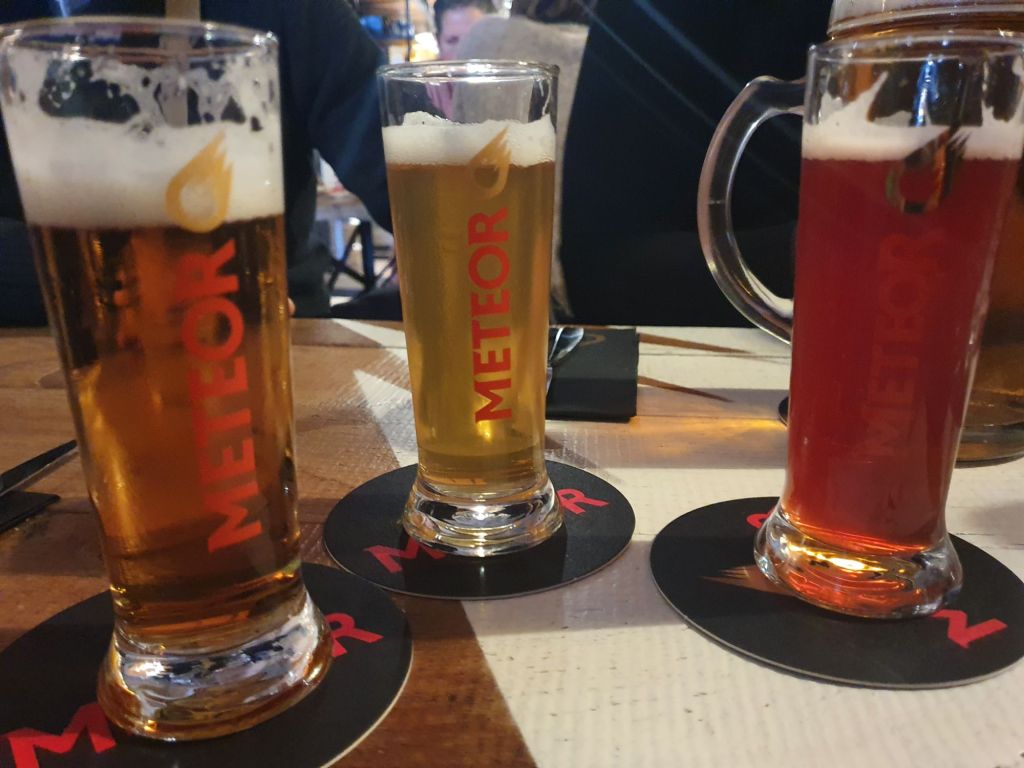
La Meteor – Another restaurant in the old town, with German inspired cuisine and a beer selection to match.
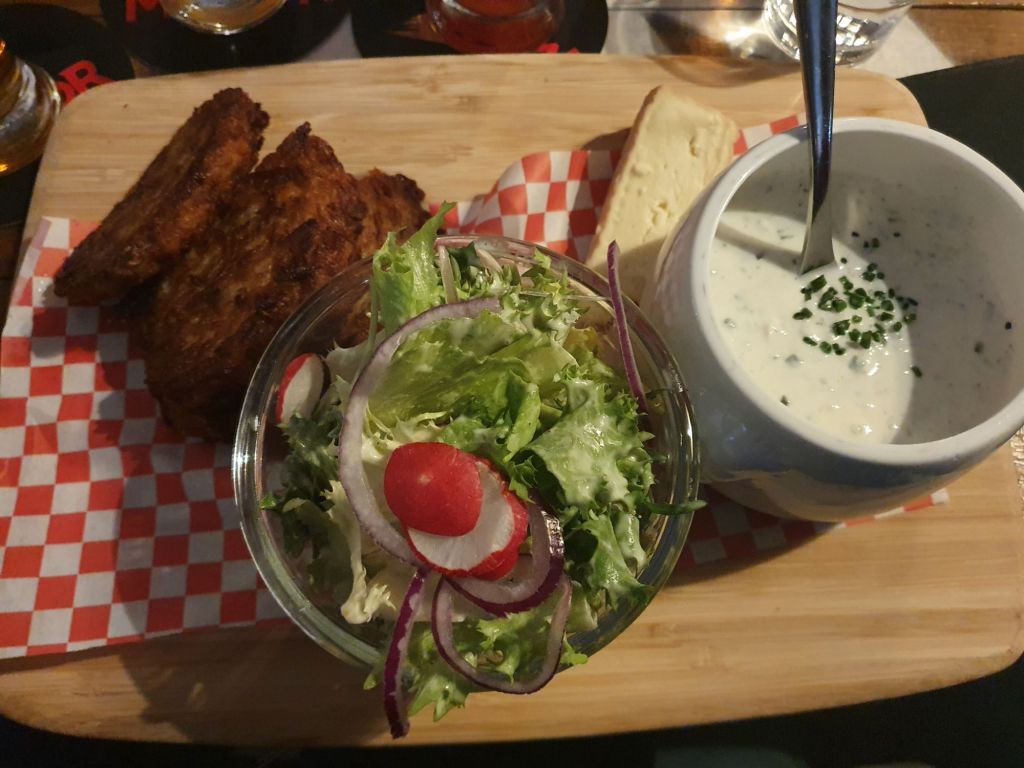
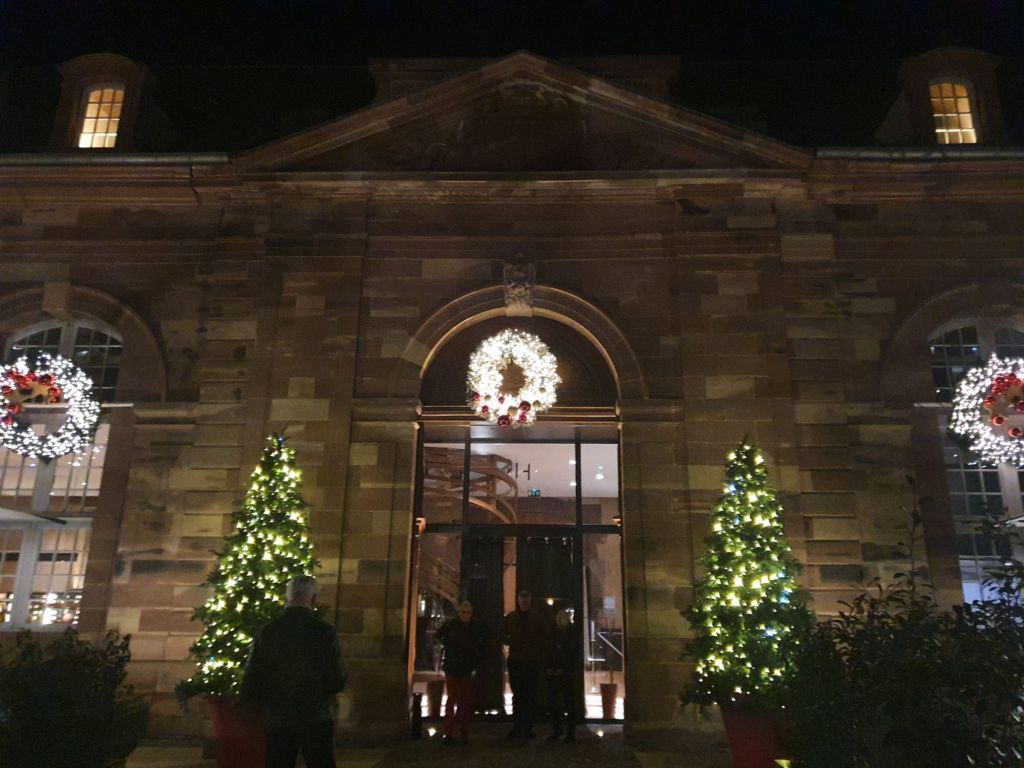
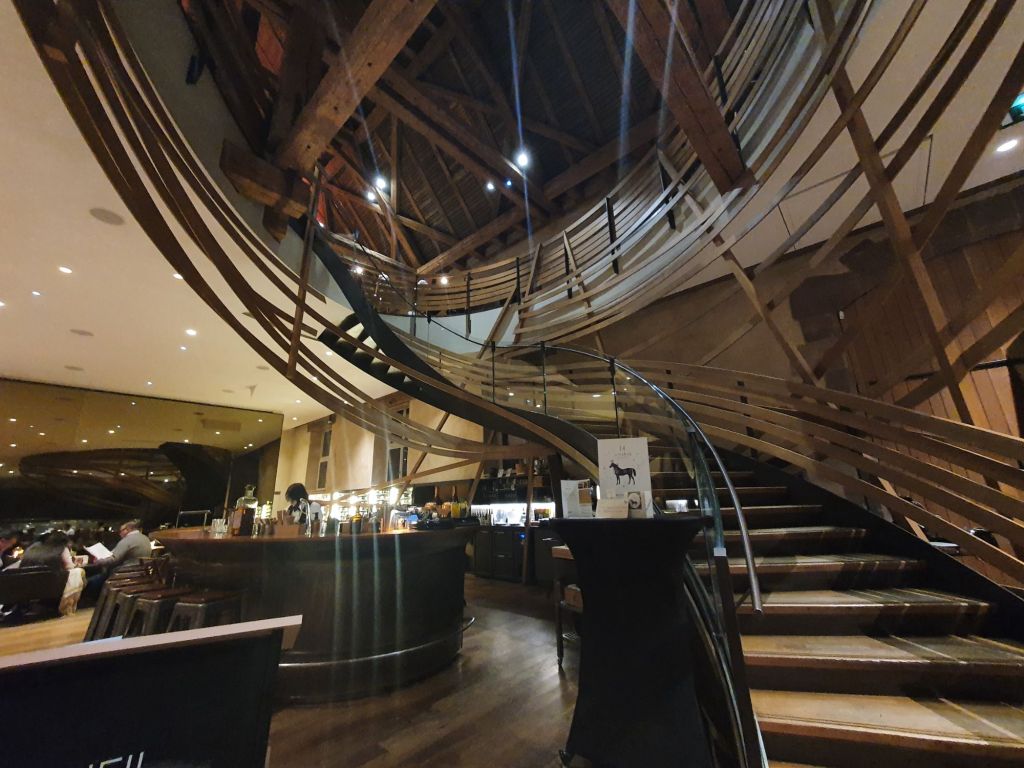
Brasserie Des Haras – Located at the Les Haras Hotel, this is a relatively new restaurant but with a great reputation. It is located in a former stable and have seasonal French and Alsatian menus.
I certainly loved Strasbourg and would definitely go back on day, perhaps in the spring. If Strasbourg is on your travel radar, I hope you enjoyed these two posts.
Big thanks to our good friend M who organised this trip and found all of the places in this post.
 Diary of a Tourist
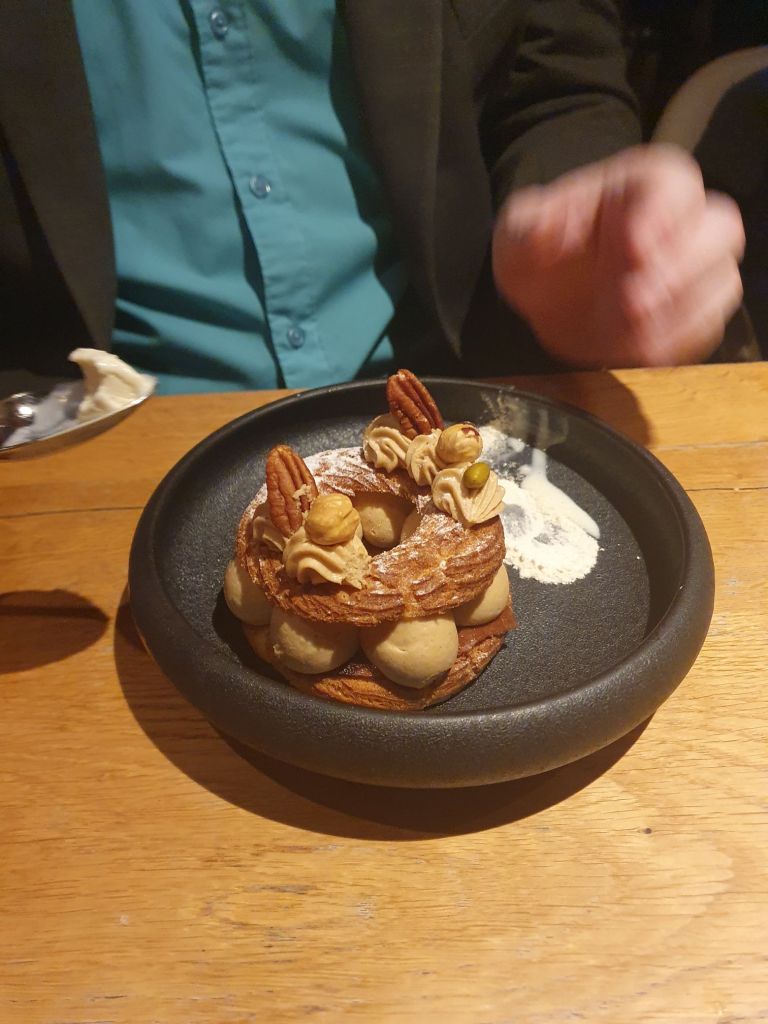
I recognize that dessert! It’s a mini Paris-Brest cake! (I wrote a Travel-Inspired Baking post about them.)
Sign me up for that free wine tasting. I had to laugh that the old wine tastes like straw. My rabbit would love it. She eats hay, not straw, but I imagine the flavor notes are similar. 😉
I also had to laugh that they “didn’t have time” to complete the second spire. They had 400 years, for crying out loud! 😂
LikeLiked by 1 person
I recognize that dessert! It’s a mini Paris-Brest cake! (I wrote a Travel-Inspired Baking post about them.)
Sign me up for that free wine tasting. I had to laugh that the old one tastes like straw. My rabbit would love it!
I also had to laugh that they “didn’t have time” to build the second spire. They had 400 years, for crying out loud! 😂
LikeLike