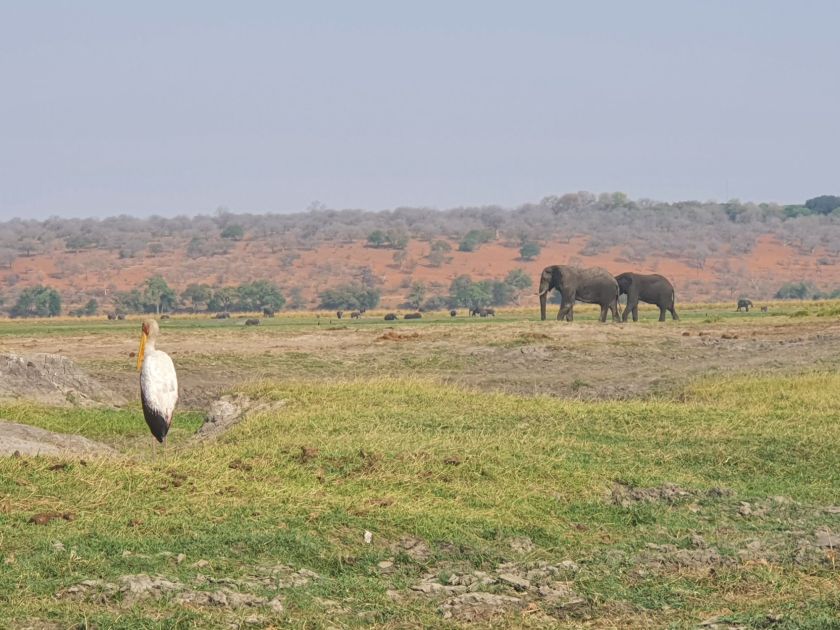
Where and when: Chobe National Park, Botswana, September 2025
Sunrise Safari at Chobe National Park
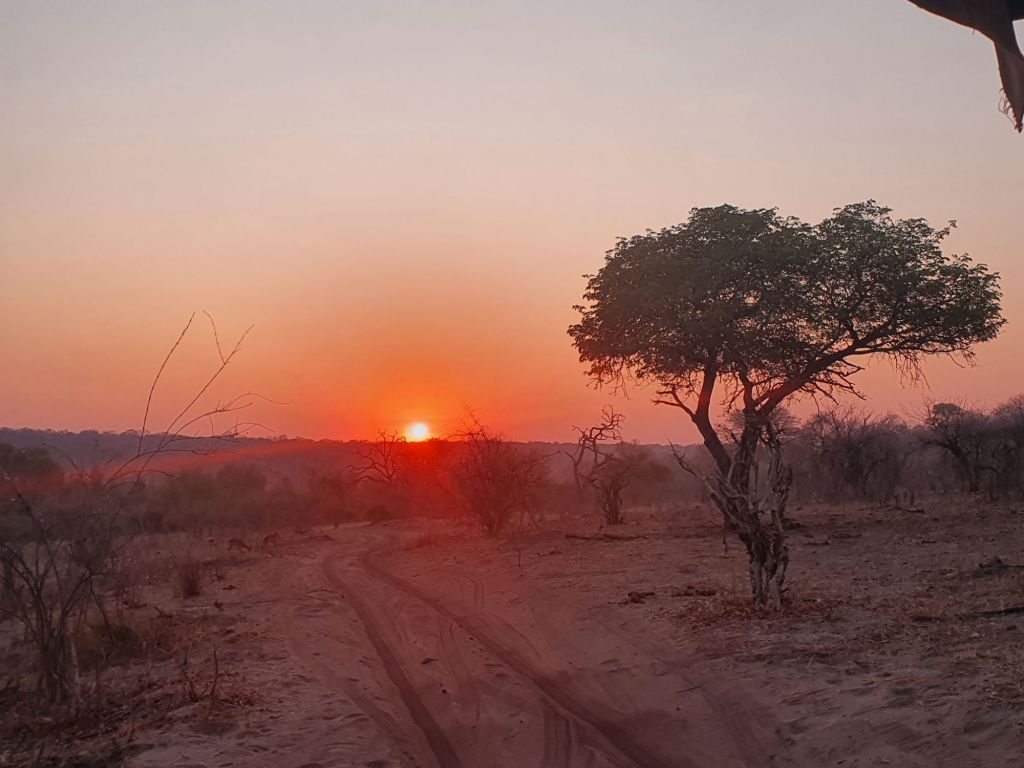
0545: It’s an early start, still dark as we leave the hotel. By the time we reach the park gates, the sun is just beginning to rise, slowly washing the landscape in soft golden light.
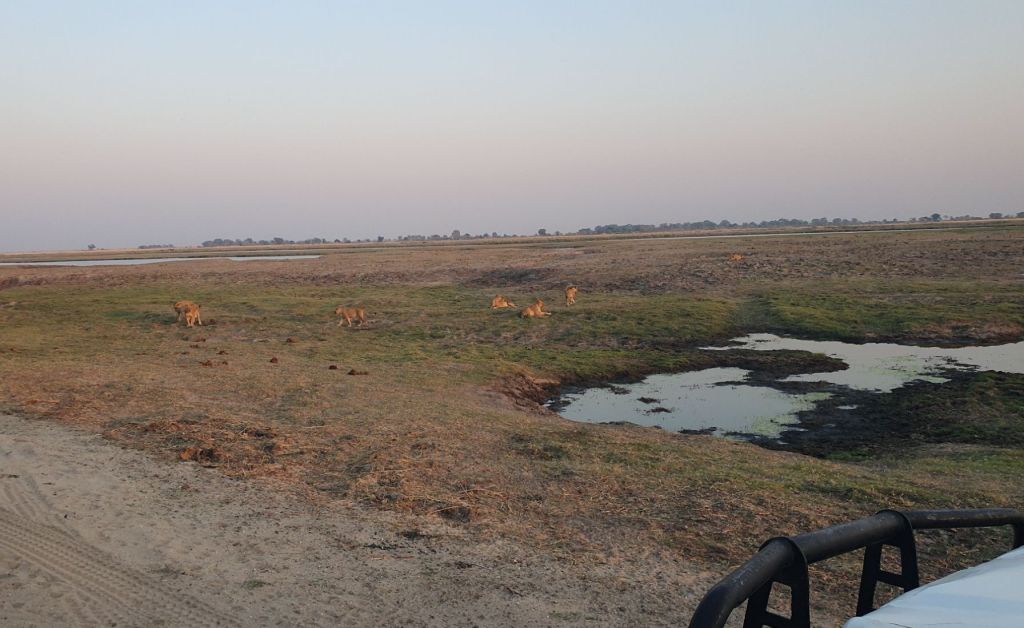
Our first stop is by the river, and to my surprise, the pride of lions we saw yesterday is still here. This morning, though, they feel different — more awake, more playful.
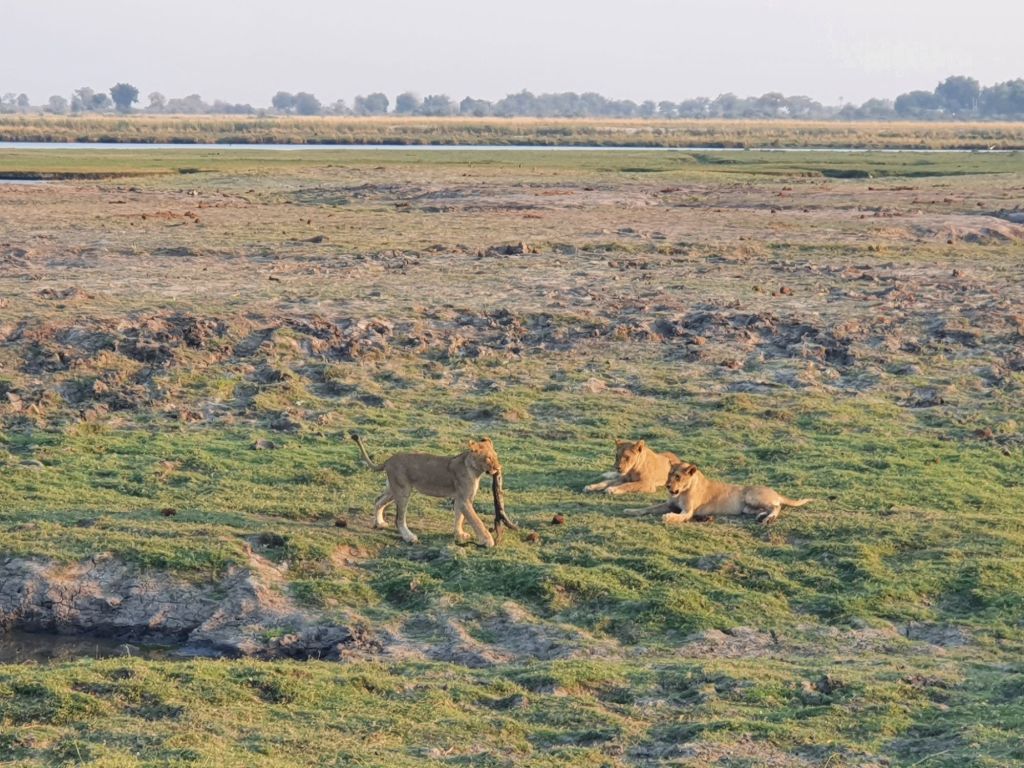
Cubs tumble over one another, adults stretch lazily, and the whole scene feels oddly domestic for such powerful animals.
We aren’t alone. Far from it. There are around 50 or 60 jeeps gathered along the riverbank, each carrying eight to ten people. That’s several hundred humans watching a dozen lions go about their morning. This is the part of safari that always leaves me conflicted. I can’t help wondering how much our presence disturbs the animals.
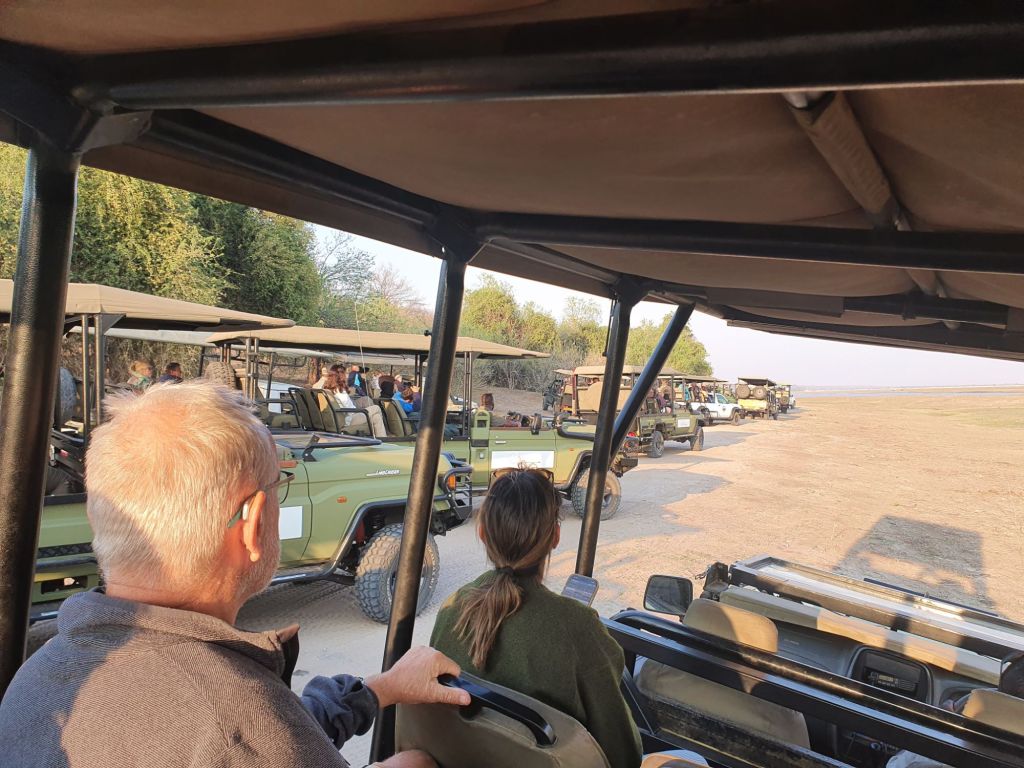
For what it’s worth, the lions don’t seem bothered at all. They lounge by the riverbank with no urgency to leave, and one or two even stroll very close to the line of jeeps, weaving casually between them. According to our guide, many of the lions — and other animals — grow up around vehicles and come to see them as just another part of their habitat.
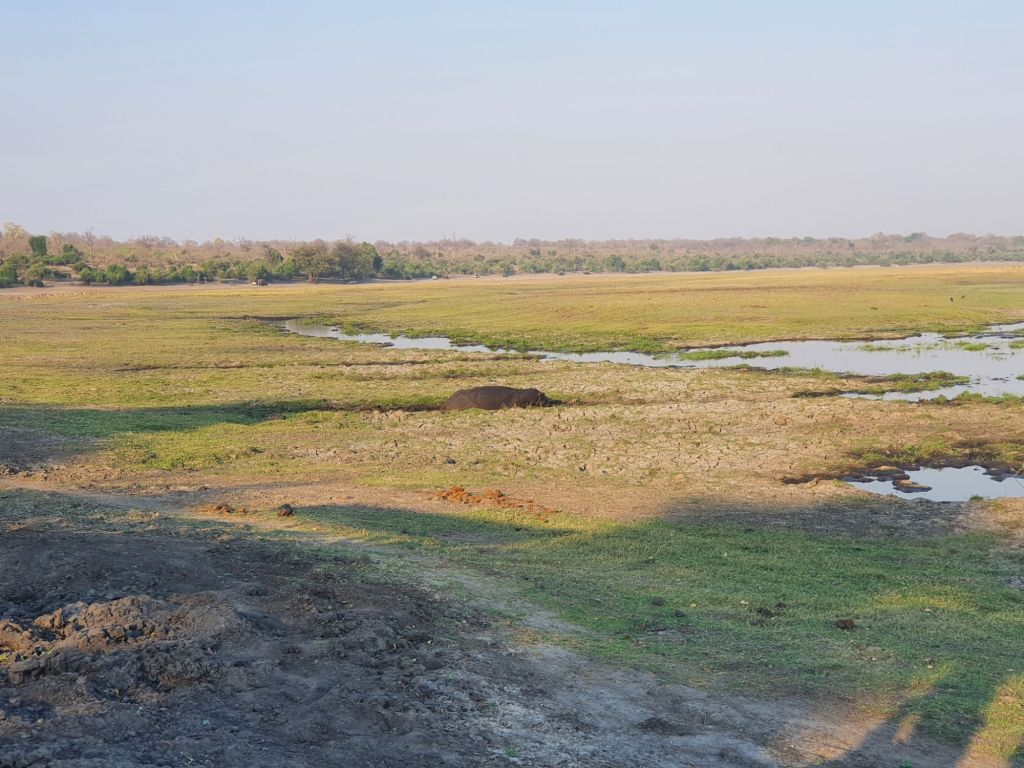
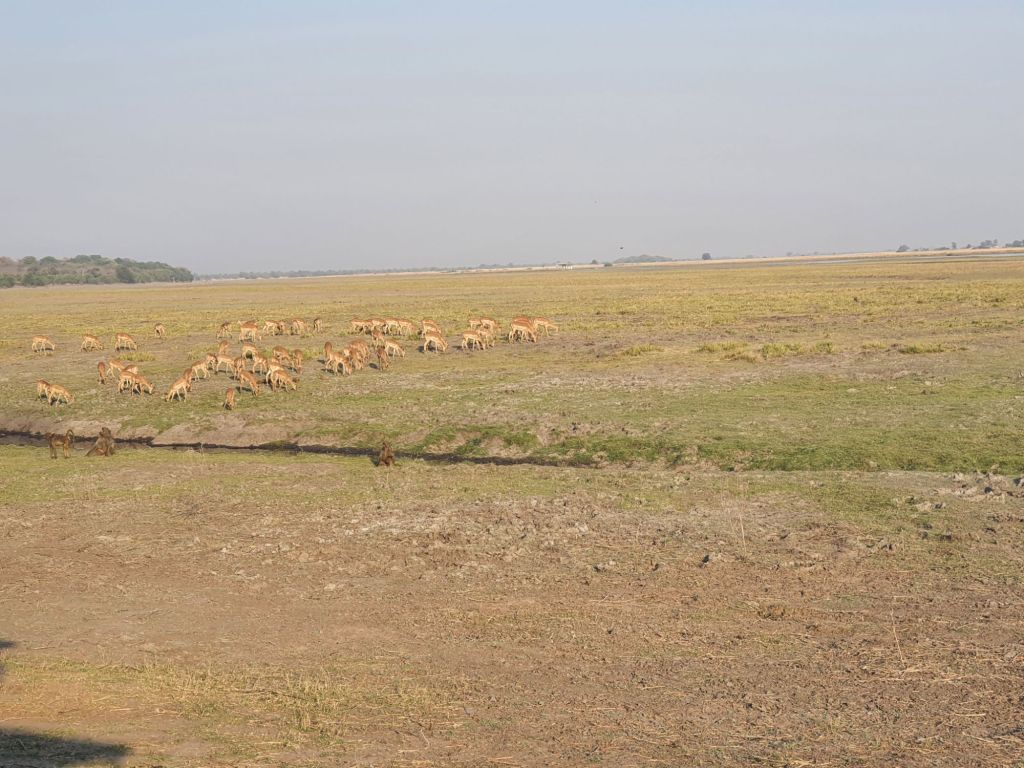
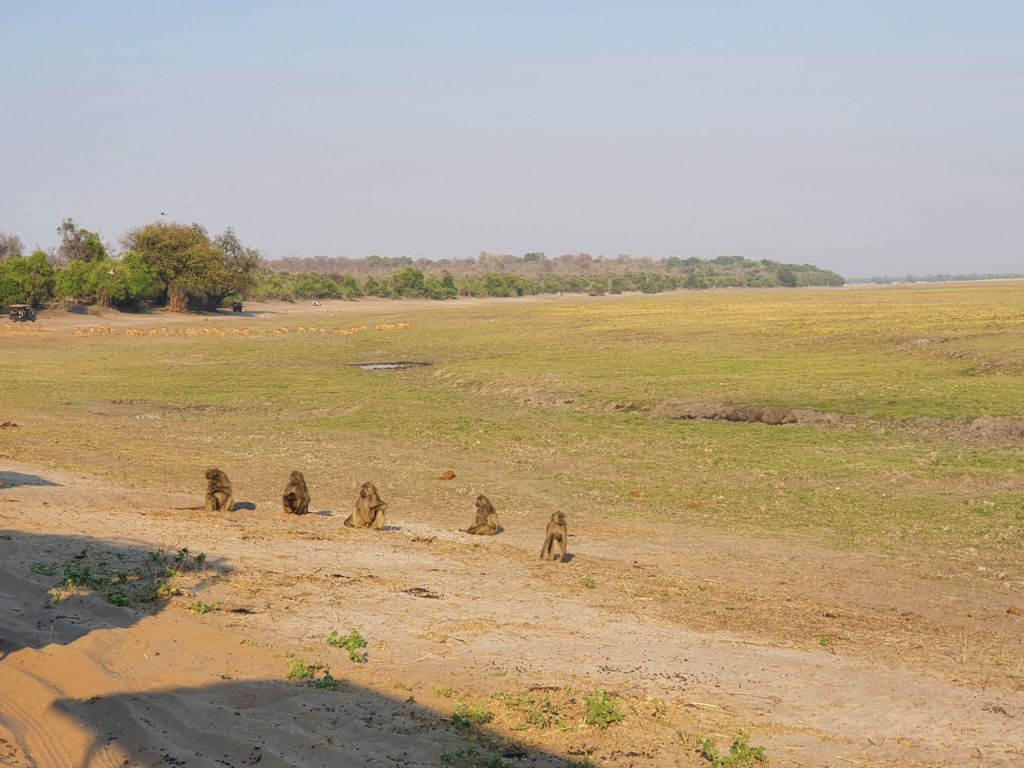
As we move on we drive past a hippo submerged in the water, a large herd of impalas, and a noisy family of baboons.
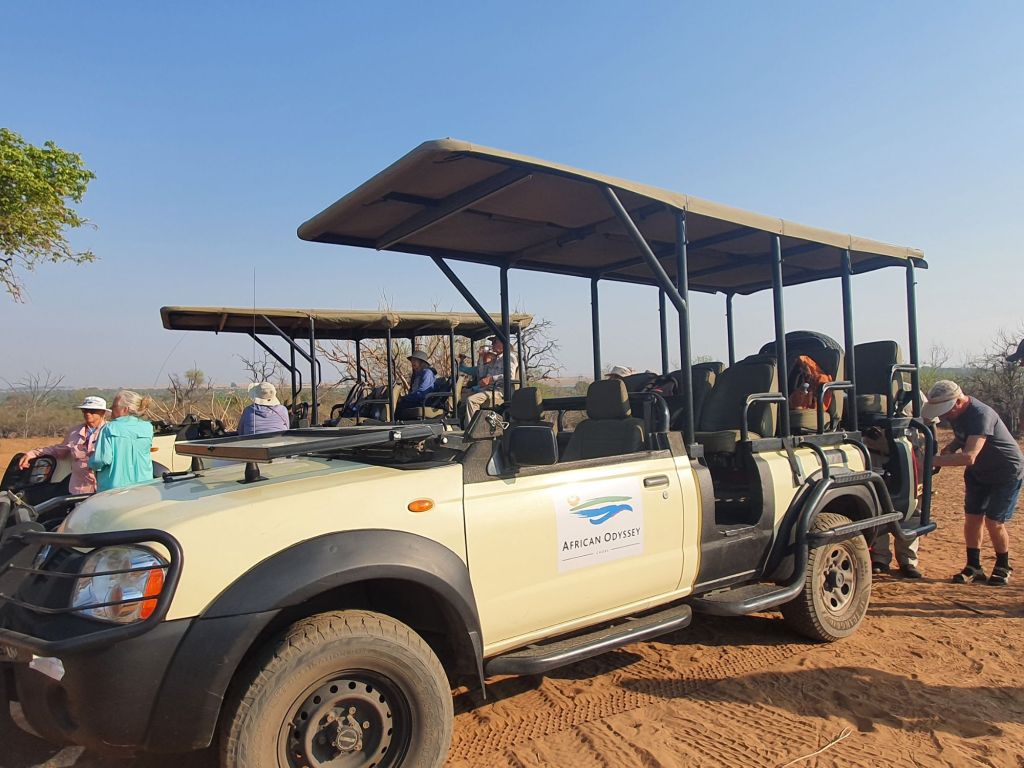
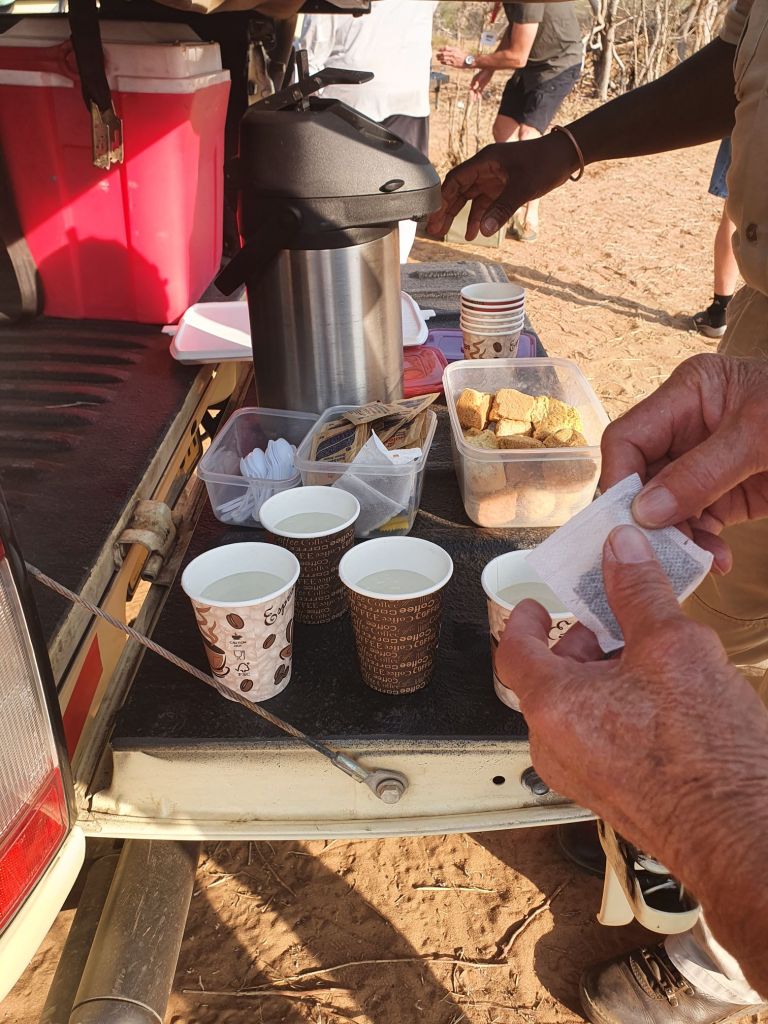
After a short break for morning tea, we continue deeper into the park.
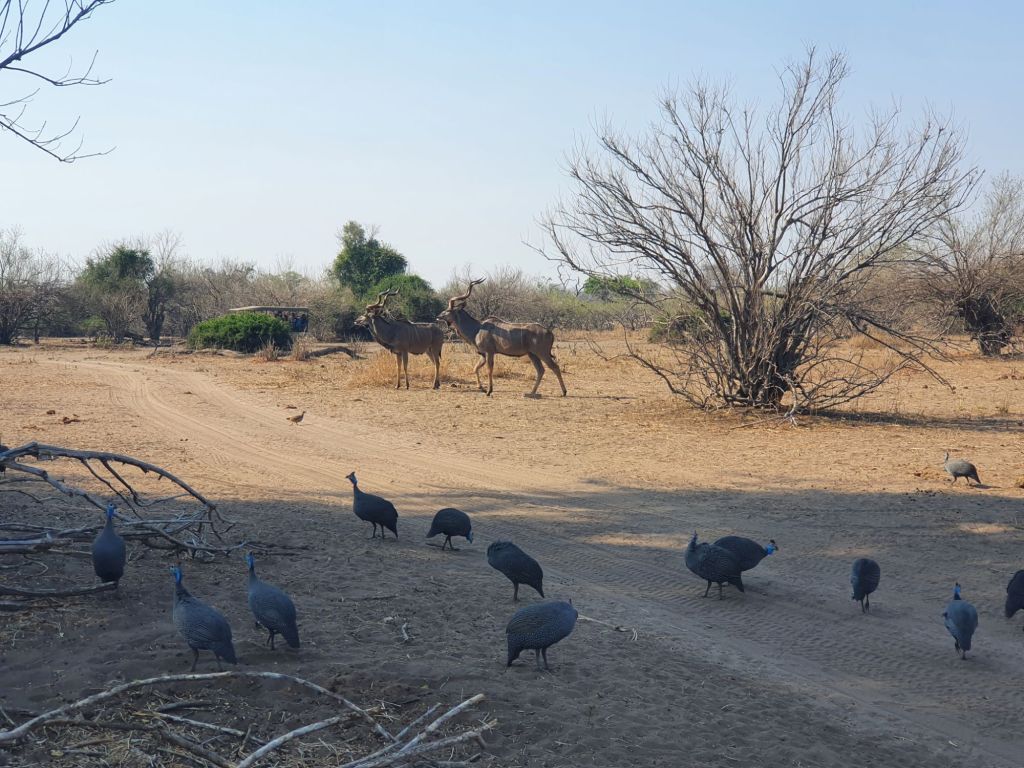
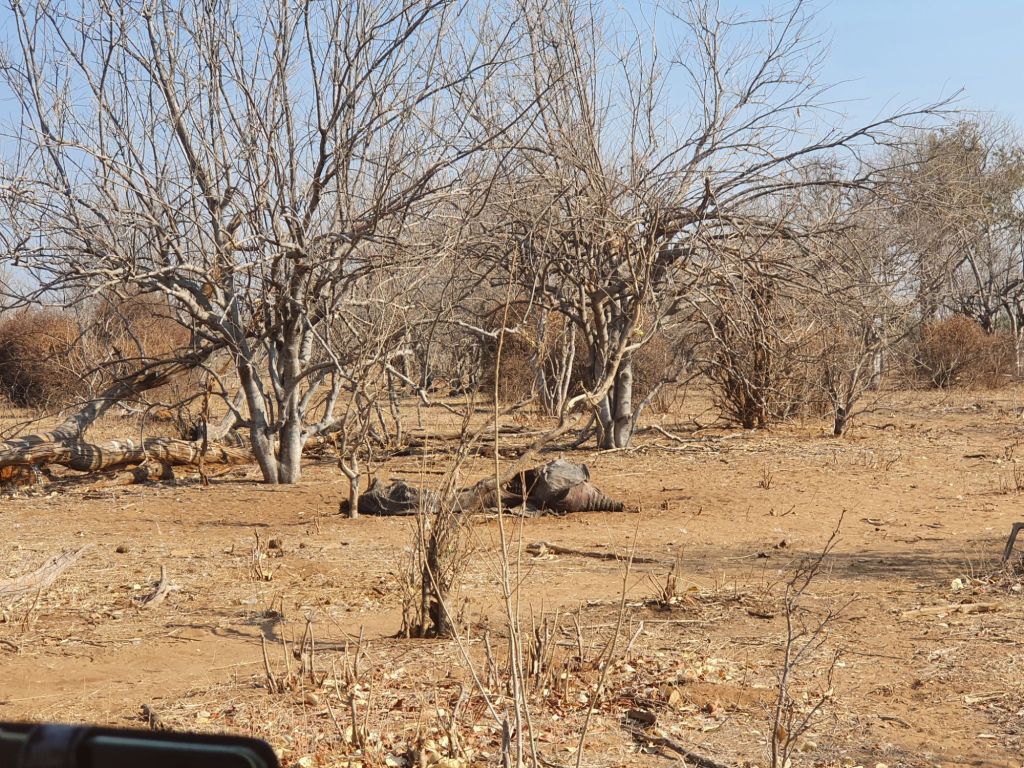
We see guinea fowl scuttling through the bush, a few kudus, and even the carcass of an elephant — a stark reminder of the circle of life that plays out here every day.
Still no leopards. Our guide tells us that leopard sightings are rare here — despite doing two game drives every day, they might only see a leopard once a month. There is also a family of cheetahs in the park, but sightings of them are even rarer, perhaps once a year.
As the sun climbs higher, though, animal sightings become fewer. Overall, I think we actually saw more animals during yesterday’s afternoon safari.
0900: We return to the hotel in time for breakfast, grateful for coffee and a chance to rest after the early start.
1000: With a few hours free before the afternoon river safari, I decide to explore the local shops and stop for lunch at Nando’s. It’s a familiar name from the UK, but I hadn’t realised that Nando’s actually started in South Africa. As a result, it’s popular throughout southern Africa — they even have drive-through Nando’s here.
Afternoon River Safari at Chobe National Park
1430: In the afternoon, it’s time for the river safari. We board a small boat that seats about 14 people. It’s compact, fast, and agile, able to get much closer to wildlife than the larger cruise boats.
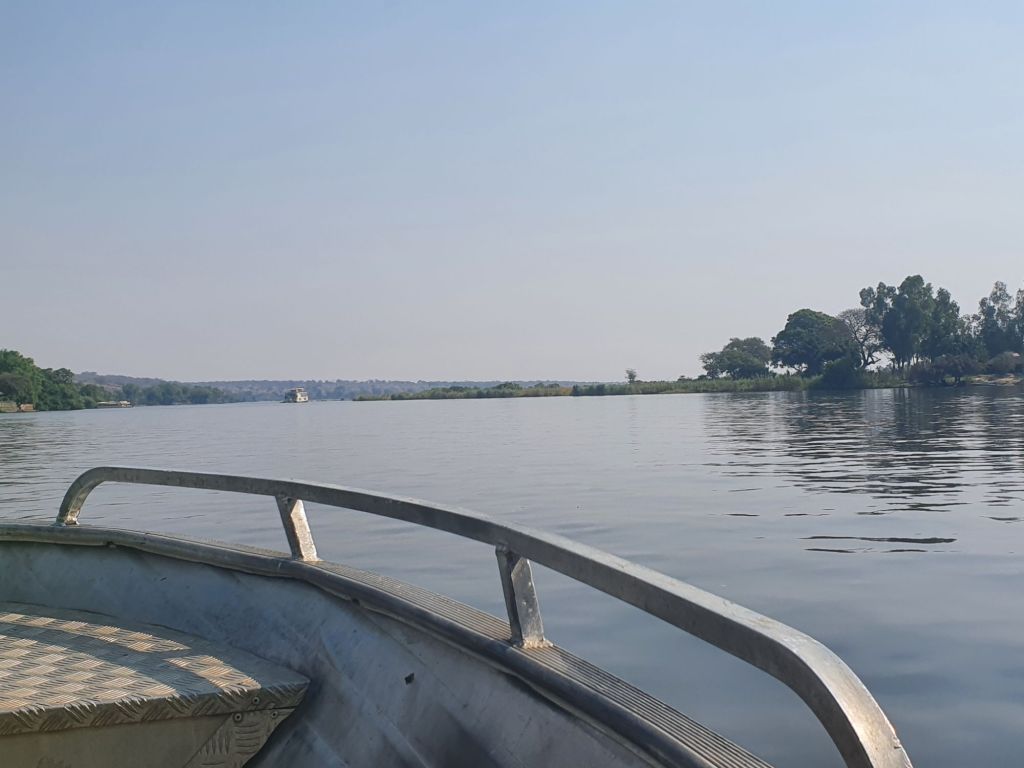
We head down the river into Chobe National Park.
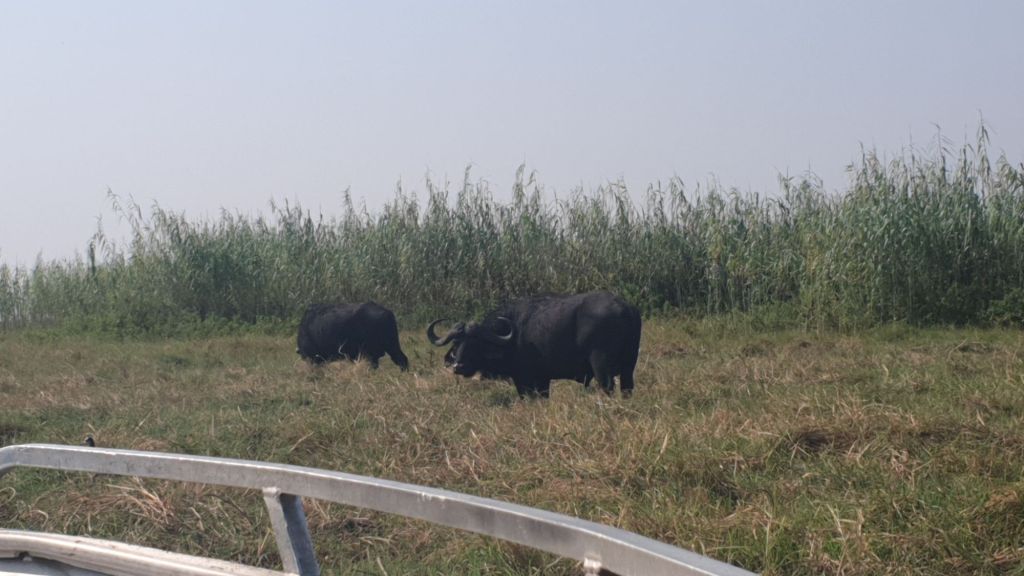
Our first sighting is a group of water buffalo up close — until now, we’d only seen them from the air during our flight over the Okavango Delta. Seeing them at water level feels far more intense.
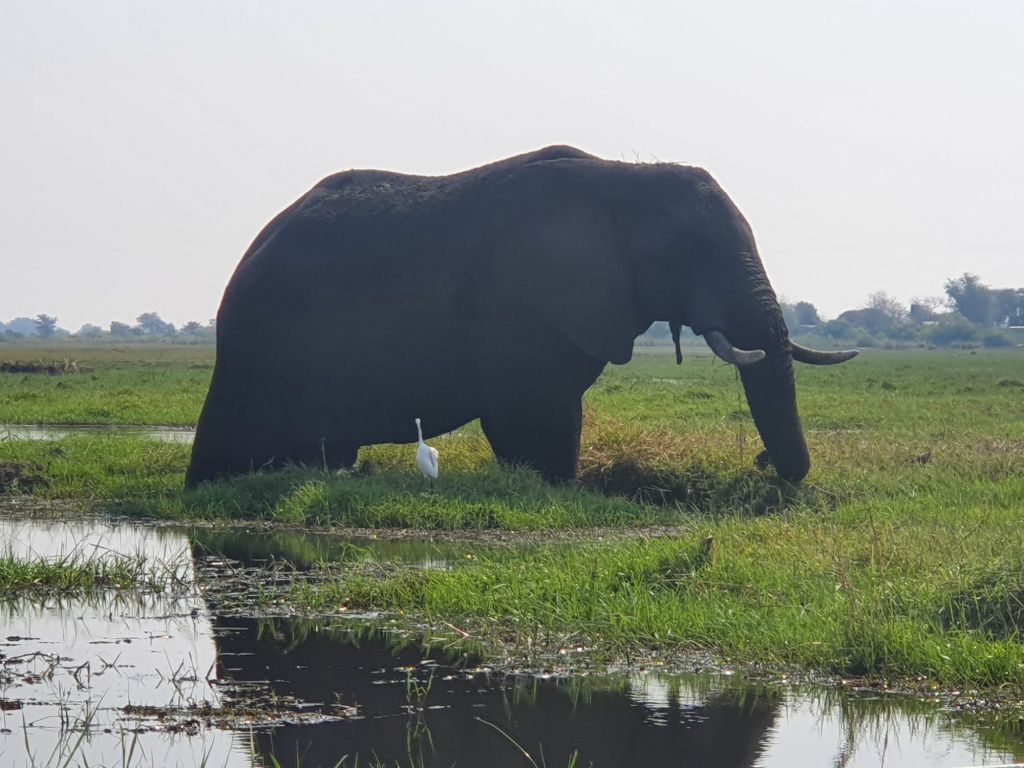
We pass a lone elephant on the riverbank, birds lingering nearby, hoping to scavenge from trampled vegetation.
More hippos appear, and one lets out an impressive roar that echoes across the water.
We drift past houseboats and soon reach one of the most remarkable sights of the day: elephant families waiting to cross the river.
During the dry season, when much of the surrounding land is parched, elephants cross to an island each morning to forage on its lush grass. In the afternoon, they all make the return journey. Watching this unfold is extraordinary.
The elephants cross in family groups, each group waiting patiently for their turn. The water in the middle of the river is deep, yet they float with surprising ease — elephants are excellent swimmers. The younger ones cling to their mothers’ tails as they paddle across.
We even see a couple of teenage elephants playing in the water, splashing and pushing one another before continuing their tussle on land.
Once again, my earlier conflict resurfaces. The crossing area is crowded with boats. While most sit quietly and observe, a few race up and down the river, creating waves. The elephants on the shore hesitate, stepping back slightly, but otherwise don’t seem too disturbed.
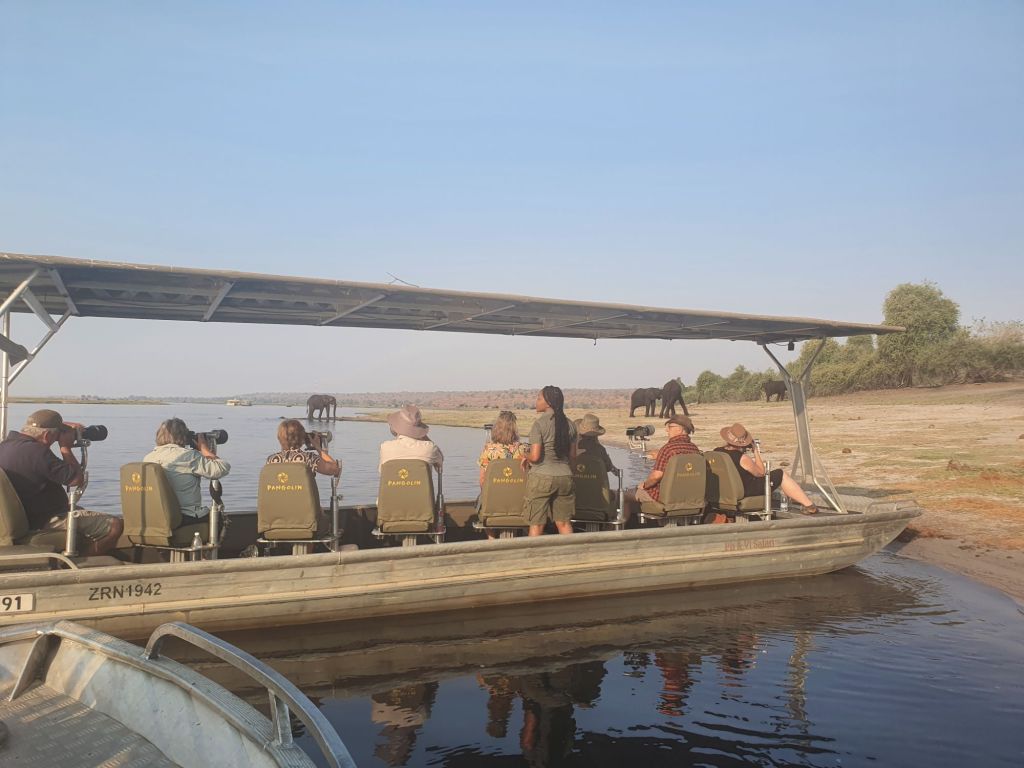
Something new catches my eye: a specialised pangolin photo boat. These boats carry around a dozen passengers seated on chairs that swivel 360 degrees, with telephoto lenses already mounted. Our guide explains that they’re part of a dedicated photography holiday.
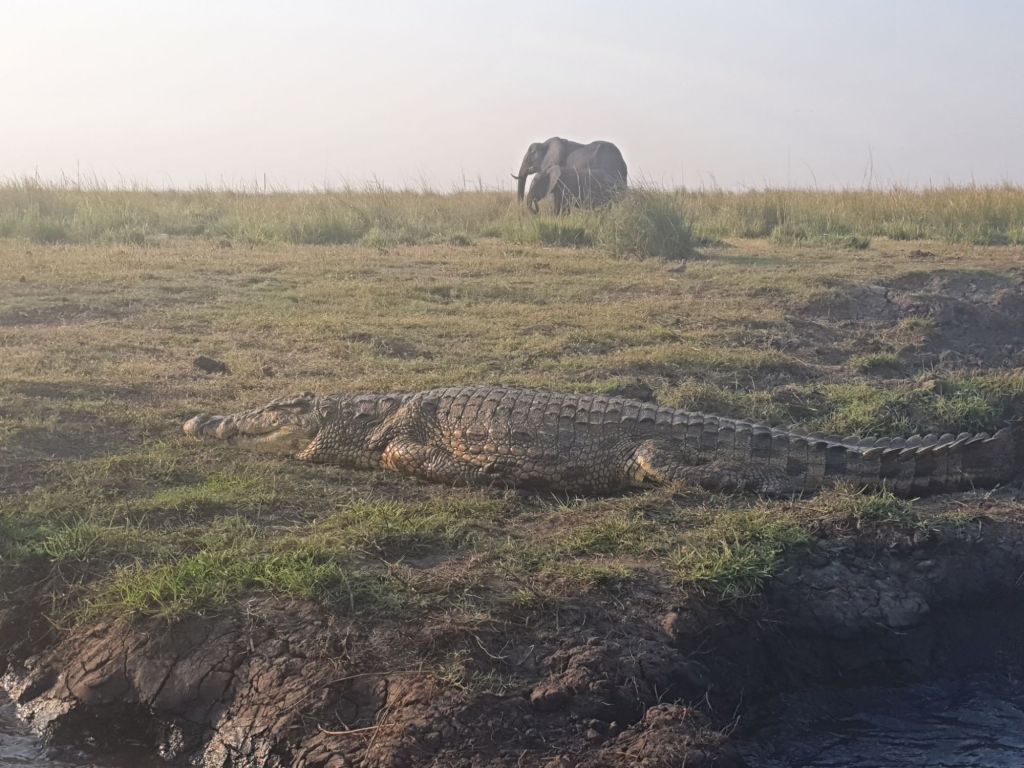
As we slowly head back upriver, our guide spots a crocodile fast asleep on the bank. He carefully brings us incredibly close — almost touching distance, but not quite. We watch the crocodile for nearly ten minutes. It barely moves, giving no sign it’s aware of us except for the slow opening and closing of one eye.
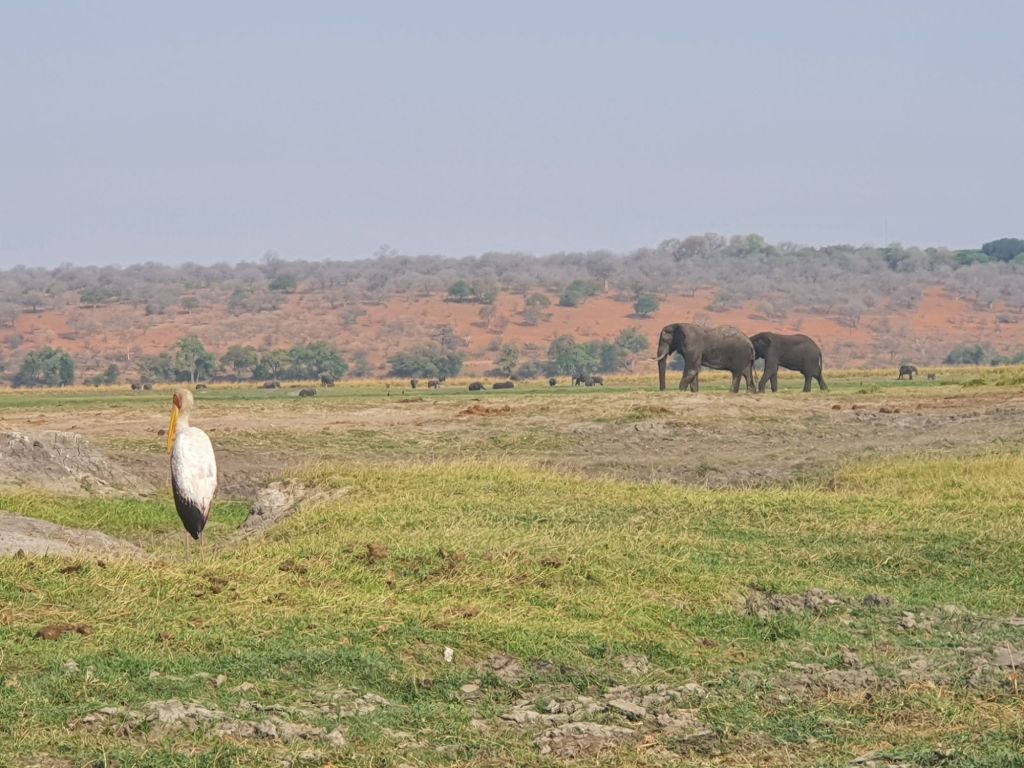
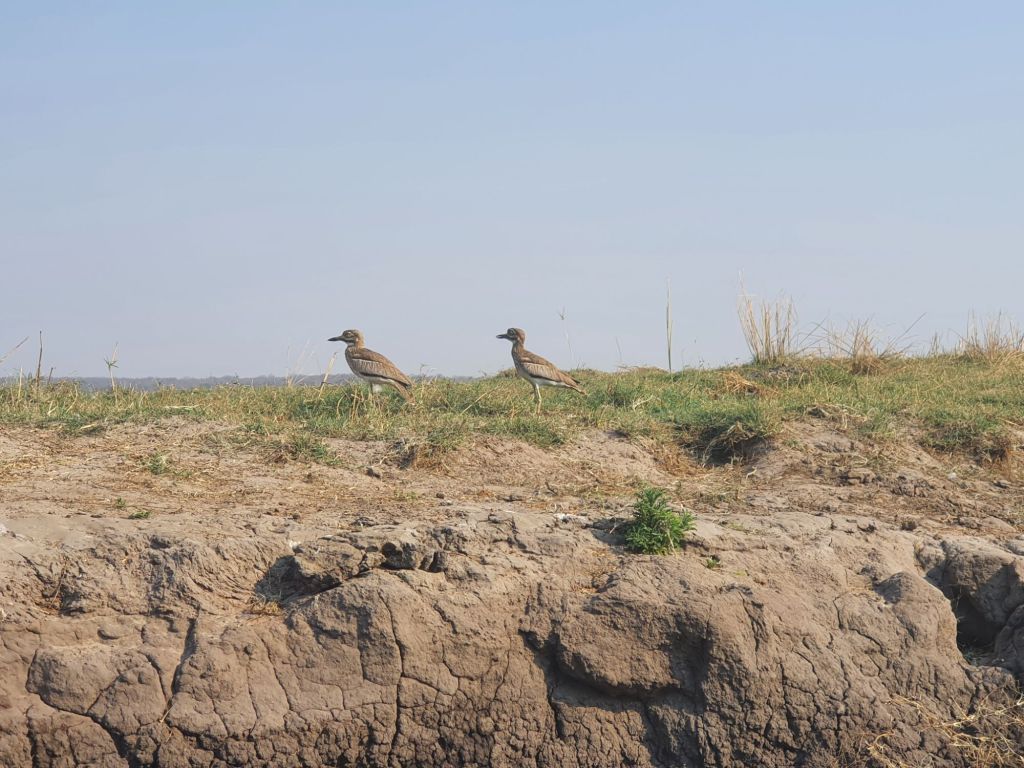
There are many birds on the shores as the boat speeds past.
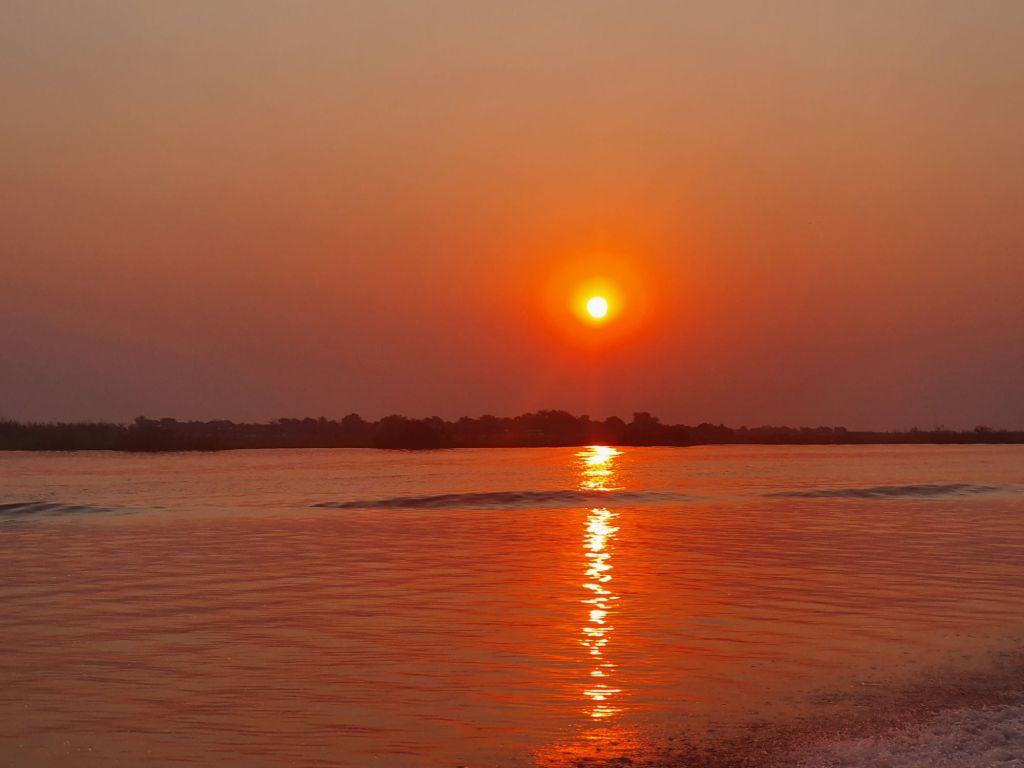
1800: We head back just in time to see a beautiful sunset over the river. Not quite as spectacular as the Okavango Delta, but beautiful nonetheless.
We have done 3 safaris in Chobe – one afternoon game drive, one morning game drive, and one afternoon river safari. The afternoon excursions provided more animal sightings compared to the morning excursion.
It has been 2 unforgettable days at Chobe National Park. We have seen more animals in the last one and a half days than the whole of the rest of the trip put together.
Tomorrow is the last day of the trip. By this point, I thought I’d seen all the animals I was going to see on the trip, but Africa had one more surprise in store for me. More on that on the next post.
 Diary of a Tourist