
Trip Itinerary
- Day 1: Arrive in Lima, and explore Miraflores
- Day 2: Half a day city tour of Lima, explore Miraflores, Huaca Pullaca archelogical site and the sea front
- Day 3: Fly to Cusco, half a day city tour of Cusco
- Day 4: Travel (car+train+bus) to Machu Picchu, tour of Machu Picchu and explore Aguas Calientes
- Day 5: Second (early morning) visit to Machu Picchu and return to Cusco
- Day 6: Travel from Cusco to Puno by train
- Day 7: Explore lake Titicaca, Uros Islands and Taquile Island
- Day 8: Travel to Colca Valley, exploring Chivay and Coparaque
- Day 9: Explore Colca Canyon and Condor Cross
- Day 10: Travel to Arequipa and return flight home
Trip Highlights
Huaca Pucllana
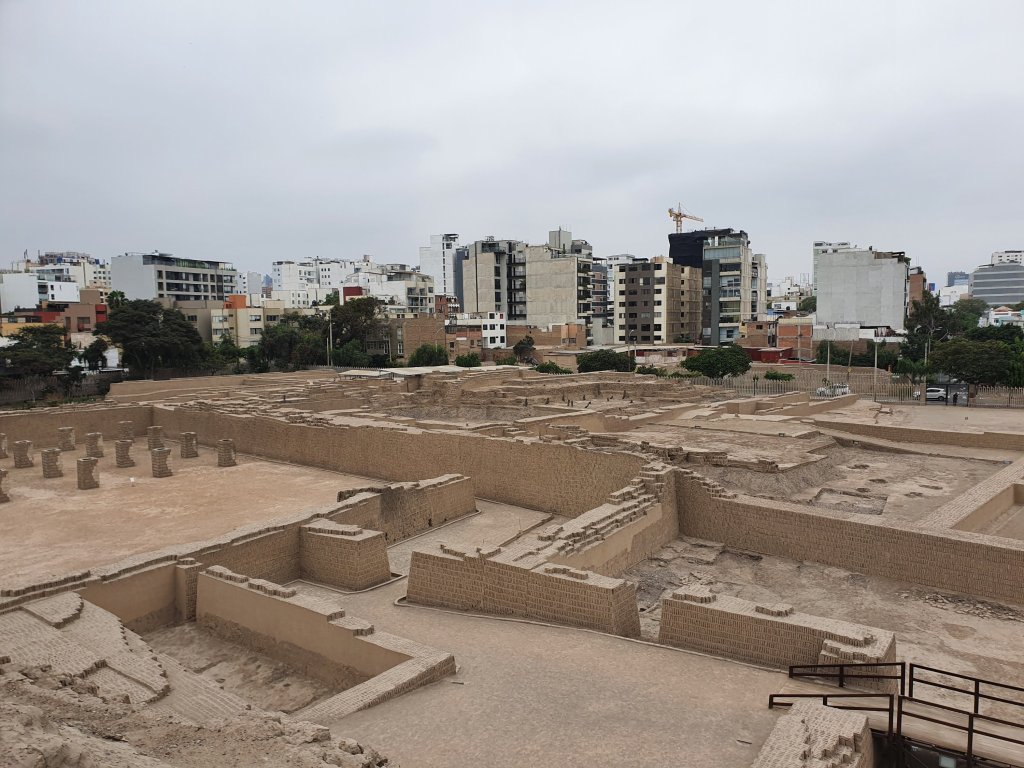
This site is a pre-Inca archelogical site located right in the heart of Miraflores, Lima. It is thought to be a ceremonial site used by many pre-inca civilisations and thought to date back at least to 2nd century BC. The size and structure of the site was impressive, given it’s age. Visiting this site opened our eyes to the pre-Incan history of Peru.
Saqsaywaman
For me, this is the most impressive archaeological site we saw in Peru (and yes, that is, including Machu Picchu). This is a huge former fortress located on the outskirts of Cusco at an altitude of 3570m.
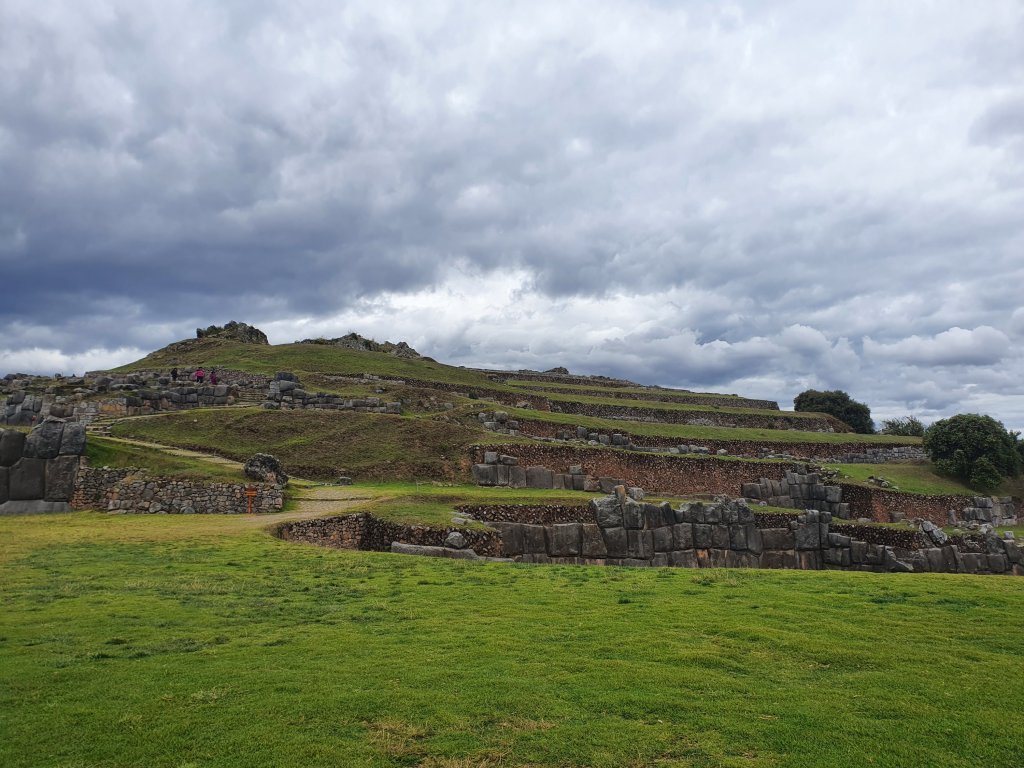
The buildings are made of enormous walls arranged in a zig zag pattern and made of stones each weighing up to 300 tones. No motar was used in the building of the structure and the stones were joined together using tongue and groove techniques and iron links. The site was also home to tall observatory towers that the Incas used to observe the sun and the stars, to set dates for their calendar.
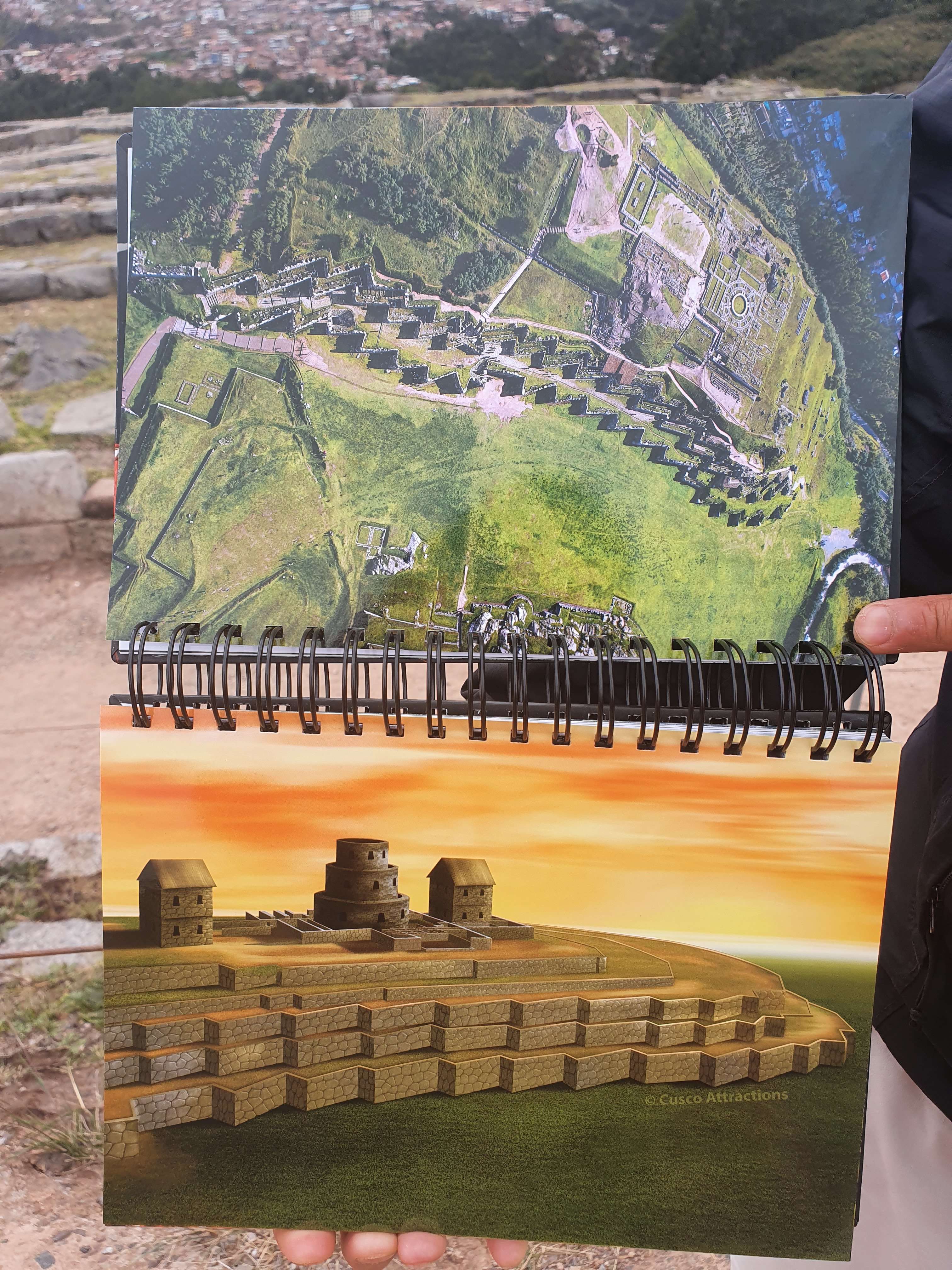
Only the foundation of the towers and other buildings remain, as the site was demolished and stones were reused by Spaniards to build colonial Cusco. Read more here.

Machu Picchu
Perhaps one of the most well known ancient sites in the world, Machu Picchu needs no introduction. It is a 14th century citadel set atop the mountain Machu Picchu.

Machu Picchu is thought to have been built in the time of Sapa Inca (meaning “Emperor”) Pachacuti. Construction is thought to have taken about 70 years. The site was abandoned following the Spanish invasion of Peru and remained hidden till the early 20th century. It was re-discovered by US archaeologist Hiram Bingham in 1910 (about 90 years after Peru’s independence from Spain) when he was looking for the lost Inca city of Vilcabamba. Reason why it was built is not known. Read more here and here

Cusco to Puno with PeruRail Titicaca
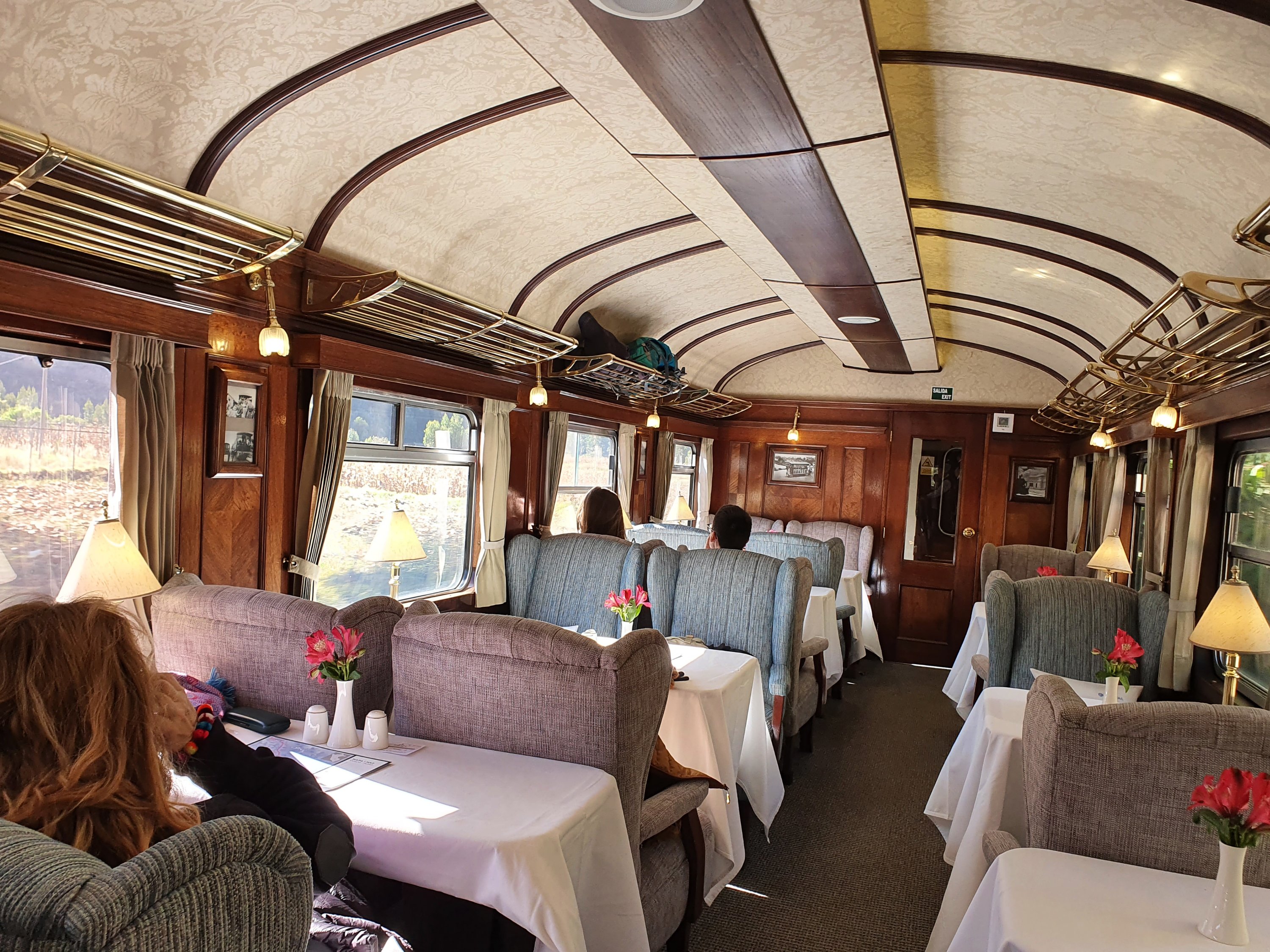
To me, this was one of the most enjoyable days on the trip. It was a 10 hour journey from Cusco to Puno, across Peru’s high altitude plains.
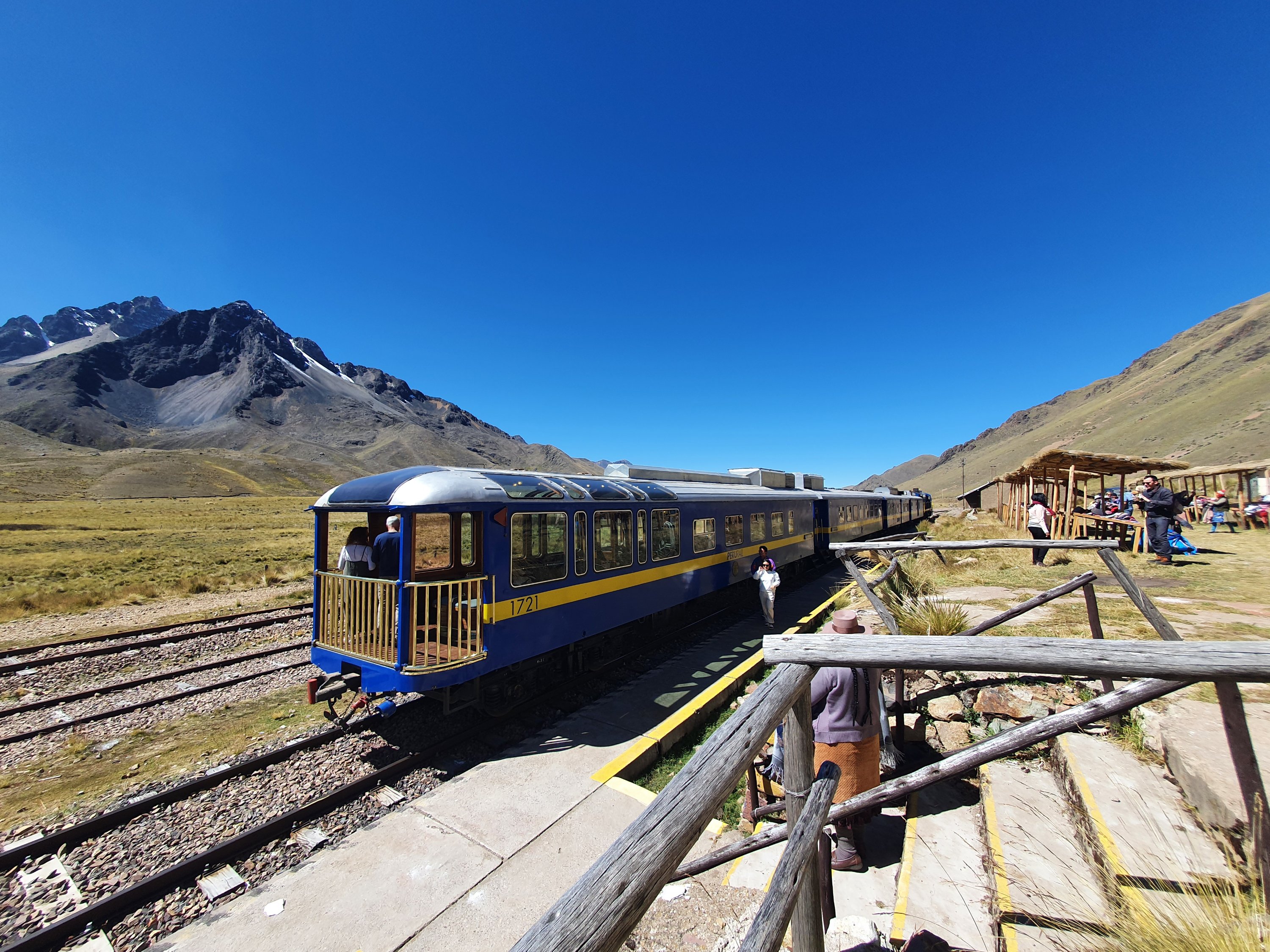
The train was decorated similar to the British Pullman trains, was luxurious and had great food, entertainment and superb service. Read more here.


Exploring Lake Titicaca, Uros Islands and Taquile Island
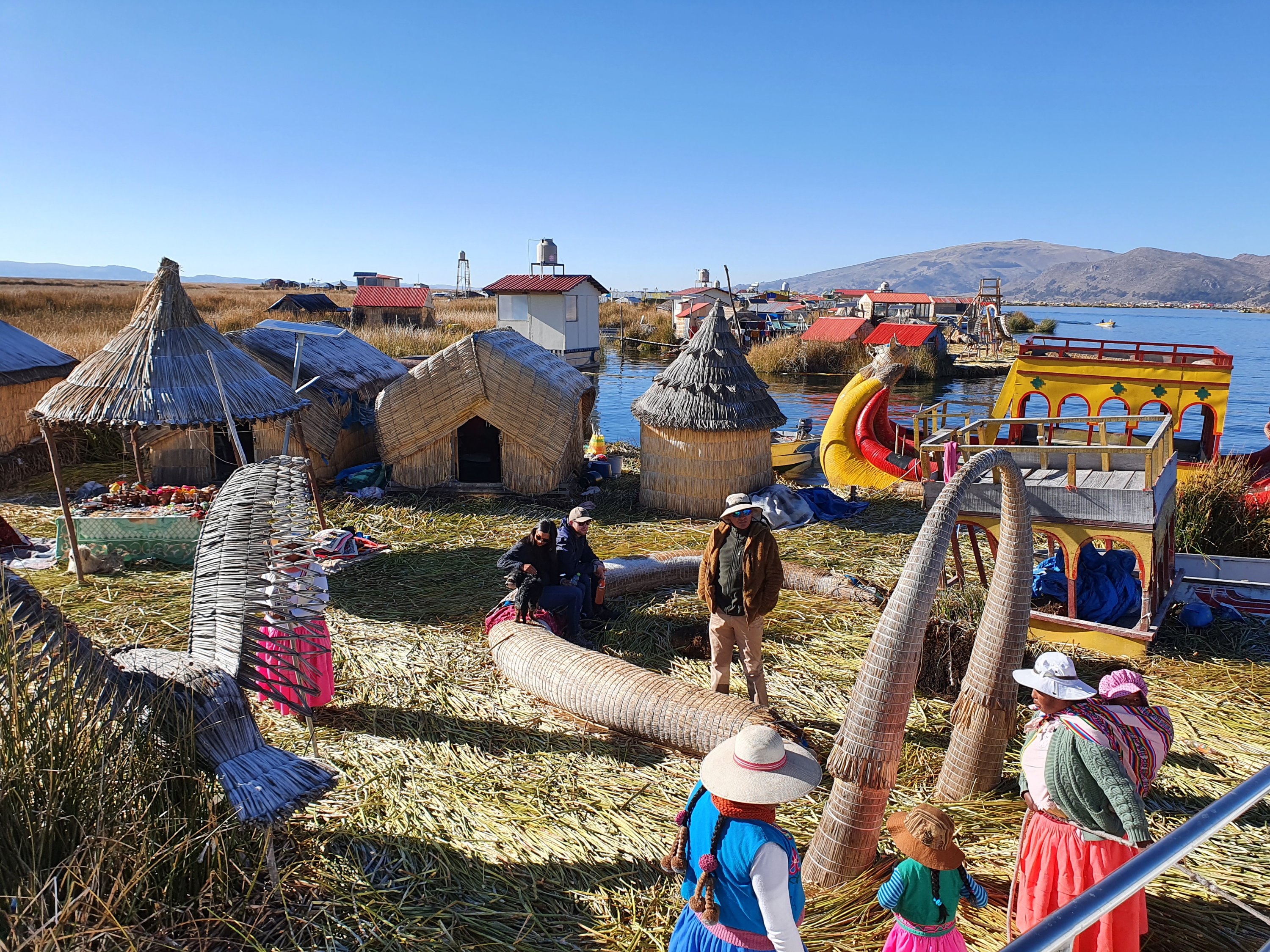
At 4000m altitude, lake Titicaca is the highest navigable lake in the World. The lake lies between Peru and Bolivia.

It is home to the famous man-made reed islands, inhabited by the Uros people. Uros people used to live on the edge of the lake, but moved on to reed islands many centuries ago to protect themselves from enemies. On the island we were able to learn how the islands are made and maintained, the traditions and customs of the Uros people and their daily lives.
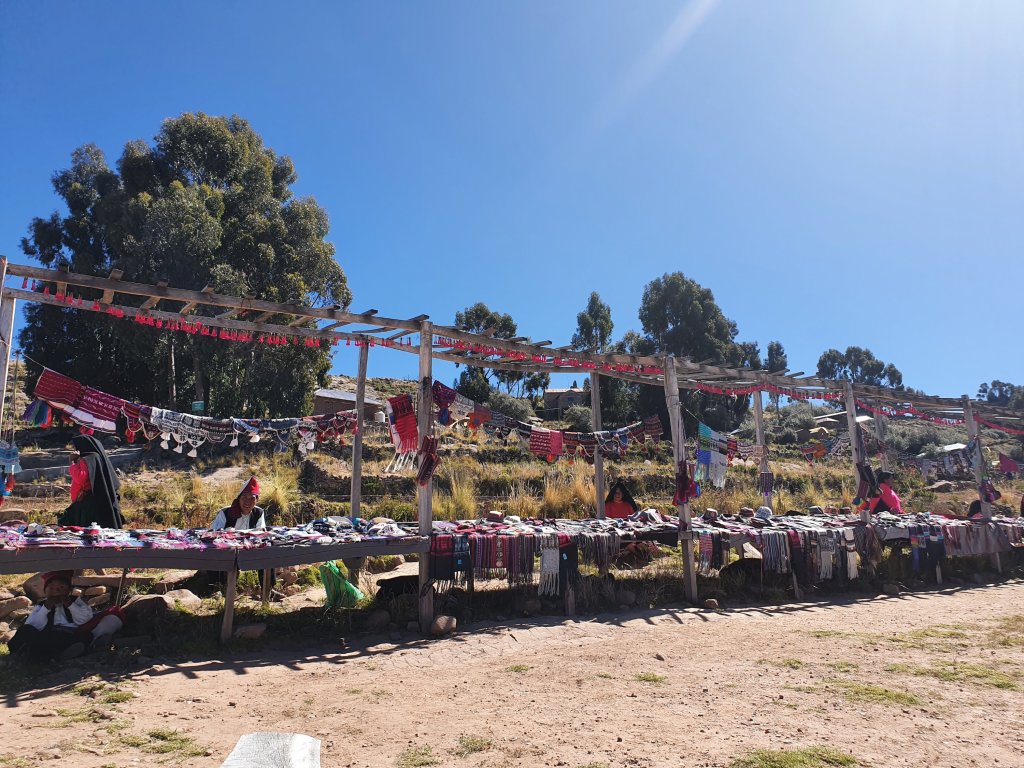
Whereas the Uros islands are located close to Puno on the clam and shallow waters, Taquile island is located in the open waters of Titicaca close to the border with Bolivia.

The island and its culture and handicrafts have been declared as a World heritage site by UNESCO. Men and women specialising in different types of handicrafts unique to Taquile island. Read more here.
Colca Canyon, Condor Cross and Hot Springs
We spent the last two days of the trip in the Colca valley, part of which is the Colca Canyon.
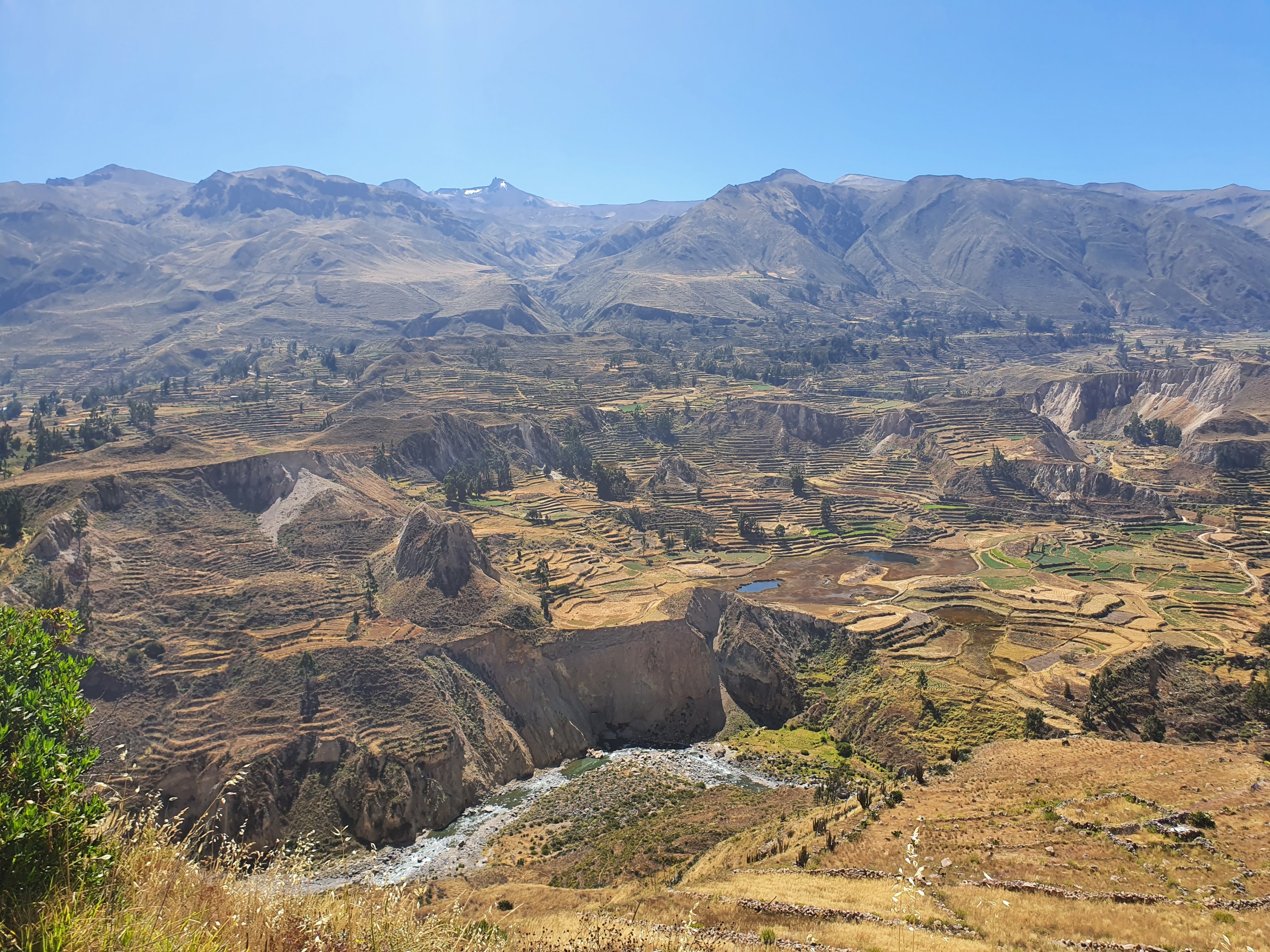
The Colca Canyon is the second deepest canyon in the world. The canyon is about 68 miles long, with the deepest point being about 4km.

This area ia a hive of geological activity, with a number of active volcanoes. We got to experience this first hand in the form of a 5.5 magnitude earthquake in the middle of the night!

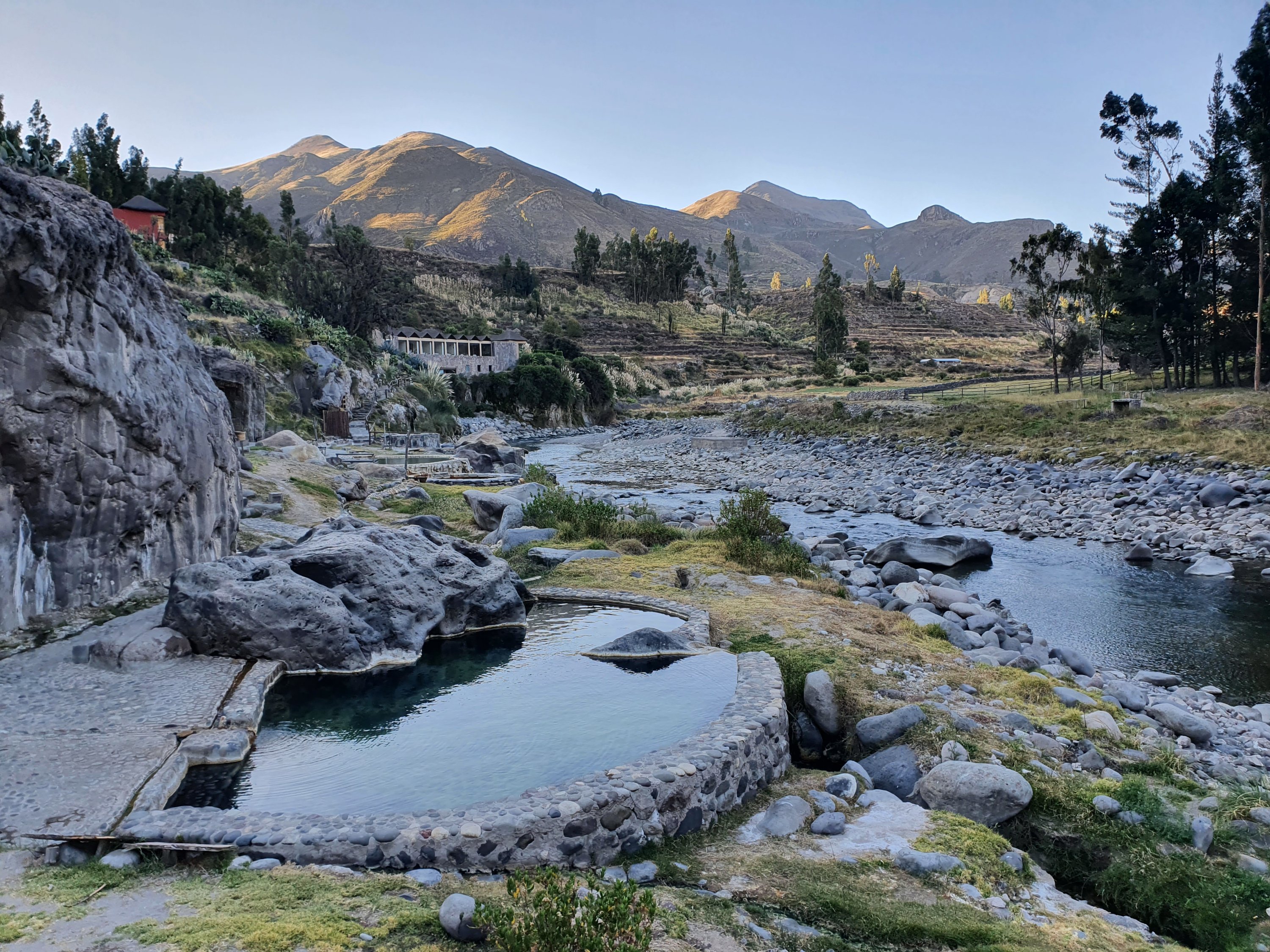
One of my favourite parts of the two days was enjoying the hot springs at Colca Lodge. Read more here and here.
So, those are my highlights from our 10 days in Peru. Of course, there is so much more Peru and many more places to visit. Stay tuned for the next post to find out what I would see on a future visit and what I would do differently.
Have you been to Peru? Perhaps you are planning to visit? What are your highlights to visit?


Thanks for writing this very informative blog. We find it very useful for planning our trip to Peru next month. Please let us know which travel agency was engaged by you and their charges.
LikeLiked by 1 person
Thank you. I hope you have a great trip. I travelled with https://www.thelatinamericatravelcompany.com/
LikeLike