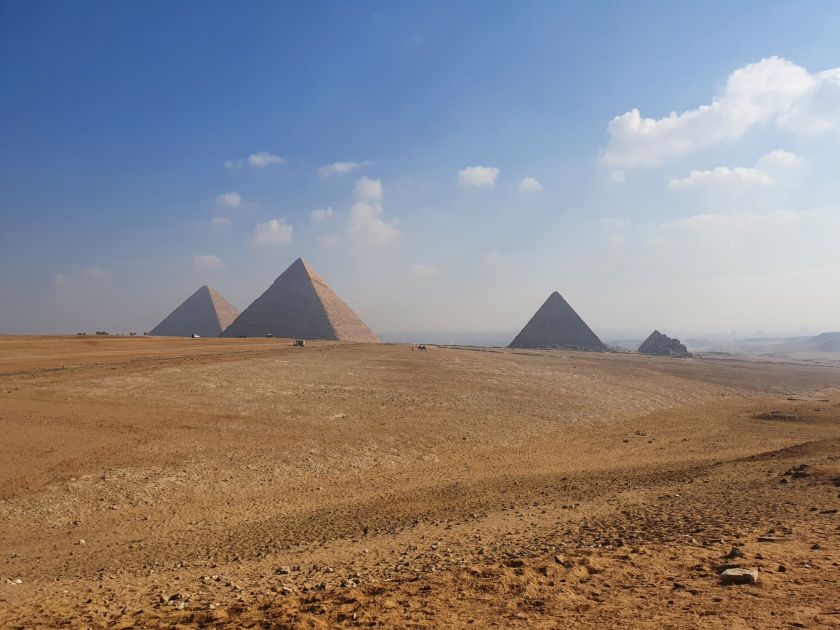
A trip to Egypt has been on my bucket list for as long I can remember; and earlier this month we did a 1-week tour of Egypt with Intrepid Travel.

I will do some detail posts in the coming weeks, but to start off, here are the trip itinerary and my personal highlights.
Trip Itinerary
- Day 1: Arrive in Cairo and settle into the hotel.
- Day 2: Visit the Pyramids of Giza, Egyptian Museum and board the overnight sleeper train to Luxor.
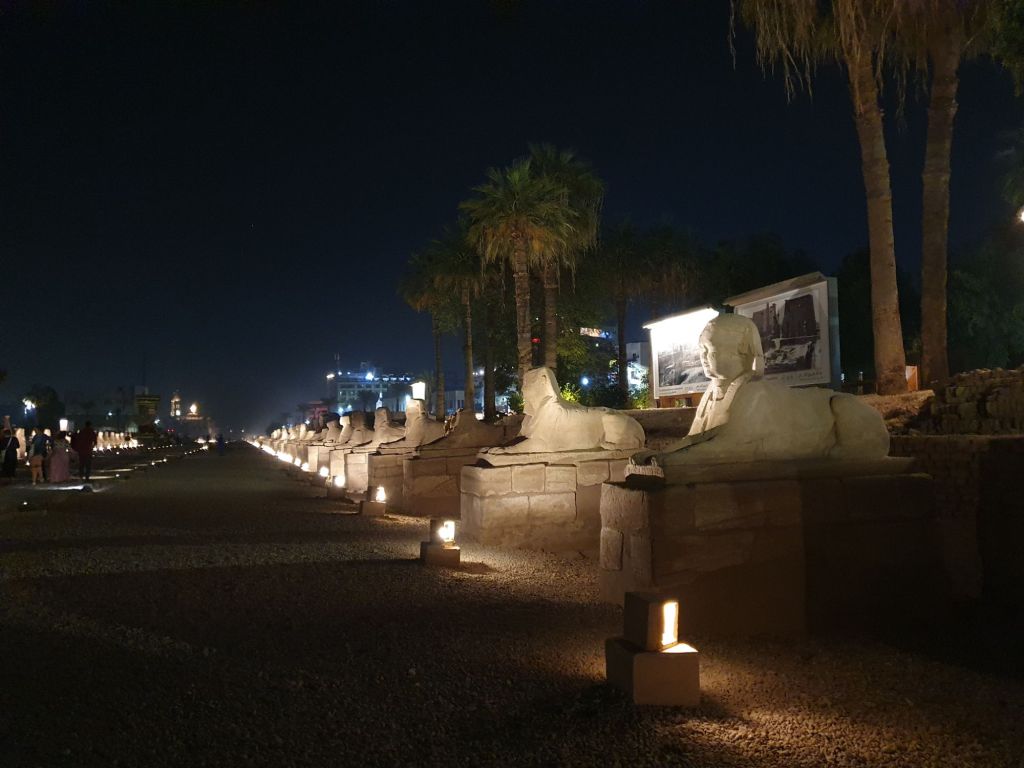
- Day 3: Sunrise visit to Karnak Temple, settle into the Nile cruise, evening visit to Luxor Temple and Avenue of the Sphinxes.
- Day 4: Hot air balloon ride over the Valley of Kings, visit to the Temple of Queen Hatshepsut, Valley of Kings, Tomb of Tutankhamun and Colossi of Memnon. Evening visit to Luxor Museum.
- Day 5: Day of cruising on the Nile and evening visit to Kom Ombo Temple.
- Day 6: Visit to Abu Simbel, High Dam of Aswan and afternoon tea at the Old Cataract Hotel in Aswan
- Day 7: Felucca ride on the Nile, flight back to Cairo, visit to Cairo Bazaar and local family dinner.

Trip Highlights
The Pyramids of Giza
We started our first full day in Egypt with a visit to the Great Pyramids of Giza and the Sphinx, built in 2600 BC. The plateau of Giza with the 3 large Pyramids is as impressive as you imagine them to be. The proportions of the Pyramids are truly amazing, especially considering they were built over 4000 years ago.
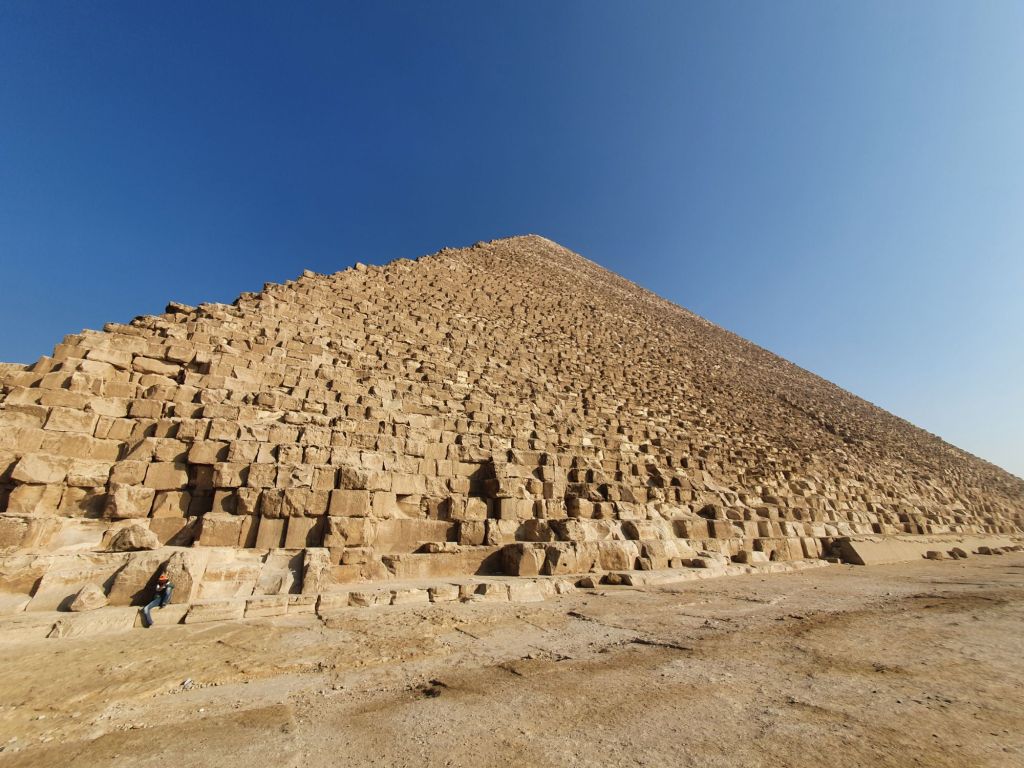
The largest of these, the Great Pyramid of Cheops is the only remaining Wonder of the Ancient World. It is 148m tall and held the record for the tallest structure in the World for 3800 years. We also got a chance to go inside this Pyramid.

Abu Simbel
This was one of my favourite days of the Egypt trip. We started off at 4.30 a.m. to visit Abu Simbel. The early start was worth it because not only is Abu Simbel an ancient engineering marvel, but a modern one too. It was originally a pair of temples with 20m statues at the entrance carved into the cliff face on the shores of the Nile. It was built by Ramses II around 1350BC.

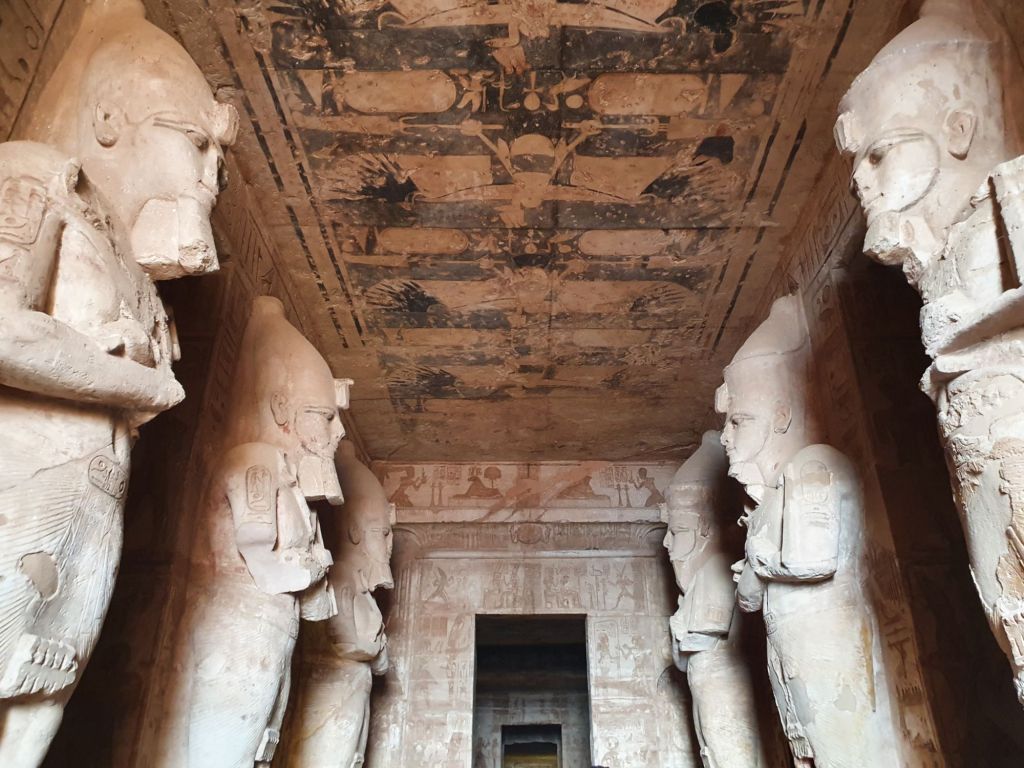
In the 1960s, building of the high dam of Aswan meant the water levels would rise and submerge the statues and the temples. Following a global effort, the statues and the temples were cut from their original location and moved further inland. To replicate the cliffs, artifical domes were built using steel and concrete and covered in rock and sand. The statues and temples were fixed within the new “cliffs”. (In about another 3000 years archaeologists are going to be really confused about how a 1350 BC temple ended up in a 20th century AD steel dome!)

Old Cataract Hotel
Another highlight was a visit to the Old Cataract Hotel on the banks of the Nile for afternoon tea. The hotel has hosted many famous faces, including Sir Winston Churchill and Princess Diana.


The hotel was first made famous by the crime writer, Dame Agatha Christie, who stayed here for long periods and set some of her novel “Death on the Nile” at the hotel. We also got to have a sneak peek at her suite.


Hot Air Balloon Ride
Another very early start, but again, totally worth it. There were so many great things about this balloon ride – the landscape of the Valley of Kings, the Nile River, seeing the dozens of other balloons around us and the spectacular sunrise.


Karnak and Luxor Temples
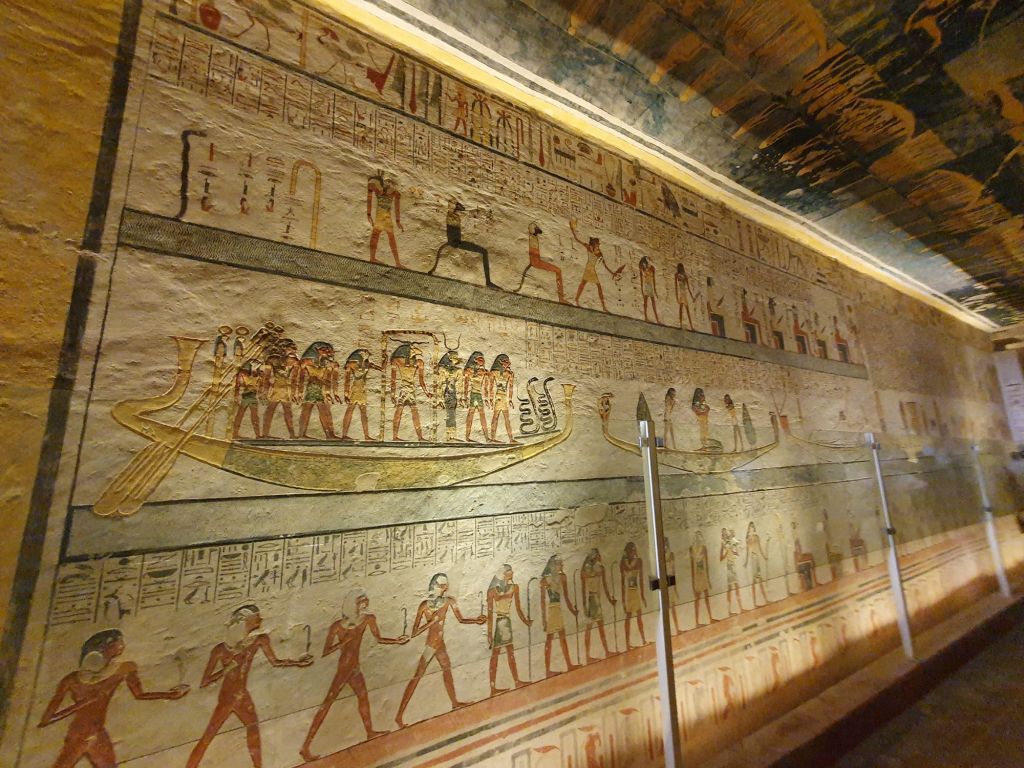
These two temples in Aswan are some of the finest in Egypt. Over 4000 years old, they are a testament to the skills of the engineers of ancient Egypt. What I was most amazed by was the detail and the intricacies of the many carvings and how the colours of the painting are preserved to this day.


Valley of Kings
In the Valley of Kings we were able to visit several tombs of the Pharaohs, including the tomb of Tutankhamun. I’d seen many TV documentaries on these before, but seeing it in person, you really get a feel for how important the afterlife was to ancient Egyptians.

My Thoughts on Egypt
To me, what sets Egypt apart from the other Ancient monuments I visited this year (Petra in Jordan, Machu Picchu in Peru and Angkor Wat in Cambodia) is that the Egyptian monuments are nearly 4000 years old and they are incredibly well preserved. Whereas in other civilisations the ancient monuments have either been built-on or destroyed by subsequent cultures or due to natural disasters, in Egypt, the temples, tombs and buildings were buried in the sand and this protected them over many centuries; and what’s more, thanks to the hieroglyphs we have a lots of information how advanced this great civilisation was.
Over the next few weeks, I will do day by day posts with more details.
Have you been to Egypt? What were your highlights? May be you are planning visit? What would you like to see? Leave a comment below and let me know.
 Diary of a Tourist
Nice post for Egypt tour
LikeLiked by 1 person
Thank you!
LikeLike
Nice Post
LikeLiked by 1 person
Thank you.
LikeLike
Fascinating architectural marvels, Amarante Pyramids stand as timeless wonders.
amarante pyramids
LikeLike
Looks like a fascinating trip (and wow, what a set of travels for you this past year!). We have friends who are heading to Egypt in a couple of weeks and now I’m even more jealous!
LikeLiked by 1 person
Thank you! It has been a busy year 😃 Egypt was a nice trip to finish the year with.
LikeLiked by 1 person