
Where and when: Abu Simbel, Egypt, 5th December 2023
0430: Another early start today. We are going to Abu Simbel, which is about 300km from Aswan. It’s a 3.5 to 4 hour journey. (What is Abu Simbel, and why is it worth getting up at this god forsaken hour to make a ~8 hour return trip? I hear you ask. All will be revealed very soon. Please read on.)
0500: As we leave Aswan, and head to the road to Abu Simbel, there is bit of a queue. Apparently you need to get a pass for the road. The police also requires each vehicle to carry at least two qualified drivers.
There’s not a lot to see on the way – not least because it is still dark.
0630: Rest stop in the middle of desert.

0800: After 3.5 hours, we are here. The site of Abu Simbel is home to two iconic temples built by Ramses II in around 1350 BC. The name Abu Simbel is thought to come from the person who led the Swiss explorer Johann Ludwig Burckhardt to rediscover the site in 1813.
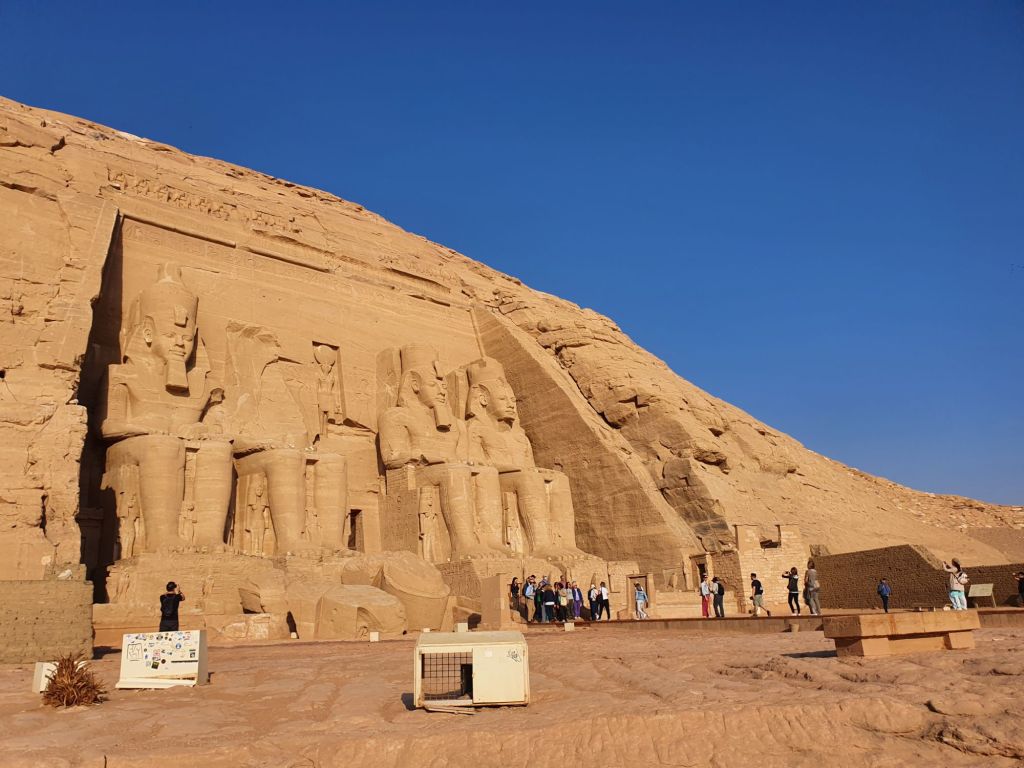
The larger of the two temples (normally called The Great Temple) is the temple of Ramses II. This temple has the iconic facade of 4 statues of Ramses II, each 20m high carved into the cliff face at the temple entrance. The temple is dedicated to the gods Ra, Amun, Ptah and Rameses himself. The smaller temple was built for Nefetari, wife of Ramses II, and dedicated to the goddess Hathor.

Both temples were originally built into the cliff face on the banks of the Nile.
The temples remained in their original location for over 3000 years. In the 1960s, the Aswan High Dam was being built and the rising Nile threatened to submerge the temples. After consideration of a number of options (including leaving the temples as it is and making it an underwater museum), it was decided to relocate the two temples.
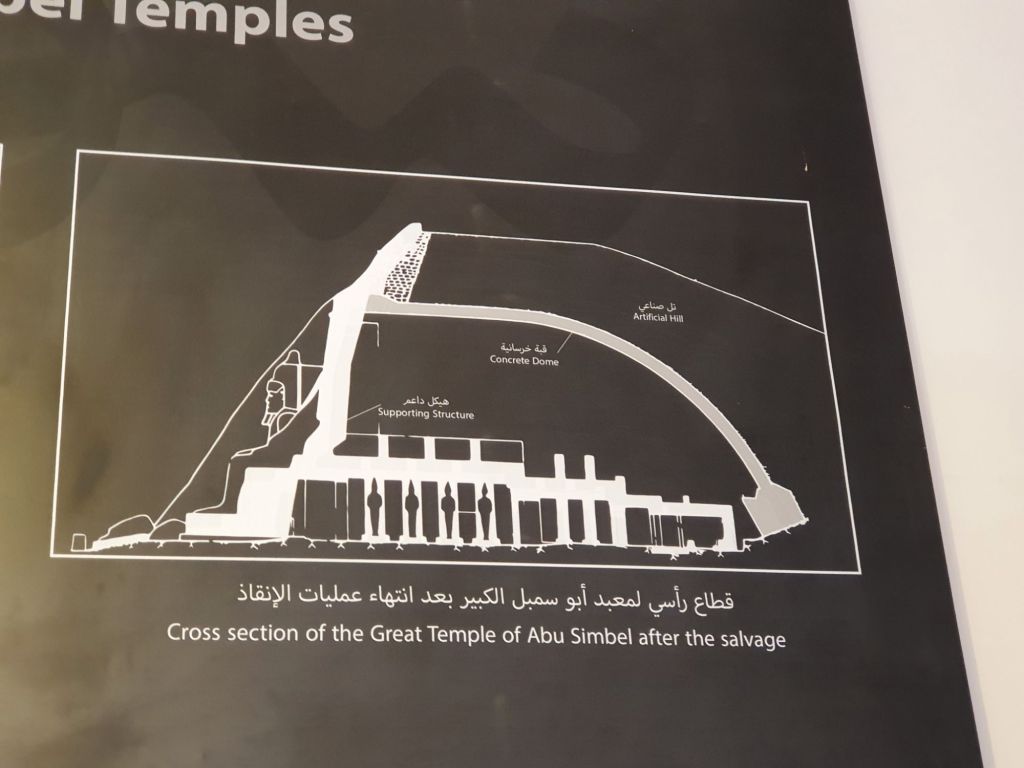
So the two temples were moved, 60m up the cliff and further back. Two artificial cliffs were built with steel arches and covered in rock. The statues were cut into pieces, moved and re-assembled in front of the artificial cliffs. The cavernous temples were also moved, piece by piece. So when you go to see Abu Simbel now, it is these relocated temples that you can see.

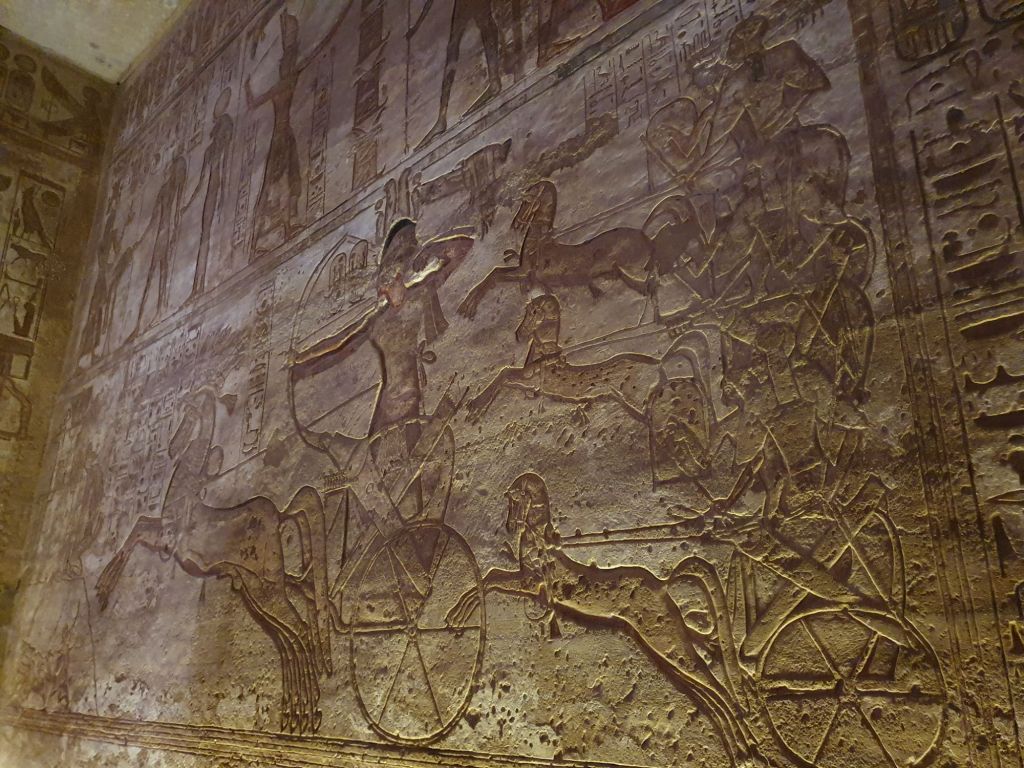
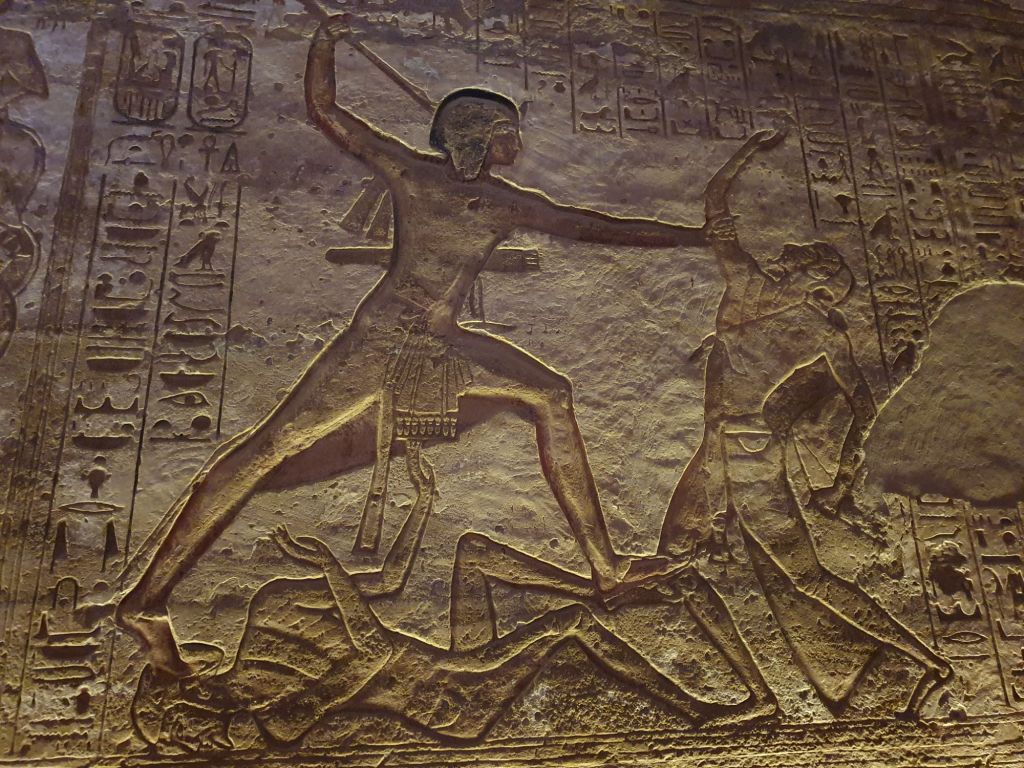
Inside the Great Temple, each chamber is decorated with paintings and heiroglyphs. The paintings at Abu Simbel are not the most colourful or well preserved you will see in Egypt, nevertheless they are worth the effort, as they tell the story of military victories of Rameses II.
In the inner most chamber, there are four statues, three of which are gods (Ra, Amun and Ptah) and a statue of Ramses II himself.

The smaller temple at Abu Simbel was built for Nefetari, the Great Royal Wife of Rameses II. The temple depicts her as the high priestess of goddess Hathor.


We visited both temples and returned to the visitor centre. There are great views across Lake Nasser (created when the Aswan High Dam was built) from here.
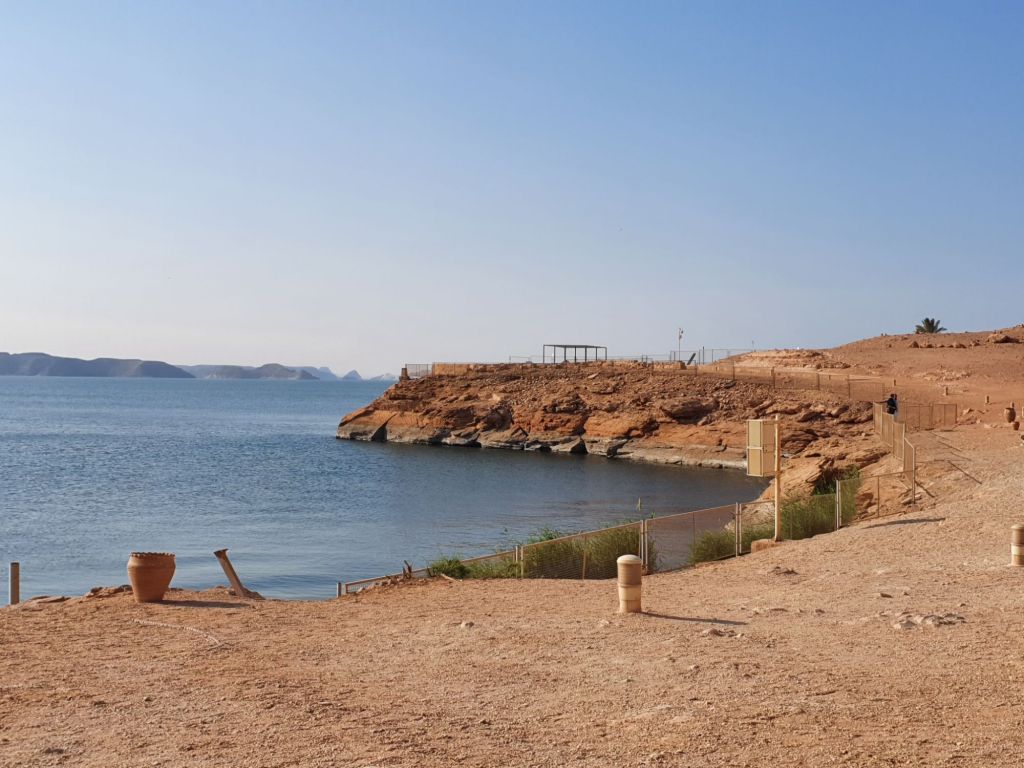
Tip: When returning to the visitor centre, go around the back of the cliffs – you can see how the artificial cliffs were constructed.

There is also a small museum which shows how the relocation was carried out, including a video.

So is this site worth the early start and an 8hr round trip? To me, Abu Simbel is the most impressive sight I saw in Egypt. Not only it is an ancient engineering marvel, but a modern one too. The project to relocate the temples was a truly global effort, that preserved the temples for future generations. (Although in about 3000 years archaeologists will be really confused about how 1350 BC statues ended up in a structure made of 20th century AD steel!).

1000: We start our return journey. Similar to the outward journey, it is fairly uneventful.
1330: Back at the cruise boat.
1415: As we had some free time this afternoon, we decided to visit the Aswan High Dam, which was built from 1960 to 1970.

The smaller Aswan Low Dam was built in 1902 further down river. Based on the success of the low dam, the High dam was built, to better control flooding, provide increased water storage for irrigation and generate hydroelectricity.

It is one of the largest embankment dams in the world. It was built with expertise and support from Russia, which is marked by the nearby Friendship monument.

1600: Back to Aswan in time for High Tea at the Old Cataract hotel. This is another real highlight for me.

The author Agatha Christie stayed in the Old Cataract hotel for an extended period of time, and set her book Death on the Nile at this hotel. The 1978 film based on the book was also filmed here.

In addition to Agatha Christie, a number of other famous faces also stayed here, including Princess Diana, Sir Winston Churchill and Aga Khan.
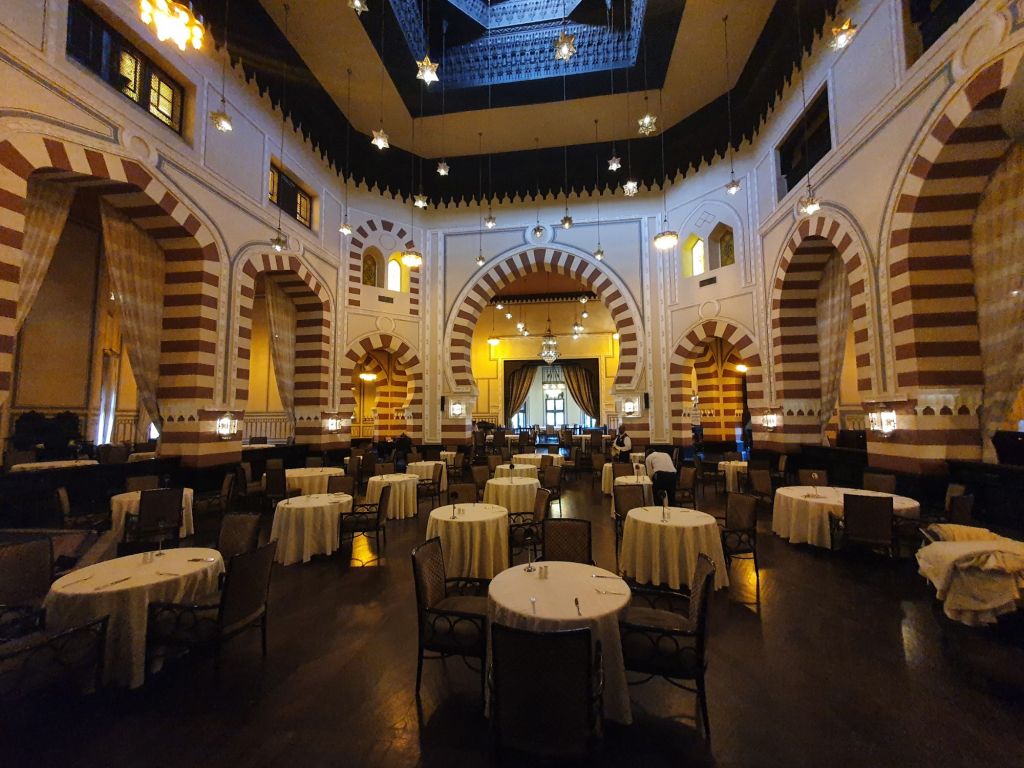
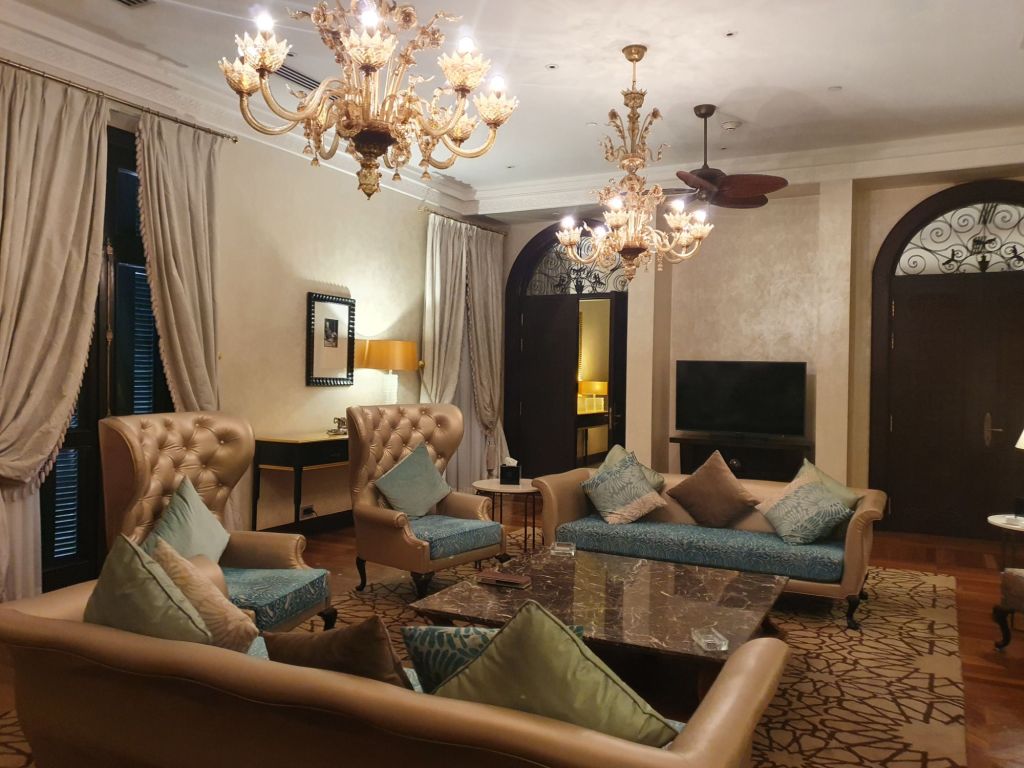
Thanks to the guest services manager we also get a sneak peak at the Agatha Christie suite with its large living room, dining room, bedroom, bathroom and the walk in wardrobe, plus the spectacular views from the veranda. Staying overnight at the suite costs 8000 USD per night. A more modest room at the hotel cost about a tenth of that price.



The afternoon tea (at 40 USD) is much more in our price range. Endless supply of cakes, fruit, sweets and of course, tea.
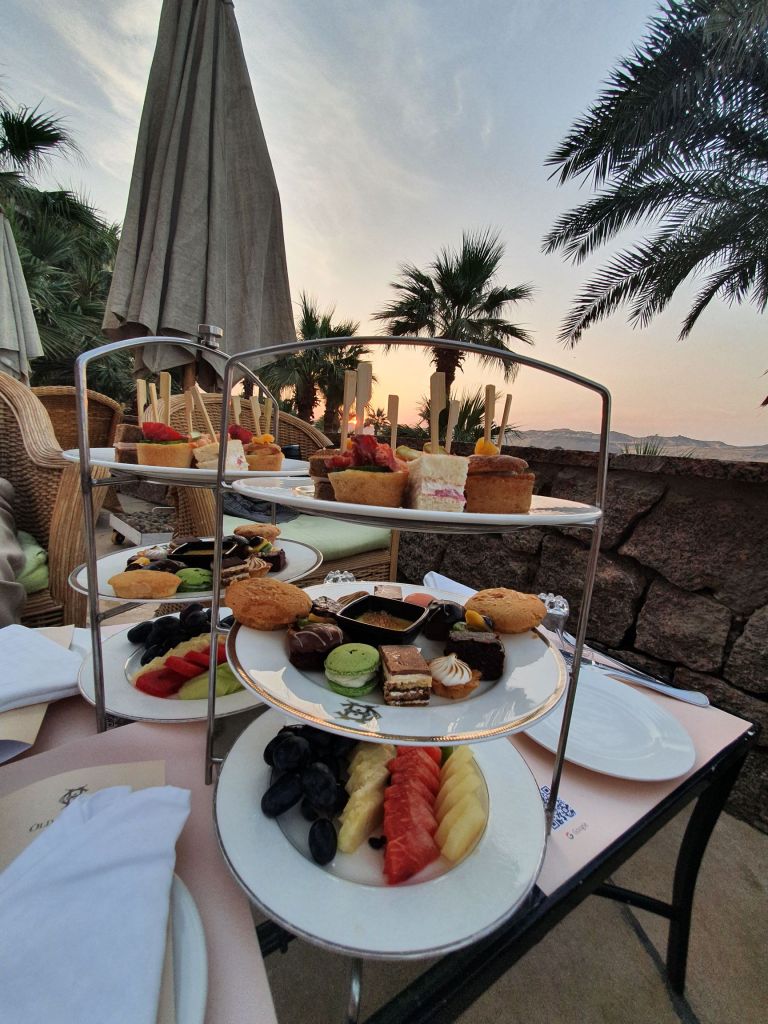
Enjoying high tea and watching the sunset over the nile was an unforgettable experience.

1900: Short shopping stop at the Egyptian cotton shop. I found that the prices are quite comparable to what you would get in the UK, but you can get t-shirts personalised with hieroglyphs, which argubly you wouldn’t get in the UK.

1930: Last stop for the day is the spice Market. (My phone had died by this point, so no photos). The shop stored everything from your dau to day cookibg spices (cinnamon, nutmeg, curry powder, chilli) to more exotic coffees, herbs and saffron. I ended up buying some Arabica ground coffee.
 Diary of a Tourist
I am loving this series. Beautiful pictures.
LikeLiked by 1 person
Thank you!
LikeLiked by 1 person