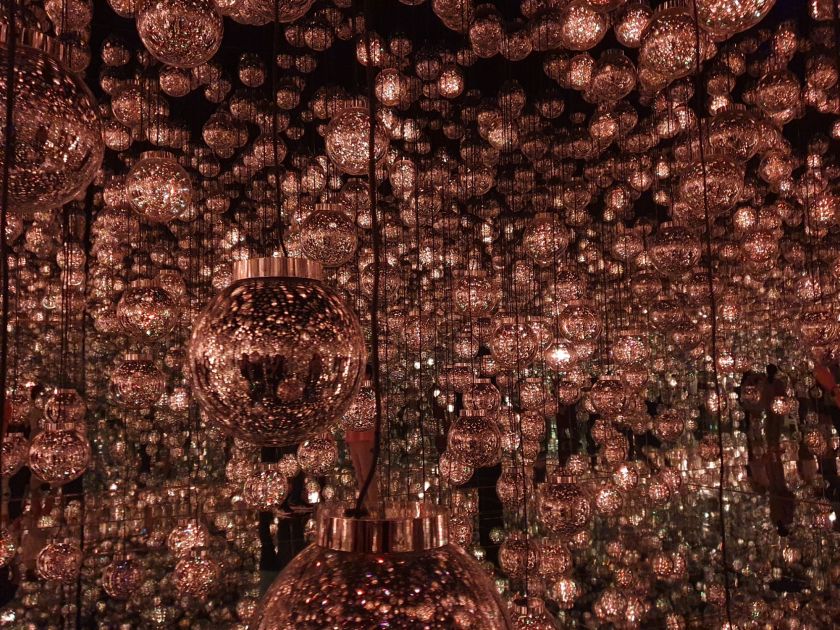
1255: Arrival in Tokyo Haneda airport, after a lengthy (14 hours from London) flight.
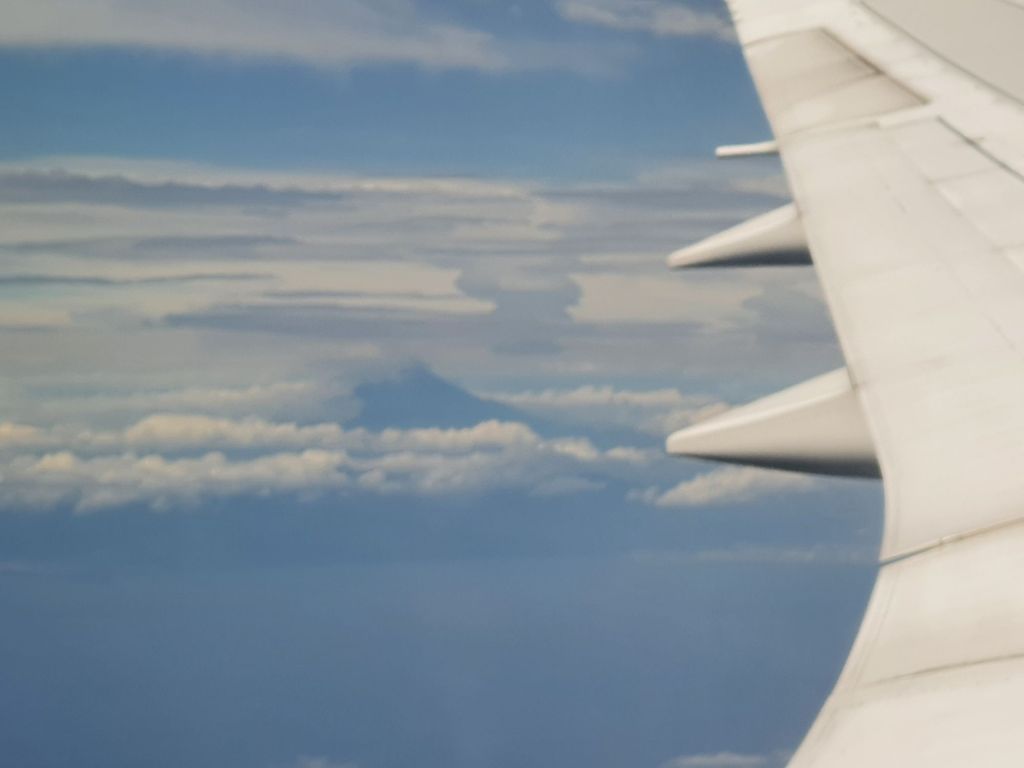
I got a Welcome Suica card and picked up the mobile wireless router. These would be essential for the next 12 days.
Tip: The Welcome Suica card is an IC (Chip) card that you can top up and use to pay for travel and a host of other things across Japan. It works like an Oyster card in London, and you just swipe as you go on different local trains, buses, trams across Japan (but you cannot use it on long distance trains). You can also use it in vending machines, luggage lockers and even some convenience stores. You can top it up at machines at any train station. I will do a more detailed post about transport essentials in Japan at a later date.

Tip: Getting a mobile wireless router is essential if you are travelling around Japan. Most hotels, restaurants etc. have good WiFi, but my 4G signal never works well in Tokyo, especially in crowded areas. I used Japan Wireless and you can pre-book it before arriving it in Japan and pick up at the airport on arrival.

1330: Train to Shinagawa station from Haneda airport. The Keikyu Airport line takes you there directly in under 30 minutes.
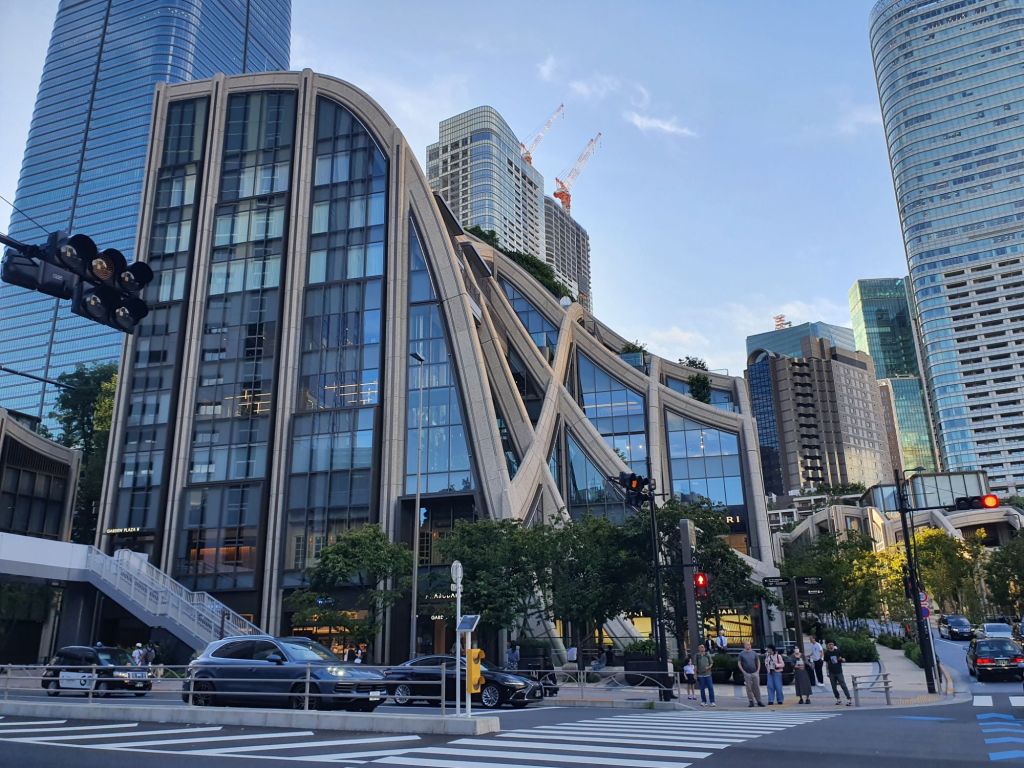
Tip: The area around Shinagawa Station is known as a business district and there aren’t many famous tourist sights nearby, but I find it is a great location to stay in Tokyo. There are direct trains to Narita and Haneda airports from Shinagawa station and many of the subway and metro lines in Tokyo run through here as well. It also has direct Shinkasen trains to other parts of Japan, so it is really easy to get to anywhere in Japan from Shinagawa. The only other equally well connected station is Tokyo station, but the hotels near Tokyo station are a lot more expensive.

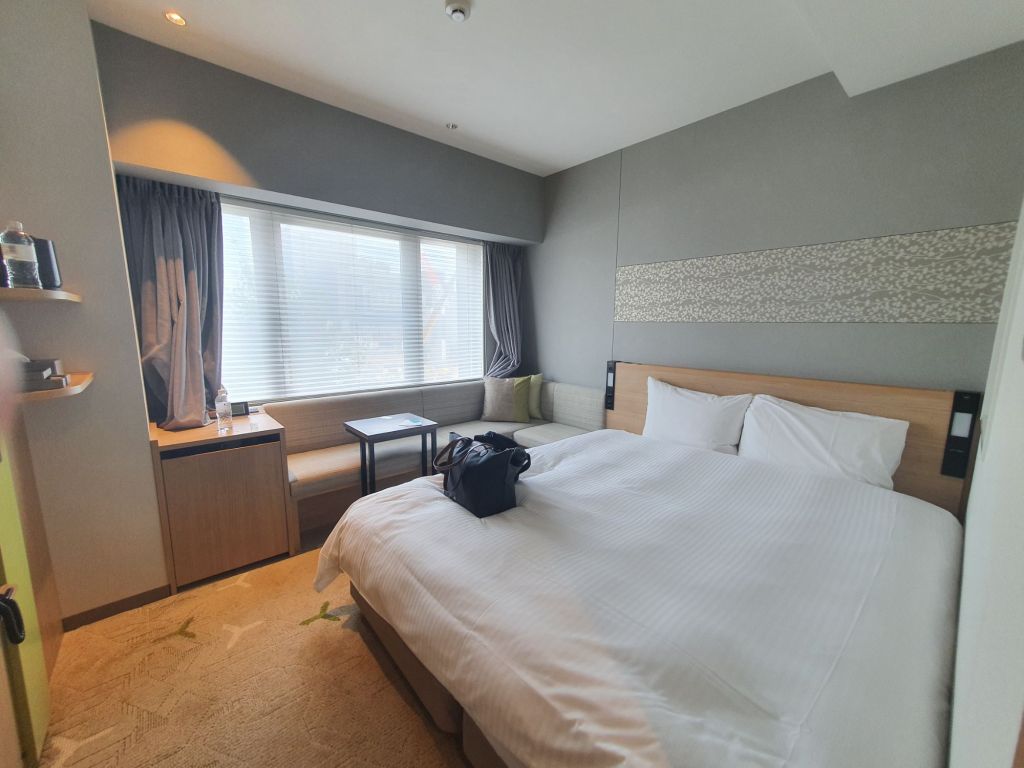
Speaking of hotels, we stayed at the Miyako City Tokyo Takanawa Hotel at the start and end of our trip. It’s 10 minute walk from the Shinagawa station and 10 minutes to the newly built Takanawa gateway subway station. The hotel is relatively new, clean, very comfortable and the staff are really nice. The rooms are quite big by Tokyo standards. They also have a good restaurant/bar in the lobby that do good lunches and dinners, as well as a guest lounge that serve free hot and cold drinks and snacks in the evening. We found it a great place to unwind after a day of sight seeing. (And like all Japanese hotels, they also have microwaves, ice machines and clothes washing and drying facilities).
TeamLab borderless
I spent the afternoon visiting Teamlab Borderless in Abudai Hills in Tokyo.

TeamLab Borderless is an immersive museum with colorful, futuristic digital art installations. Being digital, the art work is constantly moving and changing.
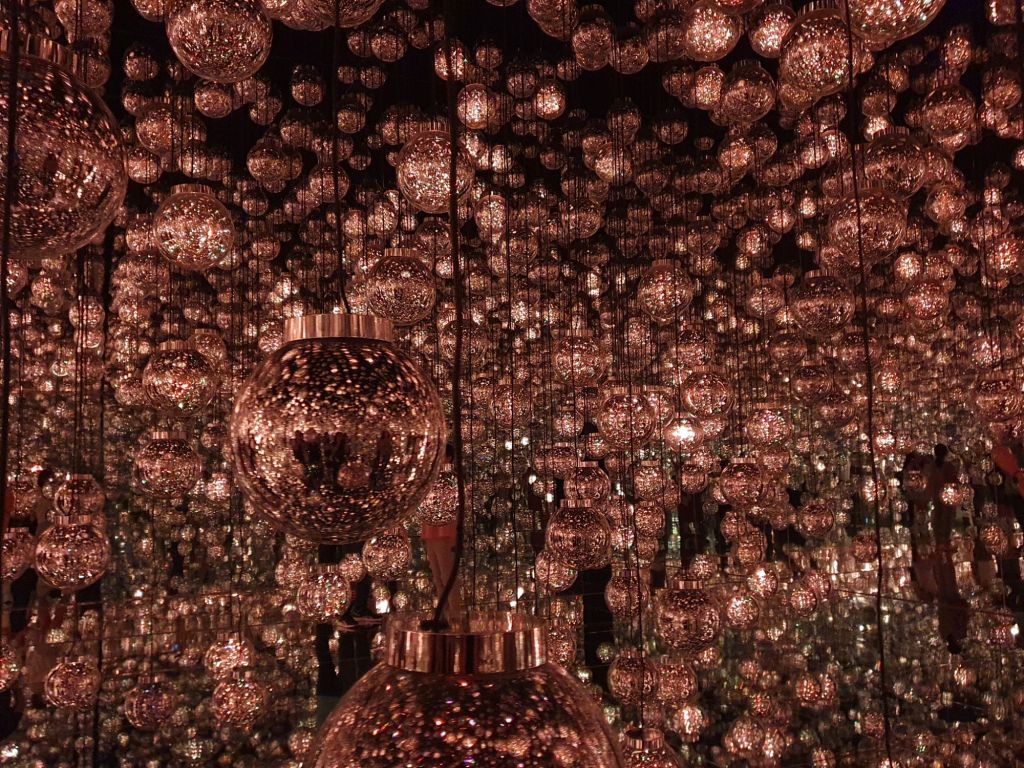
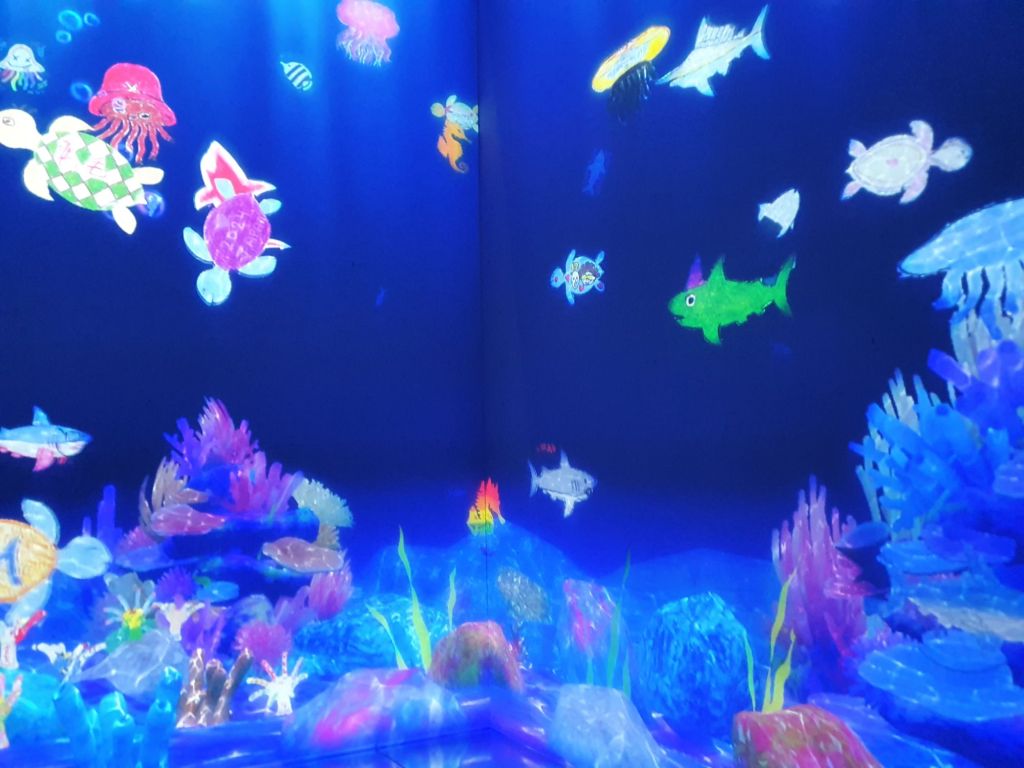
The teahouse within the museum was my favourite – you can watch the digital chrysanthemums bloom in your tea cup whilst you enjoy your drink.

At the very end of the museum, I saw this sign and it made me think.

My gut reaction was that it was quite a negative sentiment. Surely, if you see something, you see something, you are not missing out – but then I realised it’s really talking about time – the time you use to see or do something cannot be reused for anything else – so use it wisely. Later on in the trip, I would think about this sentiment more and more. I had squeezed as much as I could to our 12 days in Japan, but inevitably, we couldn’t see everything. So, did I use the time wisely? On the whole I think I did, but there are things I would do differently, knowing what I know now. I will do a post about this later on.
1800: Jetlag had caught up with me by this point, so it was time for an early dinner and to call it a night.
 Diary of a Tourist
2 comments