Where and when: Osaka, Japan , 13 October 2024
1030: We started our day with a free walking tour of Osaka, by Osaka Localized.

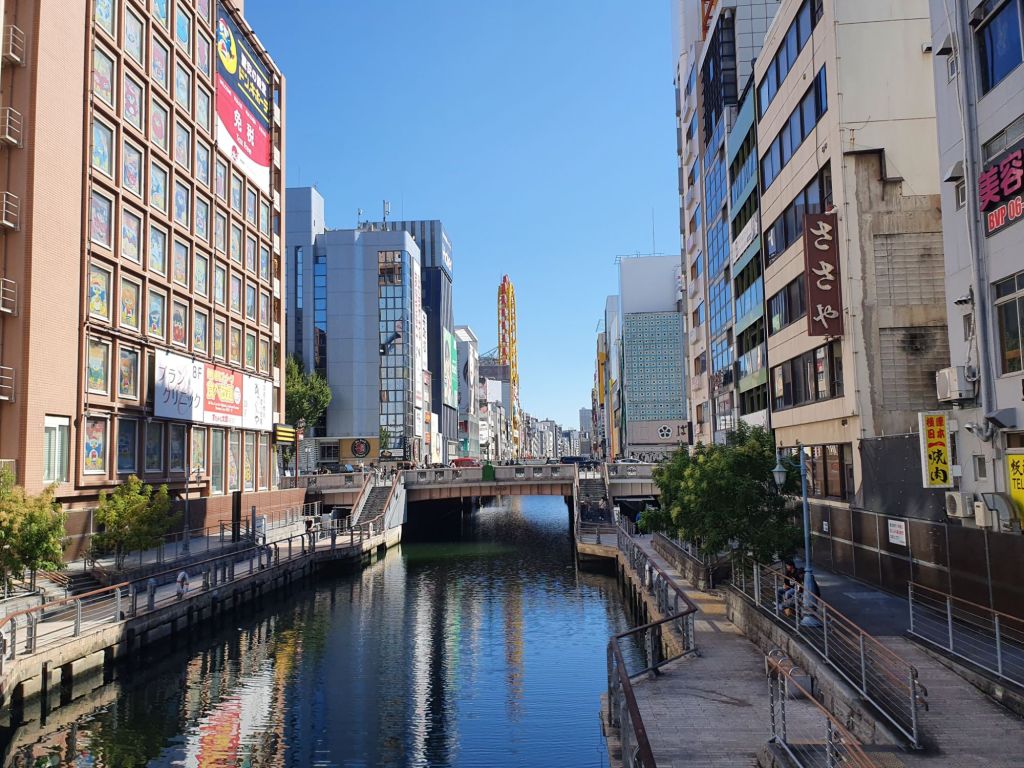
Osaka is the 3rd largest city in Japan, after Tokyo and Yokohoma. It is also one of the largest economical centres in Japan.

Historically, Osaka was one of the key trading ports of Japan. It is also considered one of the most cosmopolitan cities of Japan, more culturally liberal compared to other cities (perhaps it was just confirmation bias, but we did see more variety in people and dress-sense in Osaka compared to Tokyo and Kyoto).


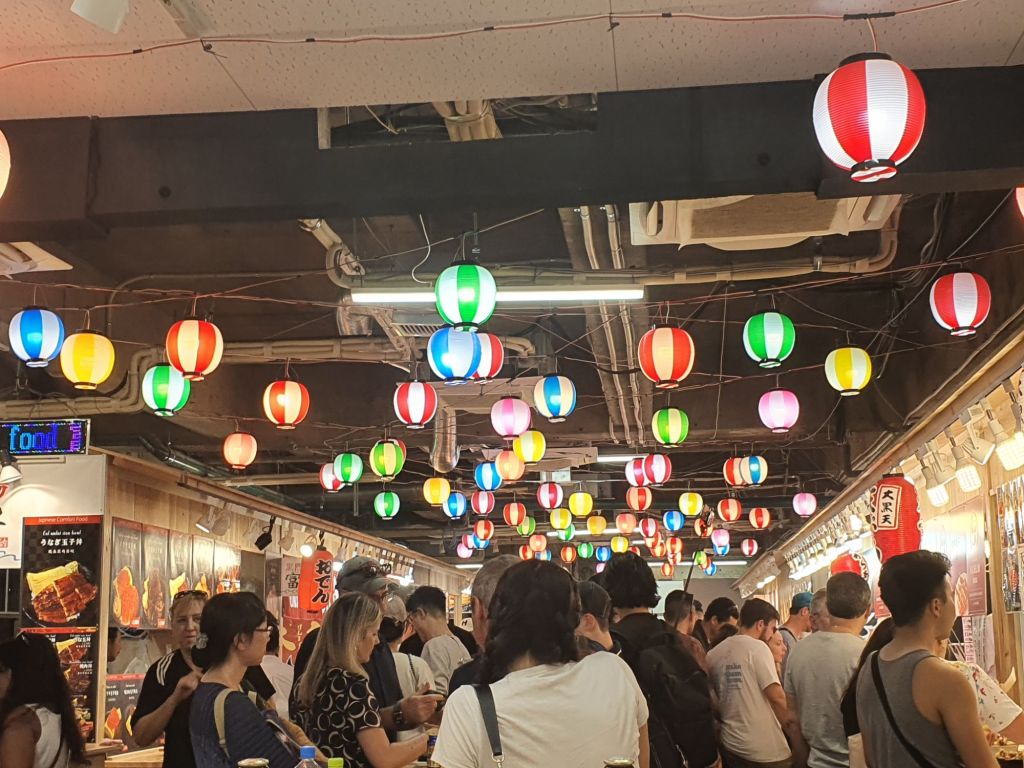
The tour ended at the famous Kuromon Market in Osaka. This is famous for its fresh seafood, but there are many other foods, clothes and souvenirs as well.


In the afternoon, we headed to Osaka Castle. The castle is built of the site of a former temple. Oda Nobunaga, a feudal lord who unified Japan, began a decade-long siege campaign on the temple that was on the site of Osaka Castle in 1570, which ultimately resulted in the surrender of the monks and subsequent demolishing of the temple.
Toyotomi Hideyoshi constructed Osaka Castle on the site in 1583. In 1597 construction was completed. Hideyoshi died in 1598 Osaka Castle passed to his son, Toyotomi Hideyori.
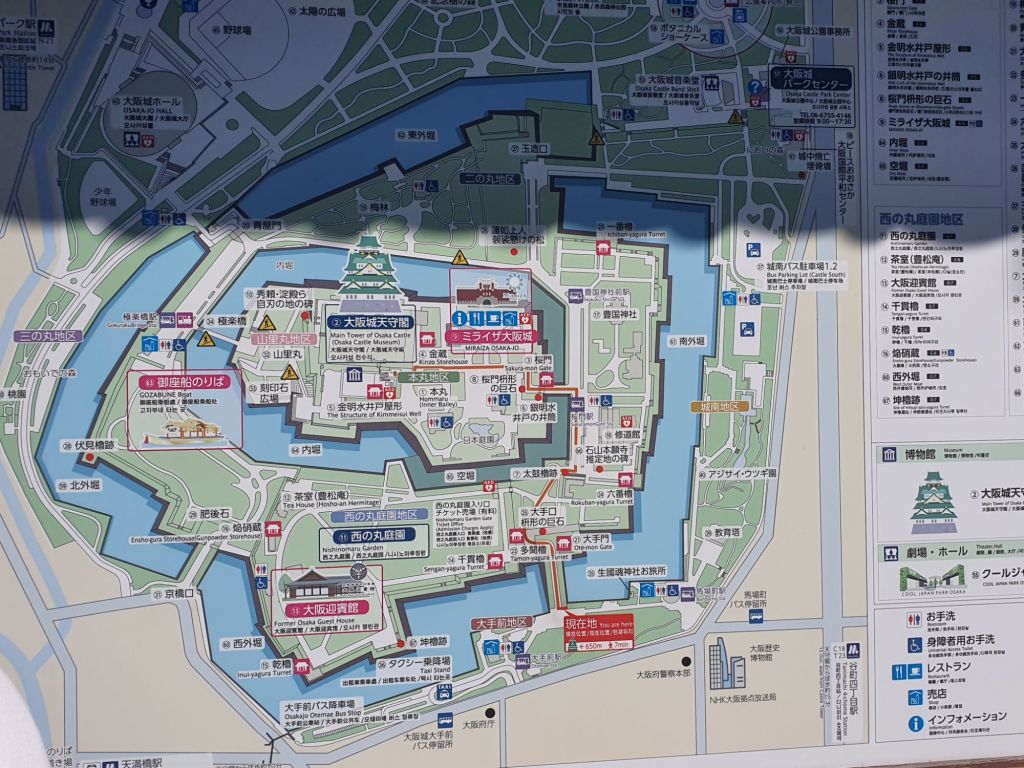
In 1614 to 1615, Osaka Castle played a key role in the Siege of Osaka, when Tokugawa Ieyasu besieged the Toyotomi clan forces in Osaka castle during the winter. (The fall out between the Toyotomi and Tokugawa clans and the events leading upto this siege are the basis of the novel “Shogun” written by James Clavell).
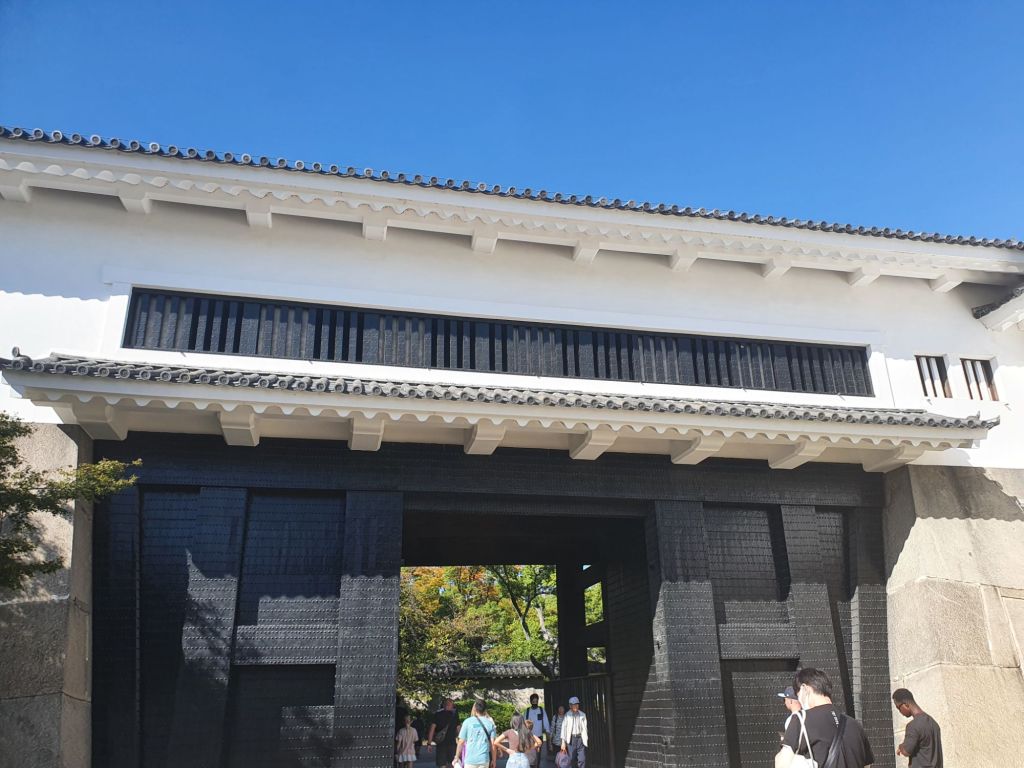
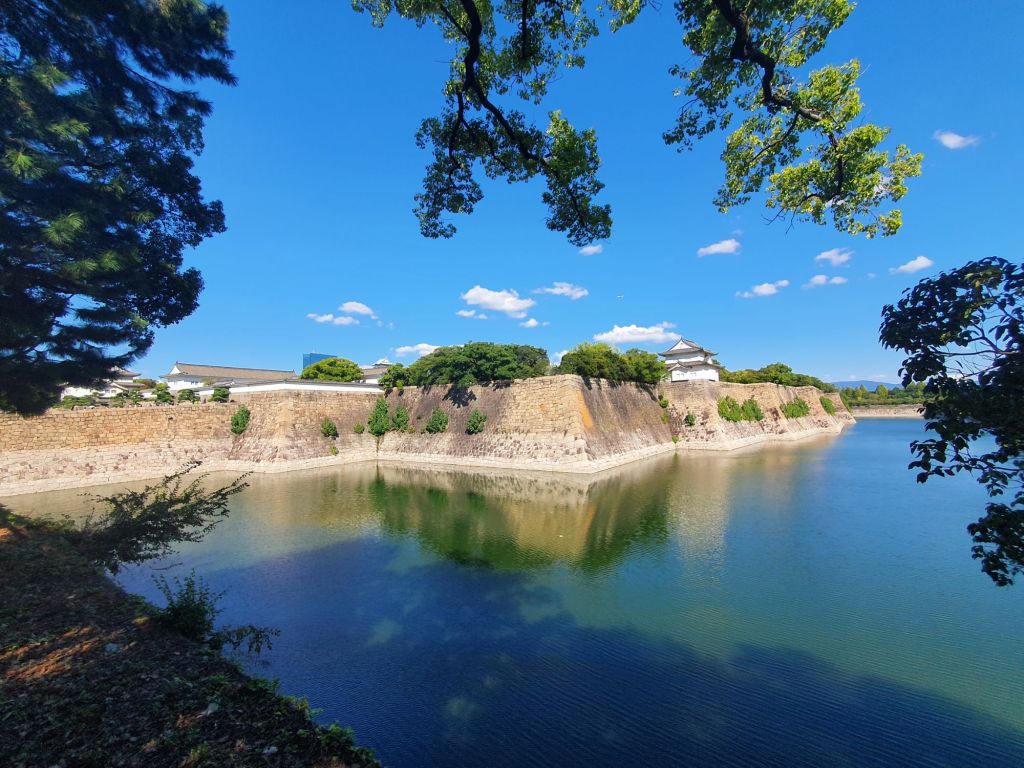
The castle fell in 1615. It was completely demolished and rebuilt ~1620 by the Tokugawa Ieyasu shoganate. The stone walls of the outer castle date back from this time.

The main tower of the castle was destroyed in 1660’s. The tower you see today is the 3rd incarnation, and was built in 1931.
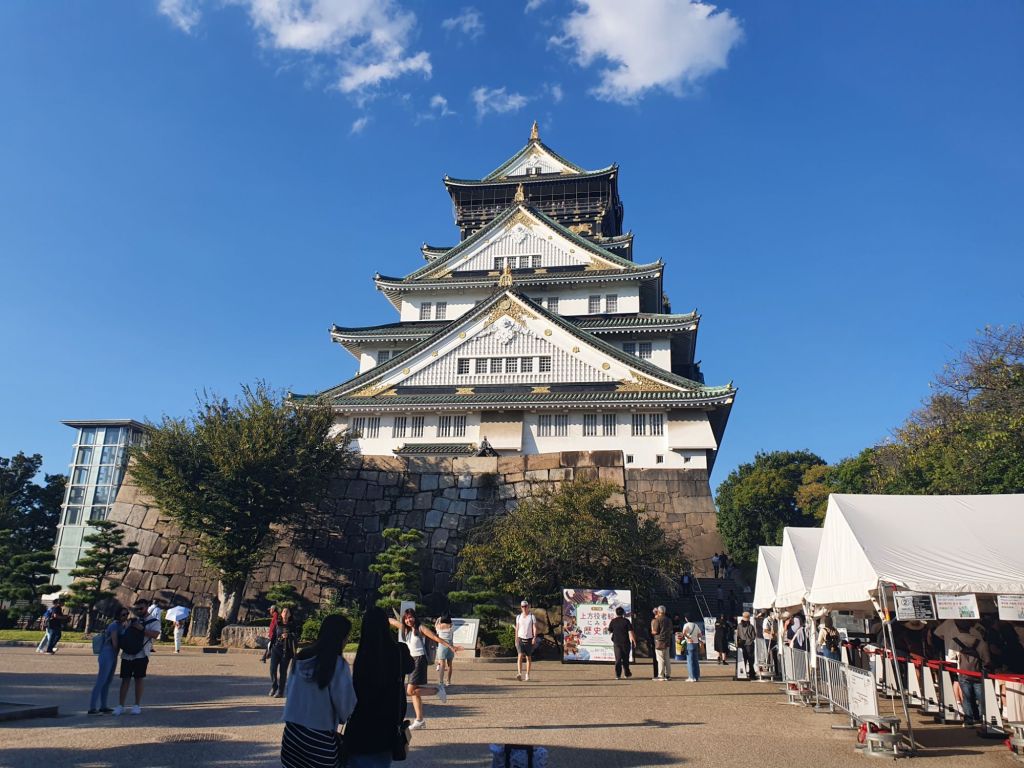
Inside the main tower is a museum, dedicated to the history of the castle and the life of Toyotomi Hideyoshi – a samurai and feudal lord of peasant origin who was known as the second unifier of Japan.


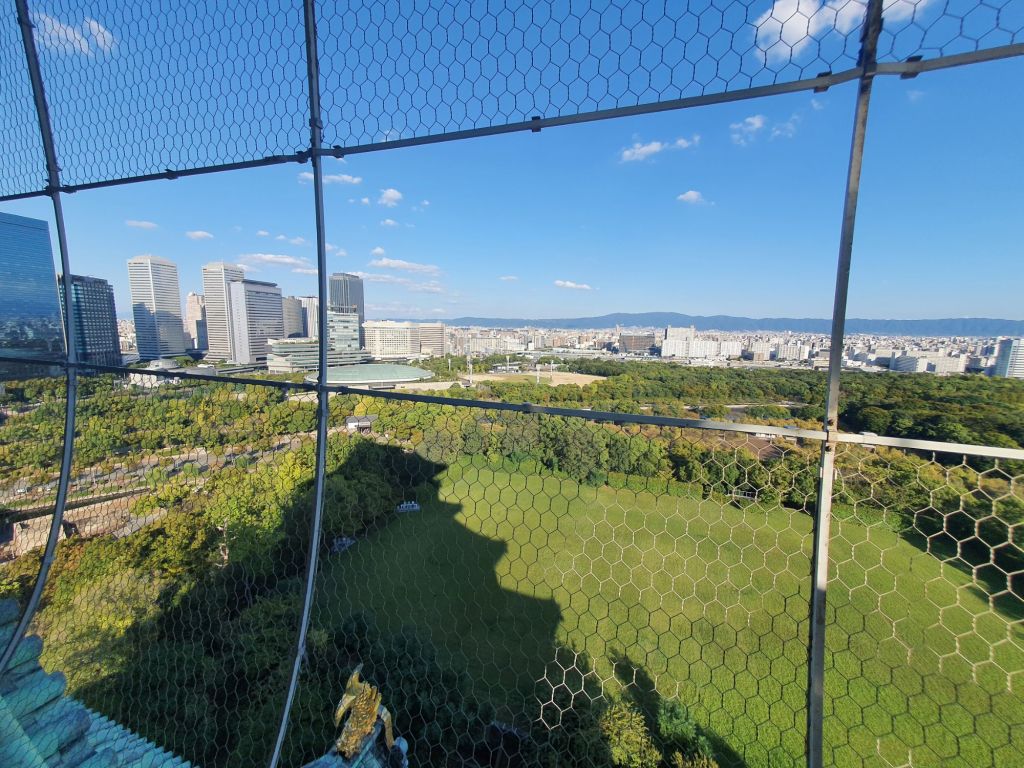
There is an outside balcony on the 7th floor of the tower, where you can get great views of the surrounding area.
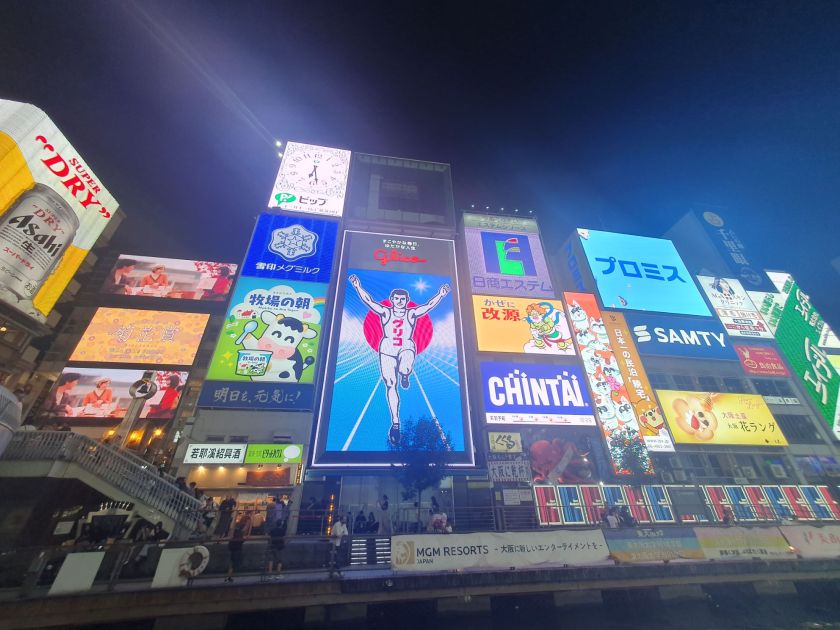
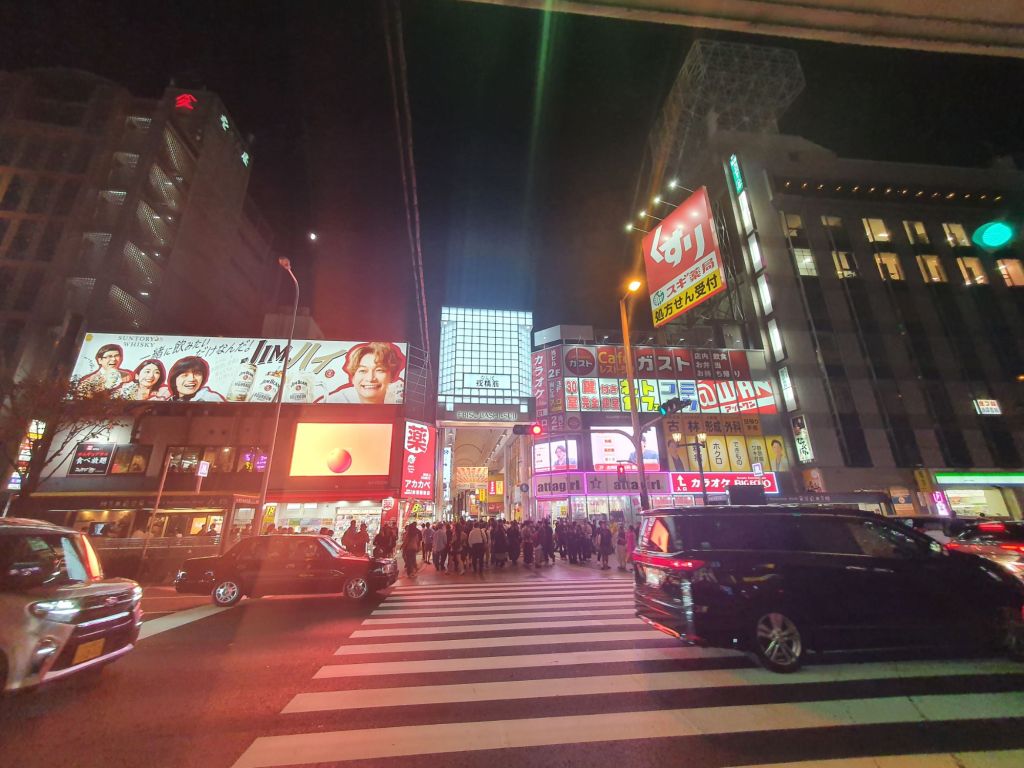
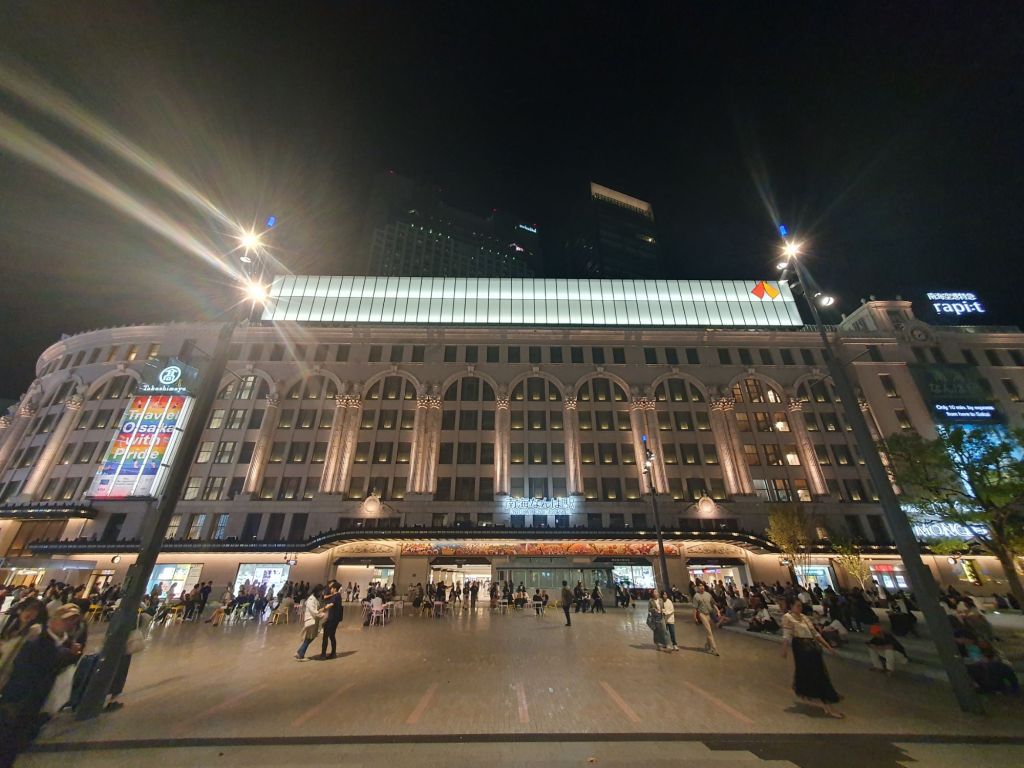
By the time we got back to the central Osaka, it was dark, so perfect timing to see the bright billboards of Osaka.

We also had fun in the Gigo games arcade, where you can play the slot machines for anything you can think of – the traditional soft toys, but also video games and pot noodles (most likely because the pot noodle was invented in Osaka).

There is also a pot noodles museum in Osaka. We didn’t have time to visit it this time, but one for a future visit.


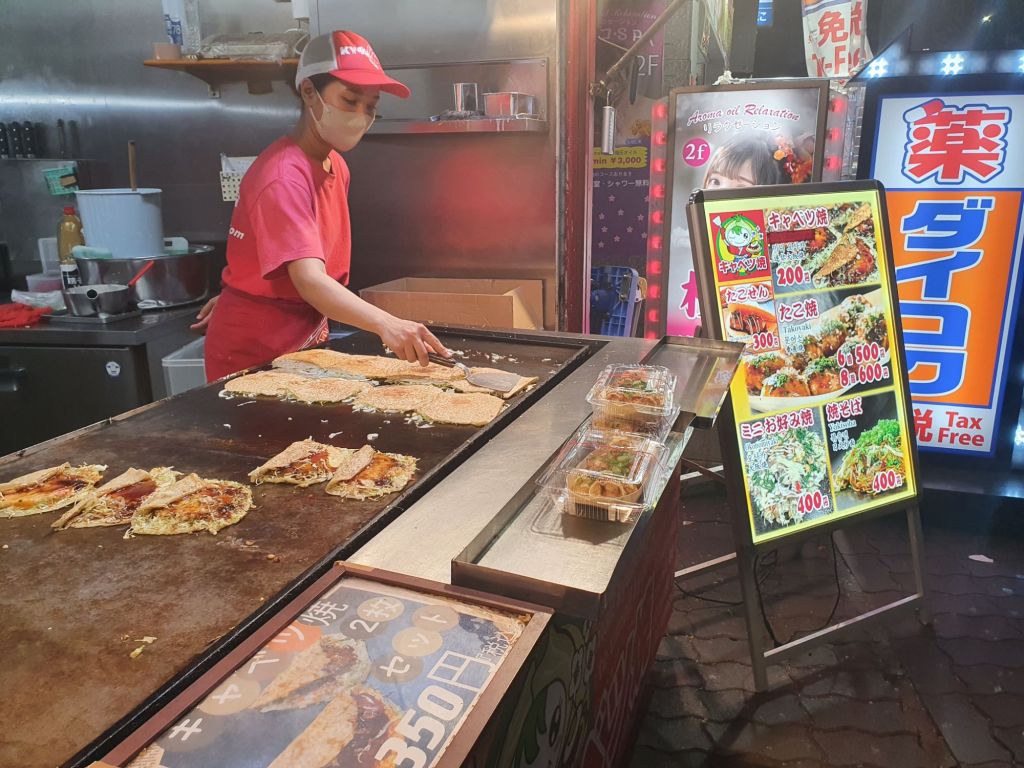
Finally for dinner, we tried a Osaka speciality called “Okonomiyaki” – a pancake, topped with finely shredded cabbage, meat (optional) and a cracked egg on top, cooked over a hot plate. It is delicious, quick and filling.
It’s been a long day, and we have a day trip to Koyasan planned tomorrie, so it was time to call it a day.
 Diary of a Tourist