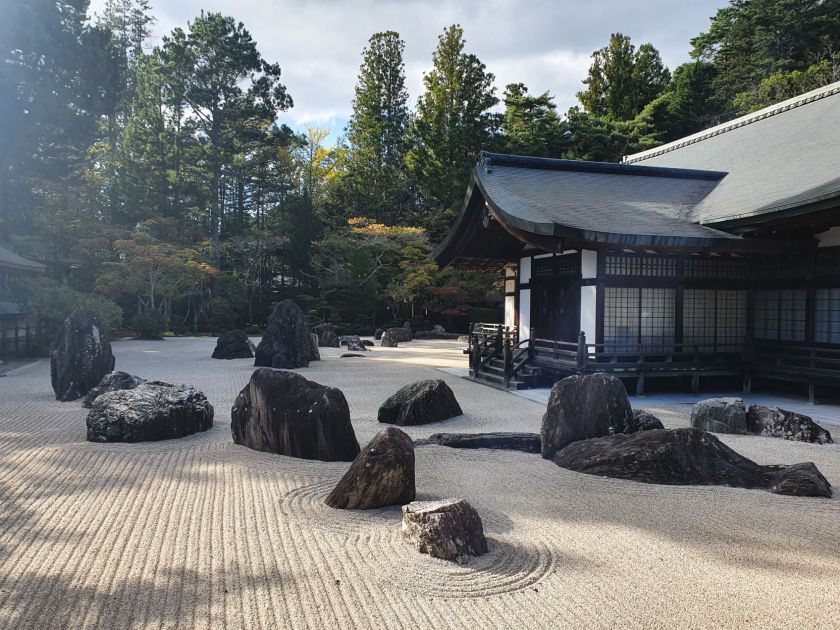
On my first day during the recent trip to Japan, I visited TeamLab Borderless digital art museum and it had this sign…

My first reaction was that it was quite a negative sentiment. Surely, if you see something, you see something, you are not missing out – but then I realised it’s really talking about time – the time you use to see or do something cannot be reused for anything else – so use it wisely. Nowhere did it become more clear to me than at the end of our 12-day trip. There was so much to see and do in Japan and we couldn’t fit everything in, so invariably, I had to make choices. I think I made good choices for the most part, but as with all trips, there are a few things I’d do differently on a return trip.

So here’s my list:
(Don’t) Buy a JR pass
Buying a JR rail pass for a holiday in Japan used to be a no-brainer, when the it cost 30,000 yen for a 7-day pass. But in 2023, the price increased by over 70% to 50,000 yen. So now, the pass is only really worth it if you take a lot of Shinkasen trains for the duration of the pass. We used the pass to travel from Tokyo to Kyoto, Kyoto to Osaka, Osaka to Hiroshima/Miyajima and back to Tokyo; and cost-wise it only just broke even. But having the pass did cost us time.

For example, the JR pass is only valid on Hikari, Sakura and Kodama trains. It cannot be used on the Nozomi line, which is the faster option between Hiroshima and Tokyo (3 hours 50 mins) and the trains are more frequent. With the JR pass it took 4.5 hours from Hiroshima to Tokyo, and a change of train in Osaka. Nozomi line is also faster between Kyoto and Tokyo. You can pay a supplement to use the Nozomi train, but if you are doing that, then might as well buy a Nozomi ticket in the first place. Also, in Nara, the most central station for the park is not covered by JR pass. The JR station is 15 minute walk from the centre.

So I think in hindsight it would have been better to buy individual tickets for different journeys, (that provided maximum flexibility and faster trains) rather than buy the JR pass. It probably cost the same, but will give you more time efficient travel options.
Another option is to buy a JR pass for a specific region than the whole of Japan. This could be a good option if you are spending a week or so in each province.
Since our trip, I have also discovered there are super comfortable overnight buses for long distances in Japan. I’ve not tried this, but would love to know more if you have. Please leave a comment below and let me know.
More time in Kyoto

I knew 2 days in Kyoto was going to be not enough but that’s all I could spare in this itinerary. Having been there, I would recommend at least 5 days in Kyoto:
- Day 1: Arashiyama, Ryoanji temple, Kinkaku-ji
- Day 2: Kyomizu-dera, Sannen-zaka and Gion (including a cultural performance)
- Day 3: Tea ceremony and Fushima-Inari shrine.
- Two further days to see other attractions we didn’t have time for (the silver pavilion temple, Kyoto imperial Castle etc).
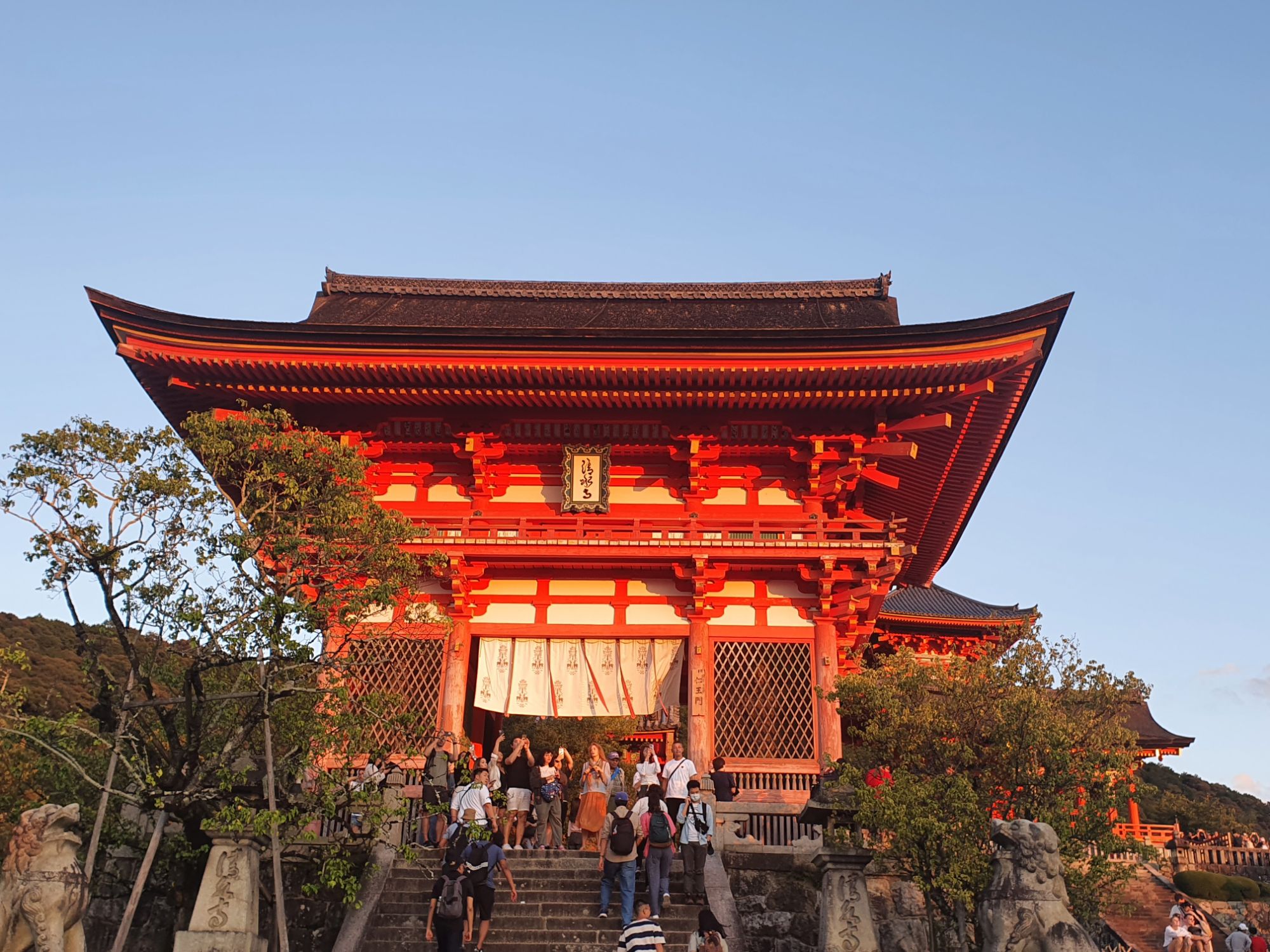
I would also visit Kyoto in the winter. Even in mid-October, everywhere in Kyoto was very busy with tourists. Although the crowds are not a big issue for cities like Tokyo and Osaka, in Kyoto’s narrow cobbled streets and traditional buildings, it does impact sightseeing.
Pack light
I did pack light for this trip and only had a cabin bag sized suitcase and a crossbody day bag, but I could have travelled even lighter. Pretty much every hotel we stayed had washing and drying facilities, so a few days worth of clothing would have been more than enough. Plus, it would have left more room in the suitcase for souvenirs, gifts and sweets! (Btw, given the number of trains, metros and subway trains we took, small suitcase absolutely was the right decision).

Spend the Night in Koyasan
If you are visiting Koyasan, make sure to stay overnight at a temple for the full experience. This is a unique experience, staying in traditional temple accommodation, and trying “Shojin Ryori” (Buddhist vegetarian cuisine).

The temple stay is expensive, but having done a day trip to Koyasan, I think the experience would have been much more enhanced if we stayed the night.

More stays in Ryokans/Hotels with onsen
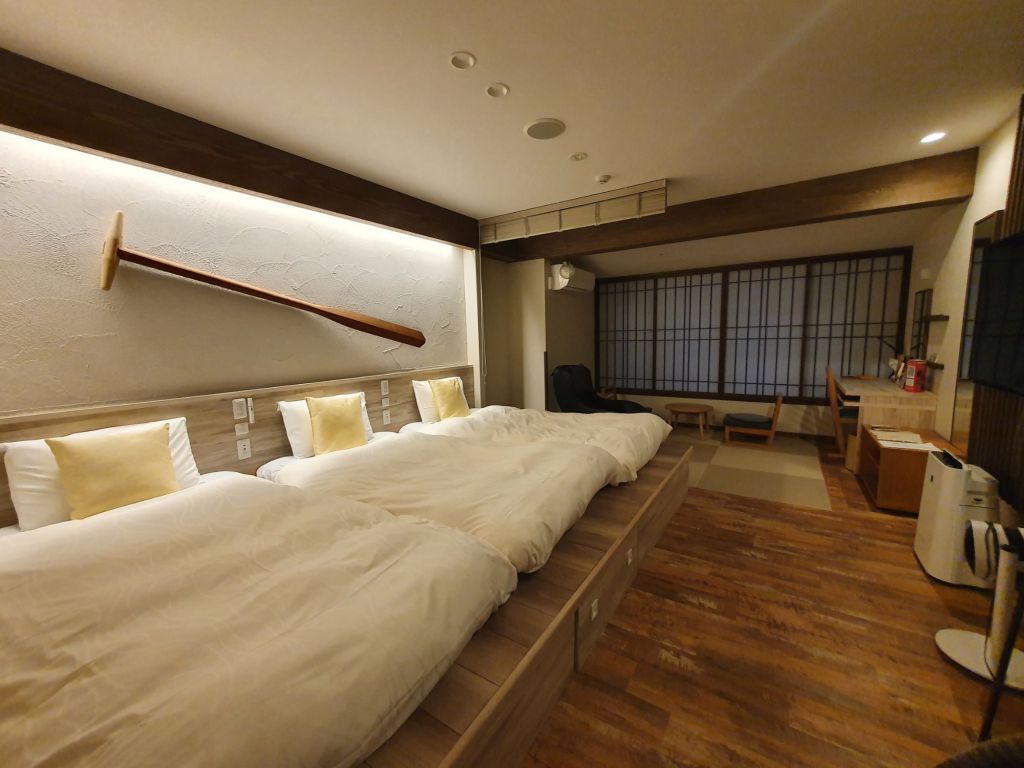
If you do go to Japan, do stay at least one night at a traditional ryokan with an onsen. They have a completely different feel to a normal hotel and is far more relaxing. I hadn’t appreciated this until we got to Miyajima island. If I had known this, I would have booked more stays at traditional ryokans hotels for our trip.
Mount Fuji
We didn’t have time for mount Fuji on this trip (although we did see it from the train and the plane) but I really wish we had a done at least a day trip to see mount Fuji. I think I was worried that Fuji could be clouded and you can’t see much so it would be a waste of a day. So I decided to spend our last day in Tokyo. On a return trip, I would like to go to Hakone, which offers great views of Fuji but also hot spring hotels for a couple of days.

Tokyo Attractions
We spent our last full day in Japan visiting the Tokyo Skytree and a guided tour of the imperial palace, but compared to some of the other things we saw on the precending 11 days, they were a bit disappointing. So if you are pressed for time, I think I would give these a miss.

We didn’t have time to see the East Gardens at the Imperial Palace and Ueno park, so these are on the list for next time.

Have you been to Japan? Are there things you’d do differently on a return visit? Leave a comment below and let me know.


Always interesting to read these, and I will be consulting this again one day when I finally have definitive plans to get to Japan. Thanks for sharing your valuable insights.
LikeLiked by 1 person
Thank you!
LikeLiked by 1 person