Where and when: Meknes and Volubilis, 27th January 2025
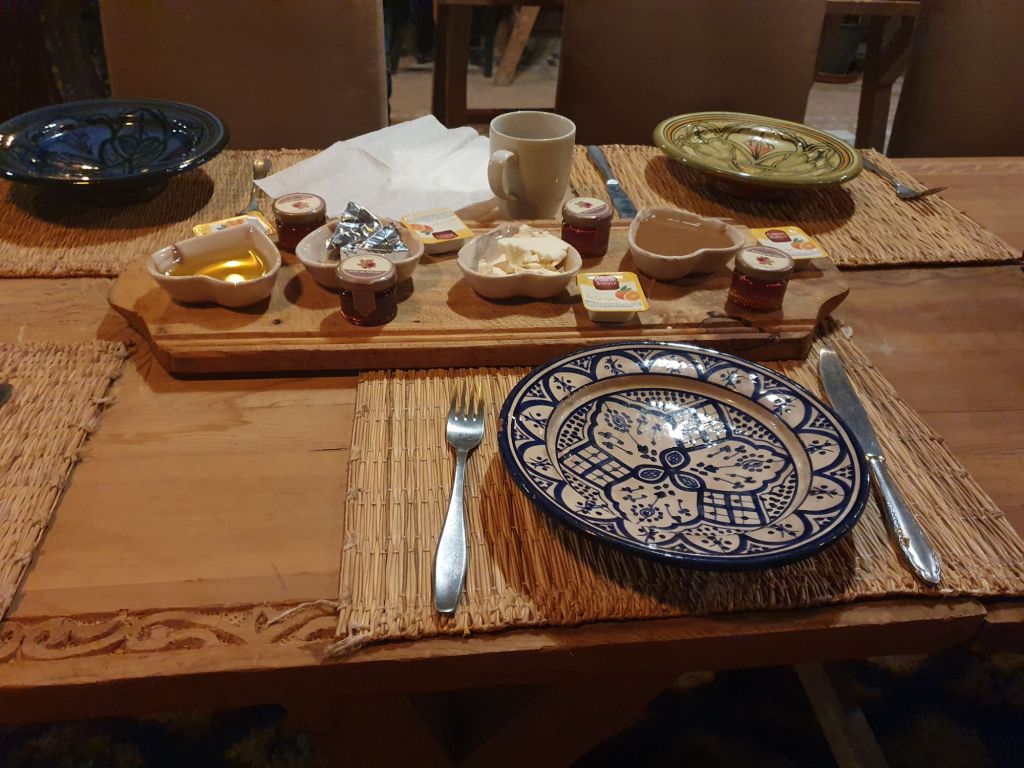
0630: It is an early start to the day as we have the longest travel day of the trip ahead of us. A simple, but nice breakfast (warm flatbread, boiled eggs, cheese, butter and honey) was laid out for us by the hotel.
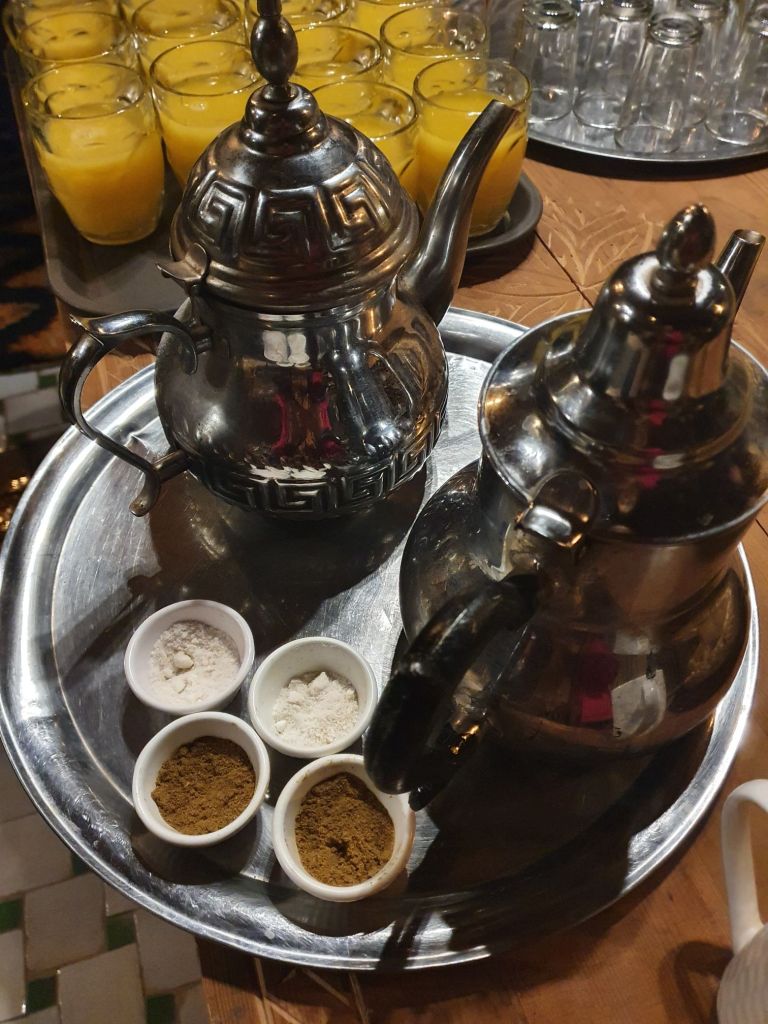
Probably the biggest surprise was the Moroccon tea, served with salt and cumin (!) You are supposed to put a pinch of each in your glass with the tea, and it does really enhance the flavour.
0730: We are on our way as the dawn breaks.
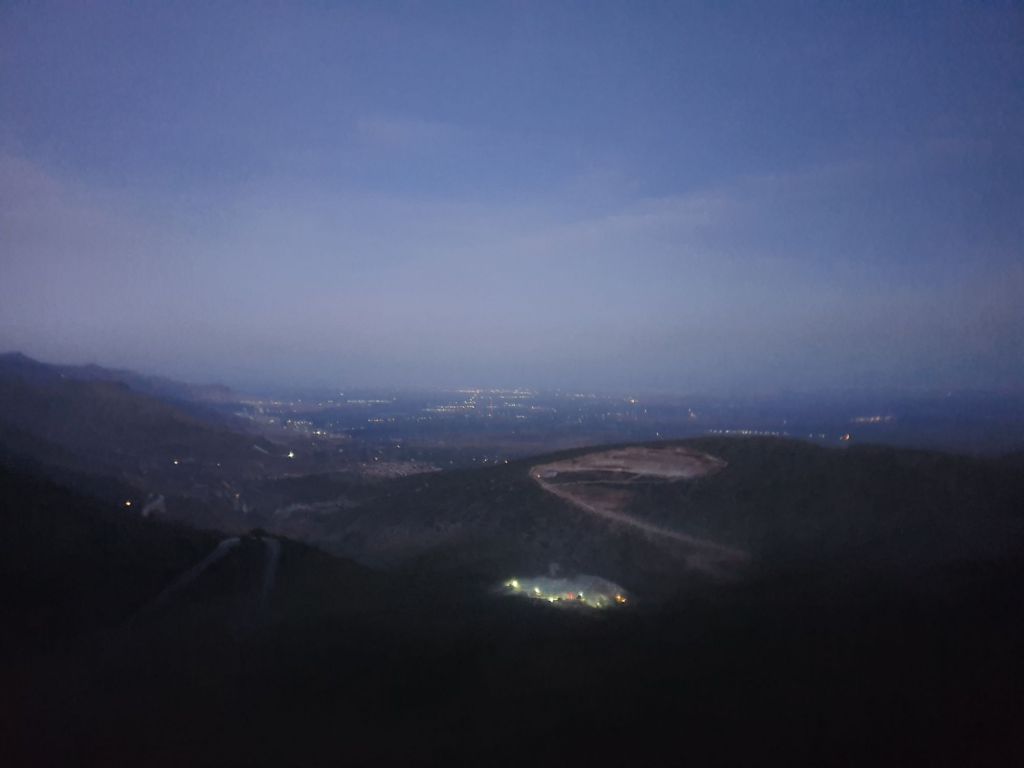
The road follows the northern slopes of the Middle Atlas into the Oued Boufekrane River Valley. The surroundings are dry, but still green. Reminded me of the landscape of Southern Spain.
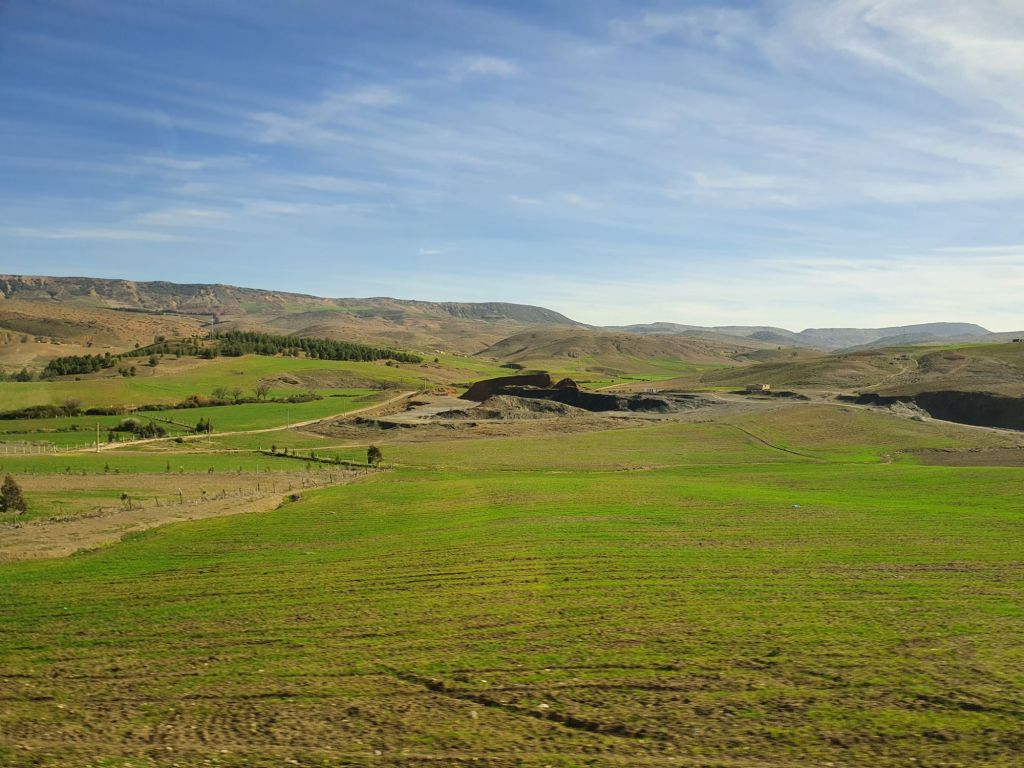
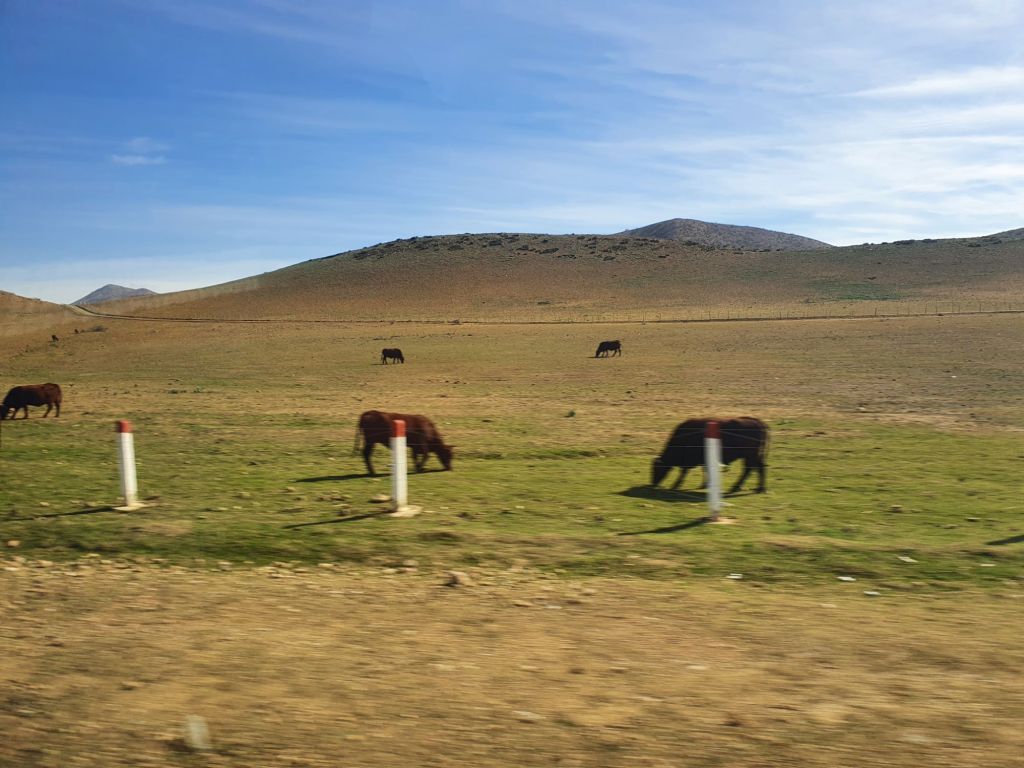
1030: We had a short stop for a comfort break at the shopping mall and picked up a few things for a picnic lunch.
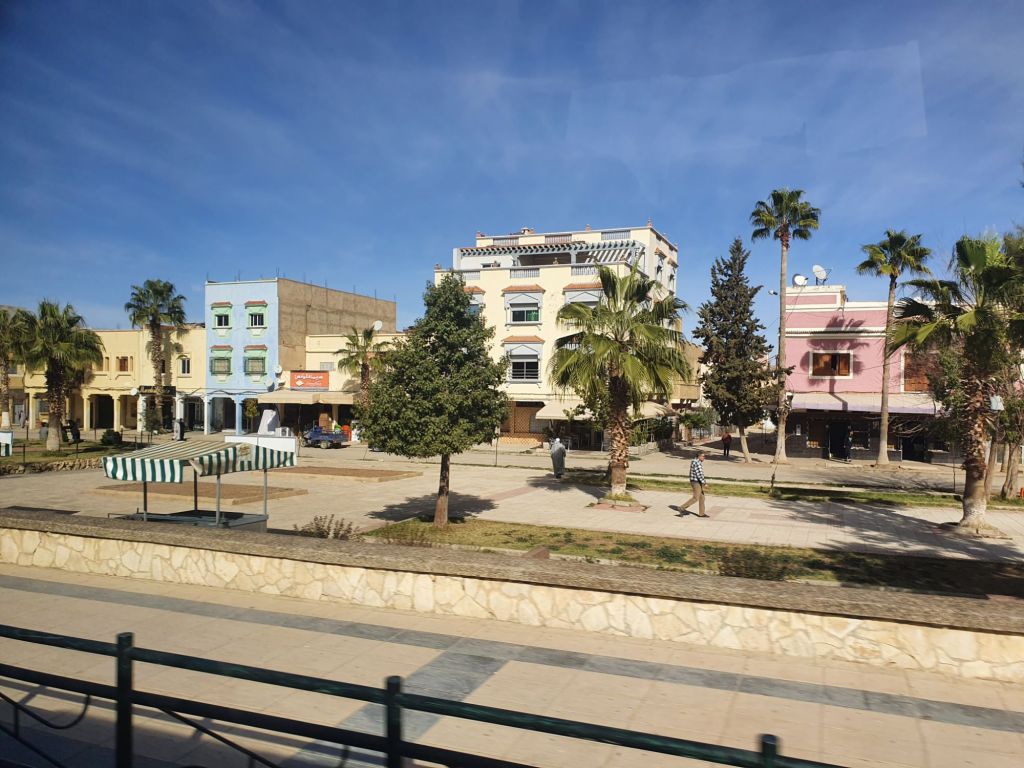
1230: There are no service stations or towns big enough for a lunch stop on the way. So we stopped on the roadside for a picnic lunch. The total journey to Meknes is about 6-7 hours.
1400: Arrive in Meknes. Meknes was built by the ruler Moulay Ismail and it was the centre of the Moroccan empire in the 17th century.

While it was once a formidable city with opulent palaces and gateways, much of the city has since crumbled. However, it is not difficult to imagine what it must have looked like in its hay day and significant restoration work has taken place over the past few years.

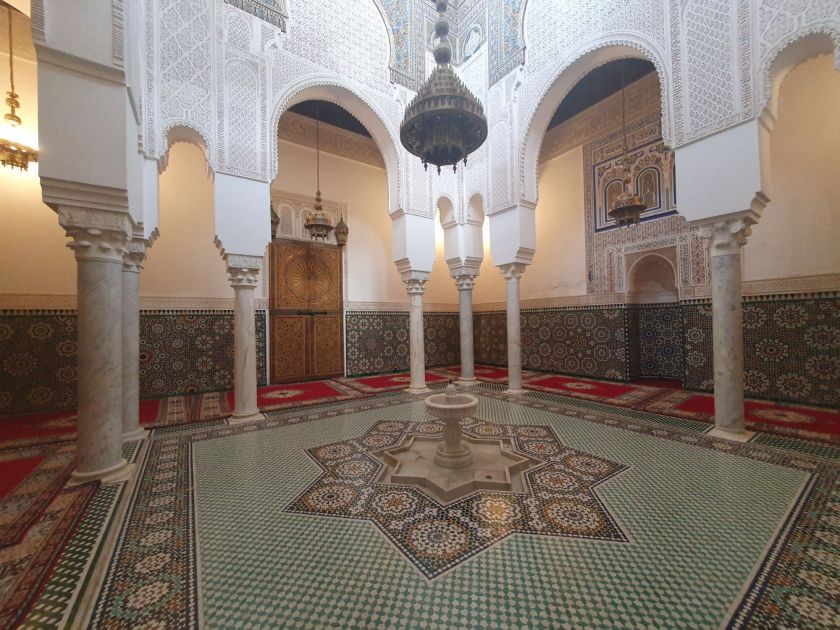
We had a 1.5 hour guided tour of the city, and we visited the Mausoleum of Moulay Ismail. It was originally built as a mosque but turned into a Mausoleum upon his death.
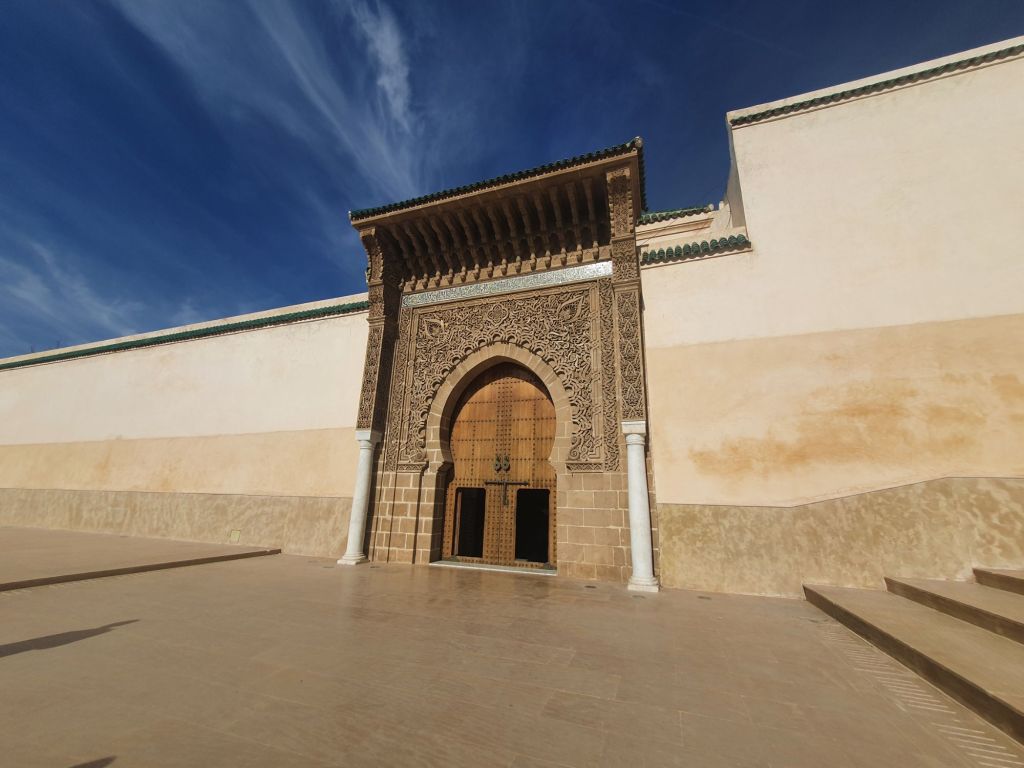
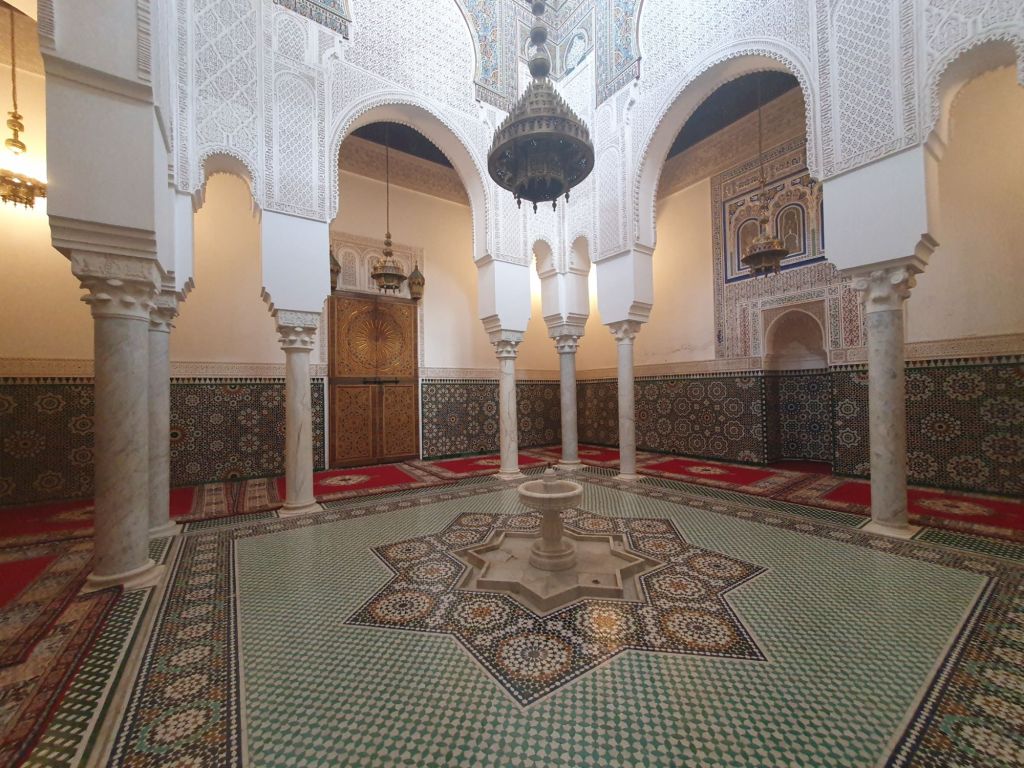


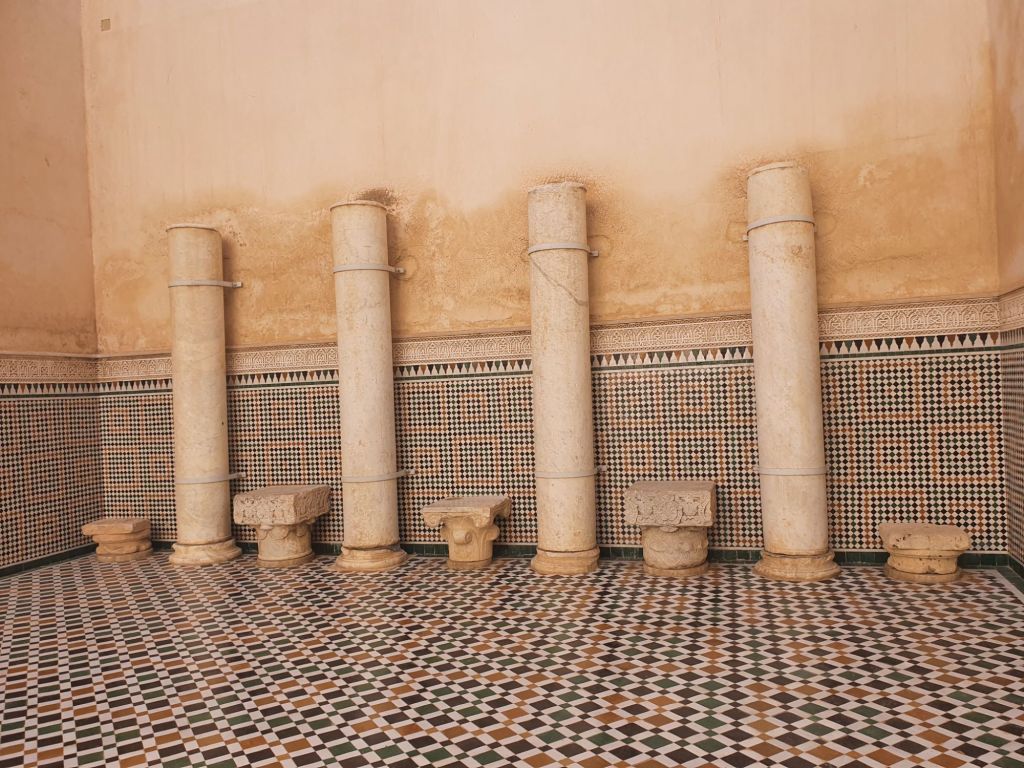
The mausoleum is a great example of Moroccan architecture, where the 4 main elements are: carved plaster, carved wood, ceramic tiles and marble. We also learned that many of the marbles columns were re-used from old Roman remains.
1630: Back on the bus for an hour and we arrive at Volubilis, Morocco’s best-preserved Roman site.
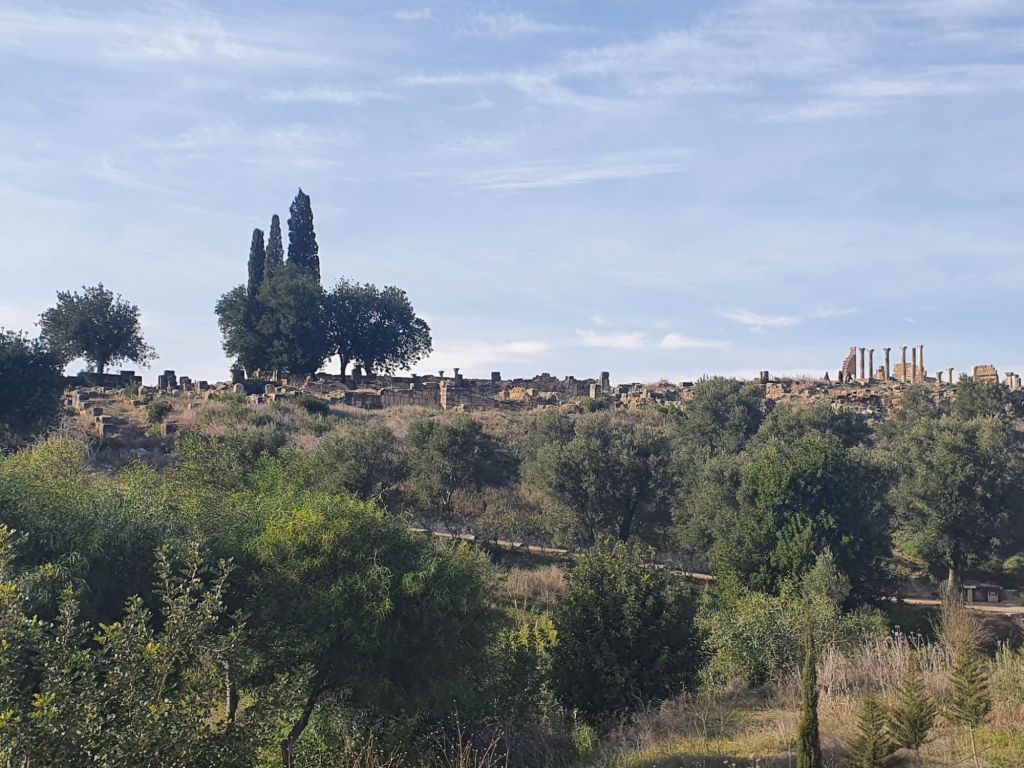
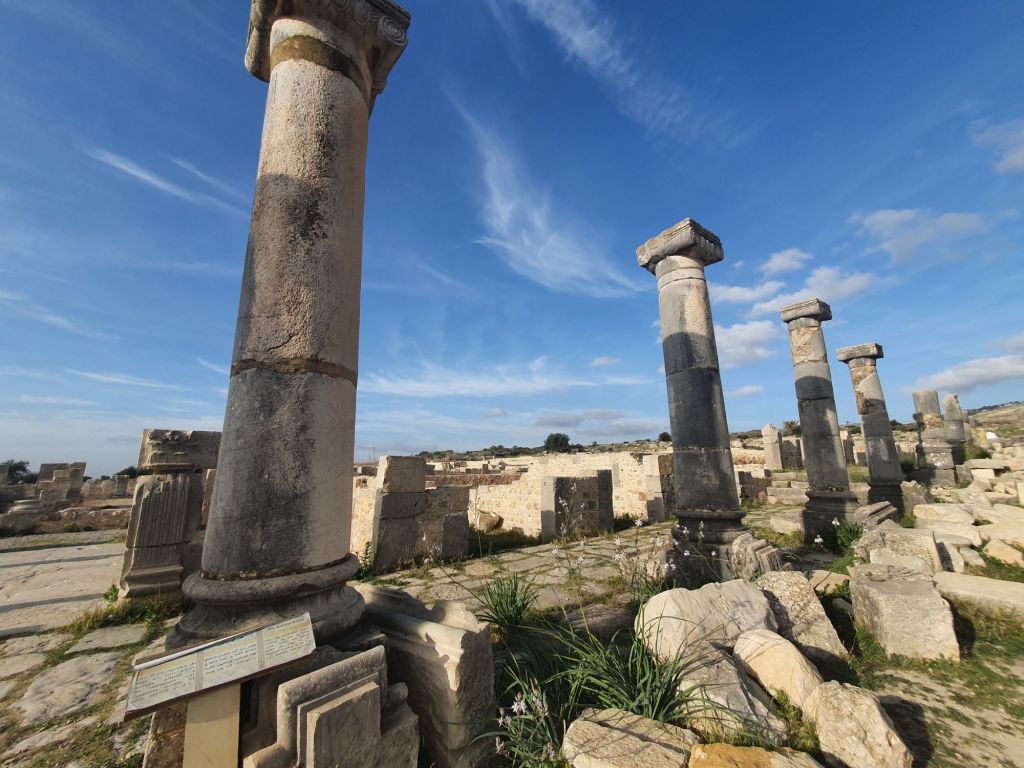
Volubilis was once the capital of the province of Mauretania Tingitana and home to 20,000 people. It is a UNESCO World Heritage Site and offers a fascinating glimpse into ancient history.

During our guided tour, we explored the ruins. There are houses with remarkably well-preserved preserved tiling, thermal baths and the triumphal arch.


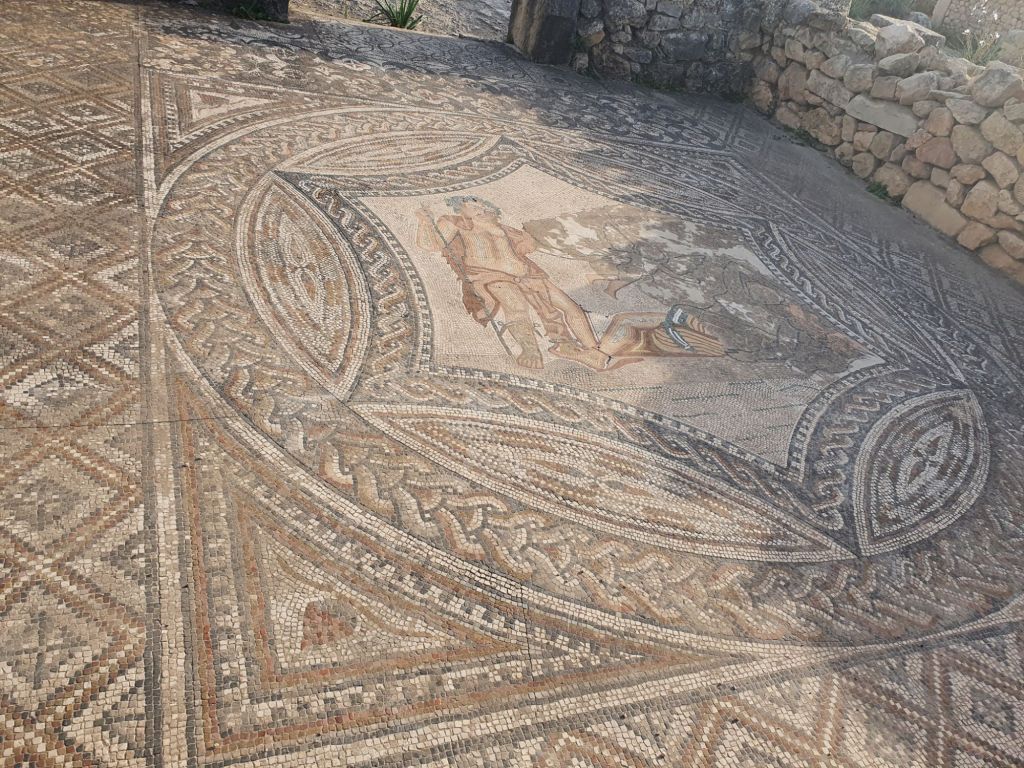
1745: After about an hour at Volubulis, it was back in the bus to our stop for the next two nights, Fes.
1930: Our day concludes in Fes. Our hotel is situated in the new town part of Fes, where the architecture style is Western and there are many restaurants and cafes.

There is time for a late dinner at the nearby restaurant. There was a great selection of dishes available – various salads, soups, tagines and cous cous – but we were told that the cous cous was only available on Fridays (and today was Monday) (more on why this is on a later post). The moroccan vegetable soup was delicious and came with a side of bite size sweets – a combination I have never tried before, but it worked perfectly well!
Tomorrow, we have a full day tour of the imperial city of Fes. More on that on the next post.
 Diary of a Tourist
That is a long day of driving, but with the rewards of interesting and varied scenery and the destination at the end, seems well worth it.
LikeLiked by 1 person
Definitely. It was quite a kot of driving, but the bus was very comfortable and scenary ever changing, so it was really good
LikeLiked by 1 person