
Where and when: Fes to Erg Chebbi, 29 January 2025
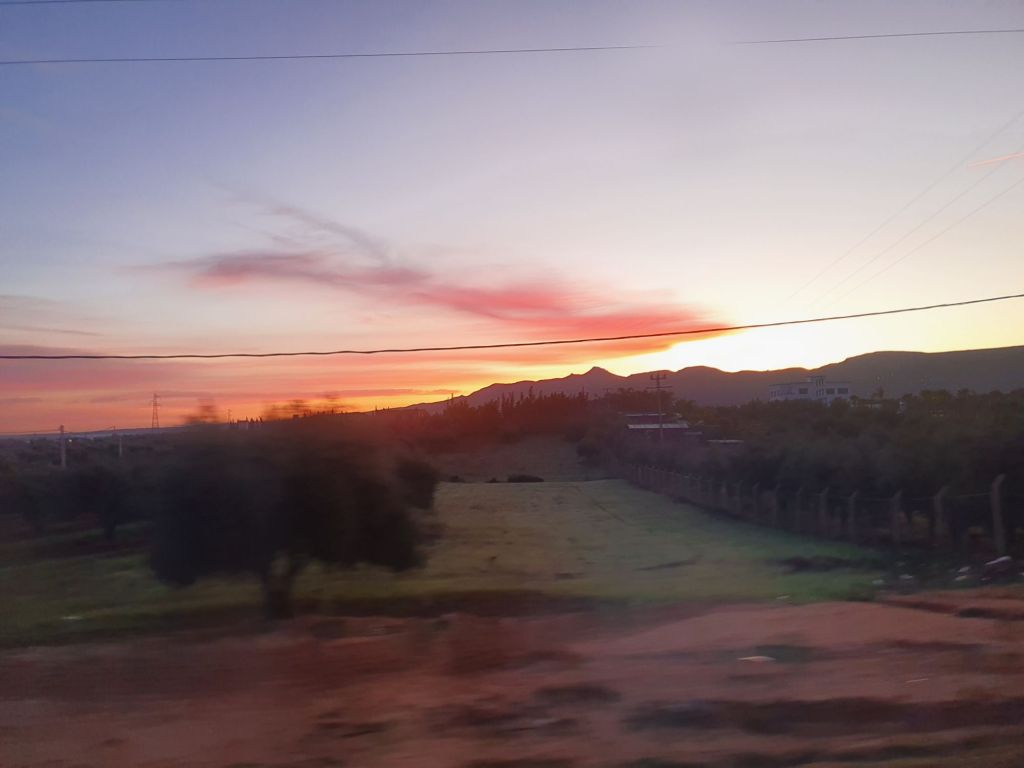
0730: Our day begins early as we leave Fes and head to Erg Chebbi. We are driving across the Middle Atlas, reaching elevations of 1,900 meters.
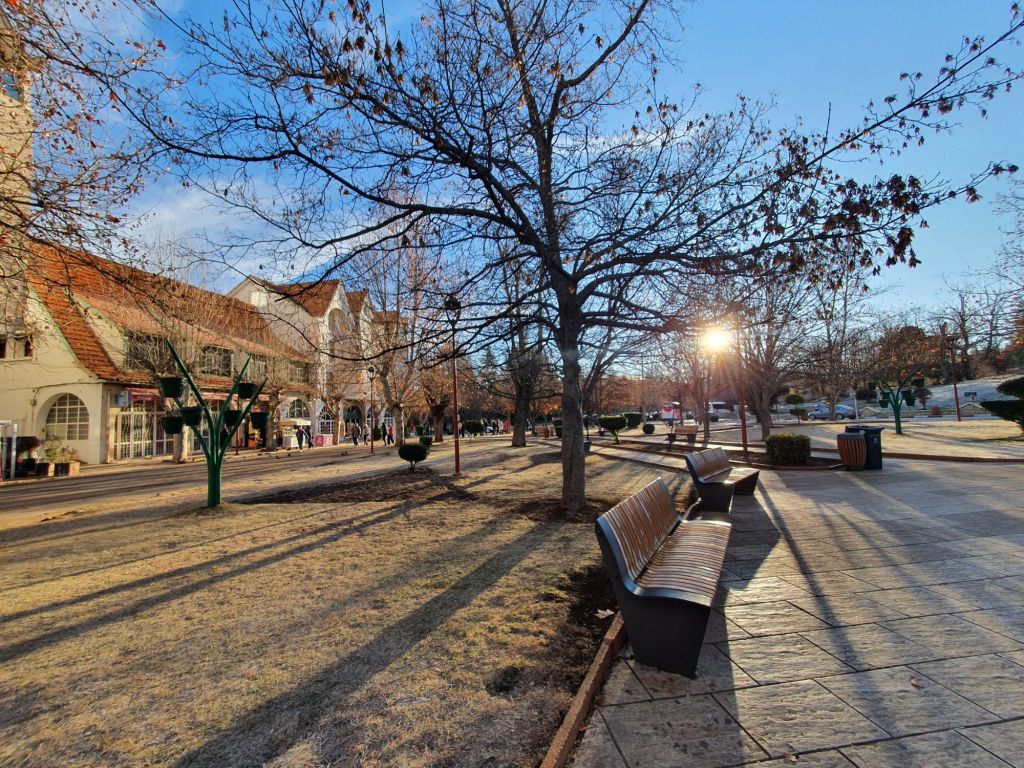
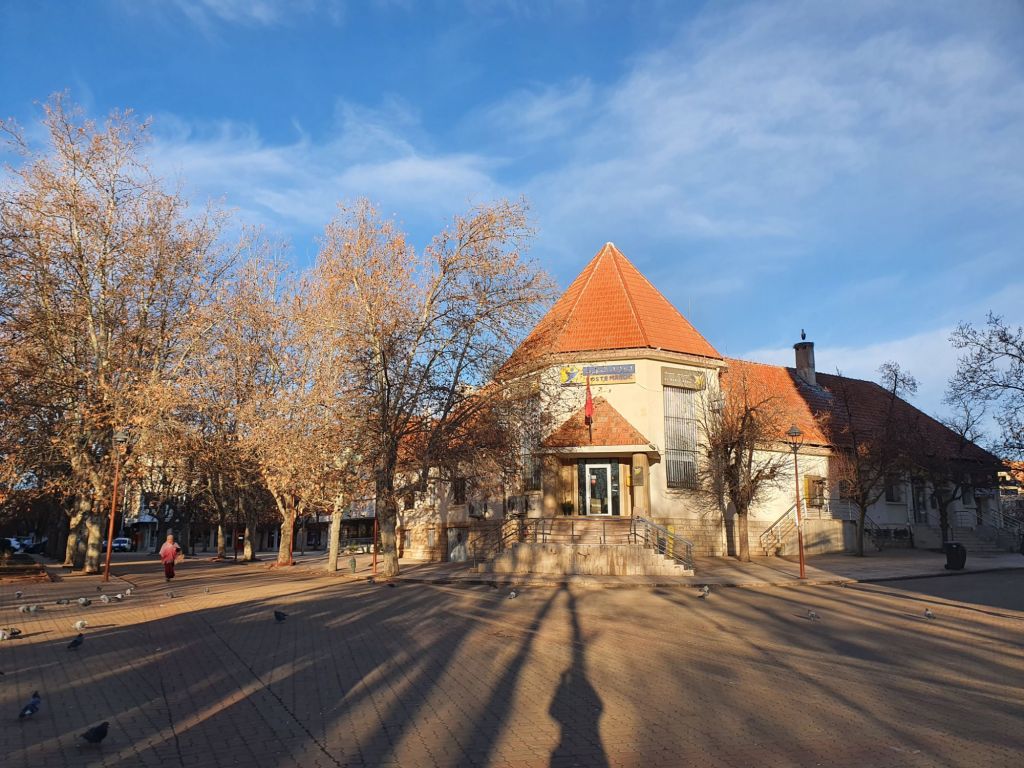
0900: Our first stop is the town of Ifrane, also known as little Switzerland. The town is high up in the mountains and looks very European. This is where many well to do Moroccans decamp to in the sweltering hot summers.
We traverse the High Atlas Mountains, where Toukal is the highest peak, although there’s no fresh snow this year yet.
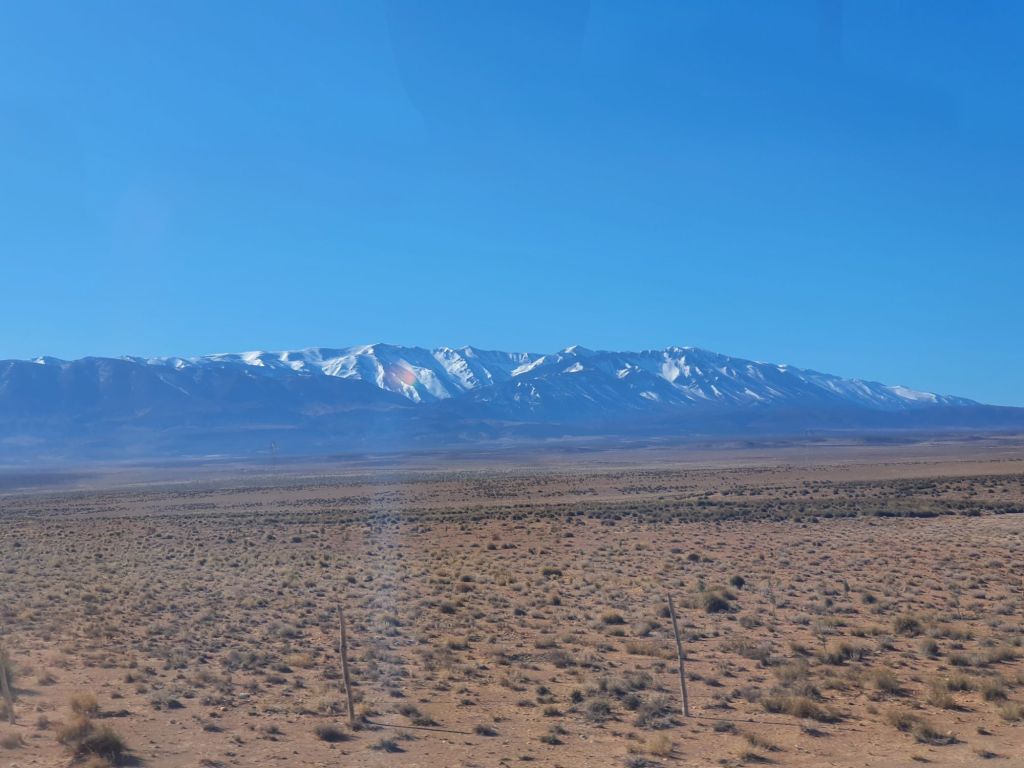
The lack of snow means that water conservation is a priority. If there is no good snowfall, in the summer the water will have to be rationed. We also drive past several man made reservoirs and irrigation systems. These capture the melting snow at the end of spring and use it for cultivation during the summer.
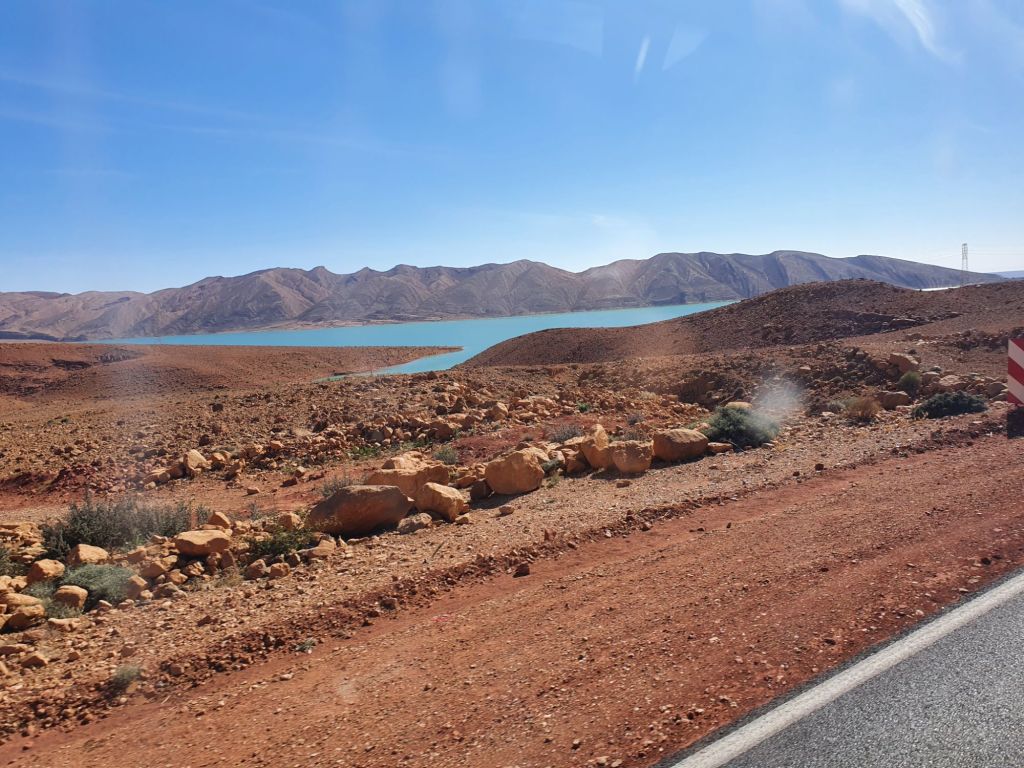
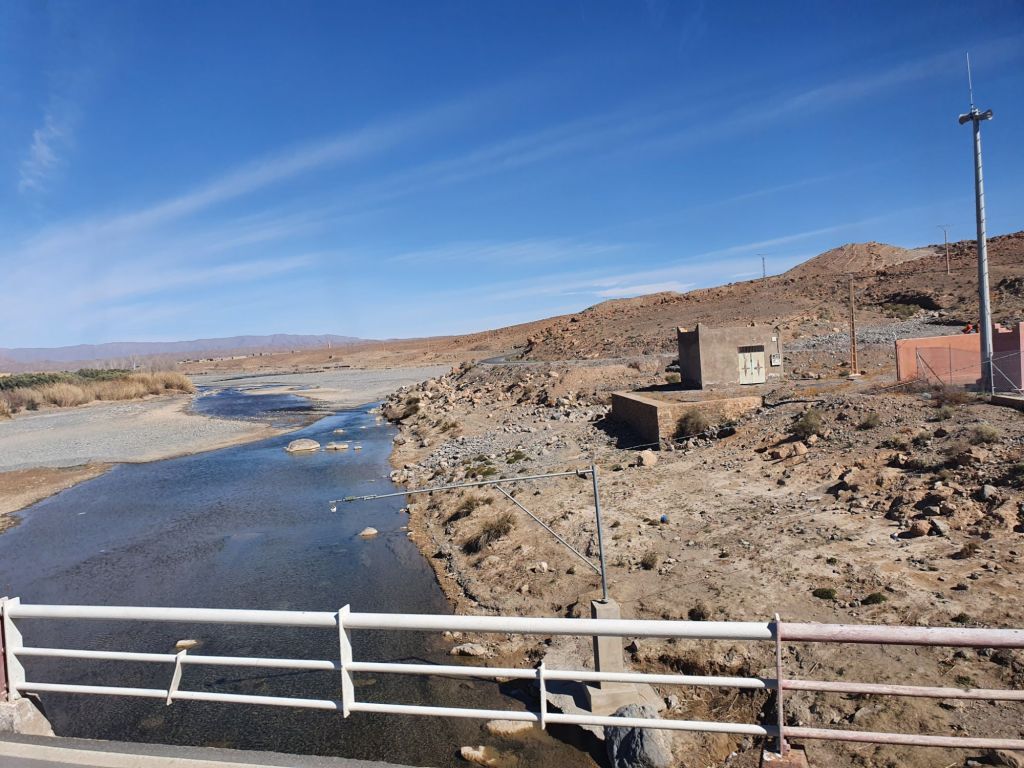
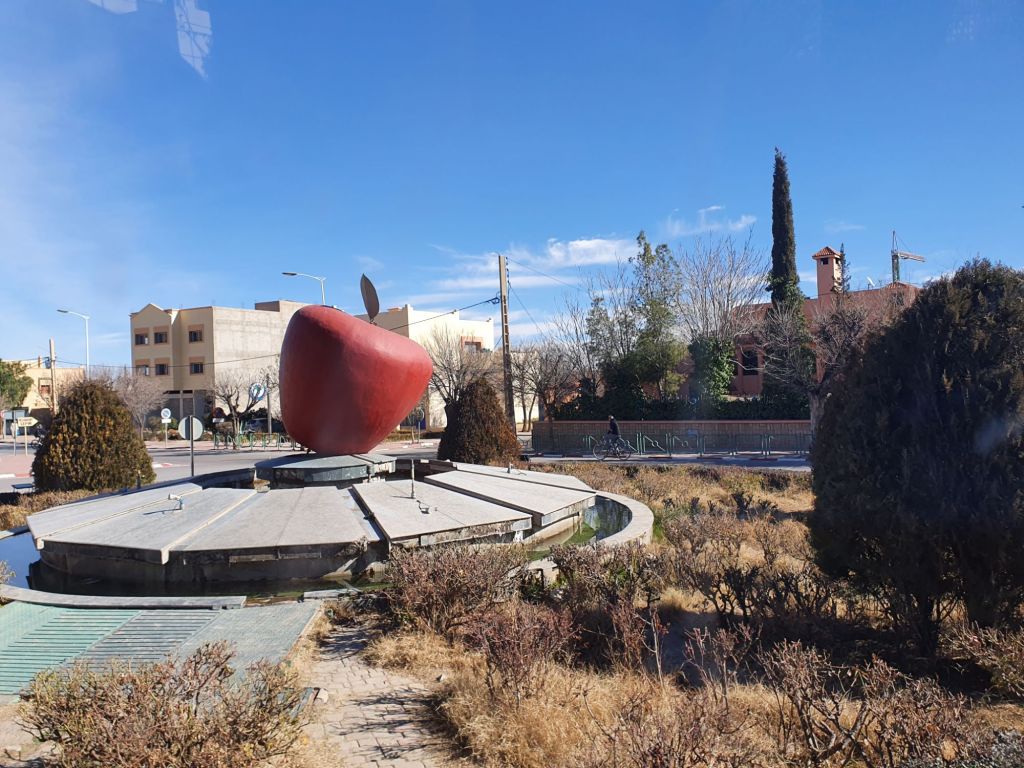
1100: We visit Midelt, known as the apple capital of Morocco and a trade center with a population of 60,000, comprising Arabs and Berbers. The region’s economy relies on agriculture and mining. The 50-year French occupation of Morocco has left a lasting legacy, including roads and language. Until 2023, every child learnt French as a second language in school, but in the last coiple of years, this has been switched to English.
We also learnt about camels. Camels belong to one of two species: Dromedary or Bactrian. A Bactrian camel is large and has two distinct humps. They are better suited for colder weather, allowing them to go without water for a week. In contrast, Dromedary or Arabian camels are smaller and have a single small hump. They can survive for two days without food or water. All the camels you see in Morocco are dromedarys.

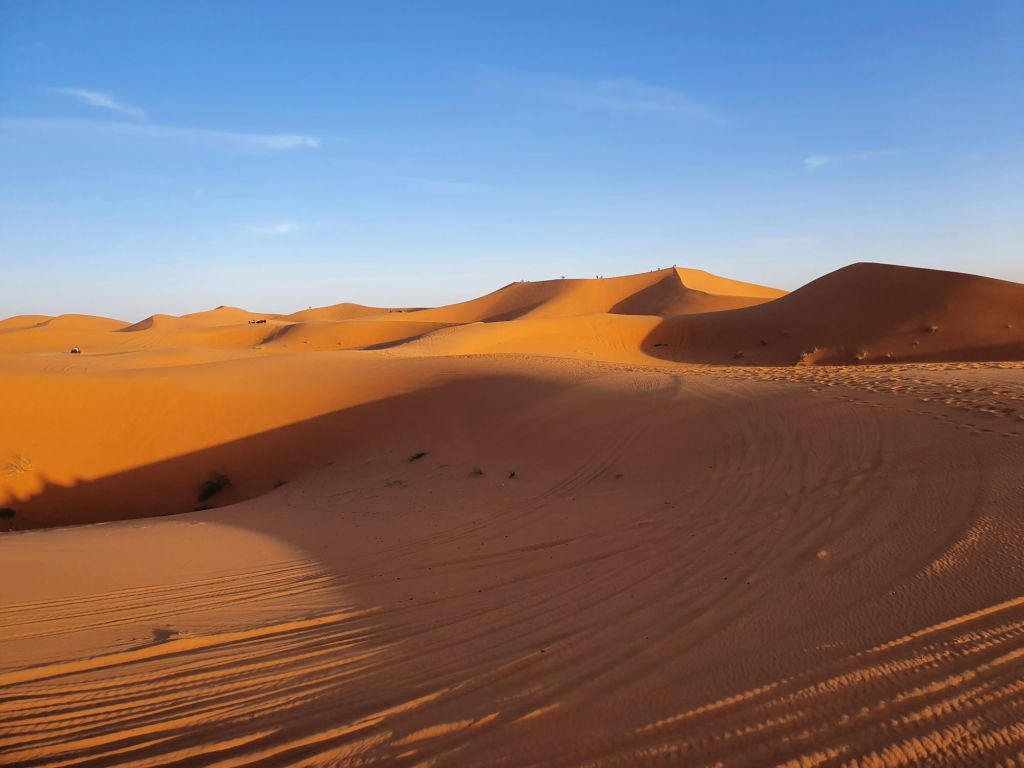
1715: Late afternoon we arrive at Chebbie dunes. This is the edge of the Sahara. The dunes stretch 25 km by 7 km, with dune heights reaching over 800 meters. Our camels are waiting for us. We all get on a camel and set off to cross the dunes to where our ovenight camp is.

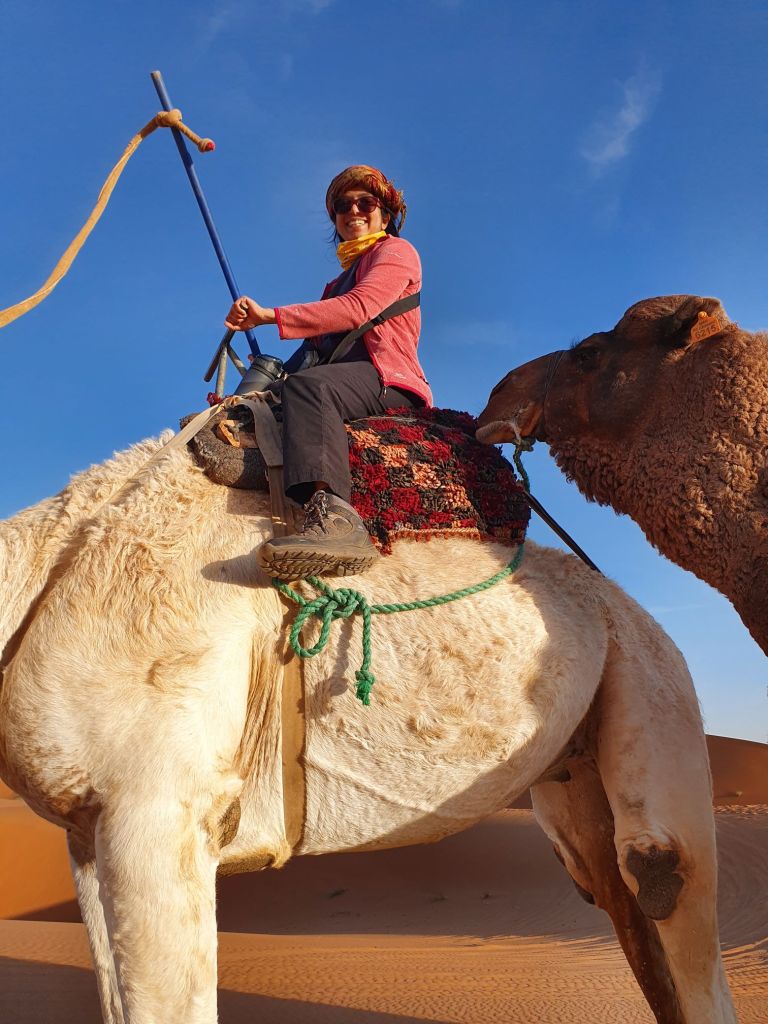
It’s my second time on a camel (after Wadi Rum, Jordan). But this is trickier. AT wadi Rum, the ground was hard and flat. The dunes here undulating and are made of very fine. With each step the camel moves a lot more, so balancing is required on your part. It’s great workout for your core and thighs.

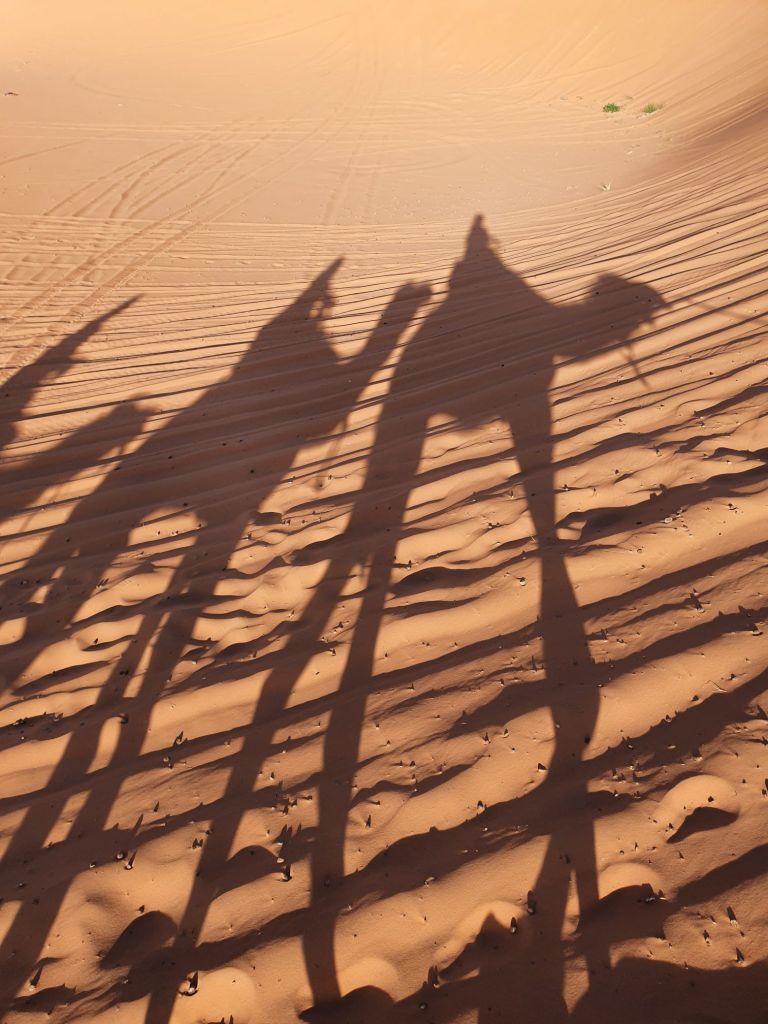
Despite the workout, it was a brilliant experiebce; especially at the poinh where you get to the middle of the dunes and there is only sand as far as the eye can see.
Our berber turban tying skills came in handy too. The turban keeps your head covered and stops the fine sand getting in the hair. It also allows you to cover your mouth and nose if needed.
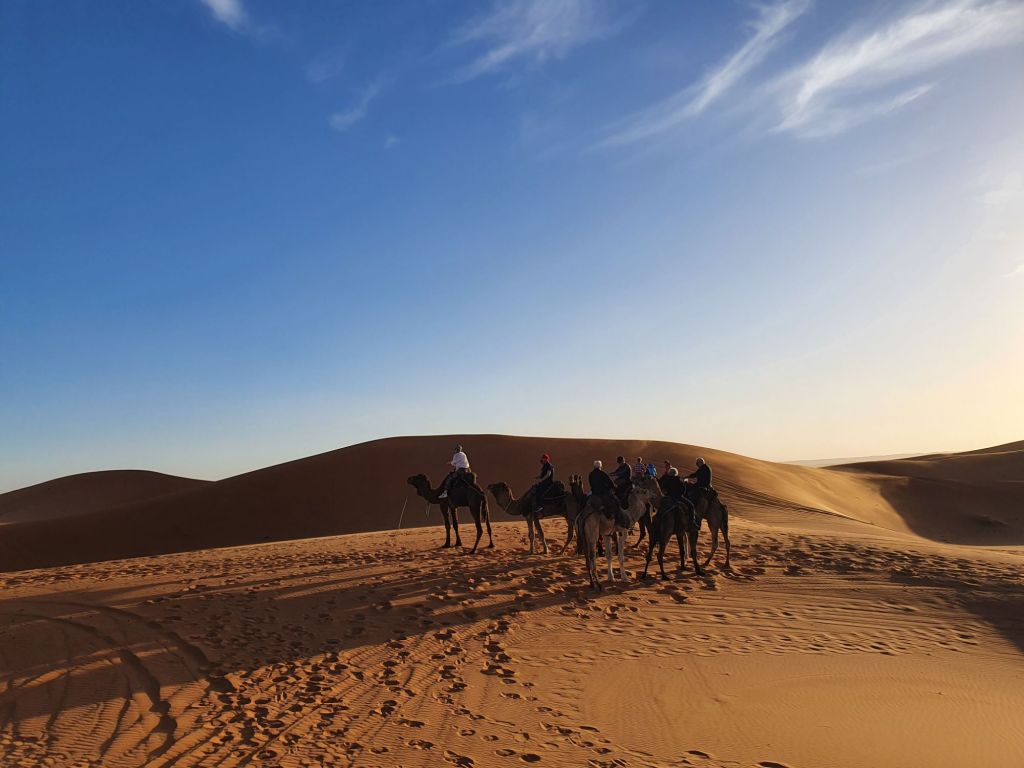
1830: In a little over an hour we arrive on the other side of the dunes at our campsite, perfectly timed to see a superb sunset over a cup of Moroccan tea.
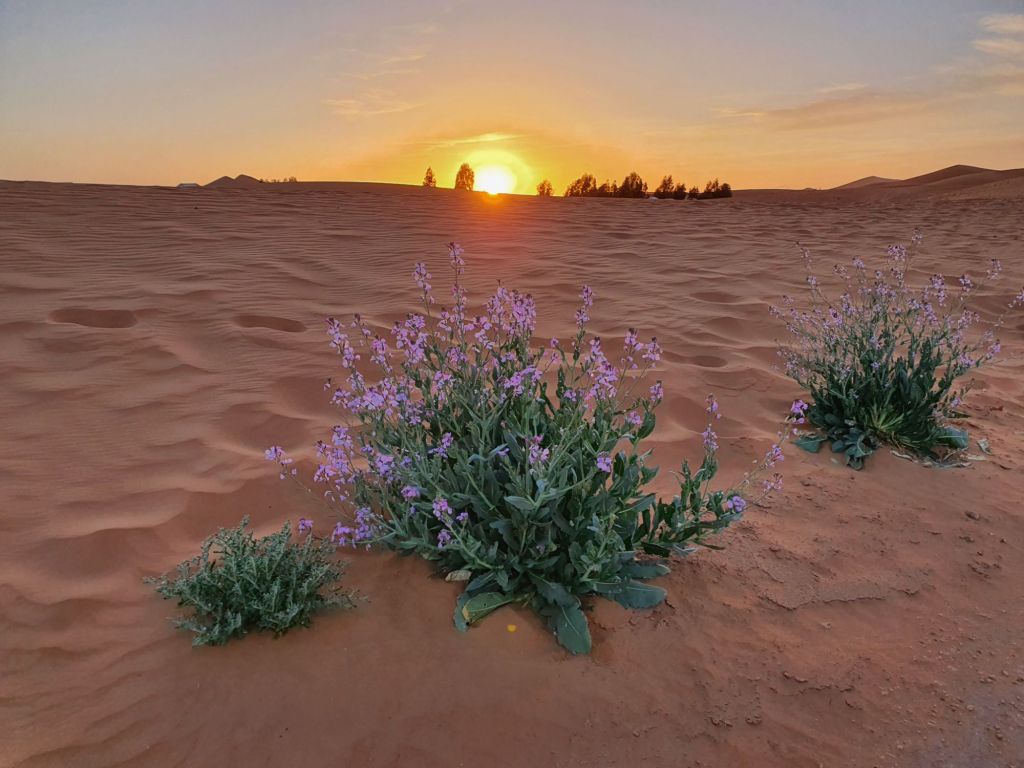

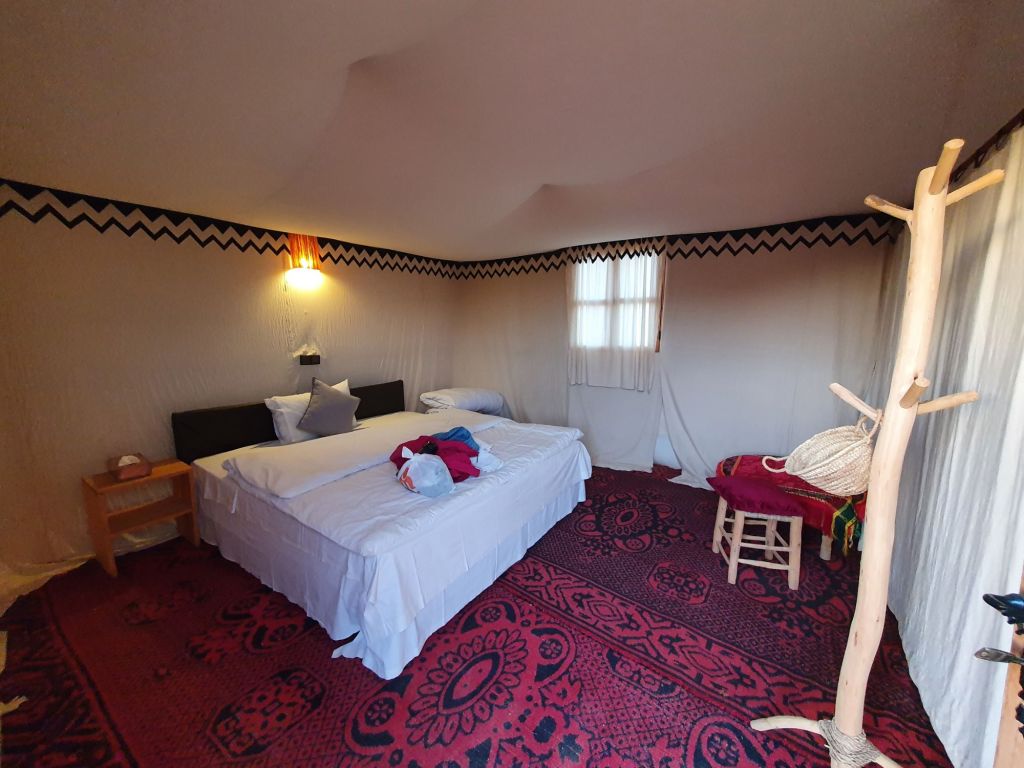
The camp is made of dozen or so tents, each housing two comfortably furnished rooms (in fact, the beds and bedding were better here that some of the big city hotels!). Every room has electricity and a charging point. There is a common toilet and shower block and a seperate catering tent.
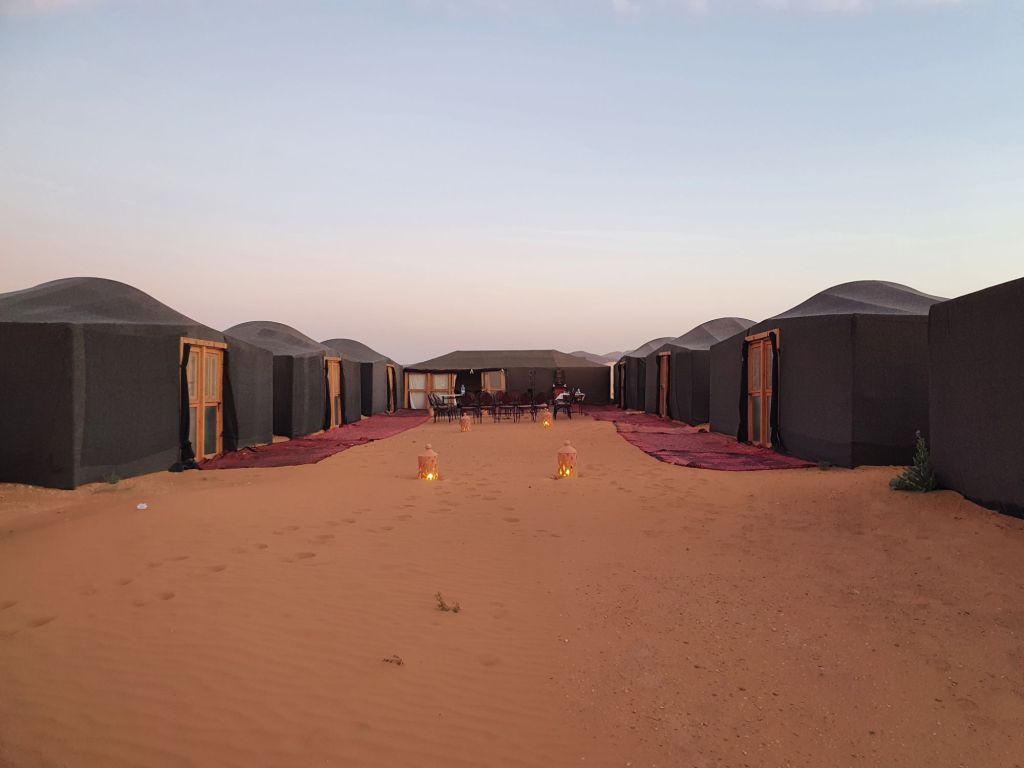
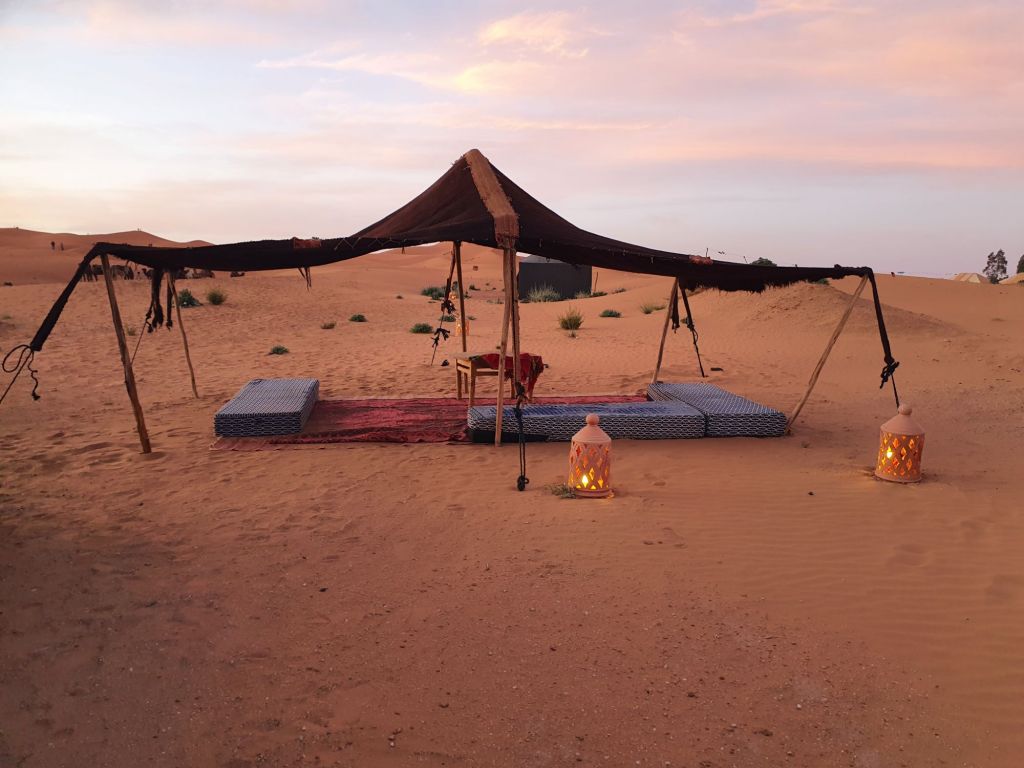
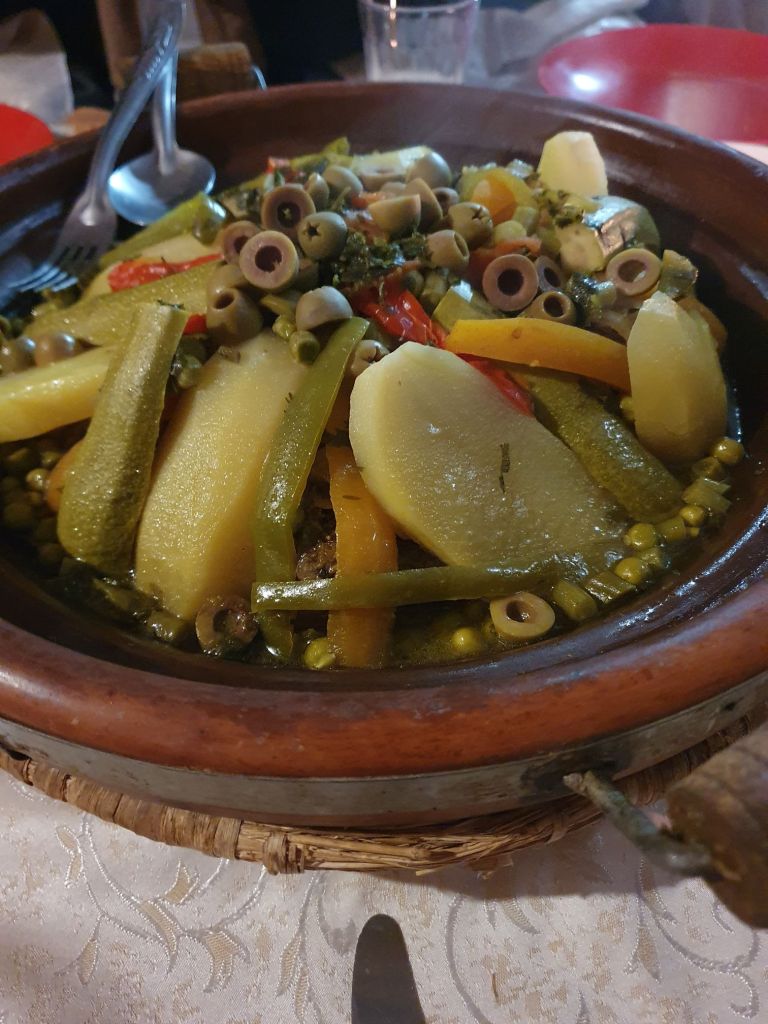
2000: Dinner was a delicious feast of tagine and afterwards we enjoyed great campfire.

After a long, but happy day, it was time for bed.
 Diary of a Tourist
That’s so funny – when we’re in Armenia this summer we’ll be going to a town there that’s known as Armenia’s “Little Switzerland.” There’s probably one in every country that’s not pancake flat.
I always teach my students a mnemonic trick for remembering which camel is which: B for Bactrian and D for Dromedary. Now just turn the capital letters on their backs and you get the correct number of humps!
LikeLiked by 1 person
That’s very true about Little Switzerland – they seem to be everywhere. Great Mnemonic aboit camels – have to admit before this trip, I didn’t even realise there were 2 types!
LikeLiked by 1 person