Where and when: Riga, Latvia, May 2025
This morning, we decided to explore the new town of Riga. In the afternoon, we had booked a food tour of the Central Market.
Freedom Monument
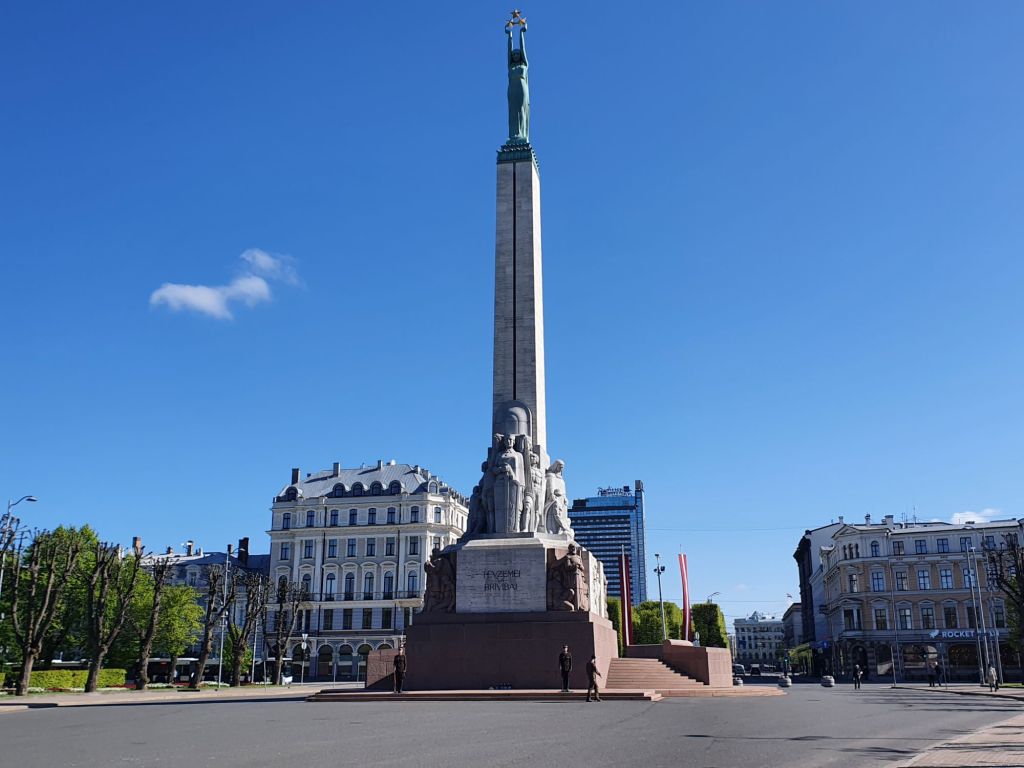
The Freedom Monument in Riga, was erected in 1935, commemorates those who fought for Latvia’s freedom during the War of Independence (from 1918 to 1920). It features a tall granite column topped by a bronze figure of Liberty holding three bright stars. The monument stands in the Bastejkalna Park which divides the old town and new town of Riga.
Bastejkalna Park
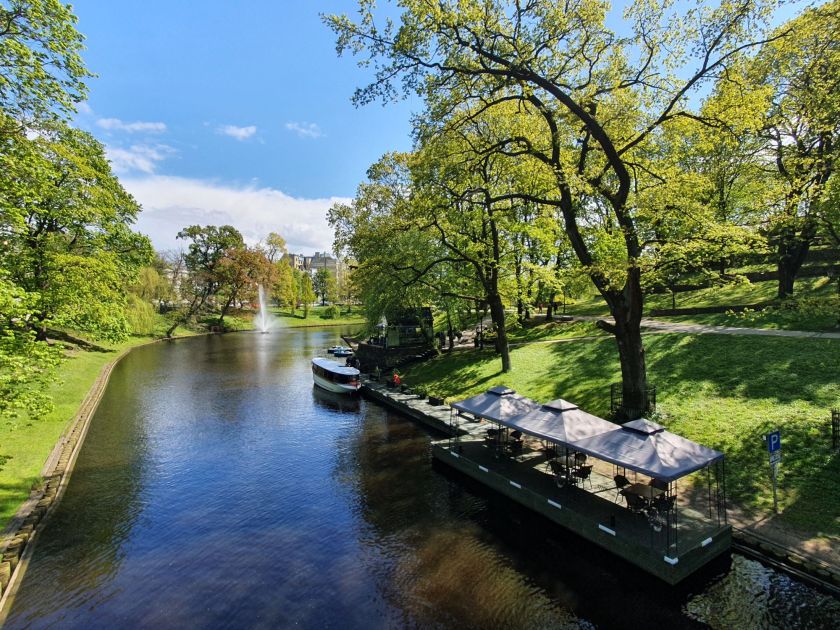
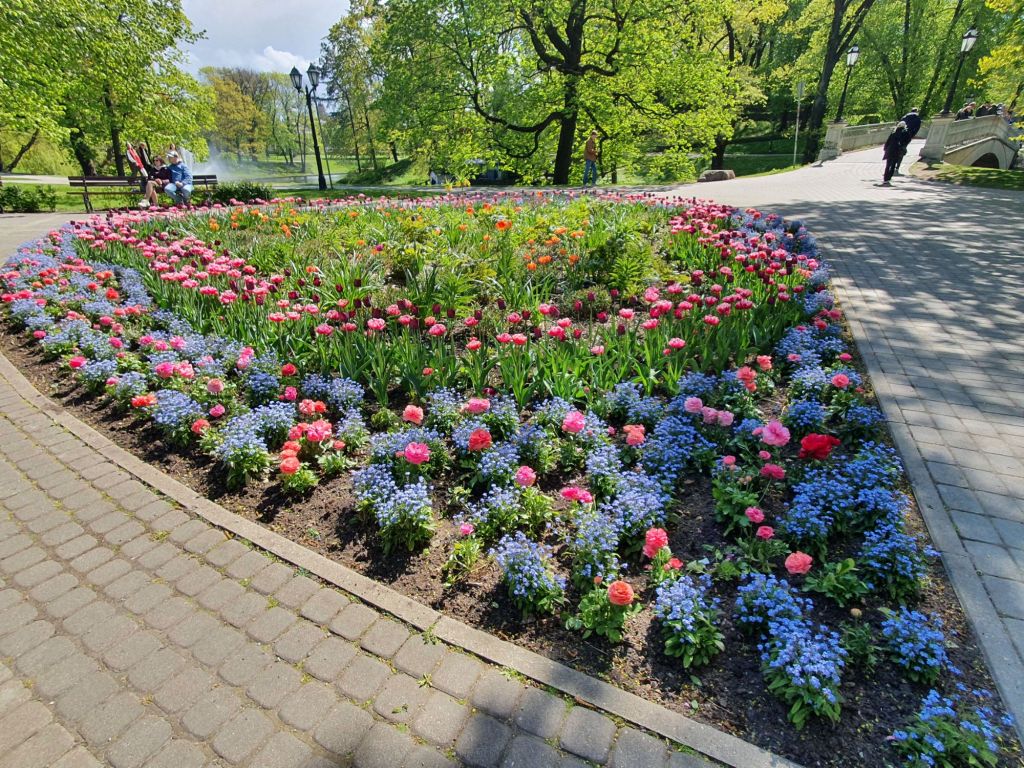
The nearby Bastejkalna Park is a very picturesque urban park built on either side of the Pilsetas Kanal. The park spans approximately 8.3 hectares, and has beautifully landscaped gardens, walking paths and various sculptures and monuments.

Canal and River Boat Tour
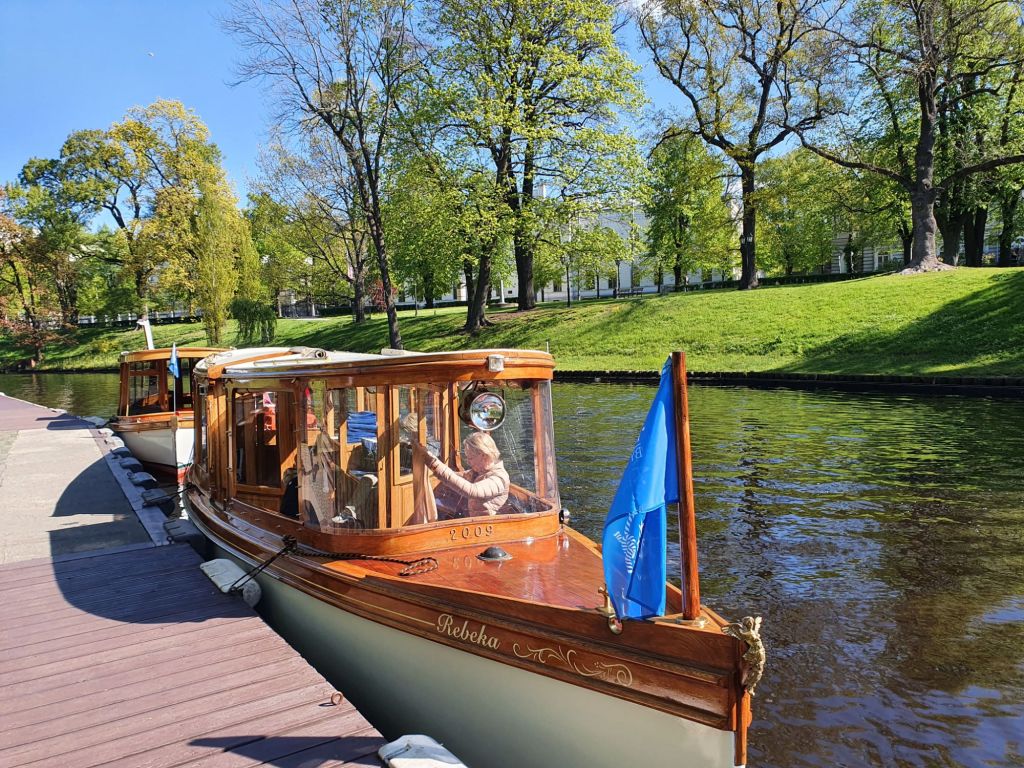
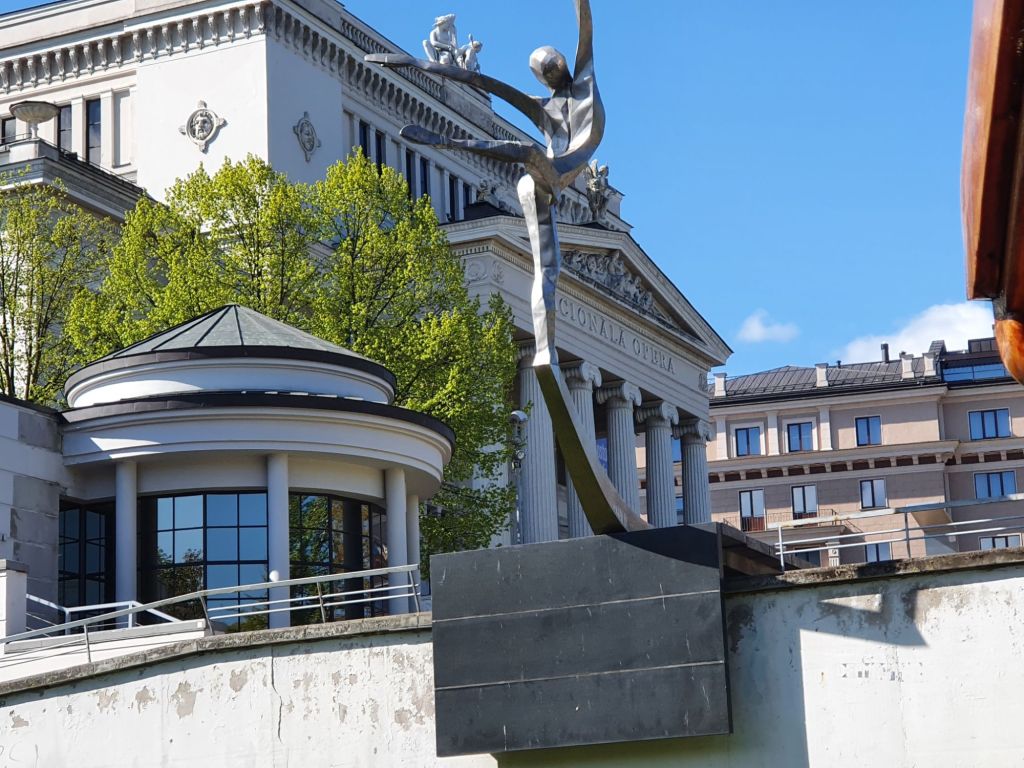
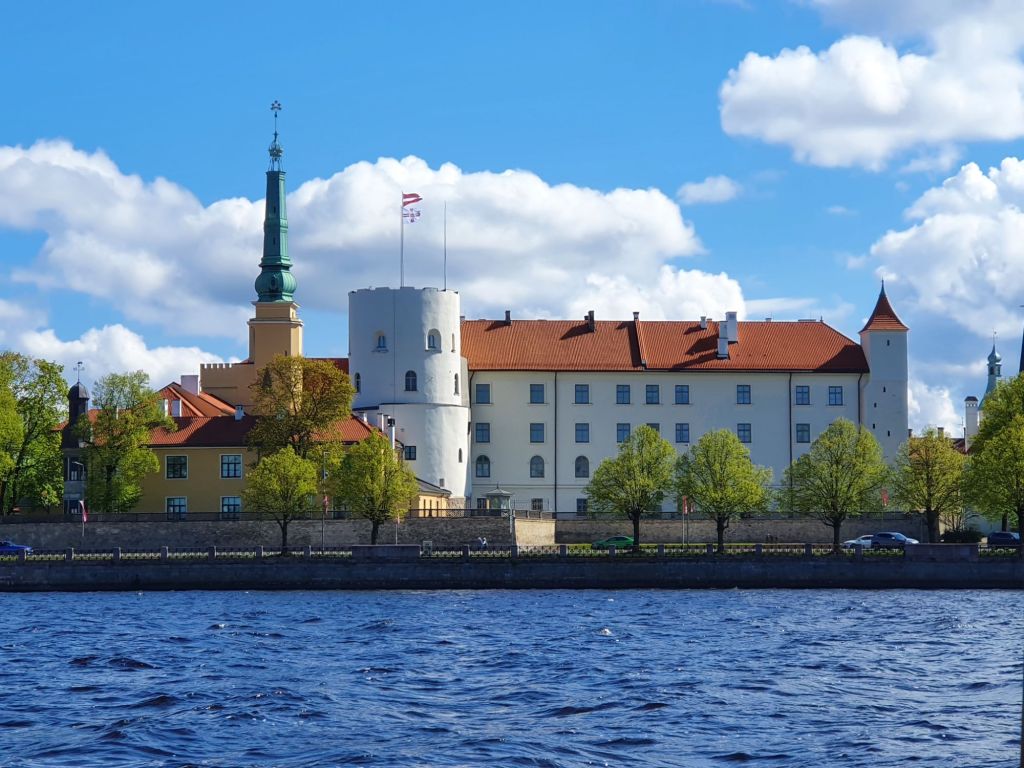
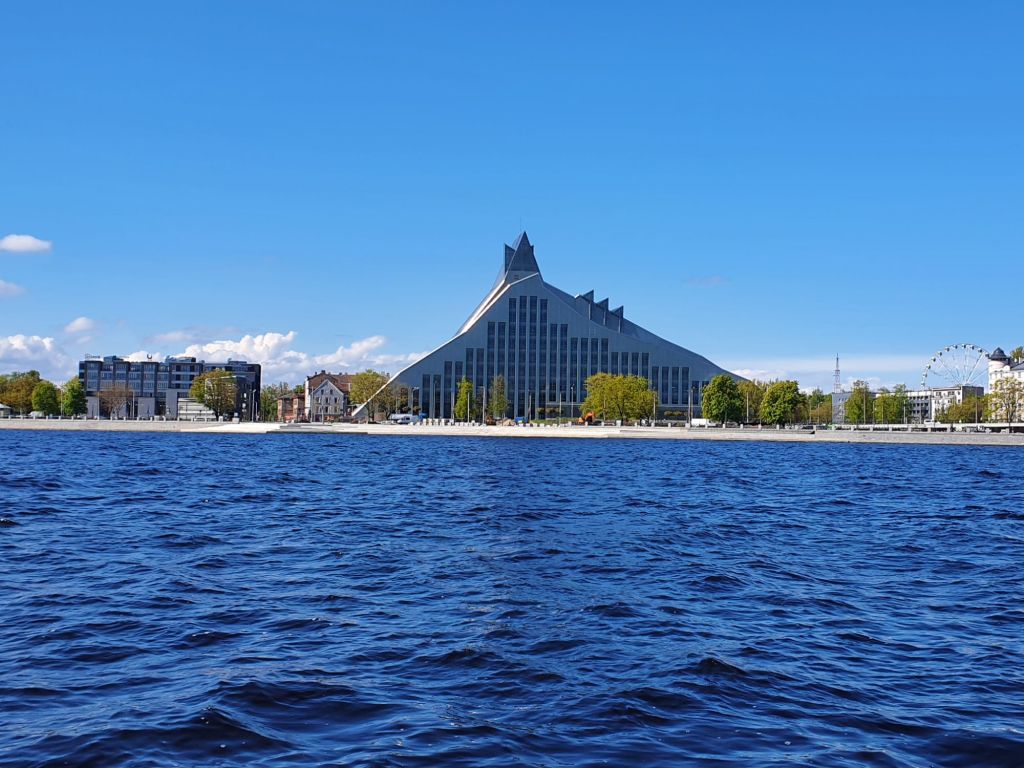
1100: As it was a beautiful day we decided to go on a boat tour, which departs from Bastejkalna Park. The boat tour goes in a loop, along the Pilsetas Canal to where it joins the Daugava River, then along the river and then back to the canal. On the way you can see many key landmarks in Riga.


Art Nouveau District and Museums
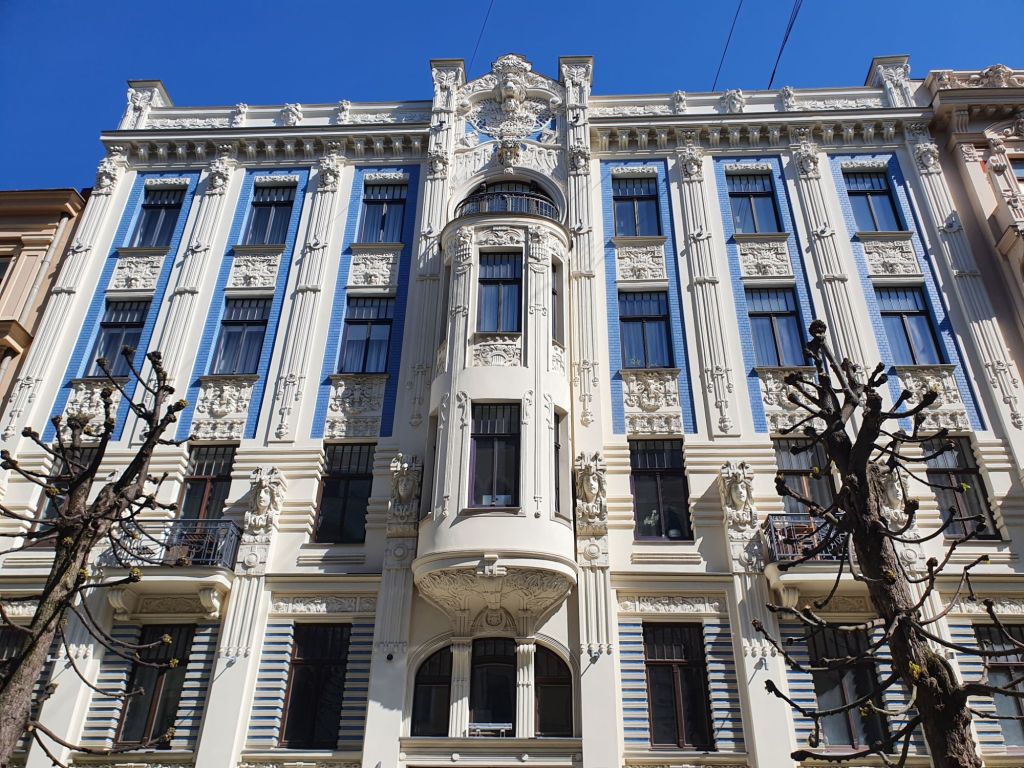
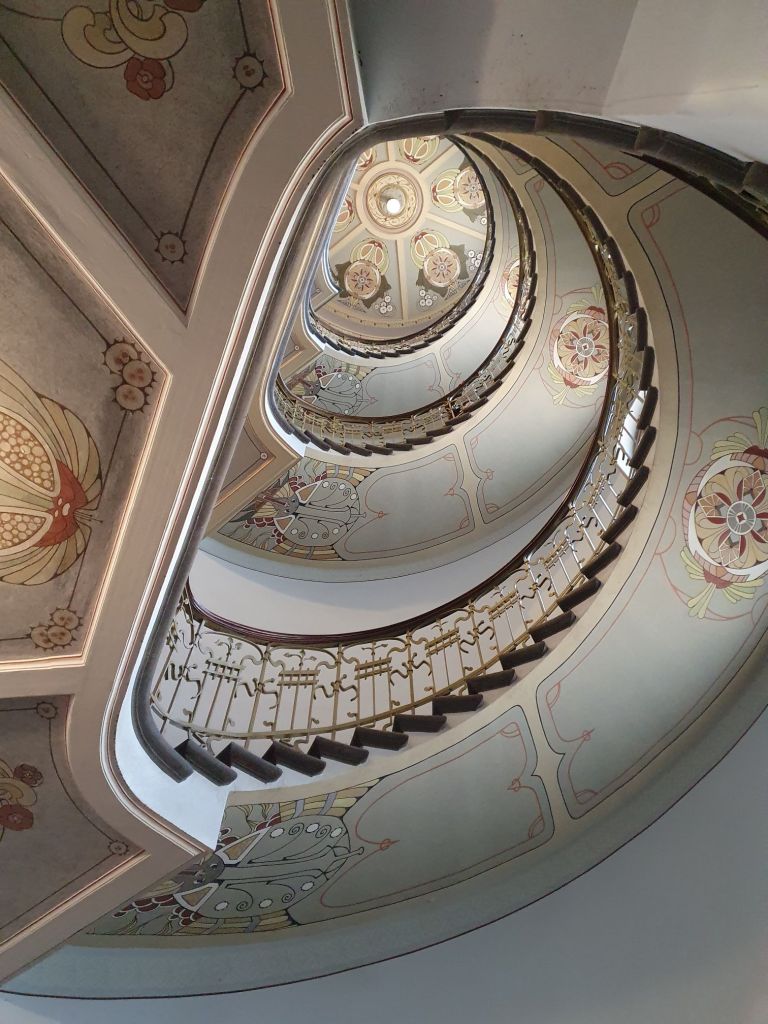
1100: After the boat tour, we decided to head to the Art Nouveau district in Riga, specifically Albert Street. This picturesque street is lined with beautifully ornate buildings, each featuring intricate facades, decorative sculptures, and vibrant colours of the art nouveau movement. The street is home to several iconic buildings by famous architect Mikhail Eisenstein.

Art Nouveau museums
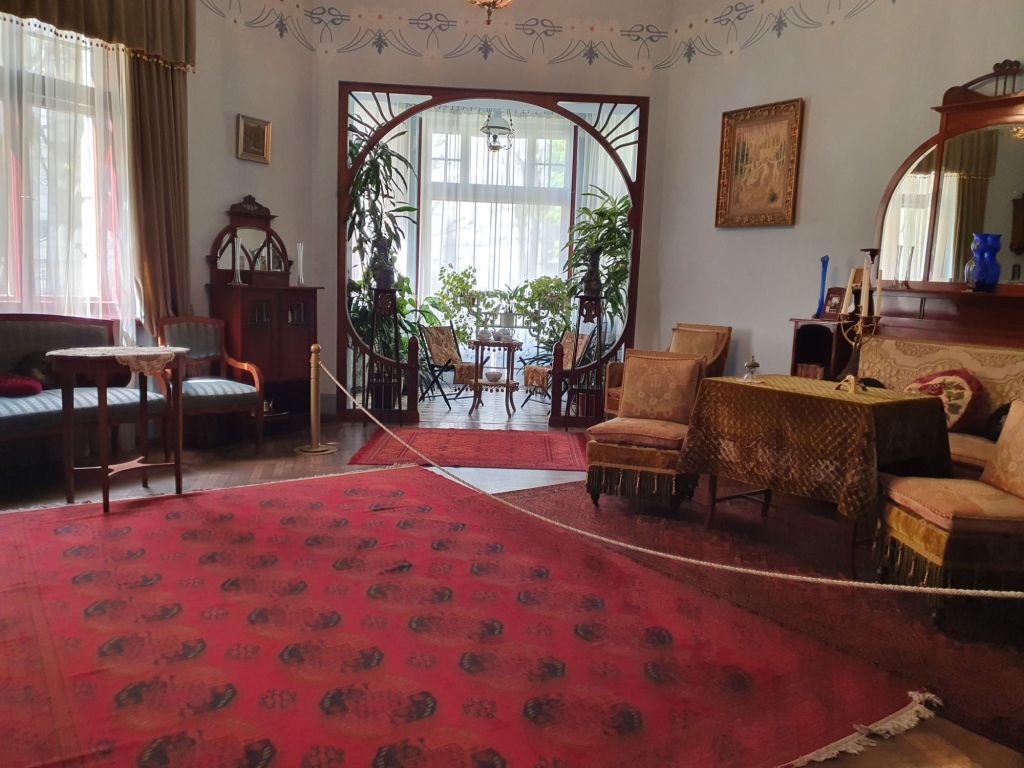
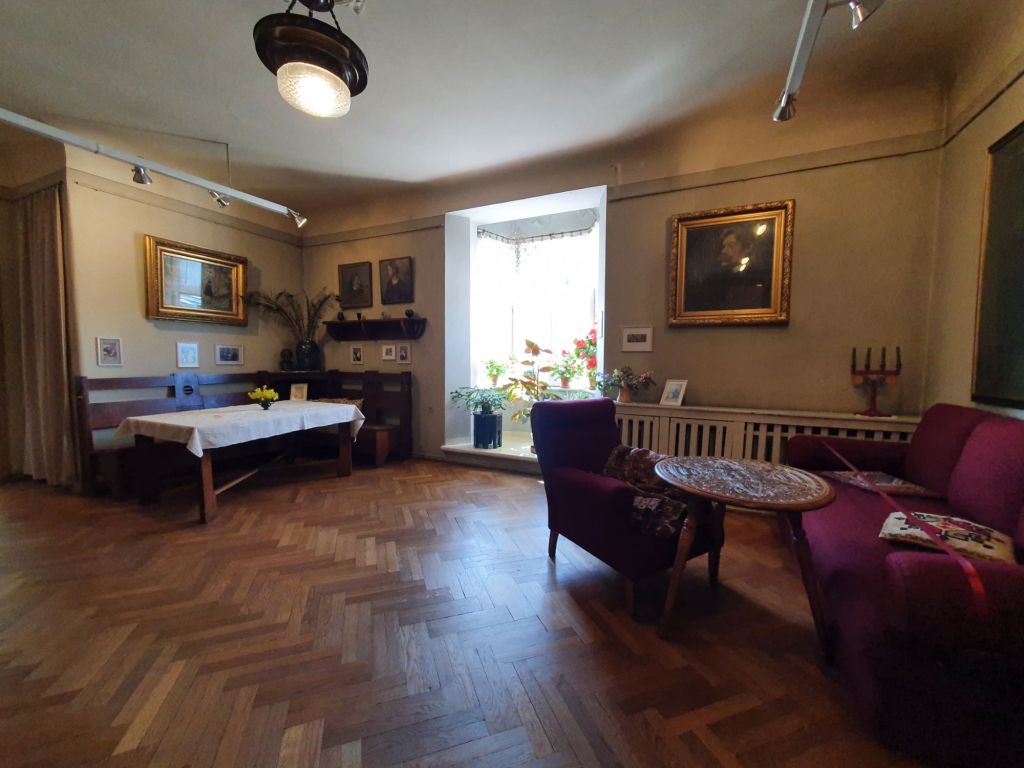
At the end of Albert street are two museums. One an Art Nouveau museum and the other the former residence of artist Janis Rozentāls, which is now a museum.
Museum of Irons
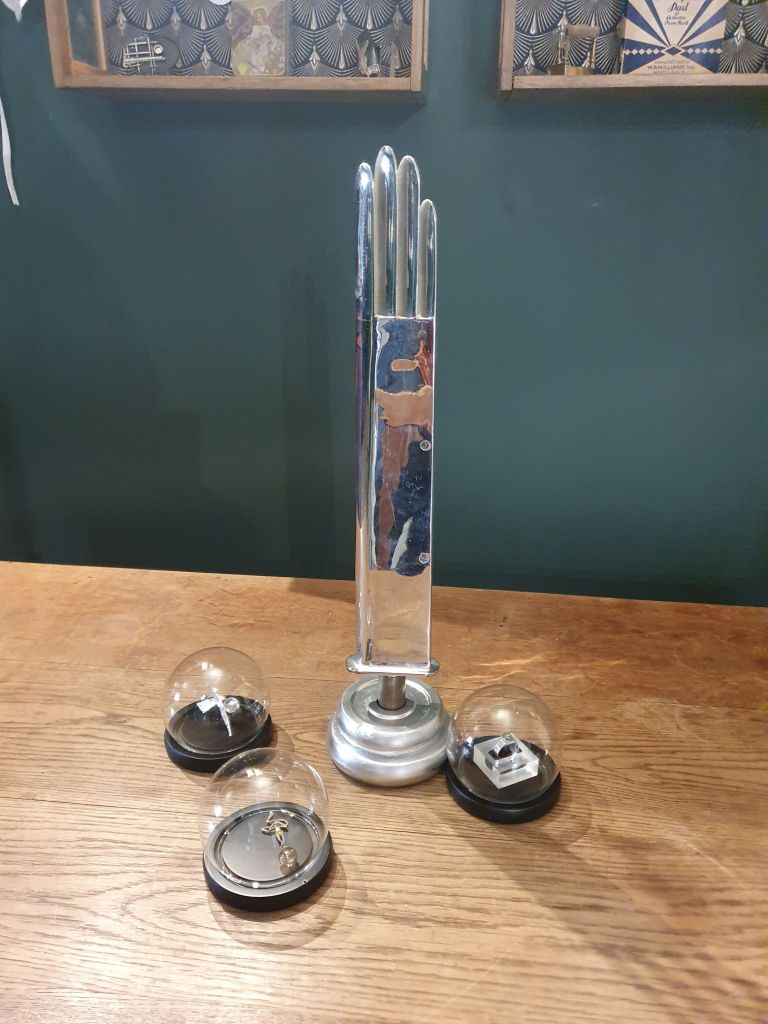
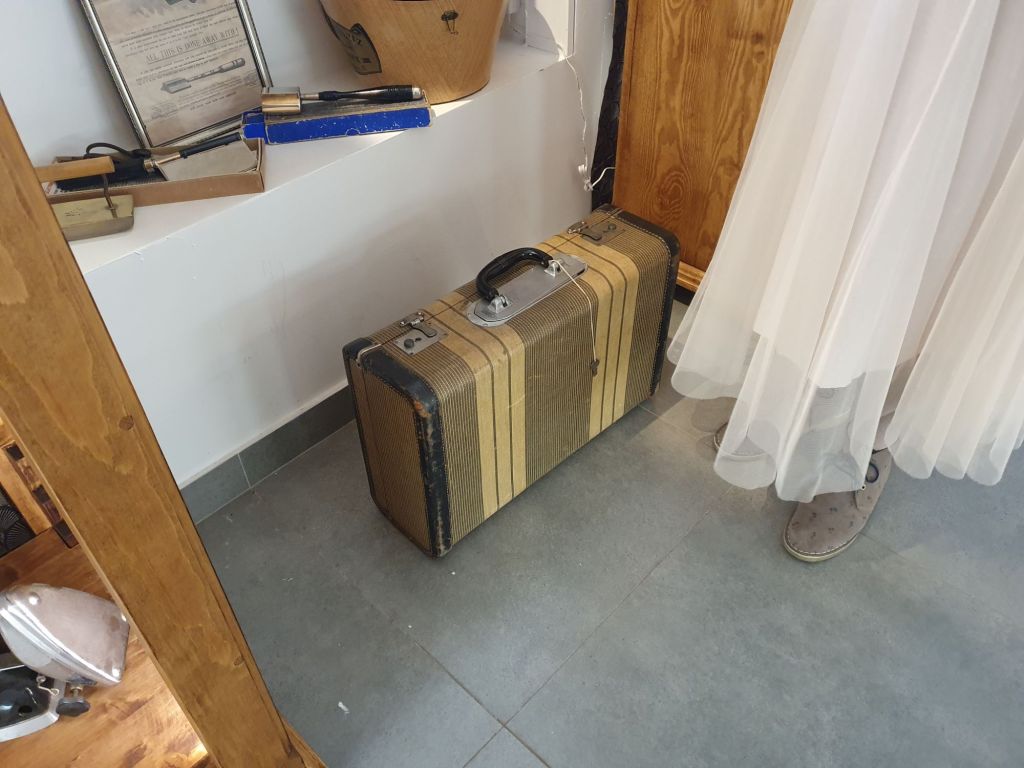
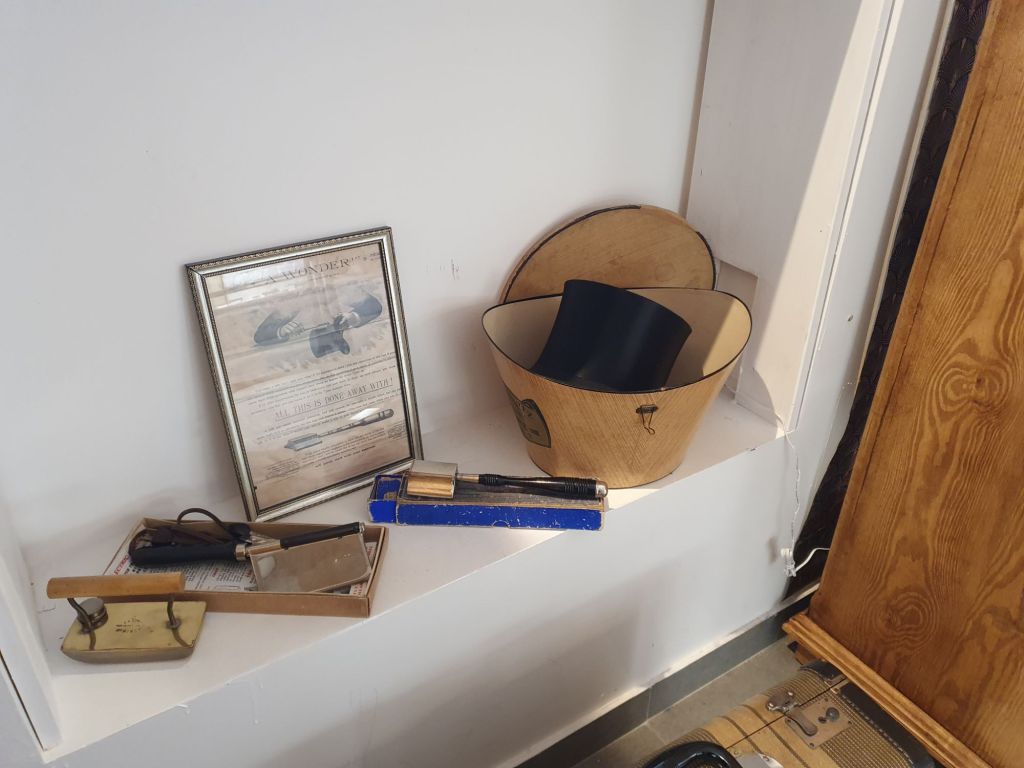
After the Art Nouveau museum, we happened upon one of the quirkiest museums I’ve ever come across – a museum dedicated to irons. It was a temporary exhibition of a private collection of irons from around the World and from different time periods.




Riga Central Market Food Tour
1330: For the afternoon, we had a Riga Central Market and a traditional food tour booked with SmileLine. The tour started near the House of the Blackheads.
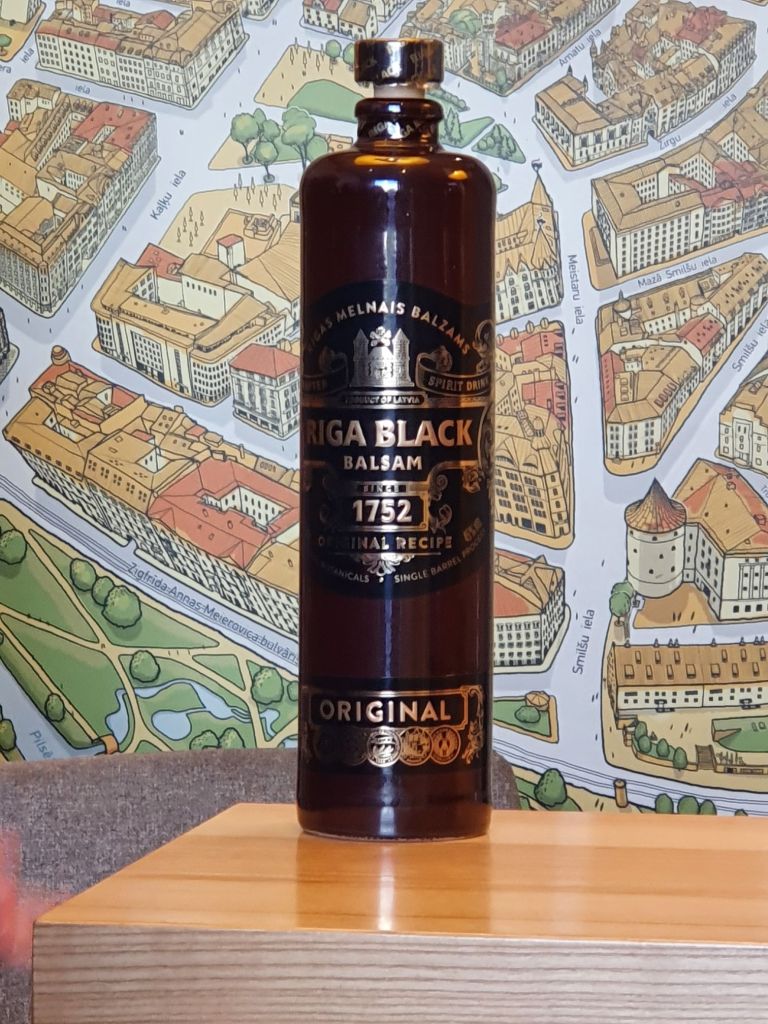
The tour began with a taste of the famous drink, Riga Black Balsam. Created in the 18th century by a pharmacist as a cure for all ailments, it is still used today for minor health issues, as an aperitif, and is regarded as Latvia’s national drink. It is said to have been used to treat Russia’s Empress Catherine the Great’s indigestion, gaining a wide reputation. The original Riga Black Balsam has 45% ABV and features a unique blend of 24 ingredients. While the recipe is closely guarded, it is thought to contain oak, raspberries, blackberries, honey, orange peel, ginger, pepper, and nutmeg. Nowadays, additional flavors, like black currant, are also available.

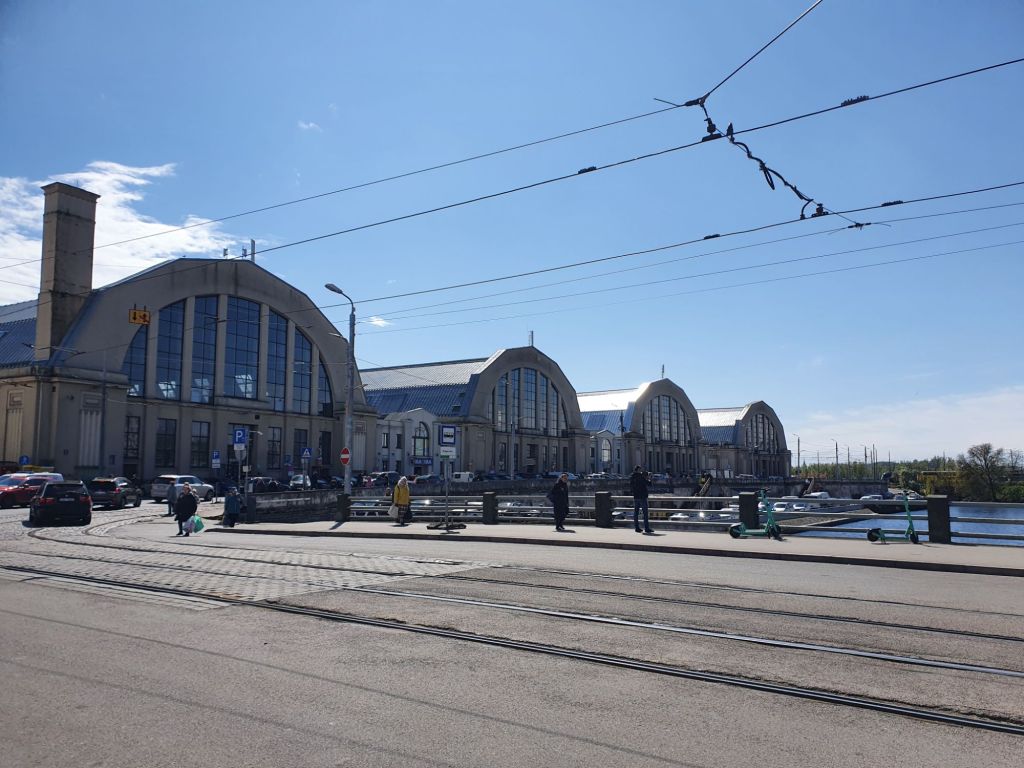
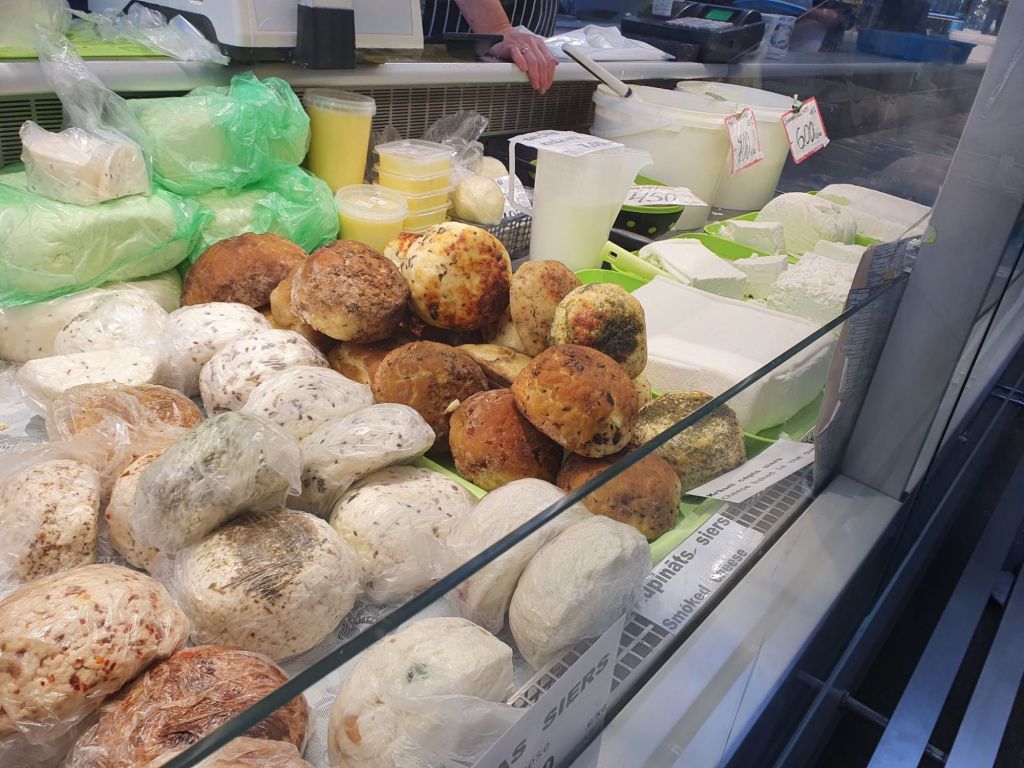
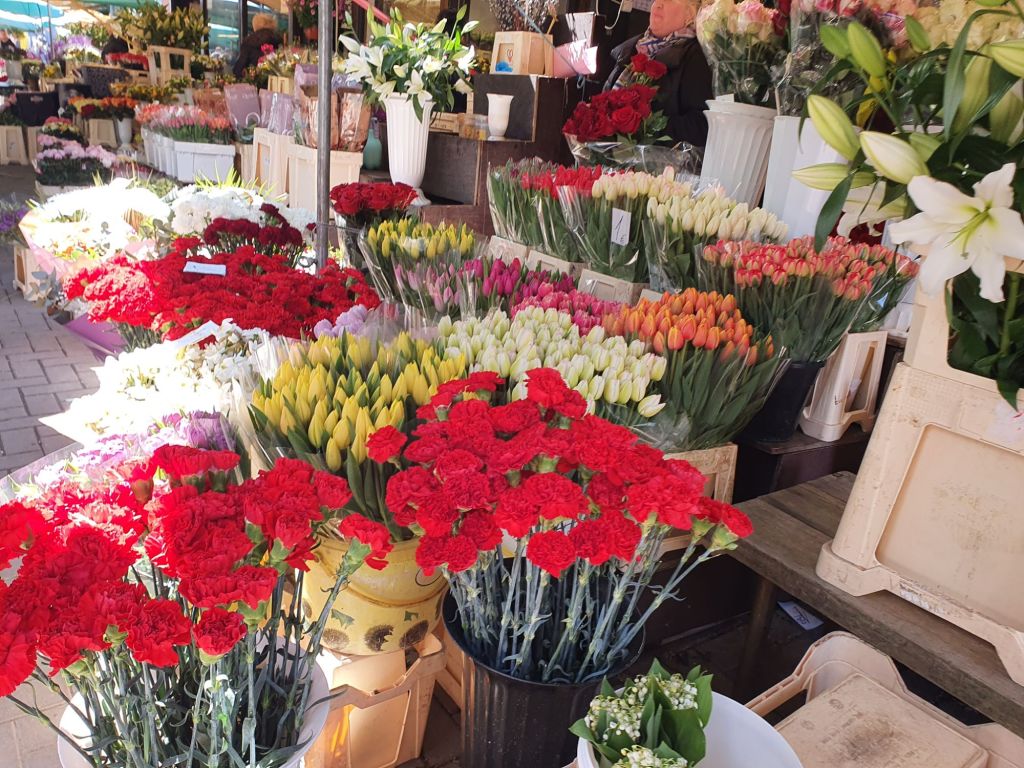
After the Balsam tasting, we headed to the Central Market of Riga, housed in historic Zeppelin hangars. Each hangar is dedicated to different local produce – meat, fish, vegetables, diary as well as clothes and artisanal goods.
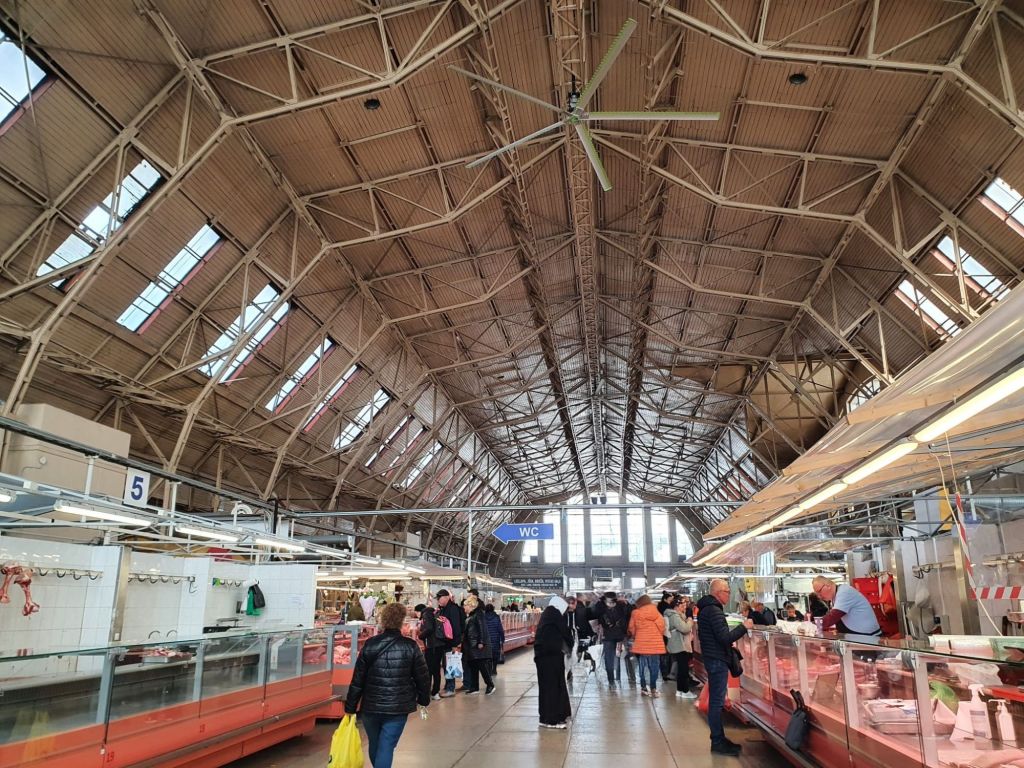
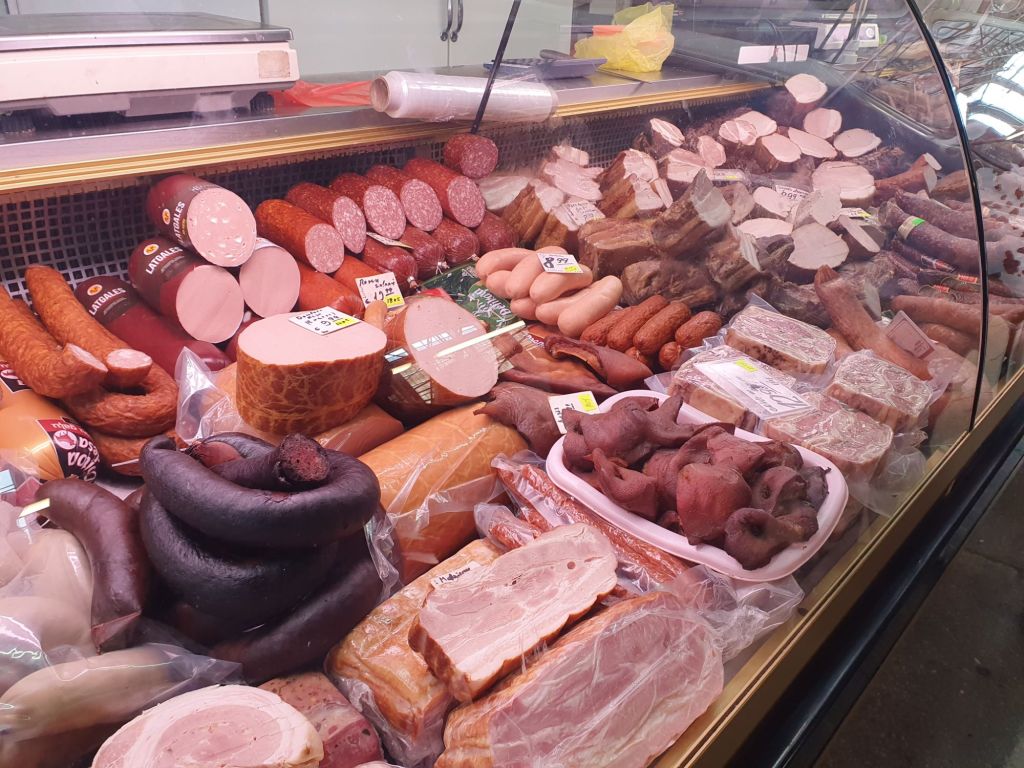
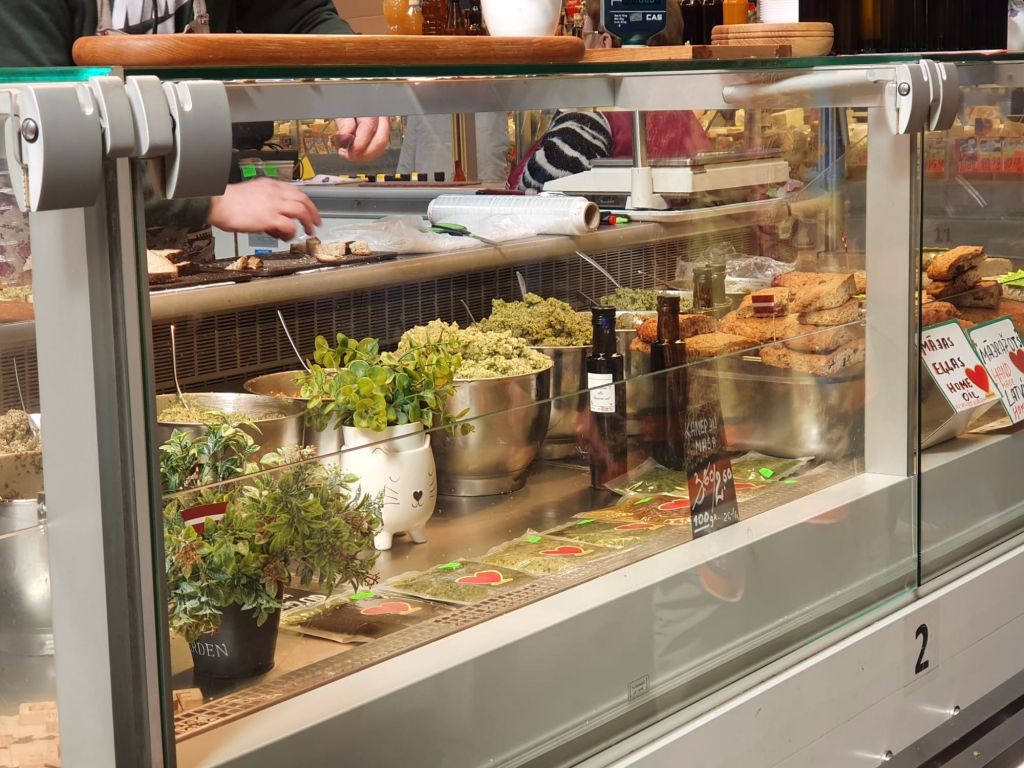
Our guide took us to a small restaurant in one of the hangars, where we sampled some traditional Latvian foods. The meal included warm sauerkraut soup and kefir (fermented yogurt) drink. We also had grey peas, a dish mostly eaten at Christmas, made of ground peas, onions, and bacon. Our guide mentioned that leaving any grey peas on you plate is considered bad luck, making me glad I finished mine the night before. There was also smoked chicken, a traditional way of cooking chicken in Latvia. For dessert, there was bread pudding made from rye bread soaked in sugar syrup.


We also had traditional fish sandwiches at the fish market. These are open sandwiches with salted fish on buttered rye bread topped with sliced eggs or onions.

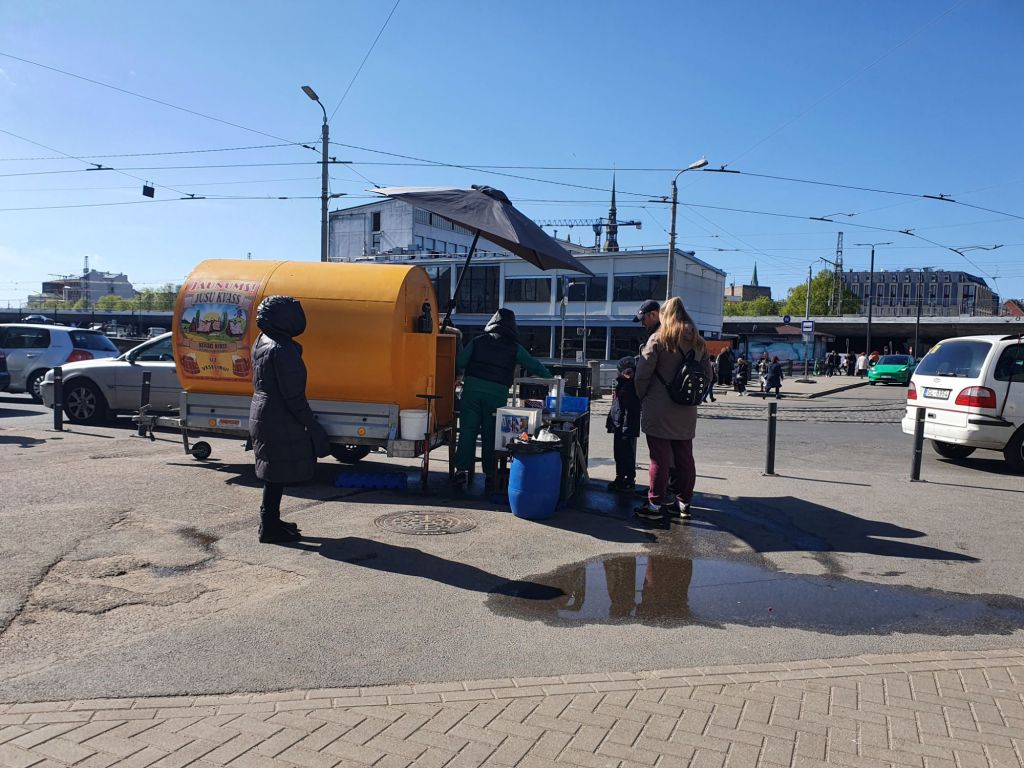
The tour ended with a tasting of local pestos, cheeses and the local rye drink – Kvass.

The House of Blackheads
1600: After the food tour, we headed back to the centre of Riga and decided to explore the House of Blackheads. This is a striking Gothic-style building located in the heart of the city’s Old Town, originally constructed in the 14th century. It served as a guild for the Brotherhood of Blackheads, made up primarily of unmarried, travelling merchants, who chose St Maurice as their Patron Saint. St Maurice was traditionally portrayed as a black soldier, which gave the Brotherhood its name.
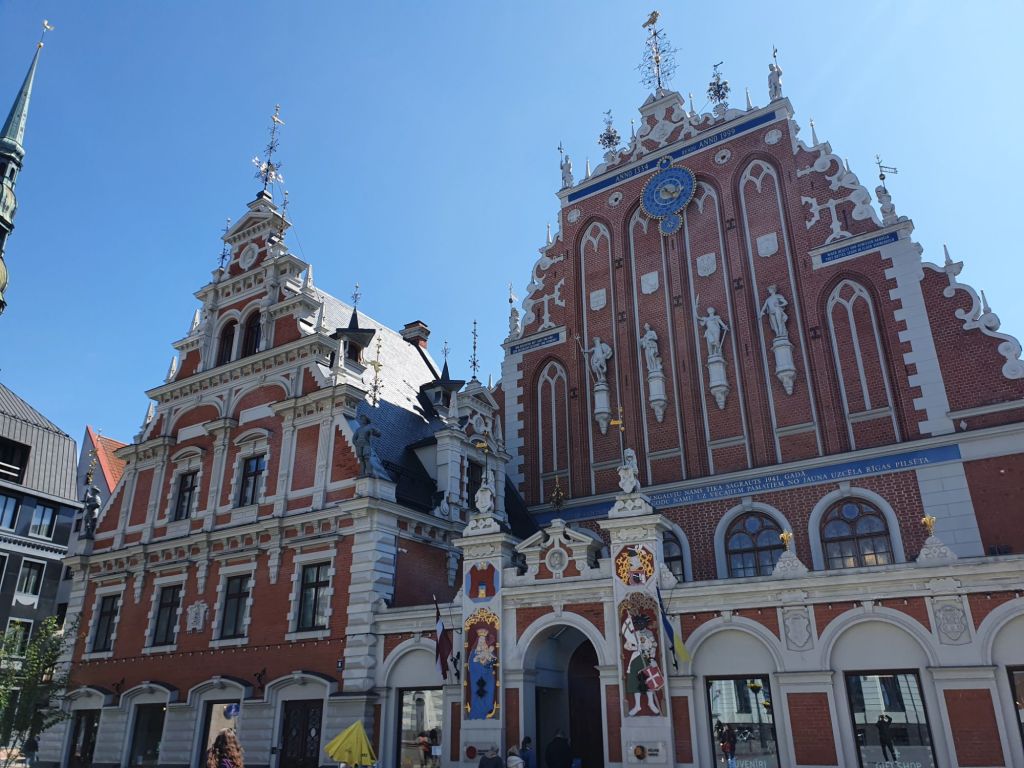
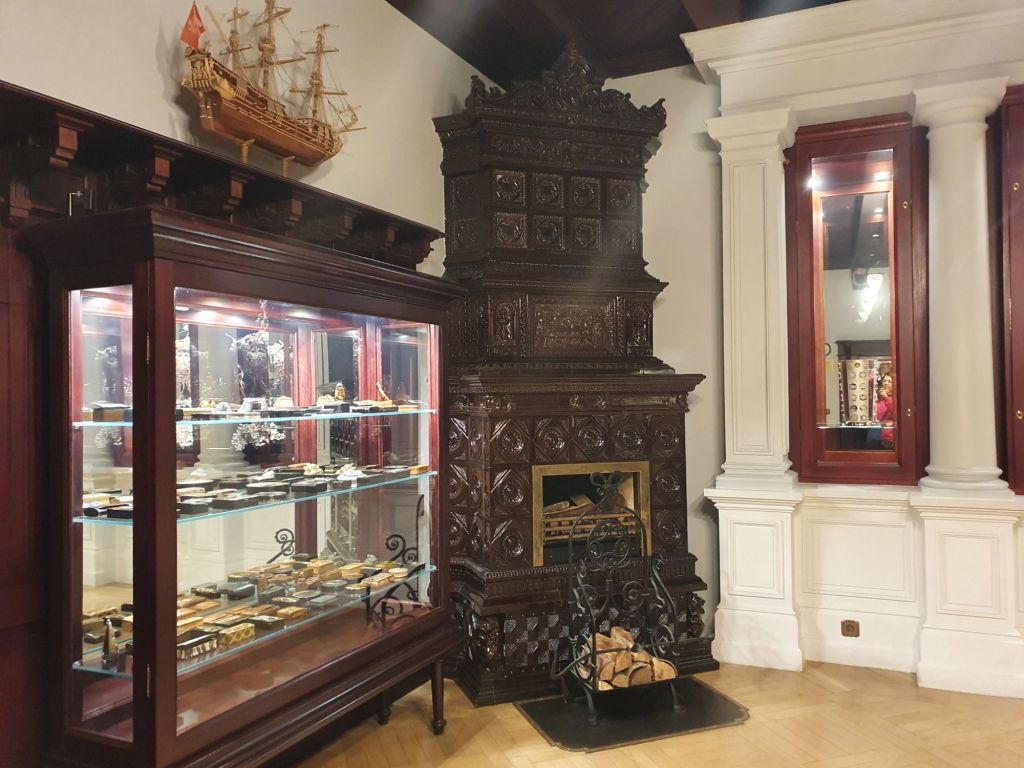
After significant damage in World War II, the House of Blackheads was restored and completed in 1999. The upper level has grand ballrooms that host receptions and cultural gatherings. The first floor showcases historic cabinets with a silver collection.



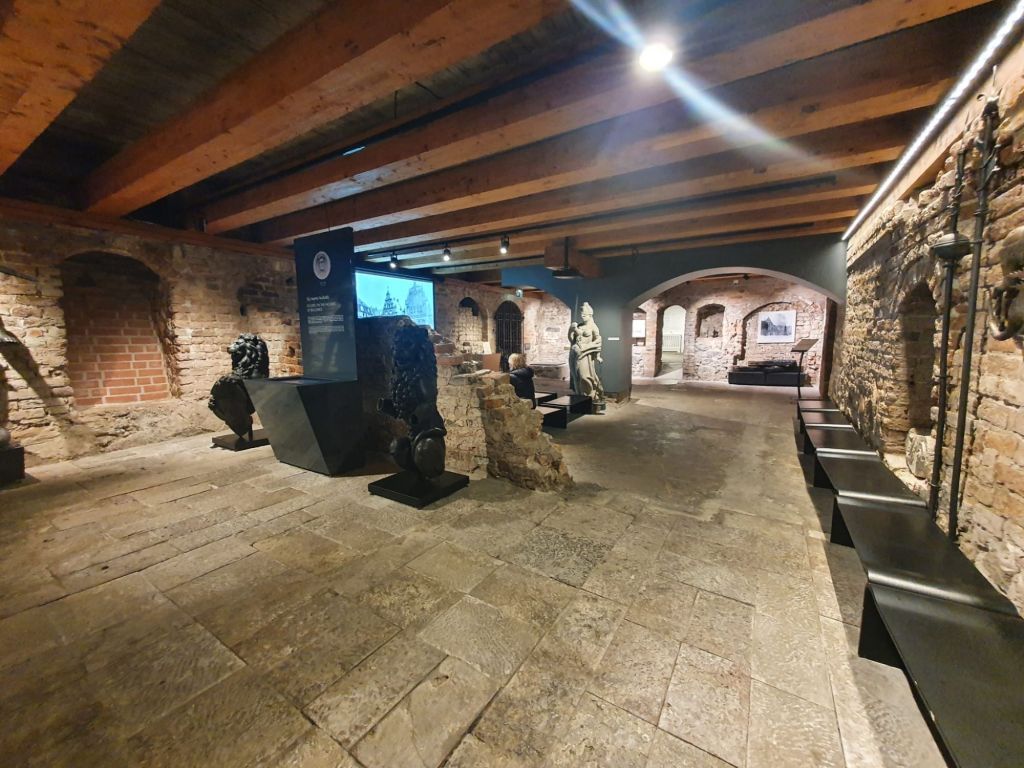
The cellar is the only original part of the building which survived World War II and the Soviet occupation. In the cellar area you can walk through the original wall fragments, floor and wooden stairs, some of that is dated as far back as the 14th century. There is also an exhibition on the history of the Brotherhood of Blackheads.
Museum of the Occupation of Latvia
1700: Visiting the Museum of the Occupation of Latvia. This is a key attraction in Riga, not to be missed.
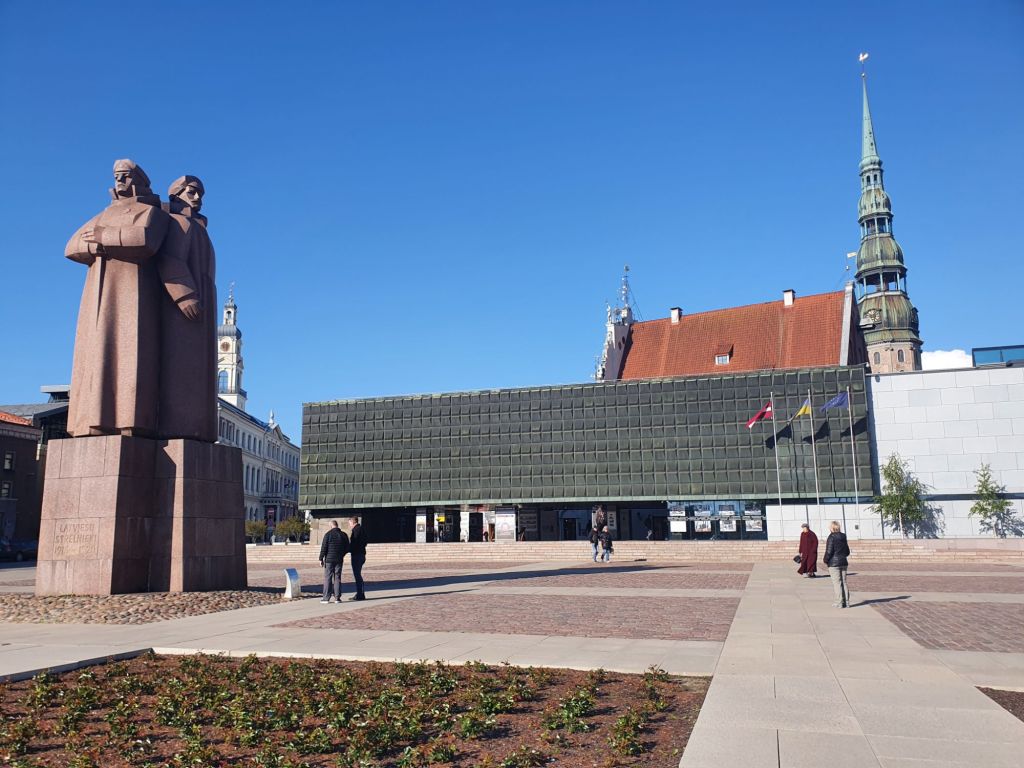
The Museum of the Occupation of Latvia is a poignant reminder of the country’s turbulent history during the 20th century, specifically highlighting the periods of Soviet and Nazi occupations from 1940 to 1990.

The museum features exhibits that detail the experiences of Latvians during the occupations, showcasing personal stories, photographs, artifacts, and documents that illuminate the harsh realities faced by the population.

2000: After a very full day, for dinner we headed to Viduslaiku restorāns LĀSĪTE near to our hotel.
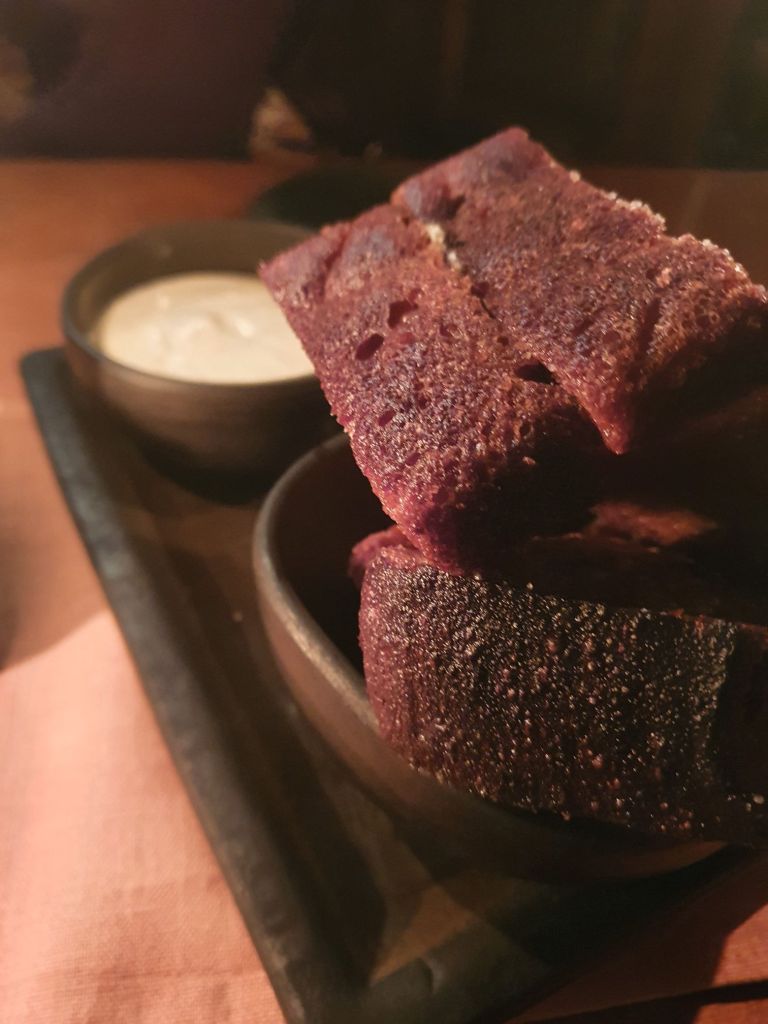
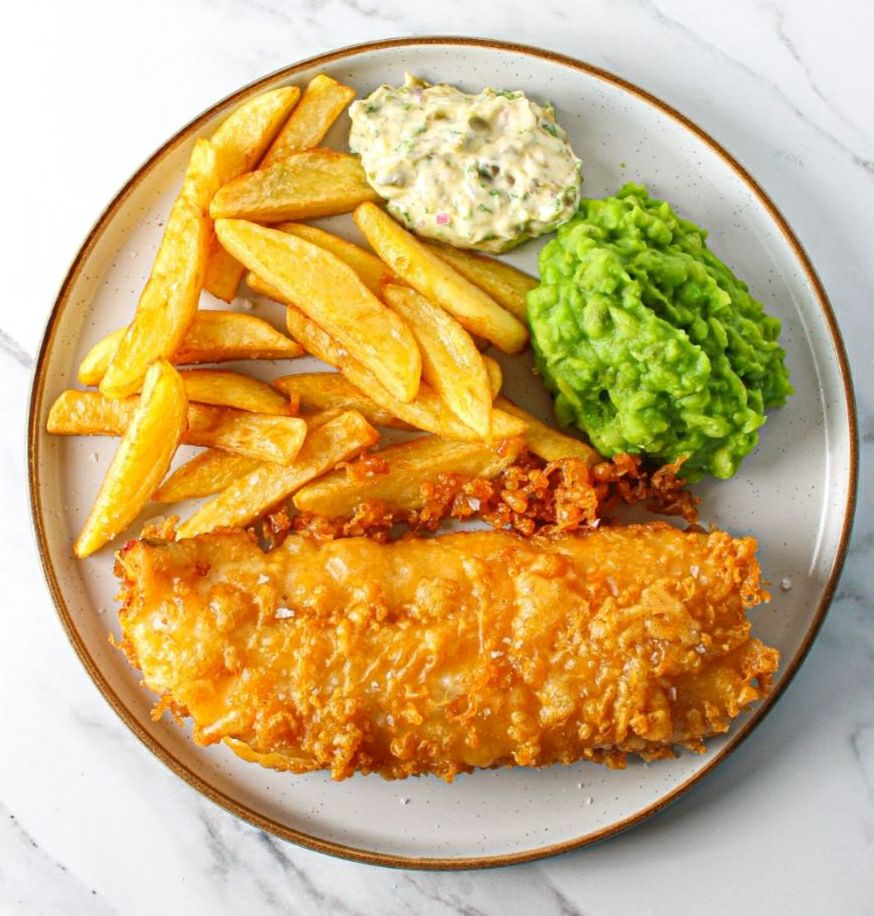
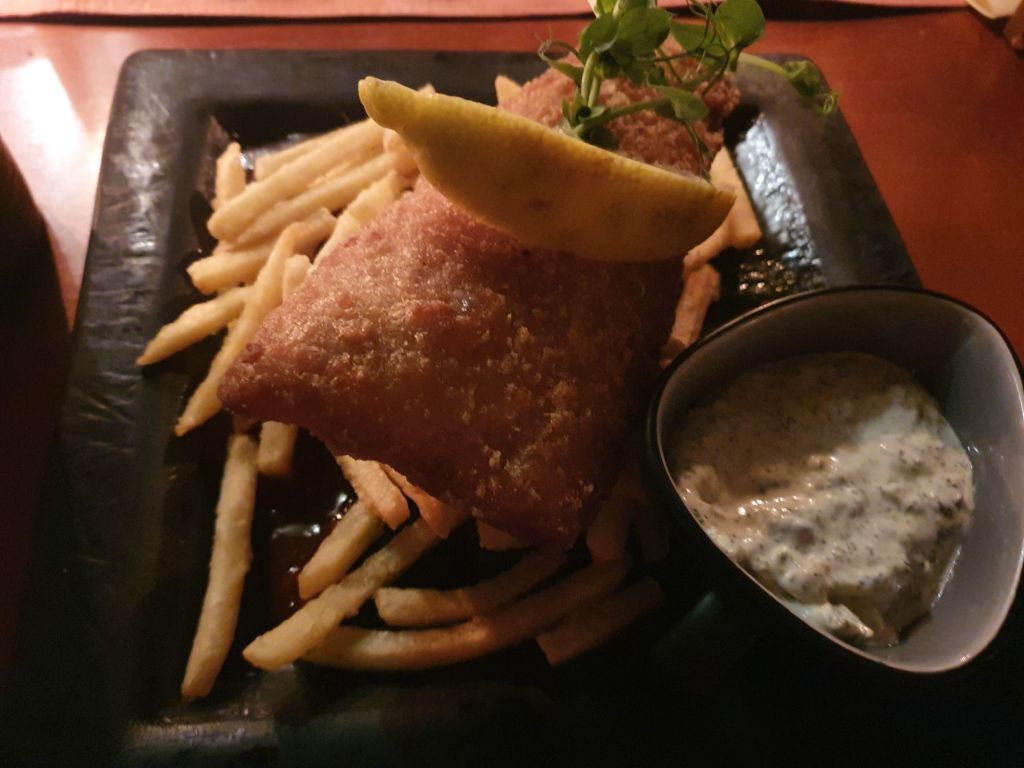
The food was plentiful and delicious. We ordered Lativan garlic bread and fish and chips which I though was worth comparing with their counterparts in the UK.
UK garlic bread is basically white bread, often a baguette, slathered in garlic butter and served warm. The Latvian version is chunks of rye bread deep-fried in garlic oil, served with a garlic dip on the side.

In the UK, fish and chips is white fish (usually haddock or cod) coated in a thick batter and deep-fried to perfection. It comes with chunky chips, mushy peas (it has to be mushy, not fresh!) and a side of tartare sauce or curry sauce. The Latvian version has white fish that’s coated in breadcrumbs and baked, served up with French fries, garlic dip, and ketchup. I think both the Latvian and UK styles are equally tasty!
Hotel Review
Hotel Review
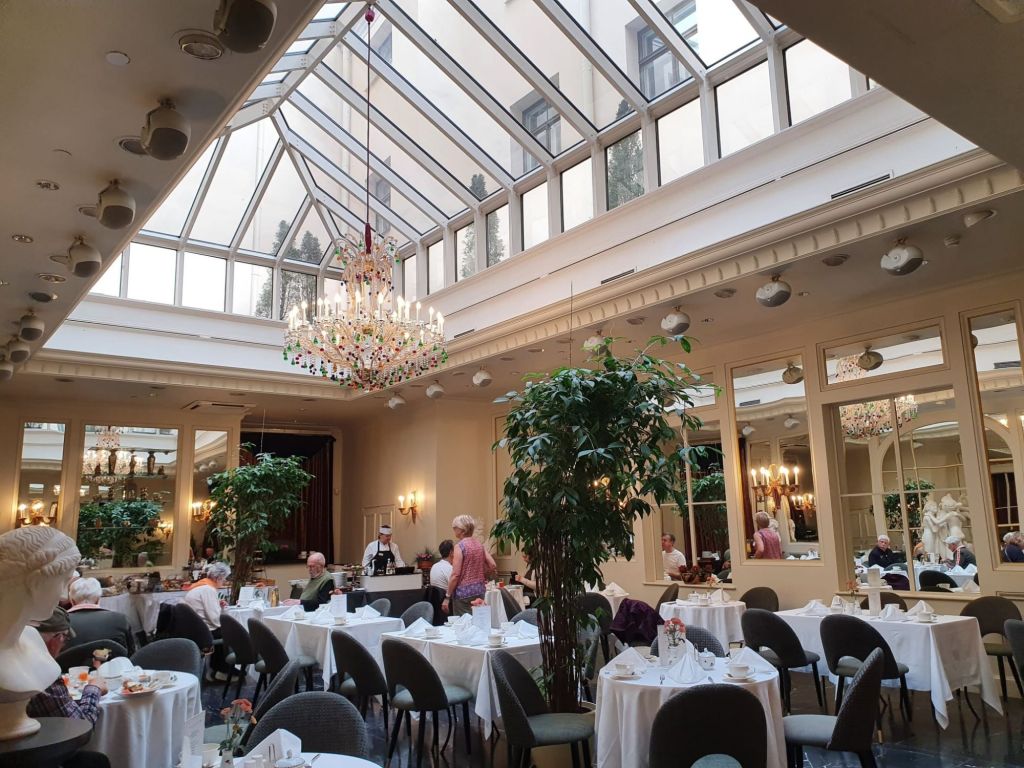
We stayed at the Grand Palace Hotel in Riga, a small luxury hotel near Riga Castle. The hotel is a beautifully restored former bank. The rooms are comfortable, and breakfast is served in a magnificent orangery. The service was excellent during our stay.

As our time in Riga came to an end, I thought about what we had experienced. Both the old town and new town is charming, with cobblestone streets, historic buildings with red tile roofs, and numerous squares with places to eat and drink and enjoy. However, the recent war in Ukraine has affected the city. Tourism has significantly decreased since the conflict began, and locals are concerned about a potential Russian invasion. The city appears very pro-Ukrainian, offering free or discounted museum entry for Ukrainians. Our tour guide mentioned that anti-Russian sentiment is strong, as evidenced by the removal of Russian signs and plaques from tourist spots, leaving only Latvian and English.
Tomorrow, we leave Riga and head to its Baltic neighbour Lithuania’s capital Riga. On the way I have some interesting stops planned. More on that on the next post!
 Diary of a Tourist
Wonderful photos. The architecture, in particular, looks amazing!
LikeLiked by 1 person
Thank you!
LikeLike