Where and when: Strasbourg, France, December 2025
Strasbourg had been on my list for a while — not right at the top, but somewhere in the middle. One of those places I assumed I’d get to eventually. So when the chance came to go with friends for a short break just before Christmas, I didn’t hesitate.
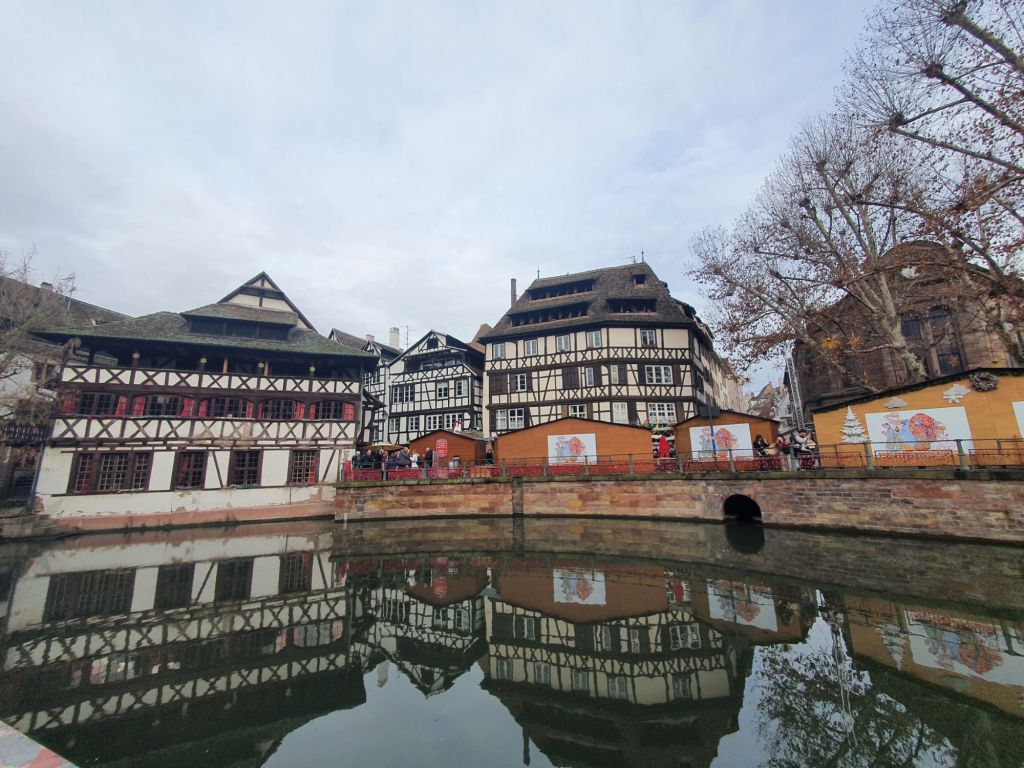
I’d seen plenty of Strasbourg on Instagram. It looked impossibly pretty — half-timbered houses, canals, glowing lights — but these days it’s hard to know what’s real and what’s been enhanced, filtered, or quietly replaced by AI. So I was excited for the trip, but also trying to manage my expectations. What I found was a very pleasant surprise.
Getting There
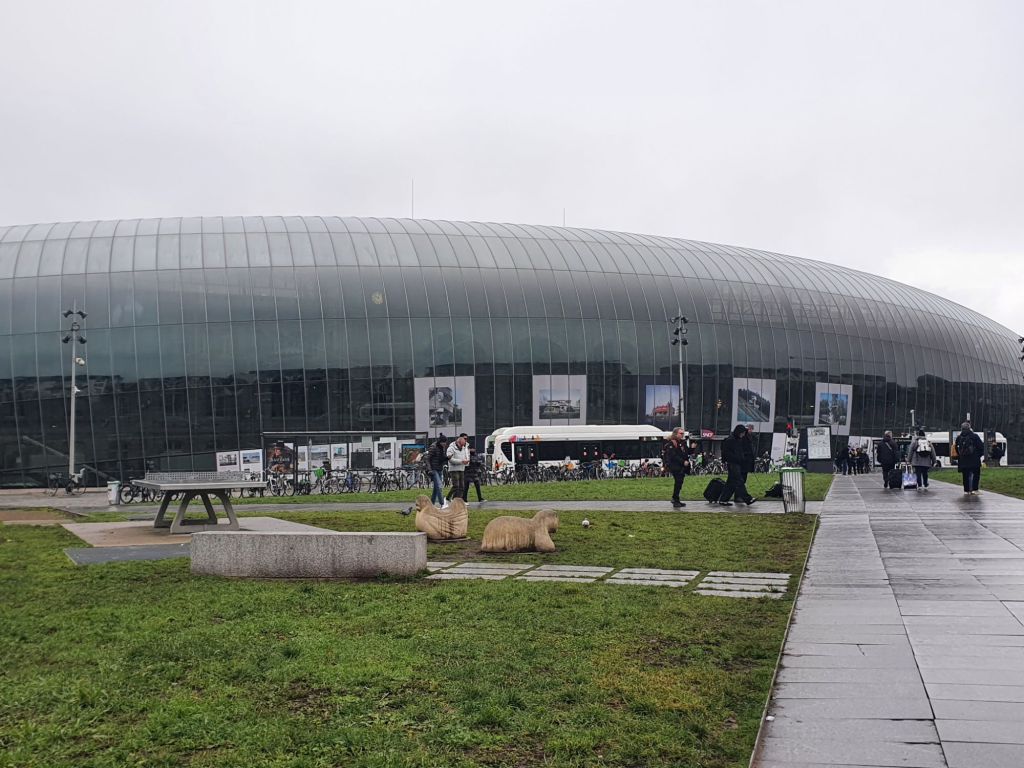
The first surprise was how easy it was to get there. Strasbourg is just under two hours from Paris by high-speed train, which means from London — via the Eurostar — you can be there in around five hours. Almost as quick as flying, but far less stressful. No airports, no queues, just stepping off a train straight into the city.
A City Made of History
The Strasbourg we saw is made up of distinct historical layers, so bear with me for a very quick history lesson — it helps everything else make sense.
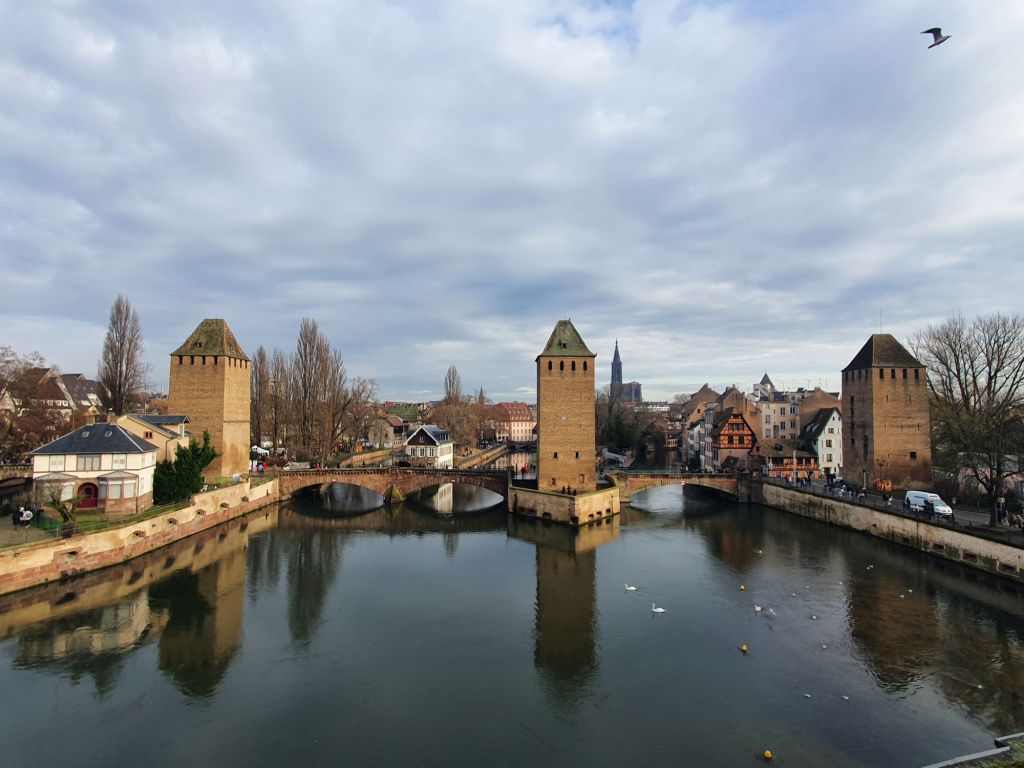
Strasbourg began as a Roman settlement around 12 BC, known as Argentoratum. Its position on the Rhine made it strategically important from the start.
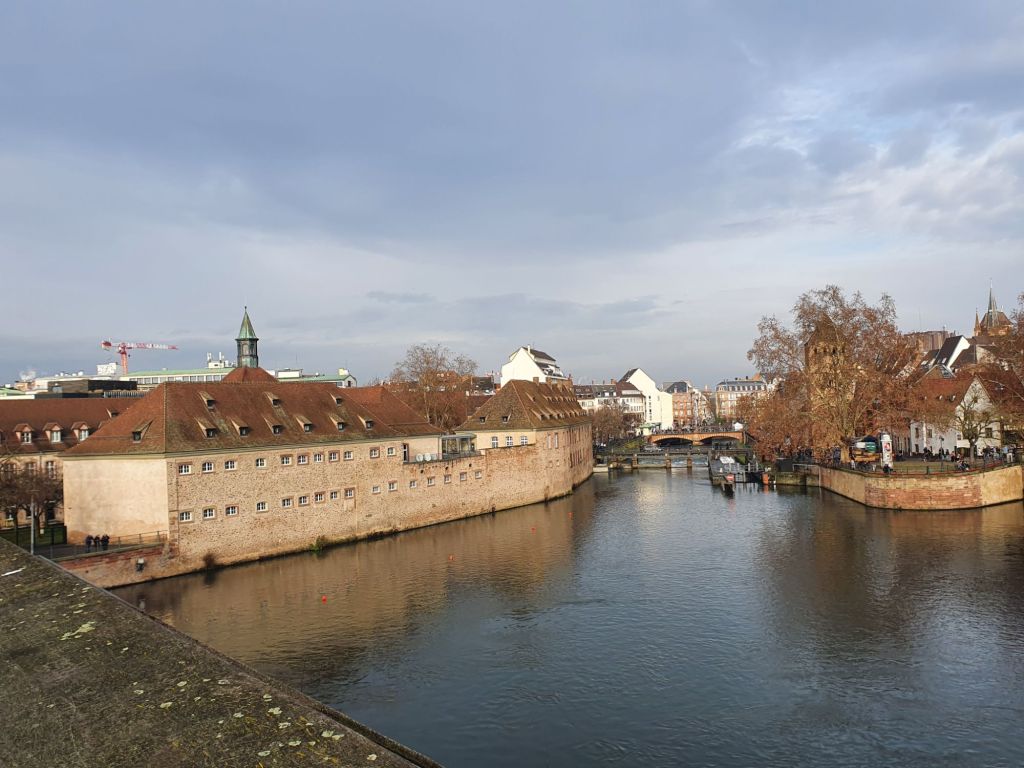
By the Middle Ages, it had become a Free Imperial City of the Holy Roman Empire. From 1262, Strasbourg governed itself and prospered through trade.
In 1681, it was annexed by France under Louis XIV. For the next two centuries, French influence settled into the city — in language, administration, and culture.
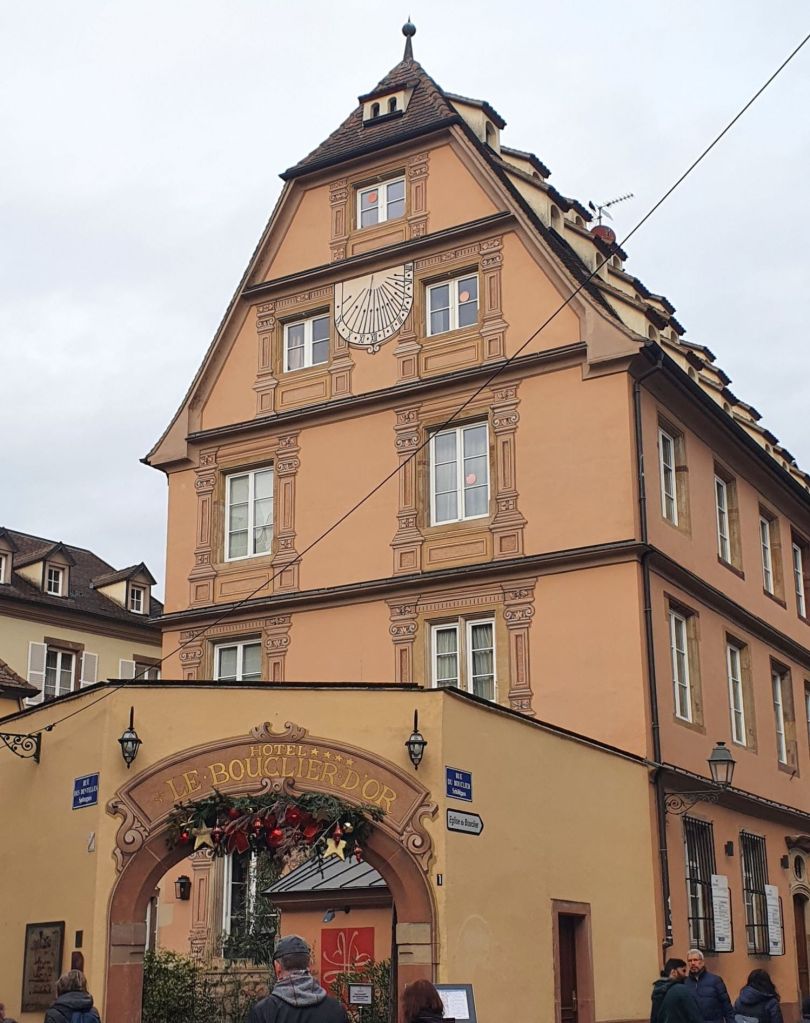
After the Franco-Prussian War, Strasbourg became German again in 1871, remaining part of the German Empire until 1918. Germany treated it as a flagship city, building entire new districts designed to showcase power and modernity.
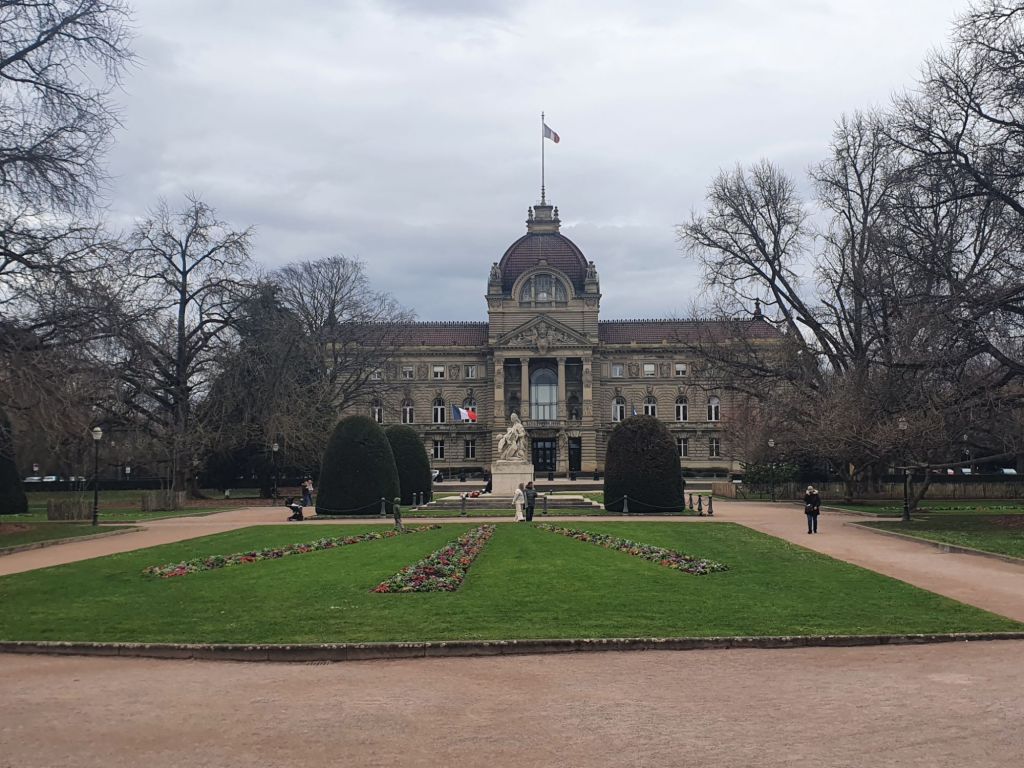
When World War I ended in 1918, Strasbourg returned to France. In 1940, it was annexed by Nazi Germany, a dark period that left deep scars. The city was liberated in 1944–45, and since then has remained part of France.
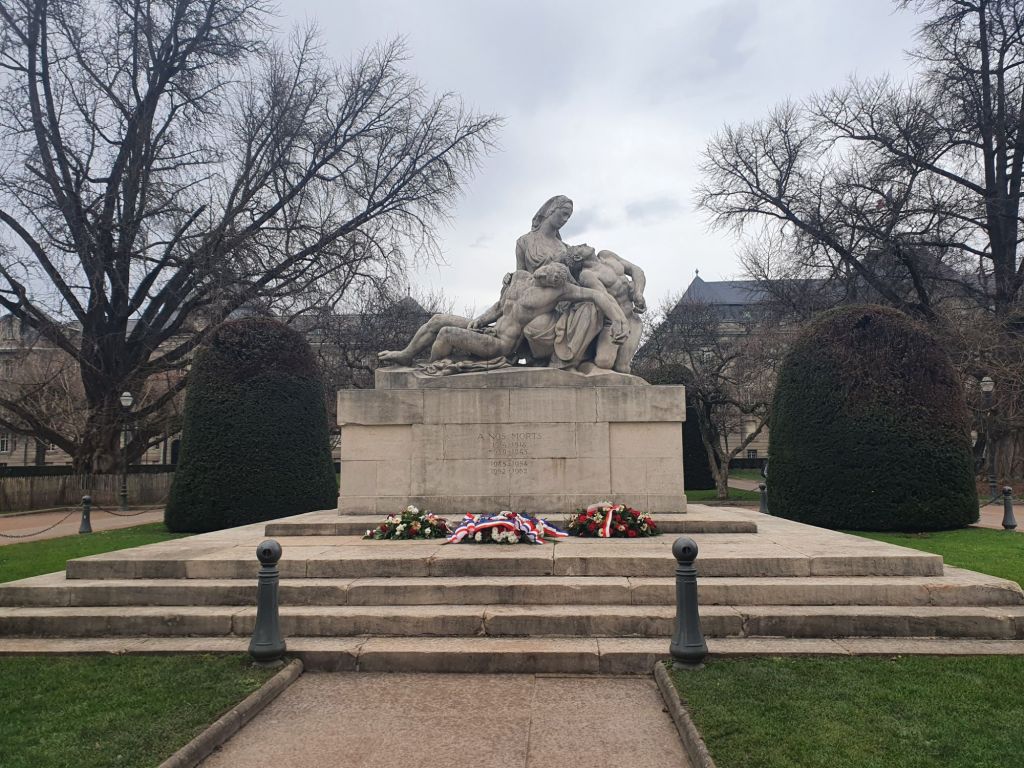
During our stay, we did two walking tours, both with BretzelandFun.
One tour the old town and Petite France, and another in the New City and European Quarter. Our guide, Nicholas, really brought Strasbourg to life with these tours.
Petite France
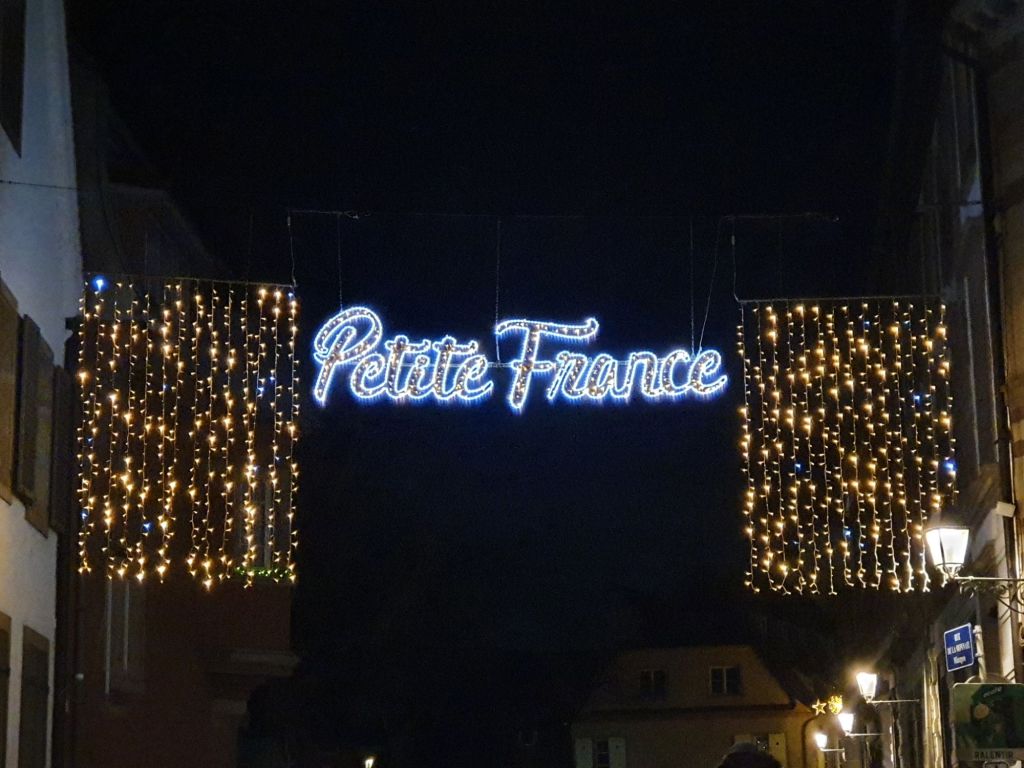
In the old city, the most photographed area is Petite France, and it really is enchanting. I’ve been to many small towns across the UK and Europe, and Strasbourg is right up there with the best of them. Half-timbered houses, narrow cobbled streets, canals, little squares, big squares, churches, bridges, independent shops — Strasbourg seems to have it all.
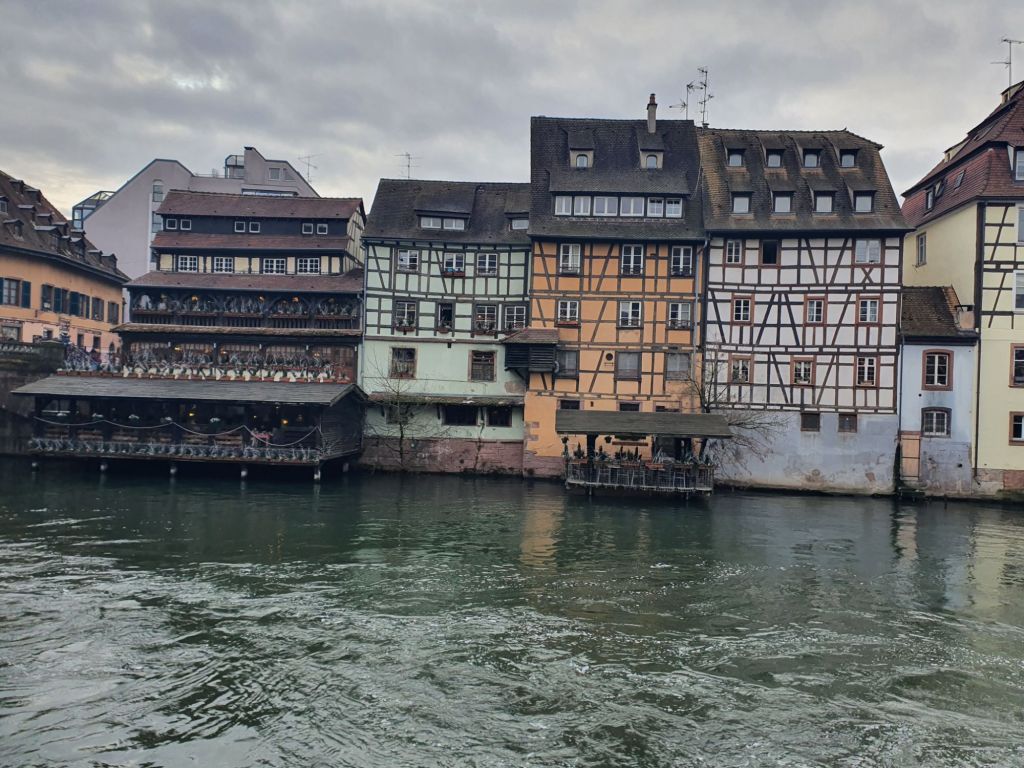
But the prettiest part of the city doesn’t have the prettiest history.
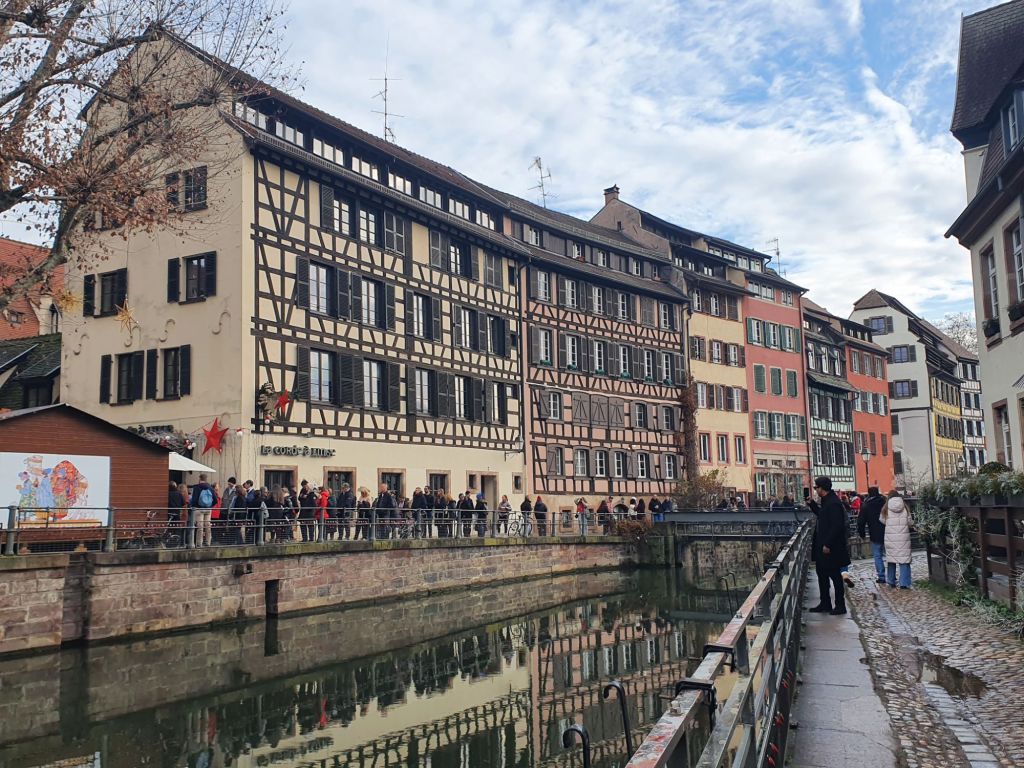
Petite France takes its name from a late 15th-century hospital that treated syphilis — known at the time as the “French Disease” after French soldiers brought it back from Italy. Locals began referring to the area as Little France, and the name stuck.
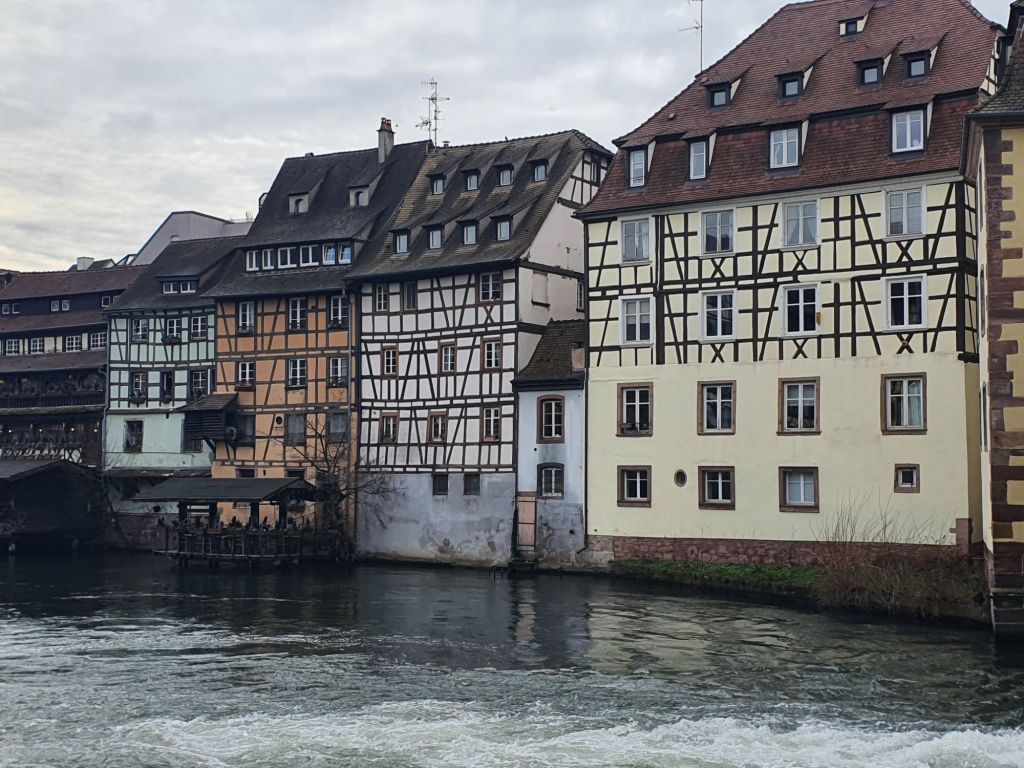
During the 16th and 17th centuries, the district was home to tanners, millers, and fishermen — trades that needed water, but also gave the area a rough reputation.
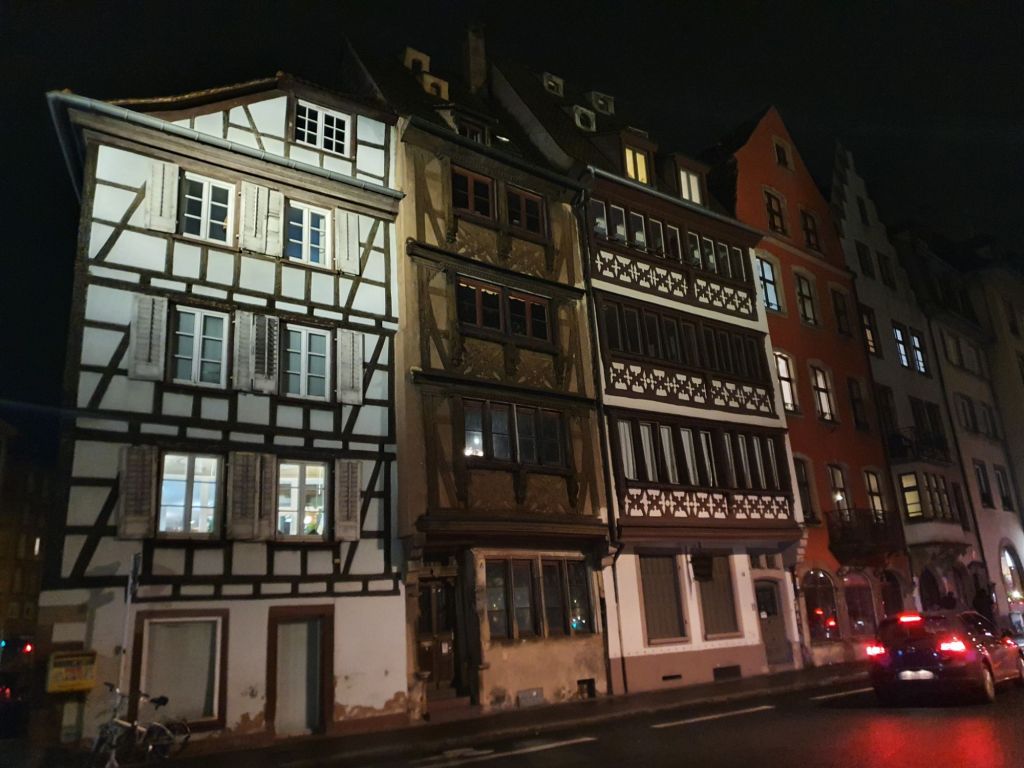
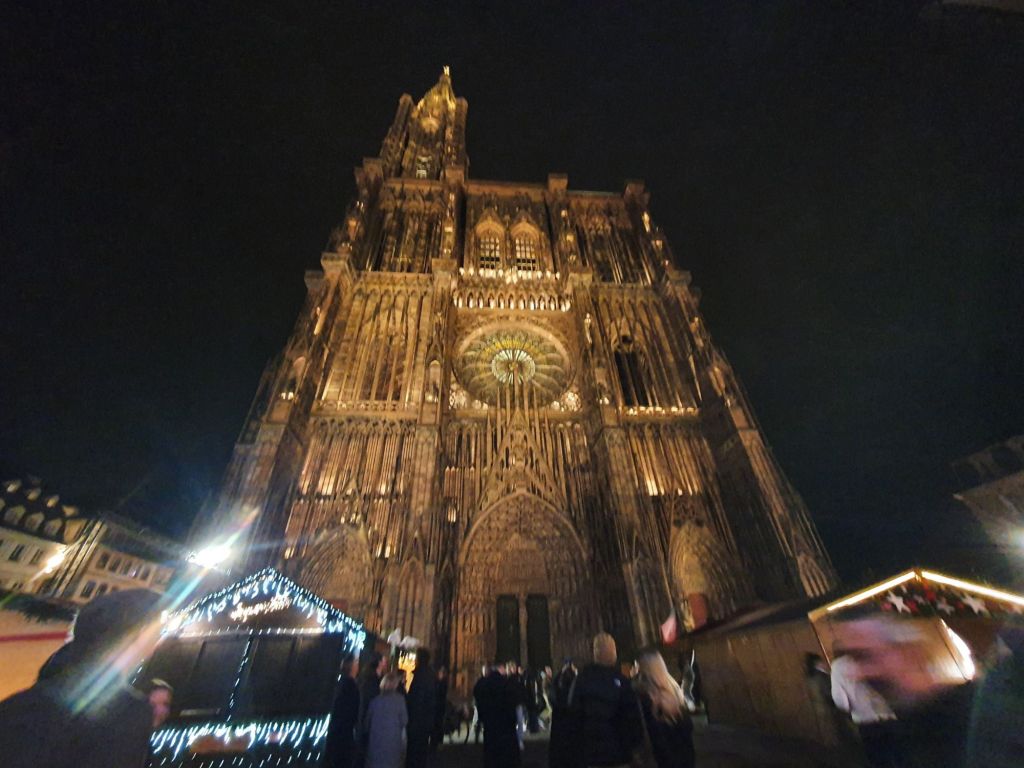
Beyond Petite France, the rest of the old city opens up to the cathedral, museums, bars, and restaurants. It feels compact but full, easy to walk, and endlessly rewarding if you take your time.

The New City and the European Capital
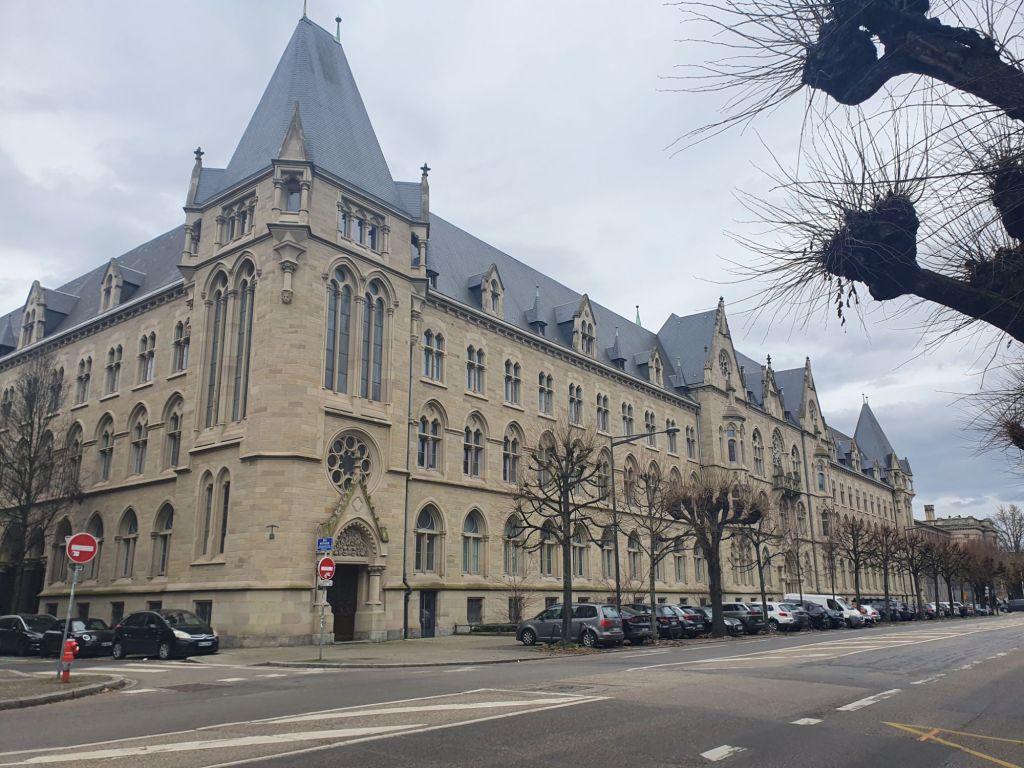
Our second walking tour took us into the Neustadt, or New City, built between 1871 and 1918 under German rule. This area was designed to be a showcase — and it shows.
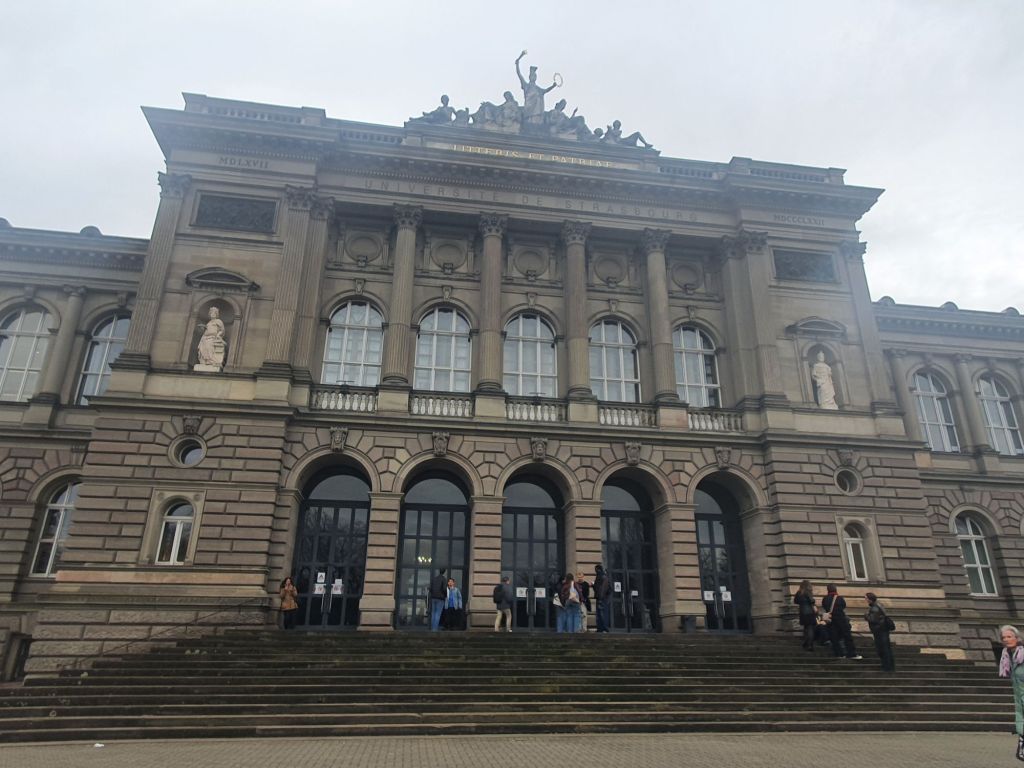
The architecture is grand and orderly, with wide boulevards and monumental buildings. It was built with modern comforts unheard of in the medieval city: gas lighting, electricity, plumbing, and space for a growing university.
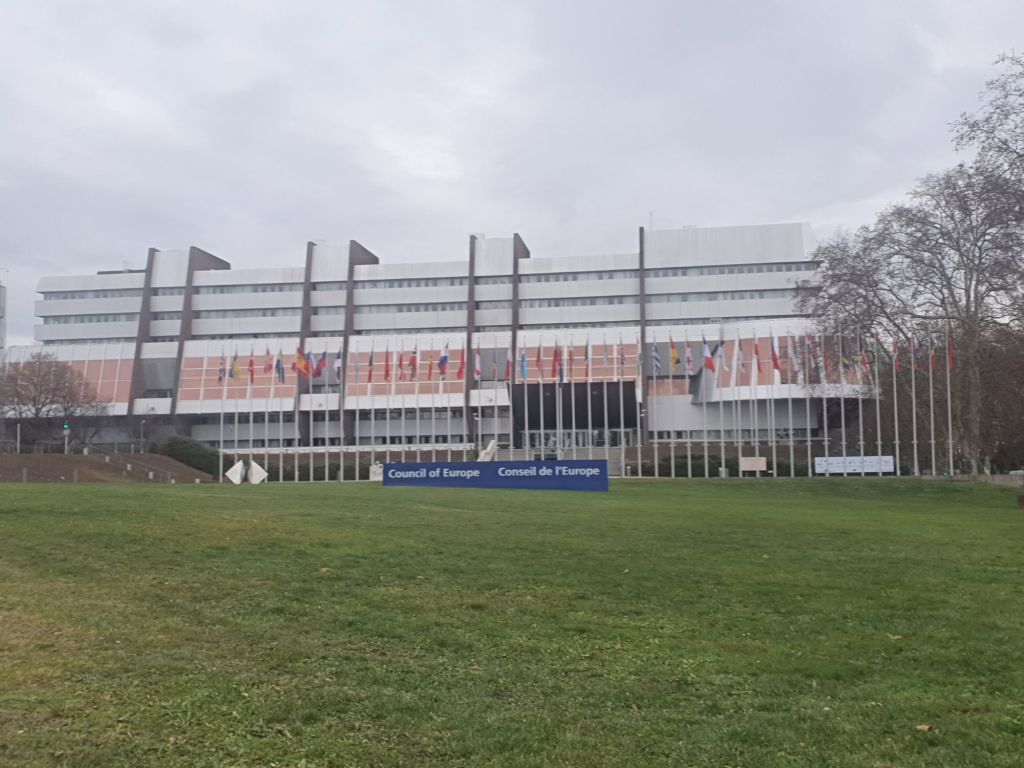
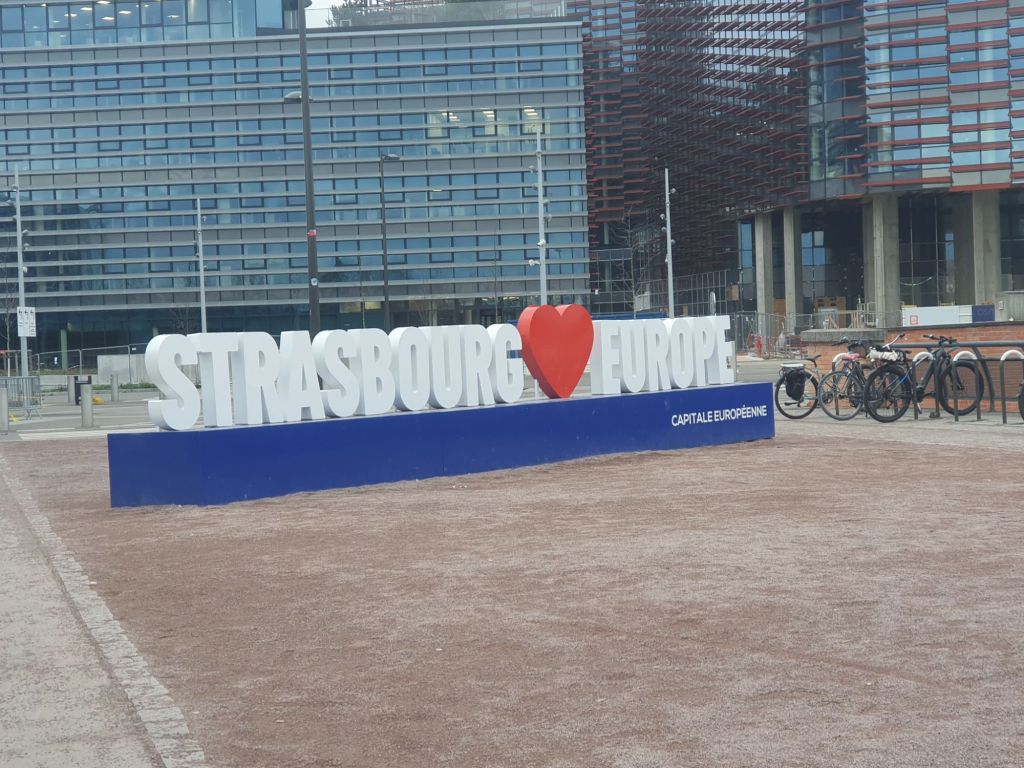
Since 1949, Strasbourg has been home to the European Council, followed by the European Court of Human Rights in 1959, and later the European Parliament.
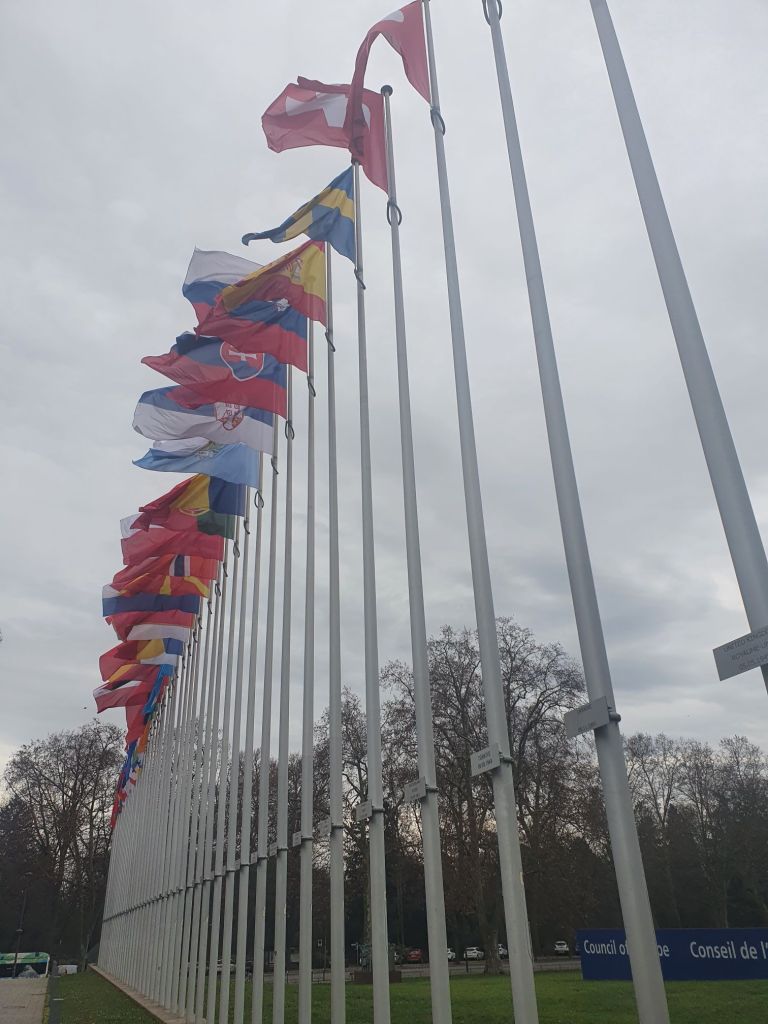
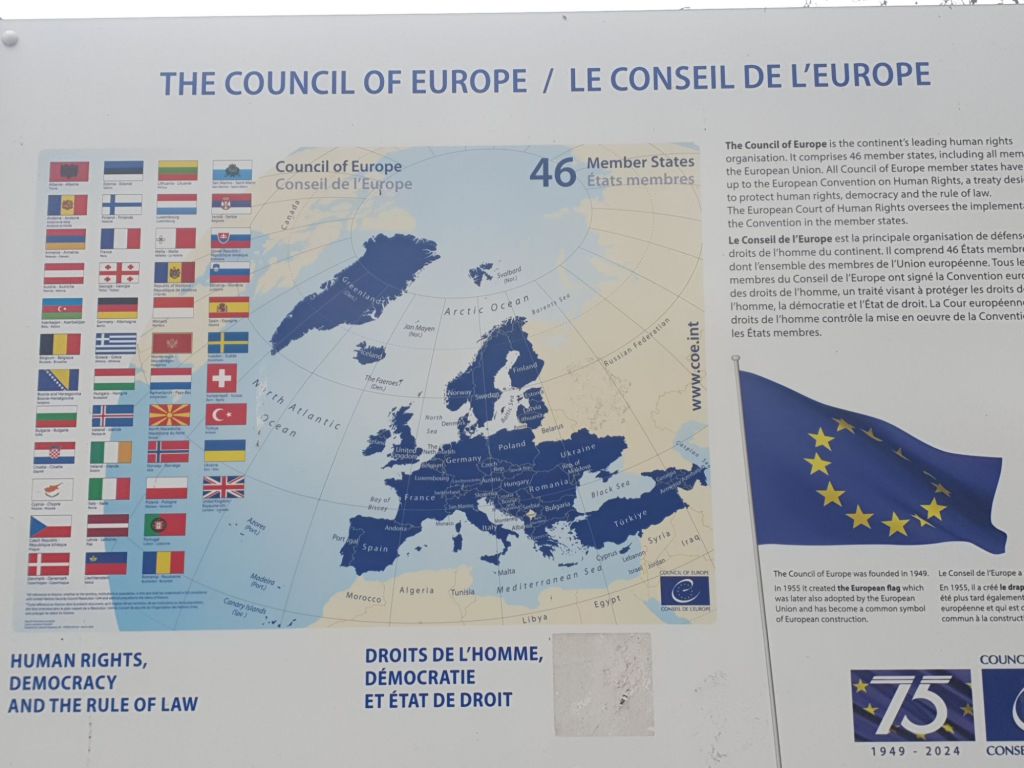
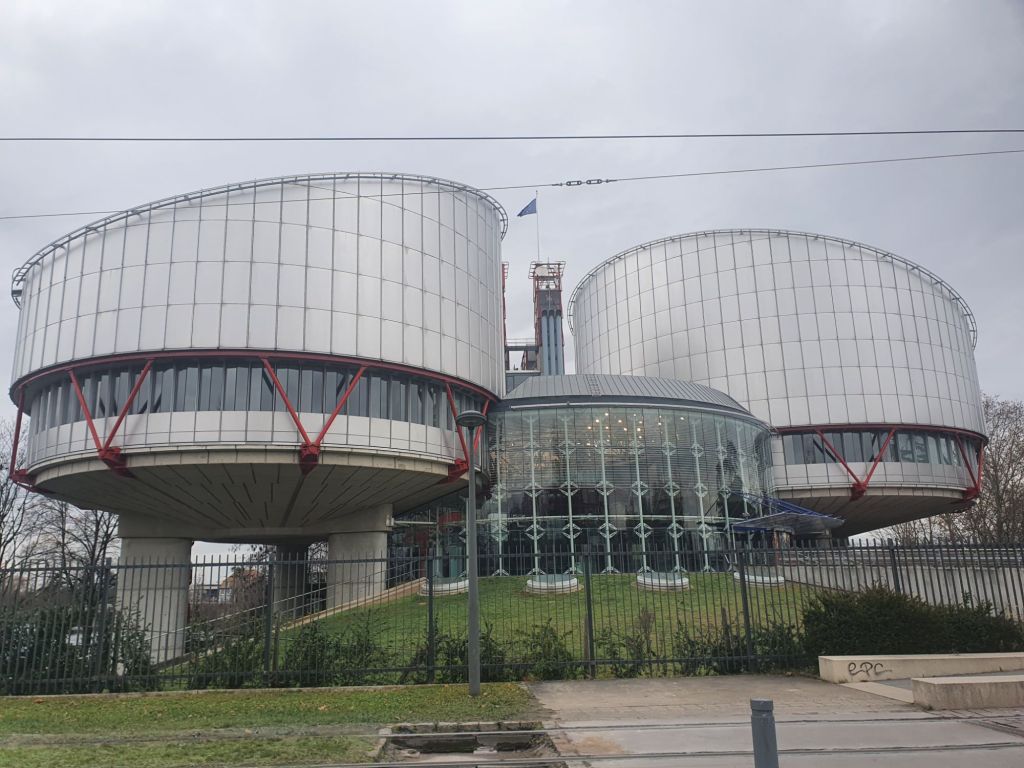
A city once fought over, repeatedly, is now a symbol of European unity and peace.
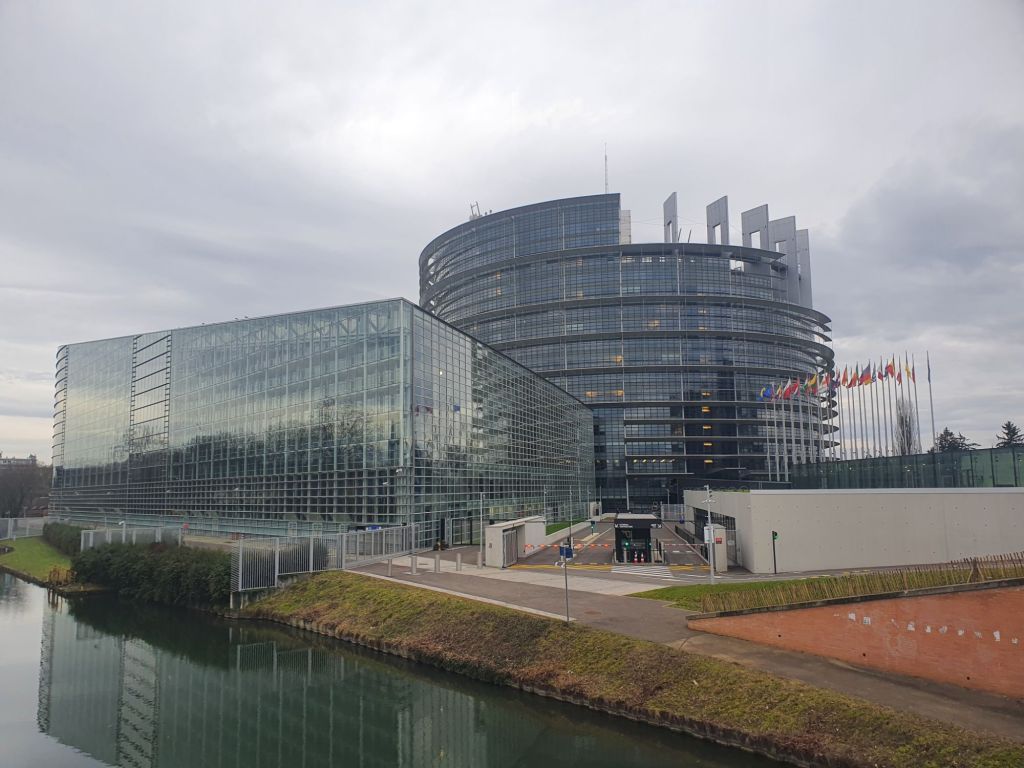
Capital of Christmas
Strasbourg calls itself the Capital of Christmas, and this tradition dates back to 1570, when one of Europe’s earliest Christmas markets was first held here.
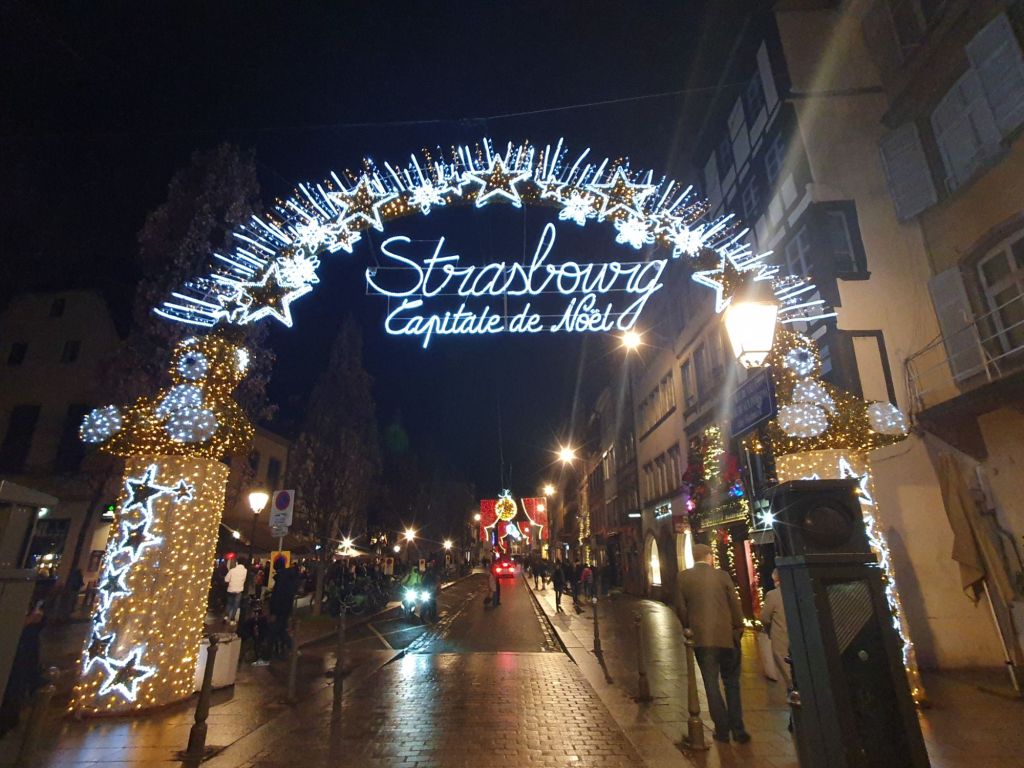
Today, the city takes the title seriously. Post-Covid, the Christmas markets are scattered across different squares rather than concentrated in one place, which makes exploring them feel more relaxed.
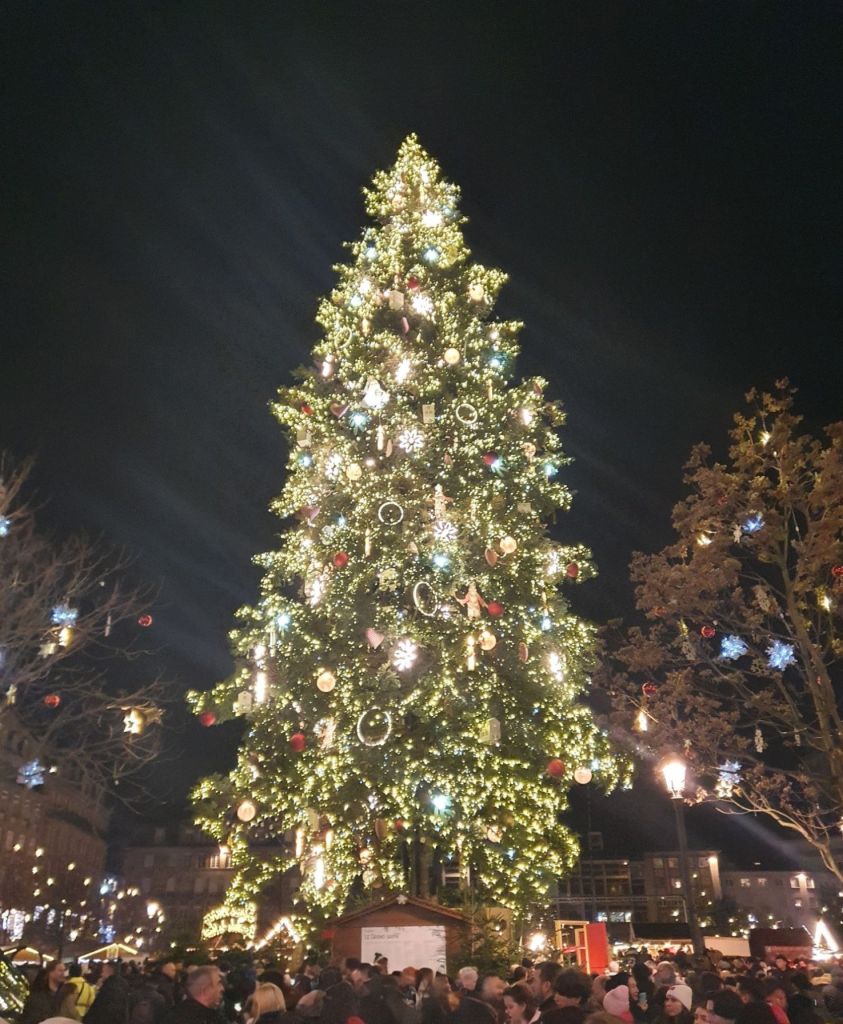
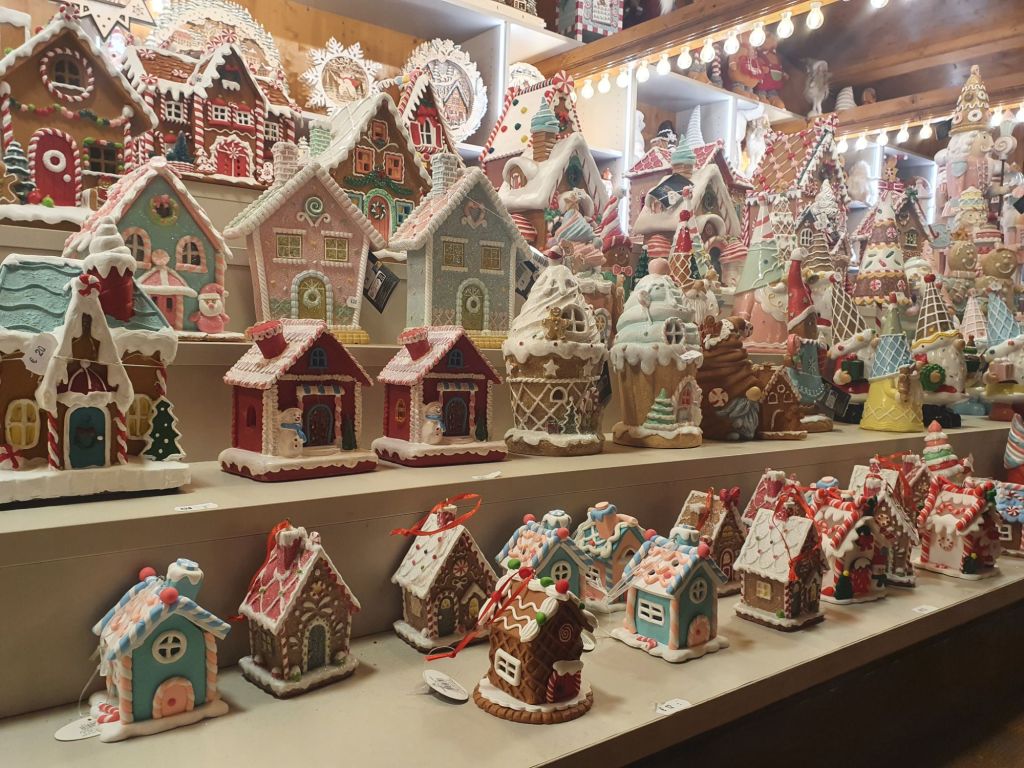
There are the usual decorations, gifts, and festive knick-knacks, but also Alsatian specialties — local food, wine, and handcrafted items.
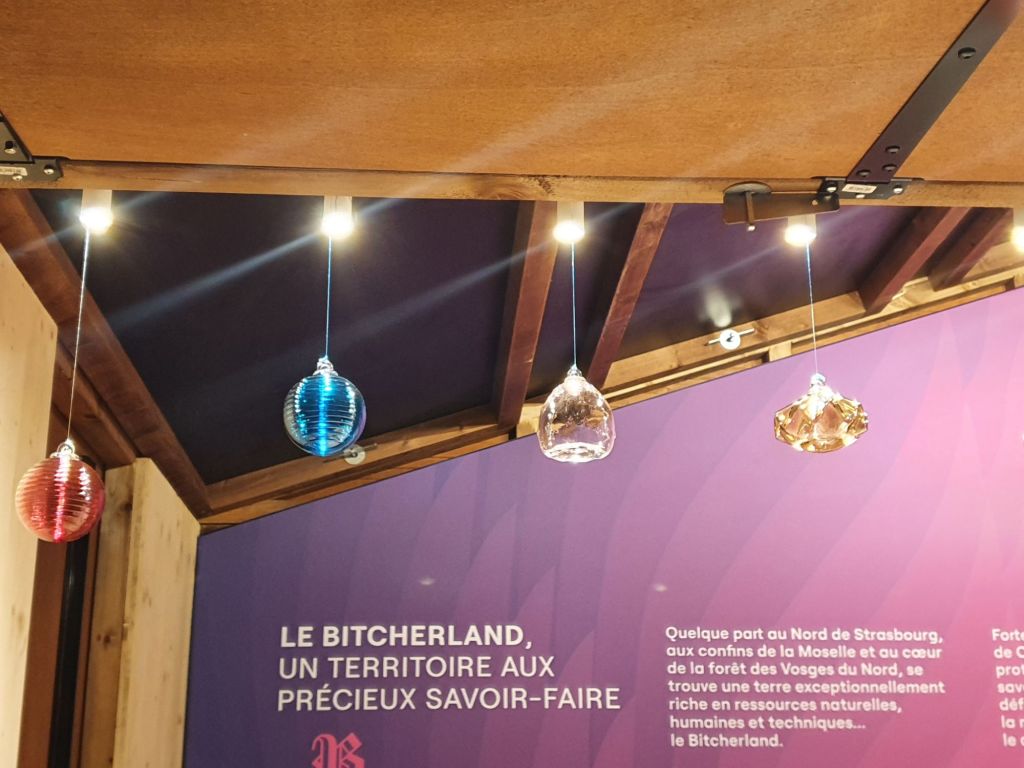
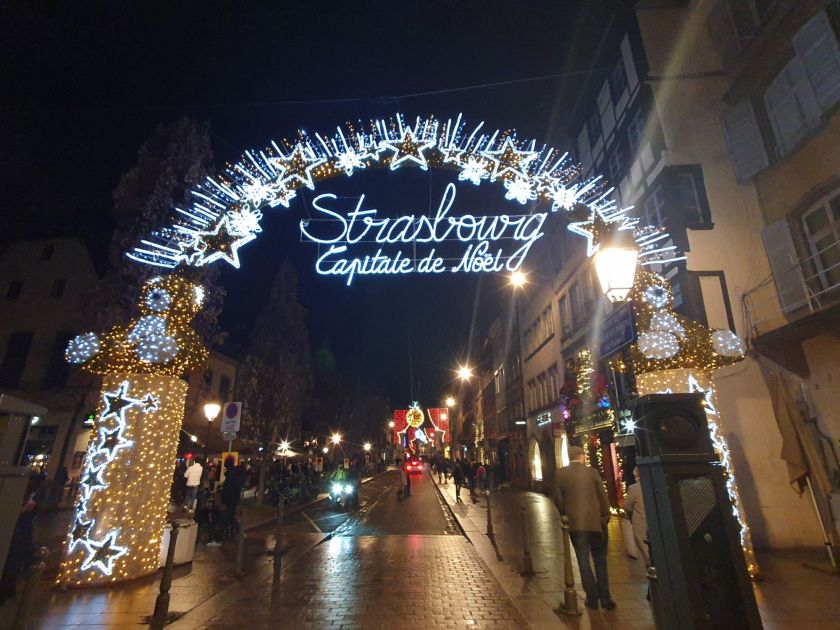
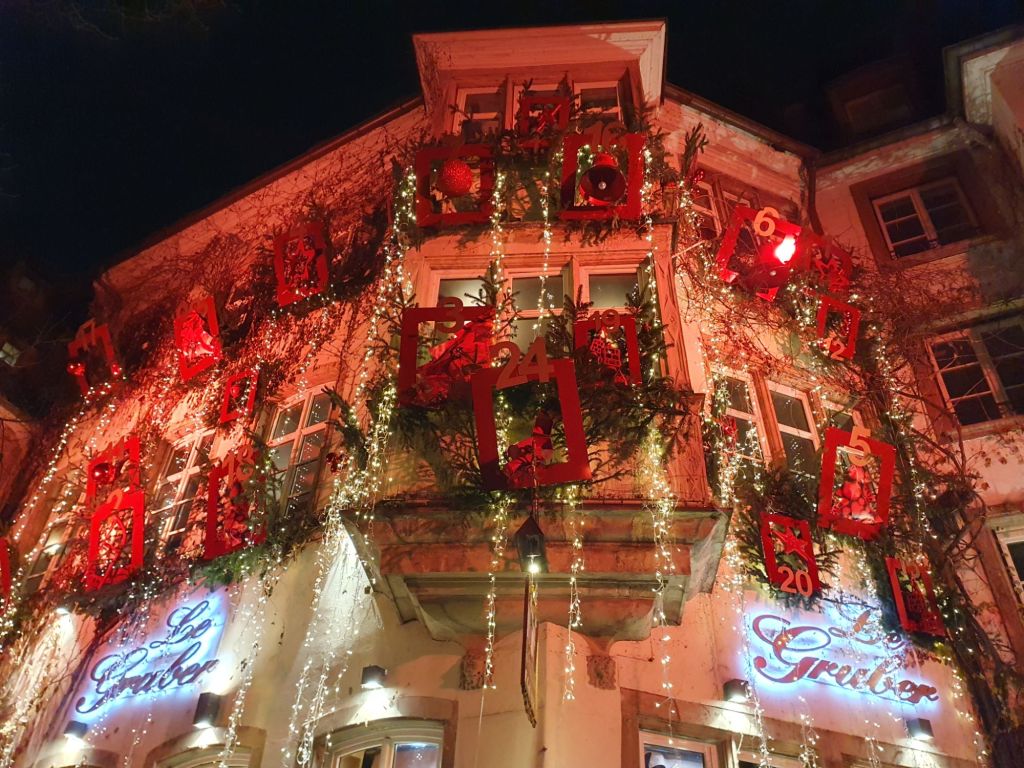
I’ve been to Christmas markets in Prague, Karlovy Vary, Tallinn, Helsinki , Lille, Berlin, Cologne, Vienna, Bratislava and Hungary and many across the UK. What sets Strasbourg apart is the scale of the decorations. The entire old town is dressed for Christmas. Streets glow with lights, façades shimmer, and it isn’t just the centre that participates. Bars, bakeries, and shops tucked away on side streets, and away from the centre go to extraordinary lengths.
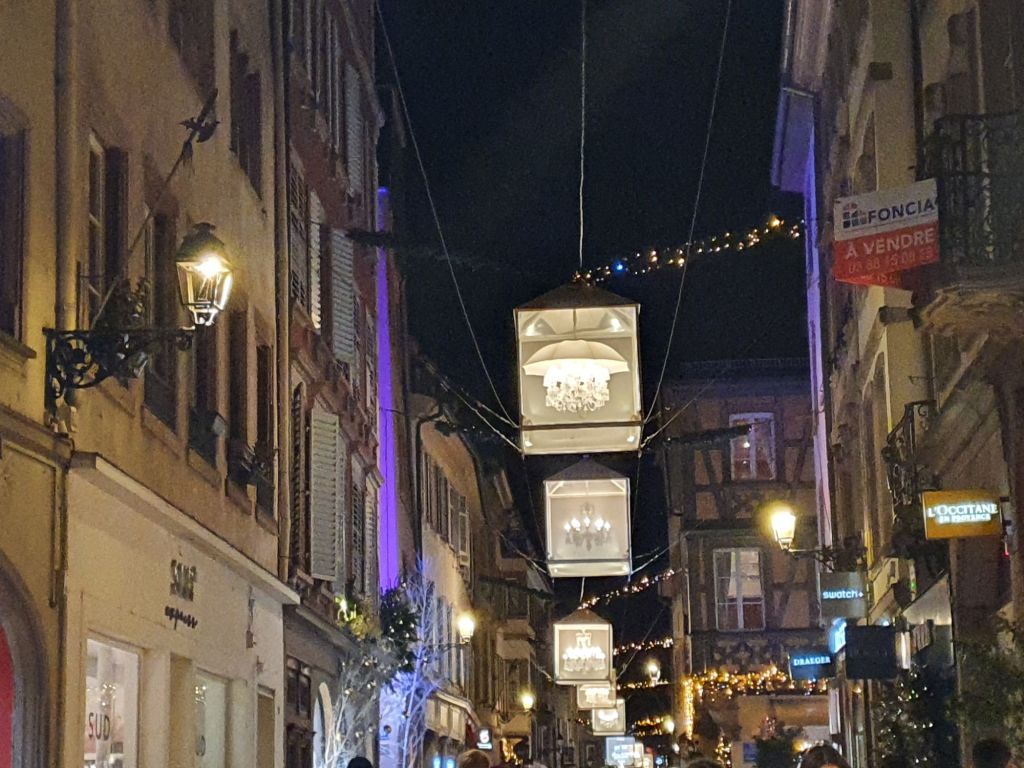
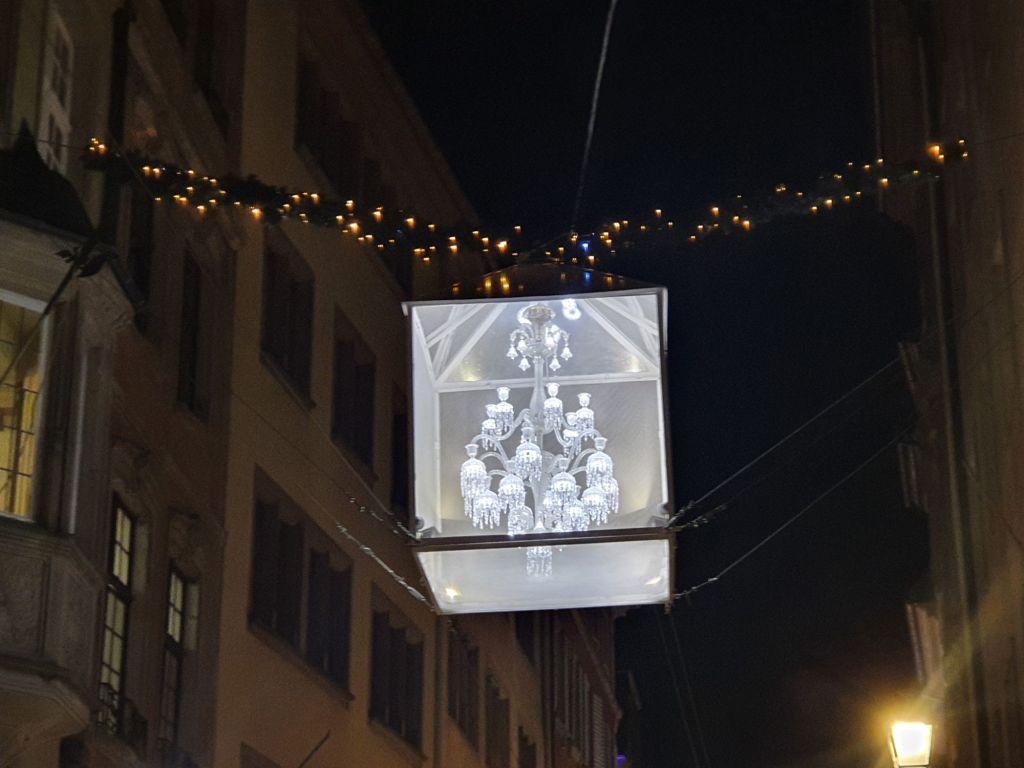
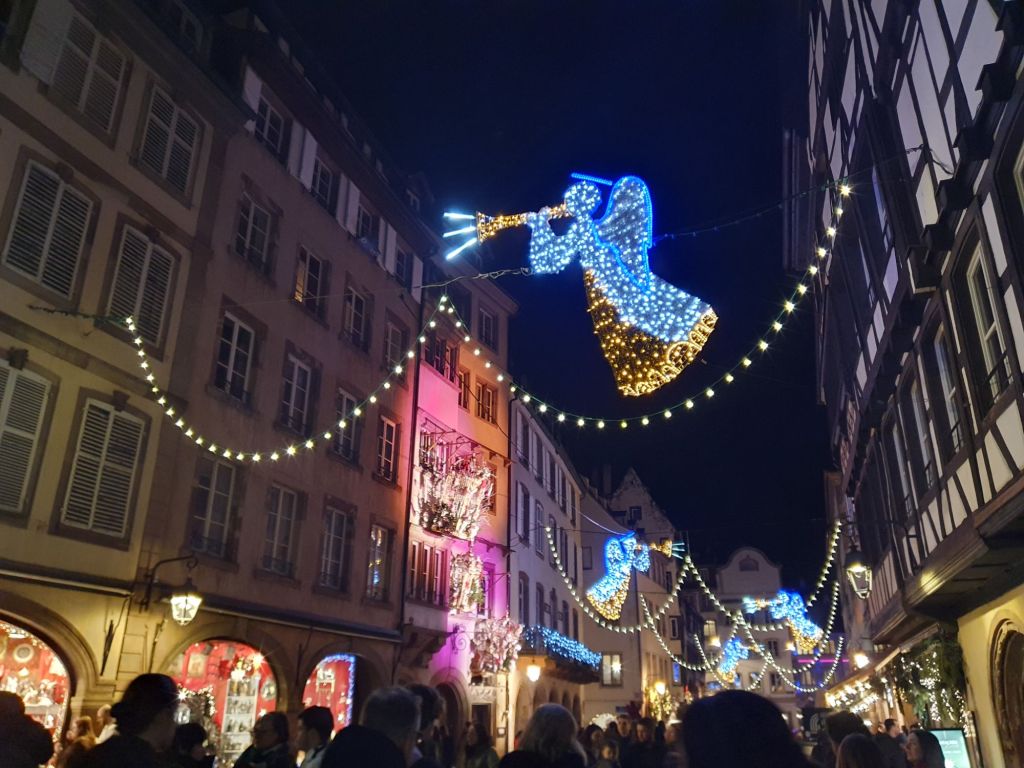
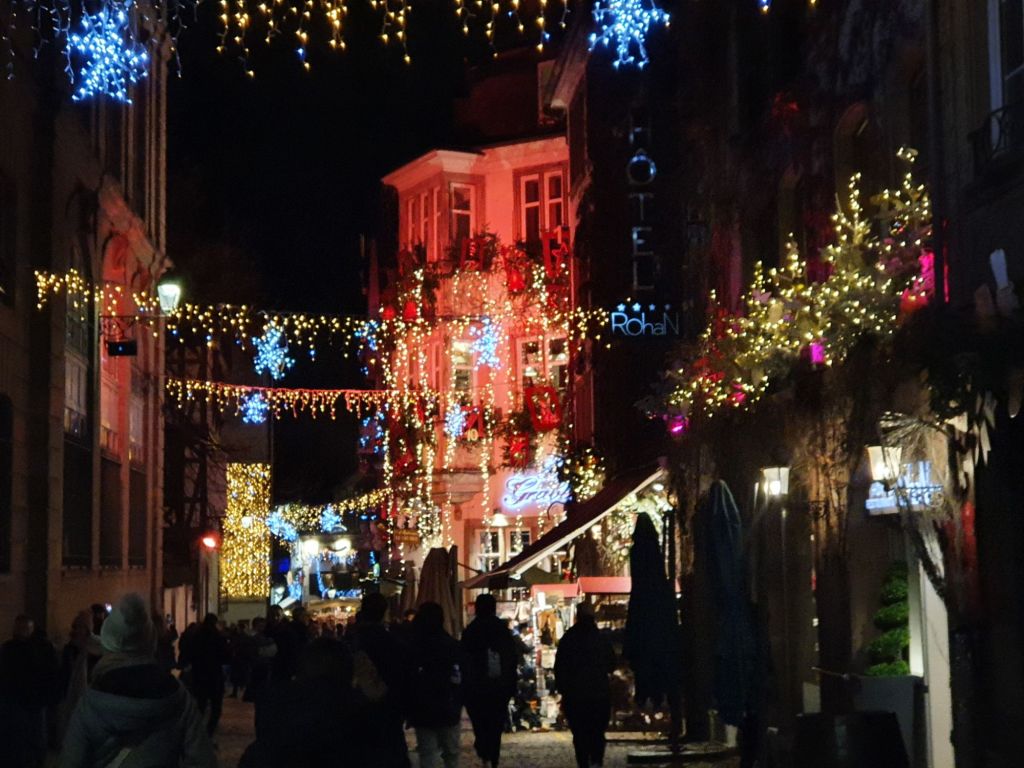

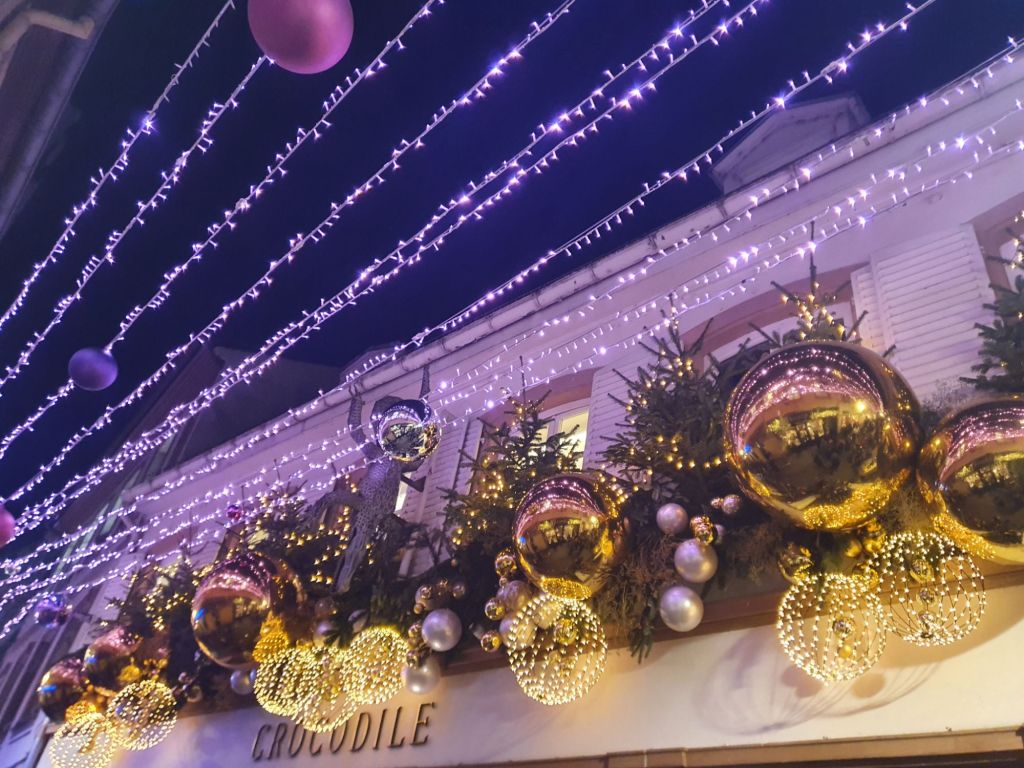
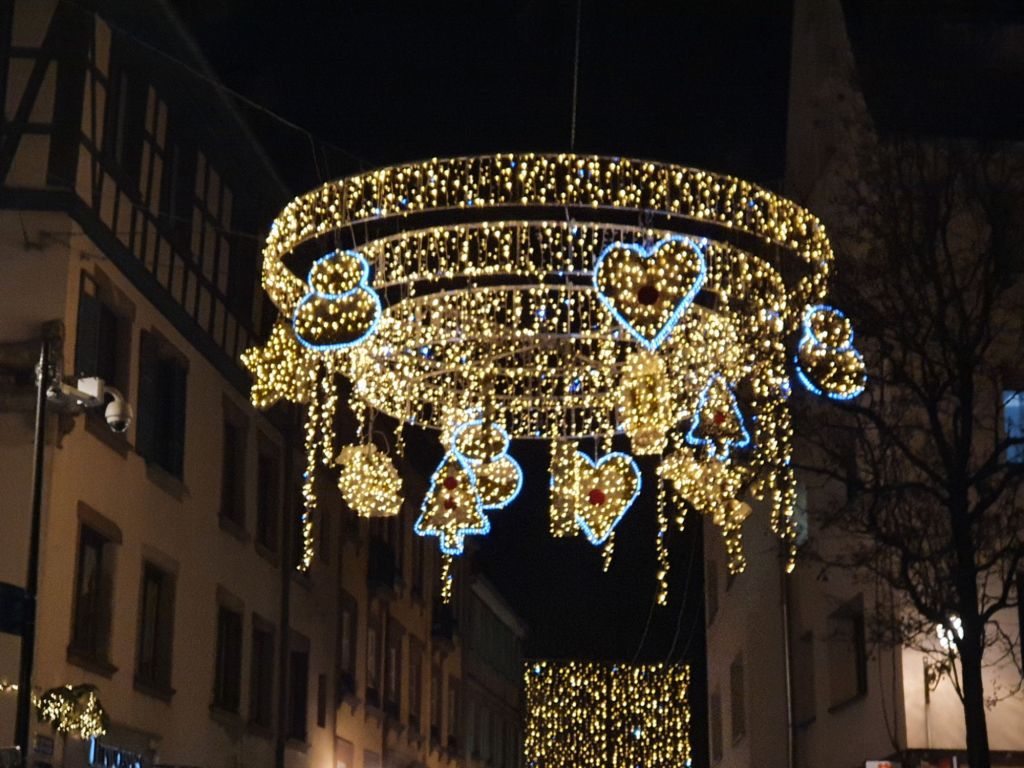
They also make good use of projectors. Walls, roofs and even the roads are decorated this way.
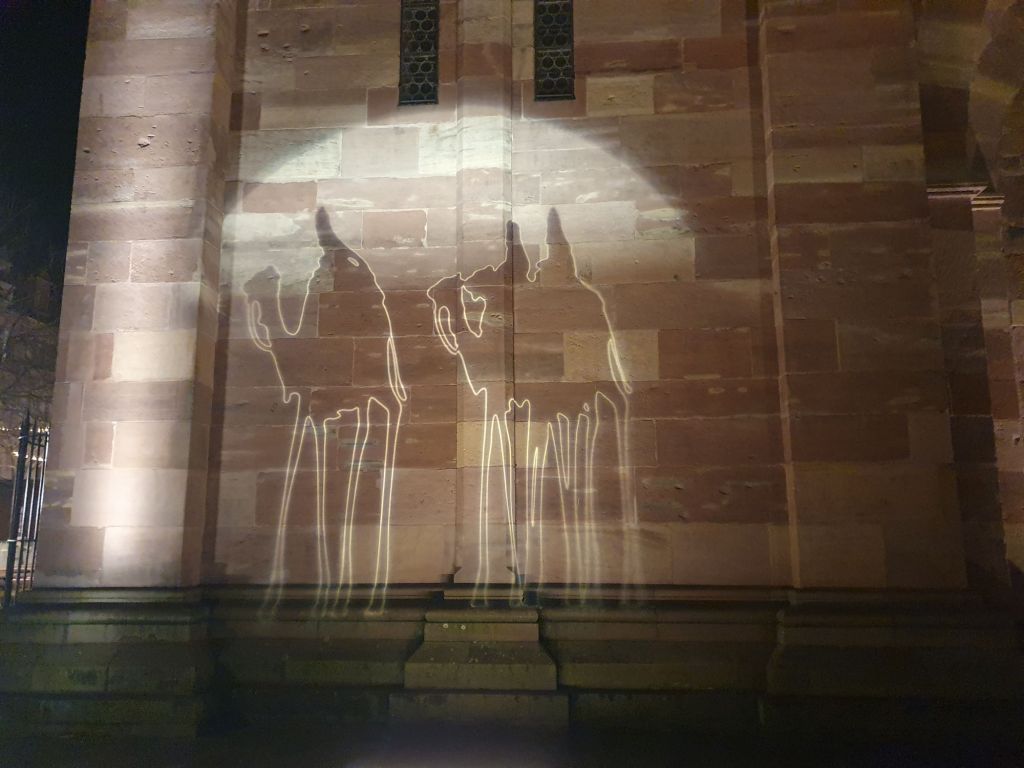
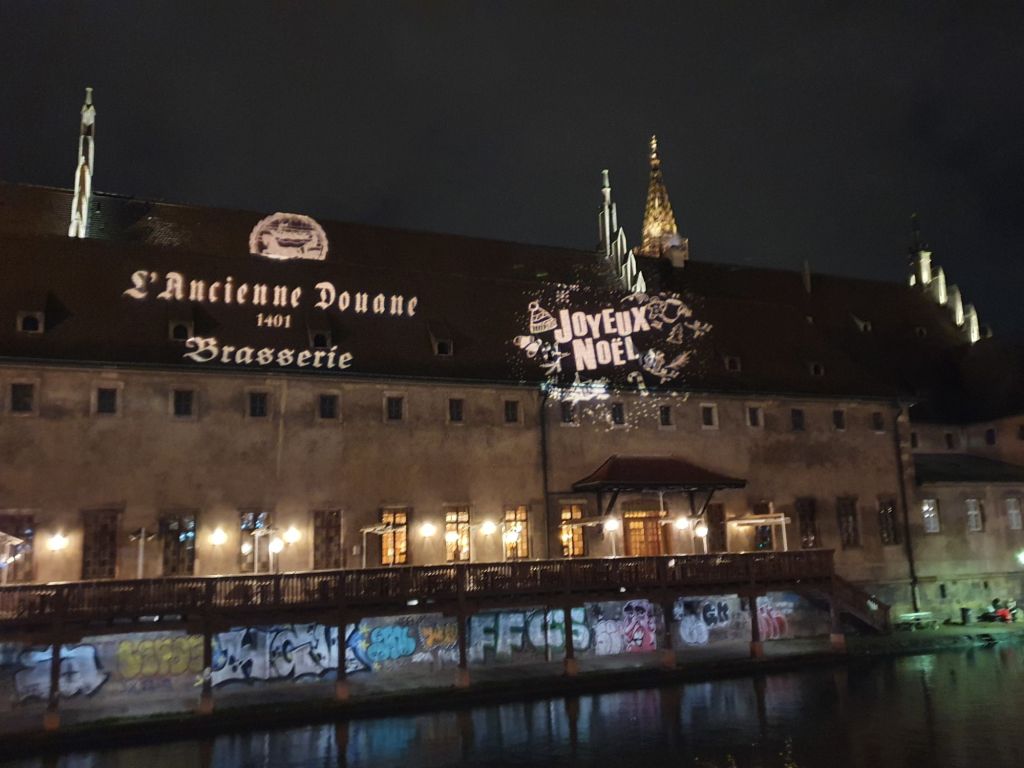
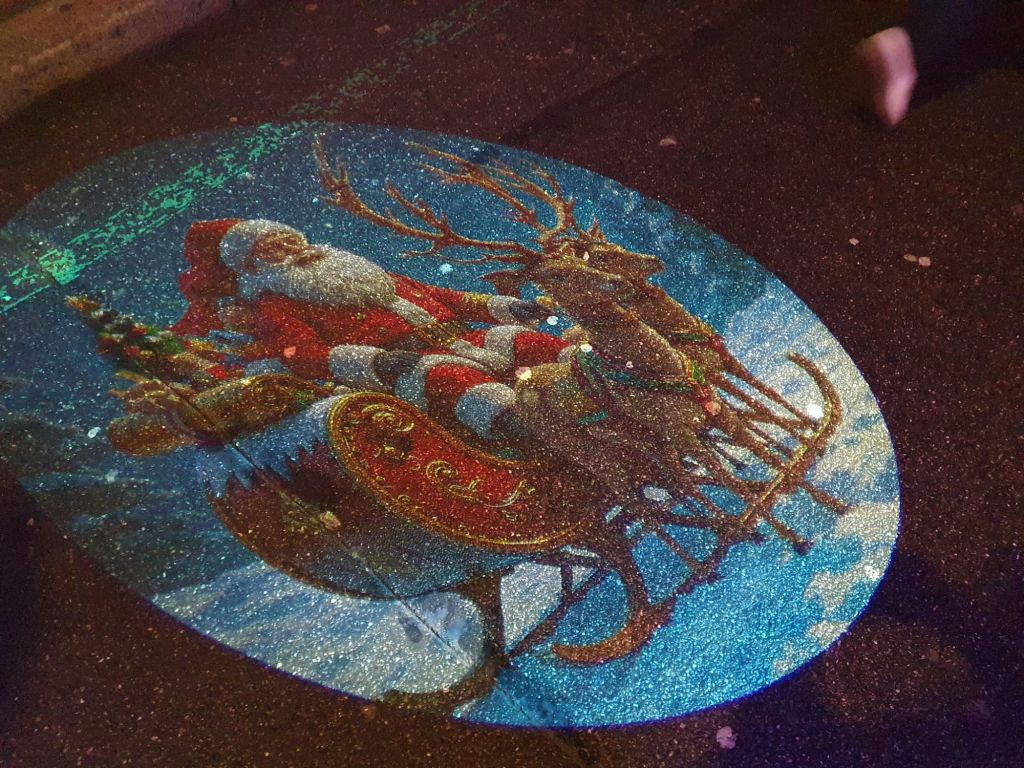
The town centre itself is quite small, but the decorations feel big-city — more like London. That combination is powerful, and genuinely impressive.

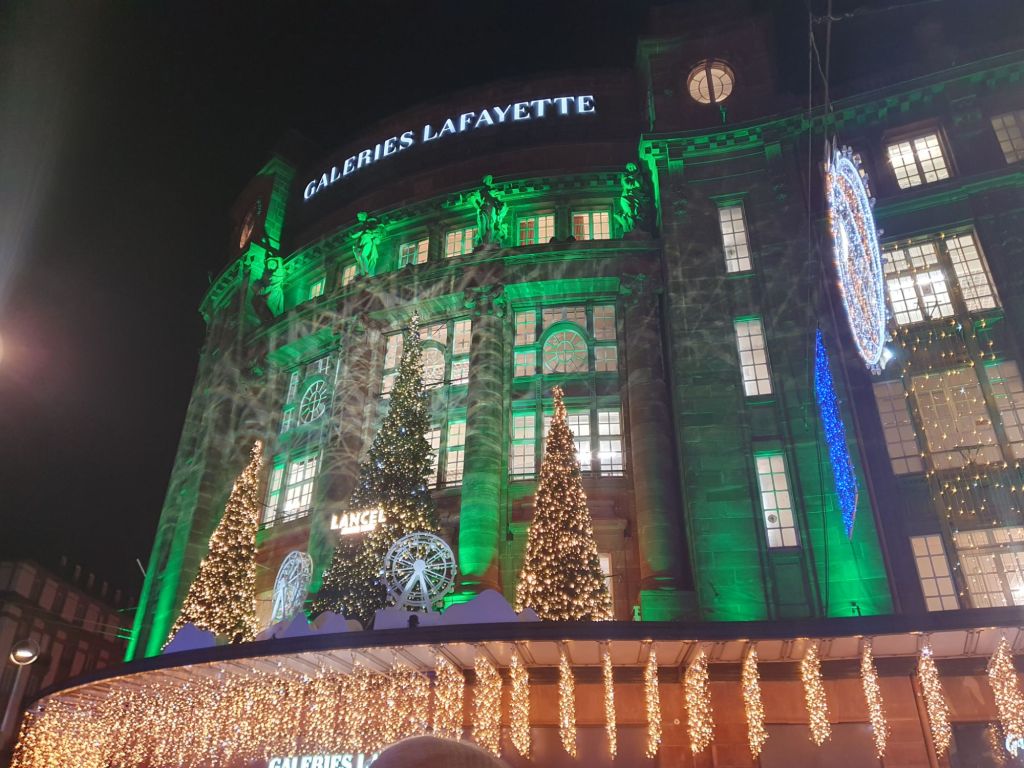
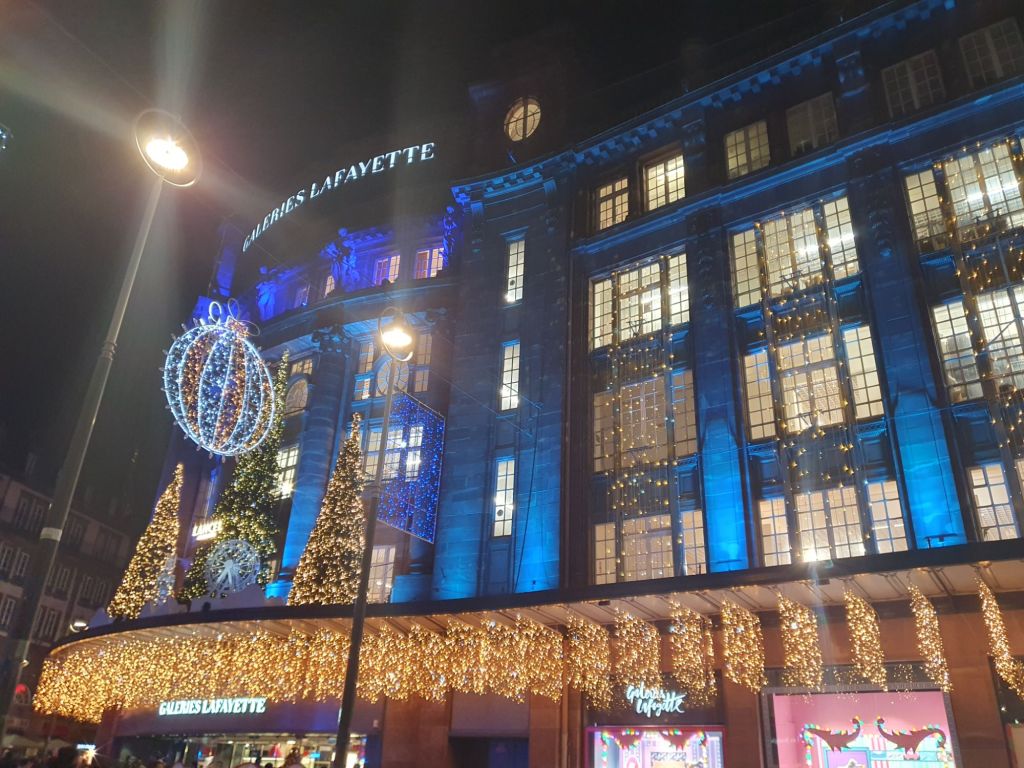
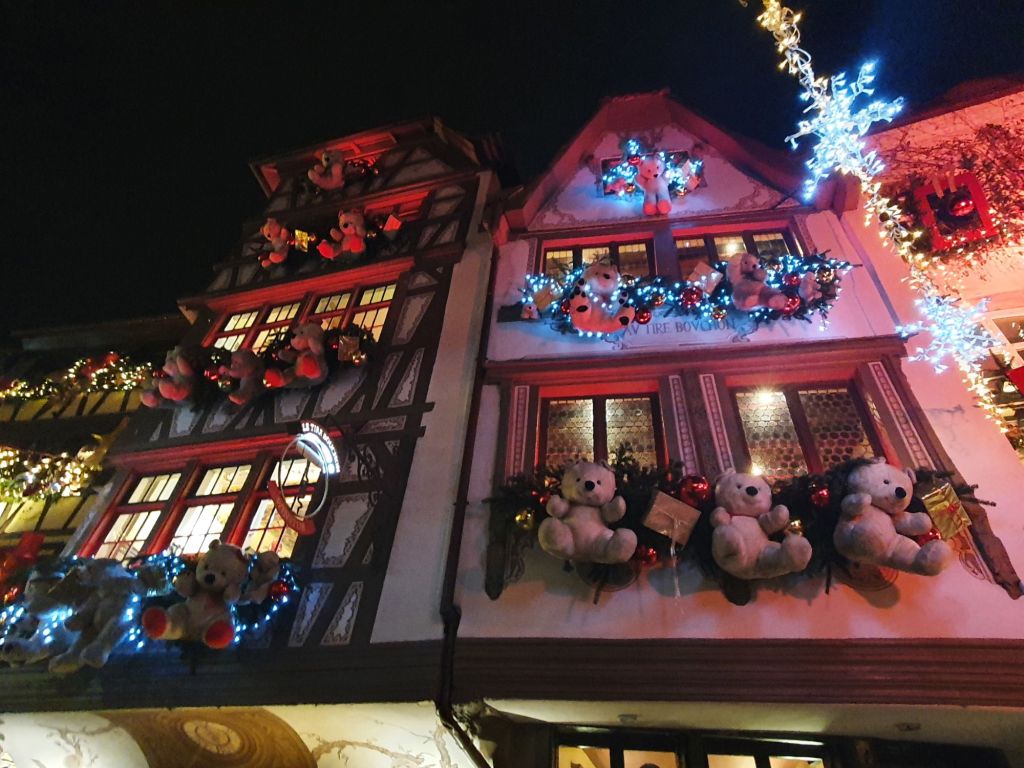
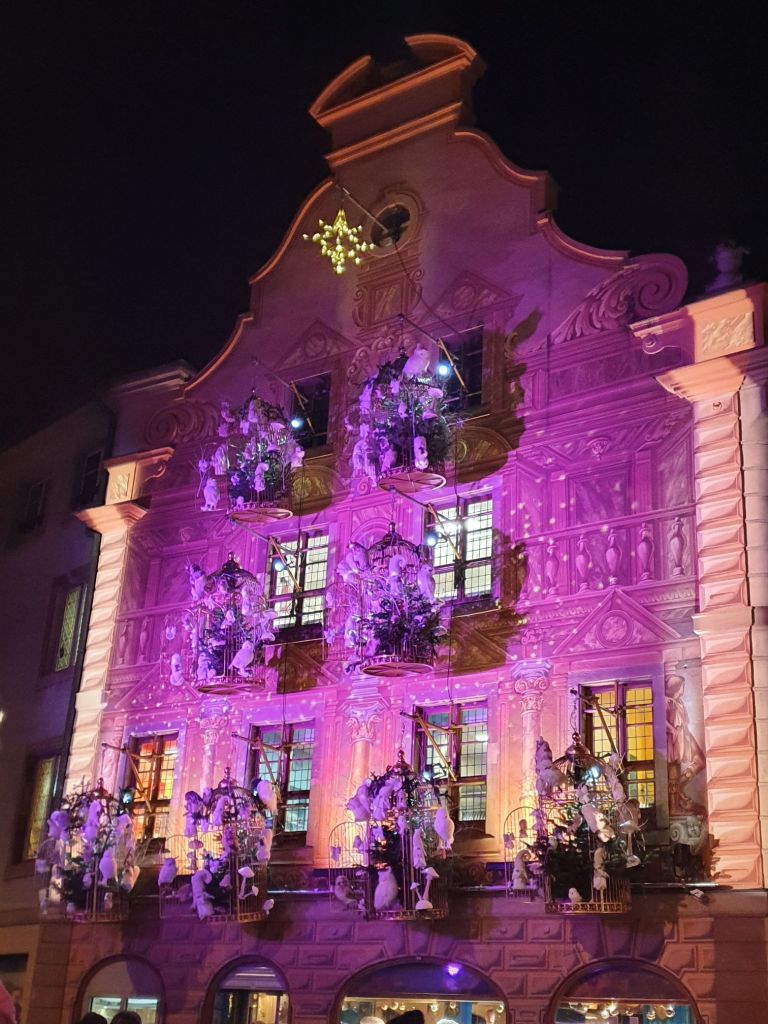
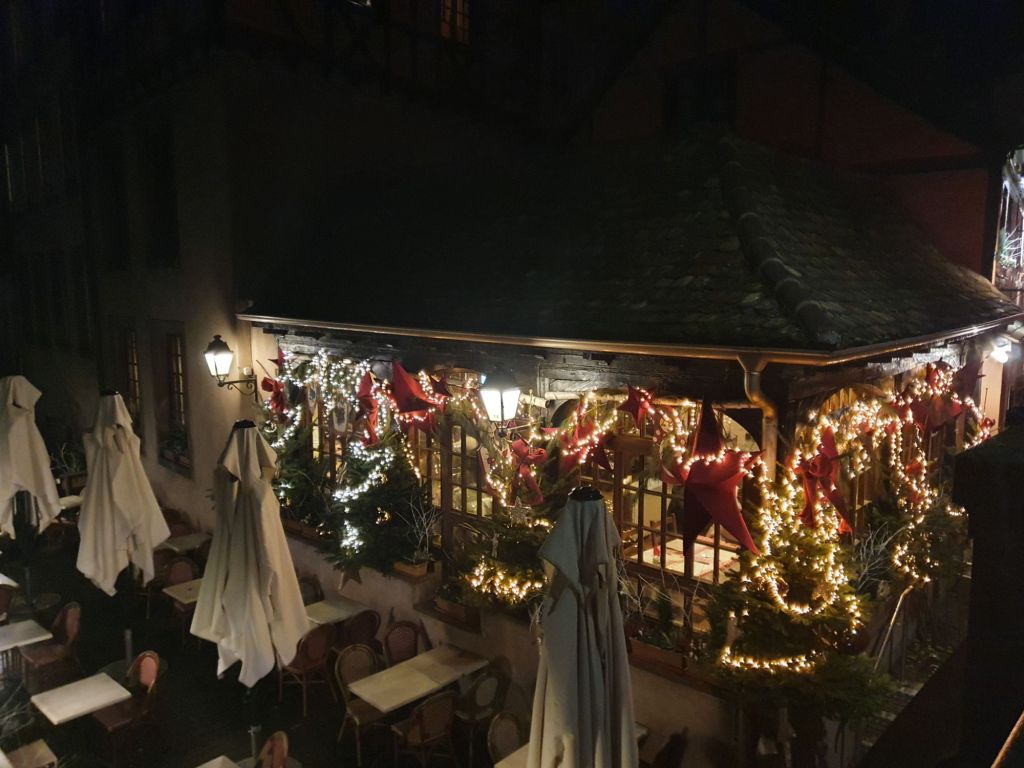
Even the hotels go all out with the Christmas Decor – This is at Les Haras Hotel (just outside Petite France) where we stayed
We visited on the last weekend before Christmas, so it was busy, but not as crowded as I’d expected — and certainly calmer than many other Christmas markets I’ve been to.
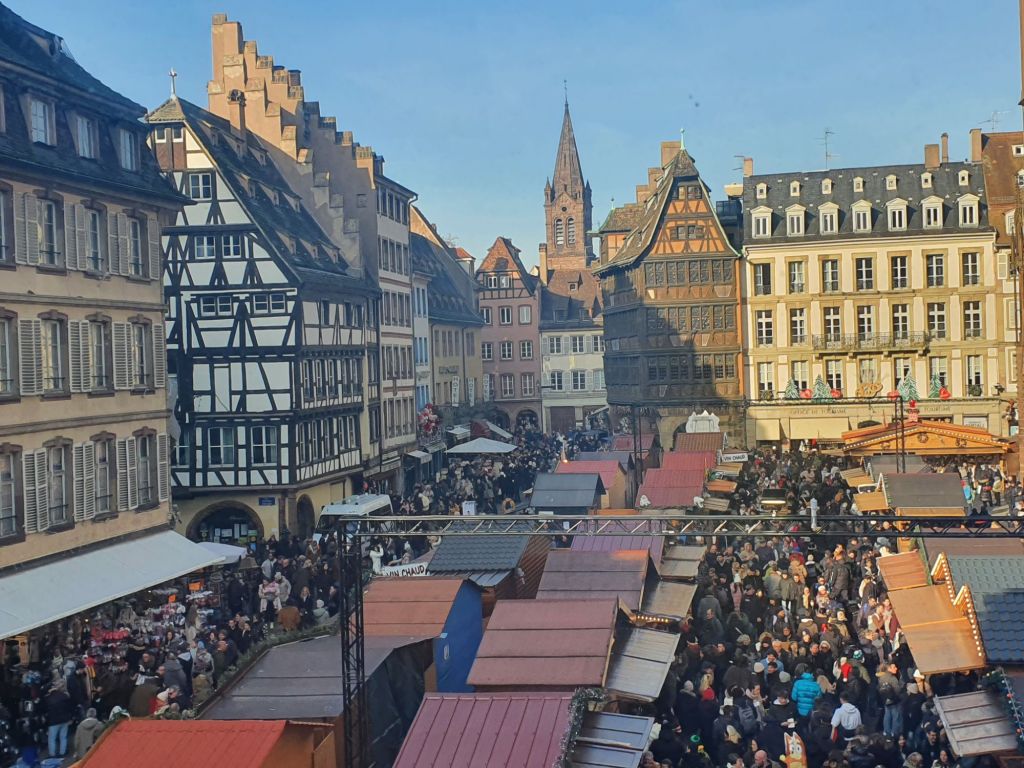
Strasbourg may not have started at the top of my list, but with this visit, it left a great impression.
On my next post, I’ll detail a few others things we got up to – Cathedral, wine tasting, eating and drinking.
Tip: When is the best time to visit Strasbourg? In the winter, Christmas (before 24th December) is the best time to visit (Exhibit A: Photos above). According to our guide, spring (April/May/June) is also a good time for a visit – days are longer and skies are sunnier. Mid summer (July/August) is one to avoid, because of the oppressive heat and the crowds during summer.
Big thanks to our good friend M who organised this trip and found all of the places in this post.
 Diary of a Tourist
I spent about a day in Strasbourg and thought it was very lovely, but I’m sure a Christmastime visit would be extraordinary. Holy cow – you are the queen of Christmas markets!
LikeLike
Thank you! I didn’t realise how many Christmas markets I had been to until I counted them all up! Wish you a happy and prosperous new year!
LikeLiked by 1 person