Where and when: Caprivi Strip, Namibia and Chobe National Park, Botswana, September 2025
On the Caprivi Strip
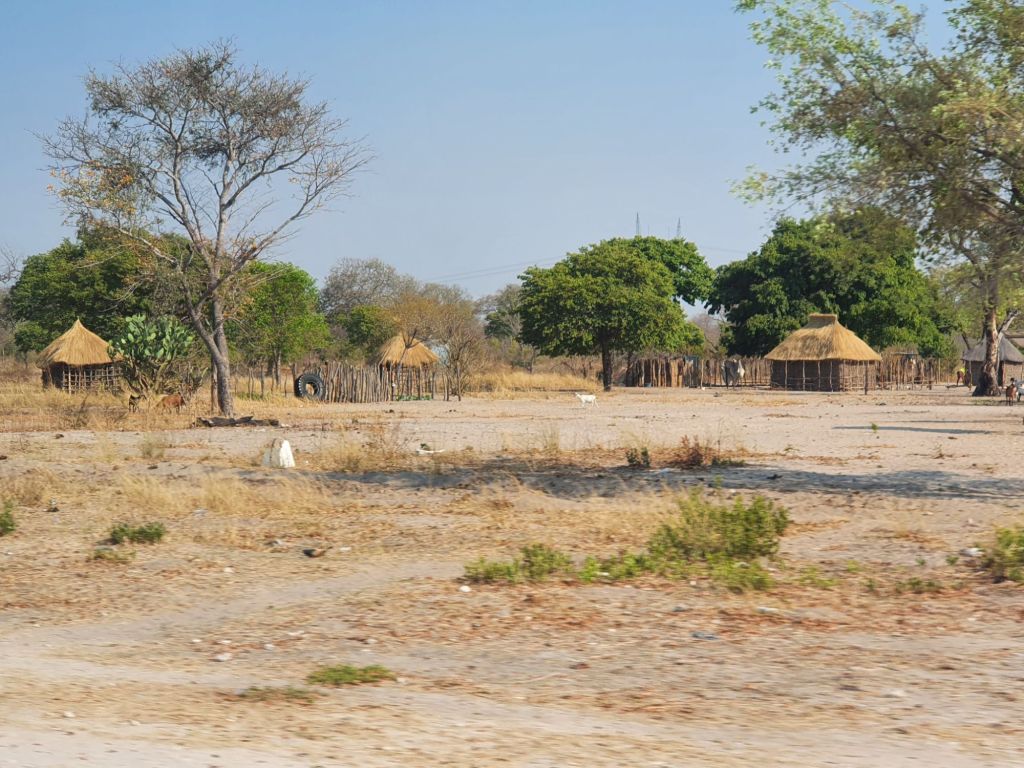
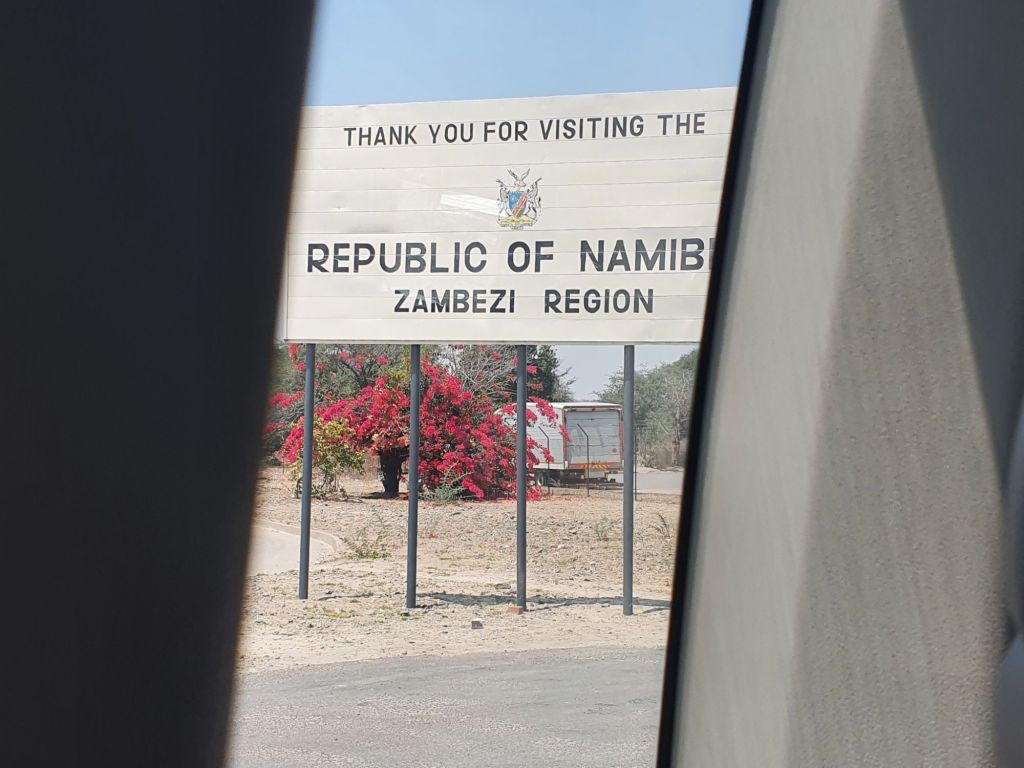
0700: We leave the hotel just after sunrise, as we begin the long drive along the Caprivi Strip, looping back toward Botswana.
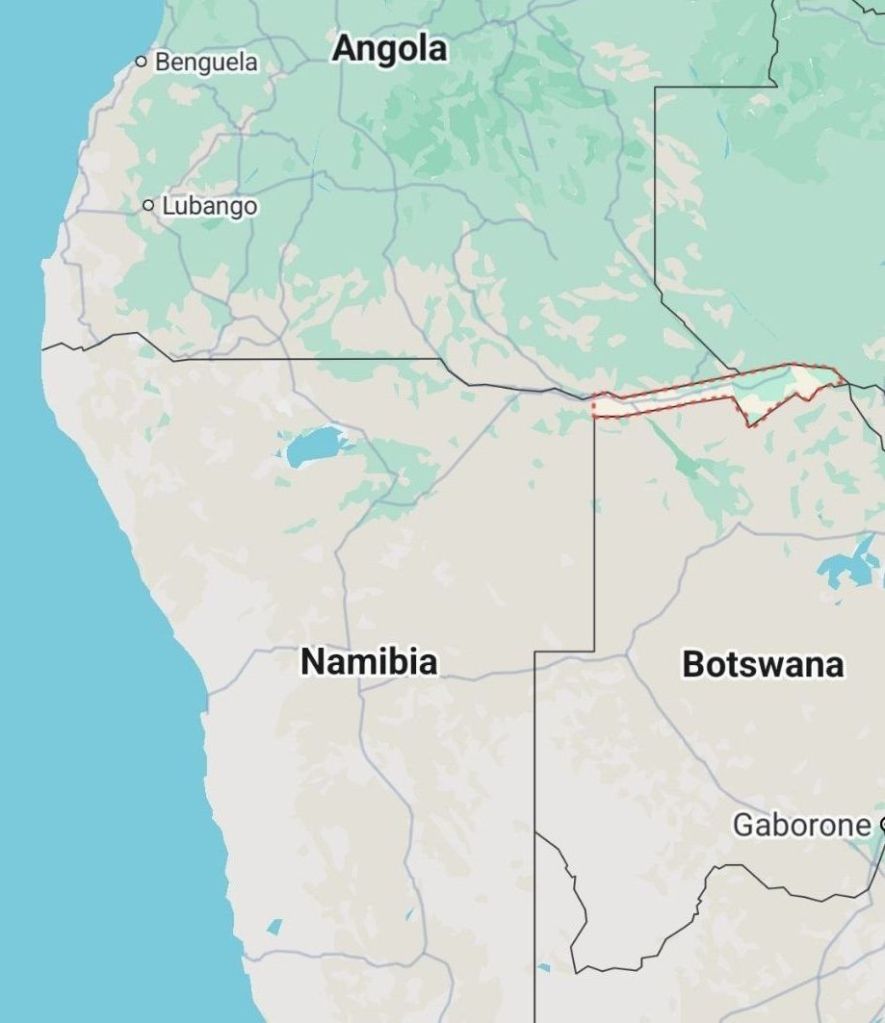
The Caprivi Strip is Namibia’s geographical oddity: a narrow panhandle stretching east from the country’s north-eastern corner. Botswana lies to the south, while Angola and Zambia press in from the north.
But this strange shape has a very interesting history. Originally part of British colonial Africa, the Caprivi Strip changed hands in the late 1890s during negotiations between Britain and Germany. Britain received the islands of Zanzibar; Germany, in return, took Heligoland (a small archipelago off the coast of Hamburg) and this thin slice of African land; and named it after Leo von Caprivi, tje German Chancellor who negotiated the deal. The Germans wanted access to the Zambezi River, believing it would provide a transport route to the Indian Ocean. It was a bold plan, undone by one immovable obstacle: Victoria Falls.
After World War I, the region came under South African control, and later its administration was transferred to Windhoek. When South West Africa gained independence in 1980 and became Namibia, the Caprivi Strip was absorbed into the Namibia we know today.
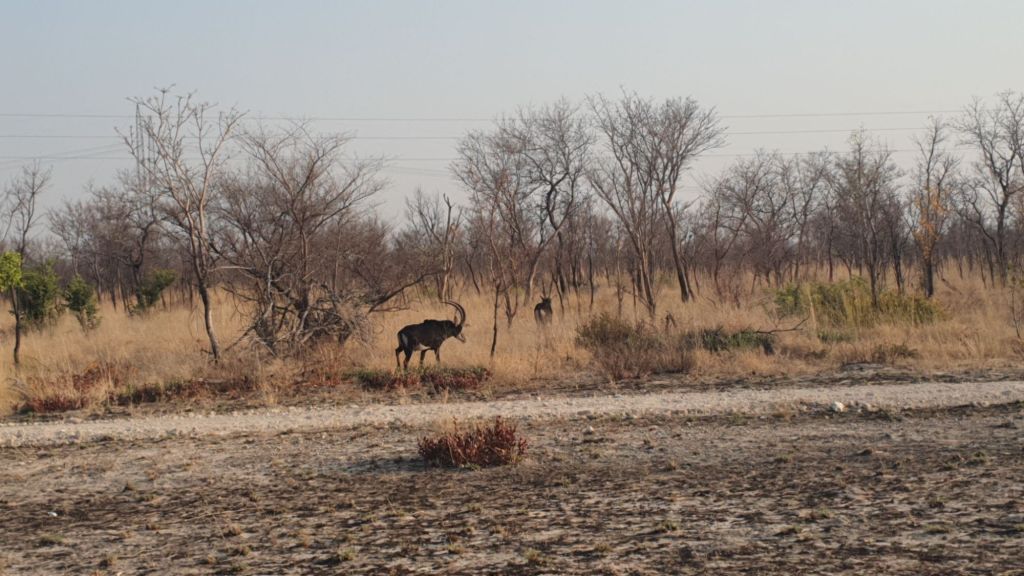
Today, much of the area is protected national parkland. It’s an important wildlife corridor, especially for elephants moving between Namibia and Botswana, and onward into Angola, Zimbabwe, and Zambia.
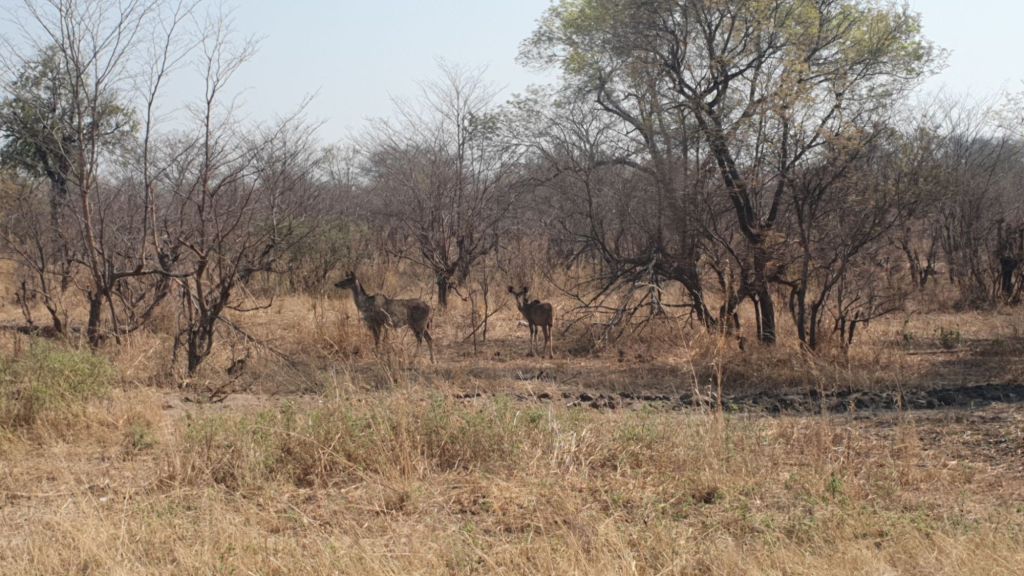
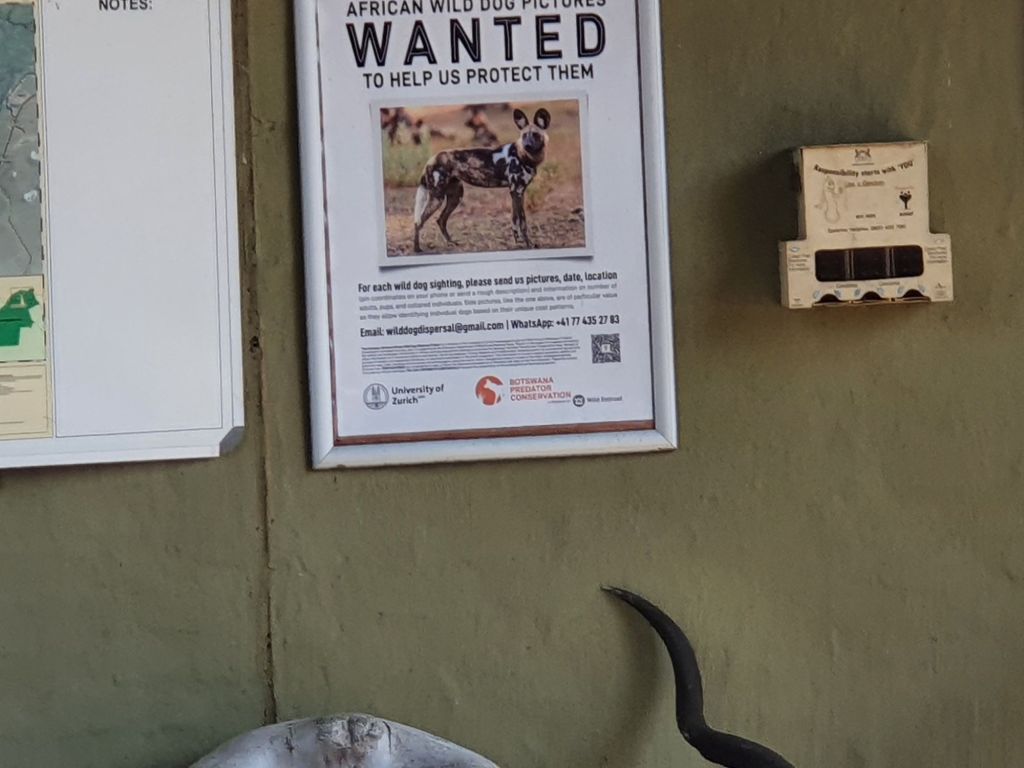
It’s also one of the last strongholds for African wild dogs, that are rarely seen. In fact, we saw many signs asking oeople to report any sightings.
1230: After a couple of pit stops we reach the Botswana border. By 1315, passports stamped and formalities done, we’re officially across.
Afternoon Safari At Chobe National Park
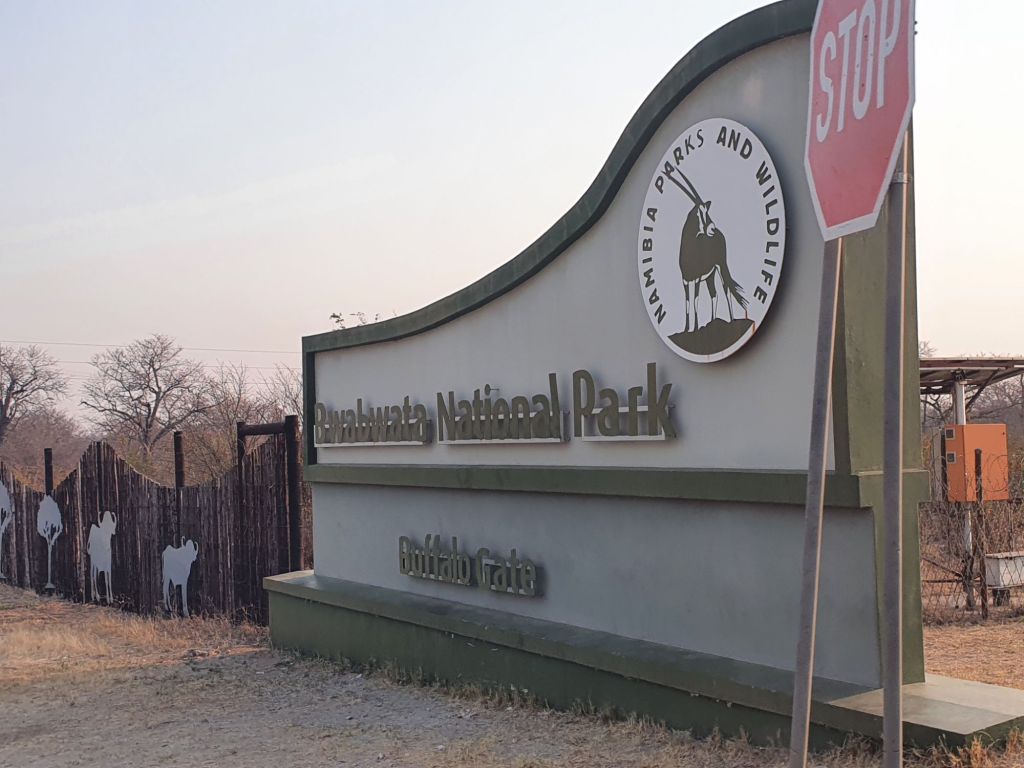
1500: After a quick stop for lunch, we headed to the Chobe National park for an afternoon safari. Chobe National park is Botwana’s first national park. It is the third largest in size in Botswana, but is considered to have the most biodiversity.
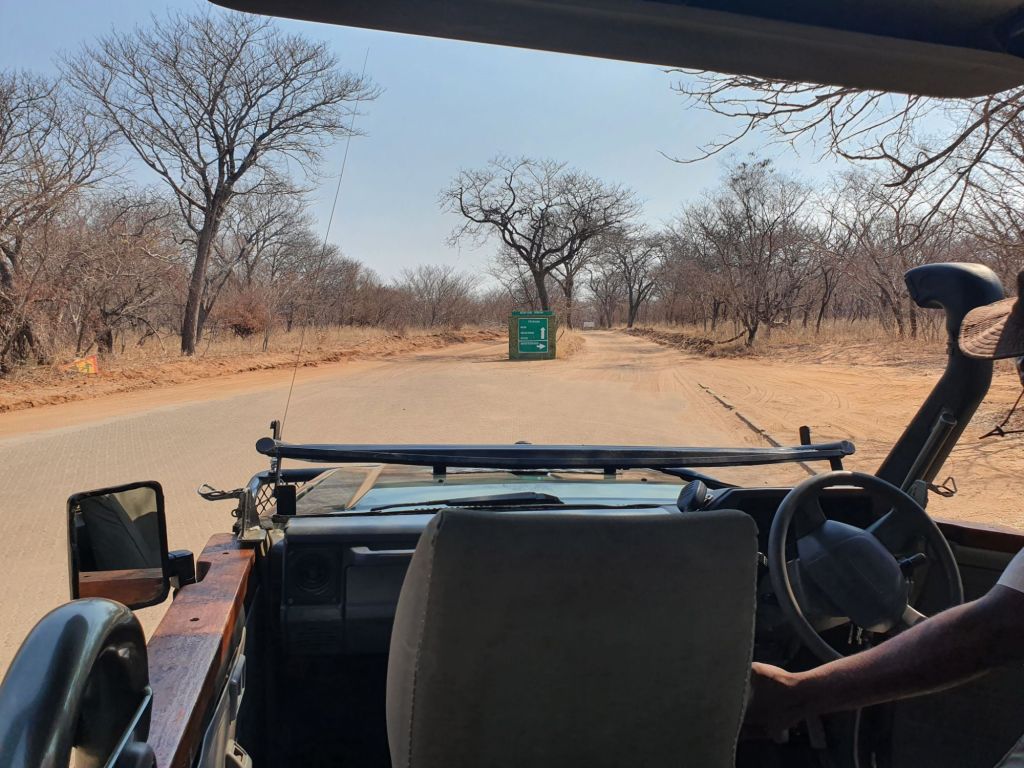
It’s still very hot and sun is up un the sky, so I wasn’t sure how many animals we will see, but we were in for a pleasant surprise.
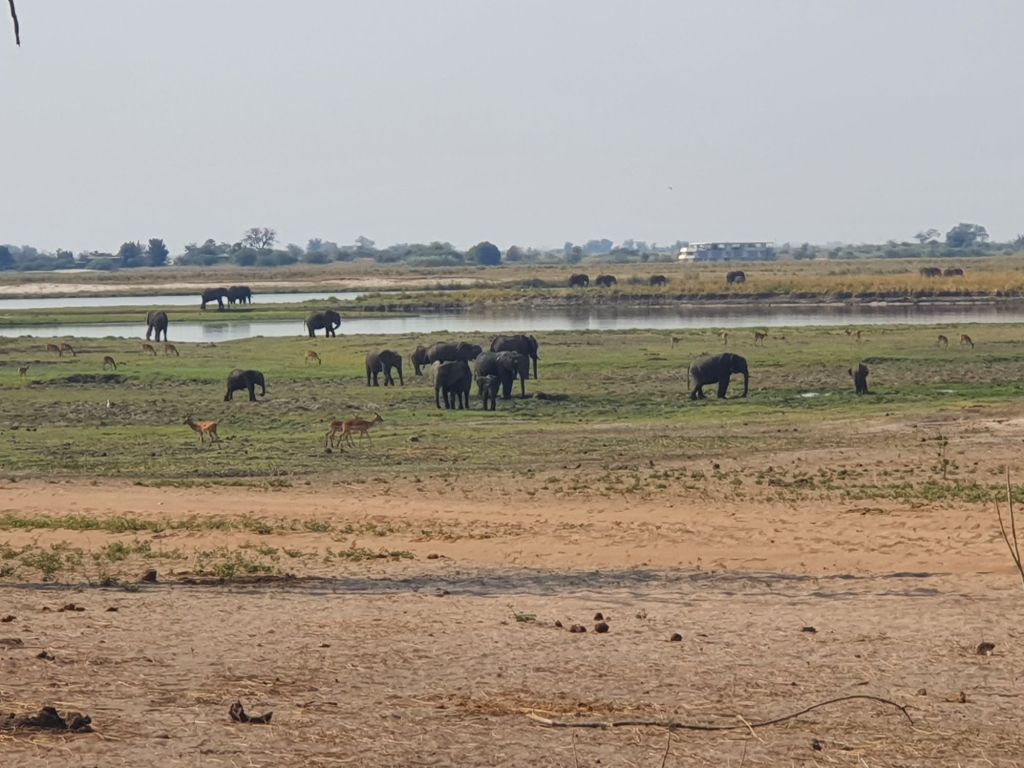
We started off at the river bank – there were many animals here, but mostly elephants.
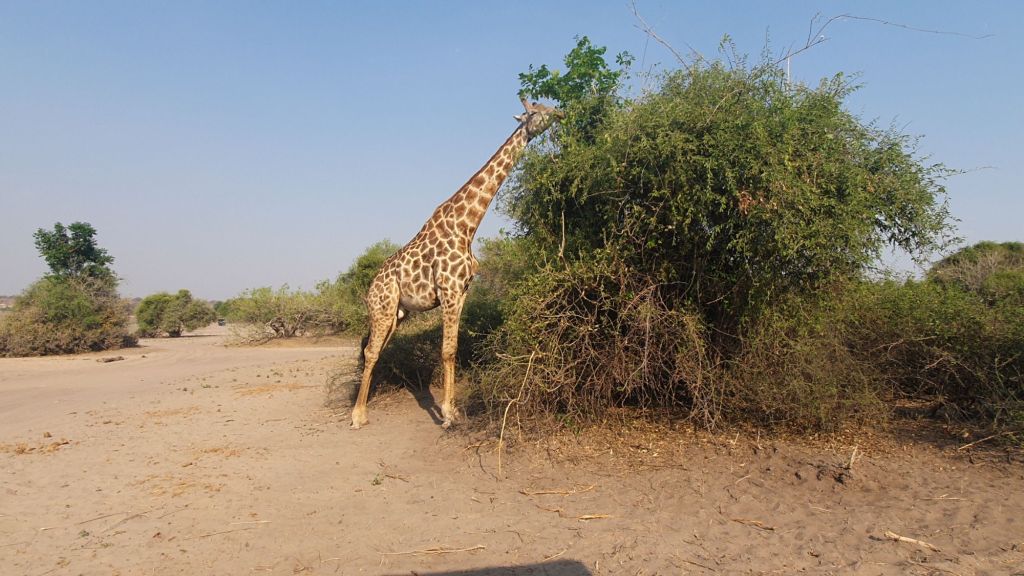
Then there were the giraffes, taking advantage of their height to reach the fresh young leaves at the top of trees.
Kudu’s were next — both male and female. The males, with their long spiralled horns, are magnificent but vulnerable; those horns can tangle in trees, making them easier targets for predators.
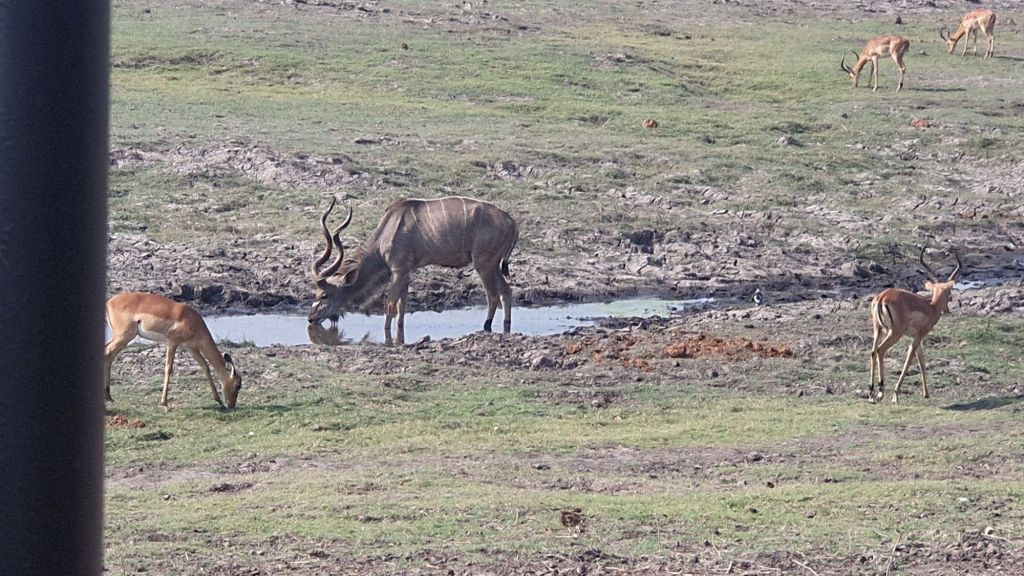
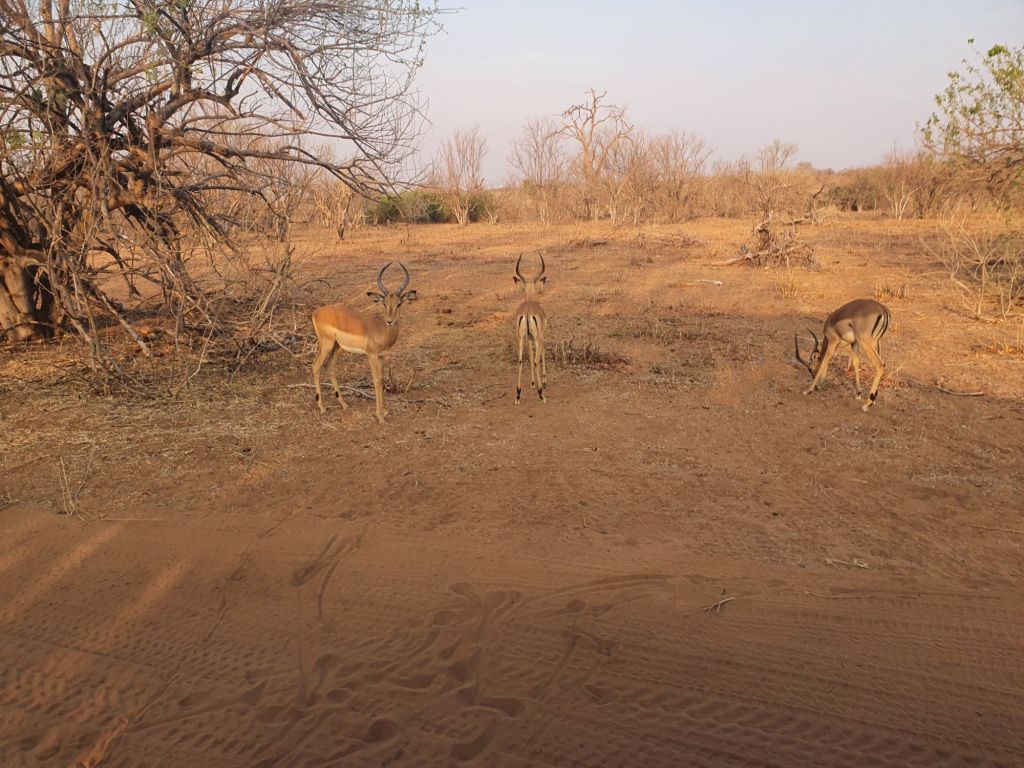
There are plenty of Impalas, a type of antelope, often jokingly called the McDonald’s of the bush because they are plentiful and not difficult to catch.
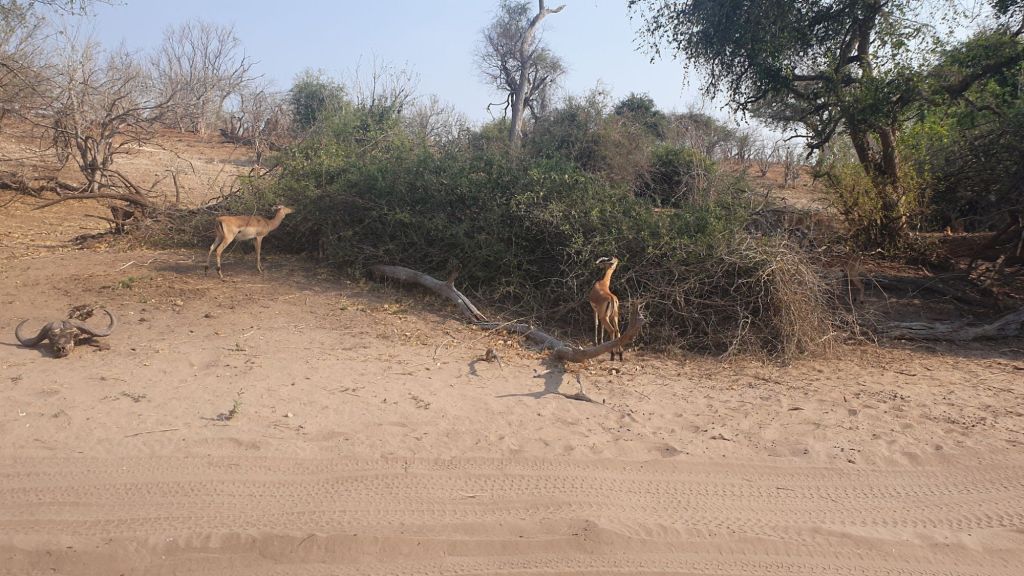
The fastest antelope can reach around 70 km/h, impressive until you remember a cheetah can hit 120 km/h. In the bush, speed is relative.
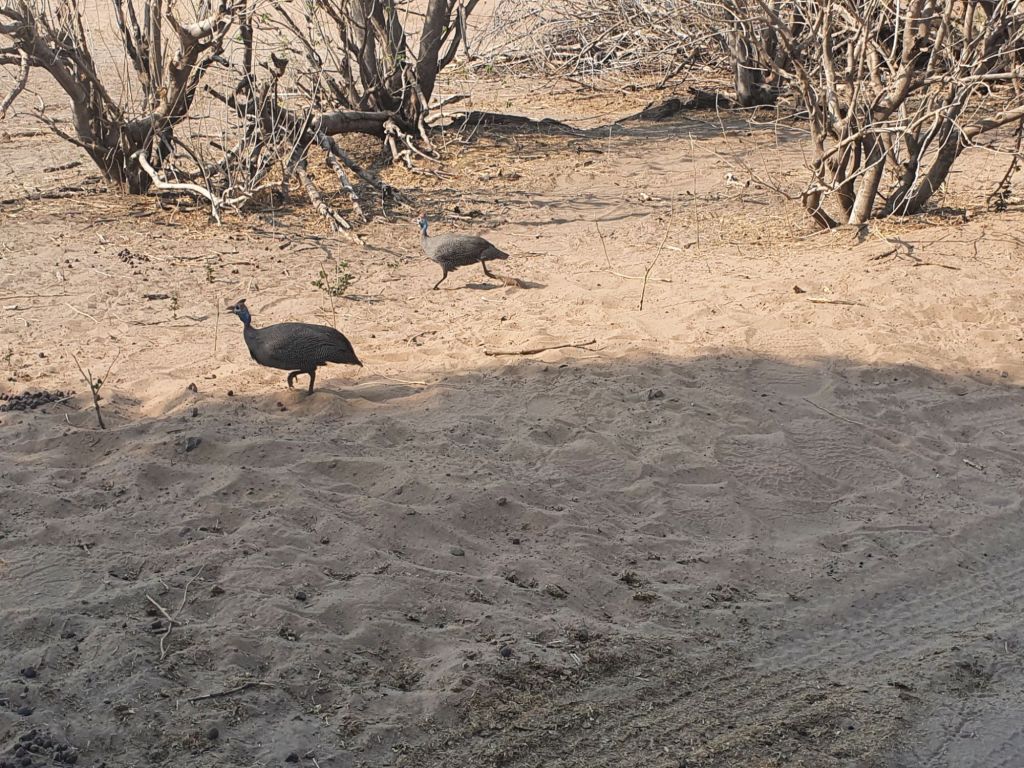
Guinea fowl scuttle across the track in their usual state of mild panic.
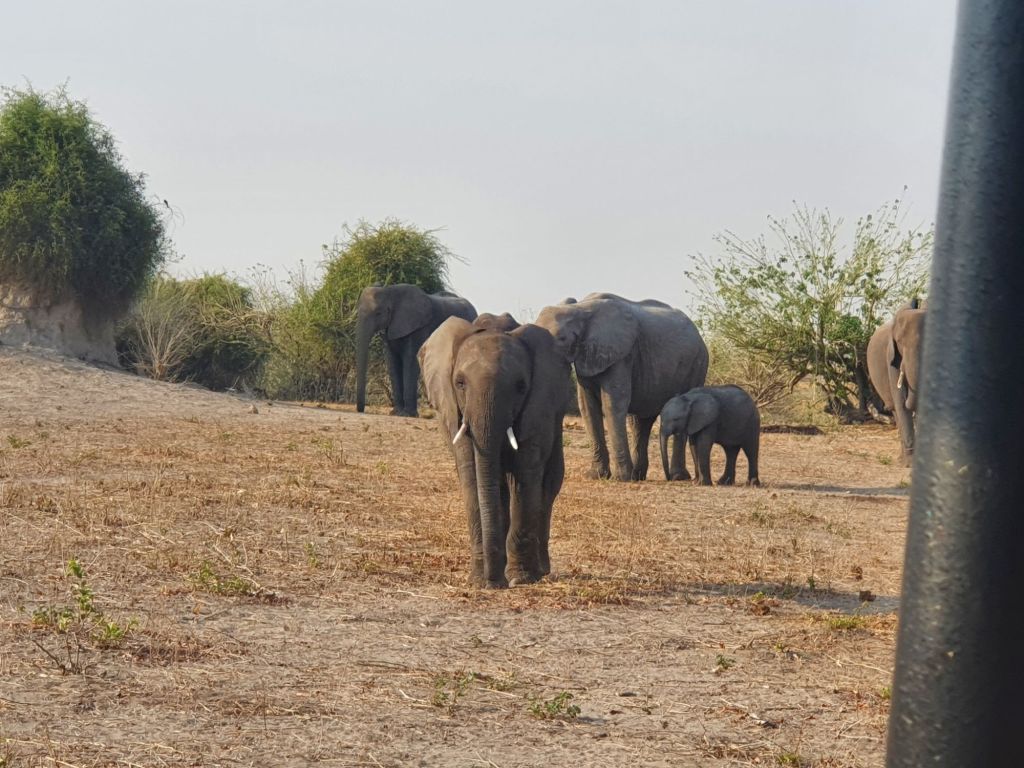
Elephants appear in groups, moving with quiet authority. We’re told how to estimate their age: if a calf can walk beneath its mother’s stomach, it’s under a year old. If it can’t fit underneath but has no tusks, it’s likely under two. Tusks mean three years or older.
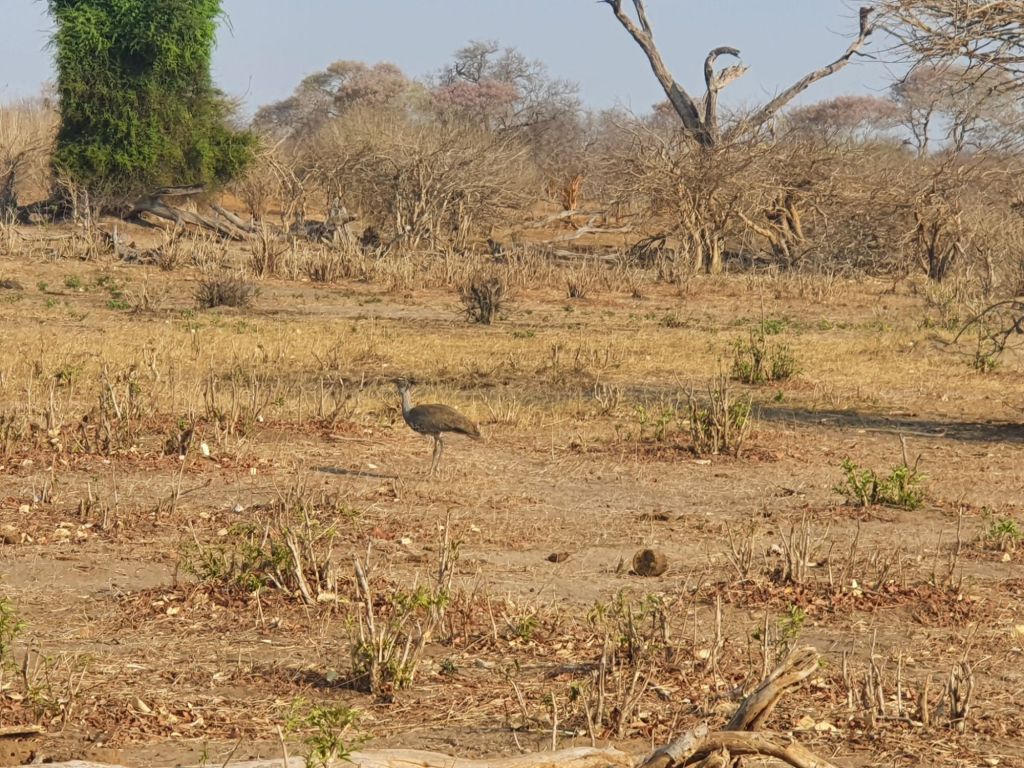
Flash of movement overhead: Botswana’s national bird, kori bustard, also one of the heaviest flying birds, wanders past.
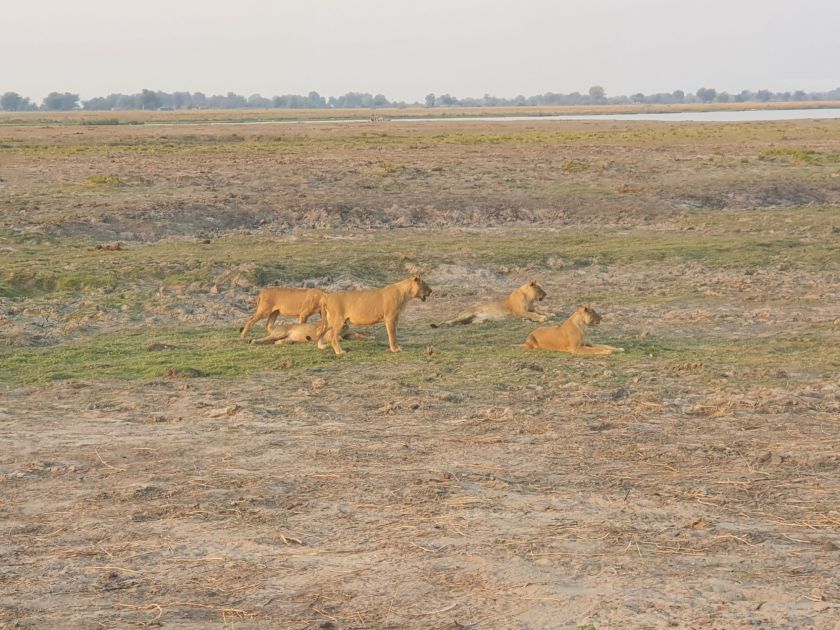
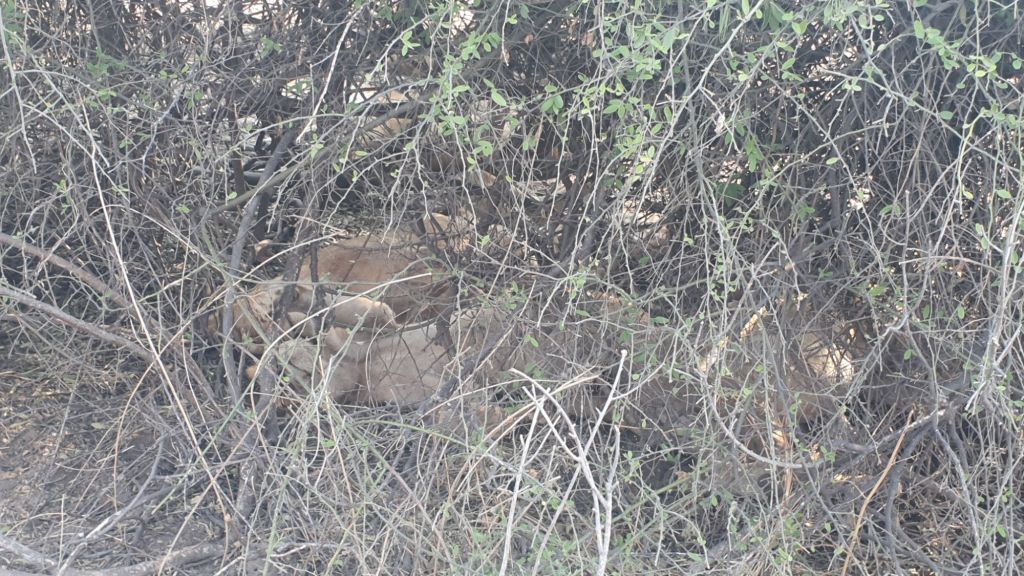
Then, our safari guides walkie-talkie cackles. There are some lions nearby. He makes a U-turn on the jeep and soon we are within few feet of a pride lions. Thankfully, asleep under a bush. No sign that the jeep bothers them, they are snoozing heavily.
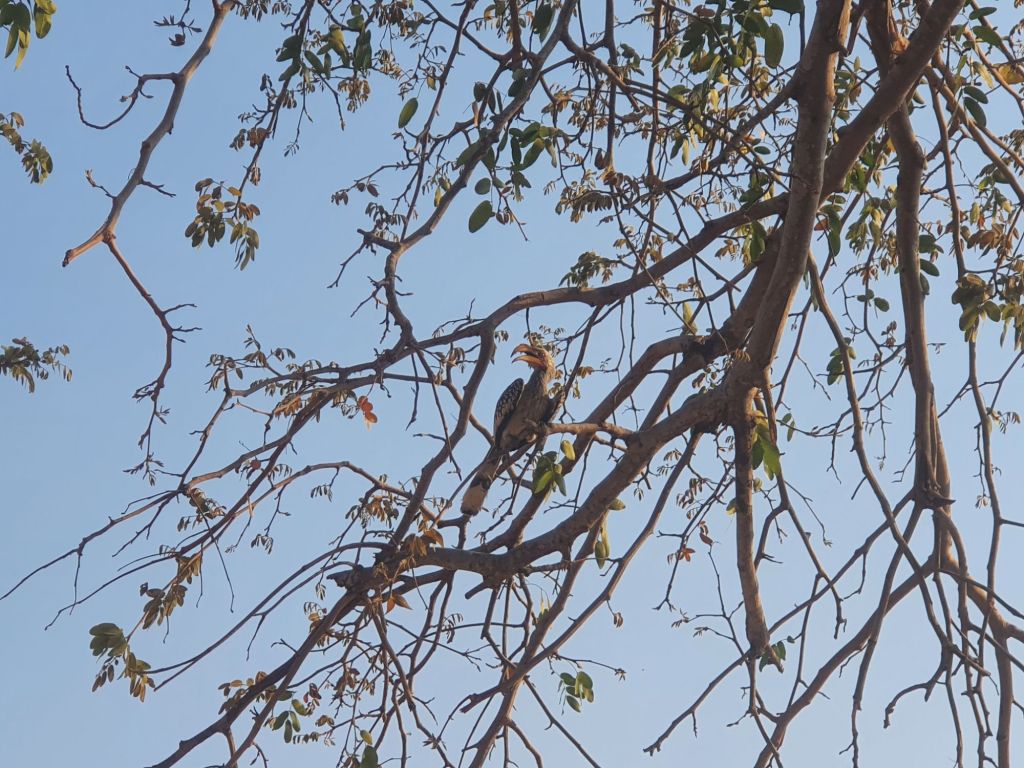
We pause for a refreshment break. The jeep has a coolbox with much needed cold drinks. There is a hornbill on a nearby tree.
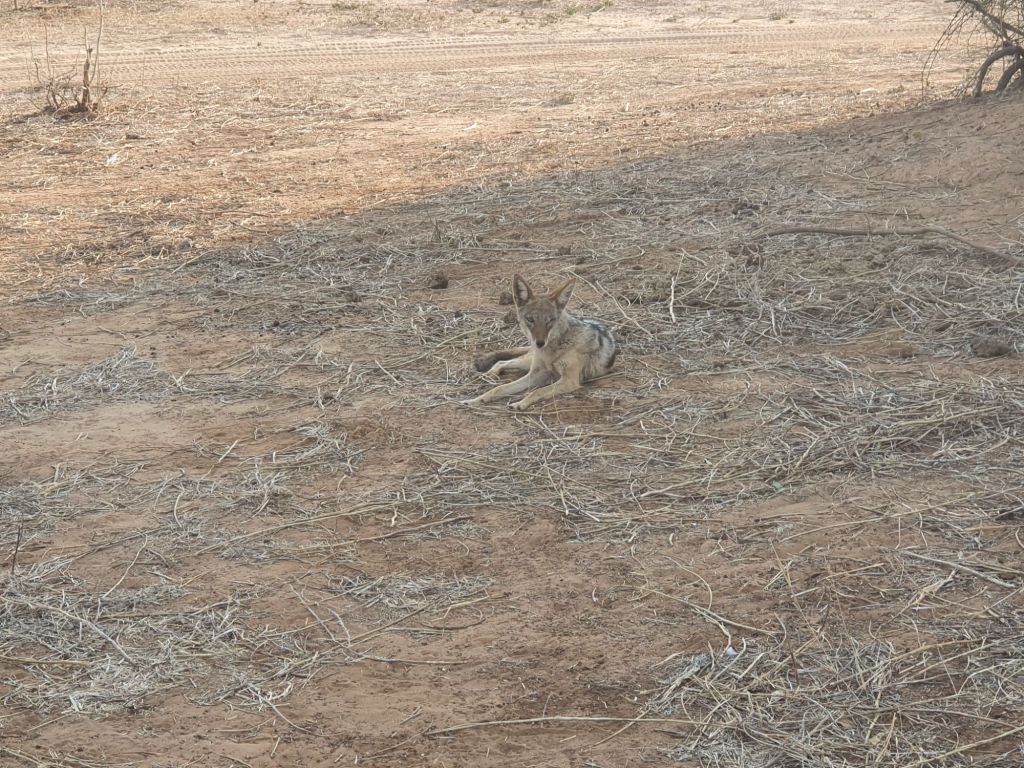
Back on the drive, we see a few black-backed Jackals – smaller than I had imagined.
Another call on the guide’s walkie-talkie. The pride of lions are awake, and have moved to the river banks.
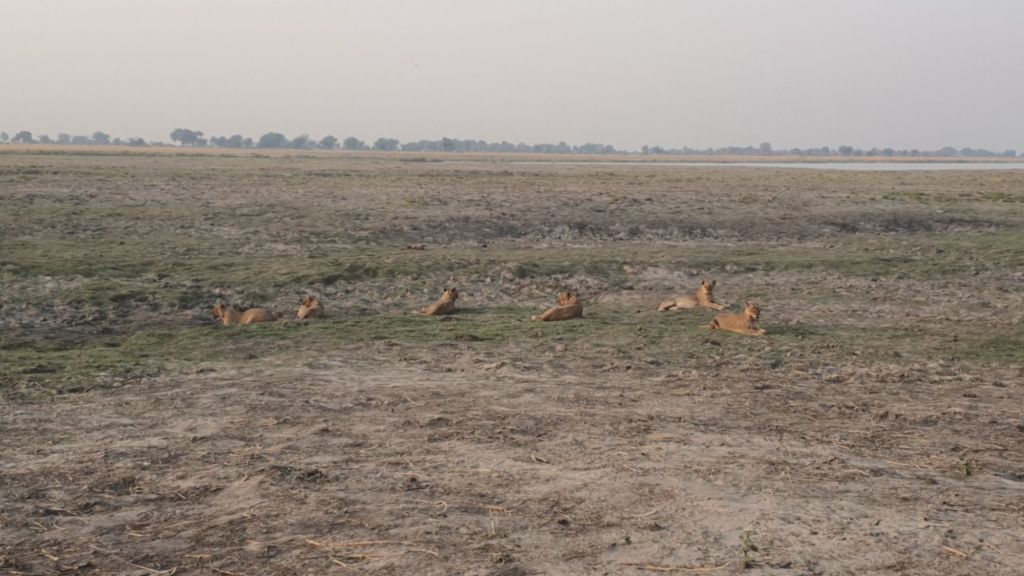
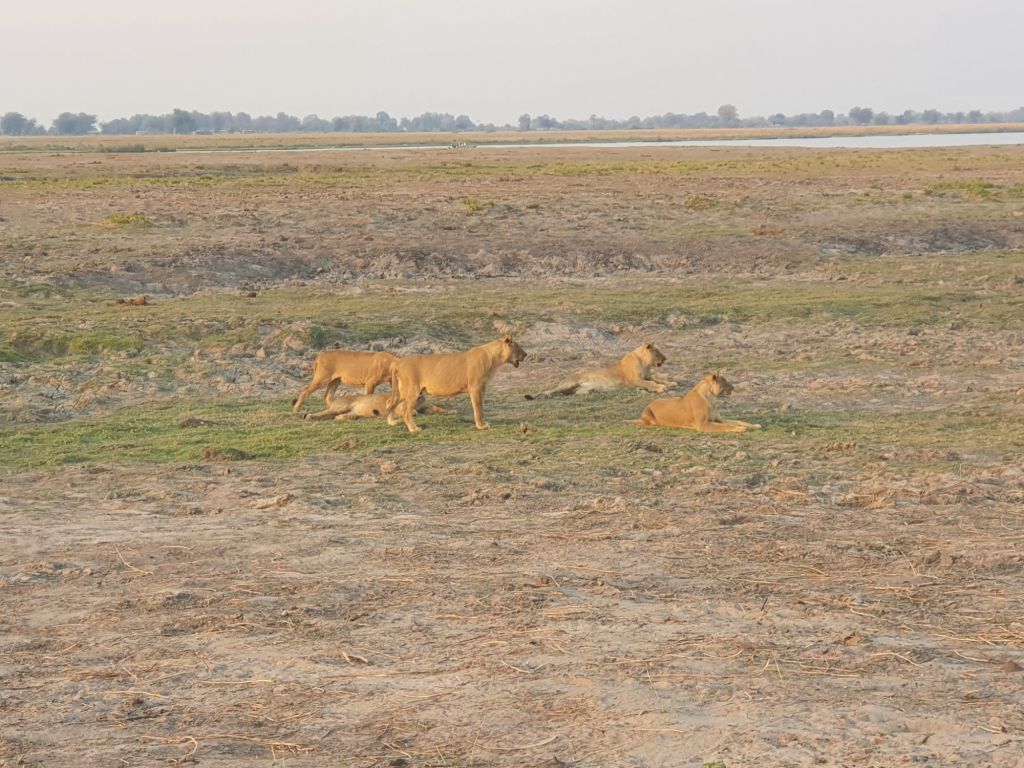
The guide explains that this pride has senior females and several two year old male cubs. There are no male lions in the pride at present.
There is a little bit of a drama – over on the far side, there are a couple of warthogs. Walking toward the lions, totally unaware of the predators lying around just ahead.
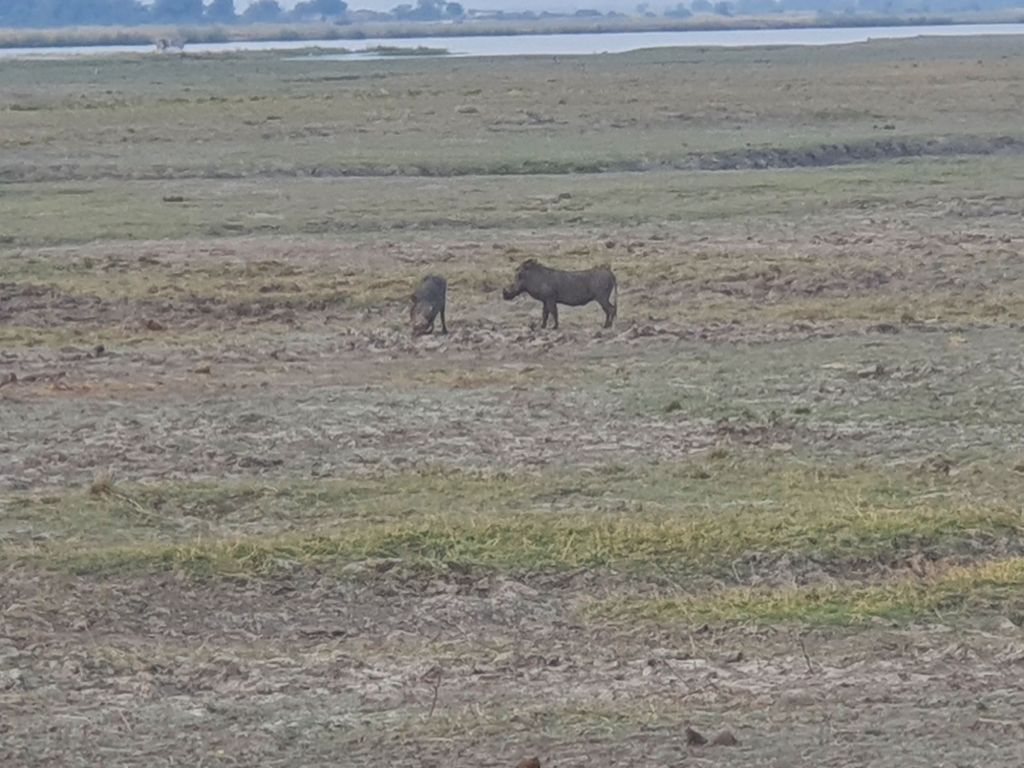
The lead lioness spots the warthogs and moves towards them – just a little. She looks tempted, it would be a nice early dinner. But she cannot take down a warthog on her own. She looks back at the rest of her pride, and they are not keen to join her. Our guide explains thay this pride had a kill just a few days ago, so they are not really in the mood for hunting at present.
The sun is starting to set, so we head back. The park has the most spectacular sunset in store for us.
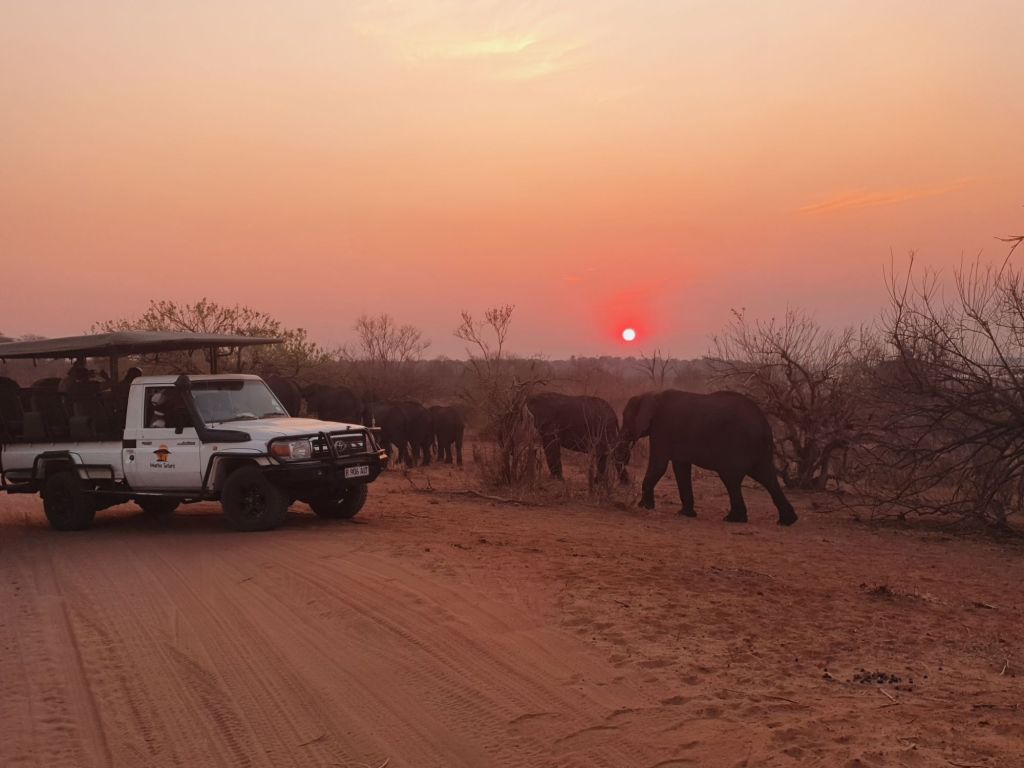
1830: Back at the hotel (TLou Safari Lodge) just ten minutes from the safari park. Tomorrow, we return to Chobe National Park for a sunrise safari, so it will be a very early start. So it is an early night tonight.
 Diary of a Tourist
One comment