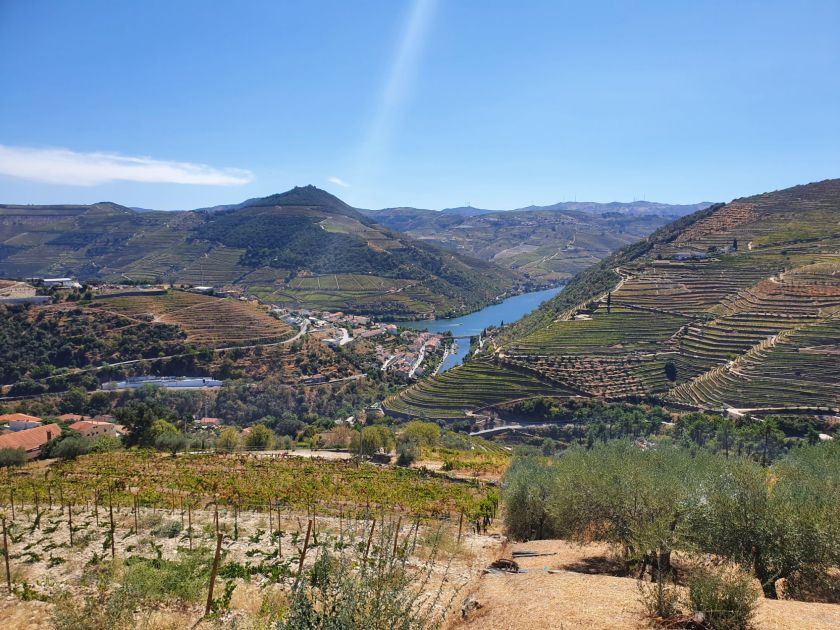
Where and when: Douro Valley, Portugal, September 2024
On our recent city break to Porto, we decided to spend a day exploring the Douro Valley. We decided to go on a small group tour with Oporto Road trips, taking in two wineries and a river cruise on the Douro.
0800: Our driver picks us up from our hotel in the centre of Porto.
Once out of Porto we go through the Vinho Verde region of Portugal, where Vinho Verde (“Green Wine”) comes from. Green wine is a young wine consumed at 6 to 9 months old, and is a very refreshing white wine.
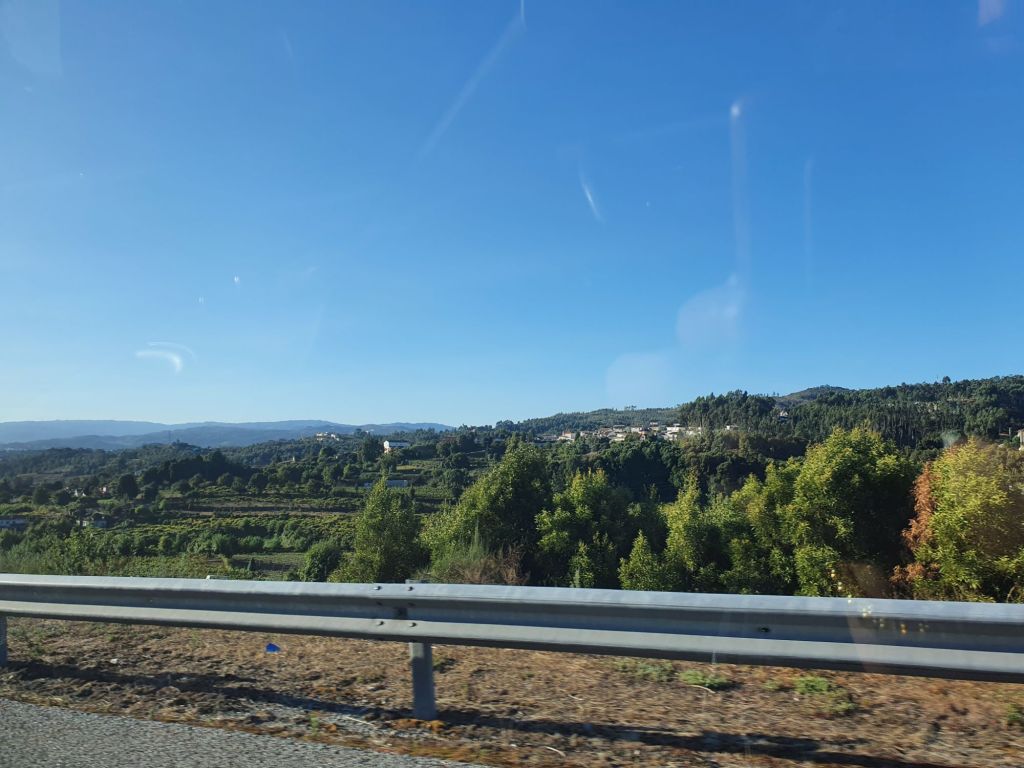
0900: A morning coffee stop at the town of Amarante. This is about a 45 minute drive from Porto.

Amarante old town centre is on the bank of River Tamega. The pastries at Confeitaria da Ponte are mouth-watering, and the coffee is good.

At the centre of the town is Igreja de São Gonçalo. This is a landmark 16th-century church known for its baroque facade, elaborate pipe organ & sculpted tombs.
Amarante is also a stop on the Caminho Torres, one of the pilgrim routes to Santiago De Compostela.
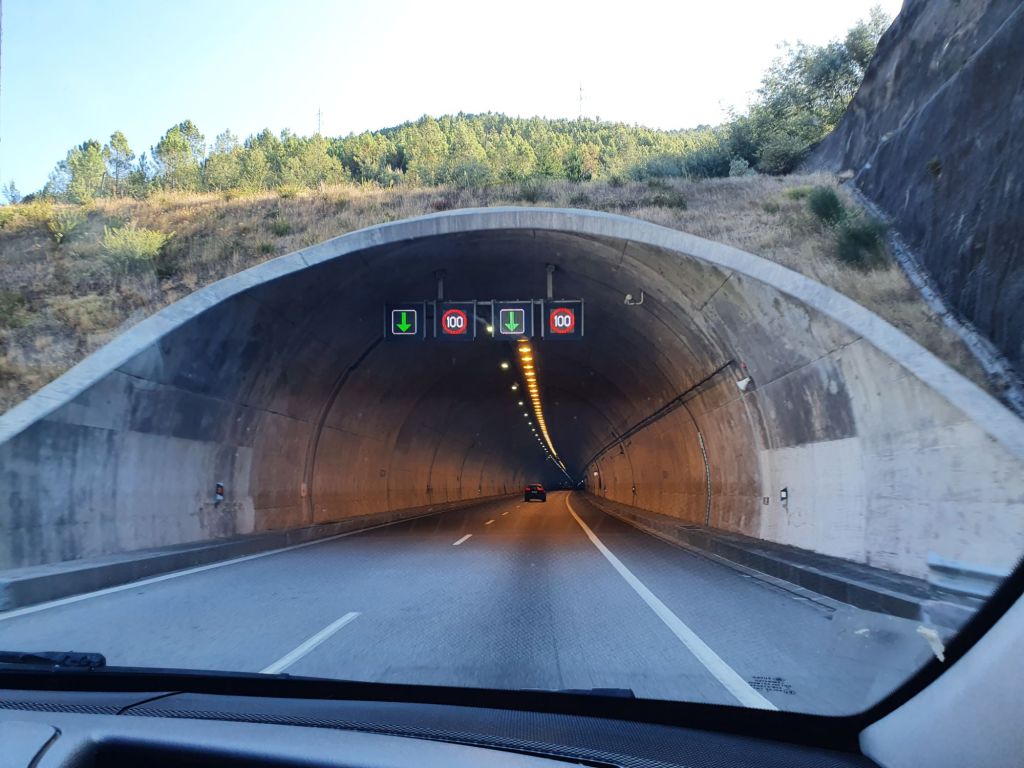
Back on the road, we go through Portugal’s longest tunnel, the Marão Tunnel. It is 3.5 miles (5.6 km) long. This tunnel was built through the 4,642-foot (1,415-meter)-tall Serra do Marão, the sixth highest mountain on mainland Portugal. It shaves off about 1 hour of the journey from Porto to Pinhão. The exit of the tunnel marks the start of the Douro wine country.
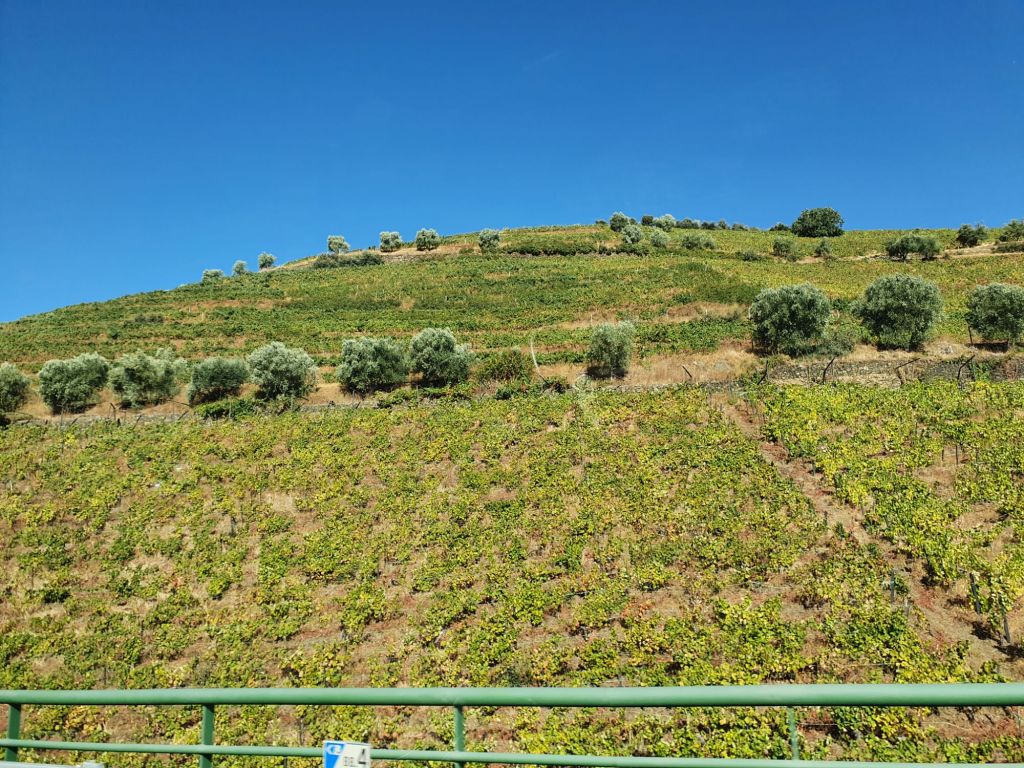
1030: Our next stop was Vieira de Sousa, a small to medium wine and Port manufacturer in the Douro valley. They have been producing Port wine for at least 5 generations.
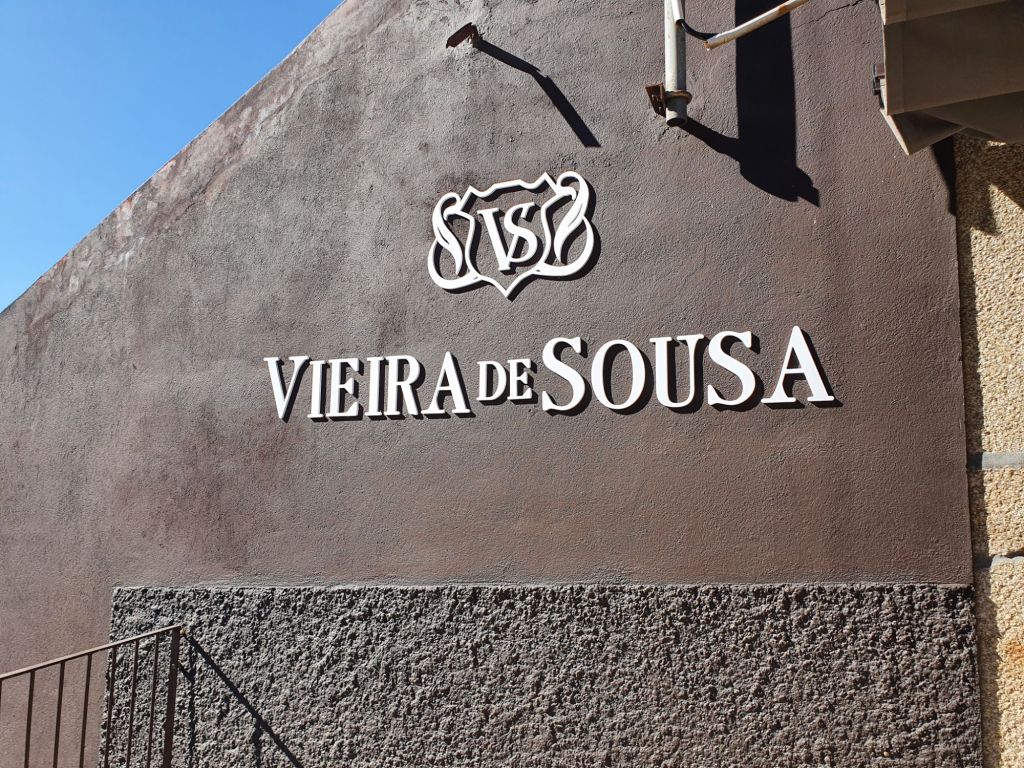
Their wines are produced with grapes from the 4 Quintas (or estates) of the family, which spans almost 60 hectares in the Douro Valley.

We get to explore the vineyards and try some of the grapes (they are really sweet and tasty, but full of pips).
We tried several of their Ports – the red, the tawny and the white and they are all excellent. The tawny Port was my favourite.


1230: We travel along the scenic windy road to the town of Pinhão. Almost all the mountains are covered in vineyards that grow red grapes (which should be grown at low altitude).

We see many Quintas that grow grapes. They either make their own wine/port (like Vieira de Sousa) or supply to a larger brand like Sandeman, Cockburns or Dow’s.
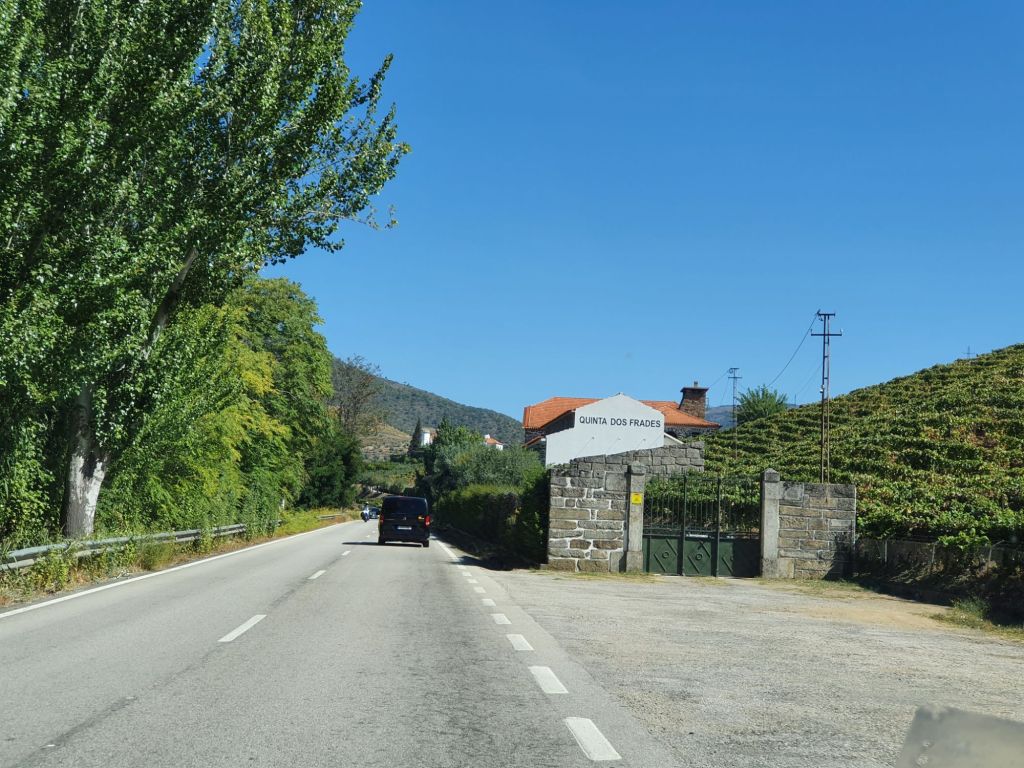
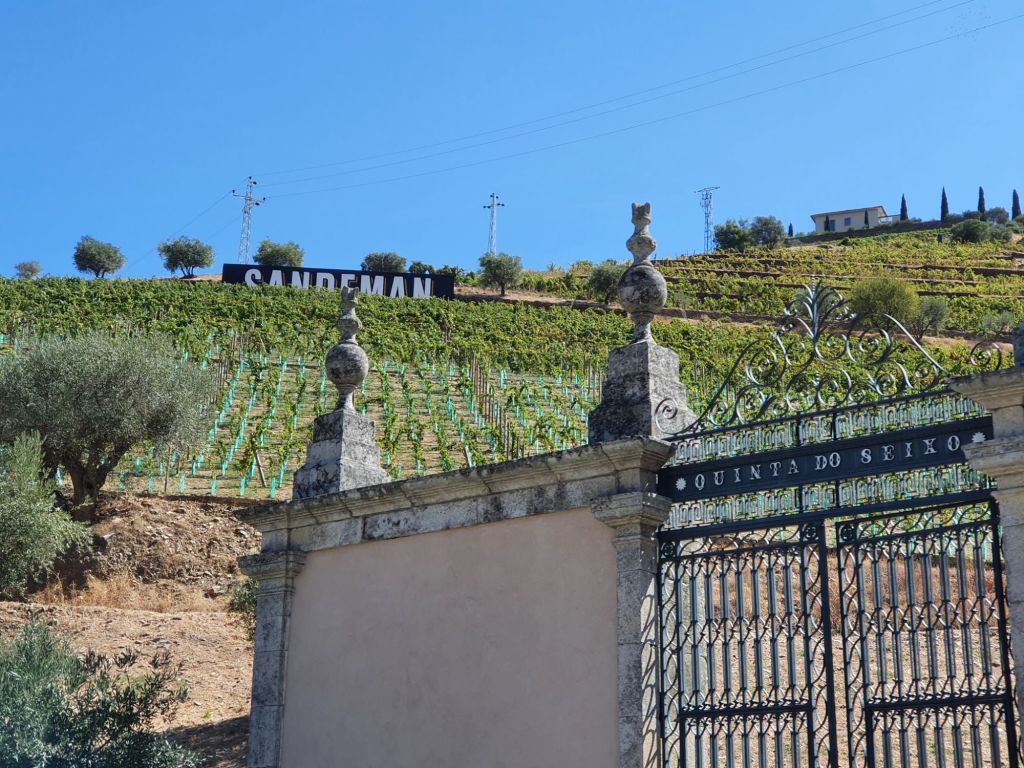
Pinhão is a great place for a break and exploring Quintas (estates). You can also get here by train from Porto. According to our guide, the train journey is really scenic and follows the banks of the Douro river. So this is on the list to do for next time.
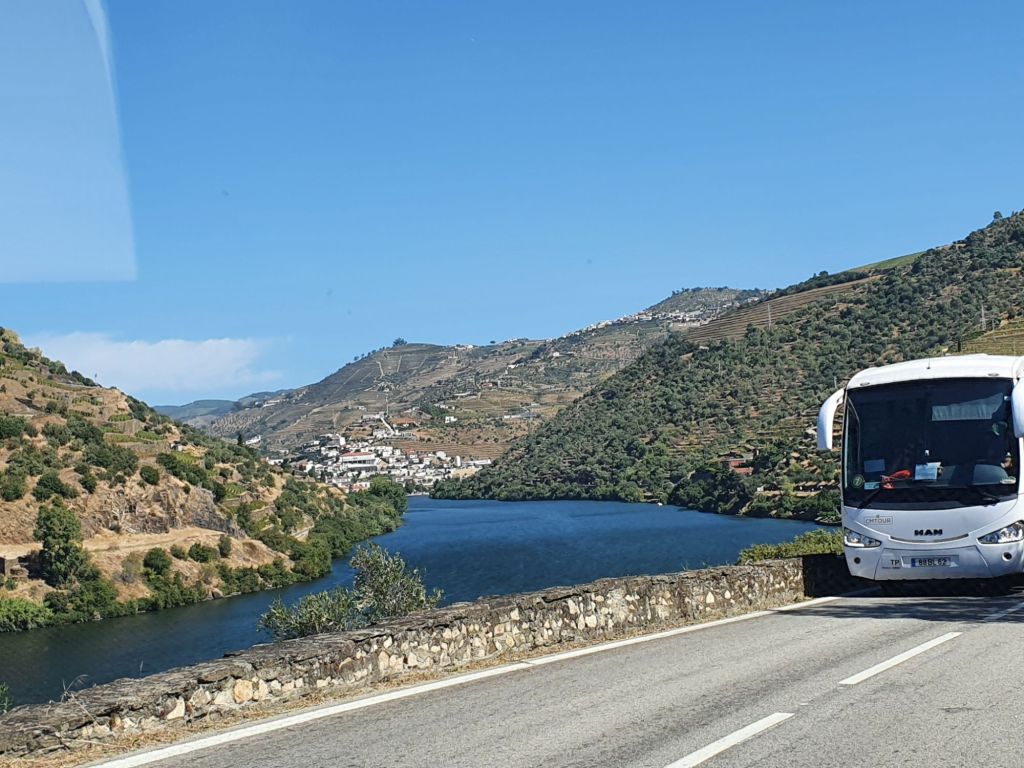
1245: River cruise upriver from Pinhao.
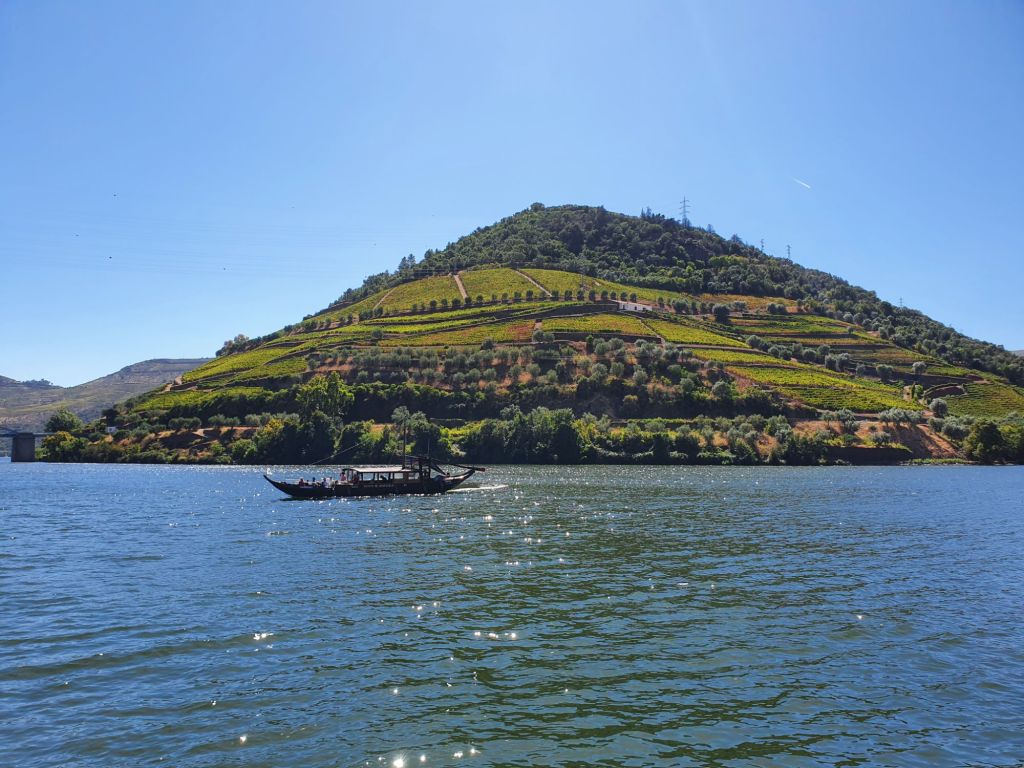
Fabulous views of the vineyards and some of the winemakers.
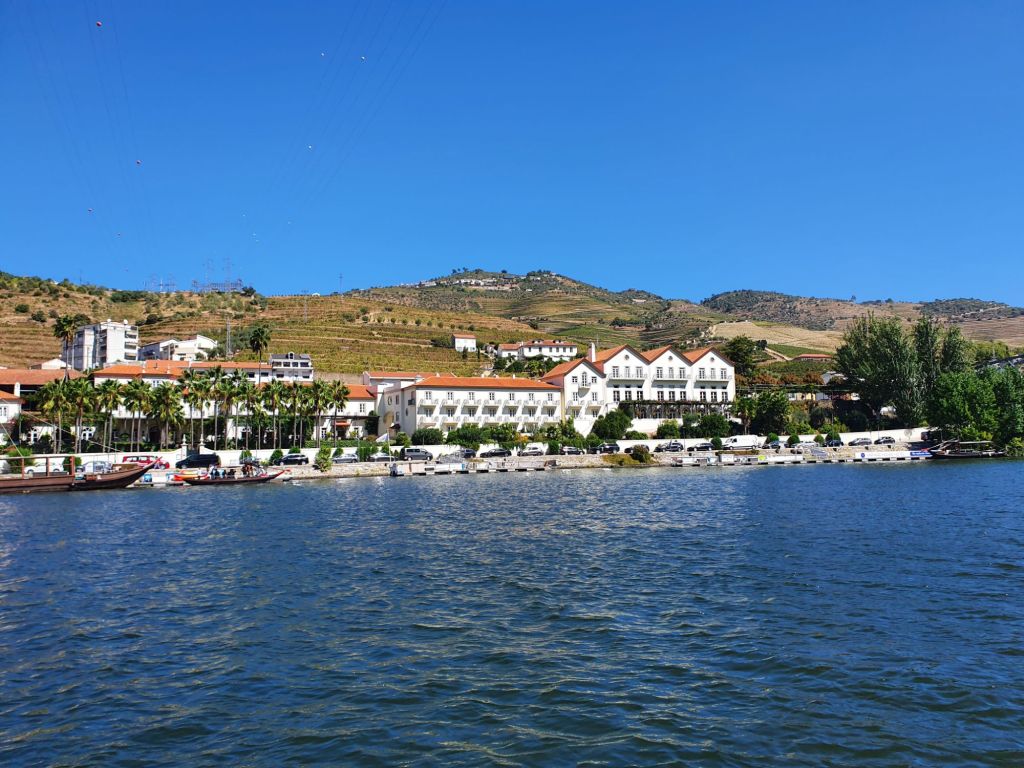

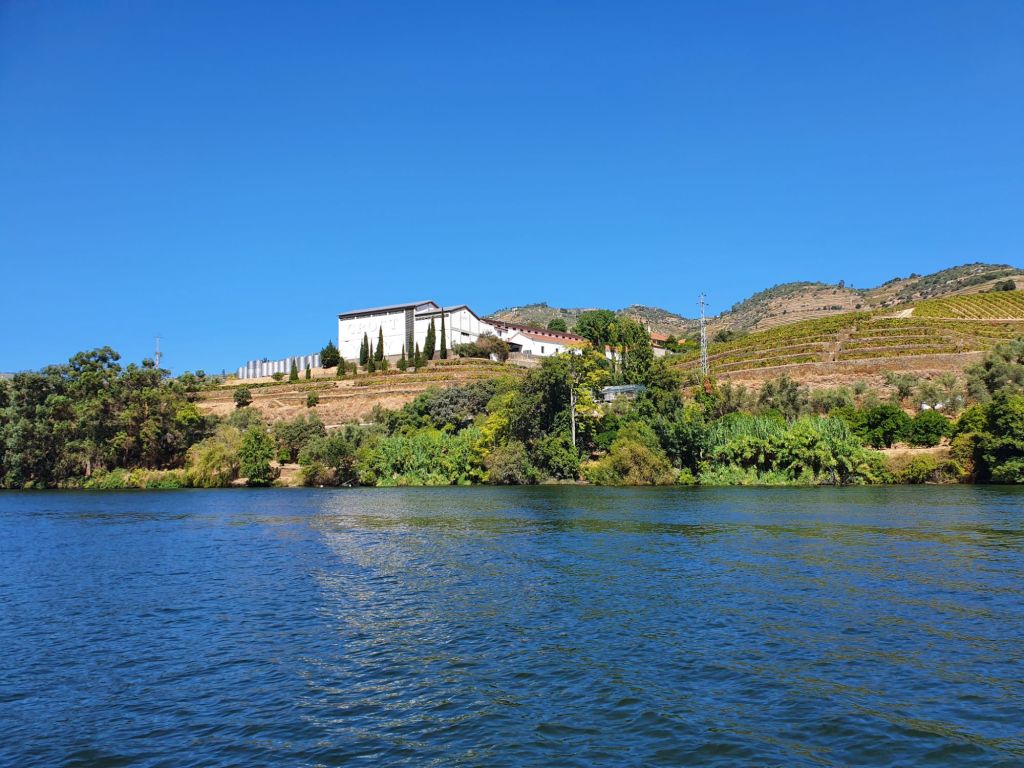
Photo stop on the mountains. We are climbing up higher now, reaching ~600 meters, where white grapes are grown.

1400: Lunch – delicious fish pie and pork and potatoes, which are Portuguese specialities. Flan for dessert. And of course, there is wine.
1515: The second winery we stop at is the Quinta Cume. They are a relatively young Wine producer (about 30 years) and small to medium manufacturer.

We have a tour of the wine making facilities and try their white and red wines (which were not really my cup of tea)


1645: On the way back to Porto.
1815: Back in Porto. There is heavy traffic due to the rush hour.
1900: Visit to the Bolhao food market in Porto. The market is amazing and filled with lots of lovely local specialities.
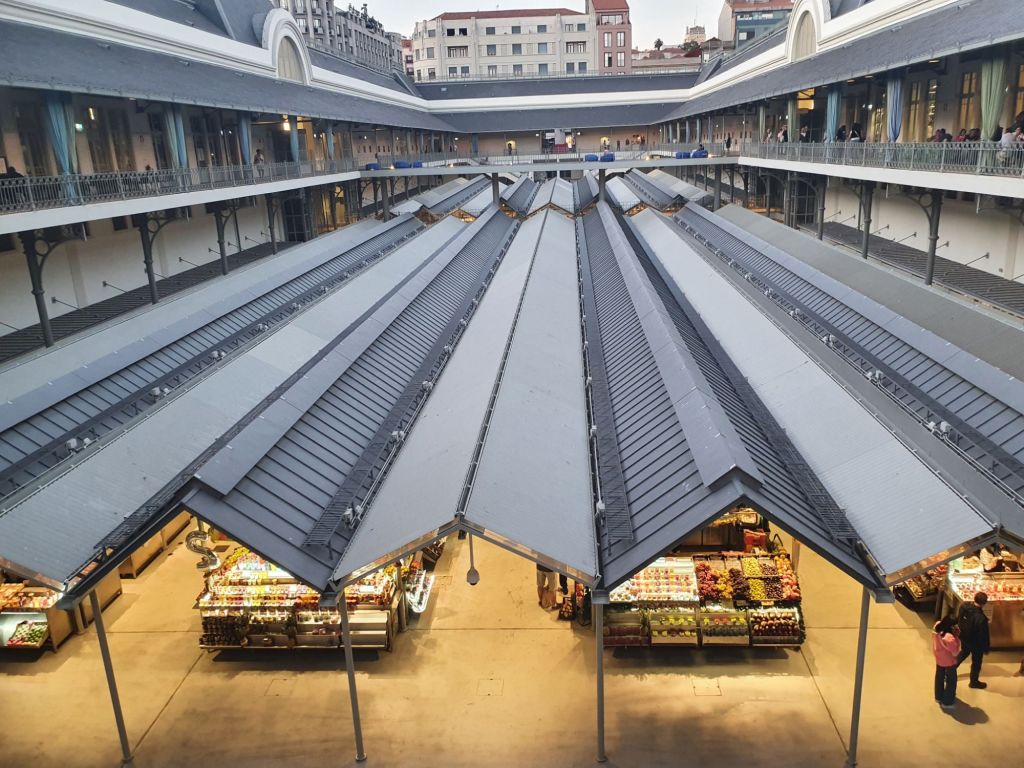
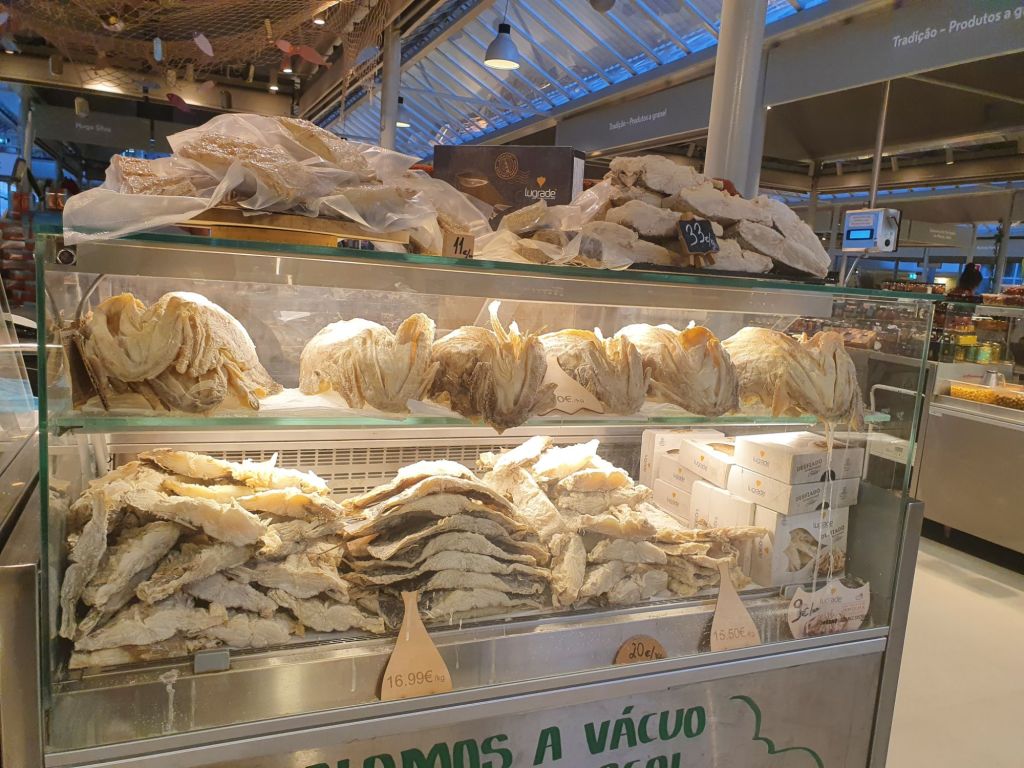
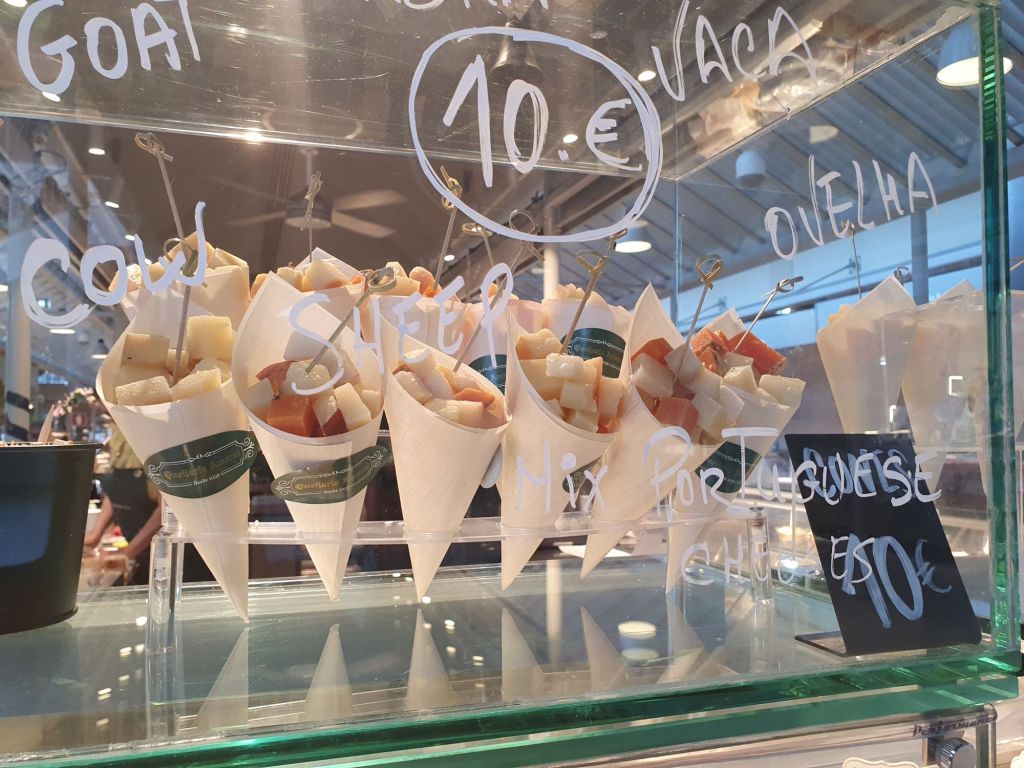

2000: At the Time-Out market in Porto. This is located next to the Sao Bento station. Compared to the Bolhao market, we found it very pricey, and touristy.

2015: We crossed the Luis I bridge across to Vila Nova de Gaia. There are beautiful views from the Bridge.

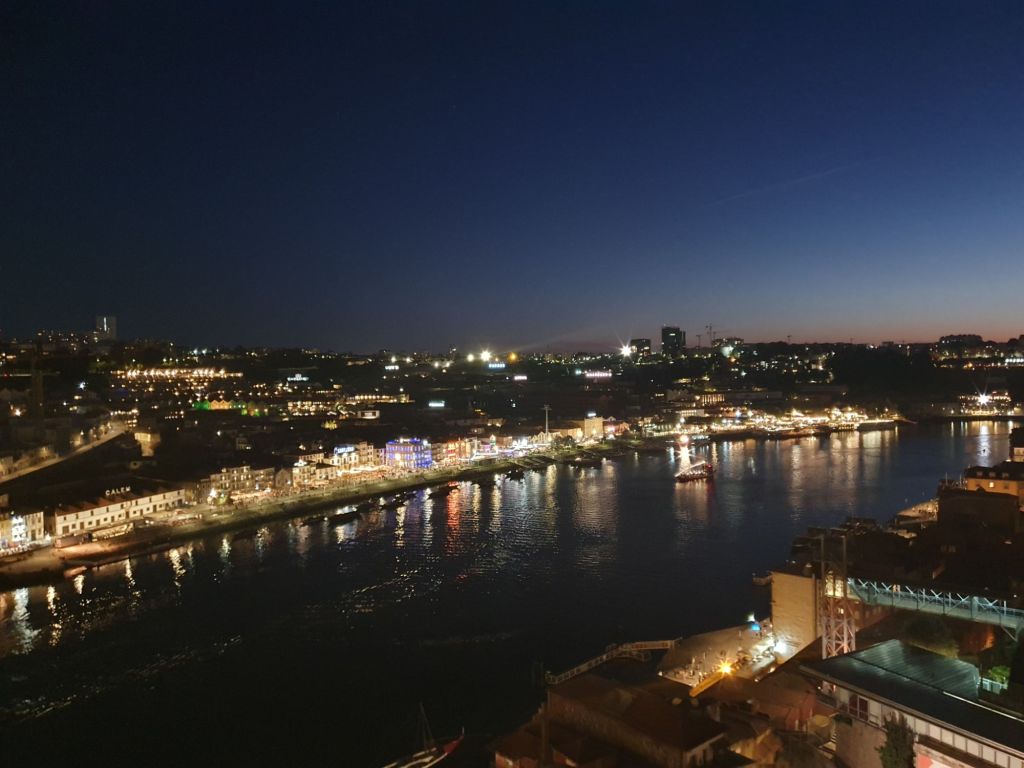

2030: On the other side of the Douro it is a completely different vibe to the old town of Porto. Whereas the old town of Porto had tourists of every age, size and description, in Vila Nova De Gaia, the crowd is a lot younger. There were several live performing artists, and some impromptu raves going on.


Isn’t the Duoro Valley pretty? Although we went to different places for port tasting, we had a similar experience to you (I think we used Viator). It’s funny, because I think every tour of the Duoro Valley, no matter where they go for tastings, always include a boat trip down the river. 🙂 I agree with you about wine. Though I love wine, I didn’t think Portugal’s wines were anything to write home about. I guess that’s because they excel at port!
LikeLiked by 1 person