Where and when: Hiroshima, 16 October 2024
0700: It’s a relatively early start today, not because we have to, but because we wanted to. After staying the night on Miyajima island, we had an early morning walk before it got busy. The reward? Stunning views of the famous Itsukushima Torii gate at full tide (read more about the Itsukushima Shrine and Torii gate on my Day 9 post).

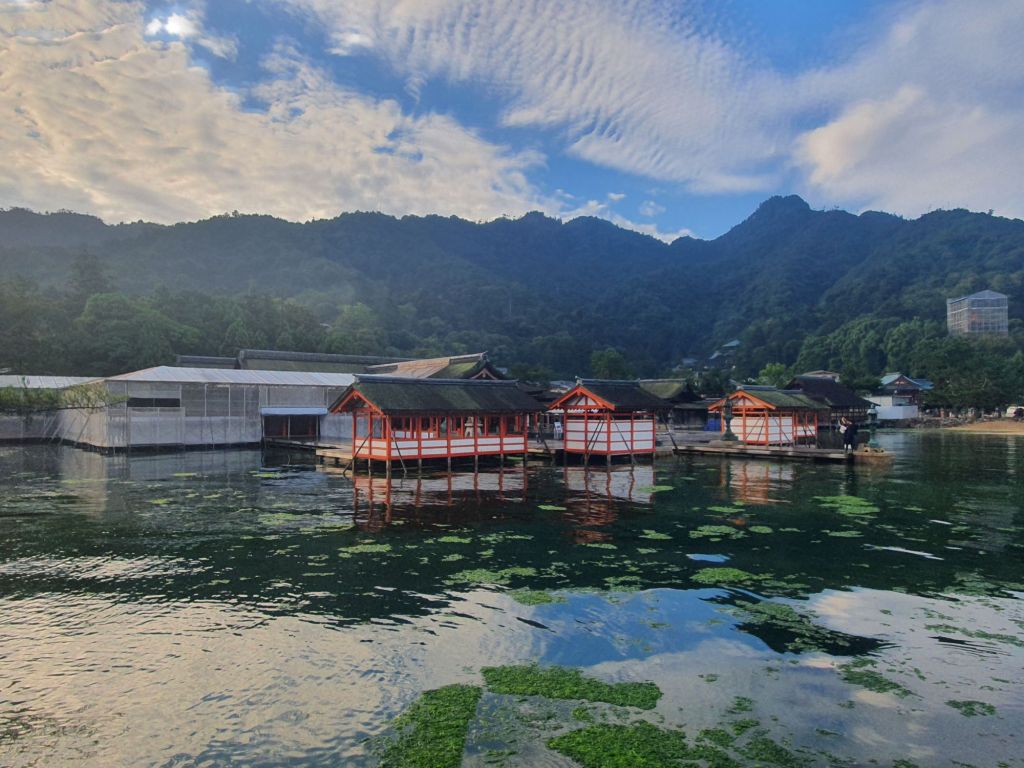


Although there was more to see on the island, it was time for us to head back. We had a busy day ahead of us, going first to Hiroshima and then onto Tokyo.

Tip: If you visit Miyajima Island, plan to stay for 24 hours. We stayed overnight and it gave us one of the best days of our trip, but I think a few more hours to fully explore the island (there are several more temples and some nice hikes and walks on the itsland) would have made it even better.
We took the ferry back to the mainland and then the train from Miyamaguchi station to Hiroshima.
0930: We left our bags in a locker at Hiroshima station, and took the local tram to Hiroshima Peace Memorial Park. The park is dedicated to the memory of the city and inhabitants of Hiroshima who suffered a nuclear bomb attack in World War II.
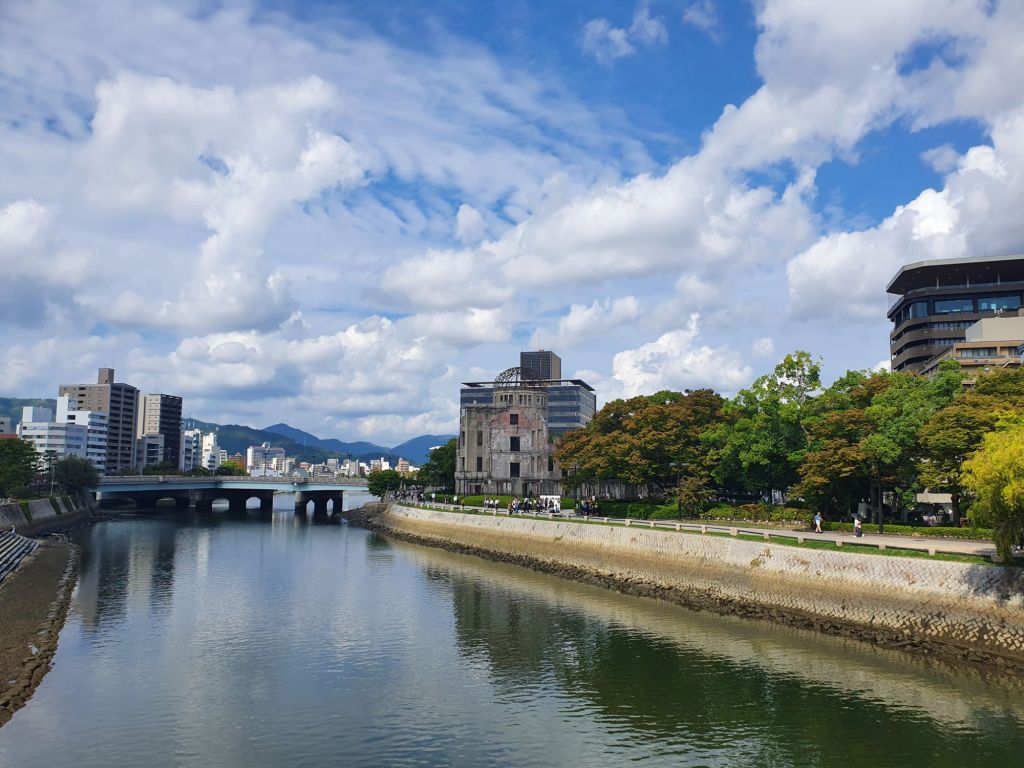
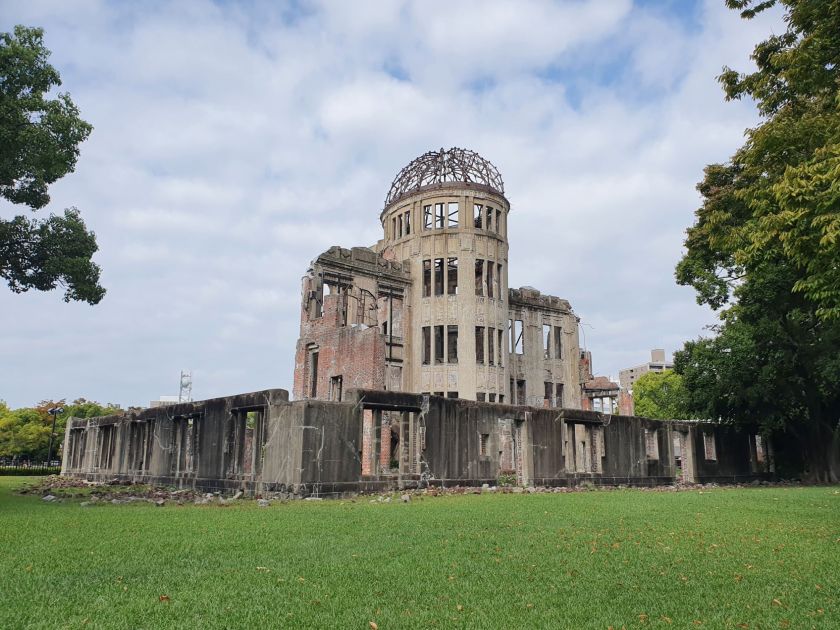
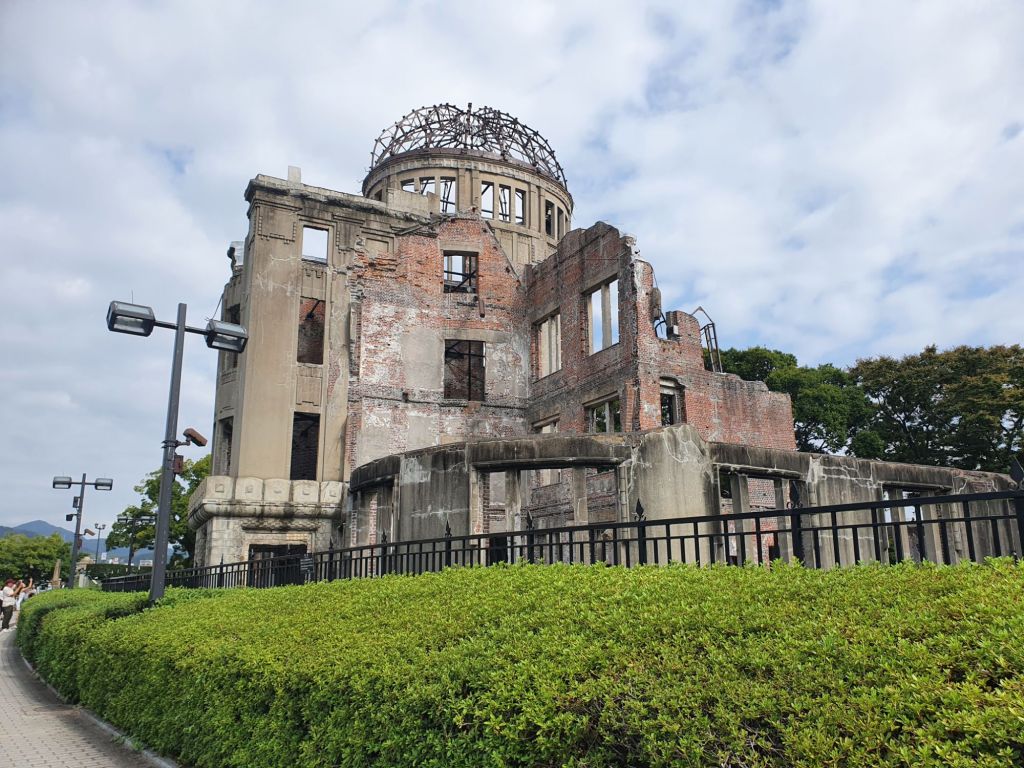
The Hiroshima Atomic Bomb dome (originally the Hiroshima Prefectural Products Exhibition Hall) is at the corner of the park and is the first sight you see when you enter the park from the tram stop. It was one of the few buildings that was not completely destroyed by the bomb and the decision was taken to not tear down the building, but to preserve it as a monument.

As we would find out later in the museum, the bomb is thought to have detonated several hundred meters almost directly above the building and due to the radial nature of the wave of destruction, the buildings directly under the blast survived better than others.
The central point of the park is the Memorial Cenotaph to the victims of the bombing and the Hiroshima Peace Memorial Flame – which was lit from the 1200 year of eternal flame on Mount Misen on Miyajima Island.

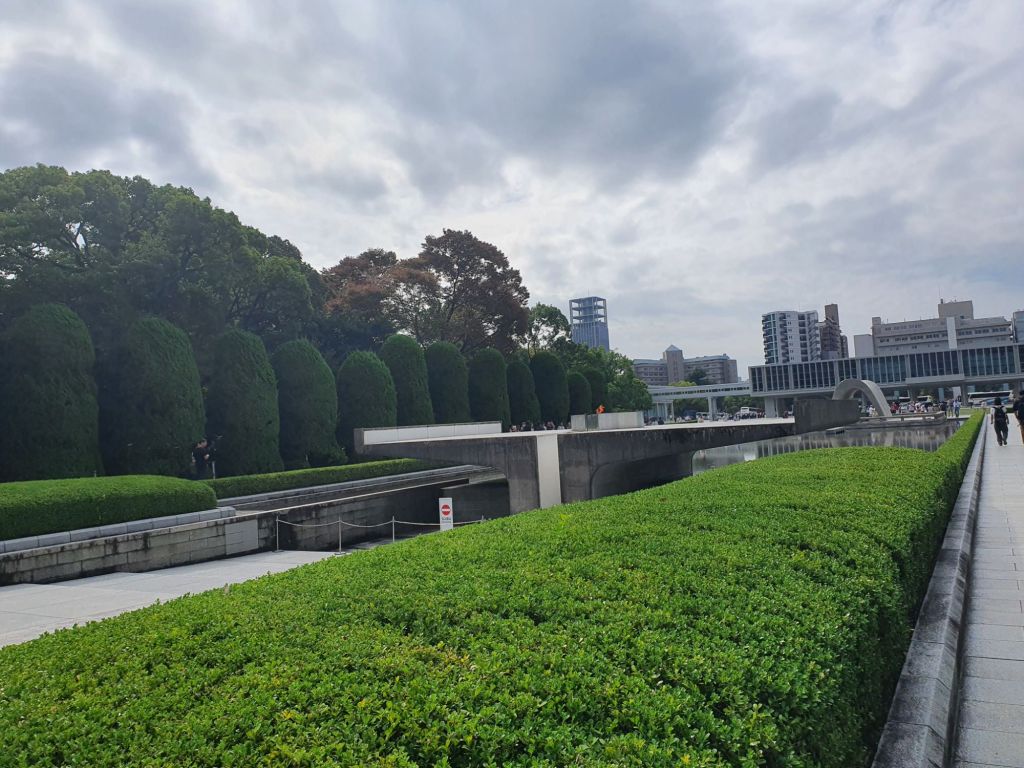
The park is home to the Hiroshima peace memorial museum, which tells the story of the attack and the aftermath.
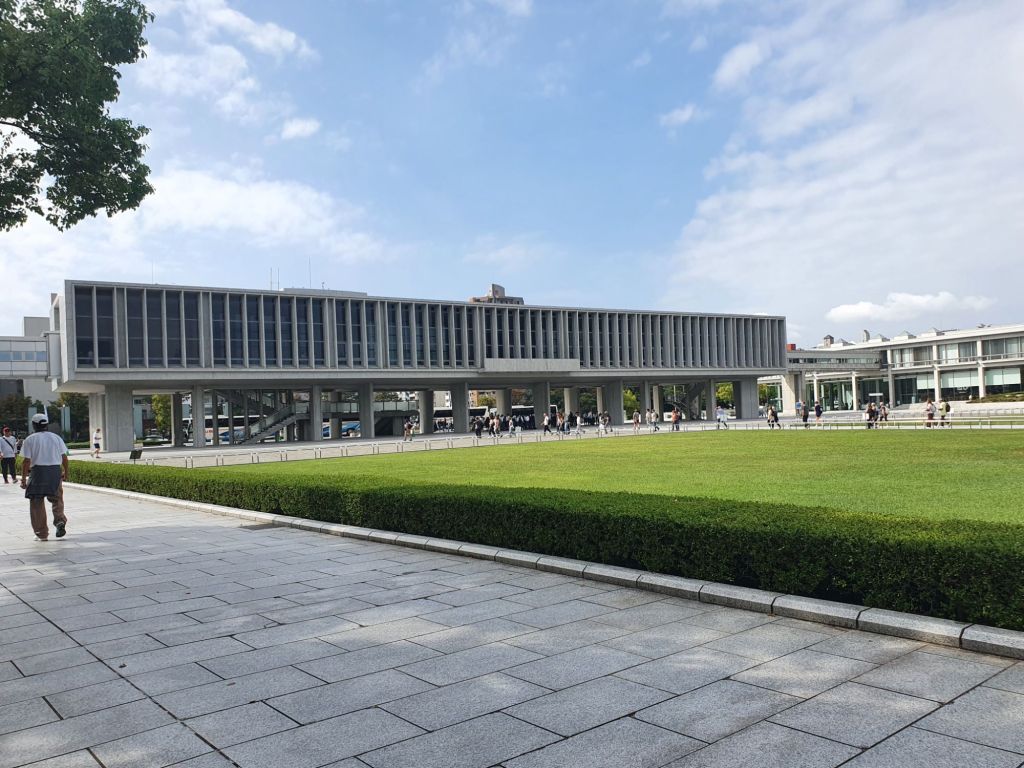

The scale of destruction and the details of the aftermath of a nuclear bomb and the suffering of survivors is brought to life in the museum. A lot of exhibits are hard to take in, but as the mission of the museum says it is important to learn the full extent what happened so it is never repeated.
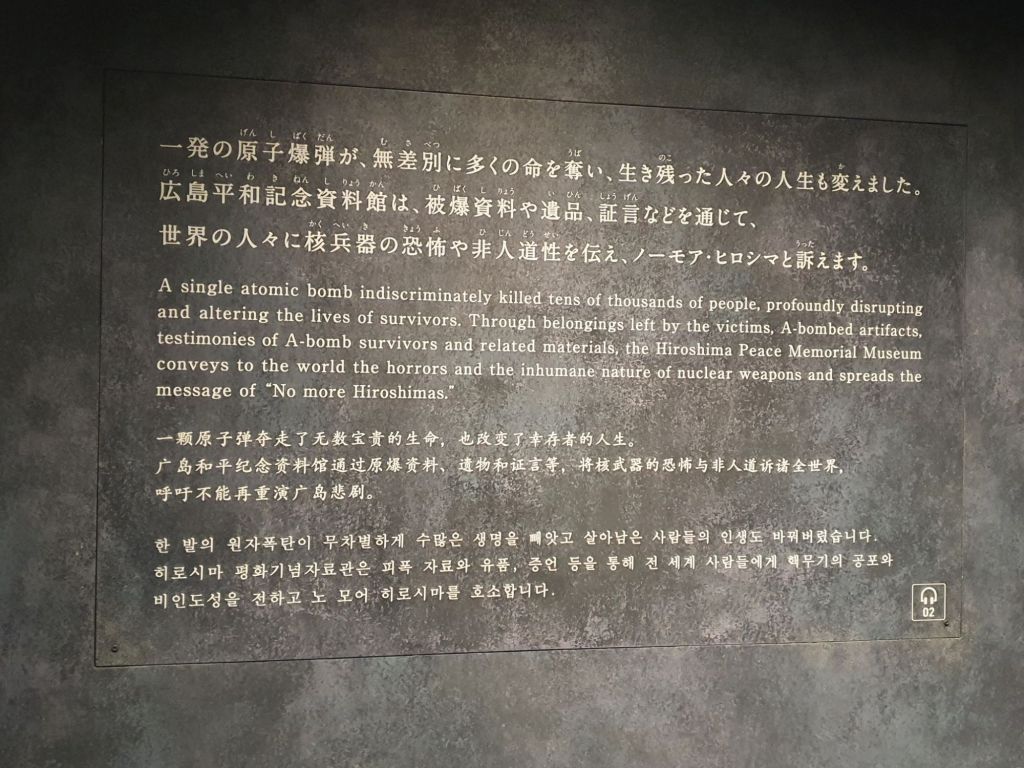


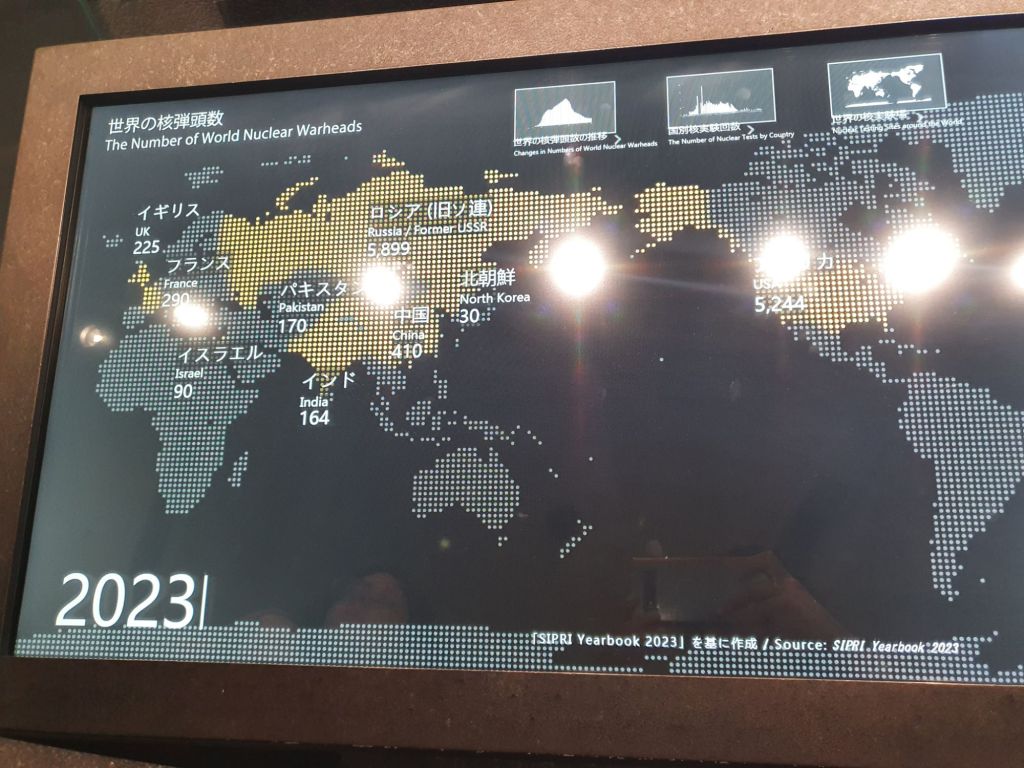

The repercussions of the bomb would be felt in the hours, days, years and decades to come. The museum has many individual stories of those affected as well have how it impact Japan and the rest of the world.
There was also a section on the atomic bomb project, which explains why Hiroshima was selected as the target city and the events leading upto the bombing itself.
For me, one of the saddest revelations of the museum was about “Hibakusha” – the survivors of the atomic bombing at Hiroshima and Nagasaki. Many of their stories have only been coming to light in the last couple of decades. Due to the misconceptions about effects of radiation, there was much prejudice against the survivors; which would impact their (and their descendents’) future prospects on marriage and/or work. So, many Hibakusha did not reveal that they survived the bombings until decades later. As a result, the museum is still receiving many mementos and stories from the survivors to this day.

The rest of the park has has many memorials dedicated to the victims of the bombing.
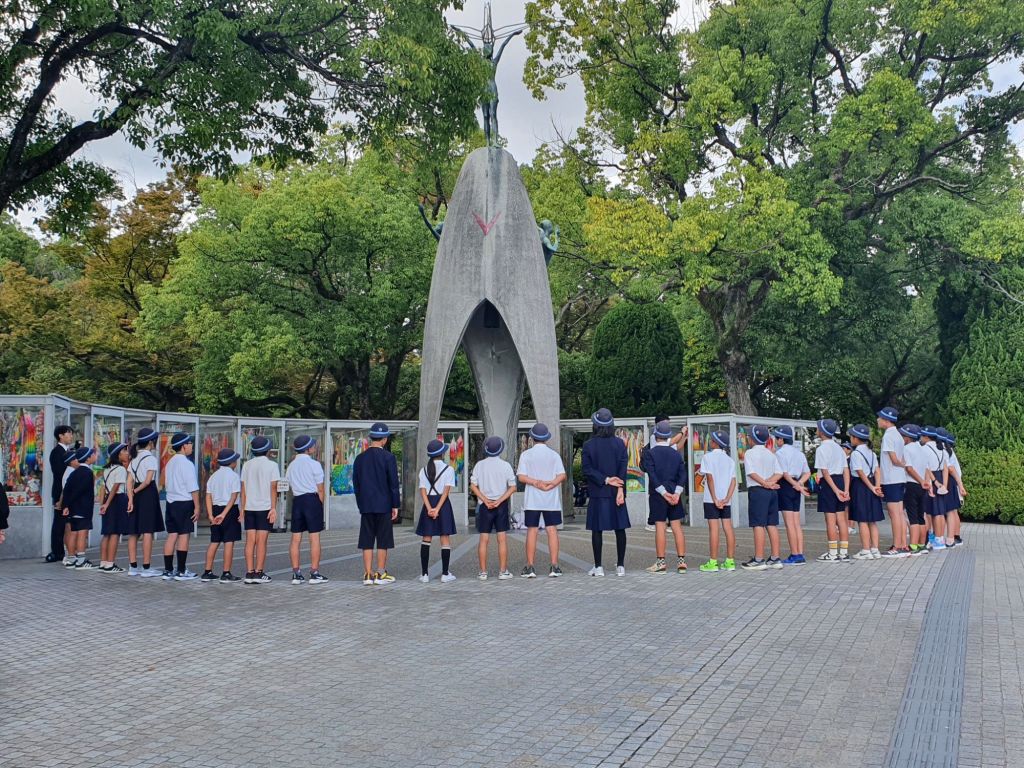
One of the most striking memorials is the Children’s Peace Monument – to commemorate Sadako Sasaki and the thousands of child victims of the bombing. Sadako Sasaki, survived the bombing (at 2 years old) only to develop leukemia and die 10 years later. She wanted to fold 1000 paper cranes before her death, but paper was in short supply after the war. Thanks to her friends and family and well wishers, she managed to find enough paper and fold 1000 cranes before she died. We saw many school children on field trips in the park and the museum. The most poignant was a class at the children’s monument, singing a tribute song.
Another museum in the park is The Hiroshima National Peace Memorial Hall. This has digital archives containing the details of the many victims.


Visiting the A-bomb dome, memorial peace park and museum not an easy experience but it was a highlight of our trip. The dome is a striking reminder of what happened here nearly 80 years ago, and the museum brings to life the full horror of the bombing and the aftermath and reinforce why it should never happen again.
Tip: Half a day is sufficient to visit the museum and see some of the key monuments in the memorial park. But if you want to explore it more fully, I would recommend planning to stay here for a full day.
1430: At Hiroshima station, to catch the train back to Osaka. At Shin-Osaka, we have a 20 minute connection catch the train to Tokyo.
Tip: The total journey time from Hroshima to Tokyo is 4.5hrs, including a 20 minute connection in Osaka. This is the quickest option if you are using the JR pass. A quicker journey can be made using the Nozomi trains (which takes about 3hrs 50 mins and is a direct train from Hiroshima to Tokyo). But the Nozomi trains are not covered by the JR pass, so you need to pay an extra supplement. I will do a later post about whether it is worth buying a JR pass (hint: I don’t think it is worth it) and why.
1900: Arrive back at Tokyo Shinagawa station, and back to the familiar surroundings of the Miyako City Hotel.


I’m sure it was a difficult visit, but so important. Thanks for sharing your experience.
LikeLiked by 1 person