Where and when: Fes, Morocco, 28 January 2025
Today, we have a full day in Fes. It is the oldest of Morocco’s imperial cities and in its heyday, Fes was a hub of art, philosophy and trade and is still referred to as Morocco’s artisan capital.
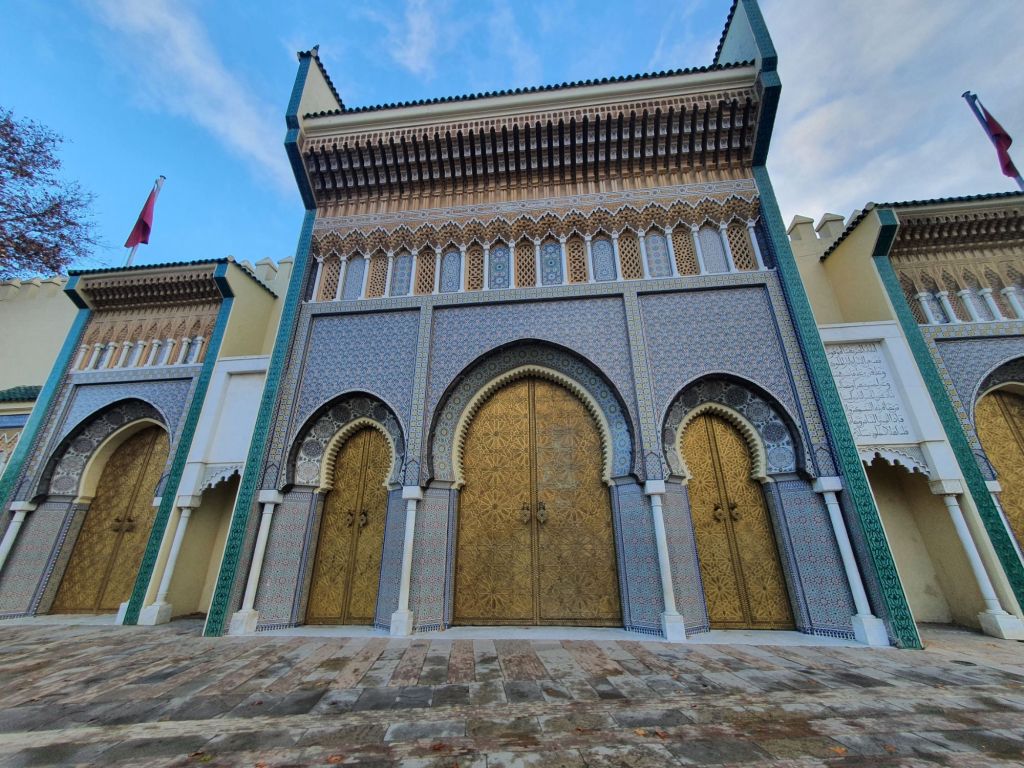
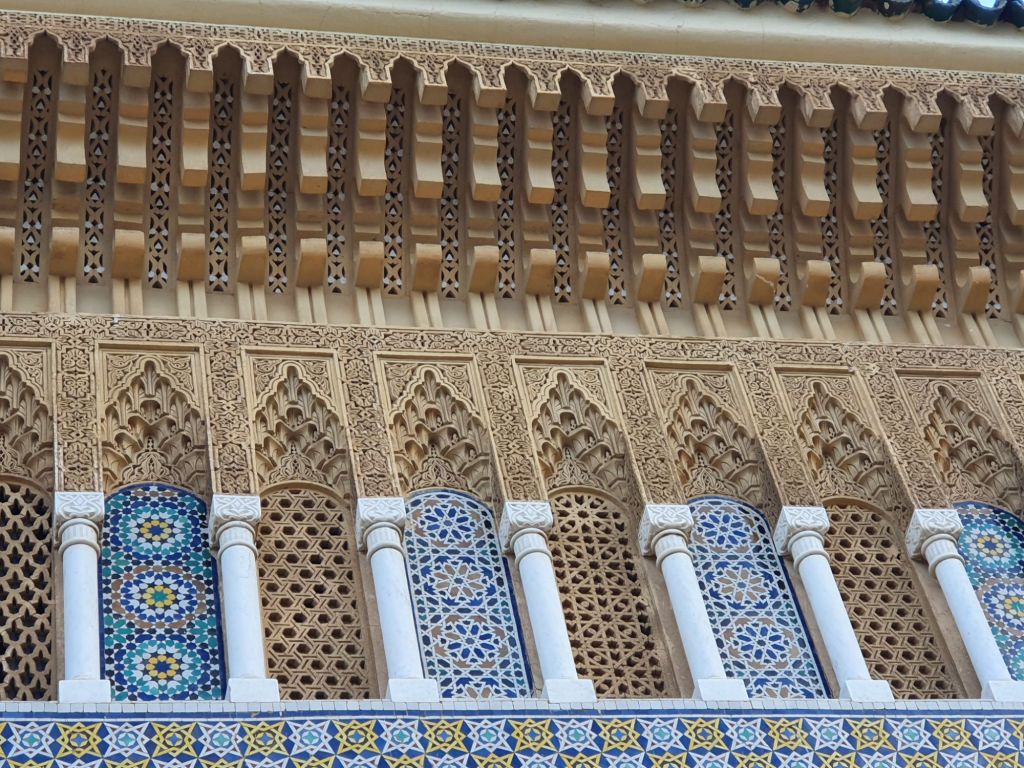
Our first stop is outside the royal palace (Fes El Jedid). The palace is not open to the public, but you can see it from the outside. The gates are a great example of islamic and moroccan architecture, combining the four elements of marble, wood, plaster and ceramic tiles.
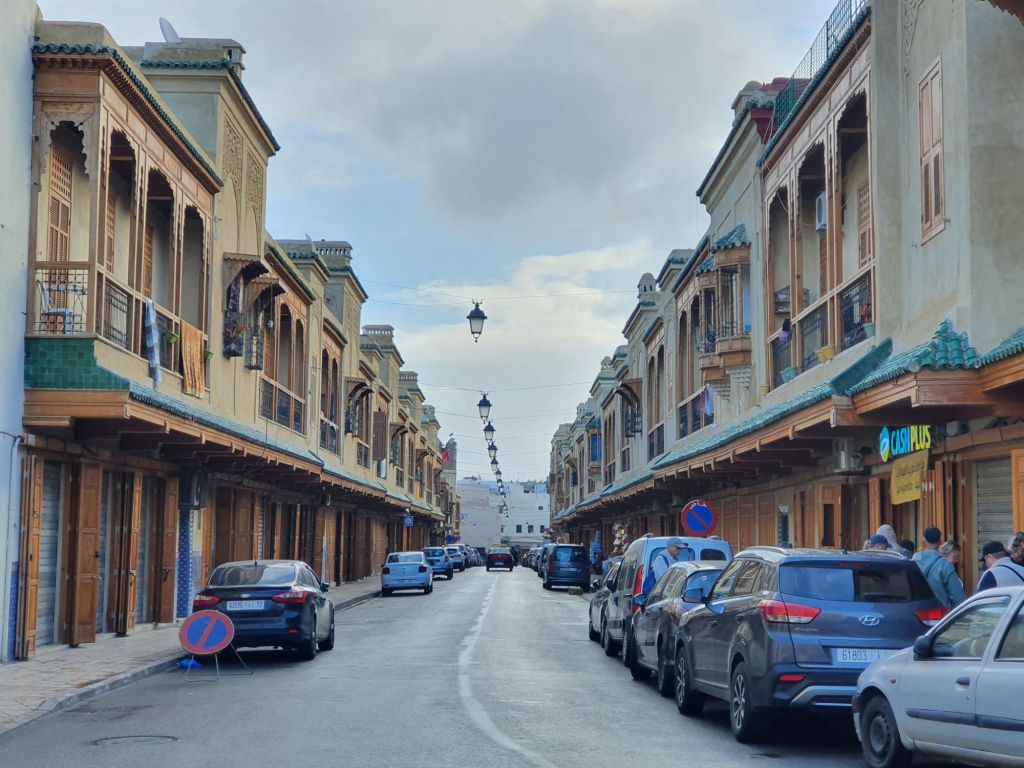
From here you can also see the old Jewish quarter of the city. Architecturally it is interesting as the balconies are facing outside, unlike those of Islamic architecture where balconies face inner courtyards. A conservation and restoration programme is underway in this party of the city.
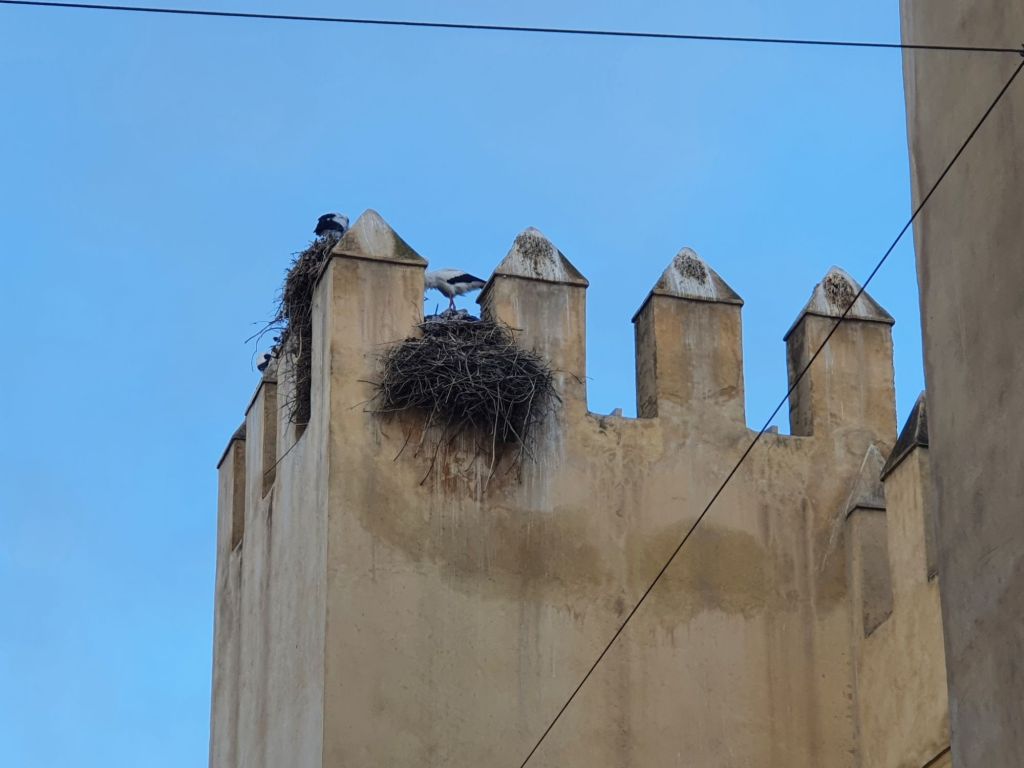
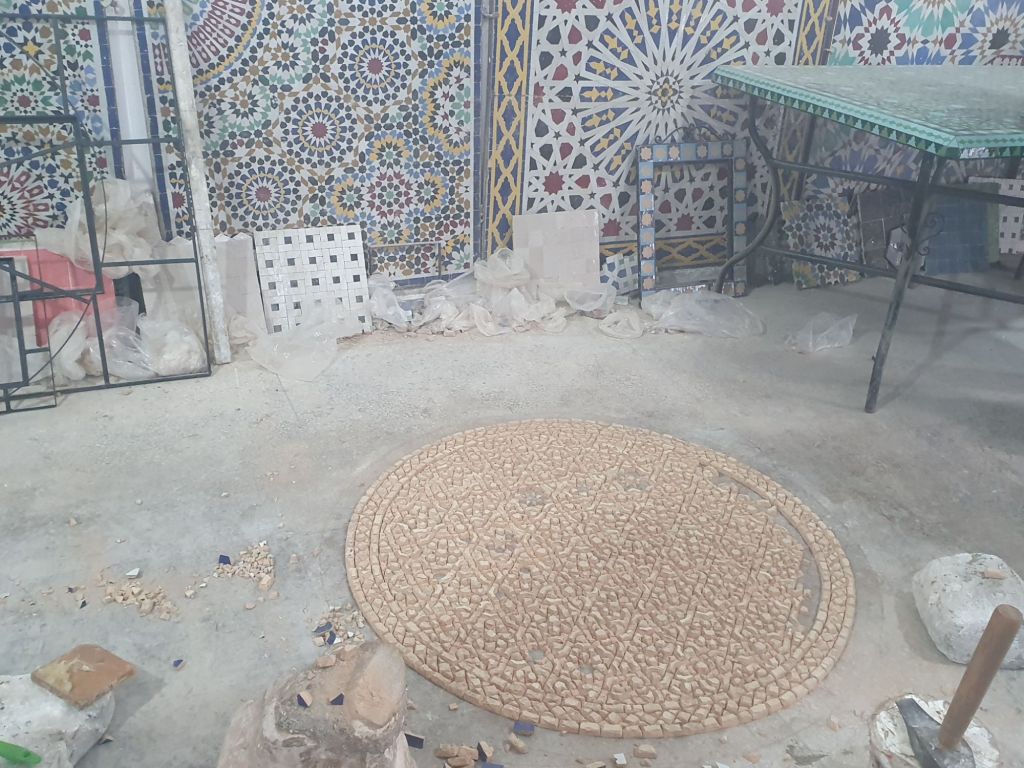
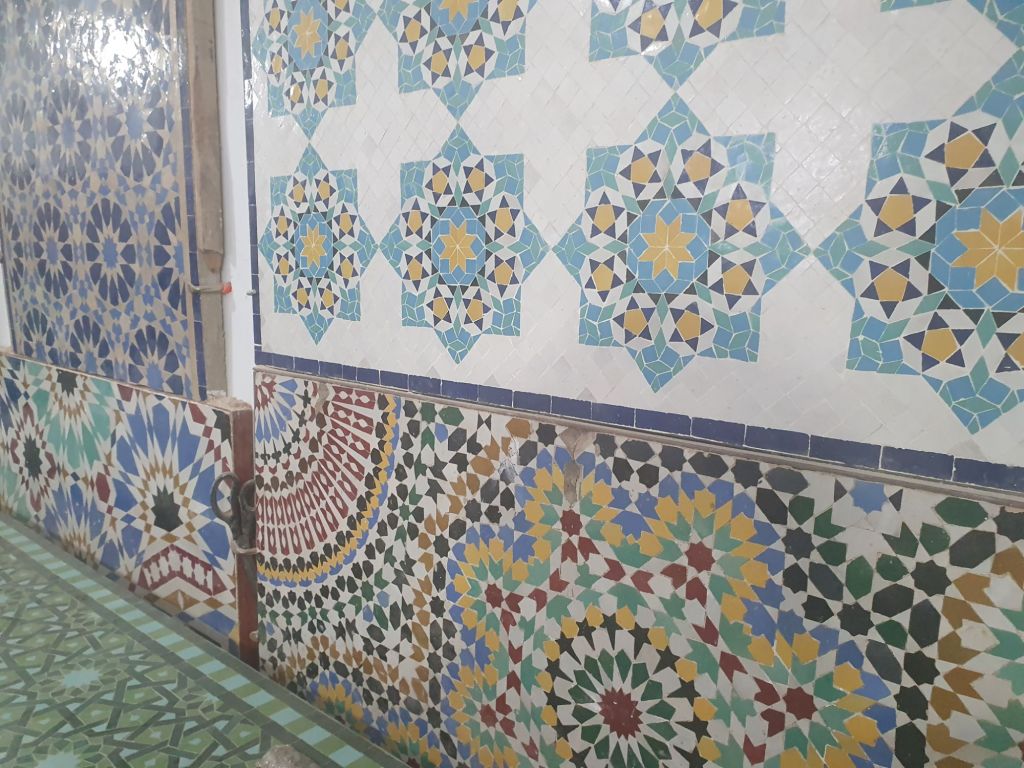
We also visited a ceramic workshop. Here, we were able to see how the famous Fes ceramics and mosaics are made, using techniques that have been handed down over many hundreds of years.
The ceramics are first moulded over a potters wheel, fired in the kiln, painted, glazed and fired again.
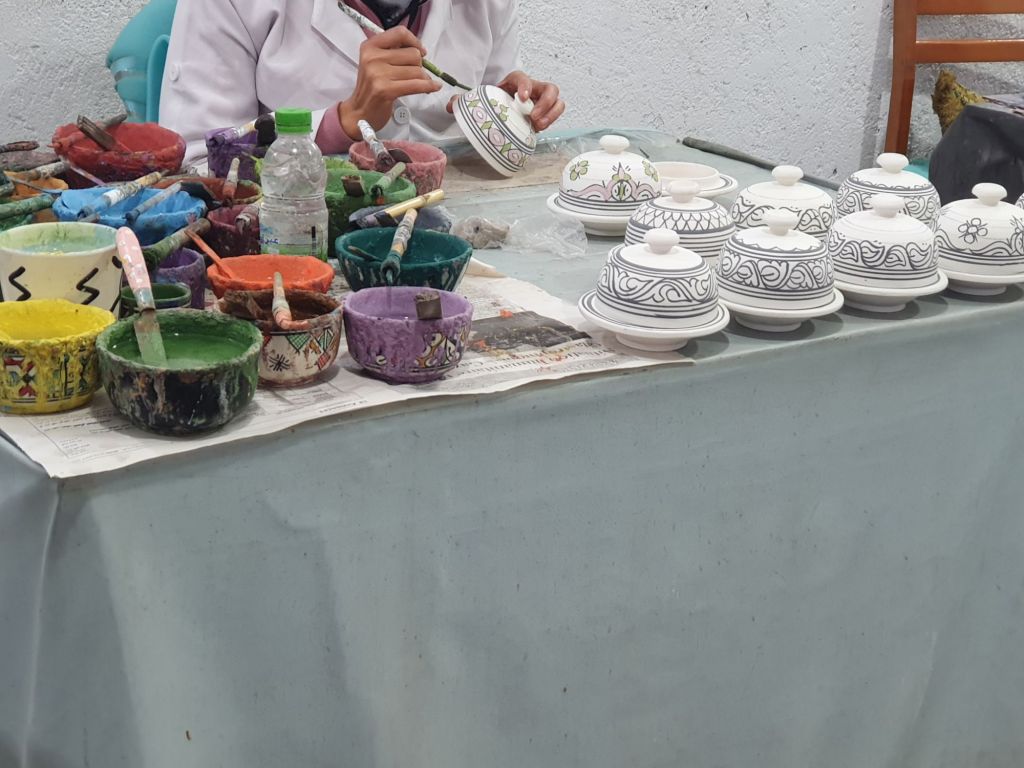
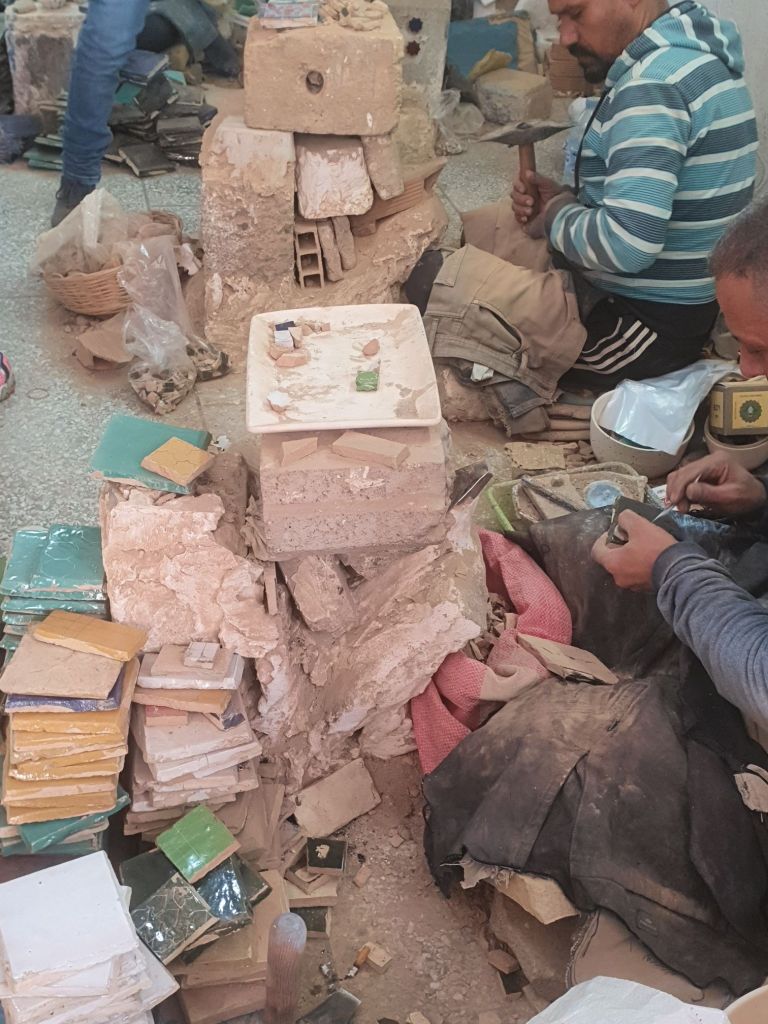
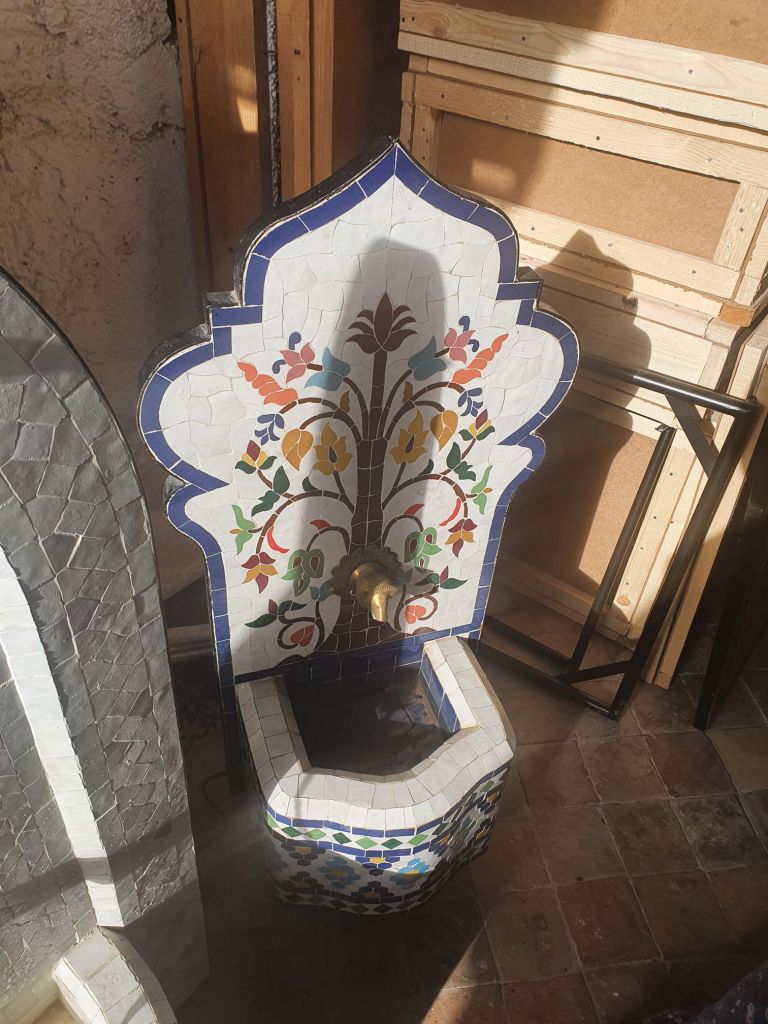
Making mosaics is a different and more complex process. Ceramic tiles are broken/cut in to different shapes. The mosaic is then put together using the broken pieces upside down on the floor. Plaster is poured over it and allowed to set, before turning it over. The amazing thing is that, as the mosaic is assembled upside down, there is no way to see the pattern as it is put together. The pattern is in the head of the master craftsman – who has to get the placement of every single piece correct in terms of shape, size and colour (without being able to see it). The craft is handed down the generations and many of the craftsmen start work from a very young age.
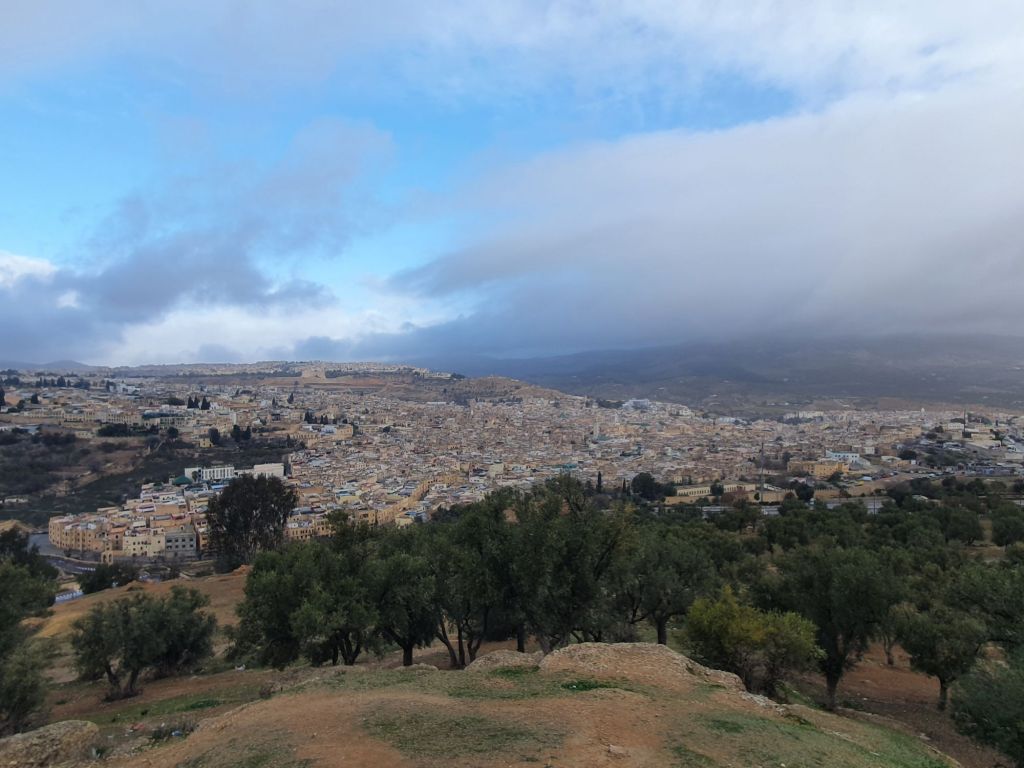
Next we headed upto the viewpoint at Borj Nord for a look at the sprawling Fes medina from above.
Next came the bit I had been looking forward to the most. Exploring Fes el-Bali, the oldest quarter of the city, with a guided tour.
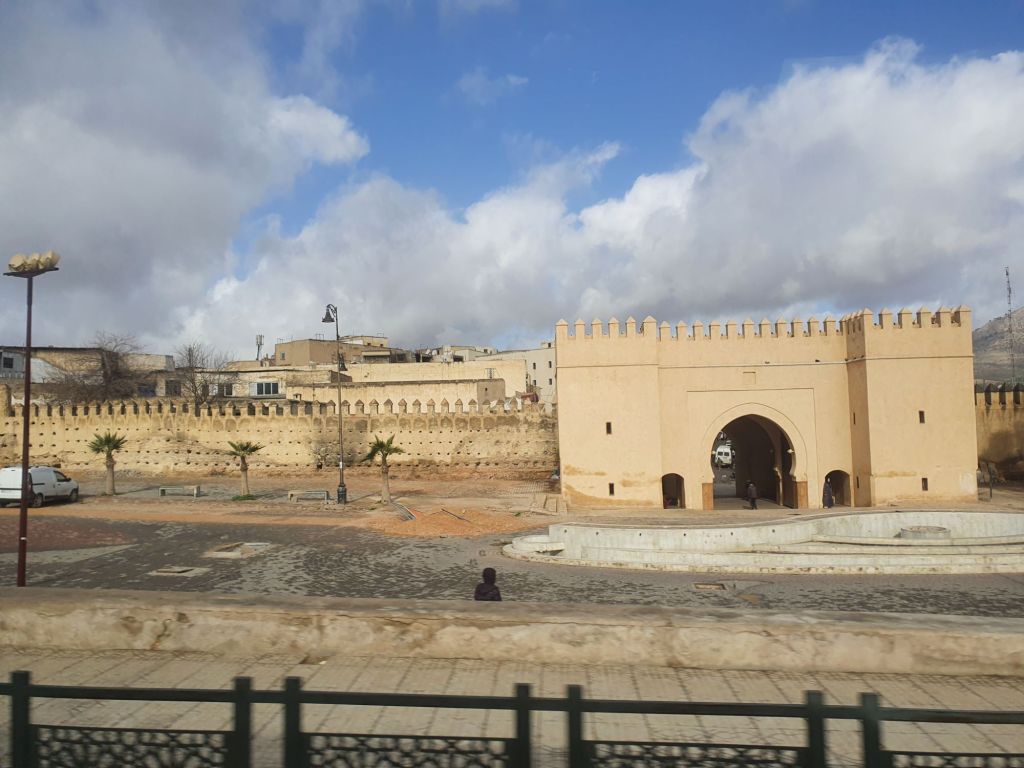
Fes-el-Bali was founded as the capital of the Idrisid dynasty between 789 and 808 AD. It is a World Heritage UNESCO site.
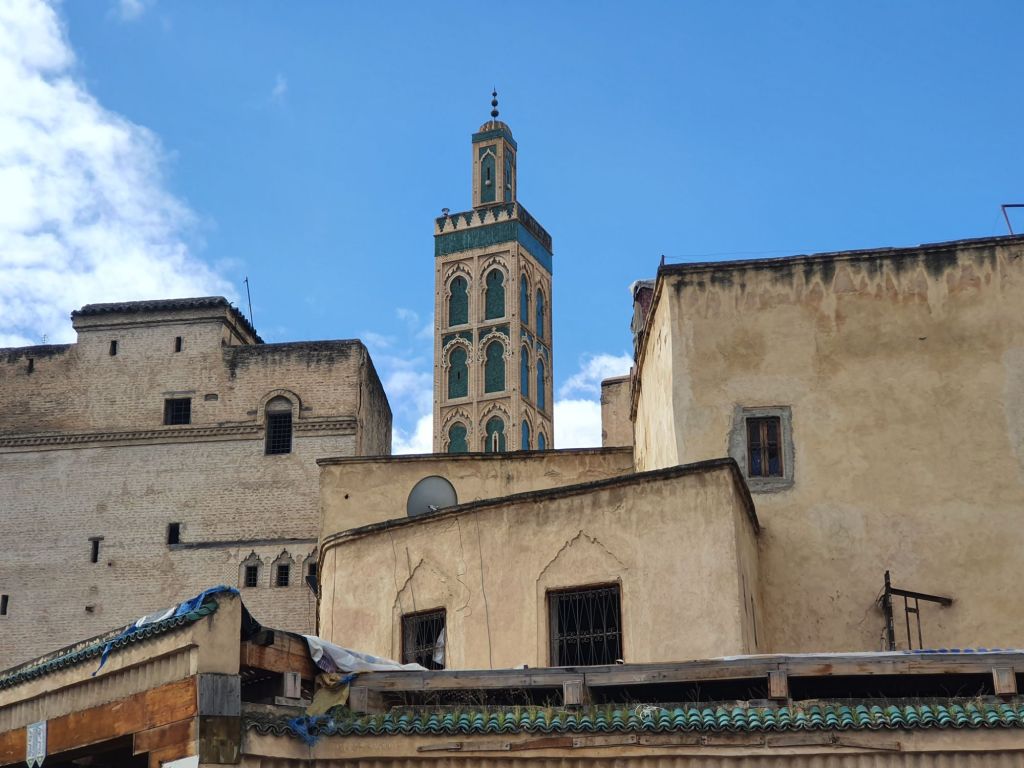
Fes had its golden period during the Marinid dynasty in the 12 and 13th century. In its heyday, the medina was home to 200,000 people (and the population in London around the same time was only 80,000, so you can imagine global metropolitan hub that Fes was). It was also never conquered by the Ottomans, so didn’t became part of the Ottoman empire.
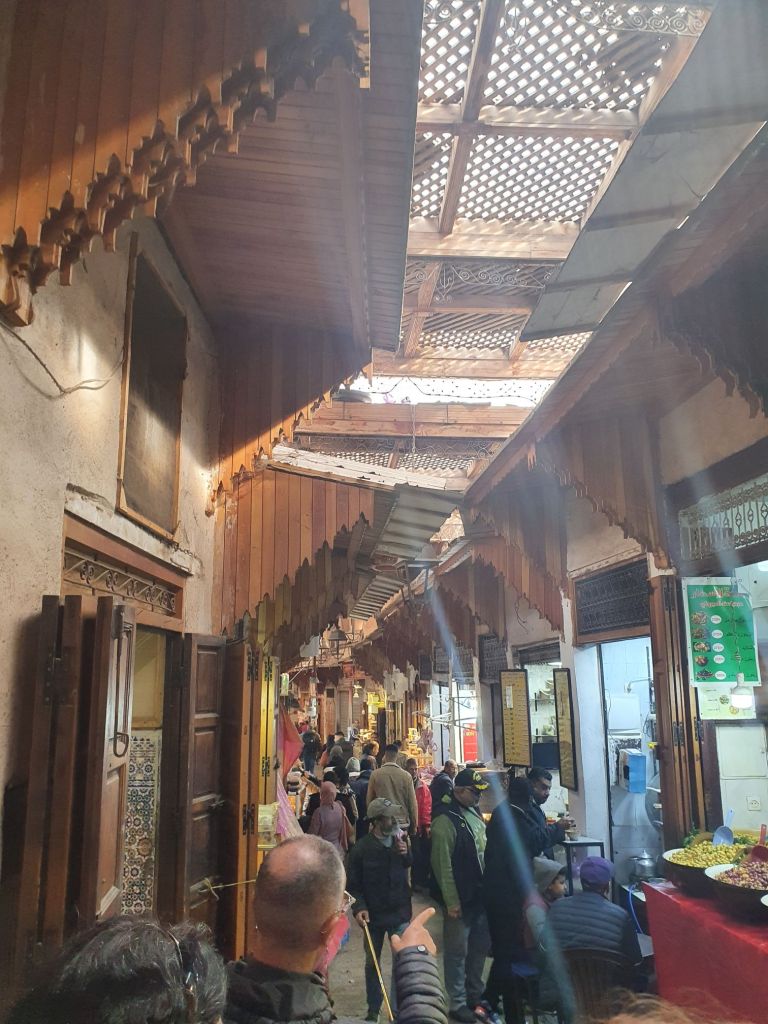
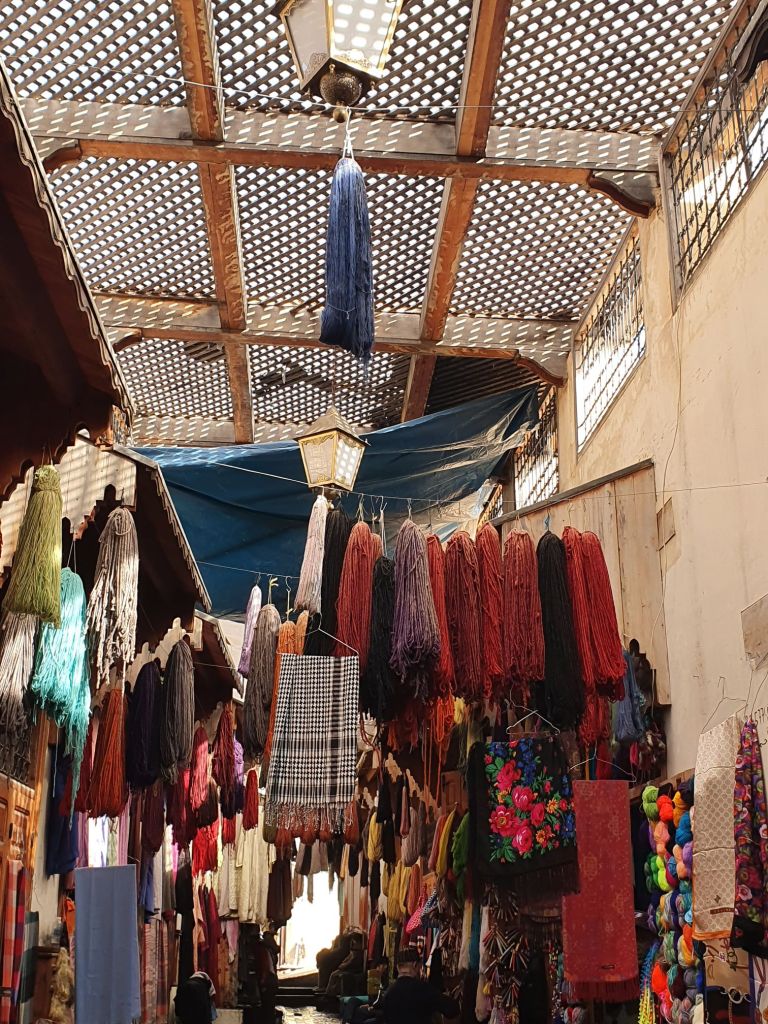
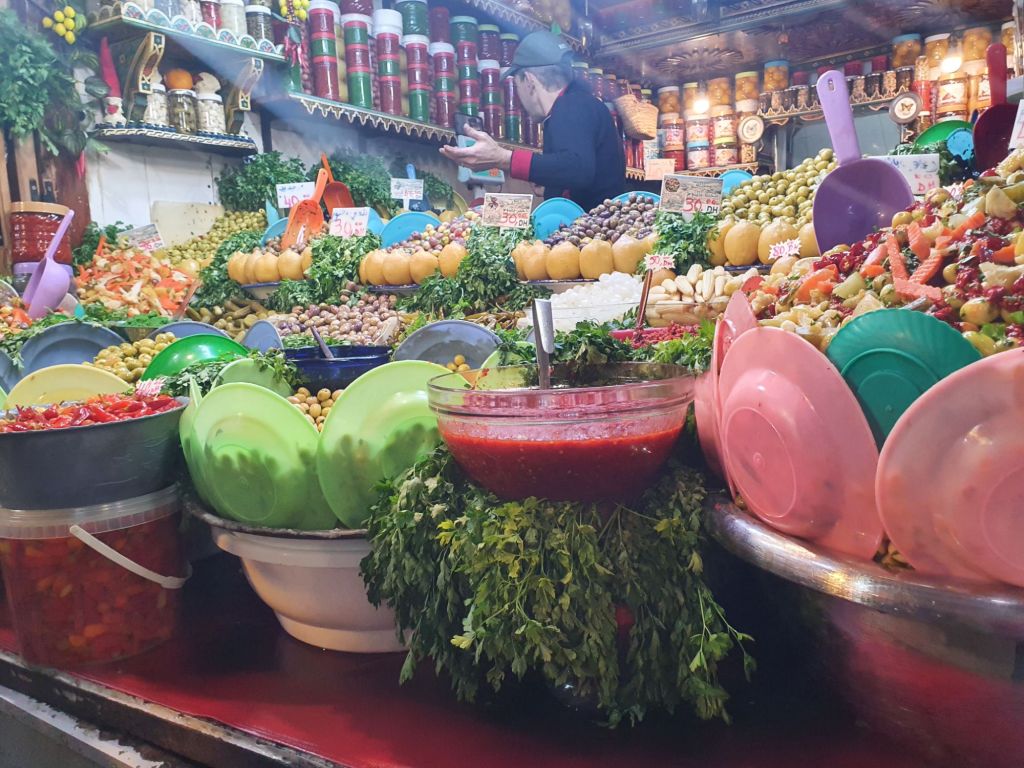
We started our visit at the food market, with fresh vegetables, salads, spices, food stalls to name a few.
The camel head hanging at the butchers to indicate that a fresh batch of meat had been delivered was a bit disconcerting, but added to the experience (I did take a photo of this, it felt a bit macabre to put it in the post).
There is also a thriving trade of tie-dyeing second hand clothes. Apparently it is quite common for everyone to give their worn out clothes a second life by tie-dyeing them, and this is where they bring them.

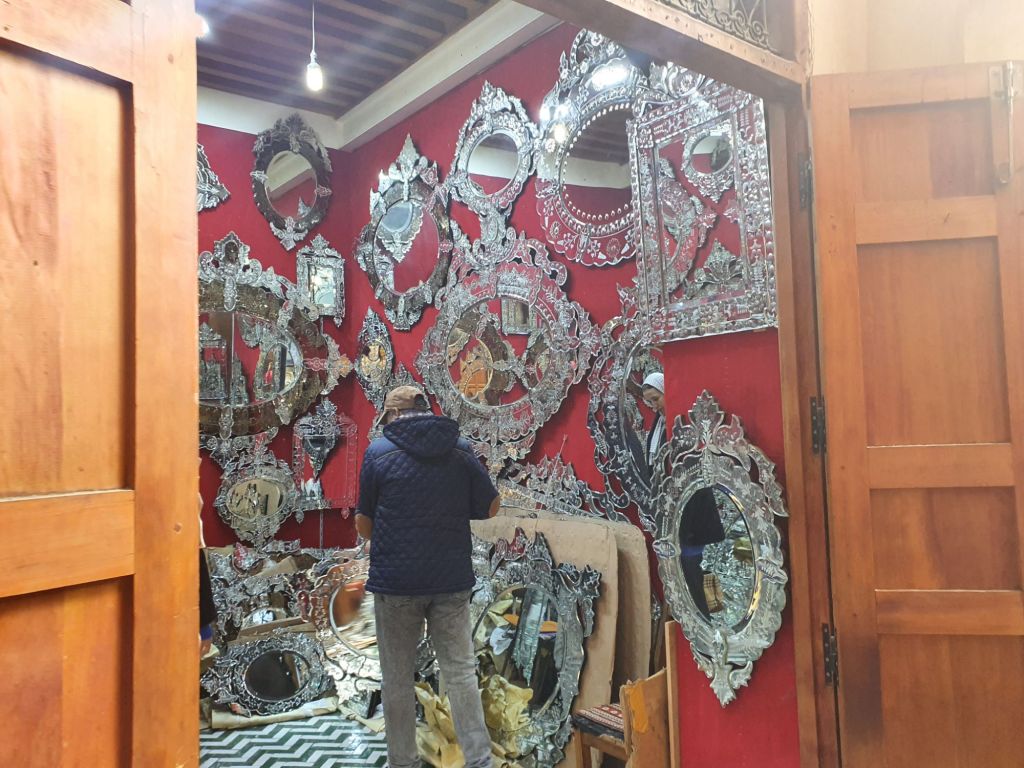
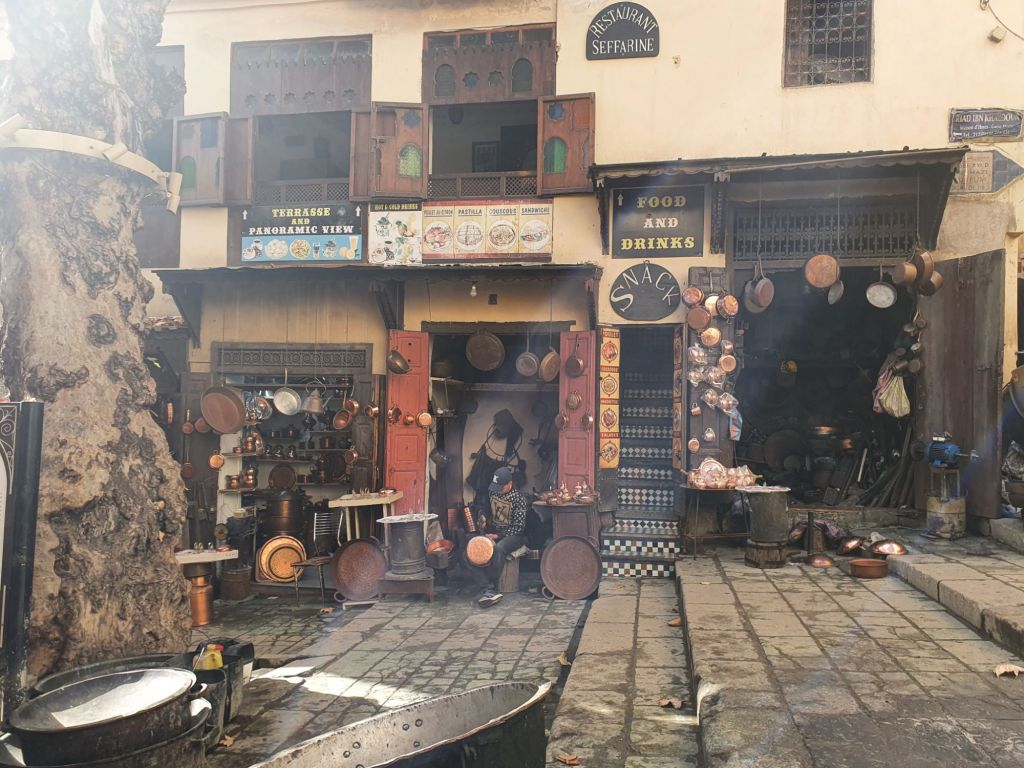
Next was market of brass and copper products and mirrors. Everything from teapots to lampshades. There were also businesses that rent out very large pots and pans that people can use to cook for large crowds at celebrations.

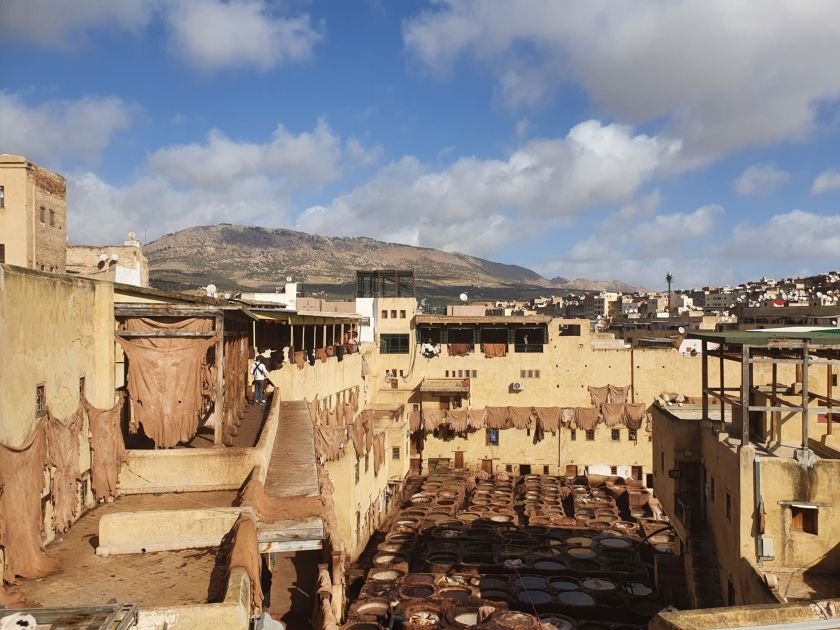
We also visited the Chourara tannery, one of the largest and oldest tanneries in the world, dating back to the 11th century.
In the tannery, there are number of tanks where goat, sheep and cow hides are first treated in a mixtiure of lime, salt, pigeon droppings and bran. This removes the fat and hair off the skins and prepares them for dyeing. Then there are the colourings vats with different colours produced with natural material, such as pomegranate peel, tumeric and poppy powder.
The working conditions are hard and not for the faint hearted. Workers have wellies and waders, but this is a relatively recent addition.
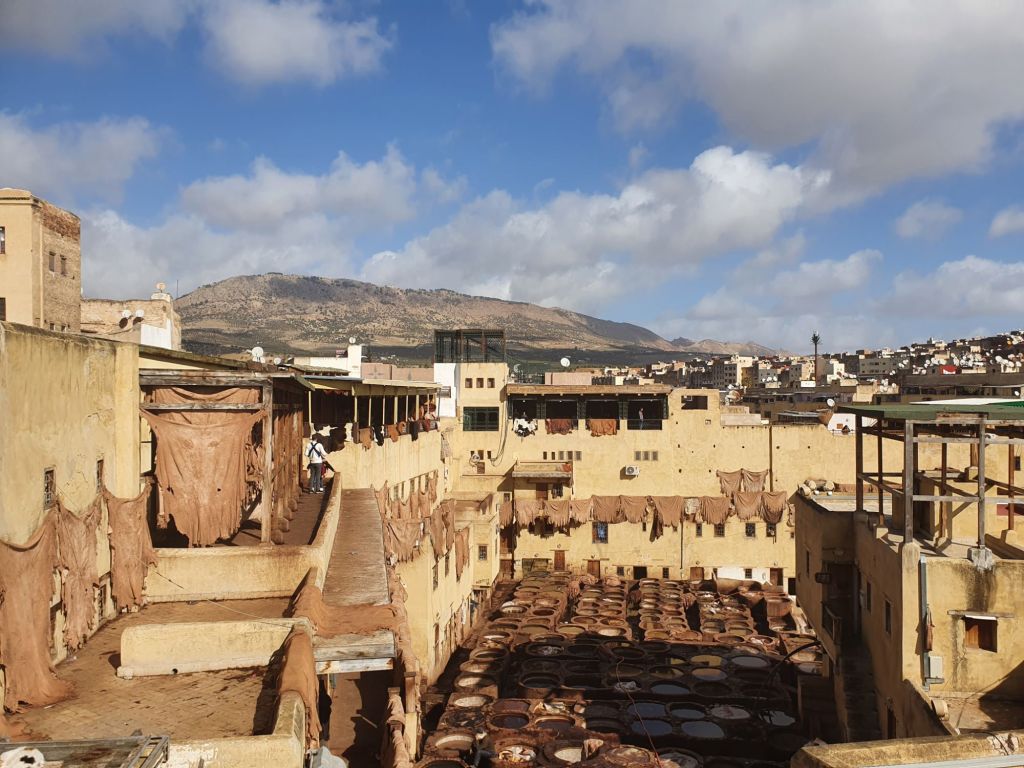
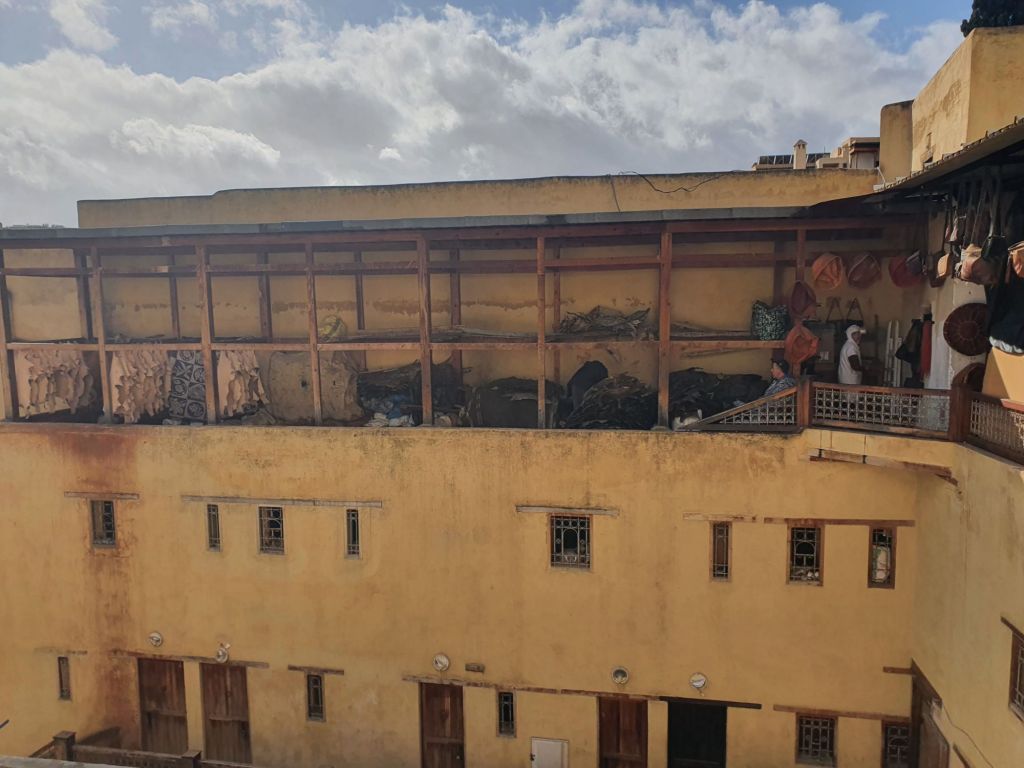
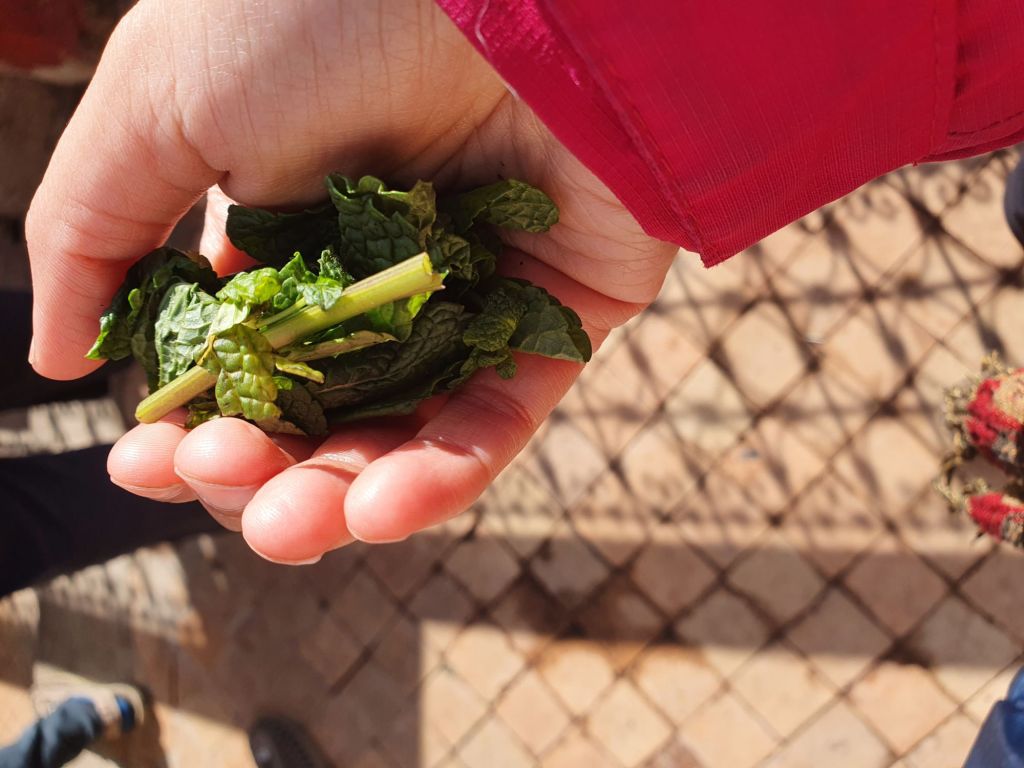
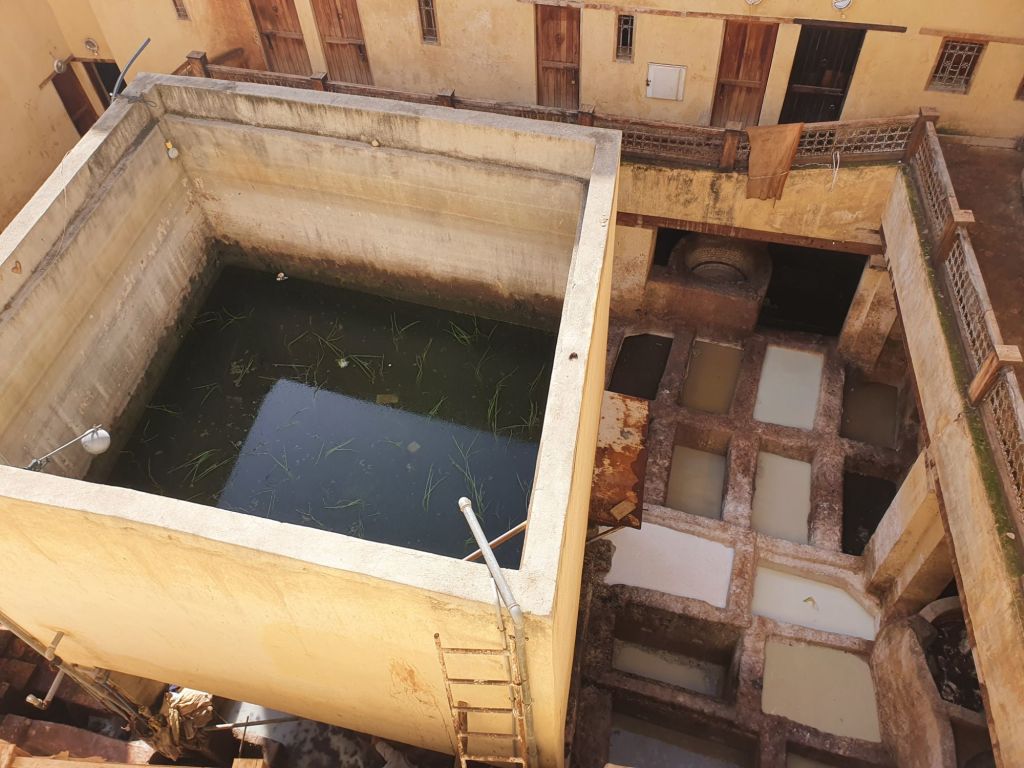
Smell is in the tannery is overpowering and they give you a sprig of mint to hold to your nose. Tourists used to be able go down to the tannery and walk amongst the vats and tanks, but due to hygiene and accidents this is no longer allowed. Now the tannery can be viewed from the balconies which are safe for all concerned.
The leather is made into various goods and exported around the world. However, don’t expect a bargain here – at least to start with. As bartering or haggling is expected, the first price you will be given would be very high and you need to start from 50% of the first price, then expect to pay 75% of the original price.
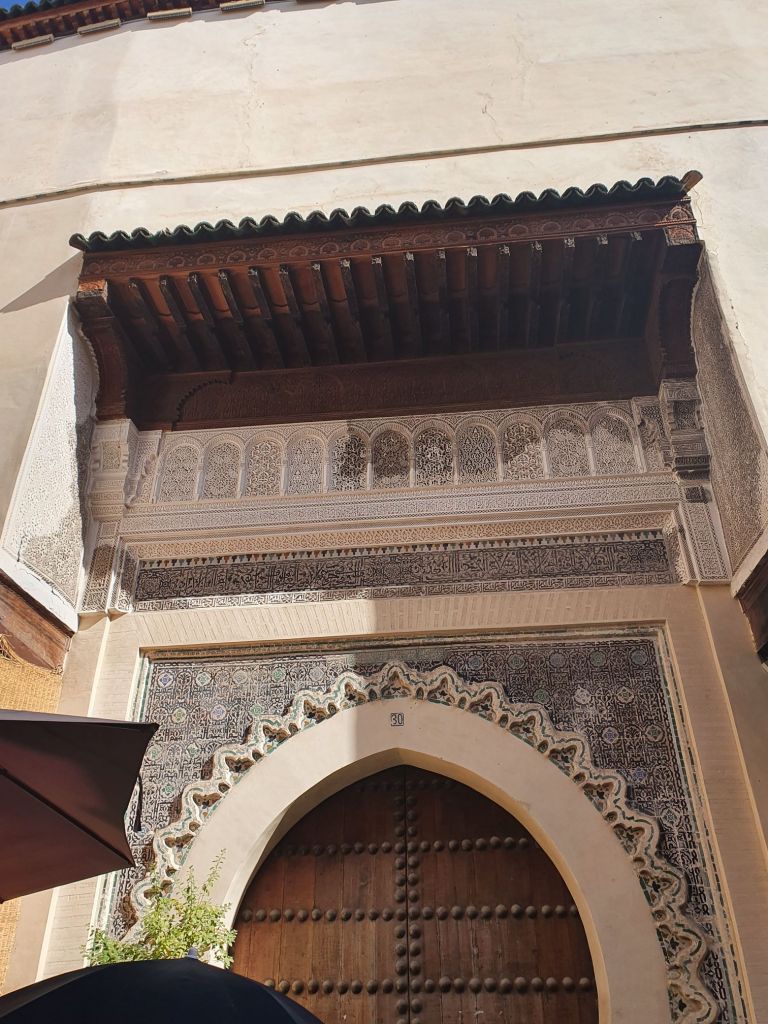
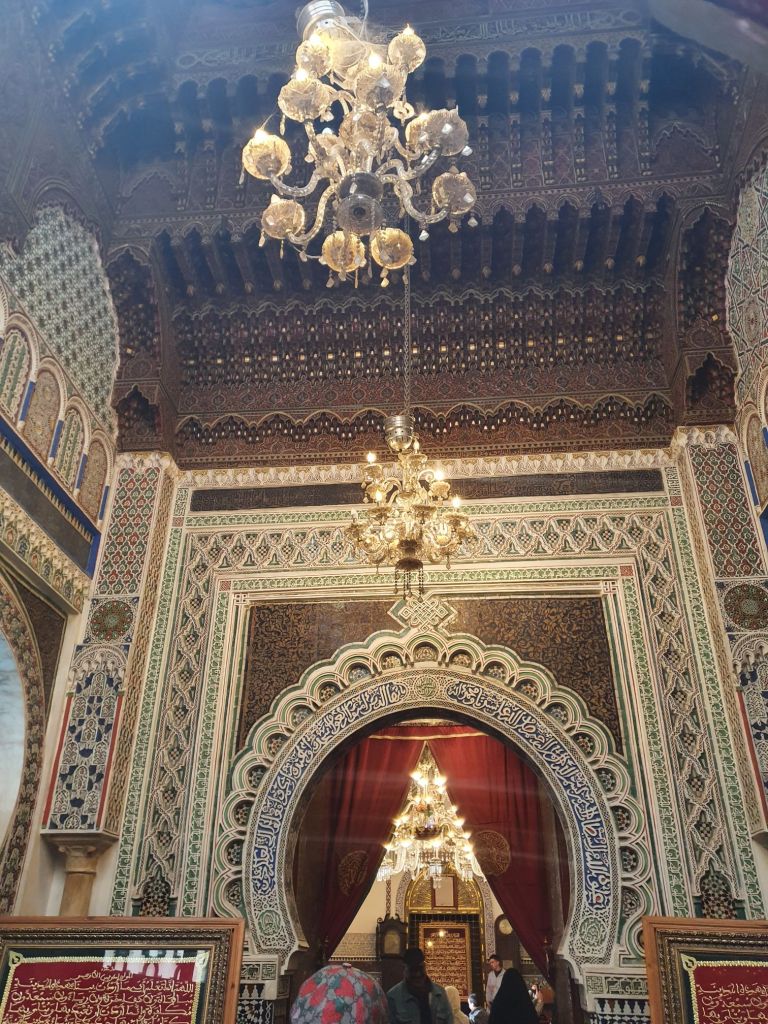
Fes is also home to the University of al-Qarawiyyin, founded in 858. It is the oldest continuously functioning institute of higher education in the world.

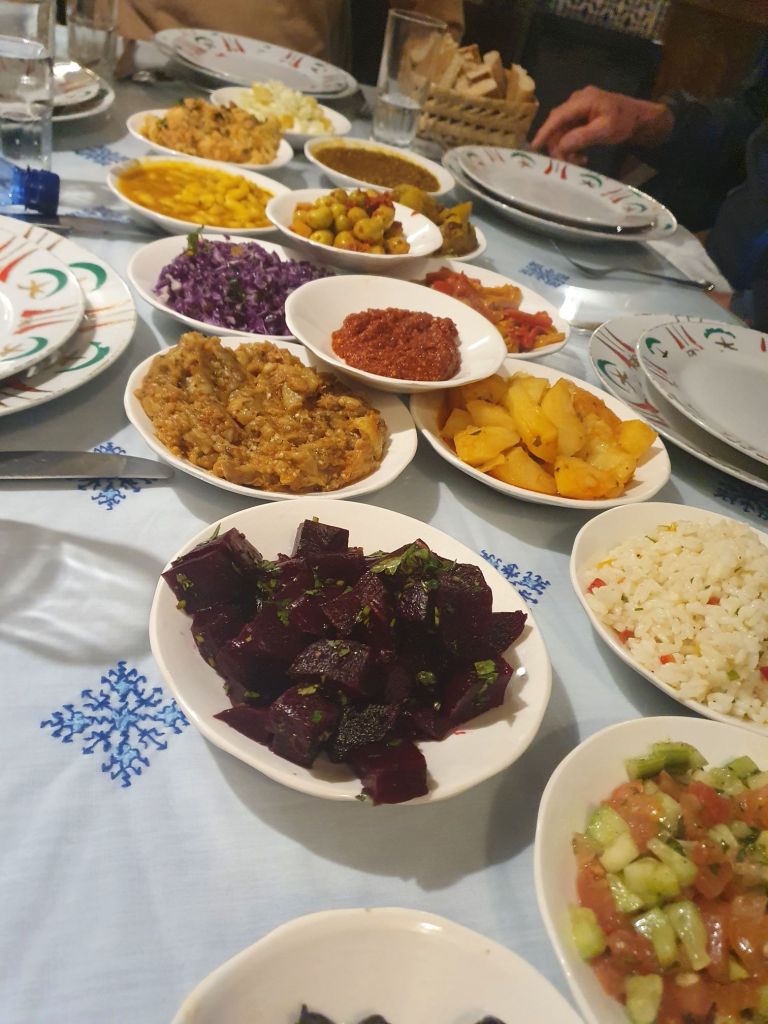
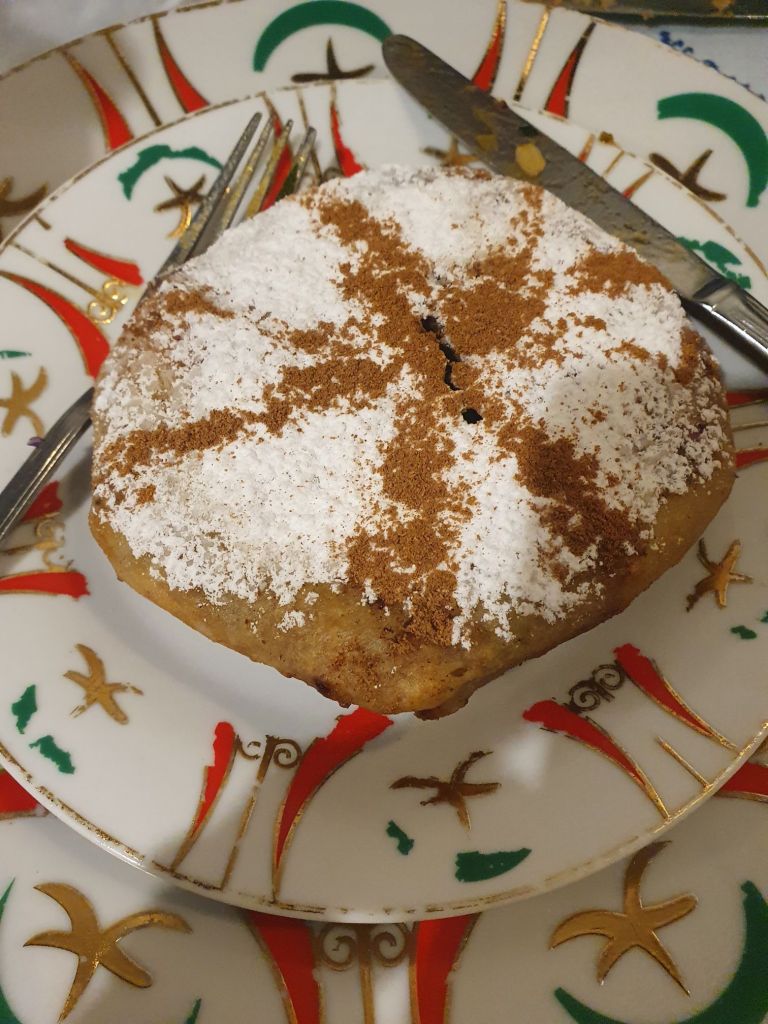
We had a late lunch in Fes. A traditional Moroccan feast of a plethora of salads and small dishes. For my main course I had a Moroccan Pastilla. This is a dish where savory rice (either vegetarian or with chicken or fish) is wrapped in flaky pastry and baked in the oven. It is lightly dusted with icing sugar and cinnamon. The sweet and savory elements of the dish complement each other really well.
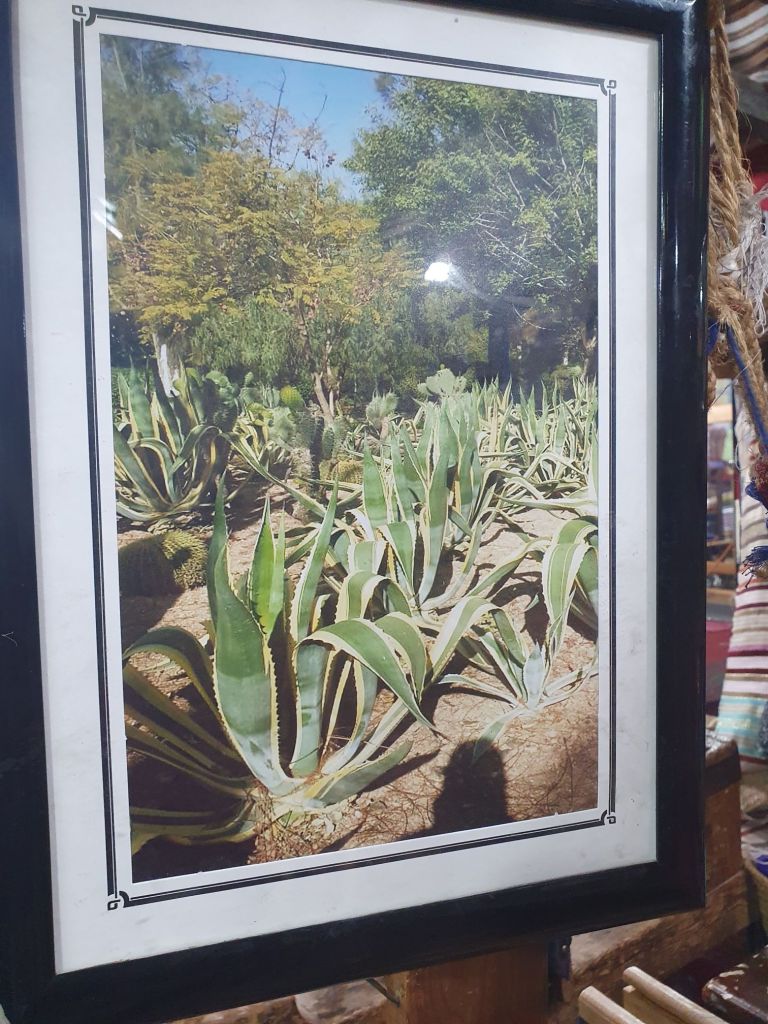
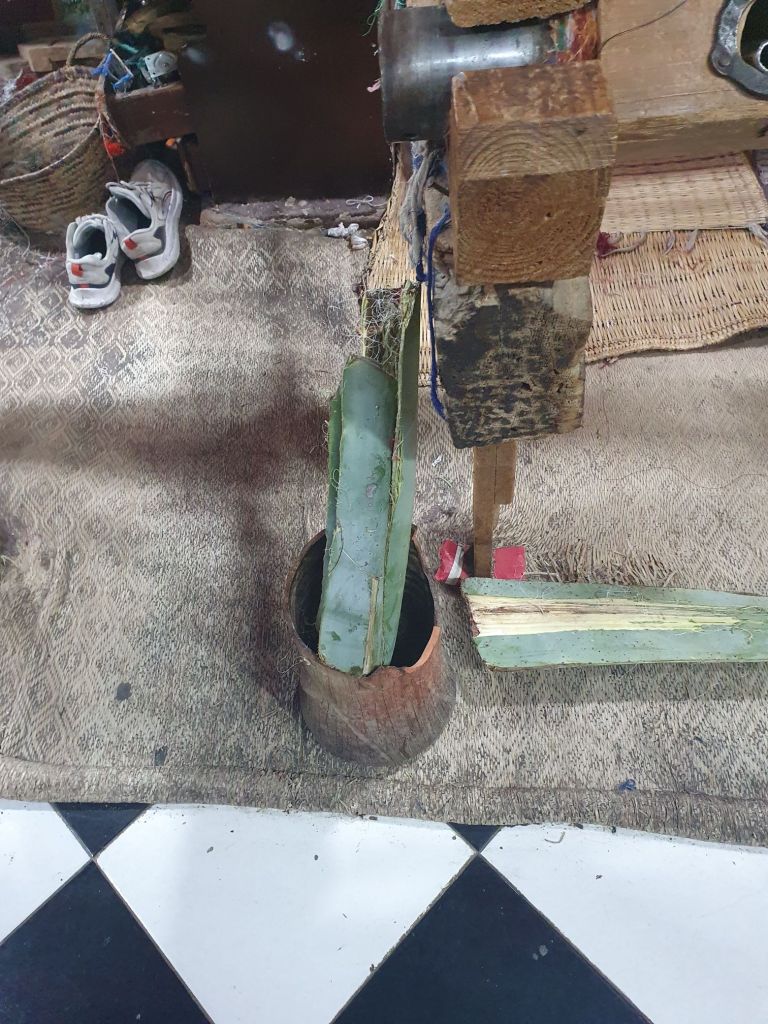
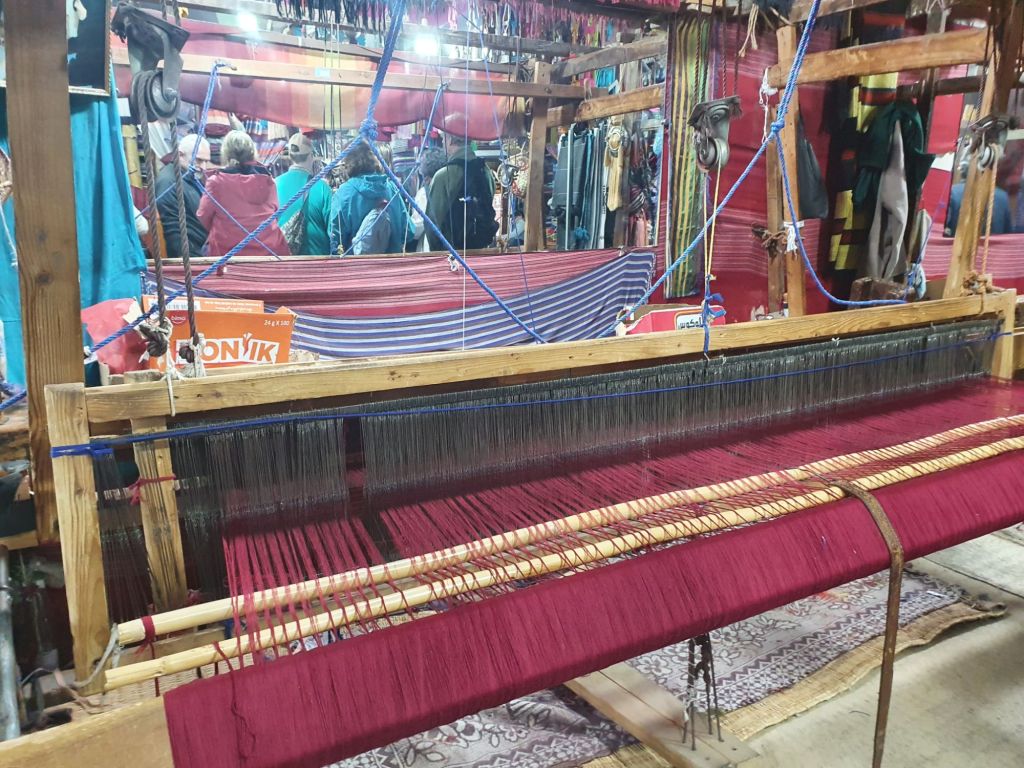
We also stopped by a couple of fabric manufacturers, one making cotton products and other silk. The silk is made from the agave plant.
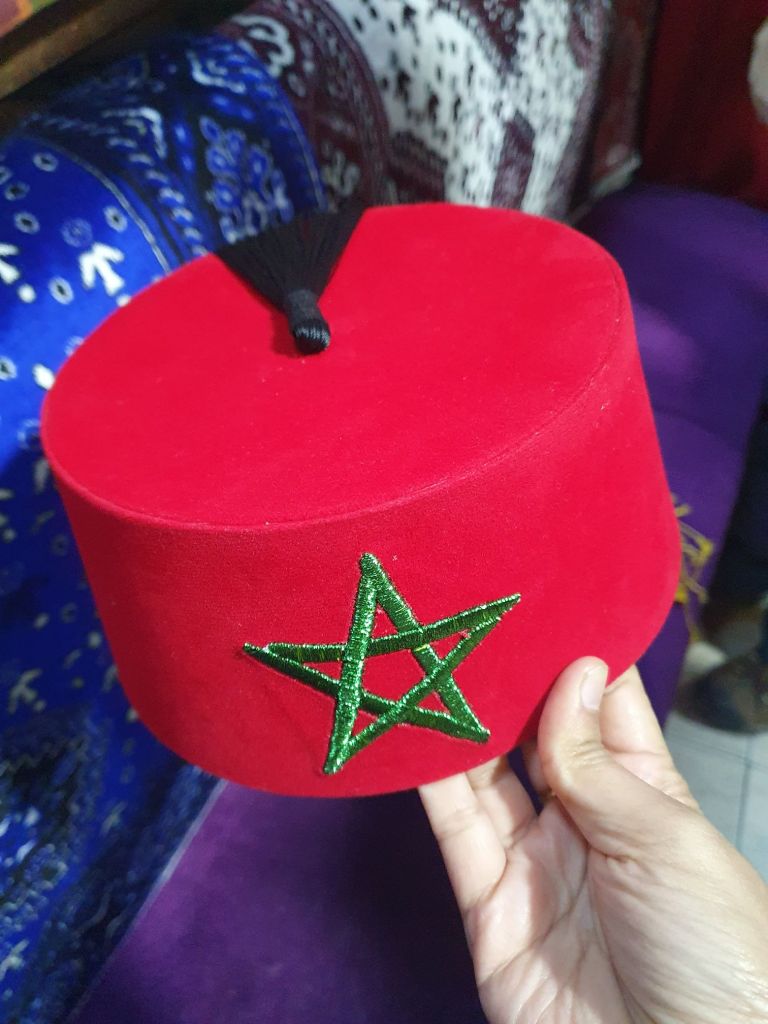
I also got to the bottom of Fes hat – the Moroccon version of the story anyway. The Fes hat was (and still is) part of Moroccan men’s formal attire. The most well known city of Morocco was Fes, so the hat became synonymous with the city during the Ottoman empire.
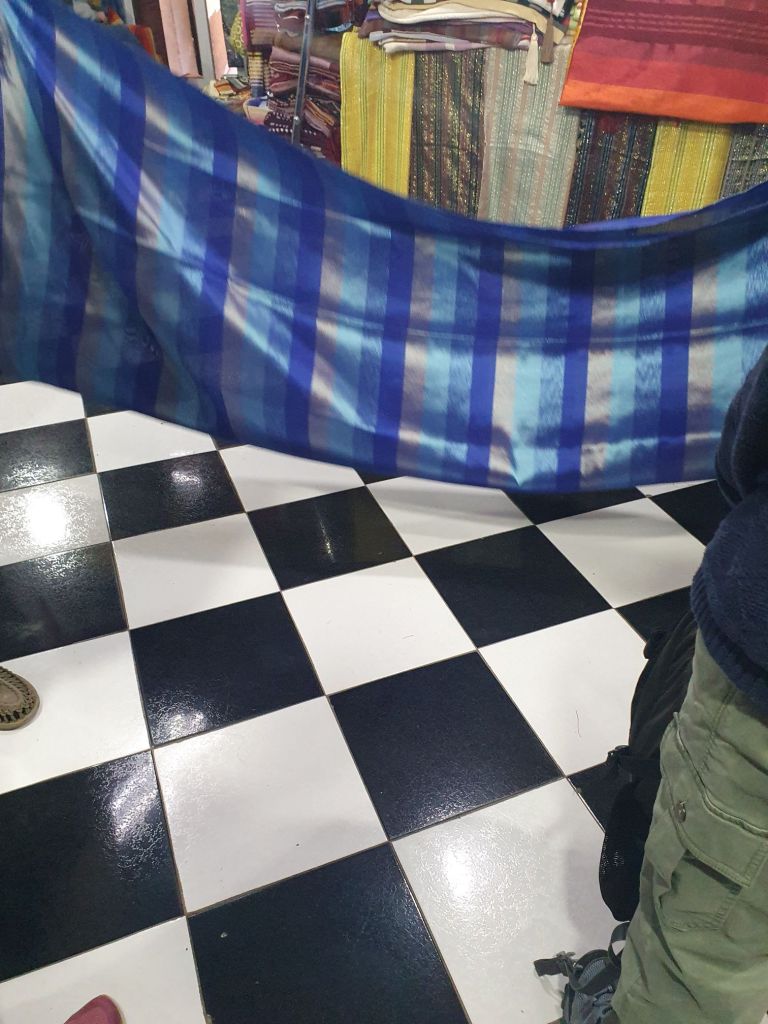
We also learnt how to tie a Berber scarf – this would come in handy in the next couple of days, as we travel into the Sahara desert (more on this on a future post).
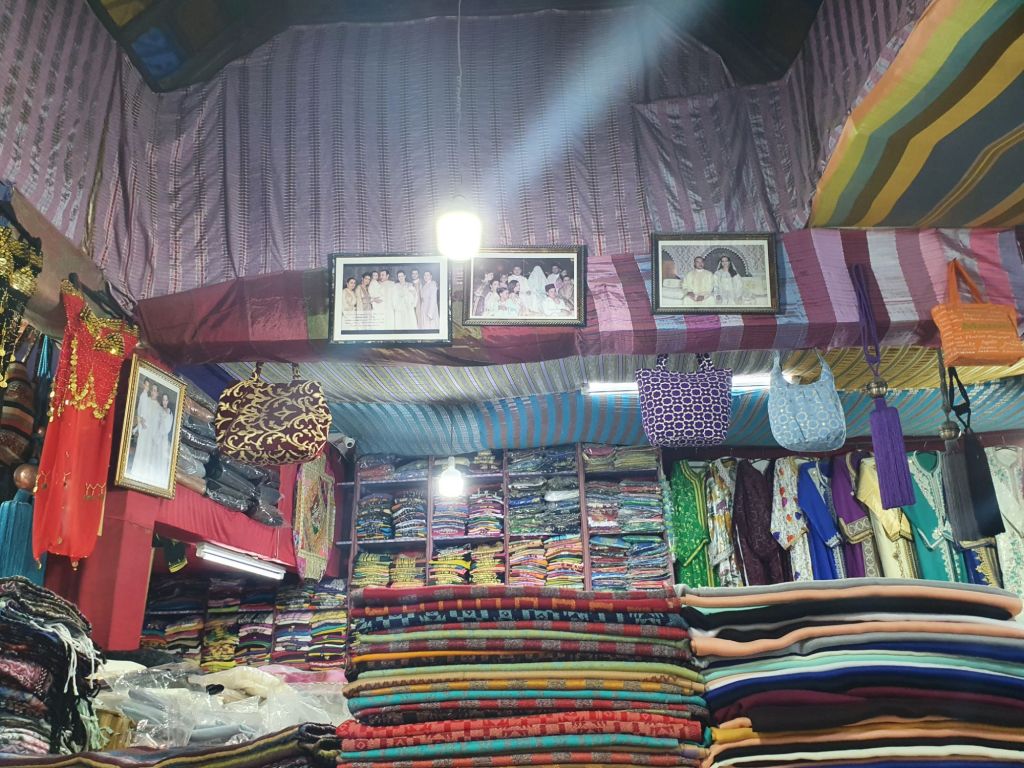
Overall, I would say, Fes is well worth a visit. The medina was lively and the inner city has 200,000 inhabitants today, same as its hey day. Motorised transport is not allowed in the city (so no motor bikes or small tuk tuks) so all the goods are transported by donkey or hand-carts. Many of the trades are still done in the same way as has been for generations, so being in Fes feels like you have stepped back in time.
We spent the rest of the afternoon exploring the new city of Fes. The new city has many European style cafes, restaurants and shops. We also discovered that the souvenir shop next to the hotel had the same goods as we saw in the Fes medina, but for half the price!
As it was long day, I decided to turn in early for the night. Tomorrow, we’d be heading out to the Sahara.
 Diary of a Tourist
Love this, I’m reliving our Moroccan experience from early this year. Love the Moroccan salad spread, I ate tagine in some form almost every day, we also learned to tie the head scarf for our trip to the desert. From your pic, looks like it might’ve been the same shop.
LikeLiked by 1 person
Thank you. We ate Tagines on most days too 😃
LikeLiked by 1 person
Really interesting post. The buildings are gorgeous. Fascinating about the mosaic-making and the bird droppings at the tannery.
LikeLiked by 1 person
Thank you!
LikeLiked by 1 person