Where and when: Jaffna, Sri Lanka, January 2026
After a brief one-night stop in Anuradhapura, we are on the road to Jaffna.
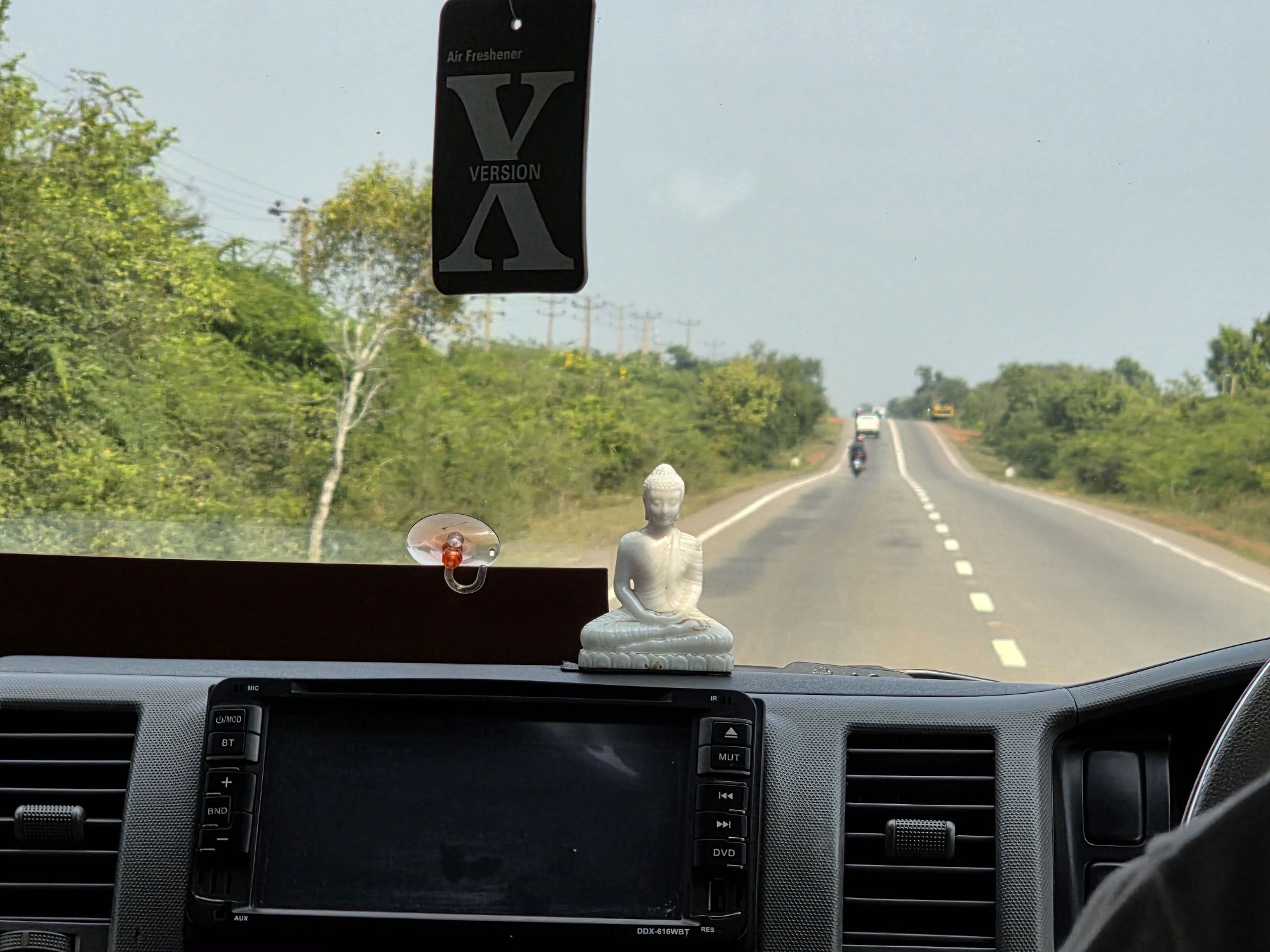
The journey North is surprisingly straightforward—a long, straight road stretching into the horizon, giving you plenty of time to watch the scenery as you go.
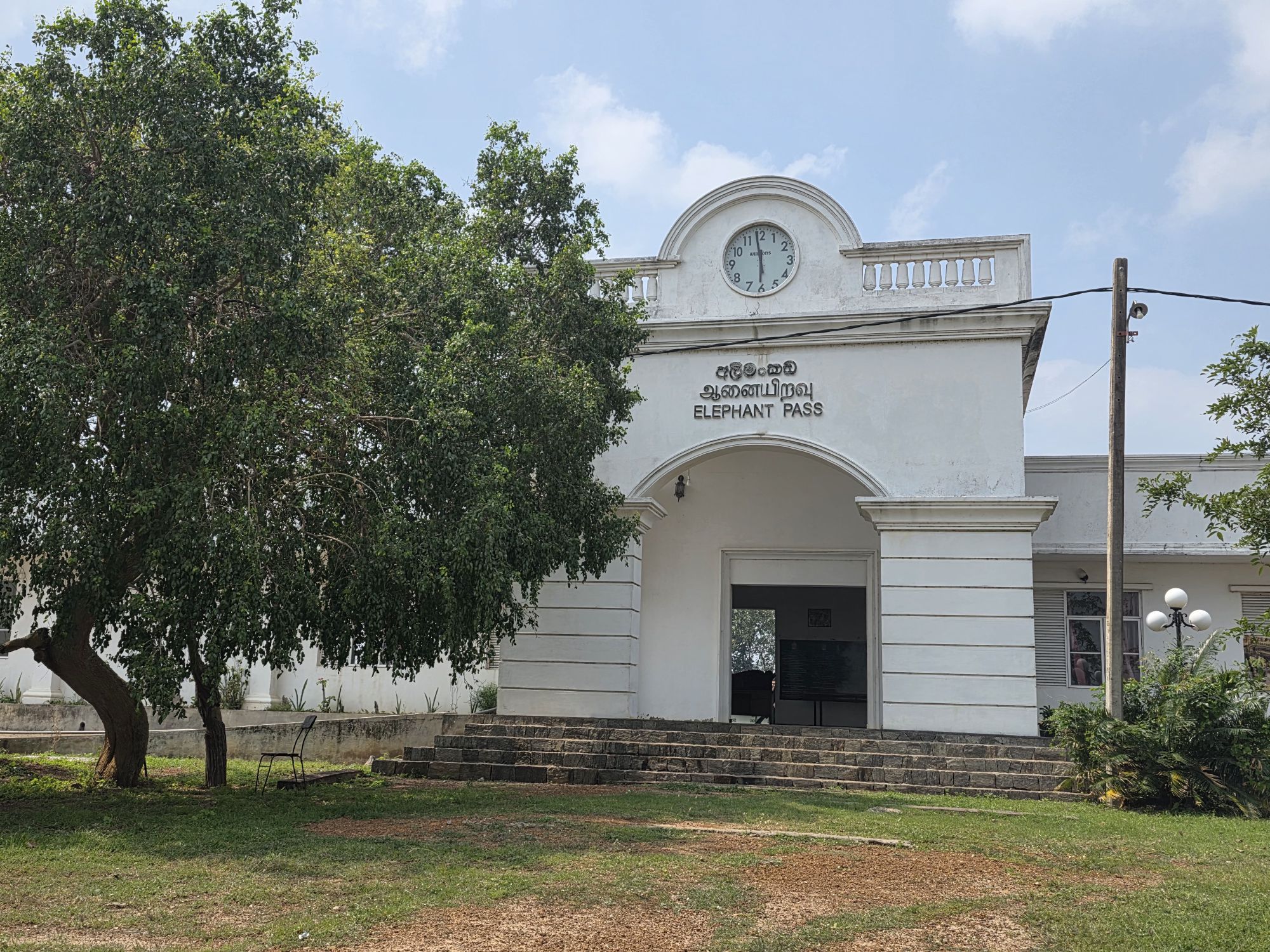
Soon, we passed “Alimankada”, aka Elephant Pass, a place that stands as a quiet reminder of Sri Lanka’s recent history.
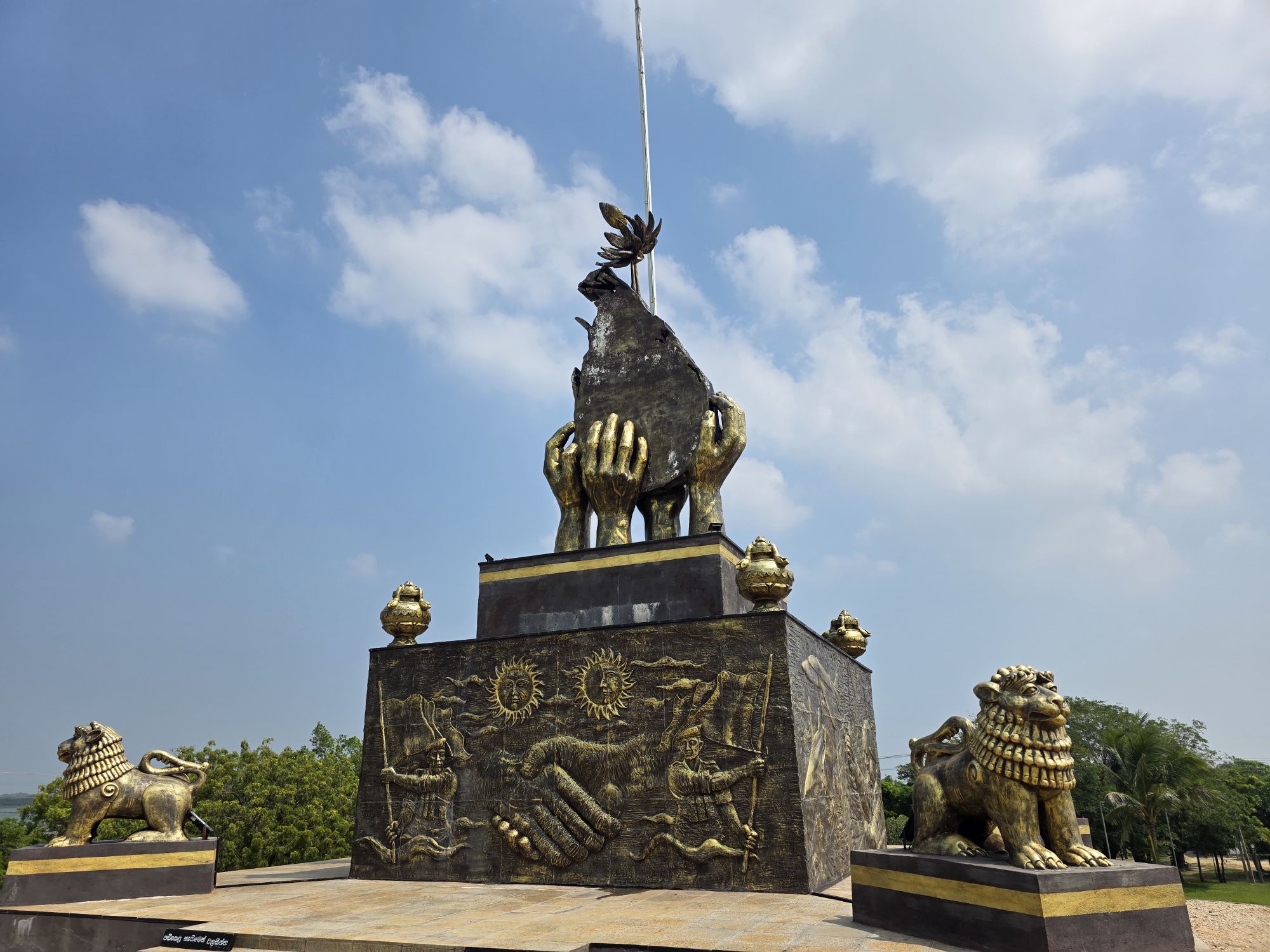
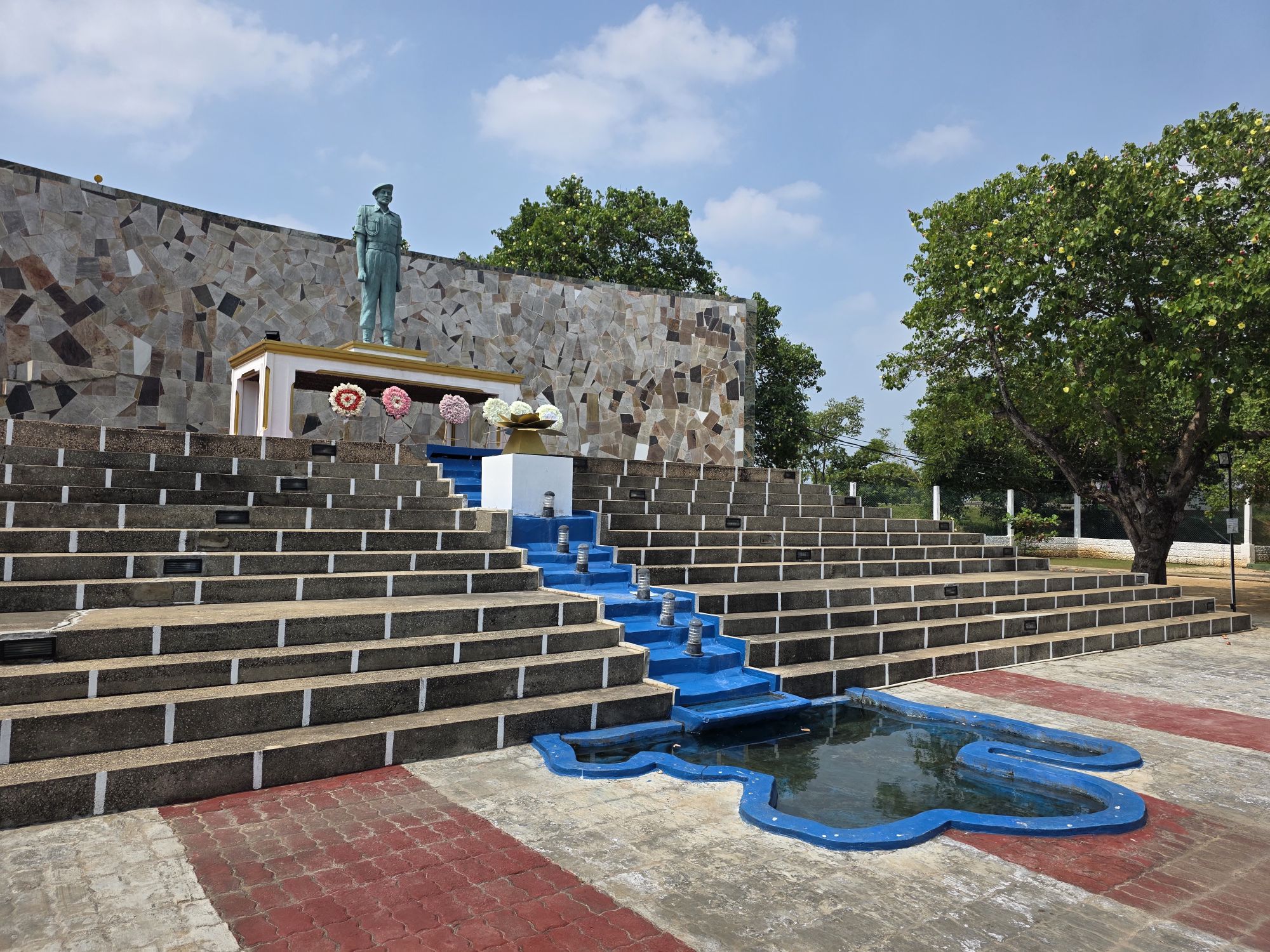
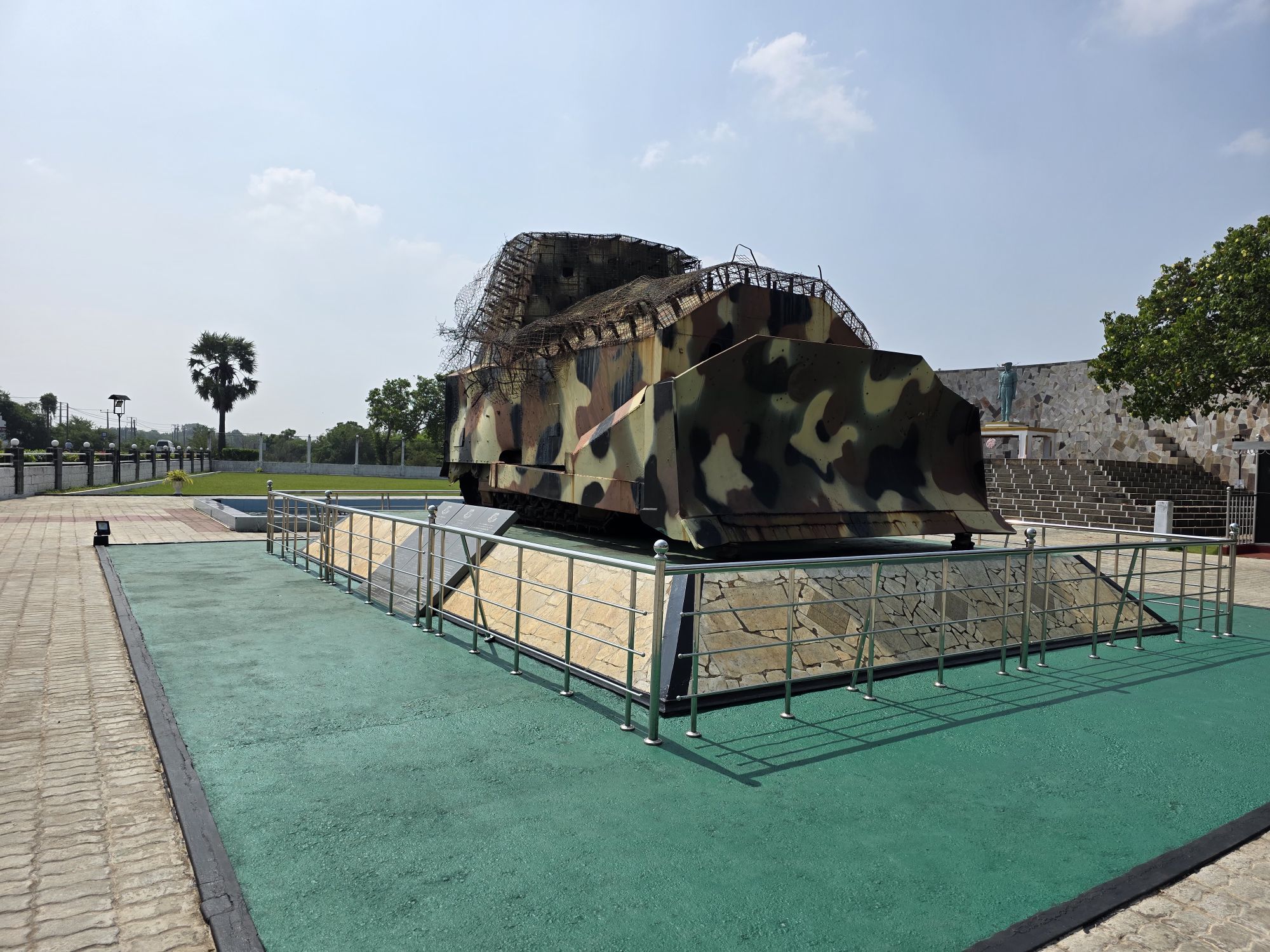
On the way, there are several memorials to the civil war that ravaged the North and the East of the island from 1983 to 2009.
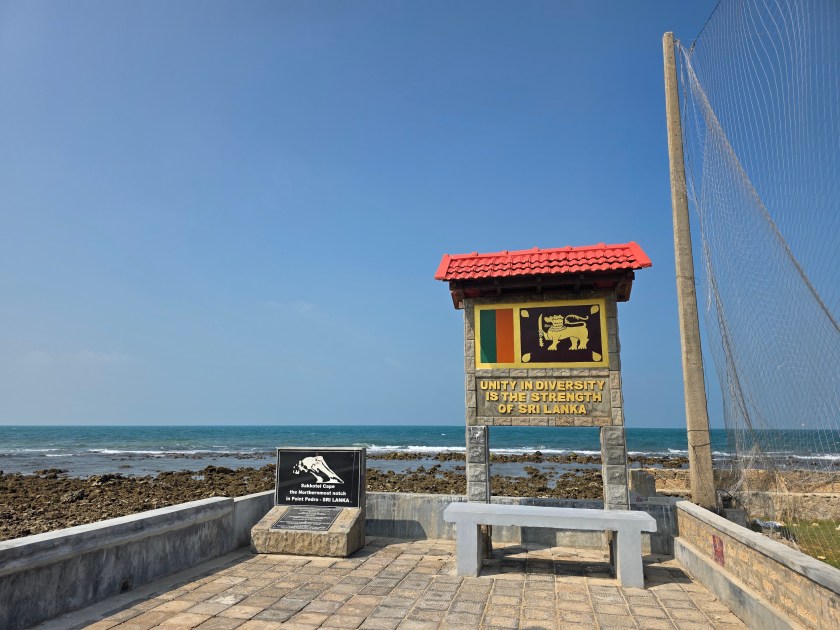
Northernmost Point of Sri Lanka
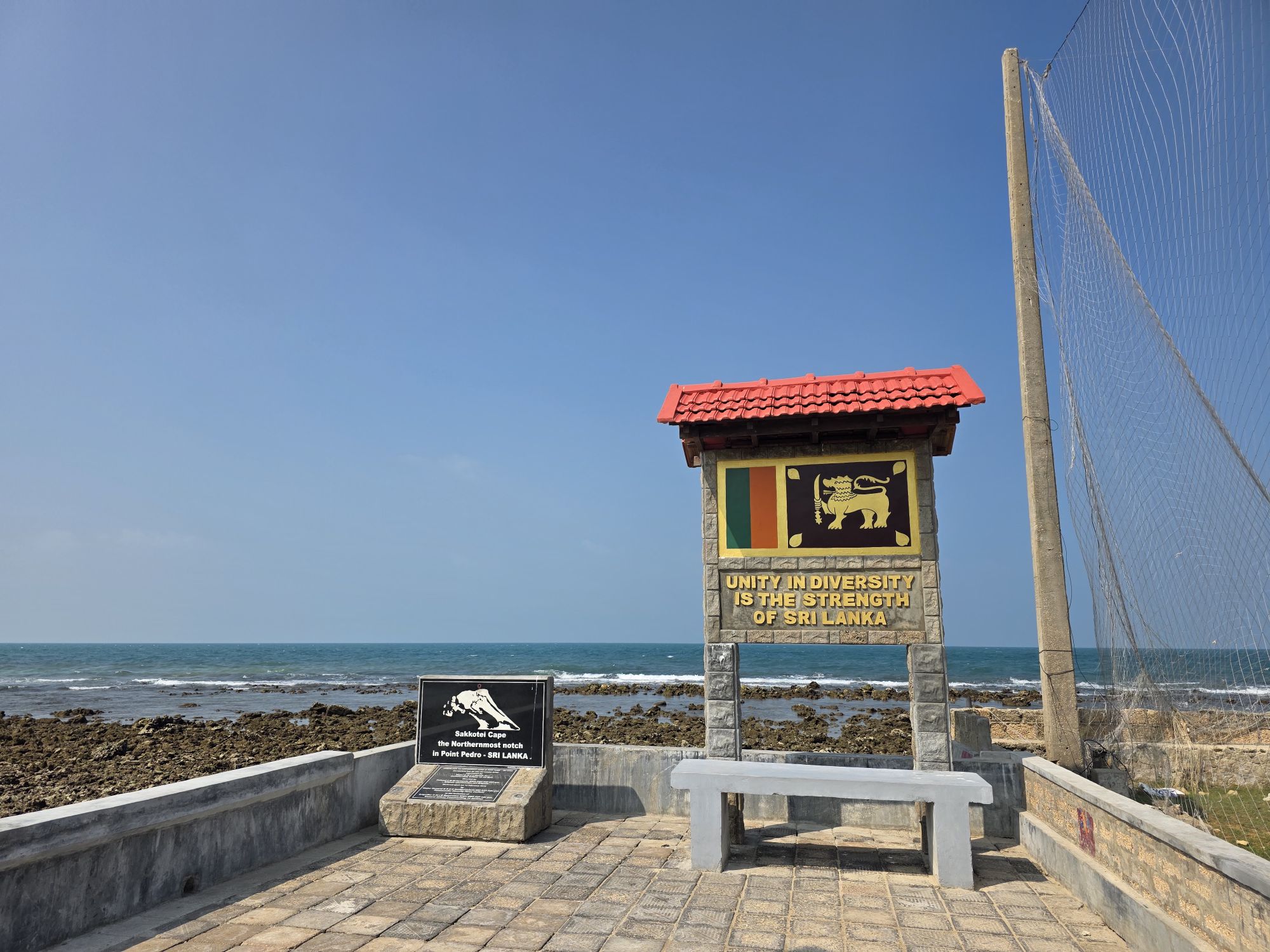
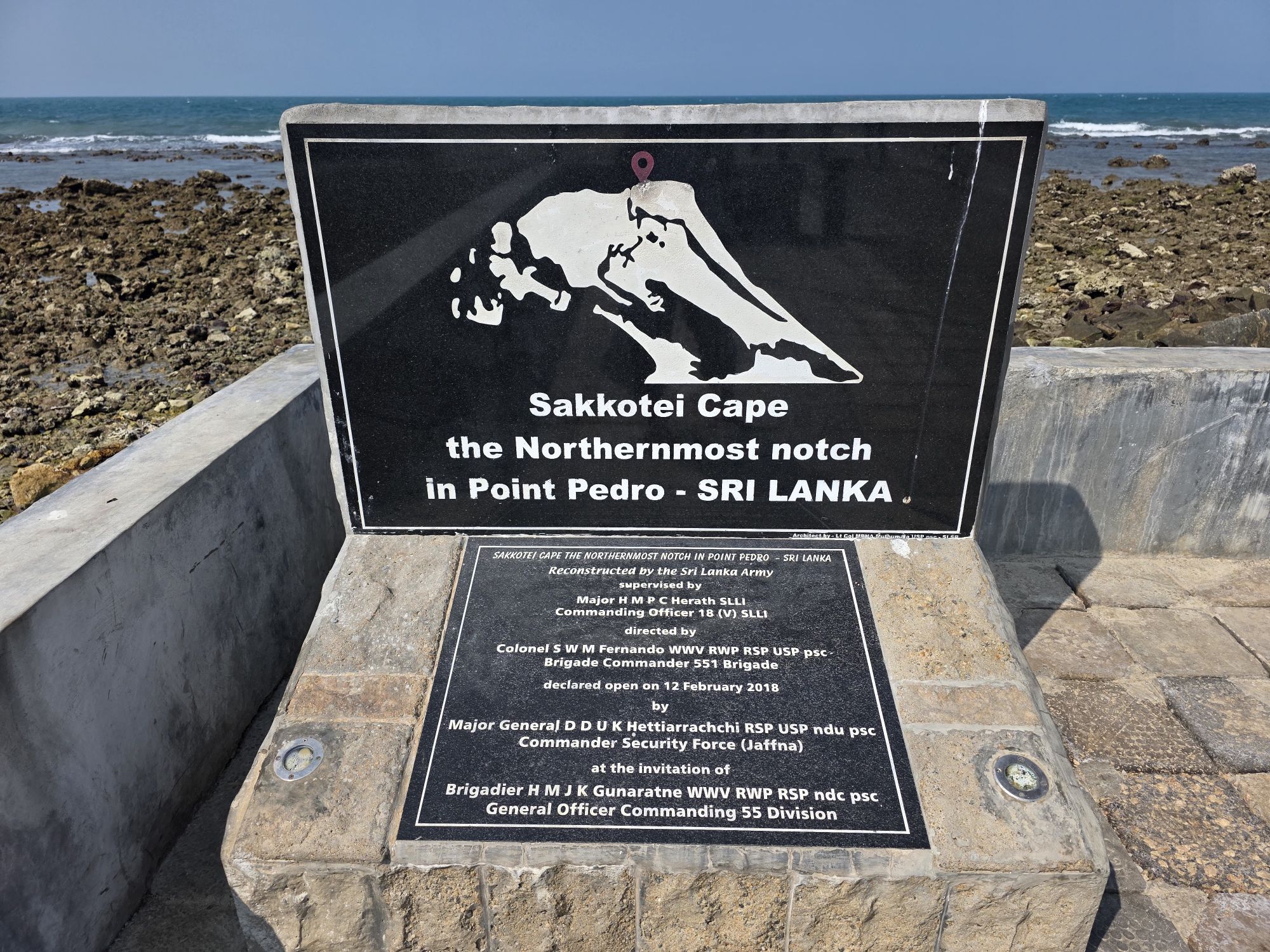
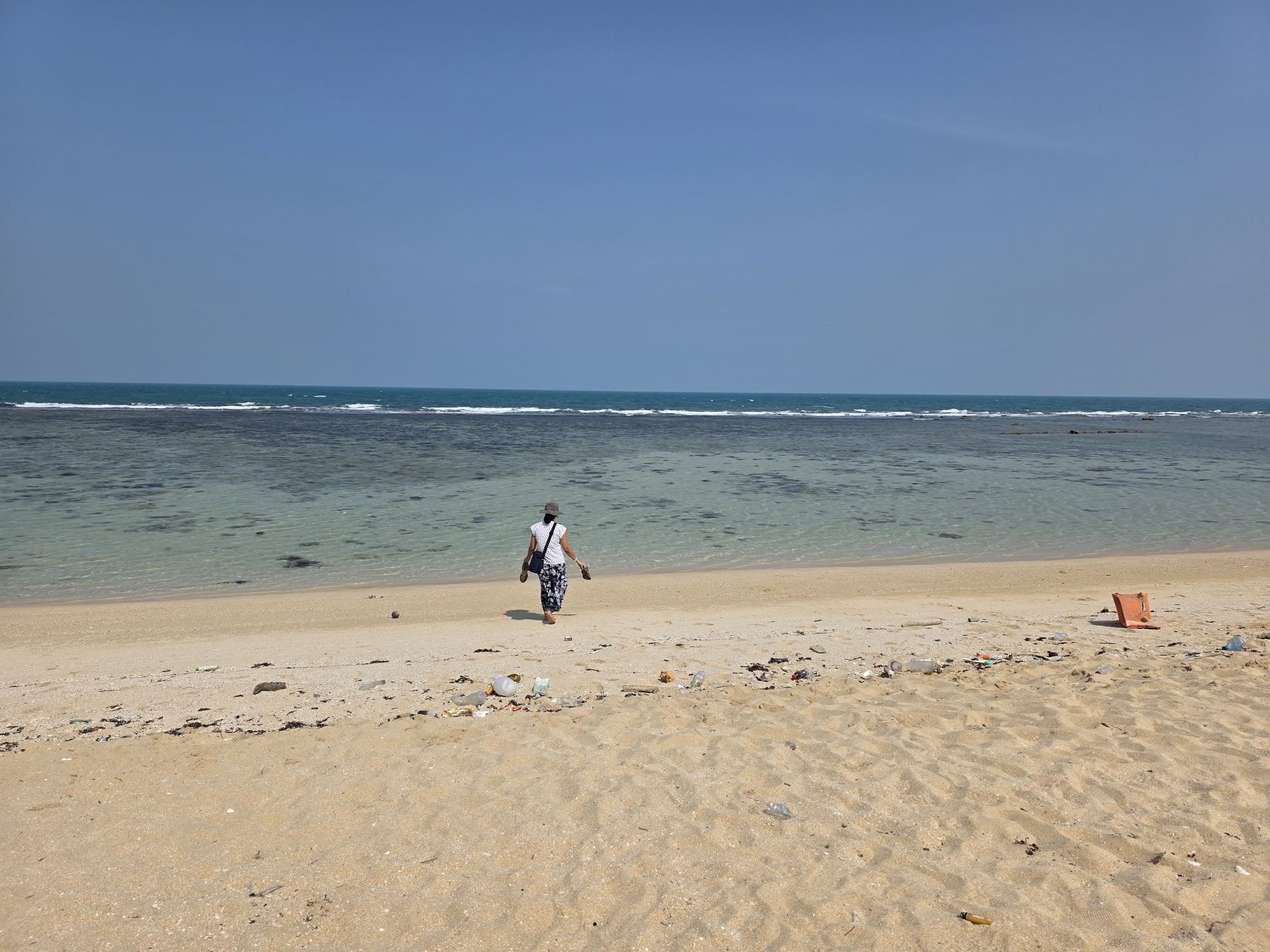
Our first stop on the Jaffna peninsula is Sakkotei Cape at Point Pedro—the northernmost tip of Sri Lanka.
Bit further along the coast is the Northernmost postbox of Sri Lanka.
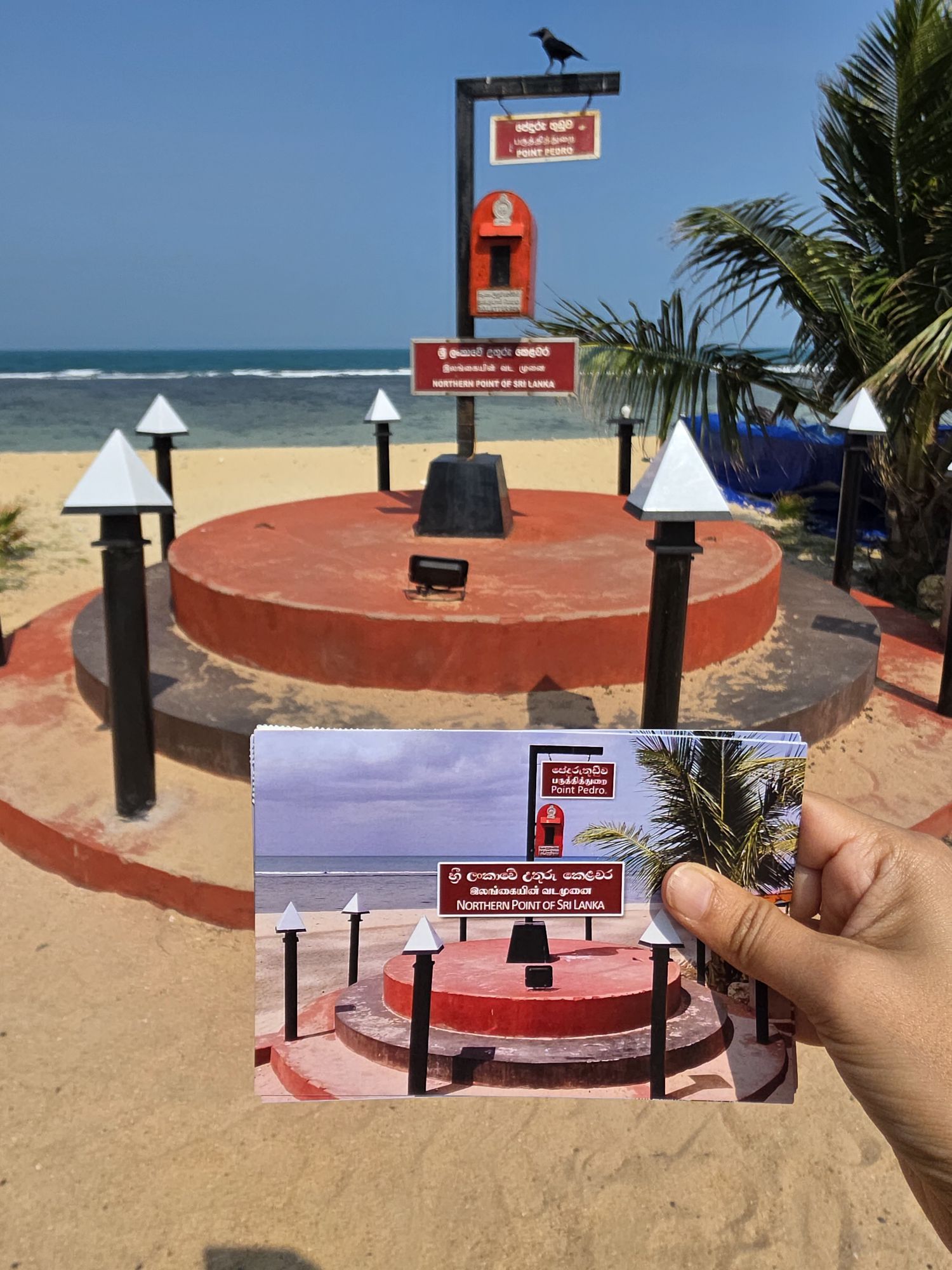
You can pick up a postcard from a nearby shop, stamp it, and send it anywhere in the world. How often do you get to mail a letter from the literal tip of a country?
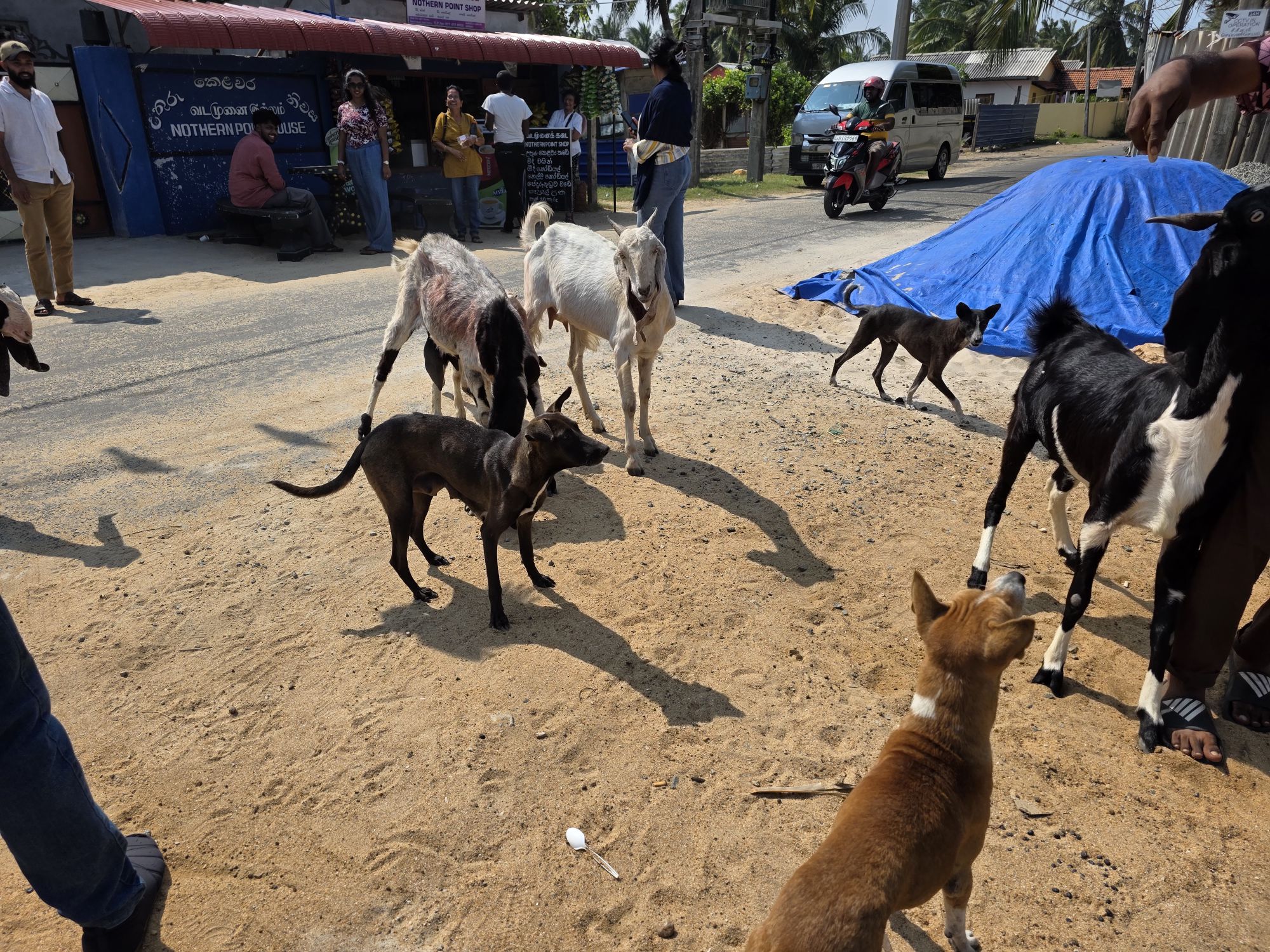
Something you notice as you arrive in the Jaffna Peninsula is that the cows disappear. In a region where Hindu traditions run deep, cattle are rarely seen — instead, goats roam freely, dotting the landscape in small, wandering groups.
Nearby, a lighthouse keeps watch over the coast, though it’s no longer operational.
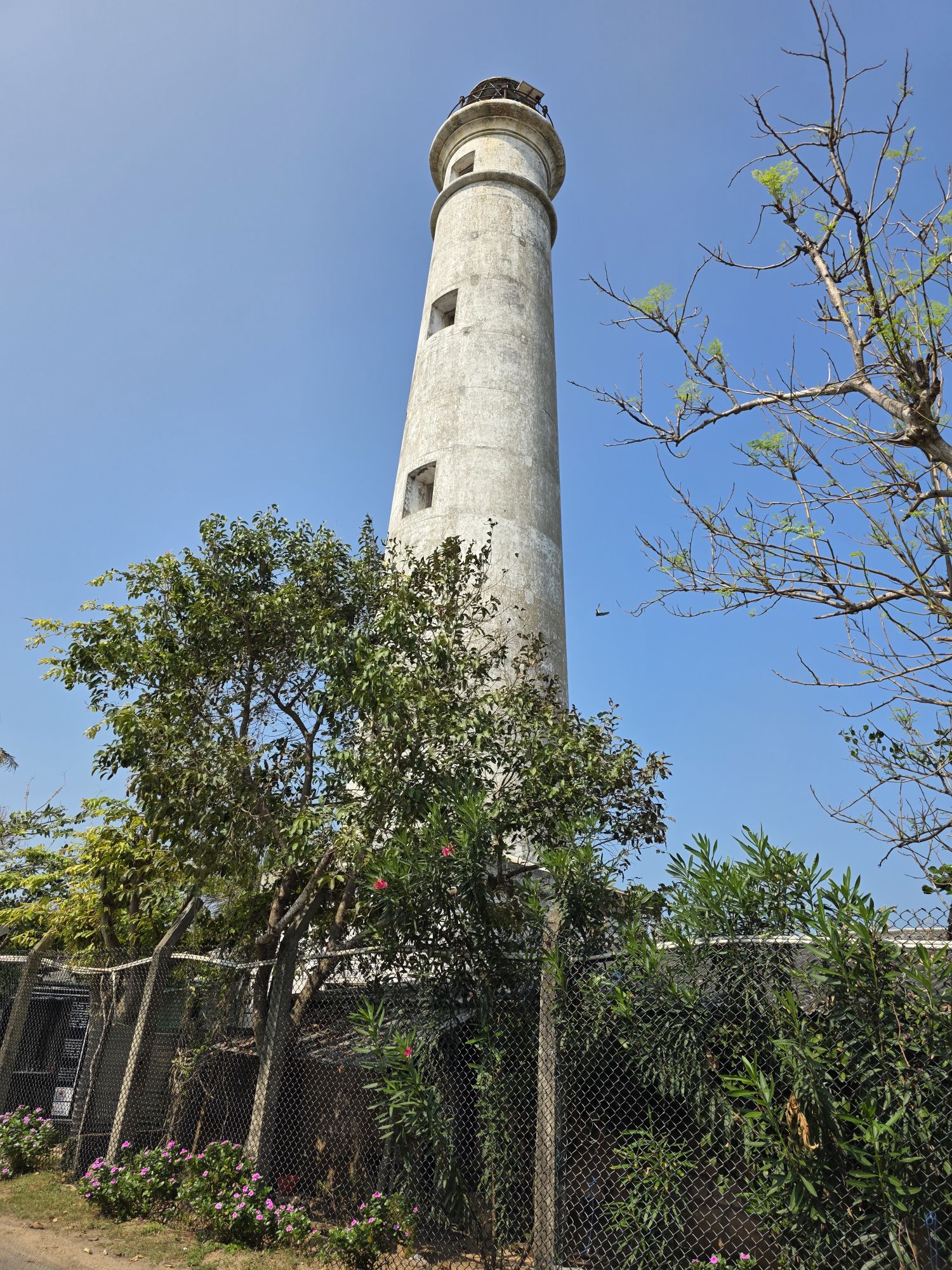
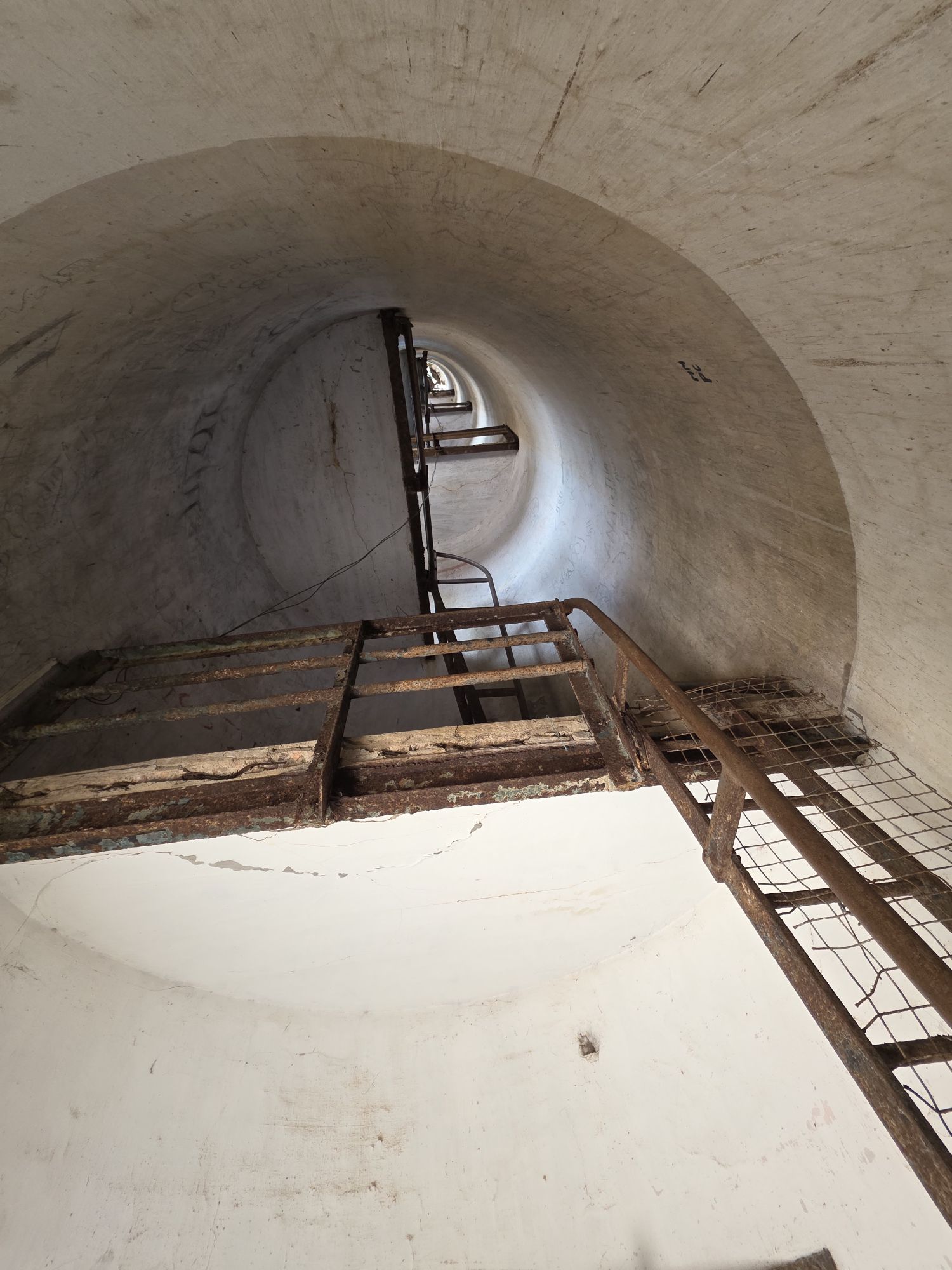
Afterwards, we drove along the coastline, stopping at a few important points, letting the sea breeze and the sun-drenched views guide us.
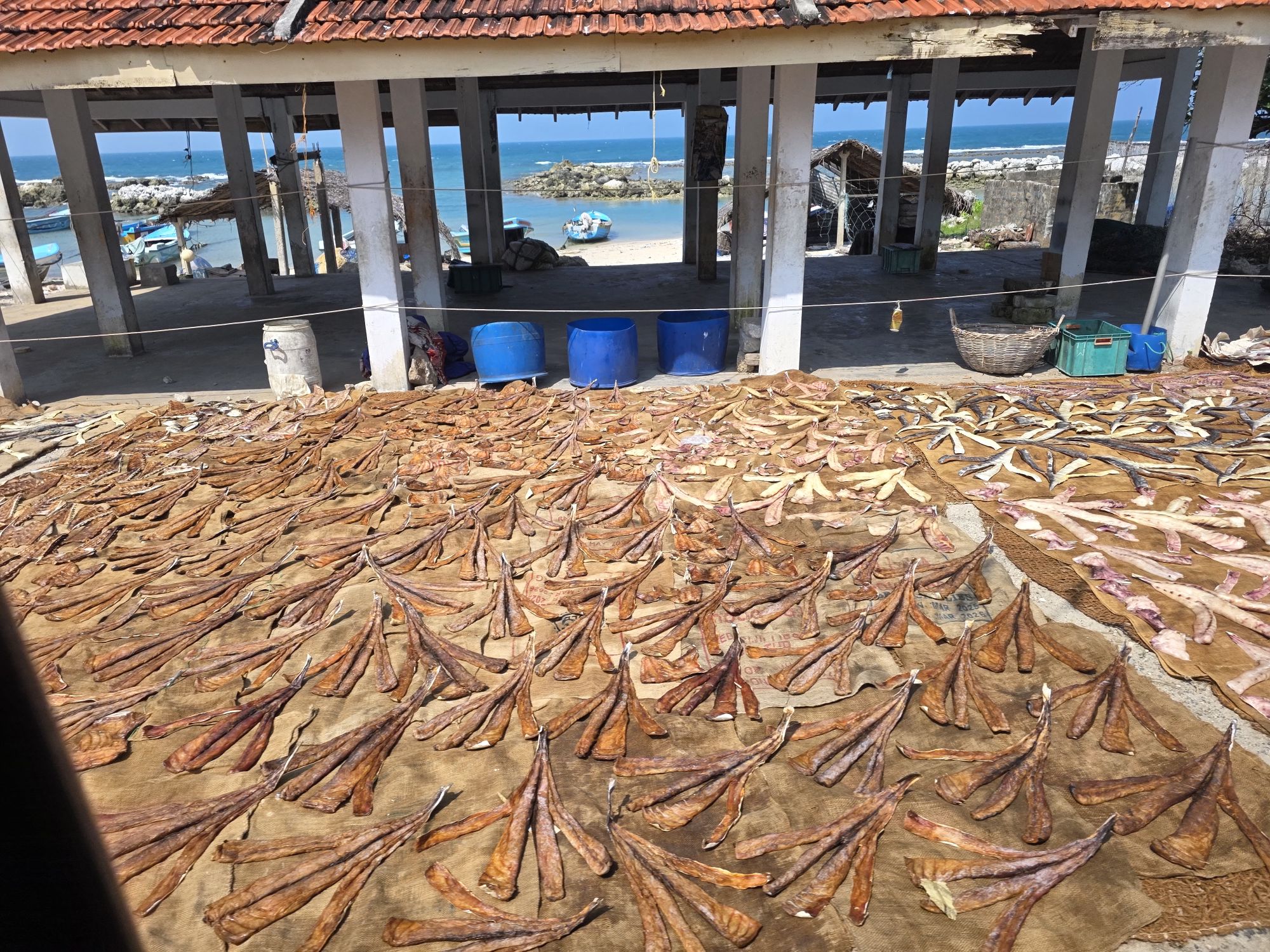
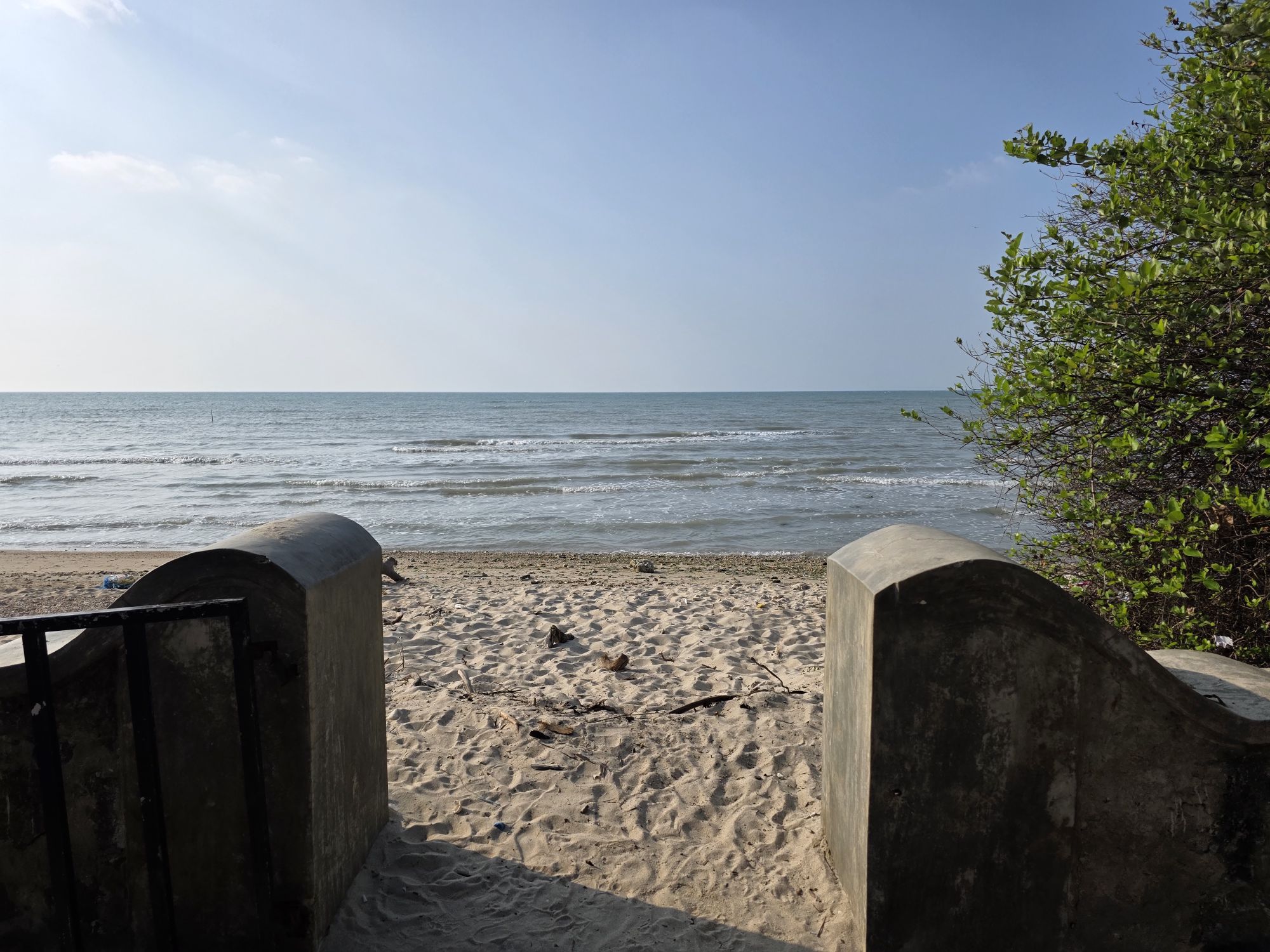
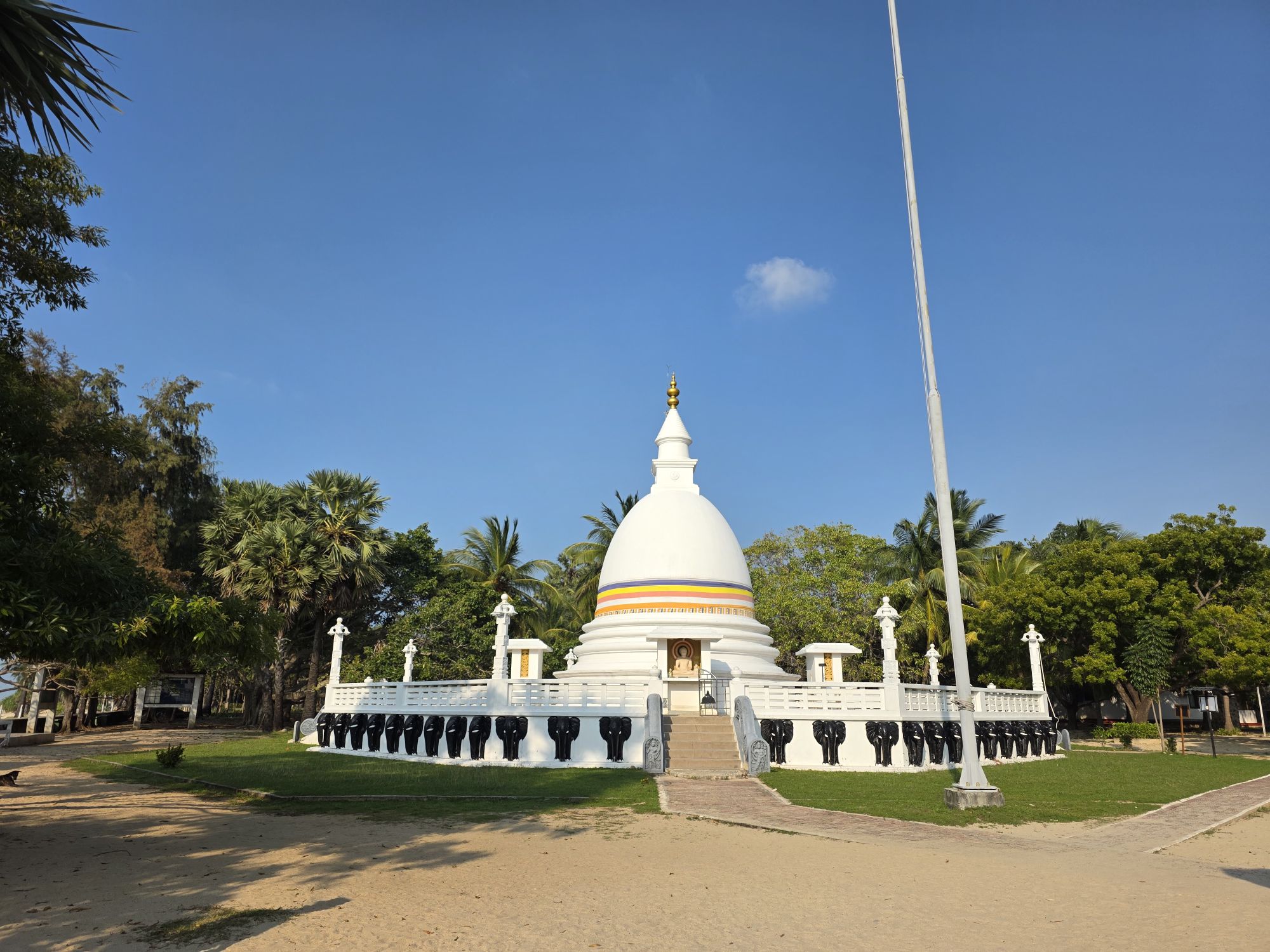
Dambakola Patuna Sanghamitta Temple
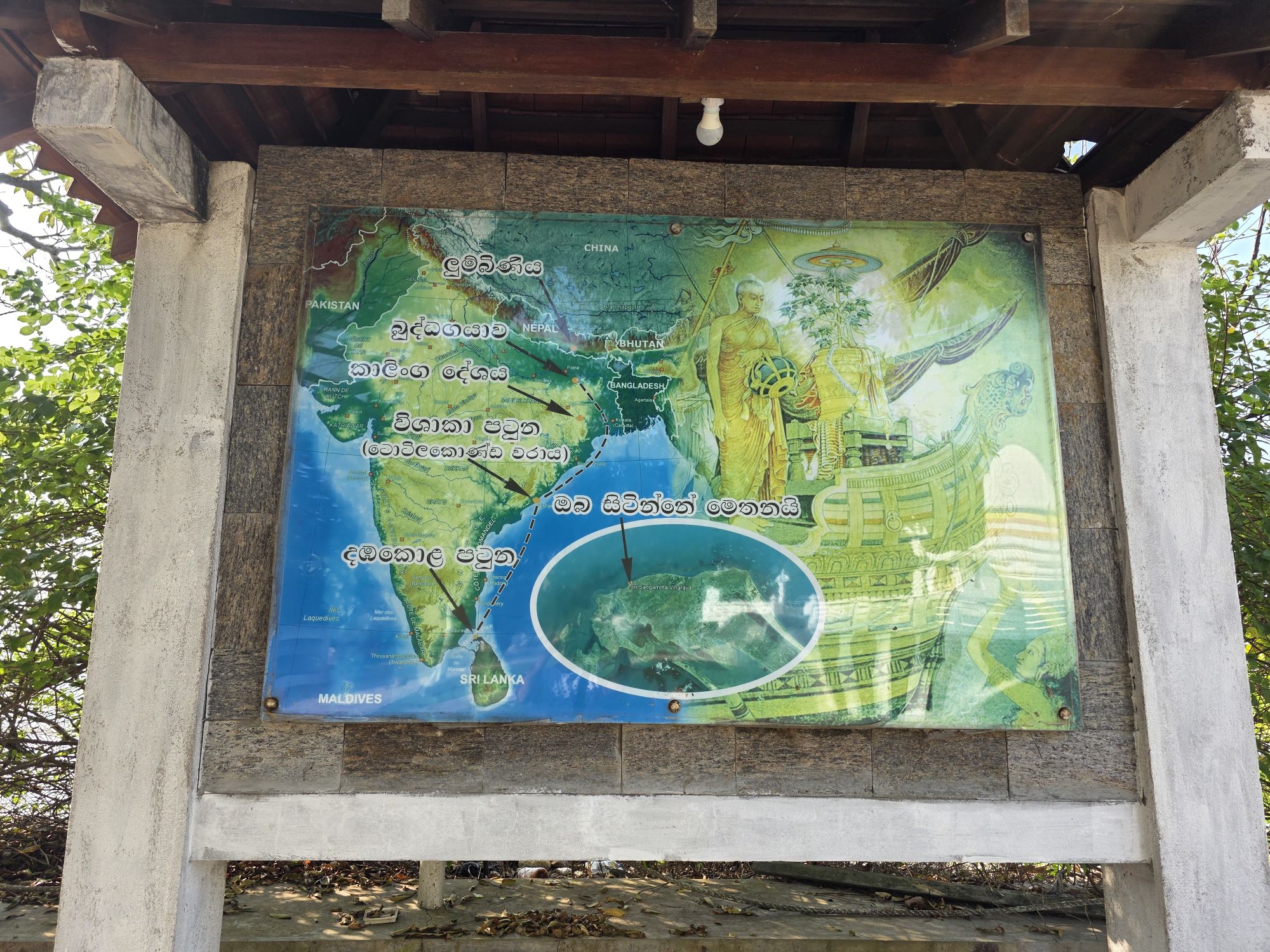
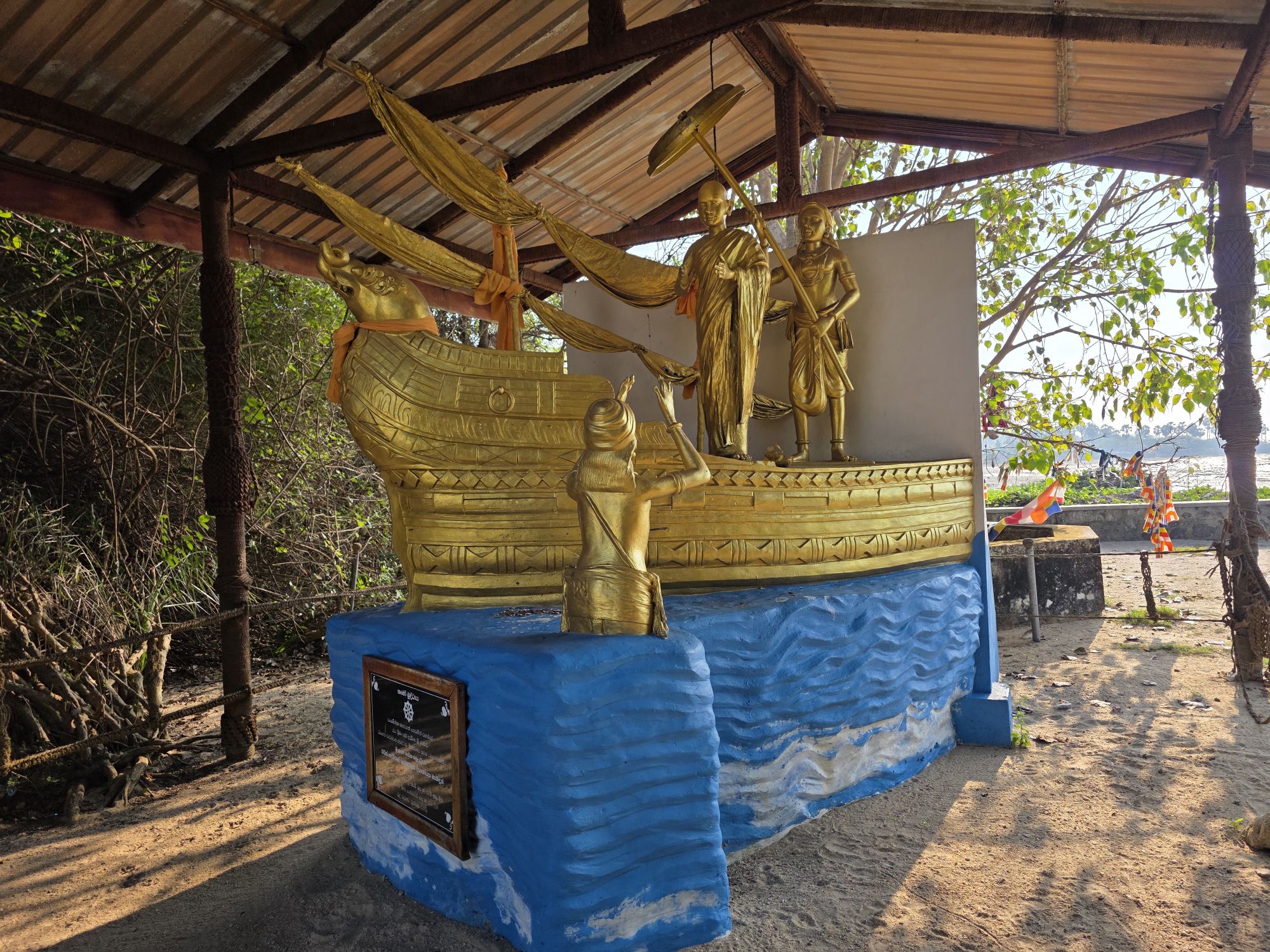
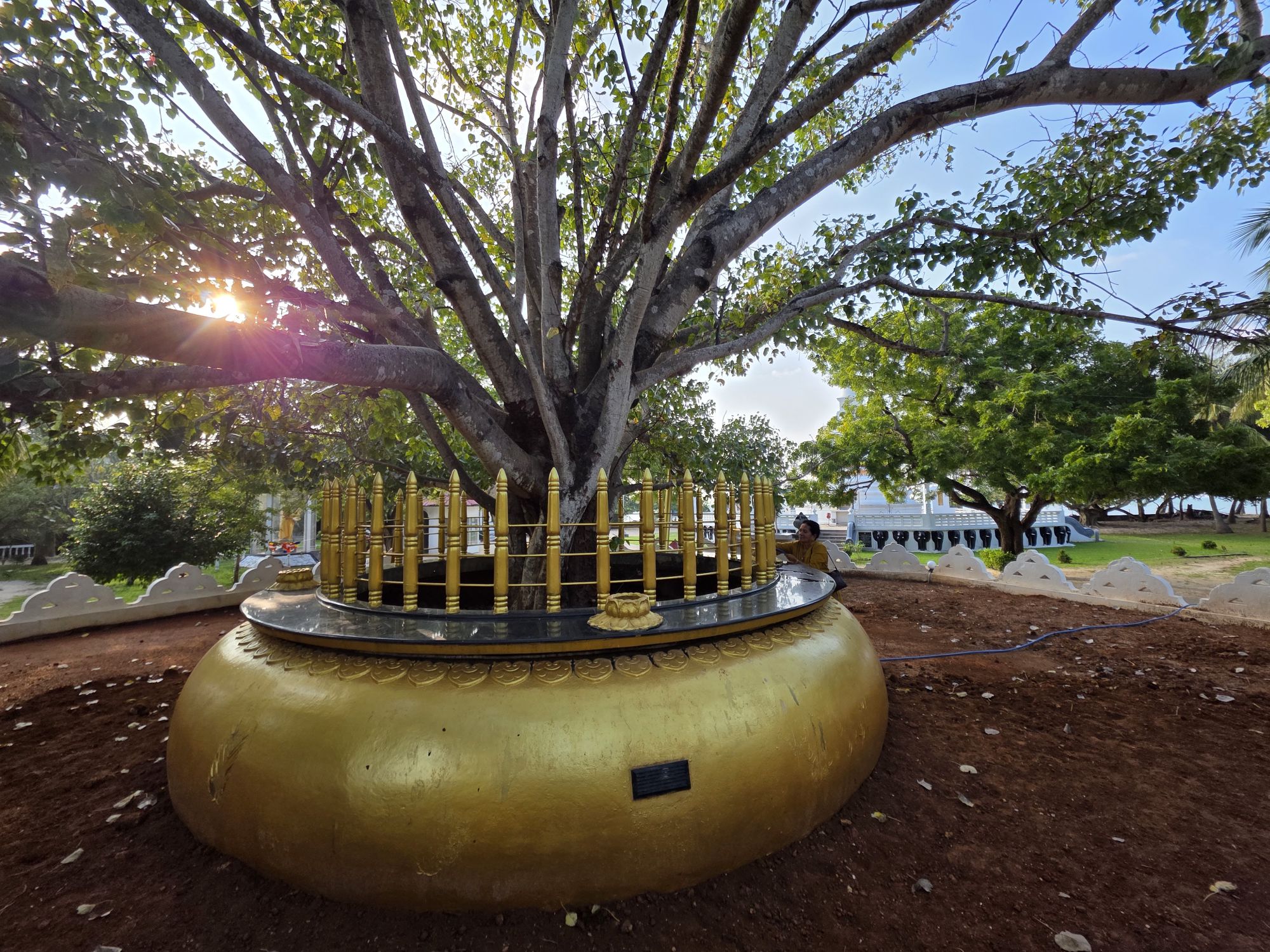
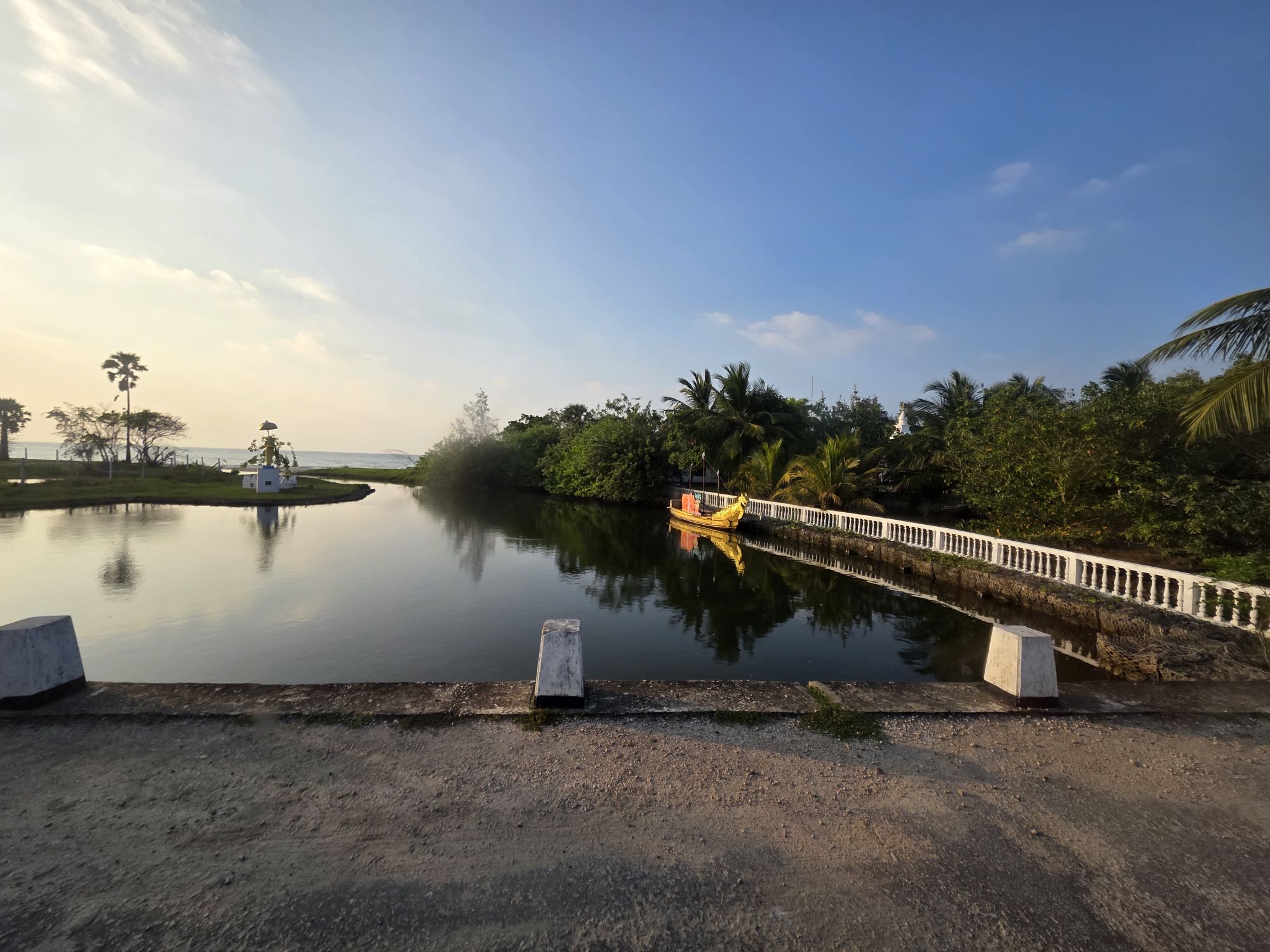
Dambakola Patuna is a historically important port in the northernmost beach of Sr Lanka. After Mahinda brought Buddhism to Sri Lanka in the 3rd century BC, his sister, Theri Sanghamitta arrived in Sri Lanka with a Sacred Bo Sapling one year later at this port.
The temple was built by King Devanampiya Tissa (3rd century BC) to mark the arrival of the Sanghamitta Theri and the sacred Bo tree sapling.
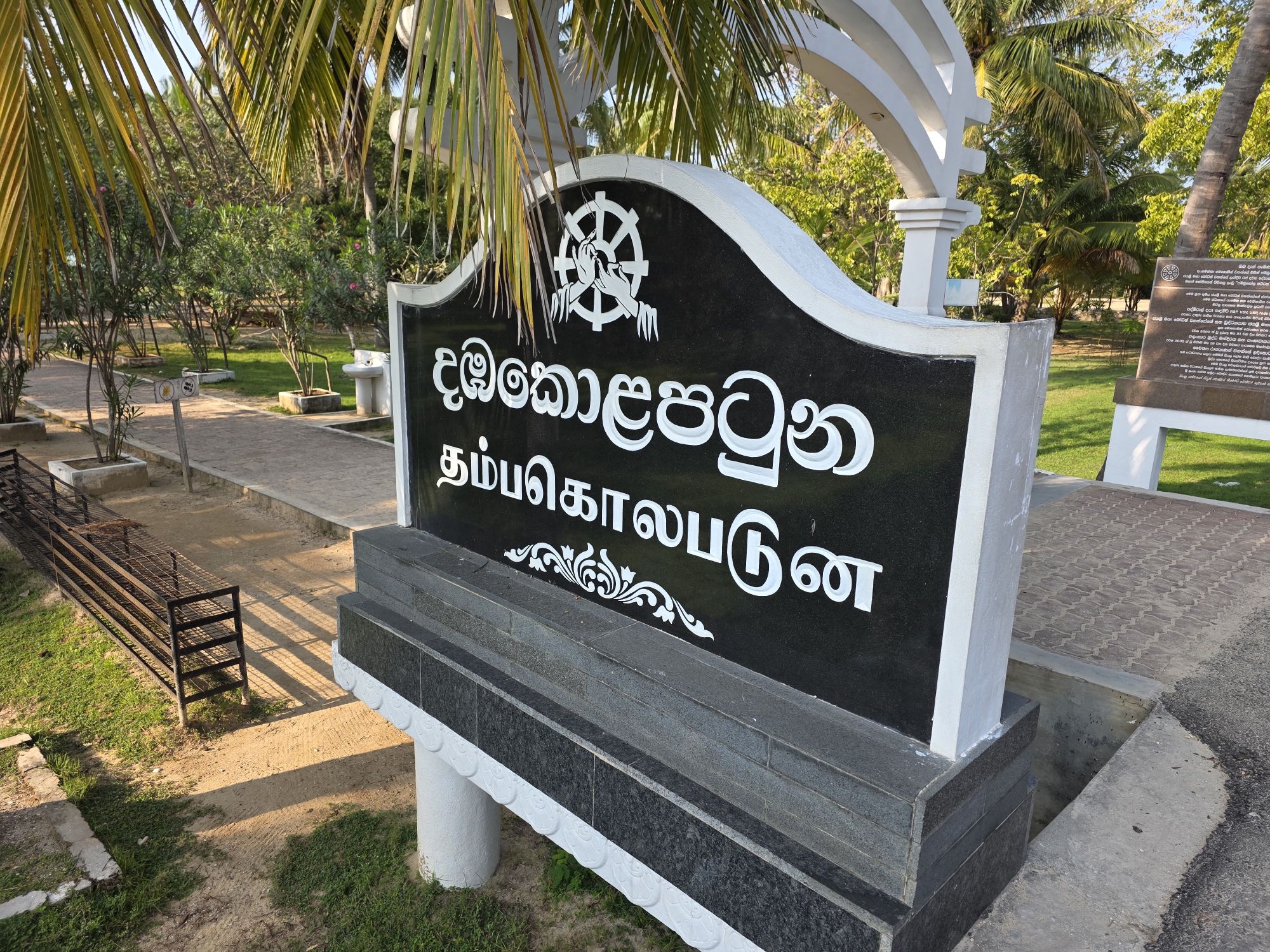
Tissa Vihara
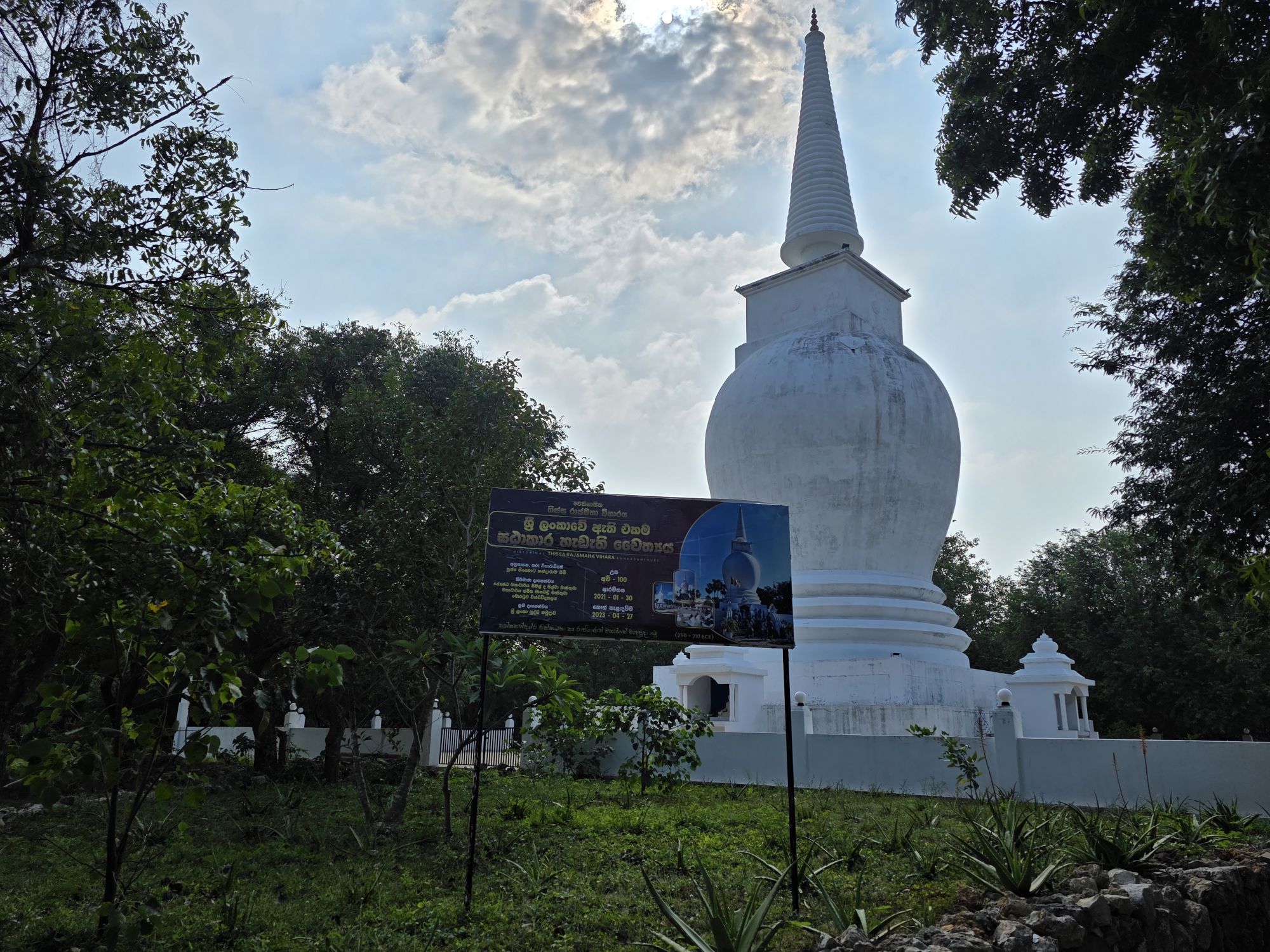
This is another small temple a dozen miles from Dambakola Patuna. Sri Lanka chronicles state that King Devanampiya Tissa transported the Bo tree sapling and nun Sanghamitta to the kingdom of Anuradhapura (about 200 km south of Jaffna) in great ceremony, and he built a commemorative chain of temples along the route. This is said to have been one such temple.
Keeramalai Pond
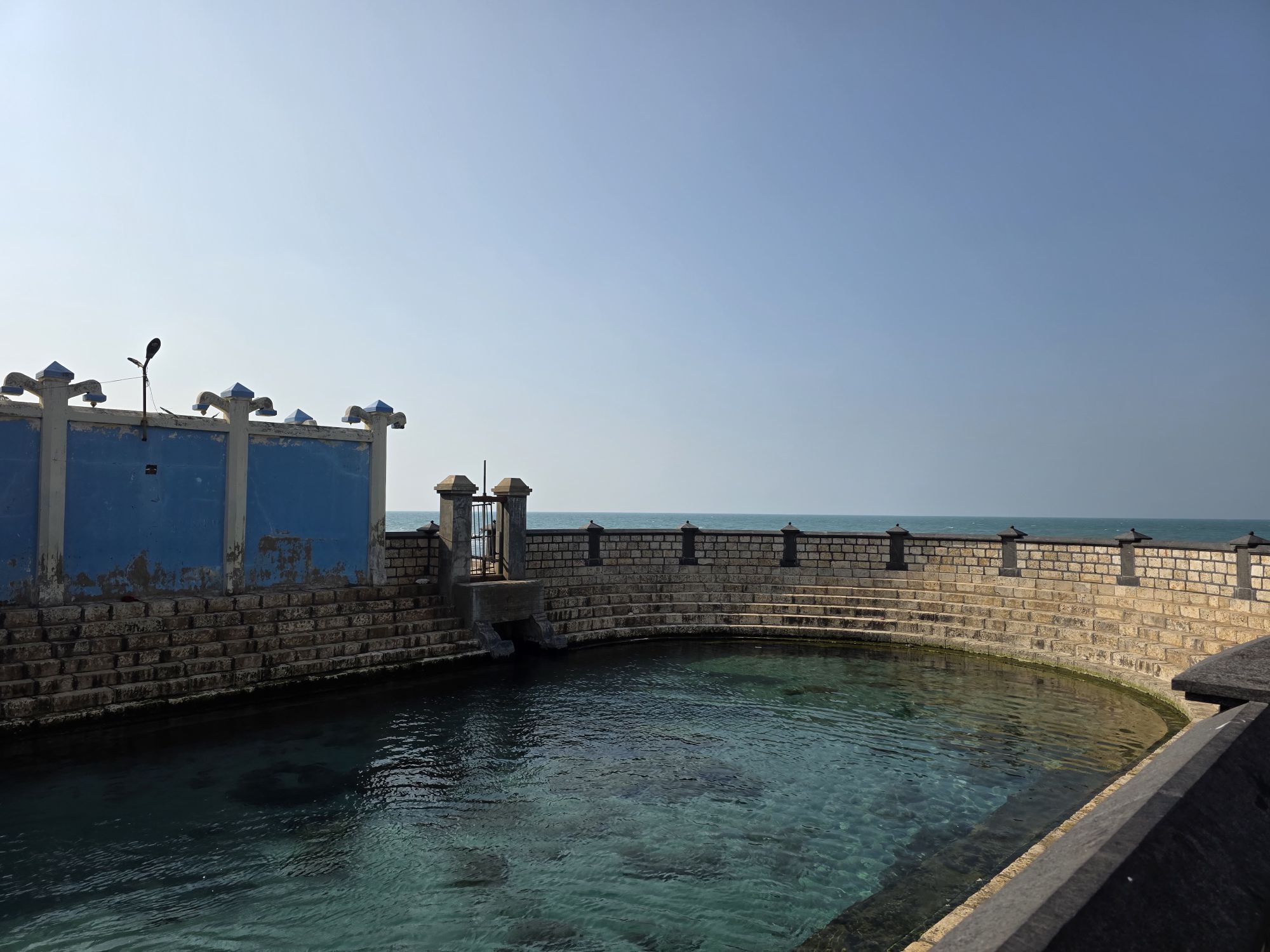
This is a freshwater lido by the coast in the Jaffna peninsula. Its waters are reputed to have mineral-rich, non-saline properties and healing powers. This bathing pool is a popular pilgrimage site situated next to the historic Naguleswaram Hindu temple. There are a pair of ponds – one for men and one for women.
Kadurugoda Temple
This is considered to be one of the most archaeologically important sites in the Jaffna peninsula. Relics dating back many thousands of years have been found on site. Lord Buddha is also said have rested here on his trip to nearby Nagadeepa.
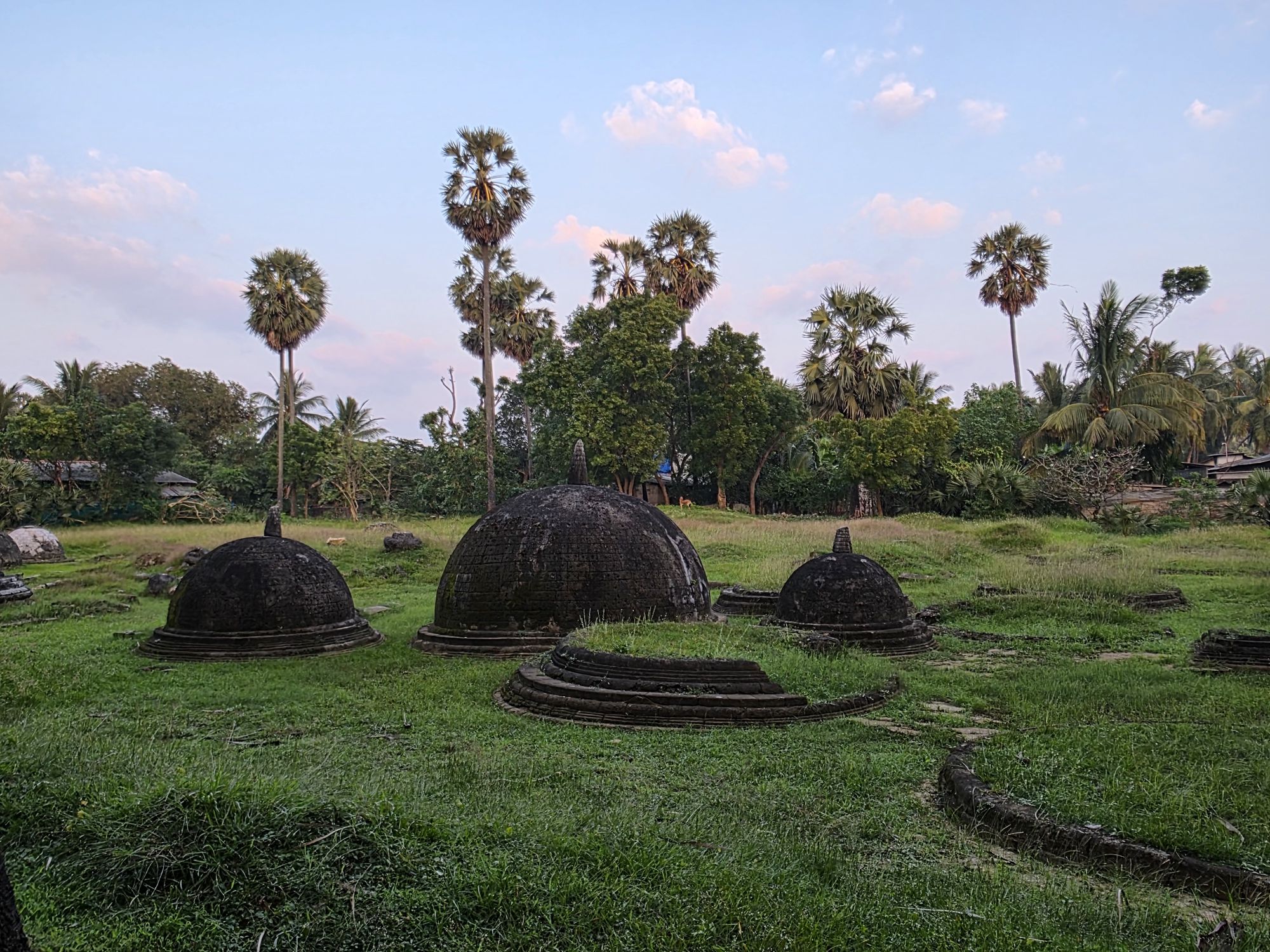
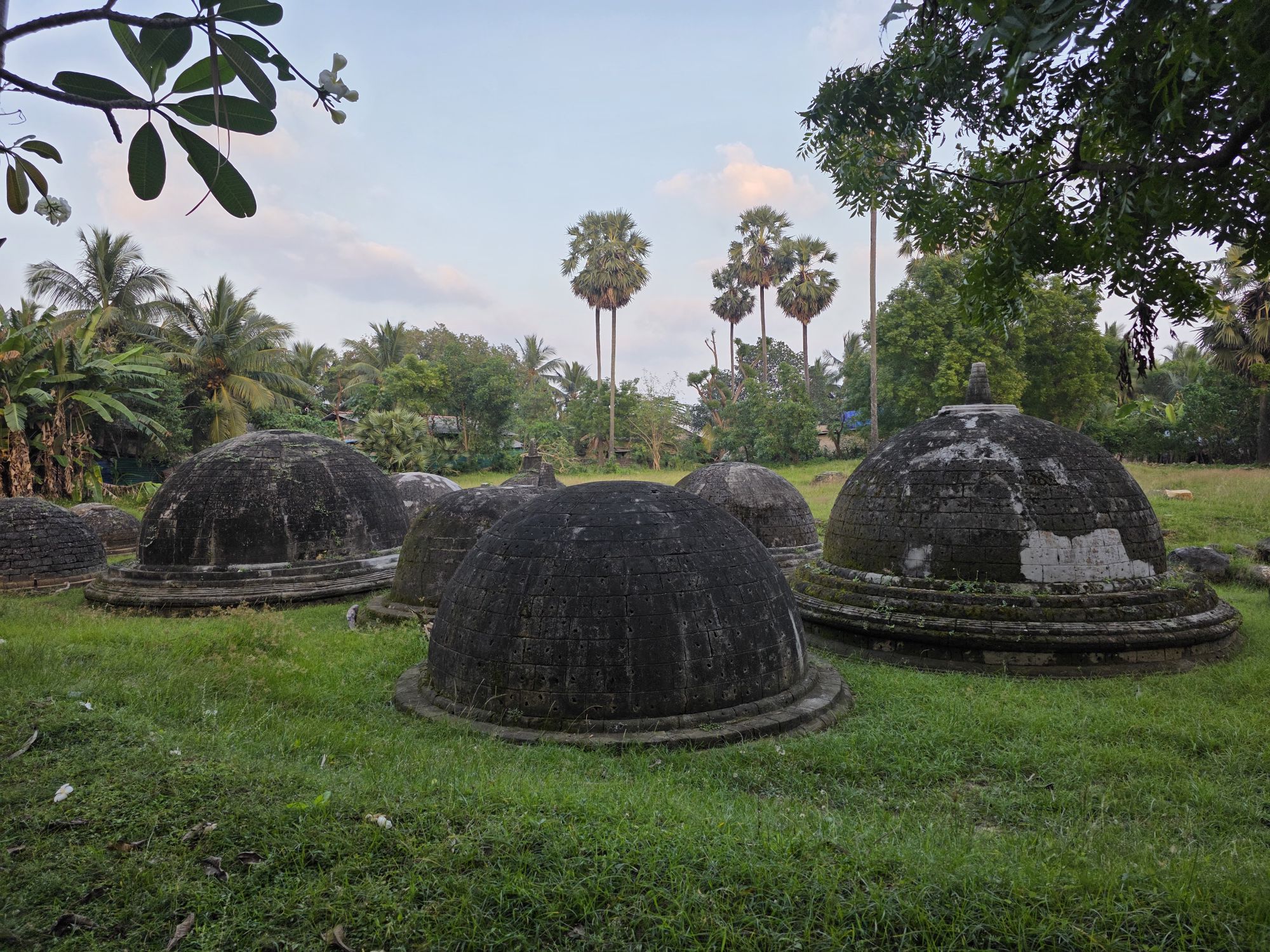
It is also a temple, but unlike the typical temples of Sri Lanka is has a number of round stupas. These are believed to be burial sites of 60 monks who perished from eating poisoned food. 57 stupas have been found to date during excavations.
By evening, we rolled into Jaffna city, tired but exhilarated, carrying with us a day full of northern adventures and memories etched on the tip of the island.
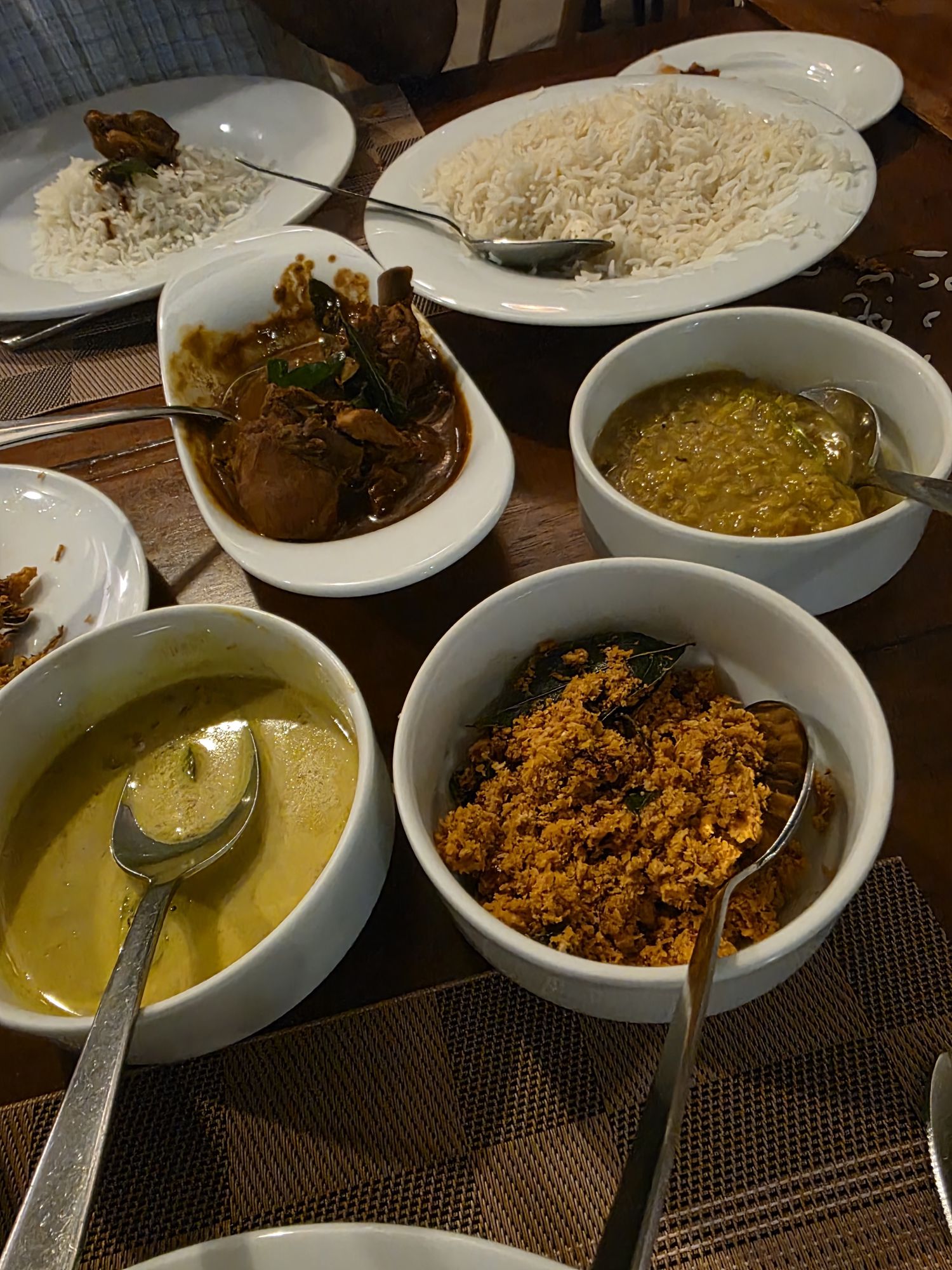
We are staying at the Jaffna North Gate Hotel. It is located in the centre of town, a stone’s throw from the main train station. The hotel is mid range and comfortable, but the real draw here is the food. The restaurant is excellent, especially when it comes to regional specialities.