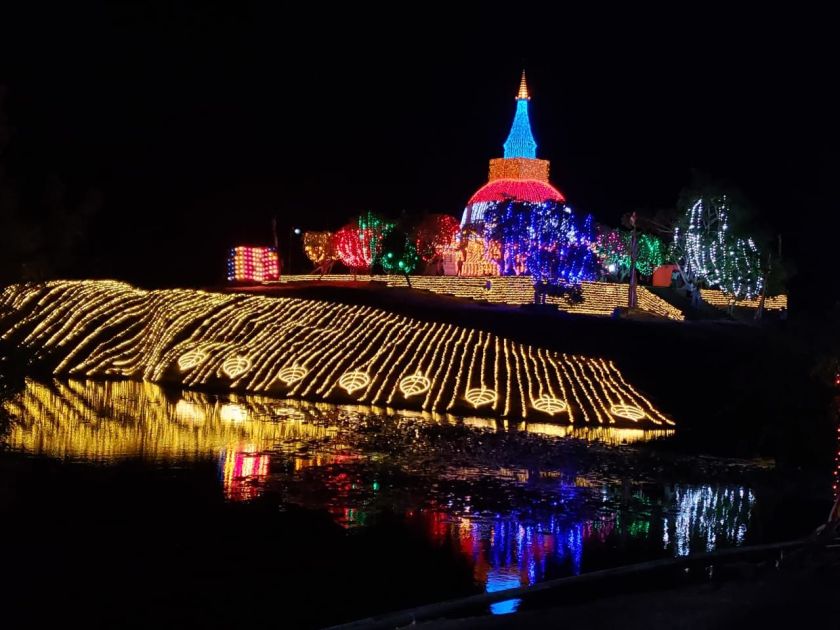
Where and When: Jaffna, Sri Lanka, January 2026
It’s the last day of our road trip, but leaving Jaffna is not easy. There’s still so much to see here. Delft Island, with its wild horses, is firmly on the “next time” list — a longer boat ride, a full day, and (I imagine) a completely different rhythm of life. But for now, the road was calling.
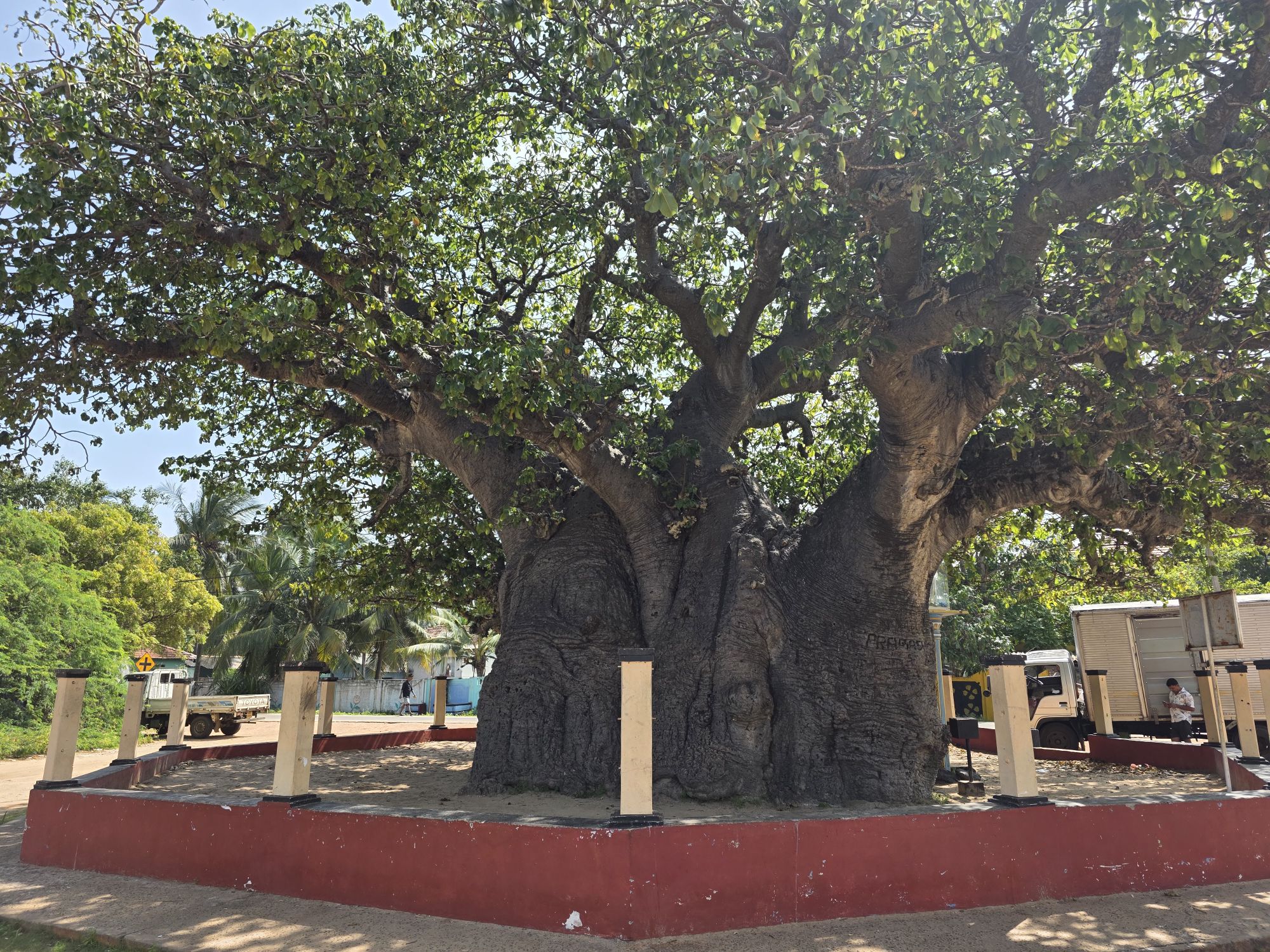
Instead of retracing our steps back via Anuradhapura, we chose a different route — one that would take us across the Sangupiddy Bridge and down through Mannar, exploring Sri Lanka’s Northwest region.
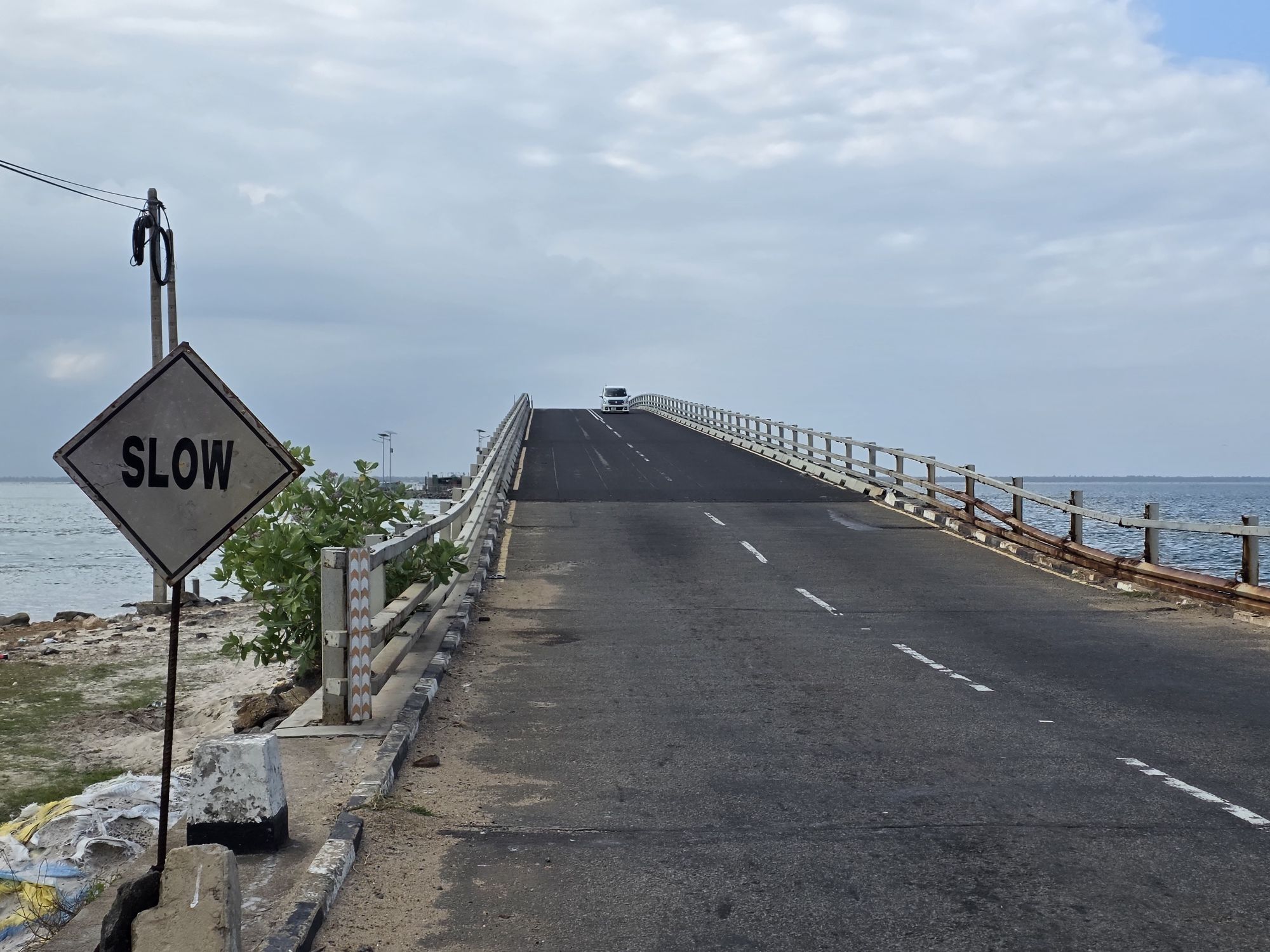
At one point, traffic slowed to a crawl — not because of congestion, but because farmers had claimed one lane of the road to dry their rice harvest. Golden grains stretched across the tarmac, baking in the sun, as vehicles carefully edged past. It’s the kind of scene that would feel chaotic anywhere else, but here, it somehow just works.
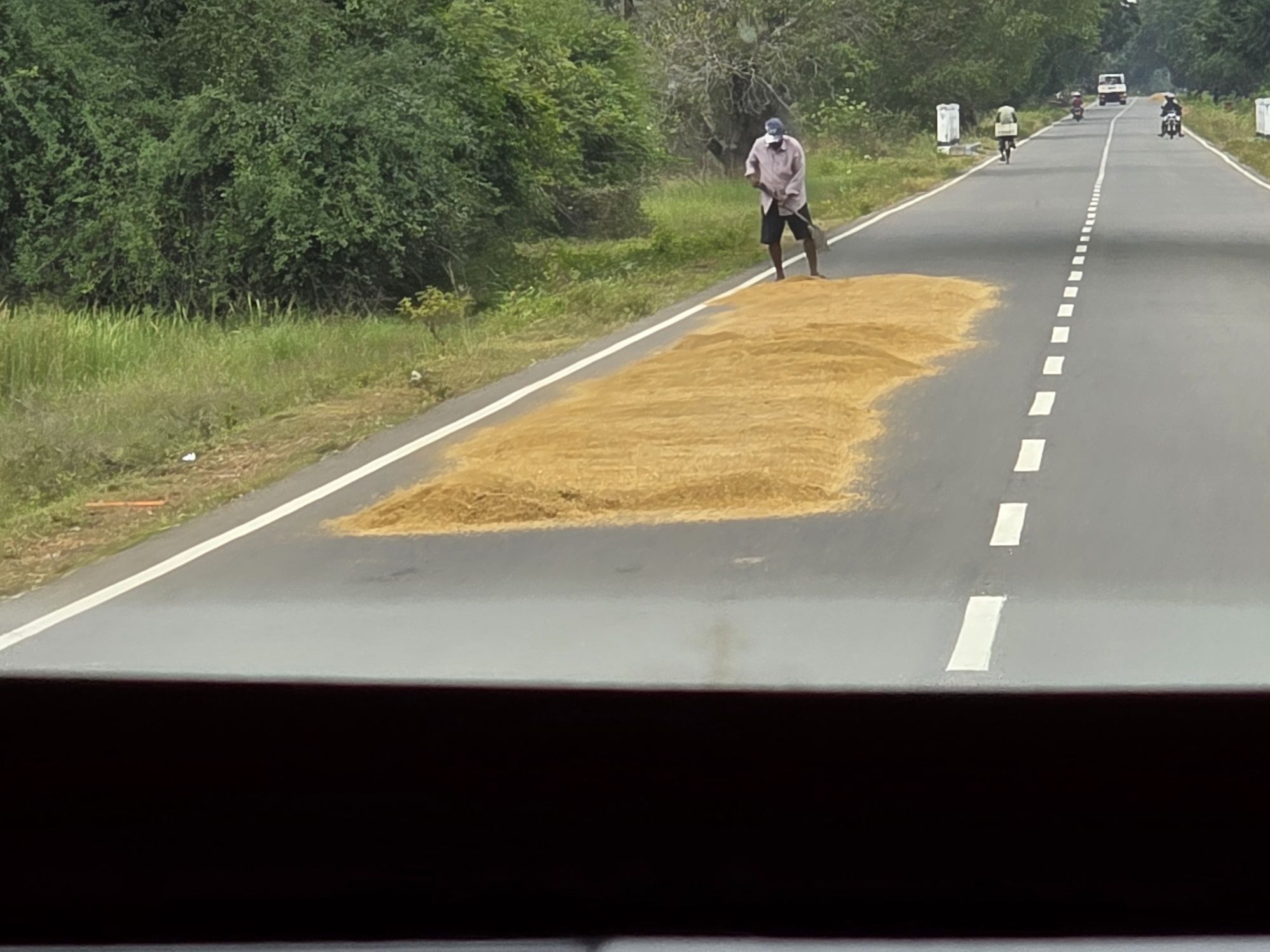
Our main reason for heading towards Mannar? A tree. But not just any tree — the legendary baobab. Standing at around 10.5 metres tall with a circumference of over 21 metres, it’s impossible to miss. Estimated to be between 700 and 800 years old, the tree is believed to have been brought here by Arab traders sailing from Africa centuries ago. It feels oddly out of place — and yet completely at home.
Then came an unexpected detour.
We were just 30 kilometres from Talaimannar — the closest point in Sri Lanka to India, and the fabled “Ram Setu” Bridge from the Indian epic “Ramayana” — and curiosity got the better of us. The further we drove, the more the landscape shifted.
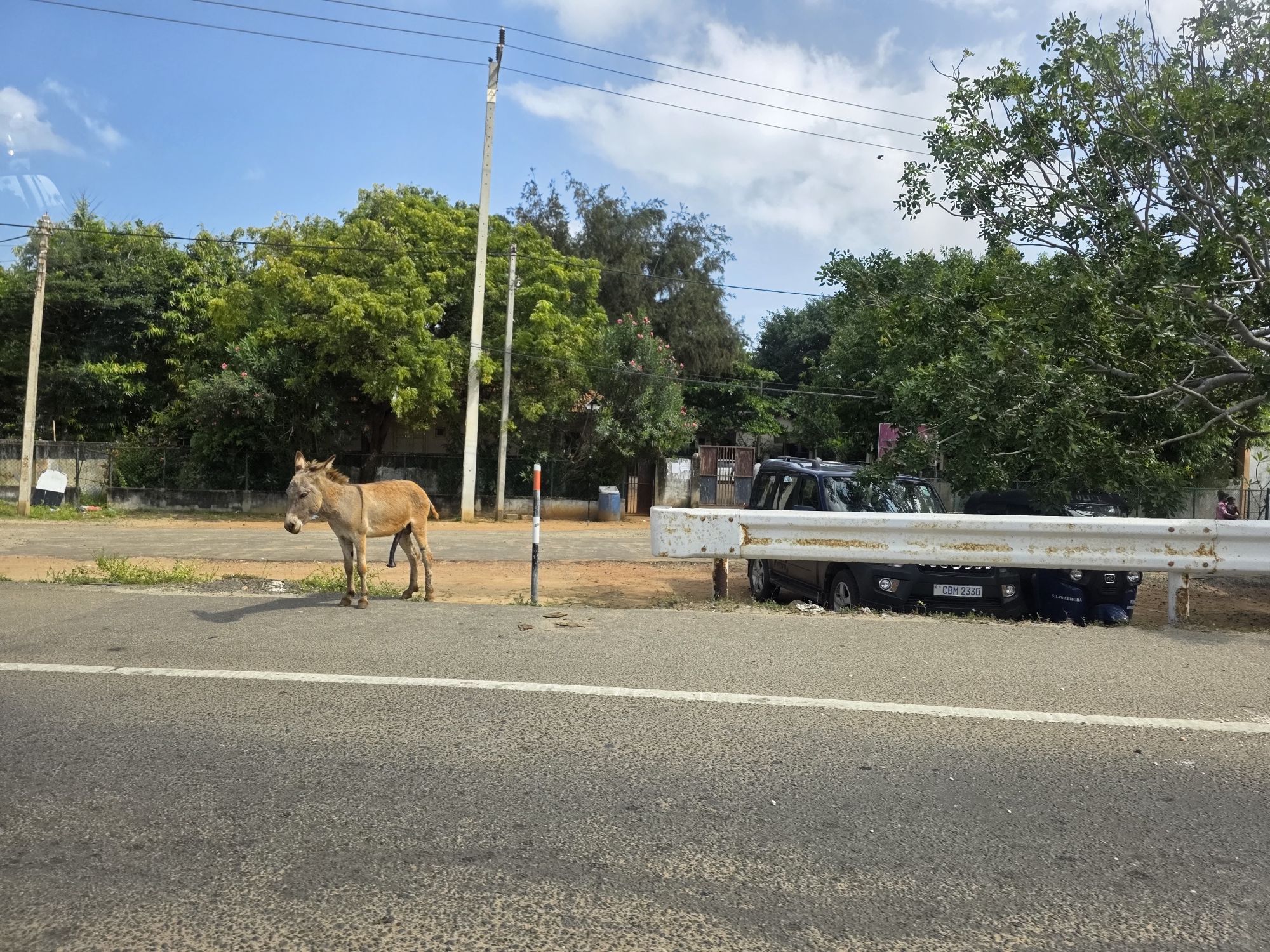
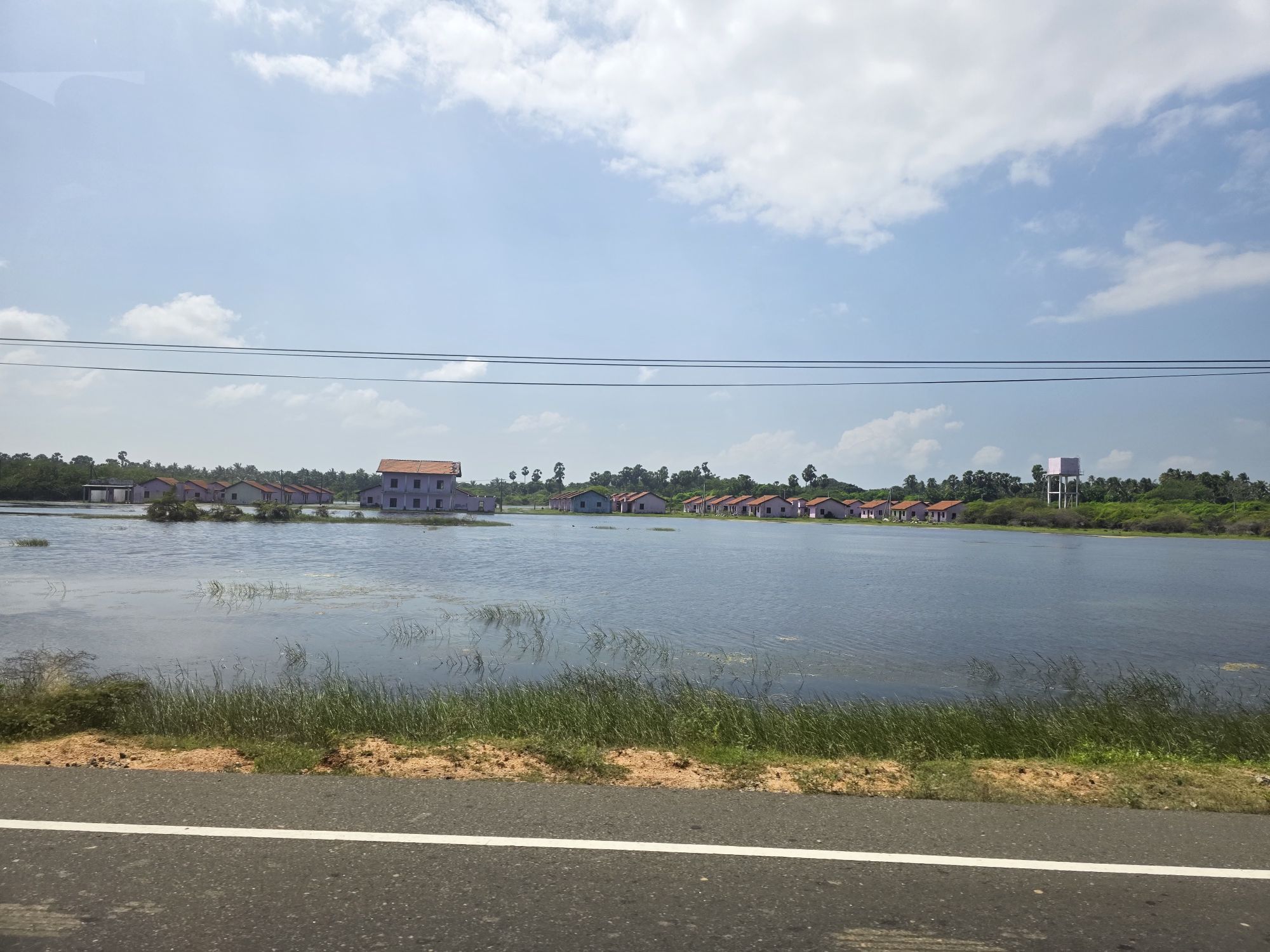
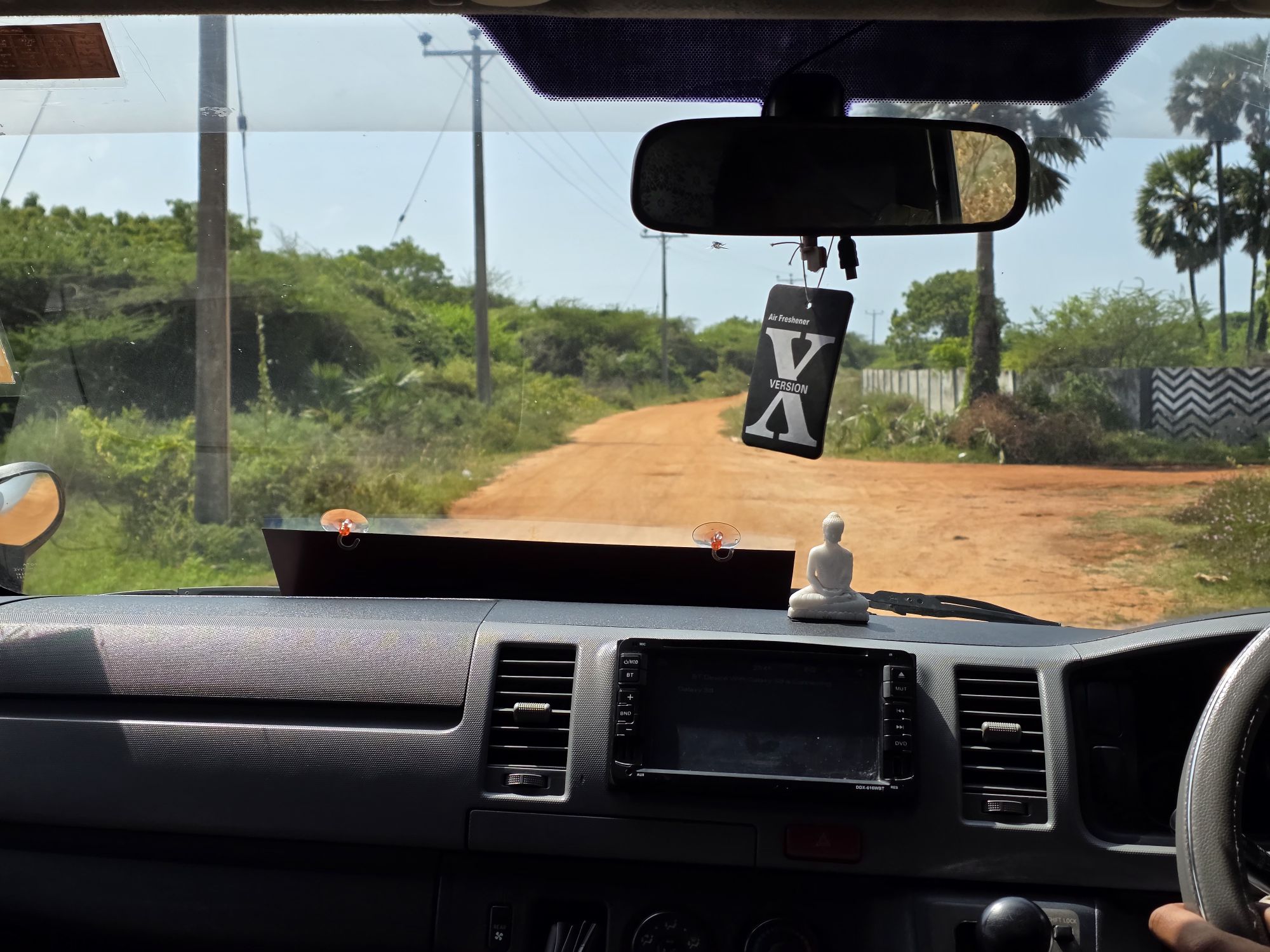
Roads narrowed, tarmac faded into dirt, and eventually into soft, pale sand. The final stretch wasn’t drivable — so it was 15-minute walk under the midday sun.
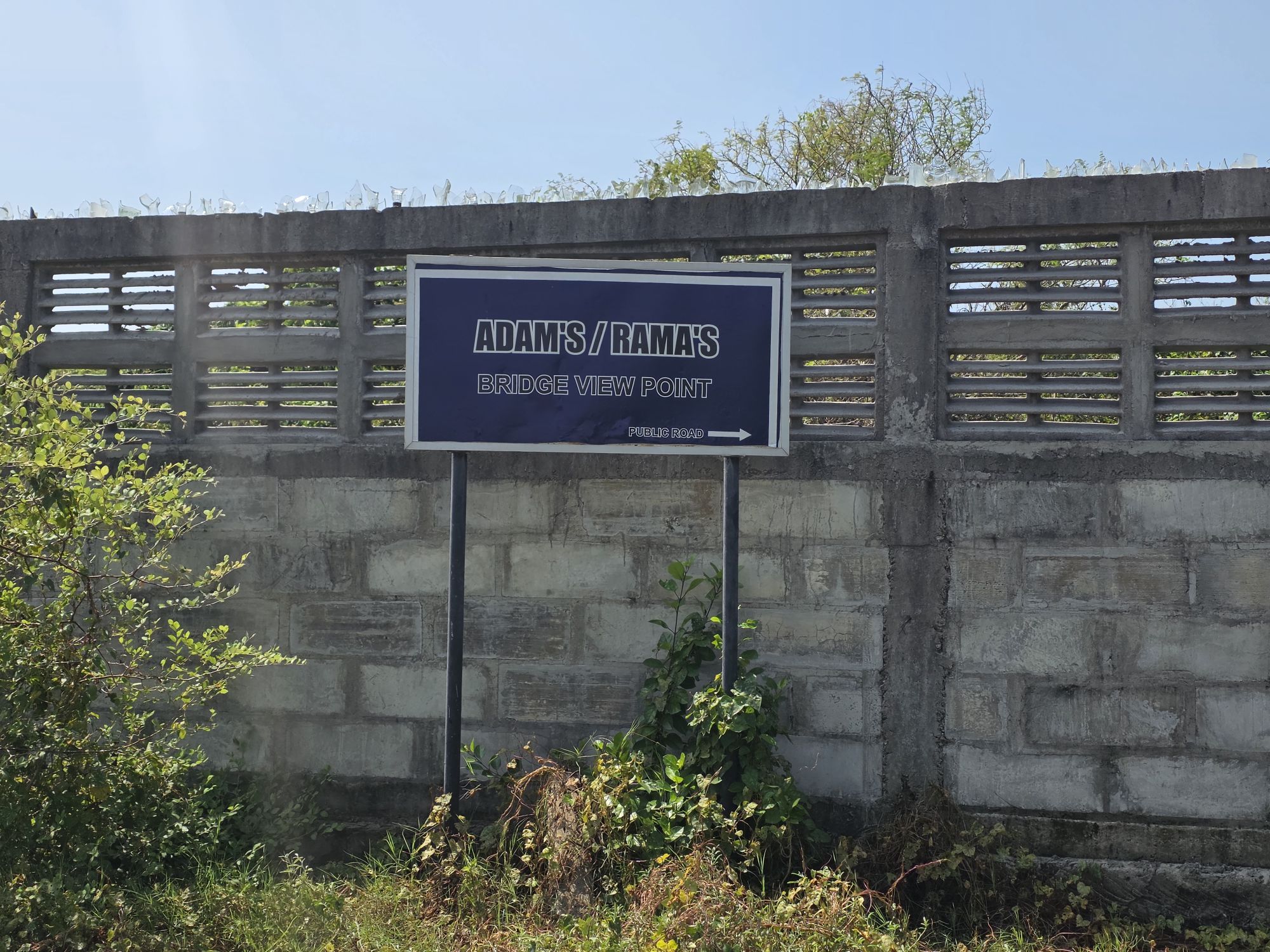
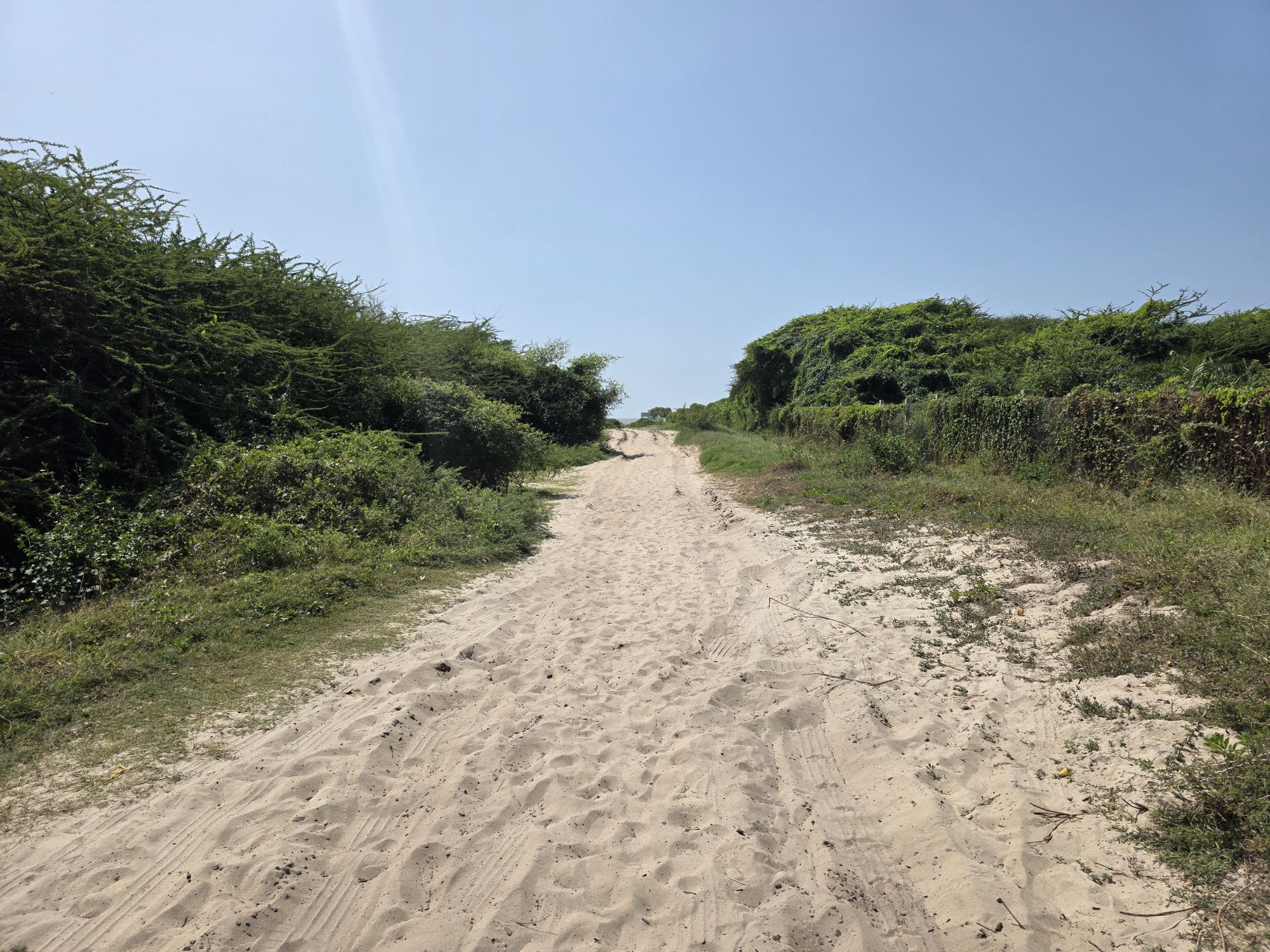
At the end of it, the reward: a raw, untouched coastline where sandbars stretch out towards the horizon. And there, faint but unmistakable, was a shadow on the edge of the sea — India. This is the legendary Ram Setu or Adam’s bridge from the indian fable Ramayana.
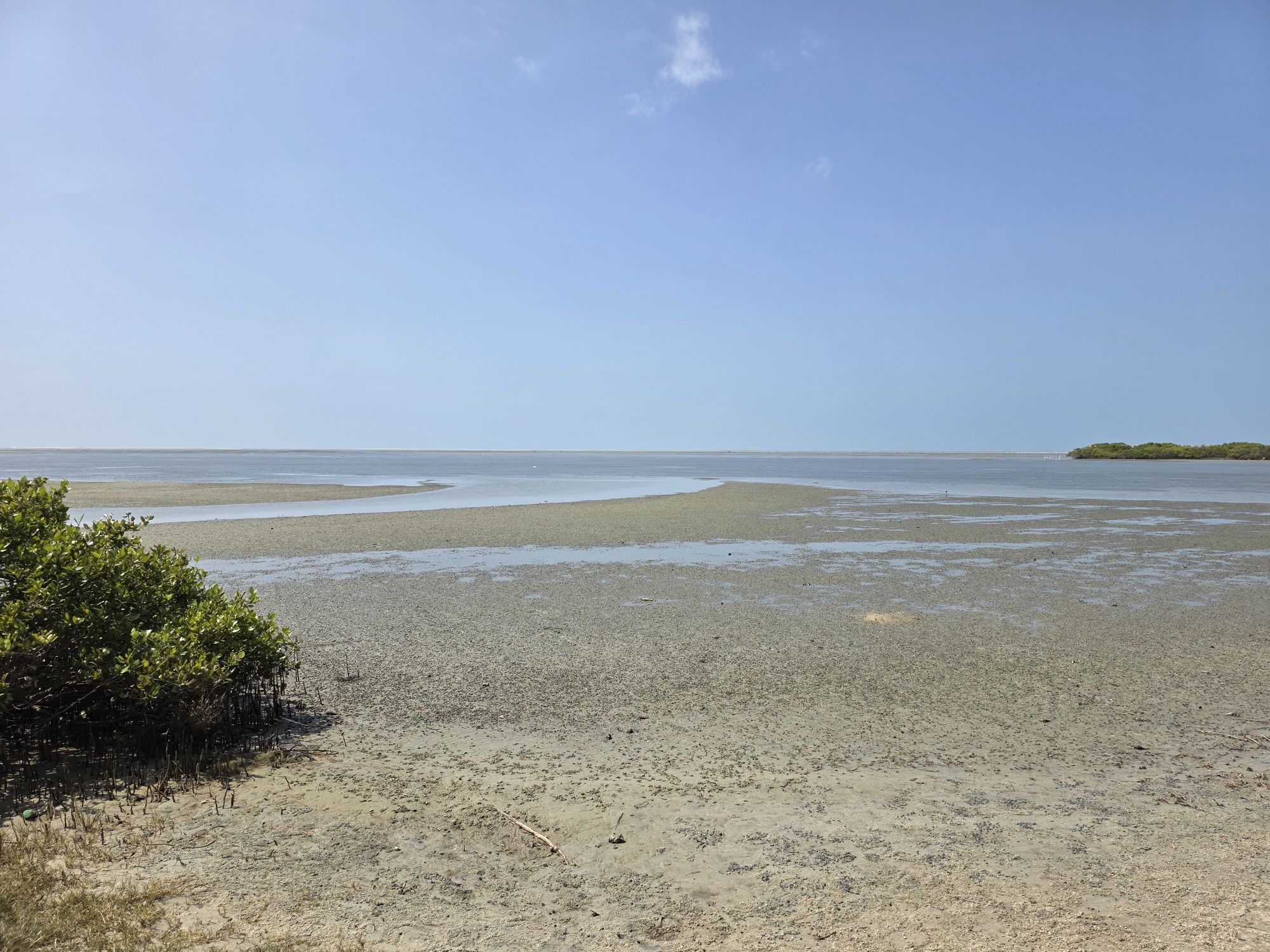
It didn’t feel like a tourist destination. There were no crowds, no signs, no infrastructure. Just wind, sand, and that quiet sense of standing at the edge of something significant.
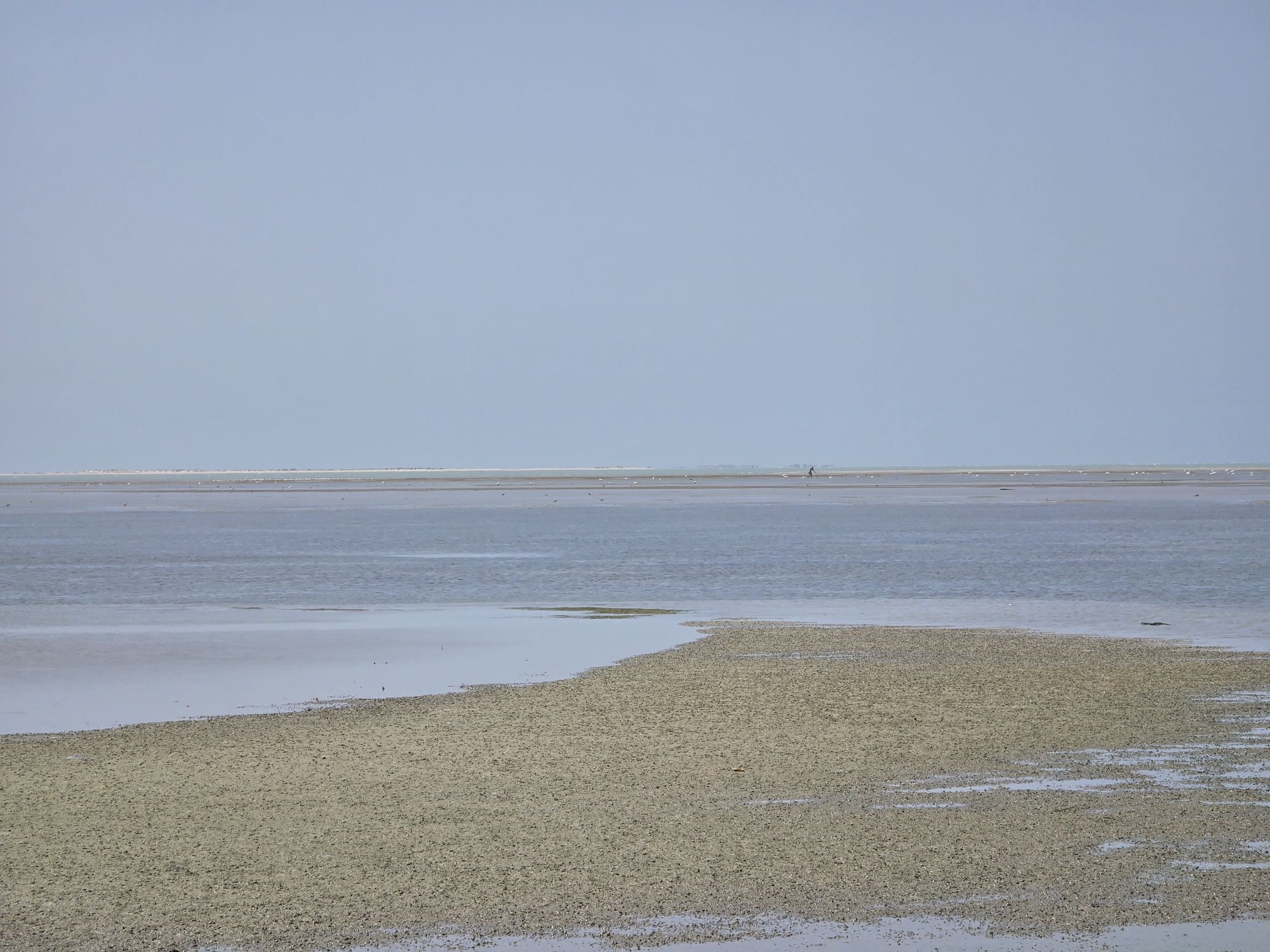
It’s the kind of place that lingers in your mind. The kind that makes you think, “I’ll be back.” Maybe next time with more time — and perhaps a dune buggy to explore those sandbars a little more closely.
From there, we continued south to Thanthirimale — one of the oldest and most historically rich sites in Sri Lanka. This area holds layers of history that stretch far beyond what you first see.
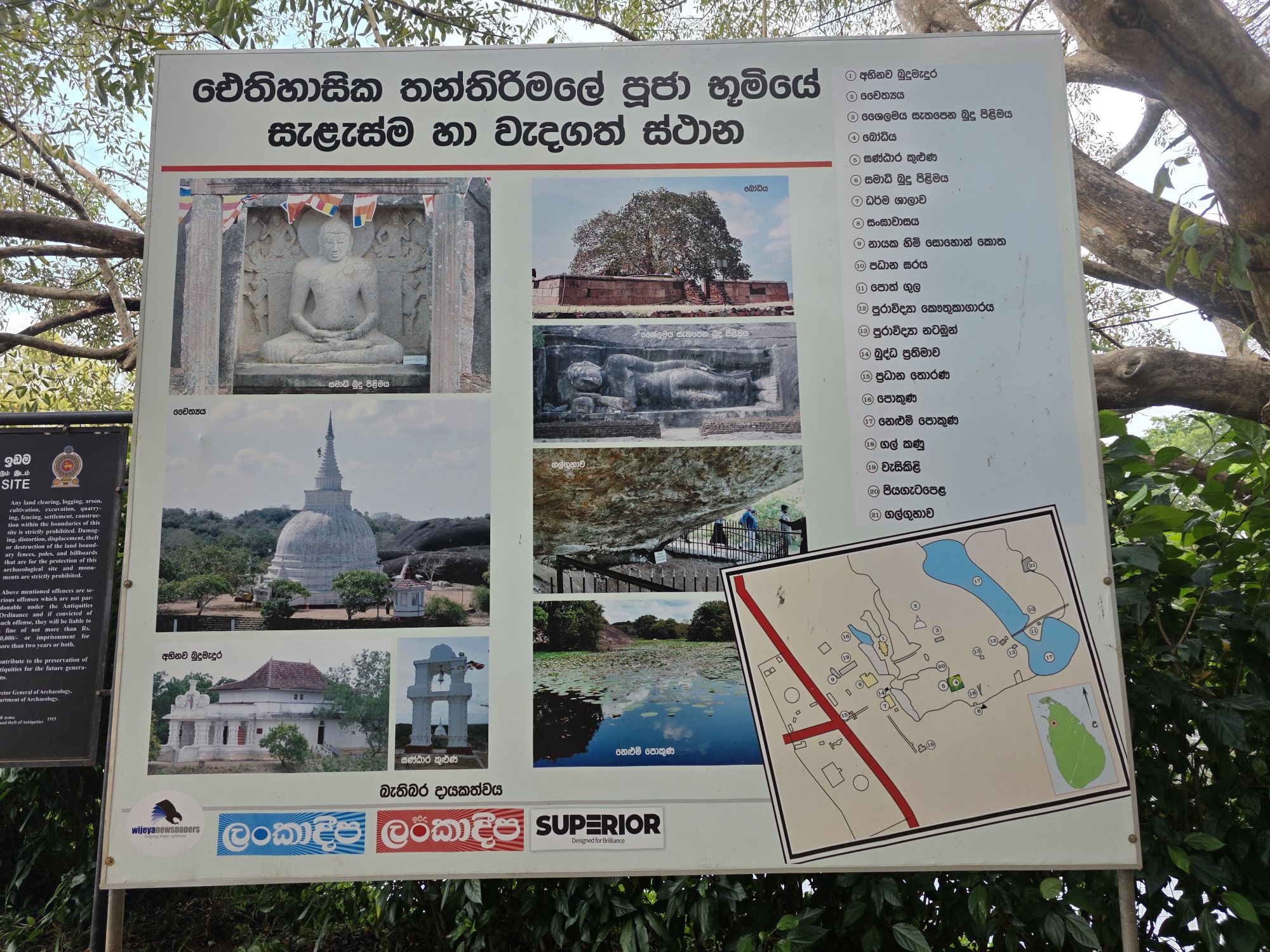
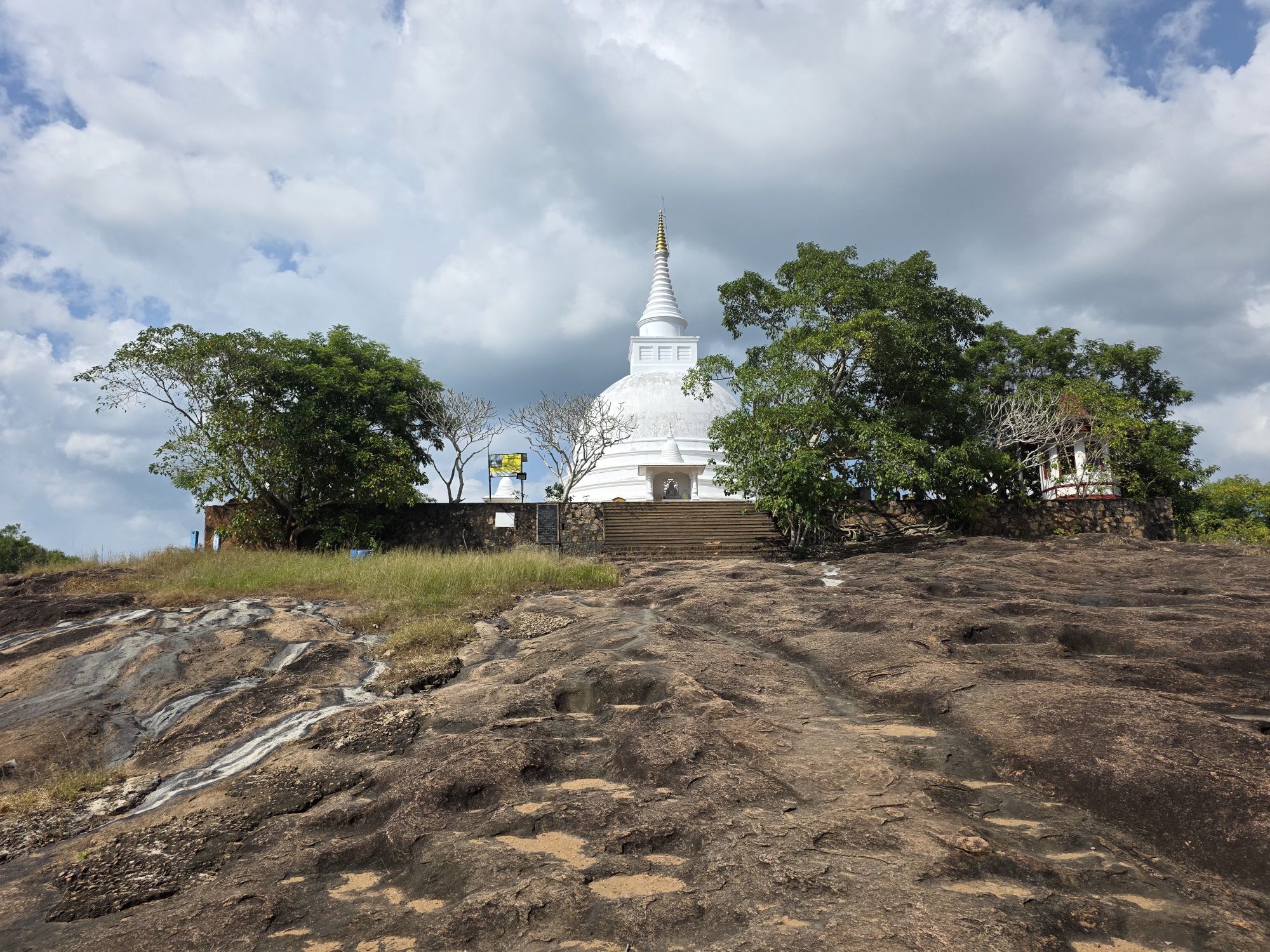
A temple complex built into a rocky and wooded landscape.
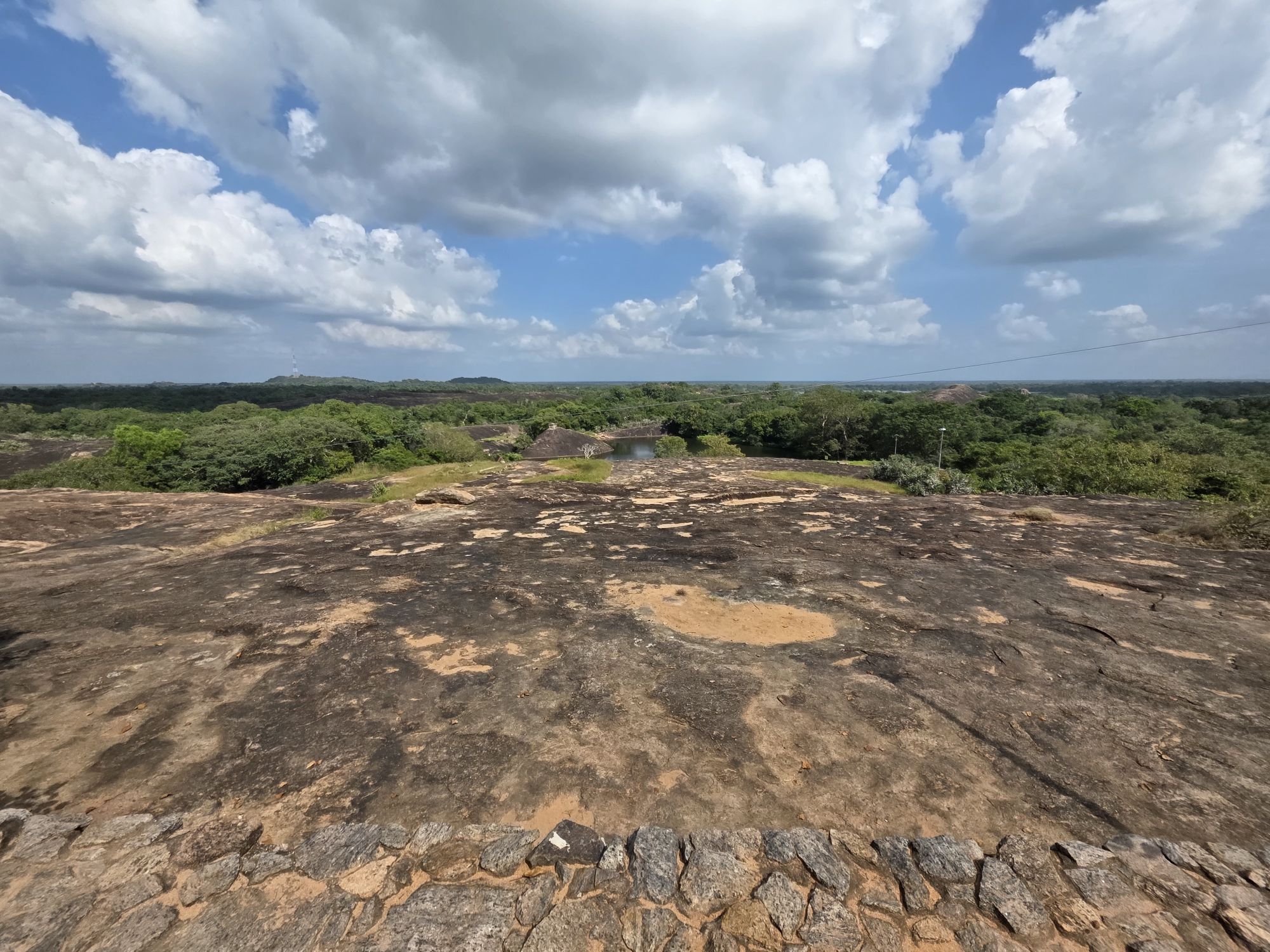
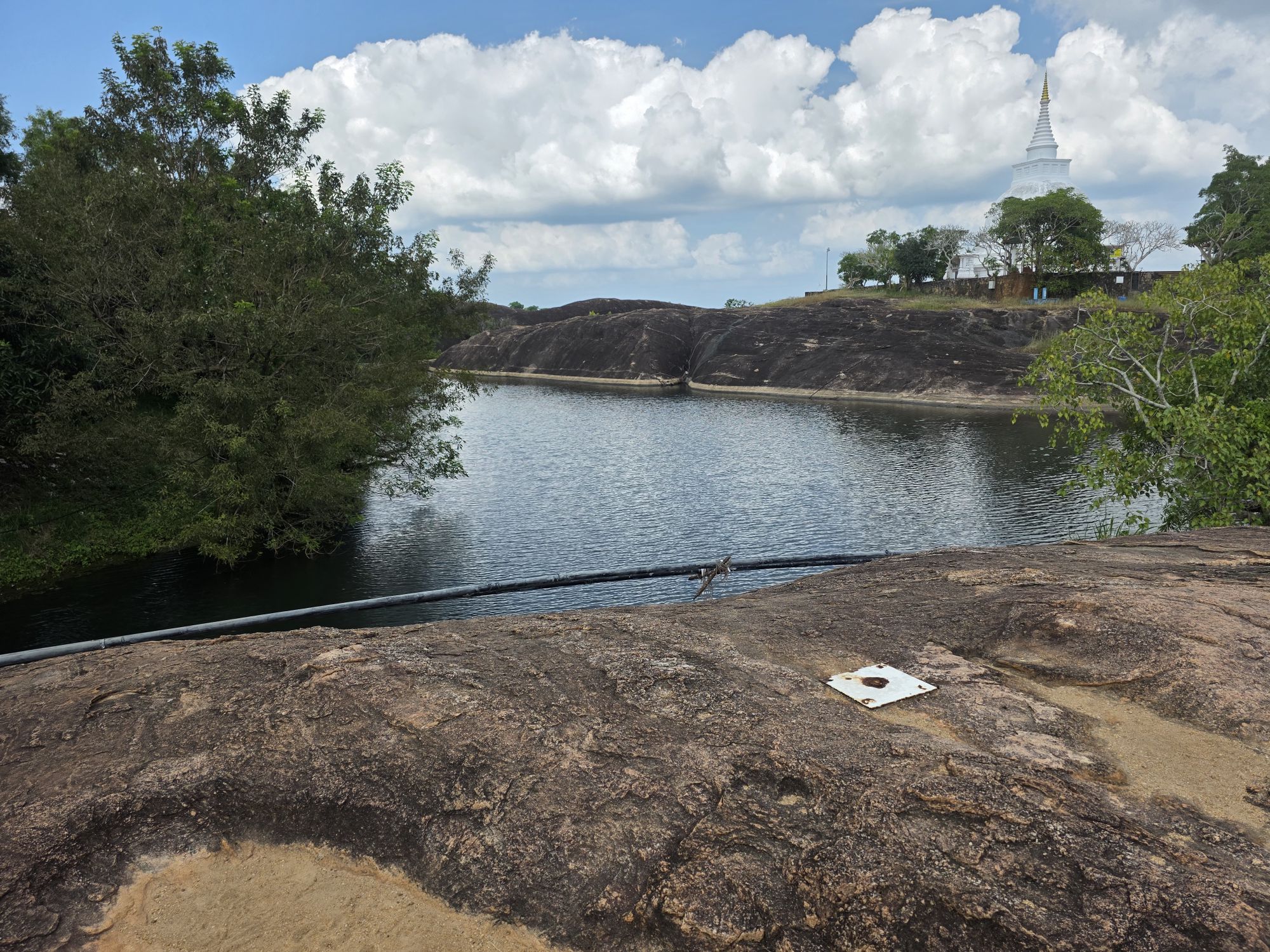
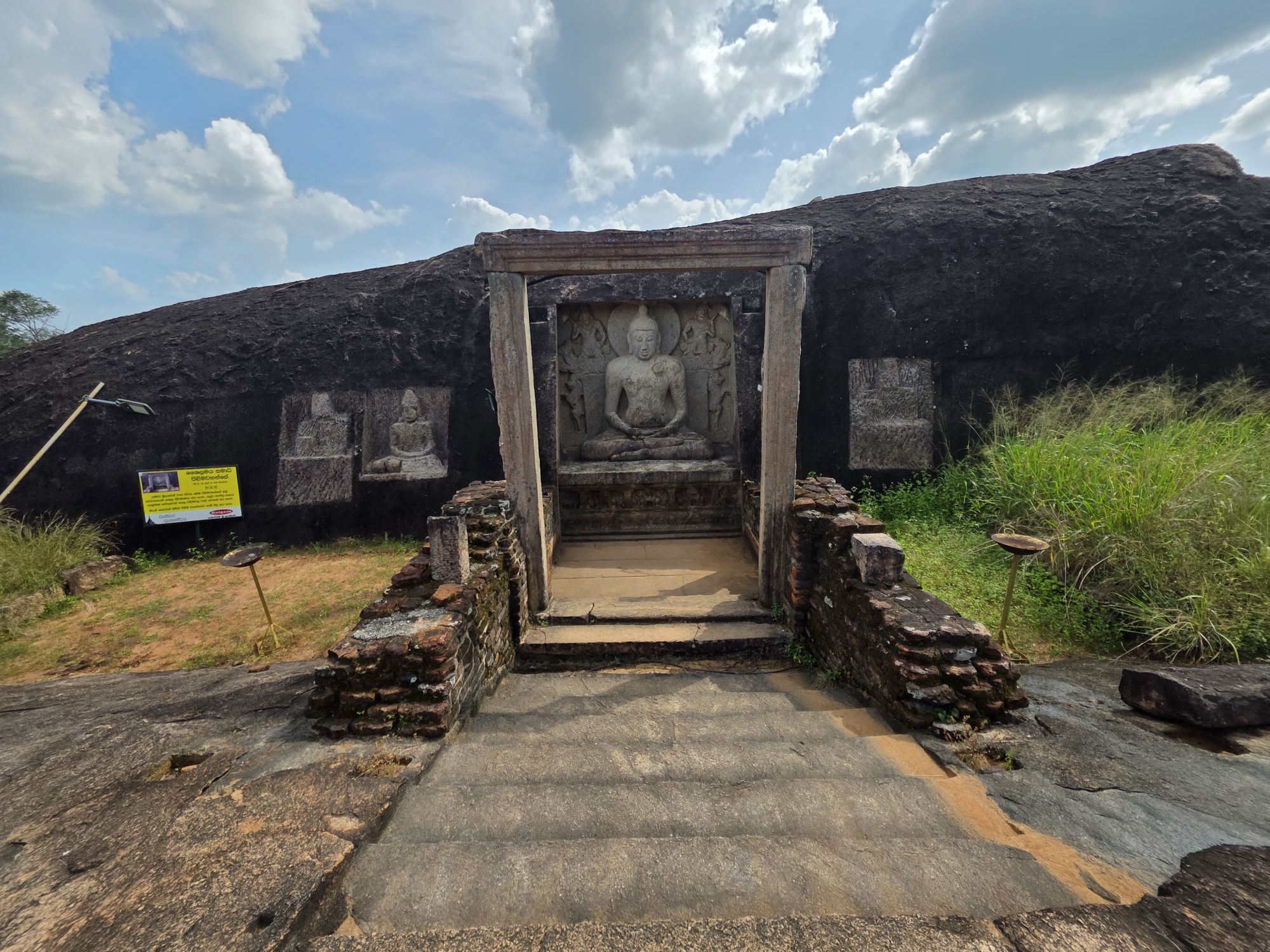
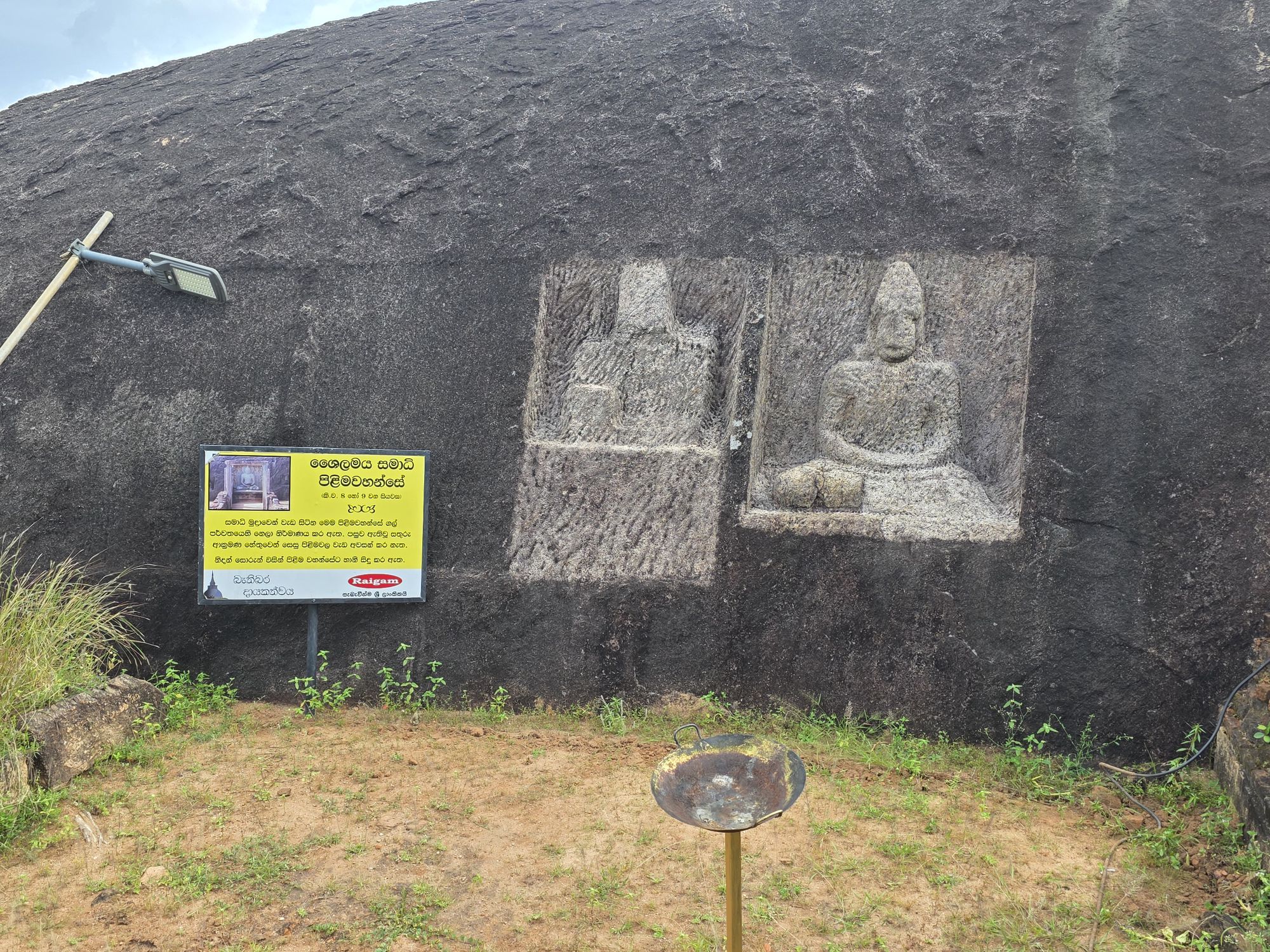
There are caves here with ancient drawings, and the region is closely tied to the island’s earliest stories. It’s believed that Prince Vijaya — the figure often associated with the founding of Sri Lankan civilisation — landed not far from here, and that one of his ministers established one of the island’s first settlements in this very area, long before Anuradhapura became the capital.
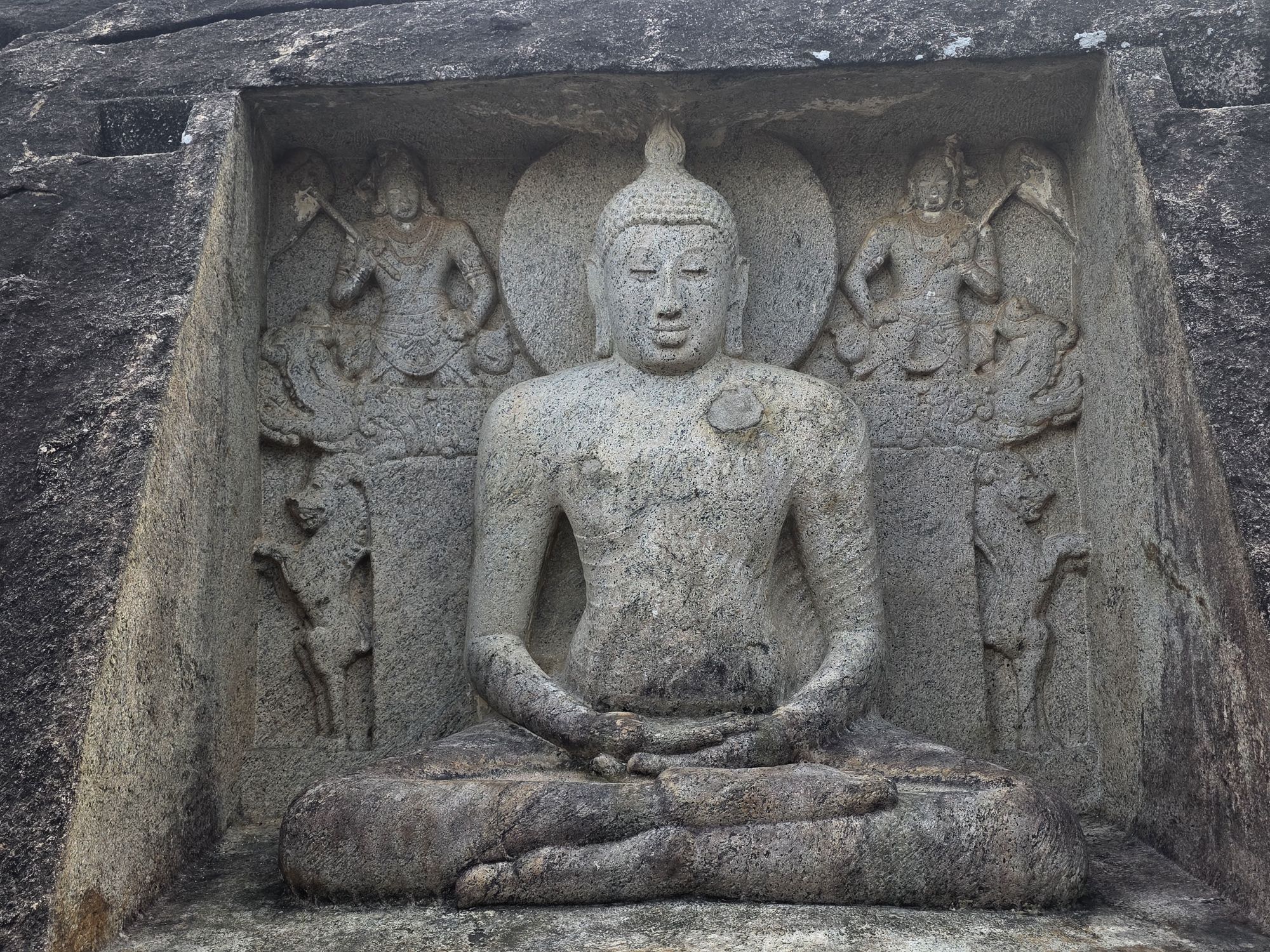
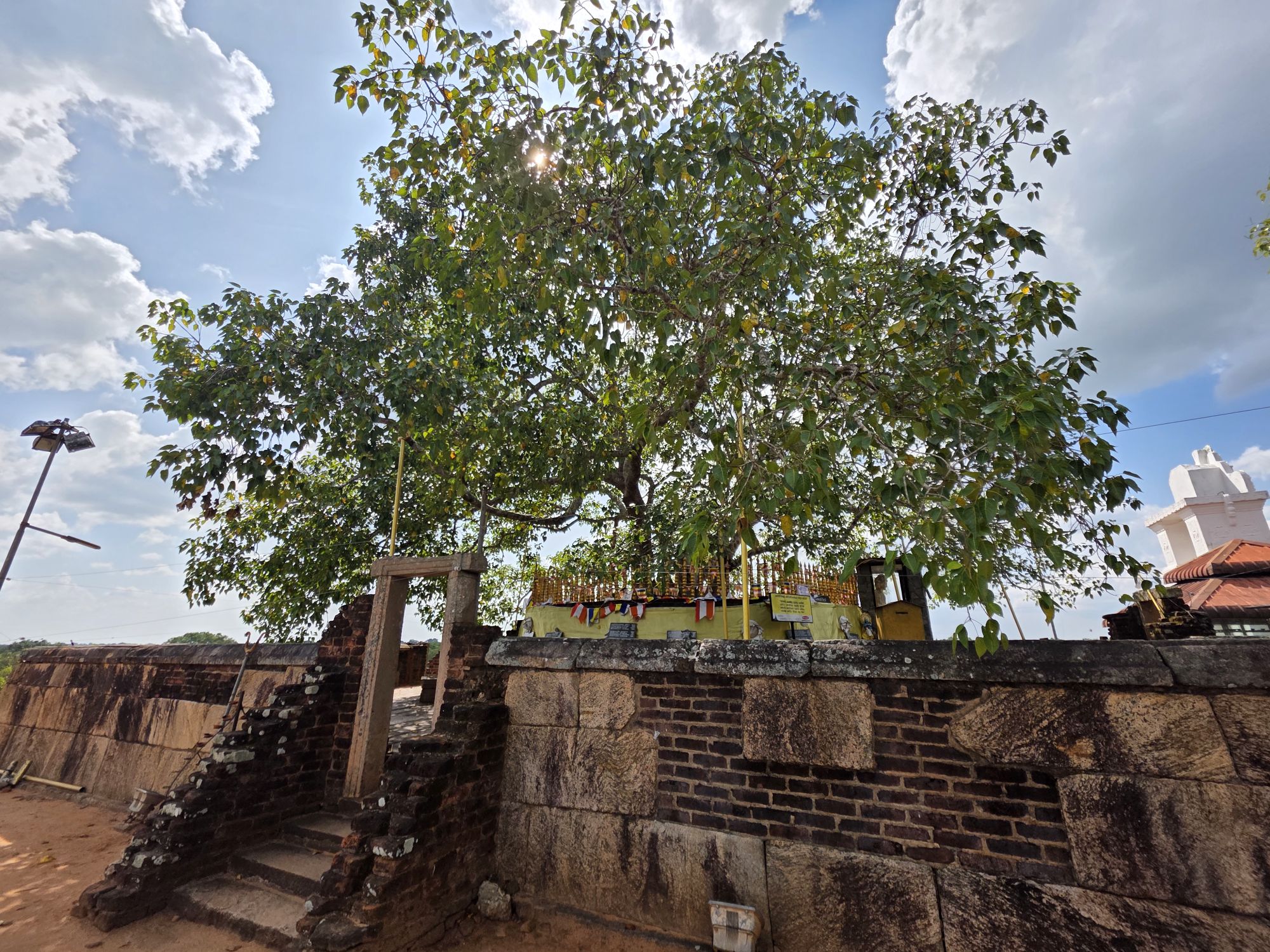
Thanthirimale is also linked to the sacred Sri Maha Bodhi tree. When the sapling was brought from India to Anuradhapura, it’s said to have rested here for a night. A branch from that very sapling was planted on a large rock plateau, where it still stands today.
We didn’t have nearly as much time here as we would have liked. Colombo was still several hours away, and the light was beginning to shift. But even a brief visit was enough to leave an impression.
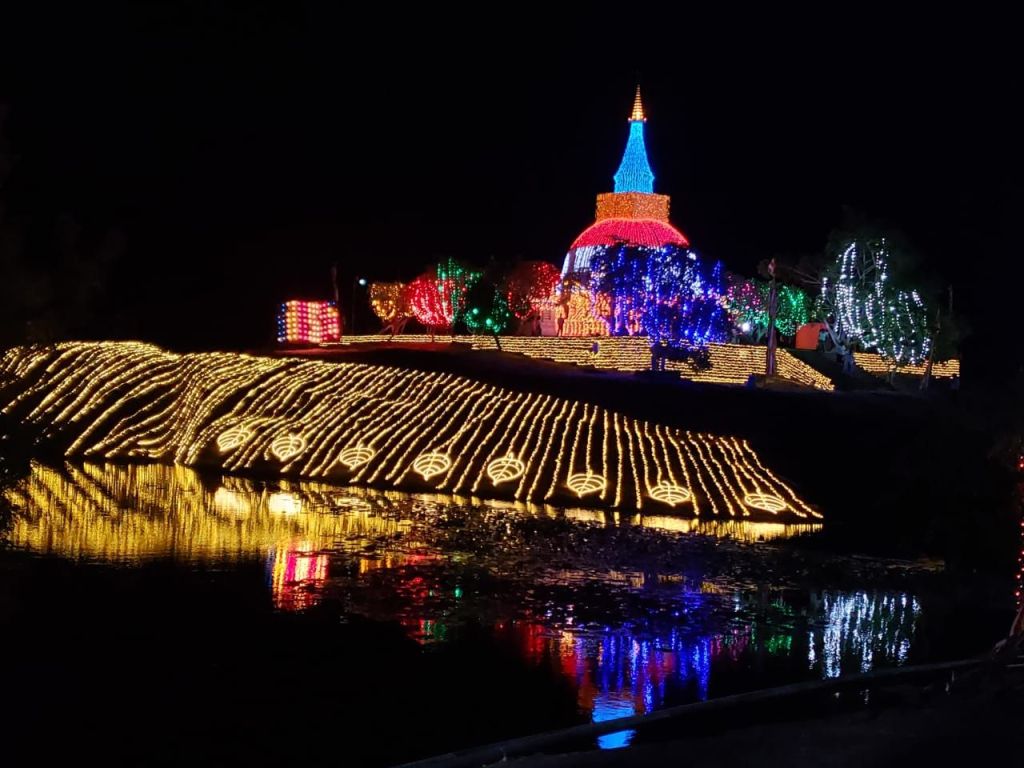
This part of Sri Lanka feels different. Less visited, less polished — but more natural. Between the ancient history, the nearby Wilpattu National Park (one of the least visited in the country), and the stories still buried in its landscapes, it feels like a place that deserves more than just a passing stop.
And maybe that’s the theme of the day. Not ticking things off — but discovering just enough to know you need to come back.

