Where and When: Vienna, Austria, April 2026
Although I had been to Vienna before in December, this was my first visit in the Spring (and mostly in daylight), so I was keen to make the most of it.
I headed to Schönbrunn Palace in the morning and went on a walking tour of the Vienna centre in the afternoon.
Schönbrunn Palace
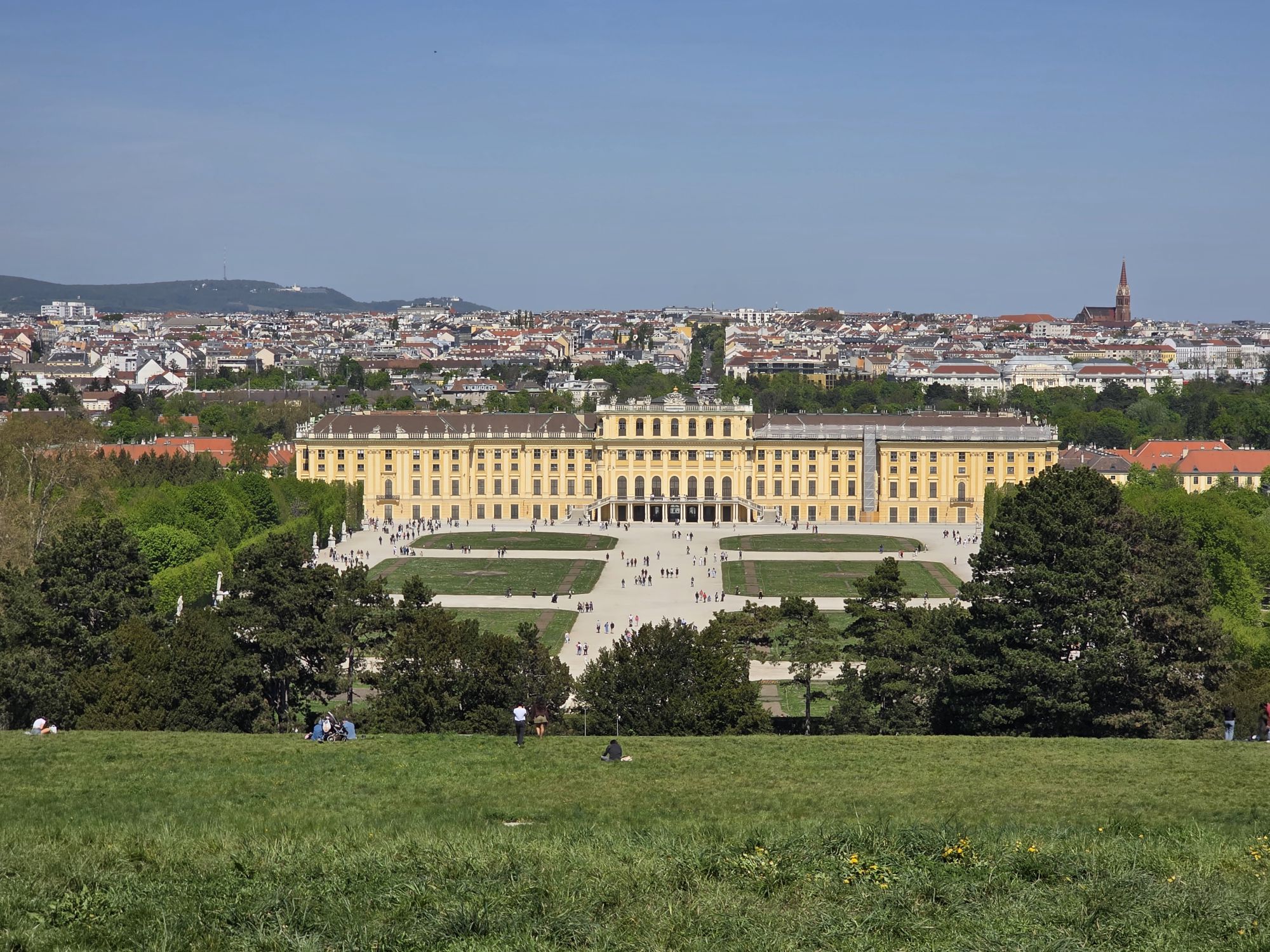
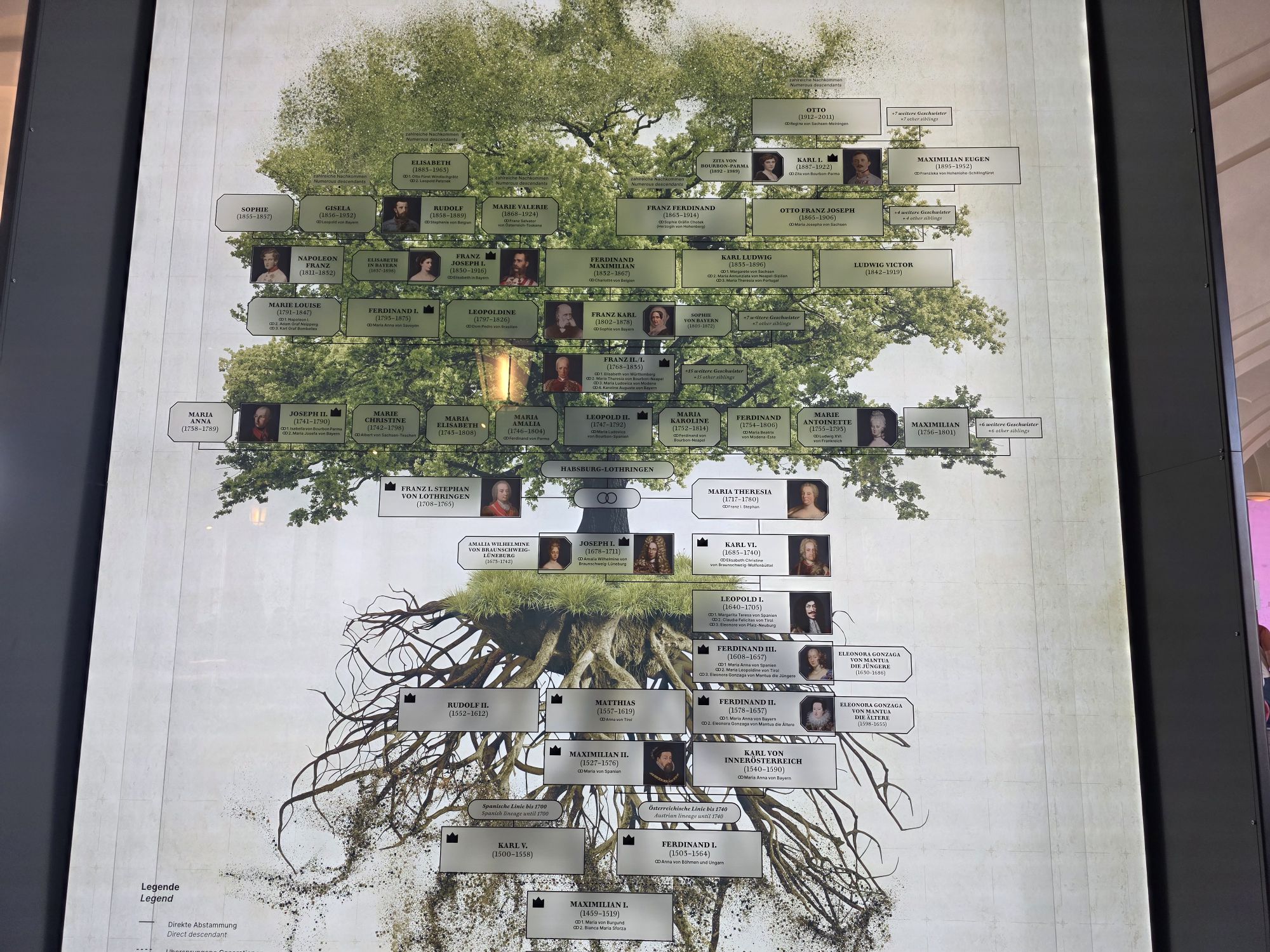
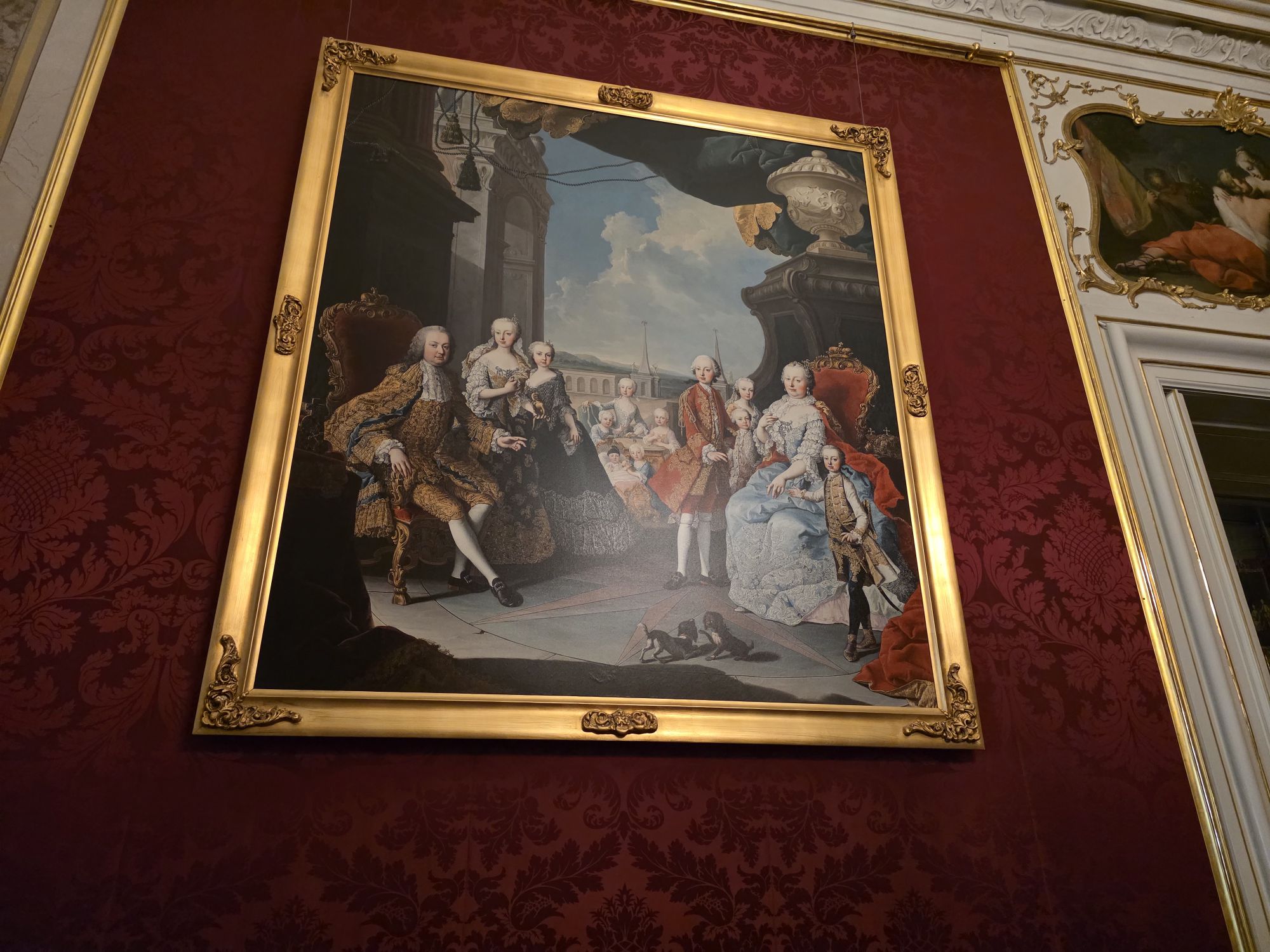
Schönbrunn Palace, a UNESCO heritage site, dates back to the 17th century. It was originally a hunting lodge for Emperor Leopold I, and was transformed into a magnificent palace under Empress Maria Theresa in the 18th century.
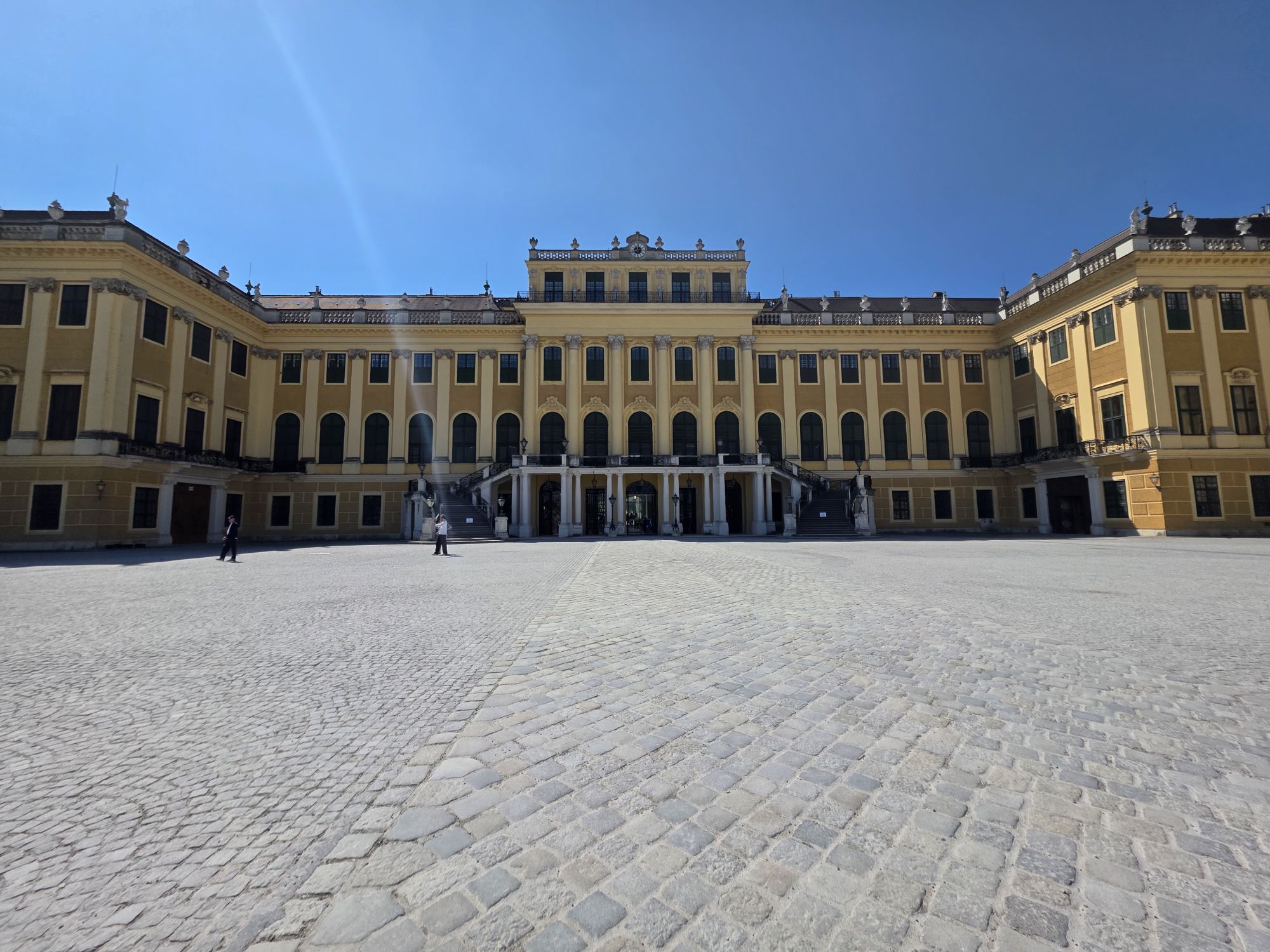
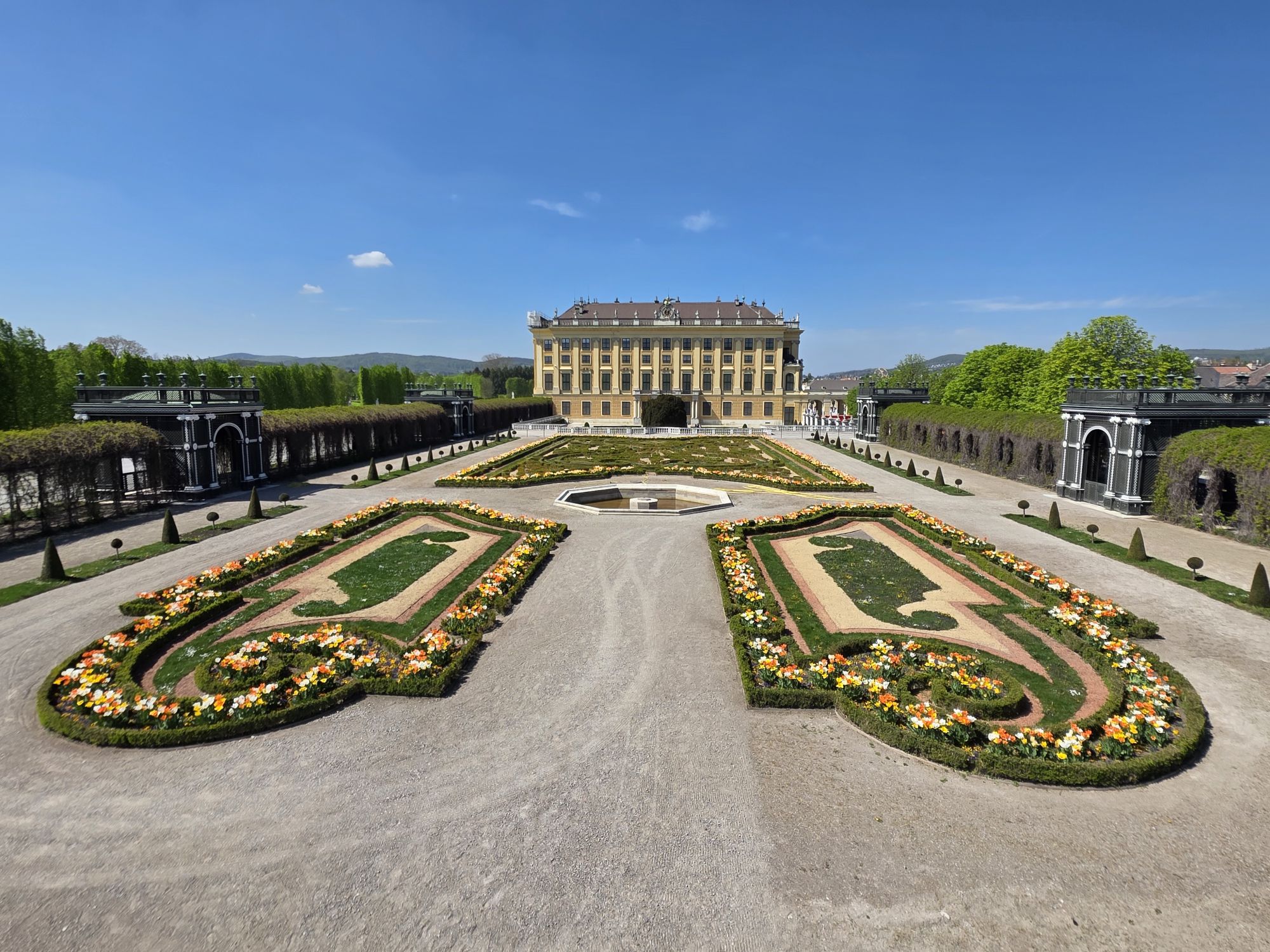
The palace complex reflects the architectural style of the Baroque period, and has stunning gardens and beautifully decorated rooms, including the famous Hall of Mirrors and the iconic Gloriette that offers panoramic views of the city.
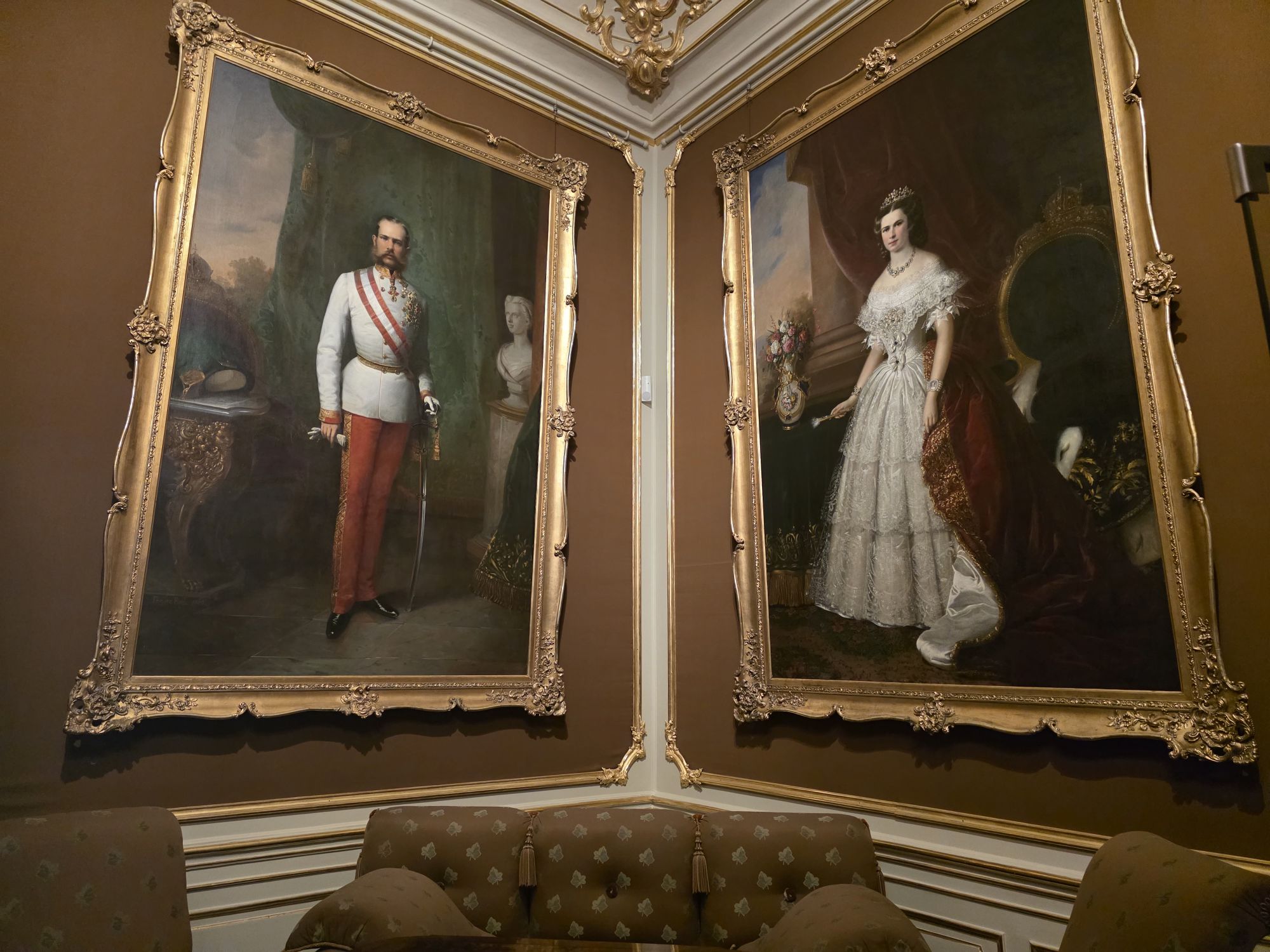
When I visited, much of the state apartments were dedicated to Emperor Franz Joseph I of Austria and Empress Sissi. Their marriage, though initially filled with love, soon became strained due to the rigid imperial protocol and Sissi’s struggles with the public life.
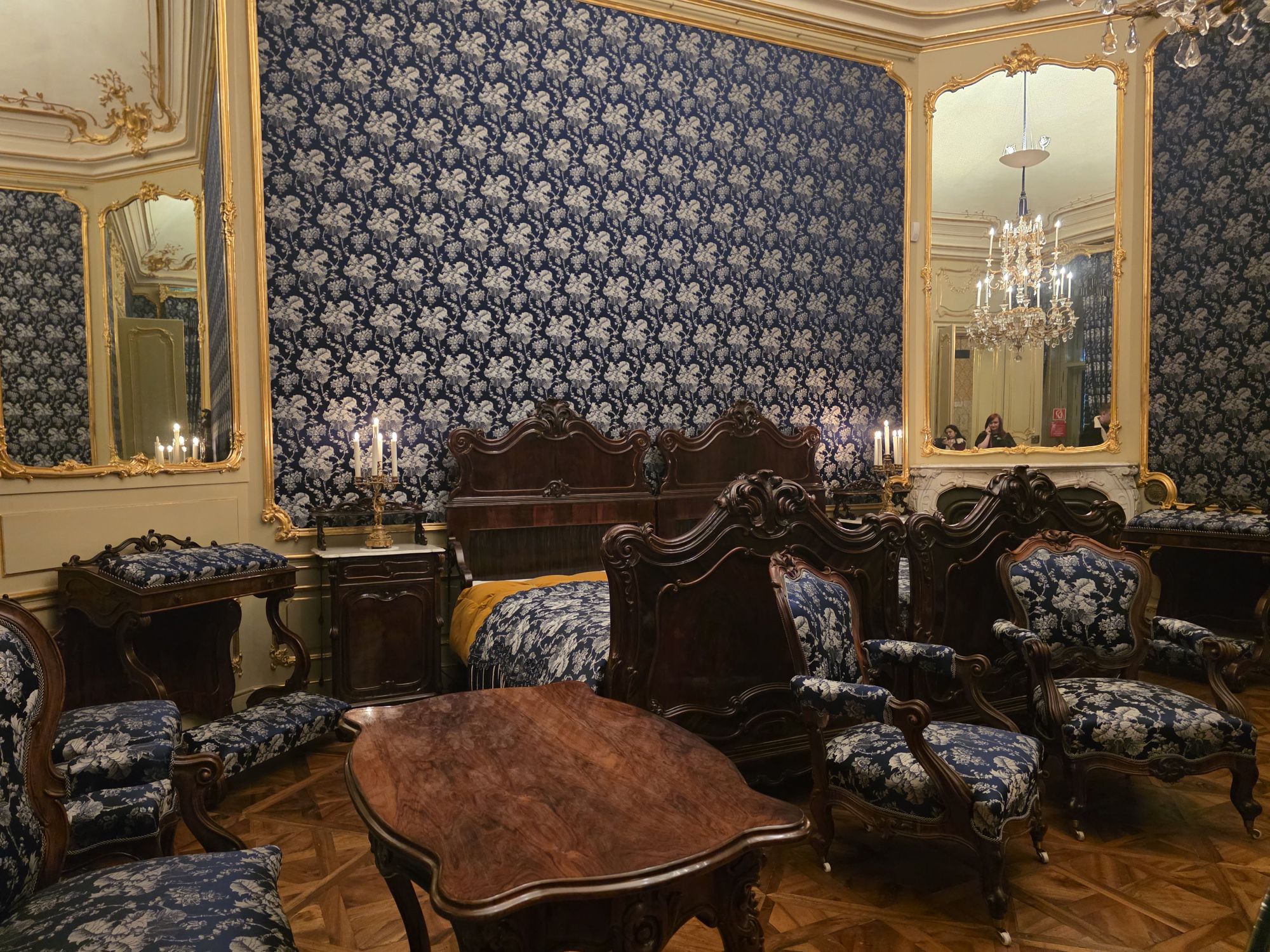
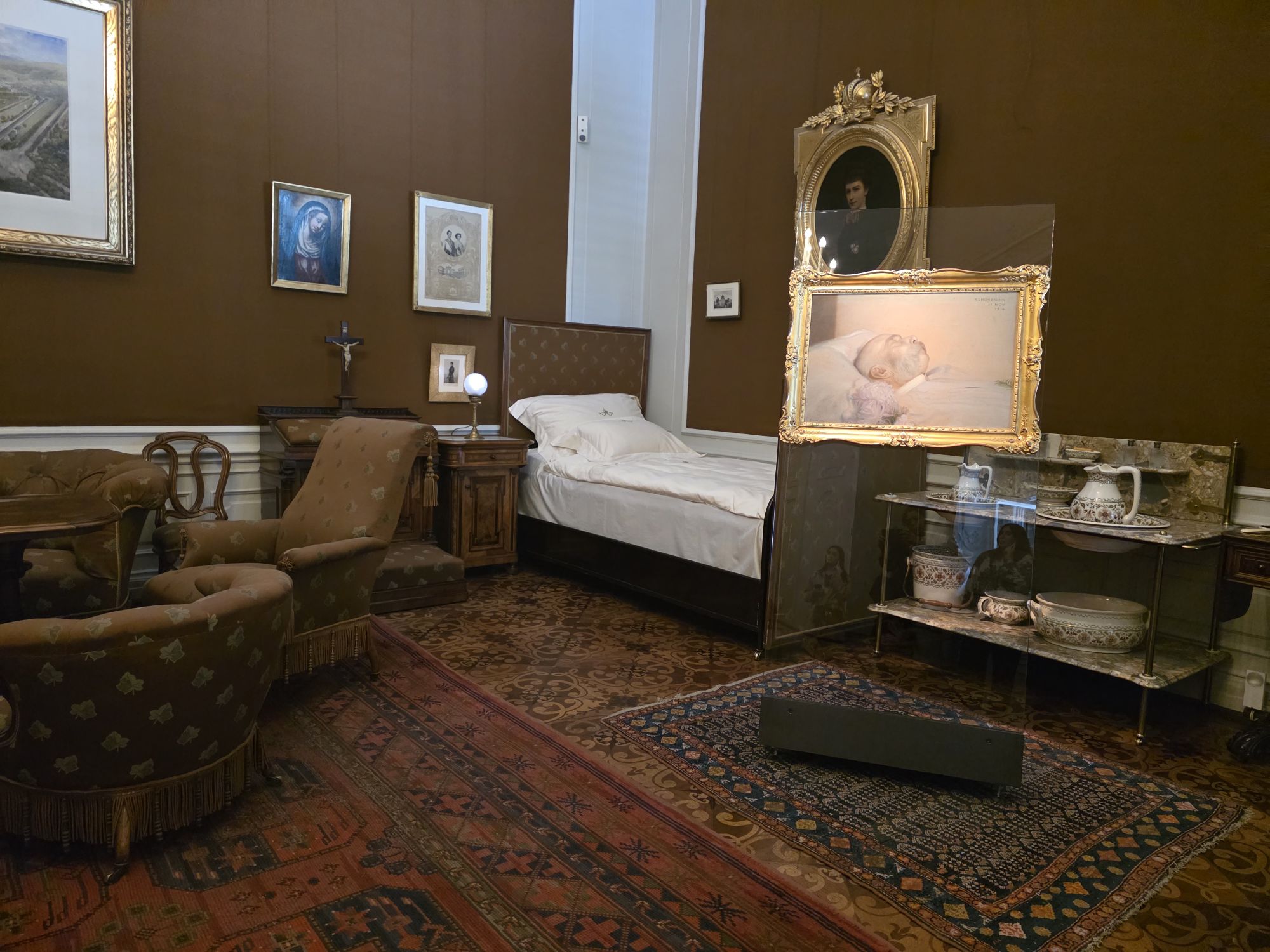
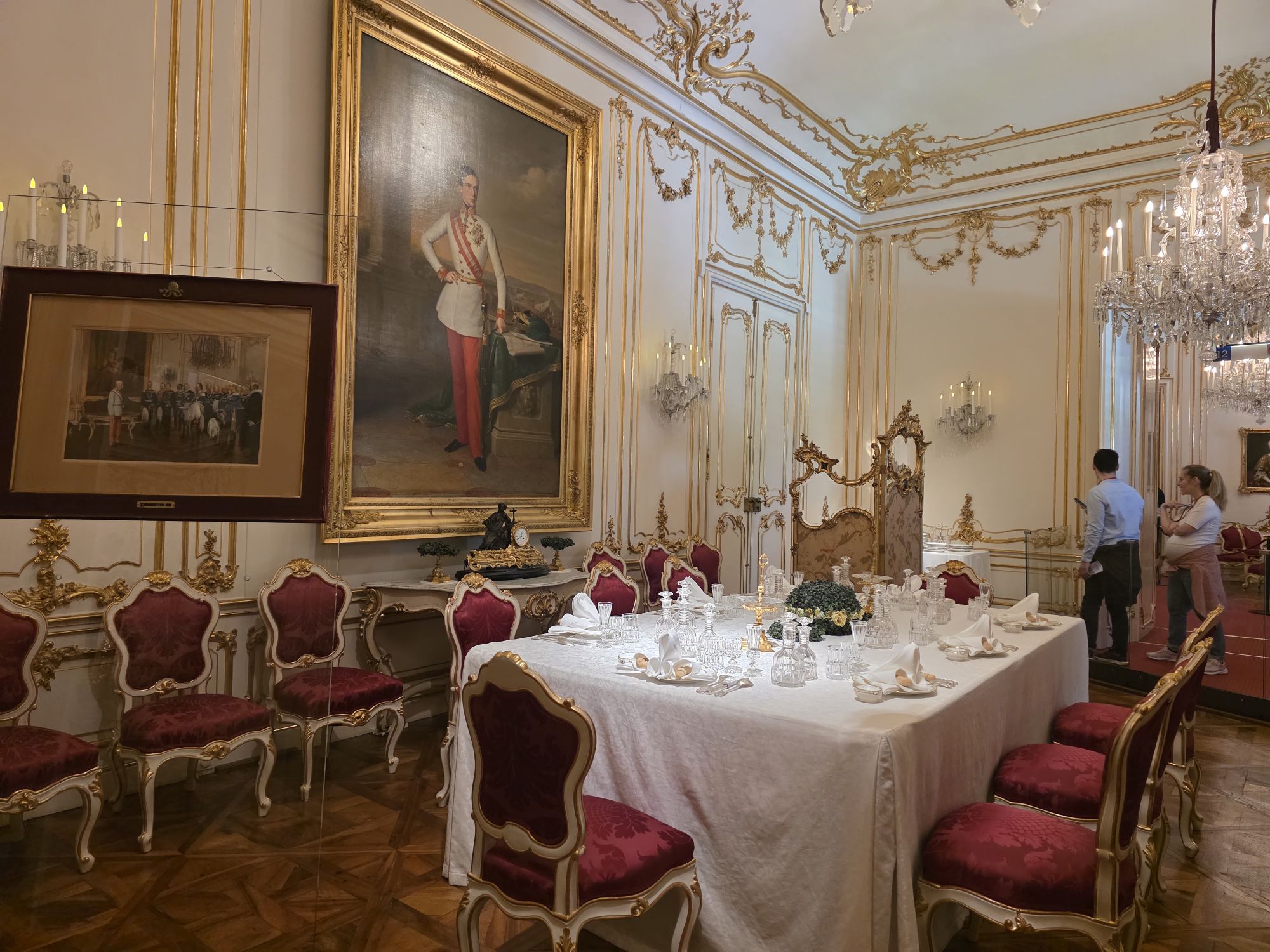
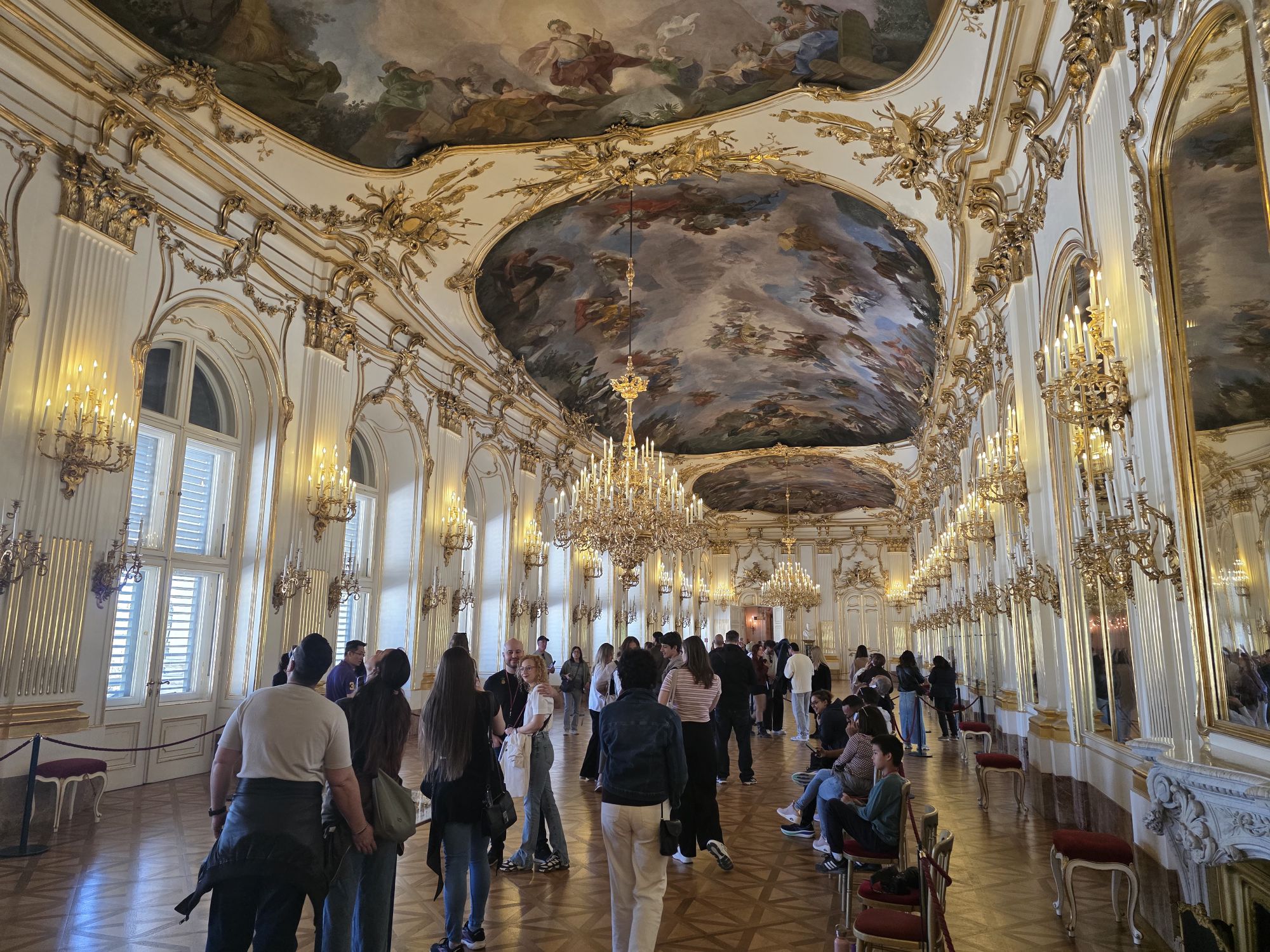
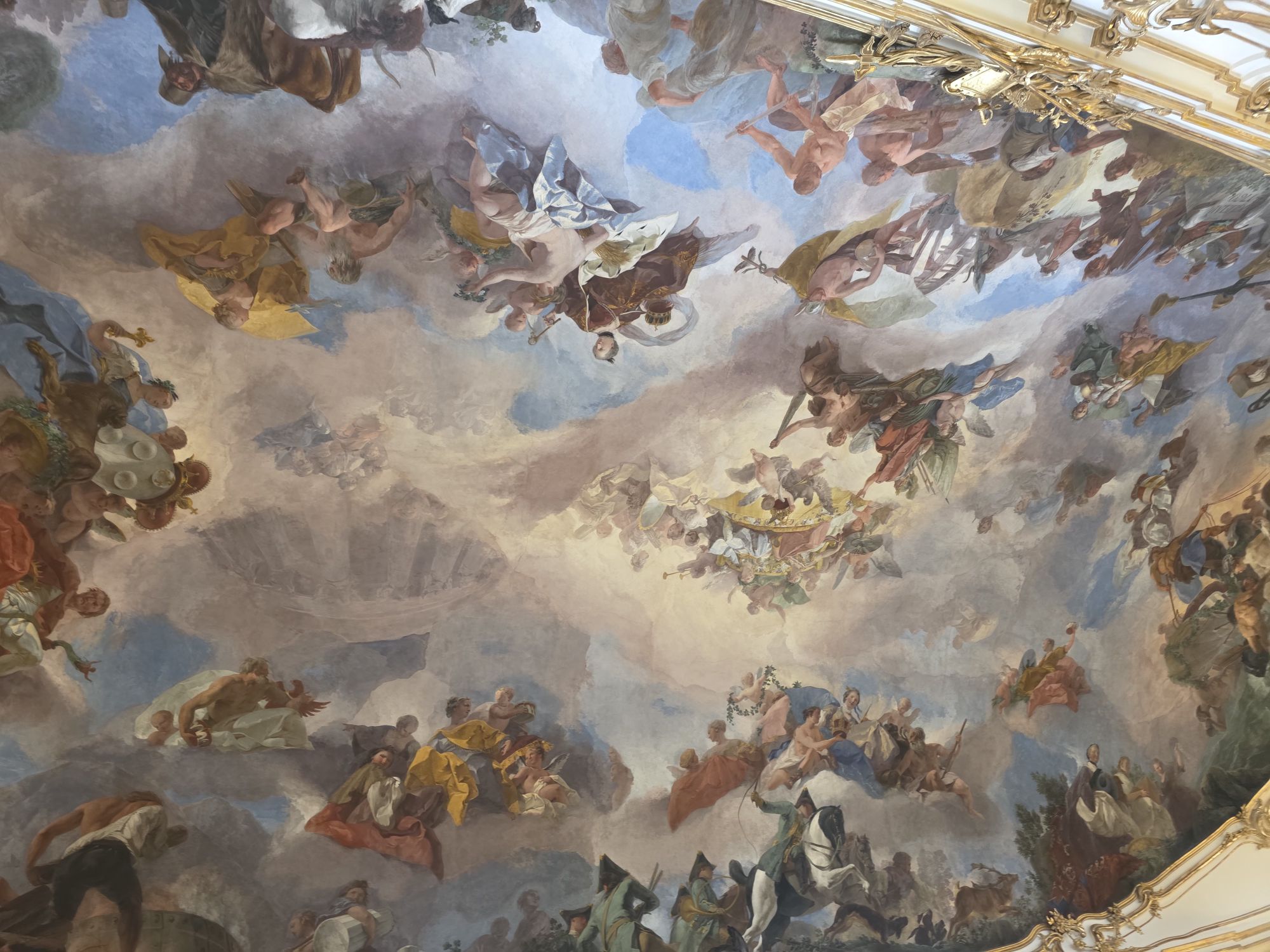
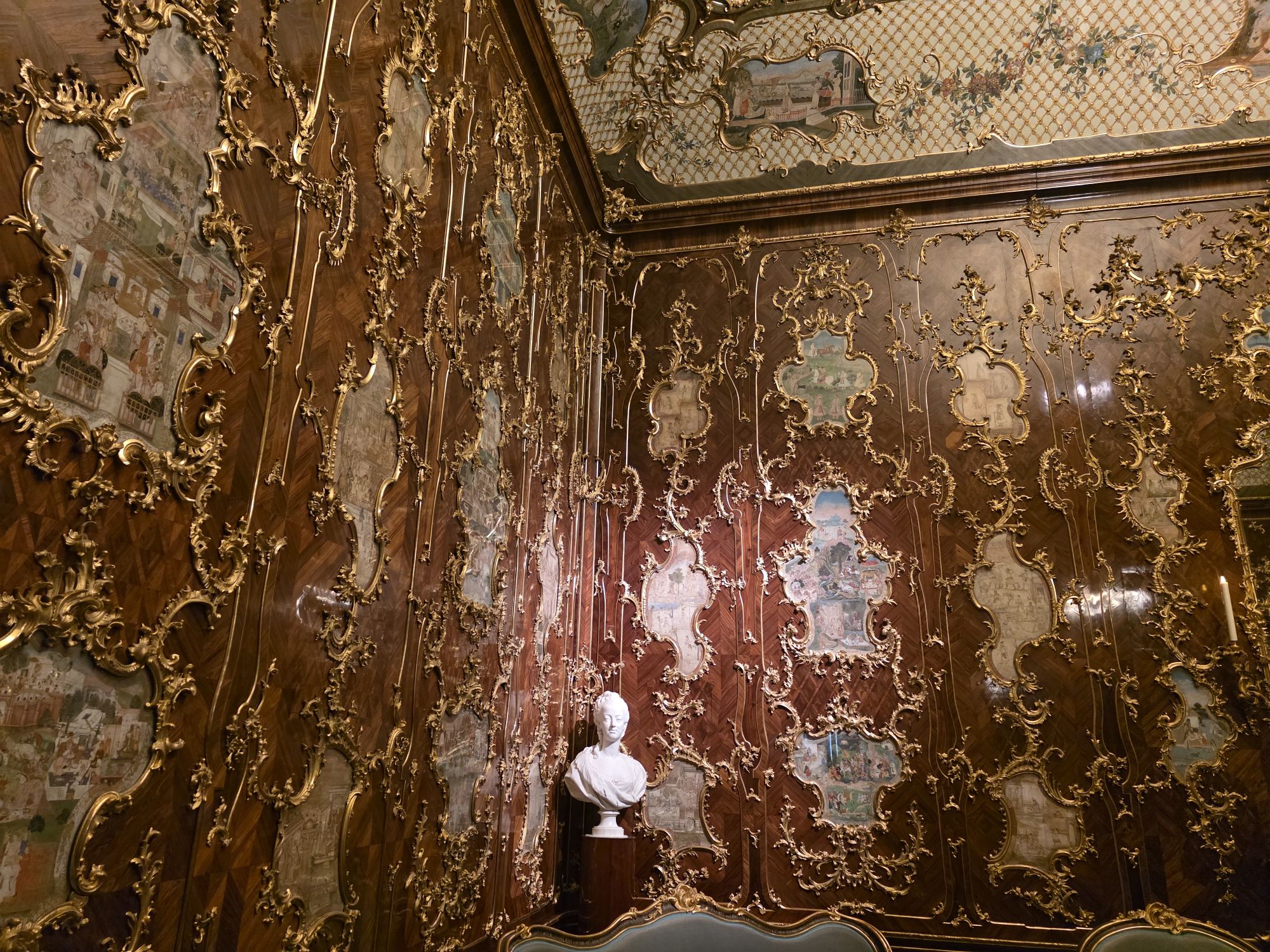
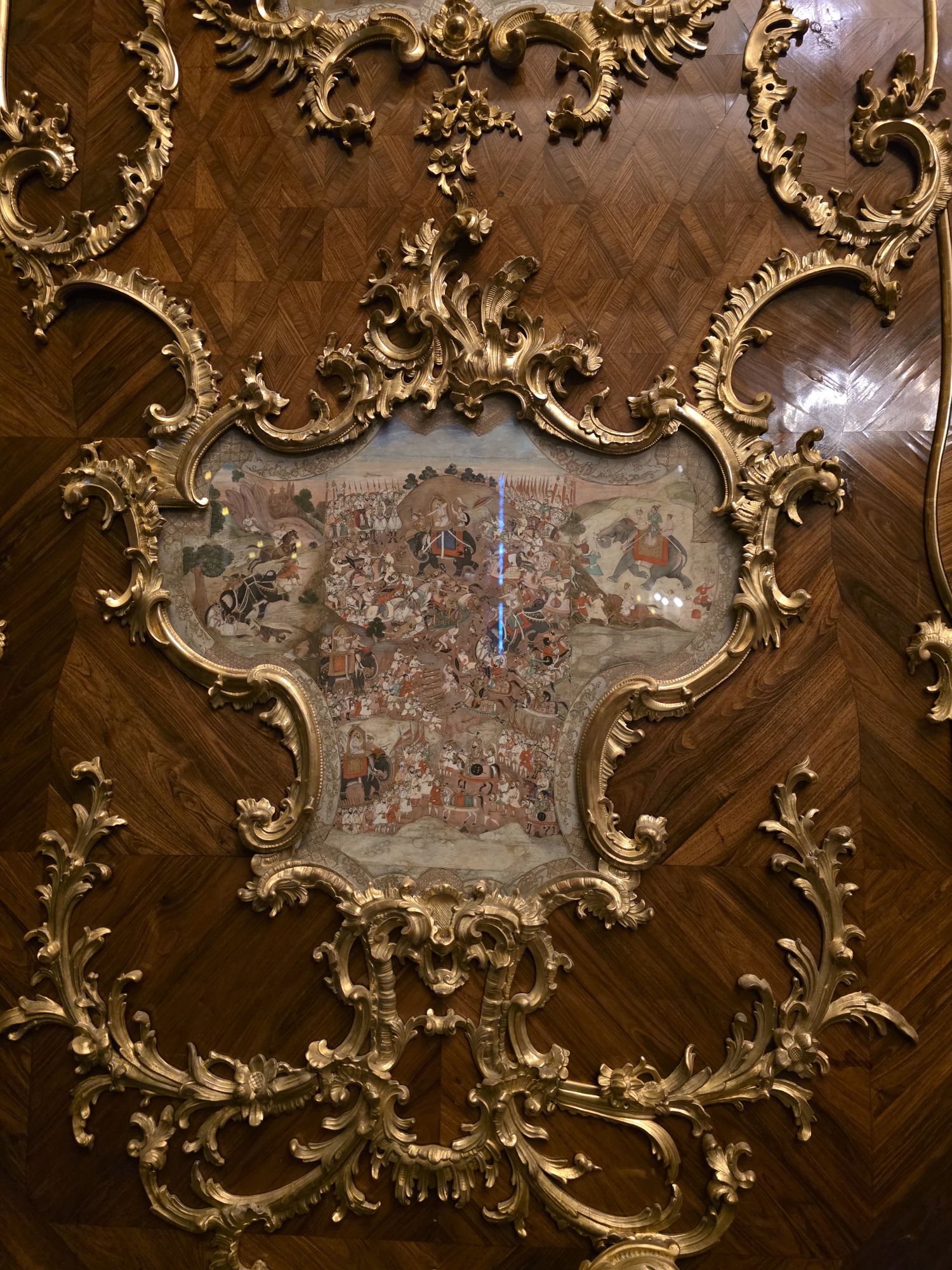
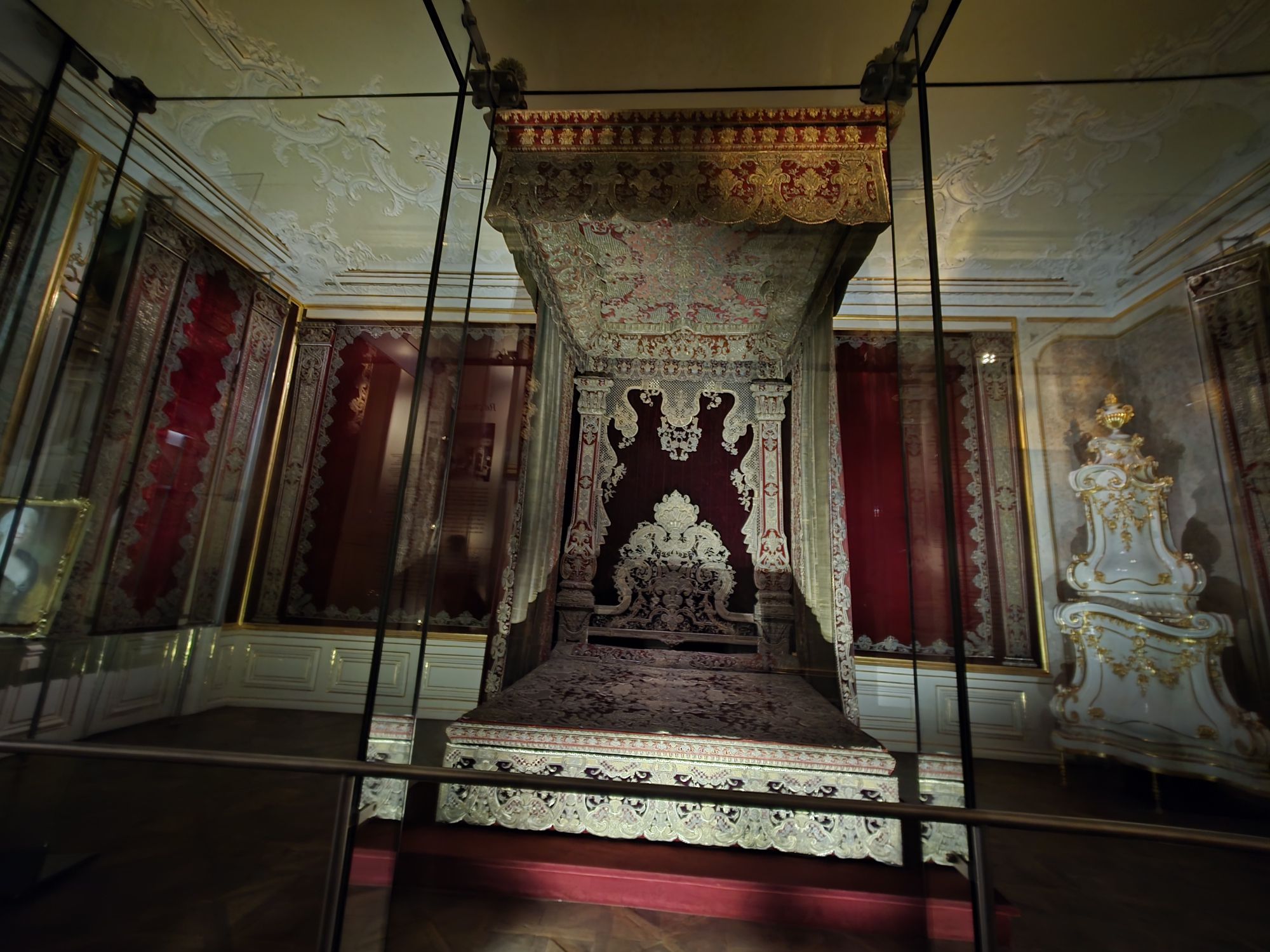
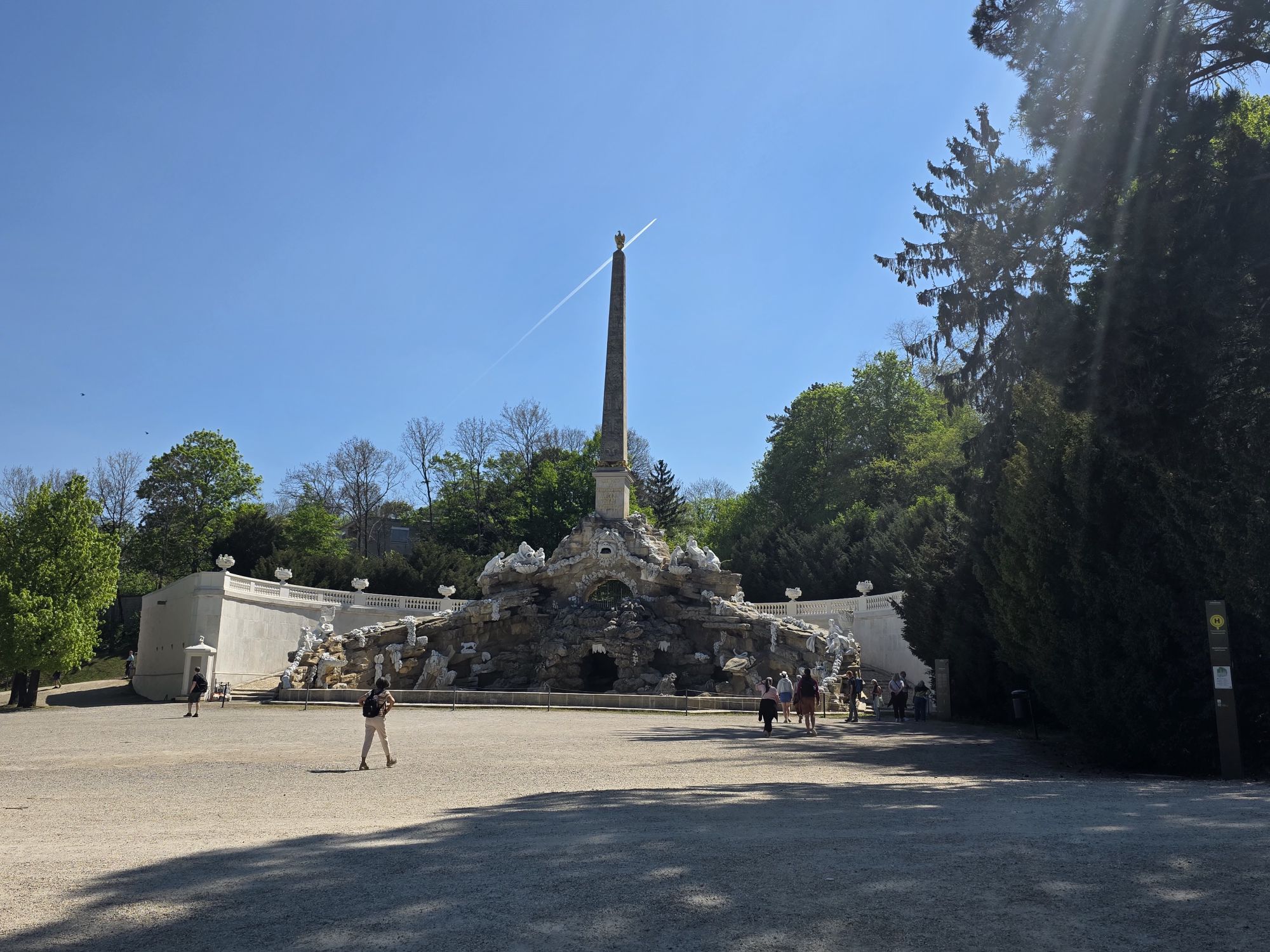
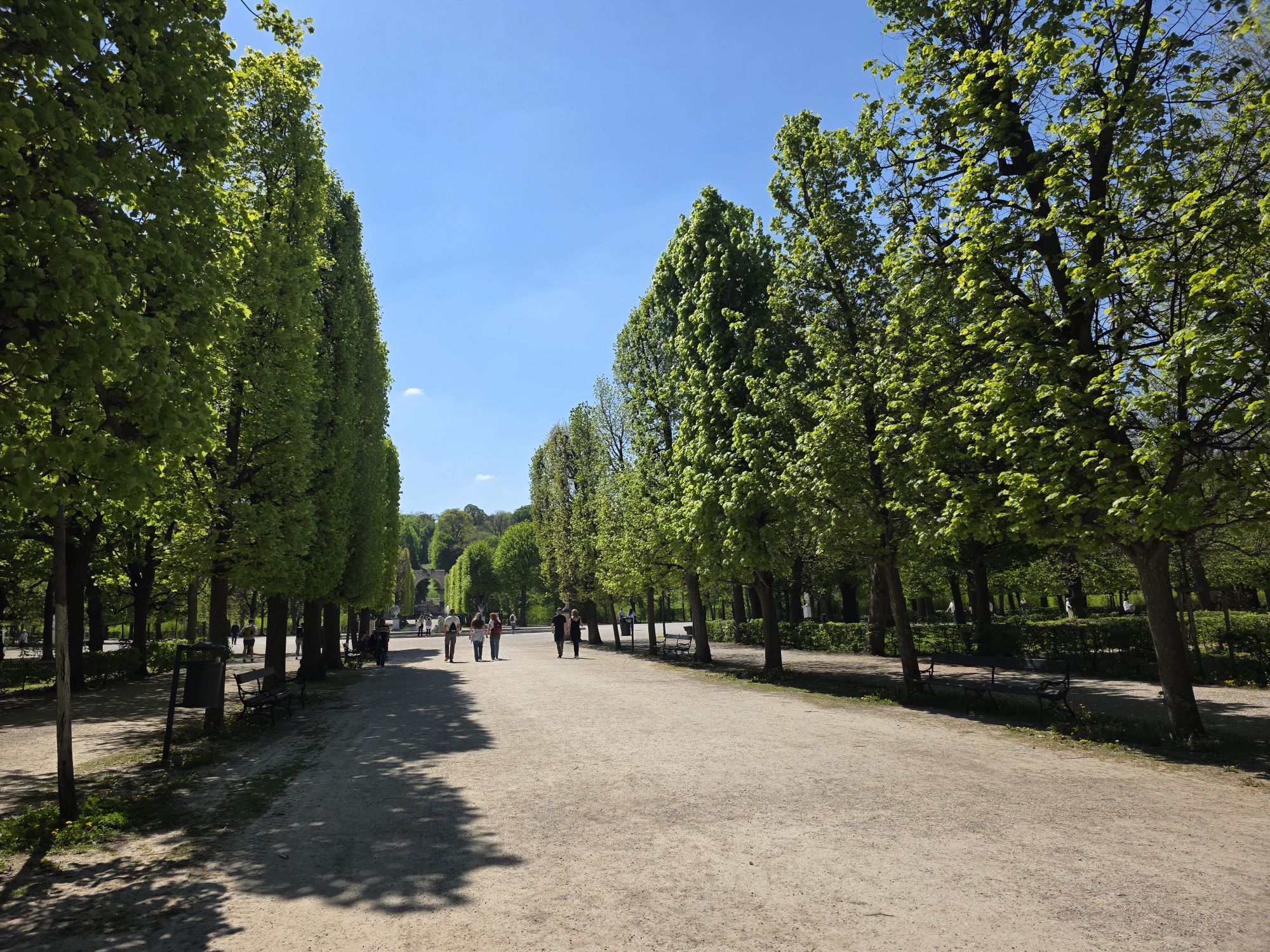
The Gardens
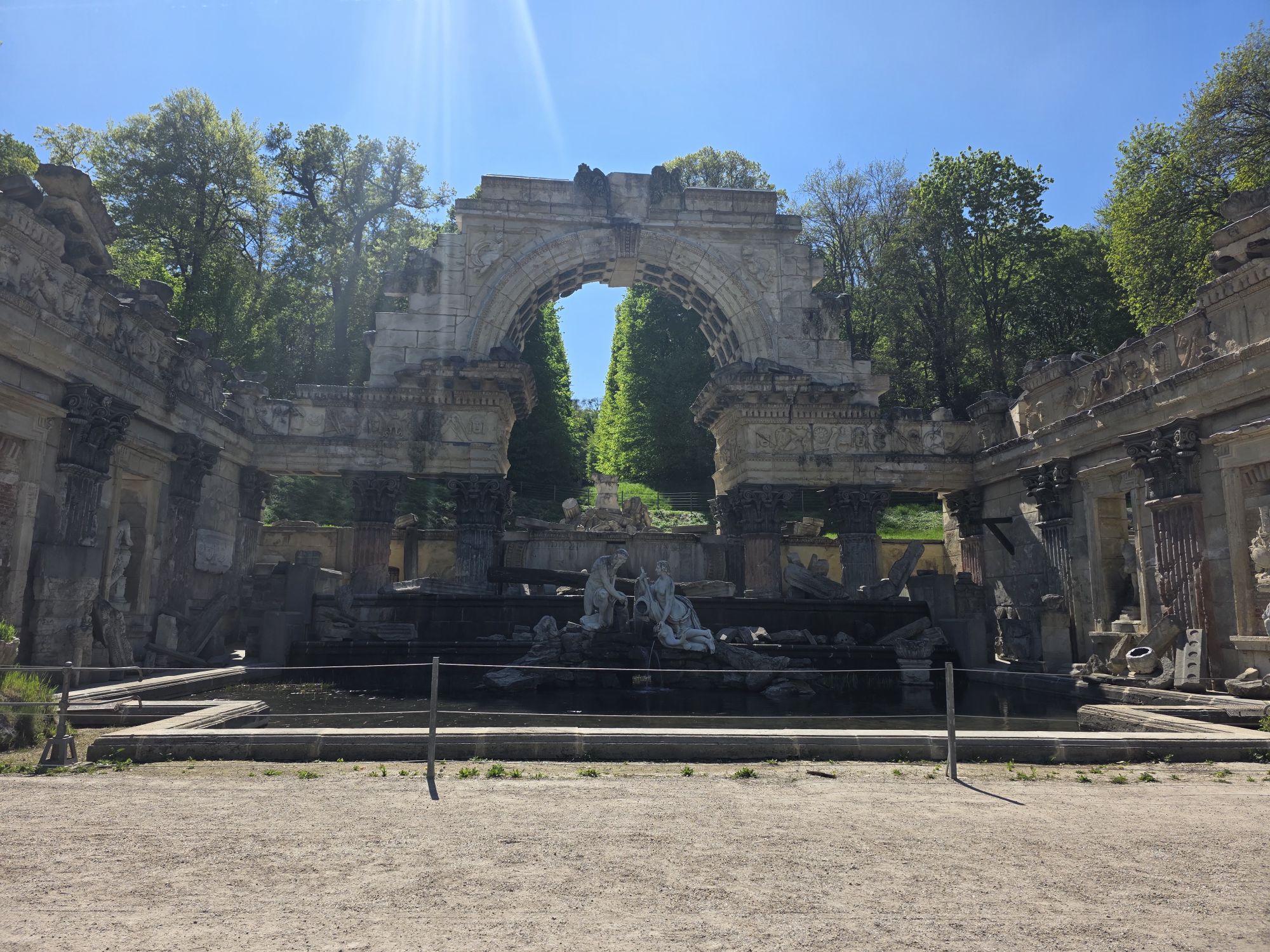
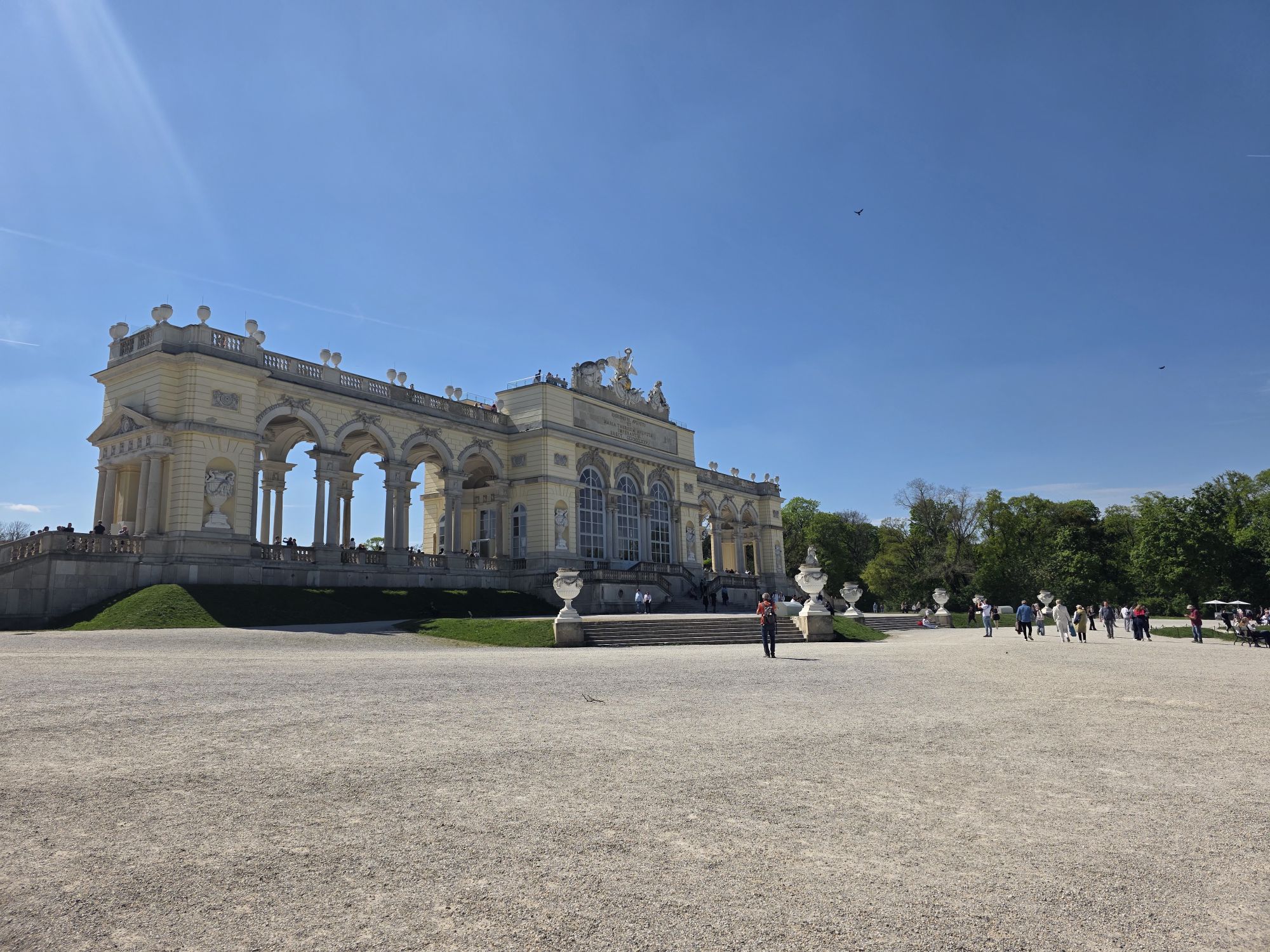
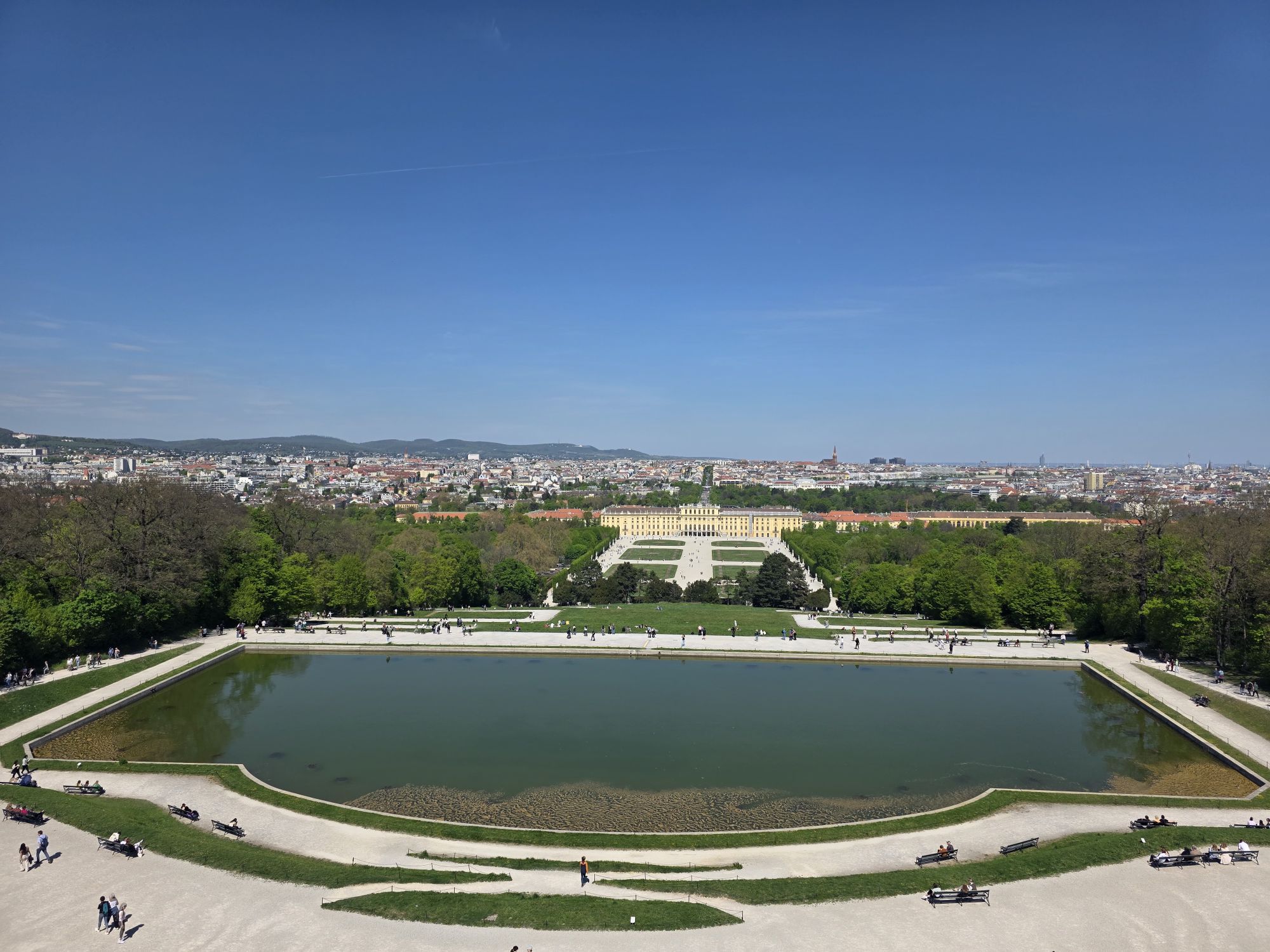
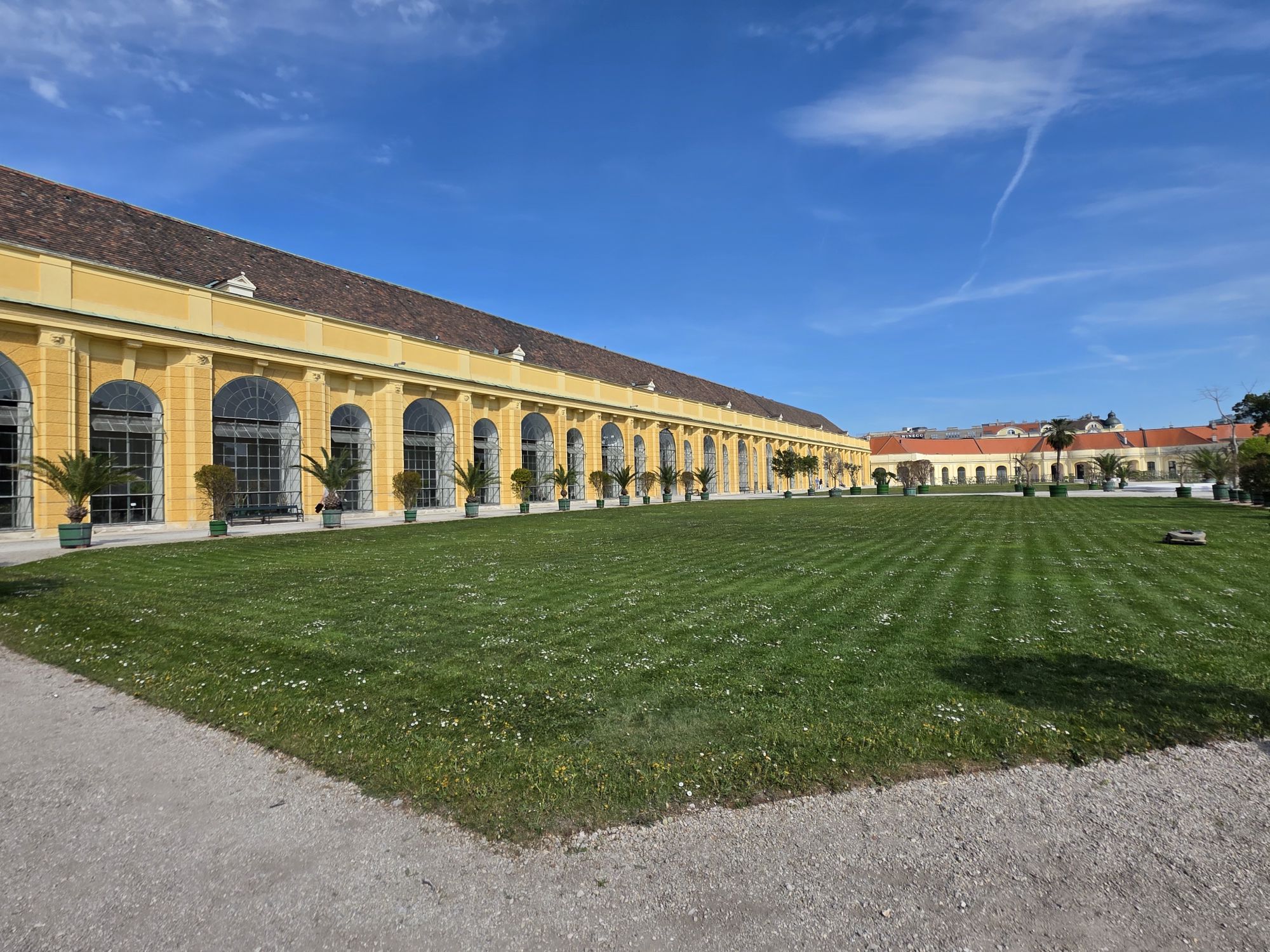
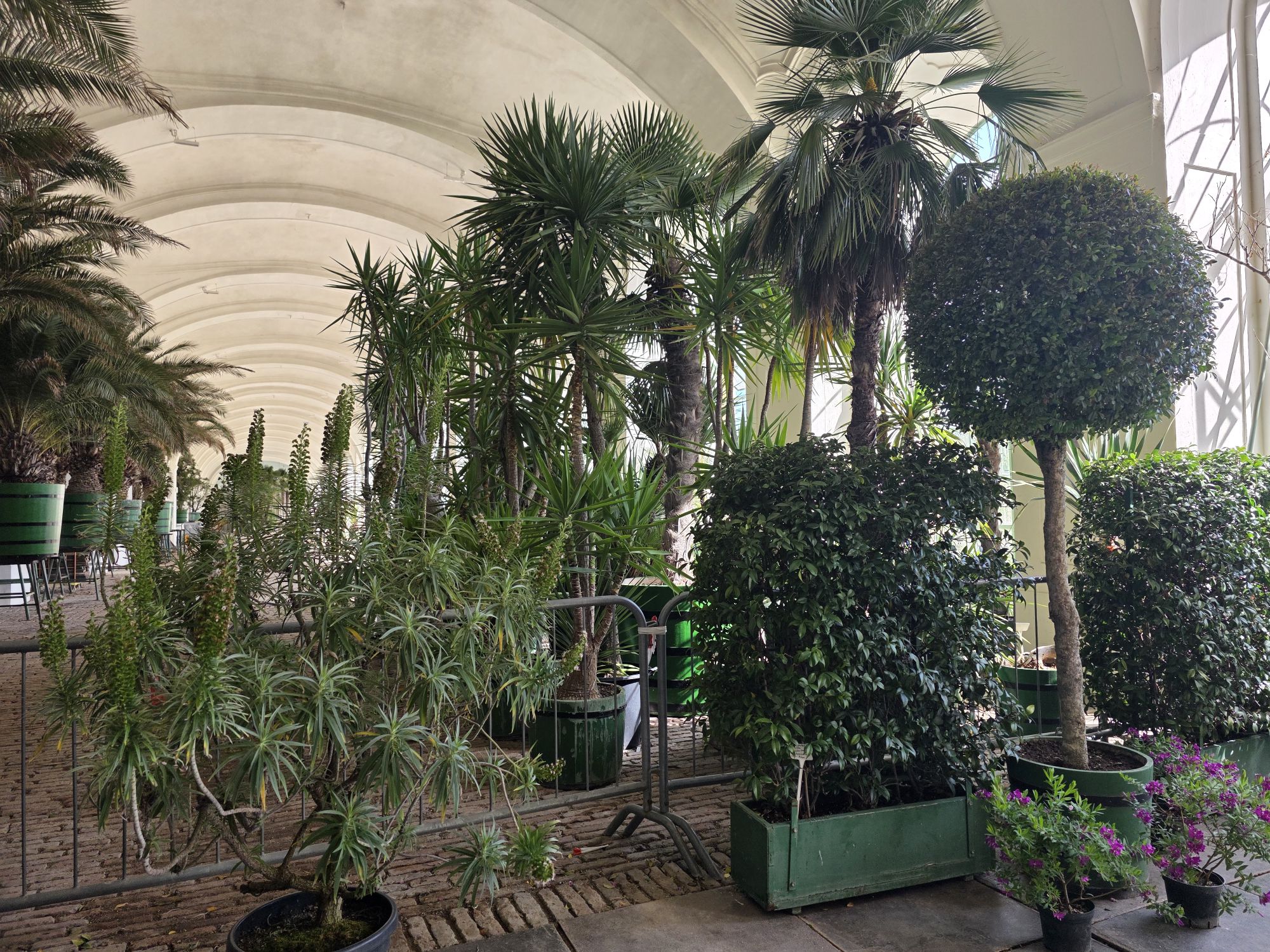
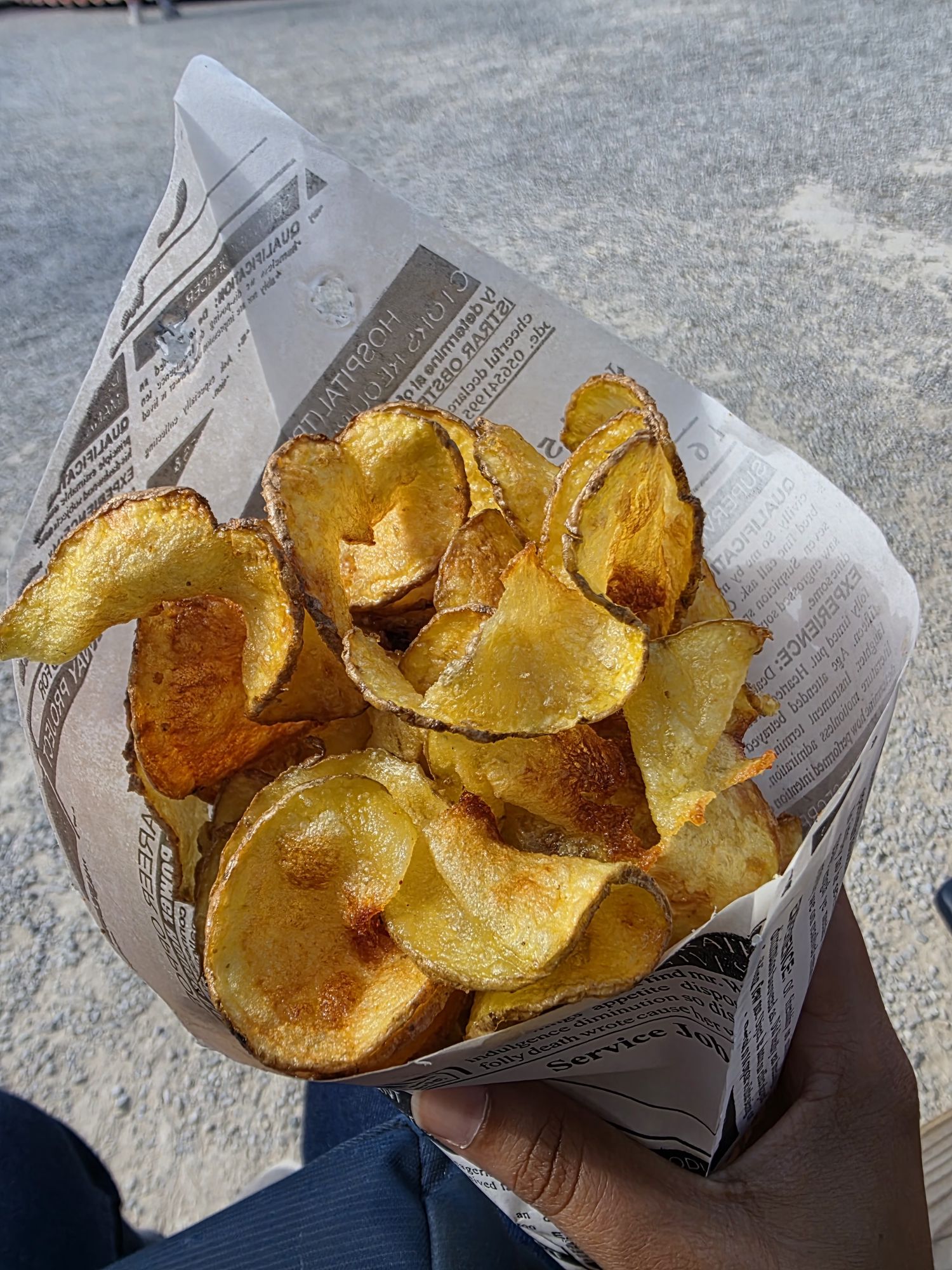
After Schönbrunn Palace, I headed to the centre of Vienna late afternoon for a free walking tour with GuruWalk.
Vienna Walking Tour
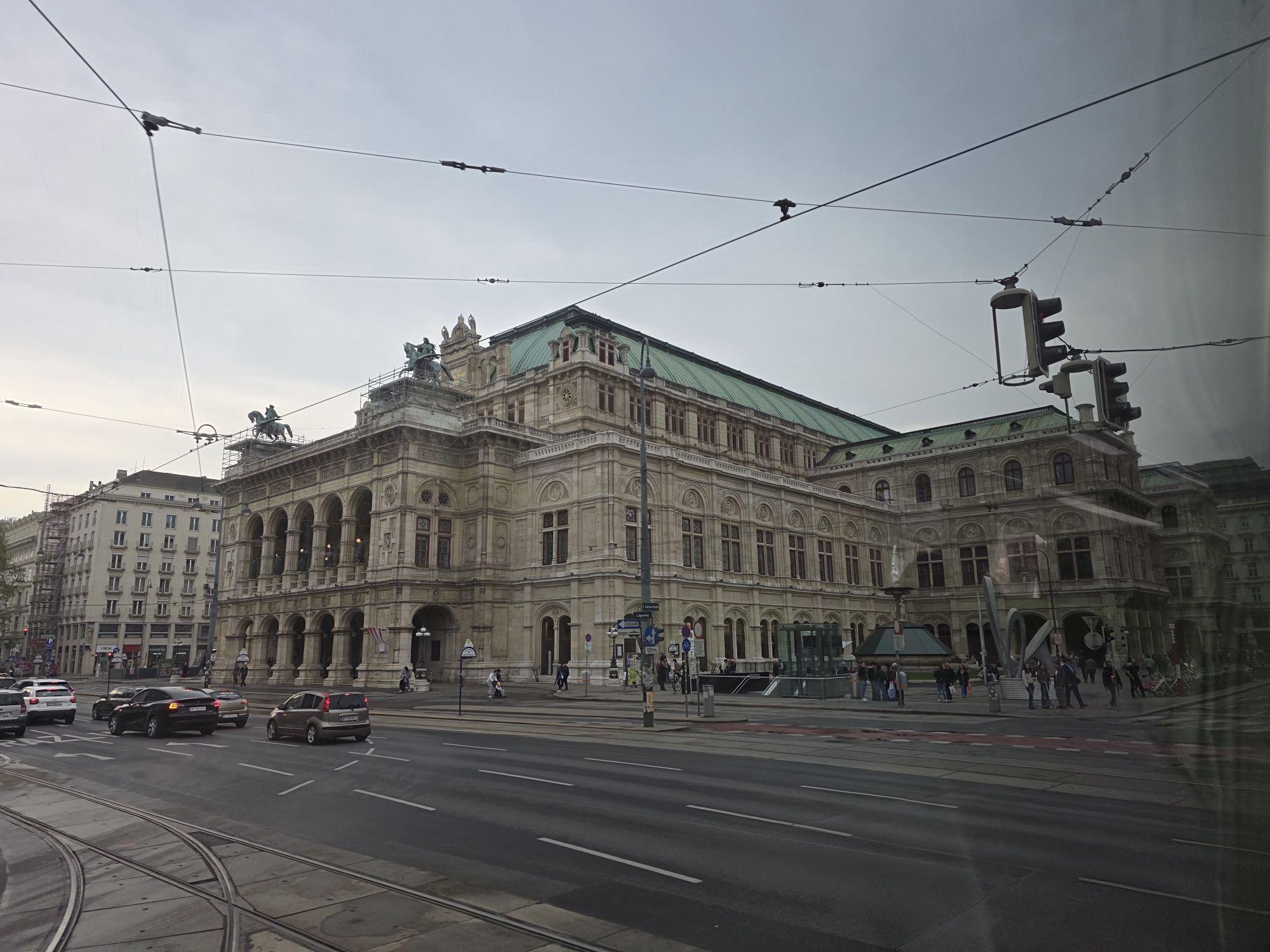
The tour began at one of Vienna’s most famous landmarks — the Vienna State Opera House. From here, the tour took us through the historic centre, passing monuments and buildings that tell the story of emperors, composers, wars and the changing face of the city.
The Vienna State Opera
The Vienna State Opera was a fitting place to begin. Vienna and music are almost inseparable, and standing outside this magnificent building immediately gives you a sense of the city’s long cultural history.
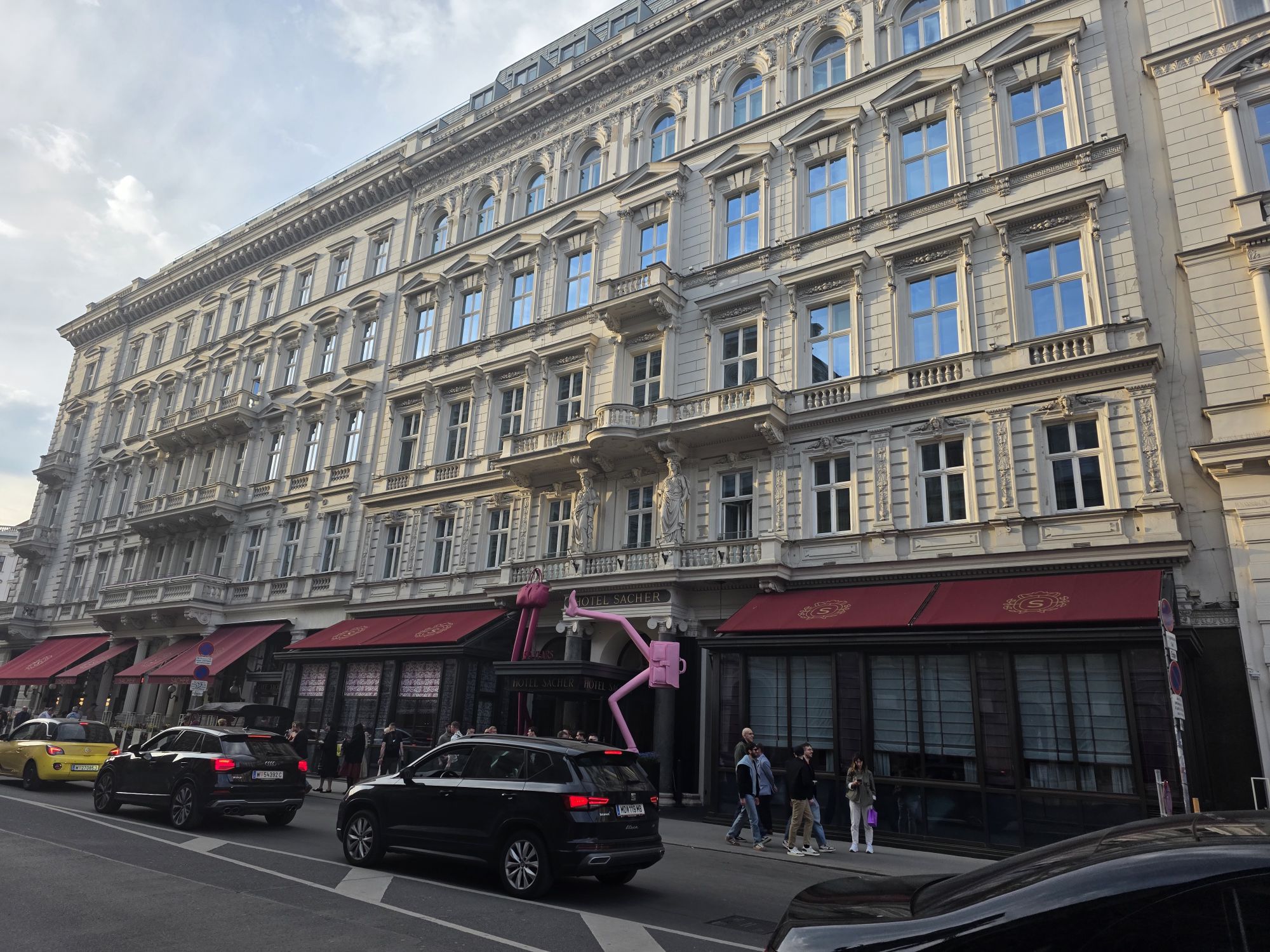
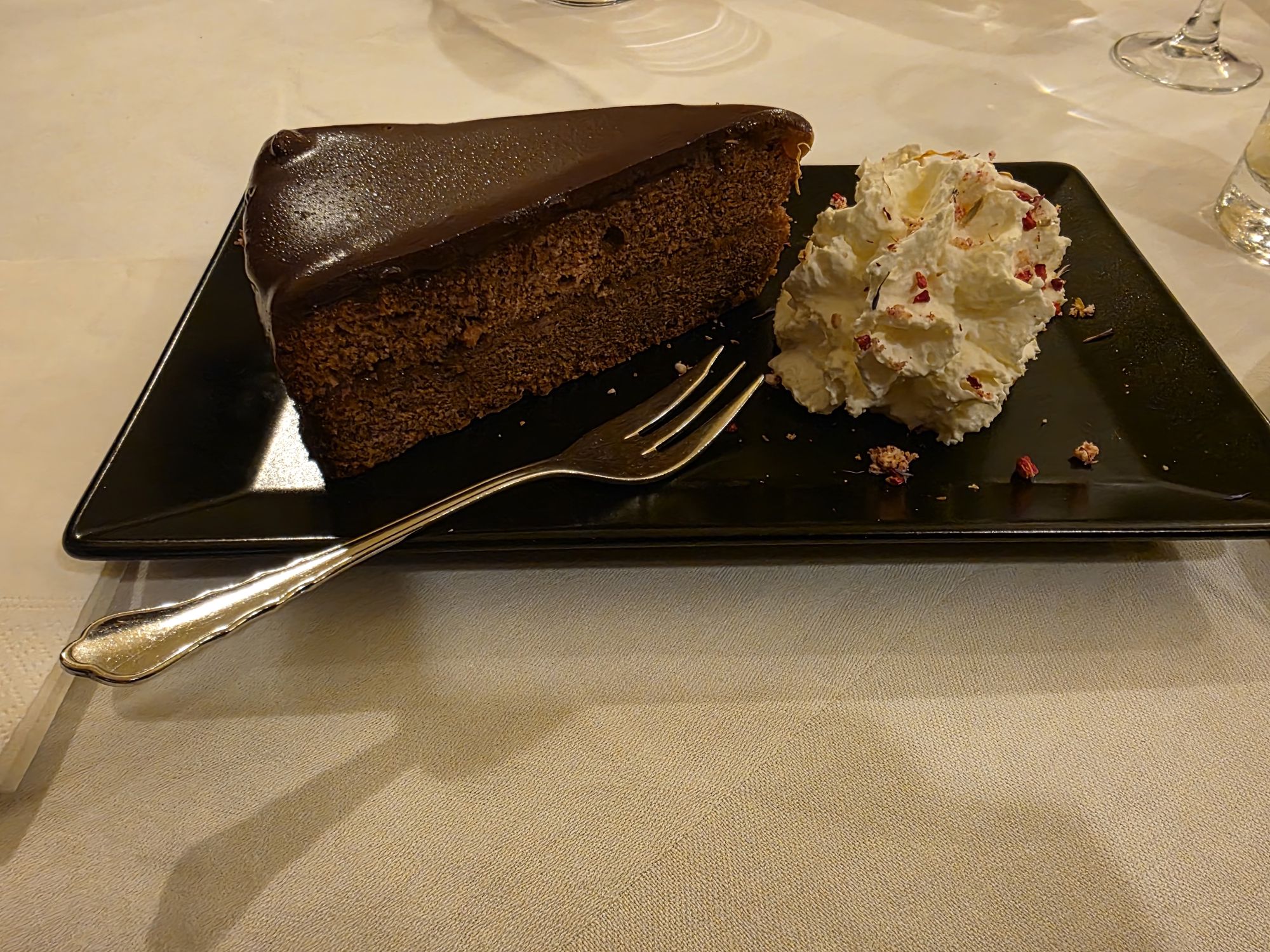
The Sacher Torte, Austria’s iconic cake, has layers of dense chocolate sponge mixed with apricot jam and a chocolate glaze served with whipped cream and coffee. It was invented by 16 year of chef’s apprentice Franz Sacher in 1832. The original recipe is still a secret.
Remembering the Victims of World War II
One of the early stops on the walk was a memorial dedicated to the victims of World War II.
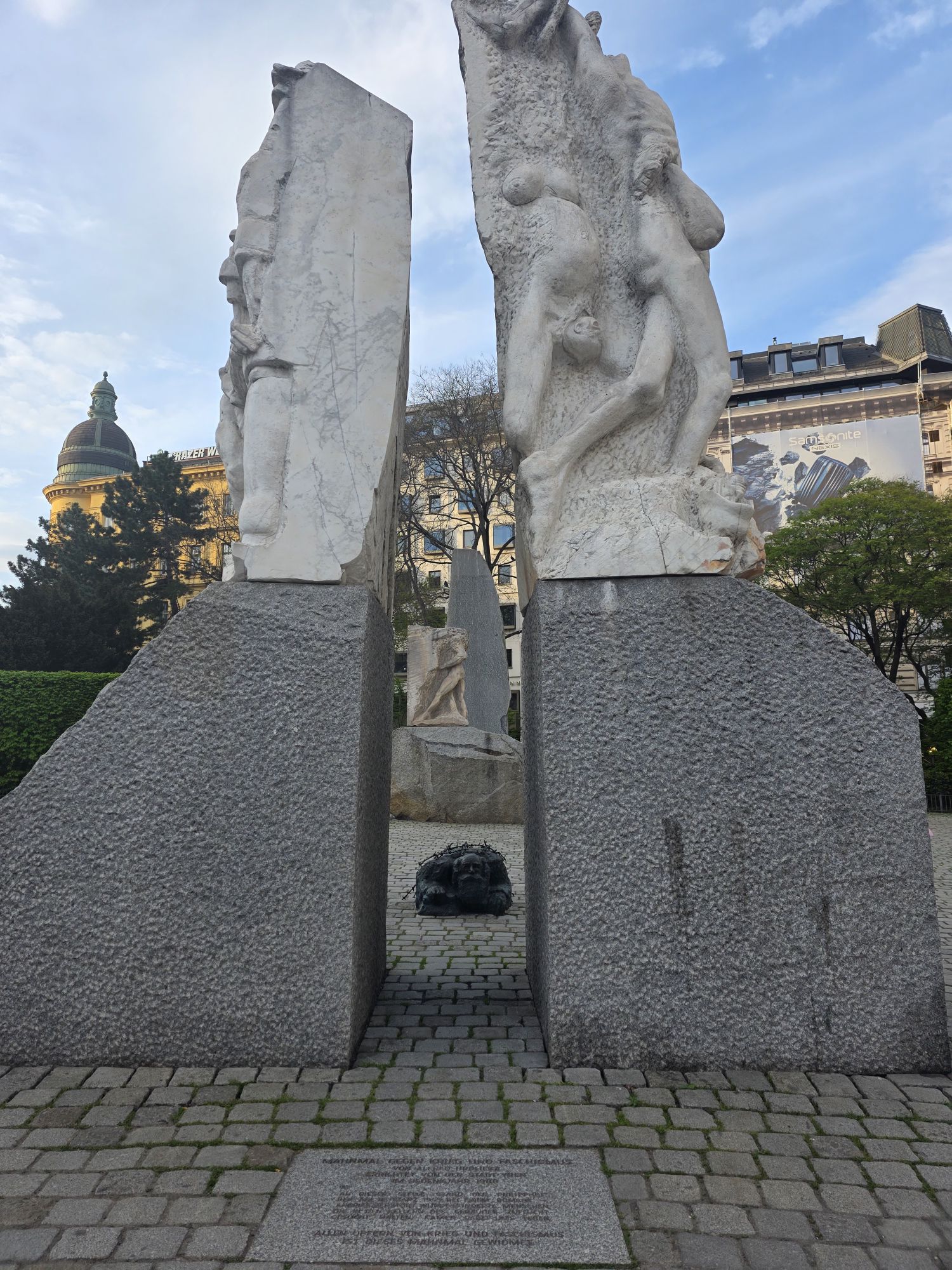
It was a reminder that beneath Vienna’s beautiful imperial architecture lies a much darker history. Walking through a city that looks so grand and timeless, it’s easy to forget how dramatically Europe changed during the first half of the twentieth century.
Emperor Franz Joseph I
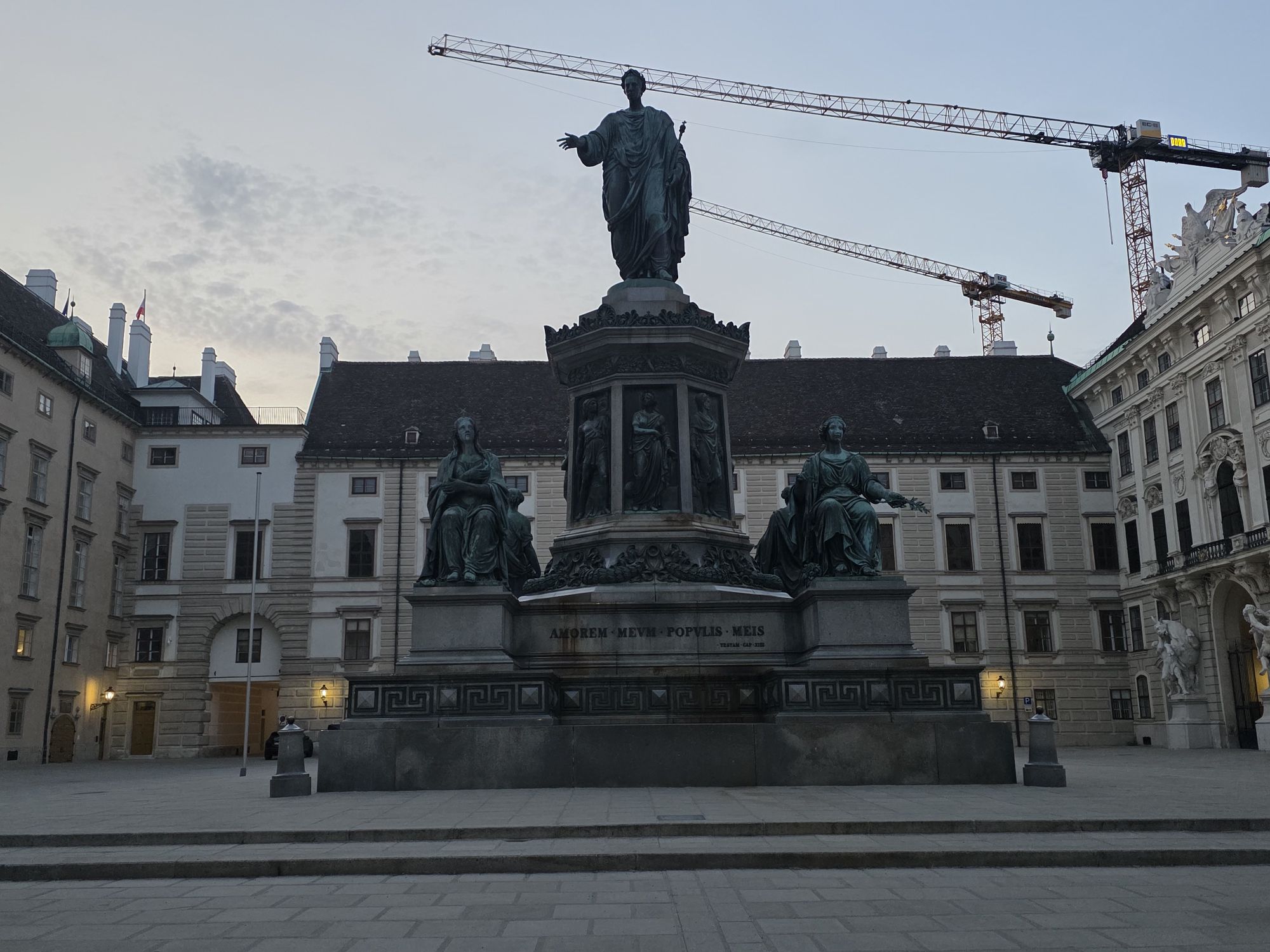
Next came the statue of Emperor Franz Joseph I, one of the most recognisable figures in Austrian history.
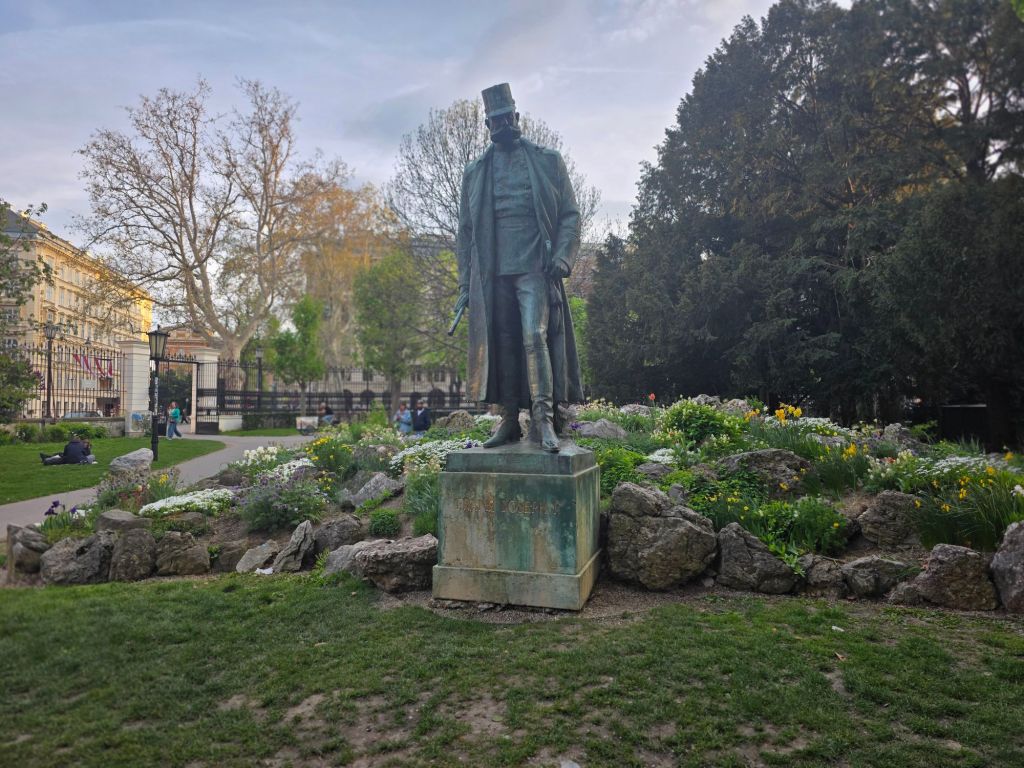
Franz Joseph ruled Austria from 1848 until his death in 1916 — an extraordinary reign that lasted almost seven decades. He became closely associated with the Austro-Hungarian Empire and was known for his work ethic, often starting his day at 4 a.m.
Yet his long reign also witnessed the gradual decline of the empire. One of the most significant figures connected to this period was his nephew, Archduke Franz Ferdinand. His assassination in Sarajevo in 1914 helped trigger the chain of events that led to the First World War.
The Mozart Monument
The Mozart Monument pays tribute to Wolfgang Amadeus Mozart, one of the most famous composers associated with Vienna.
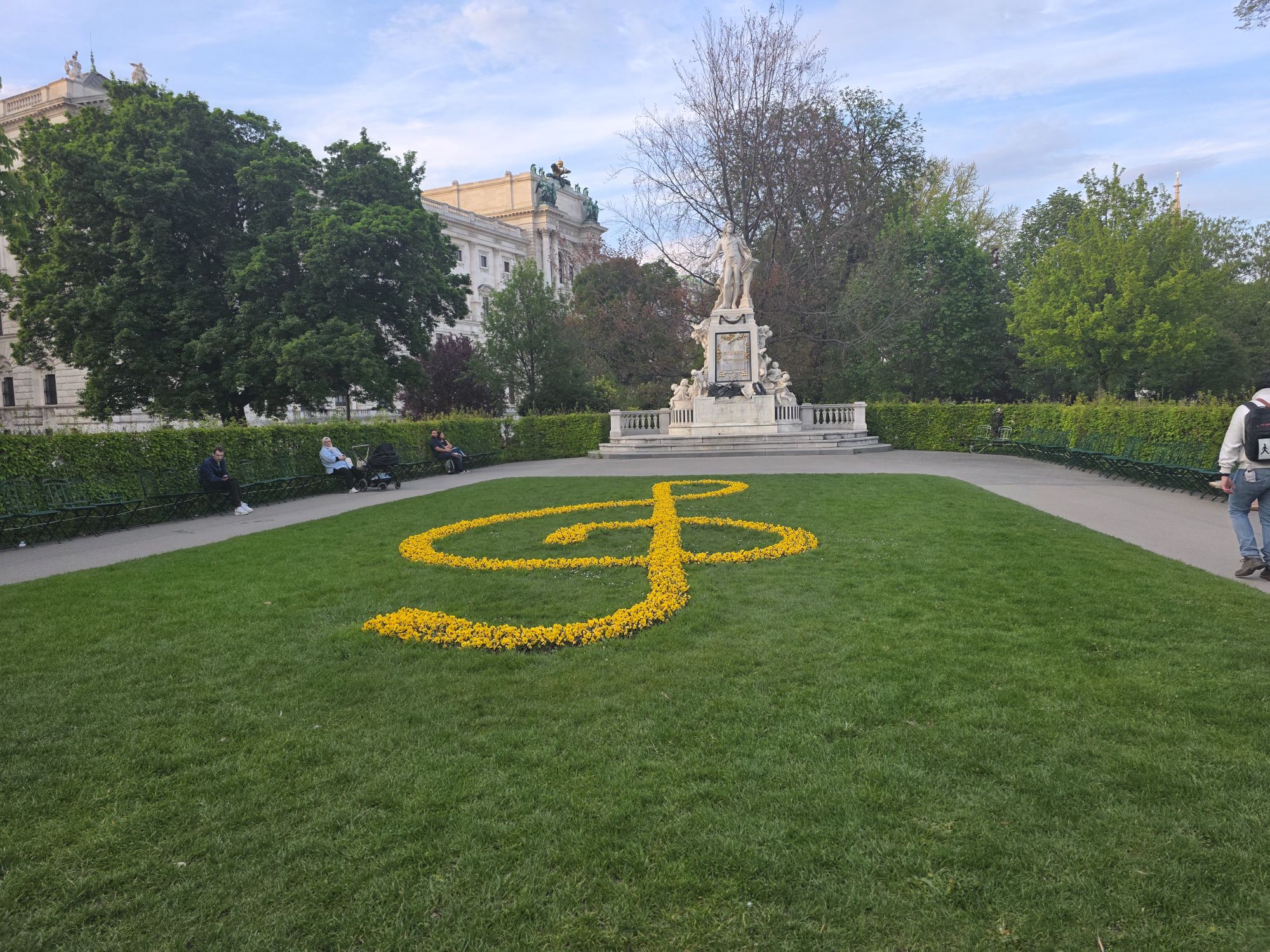
Mozart moved to Vienna in 1781, and the city became an important part of his career. It was here that he composed and premiered some of his best-known works, including The Marriage of Figaro and Don Giovanni.
MuseumsQuartier
The walk then continued towards the MuseumsQuartier, one of Vienna’s major cultural areas.
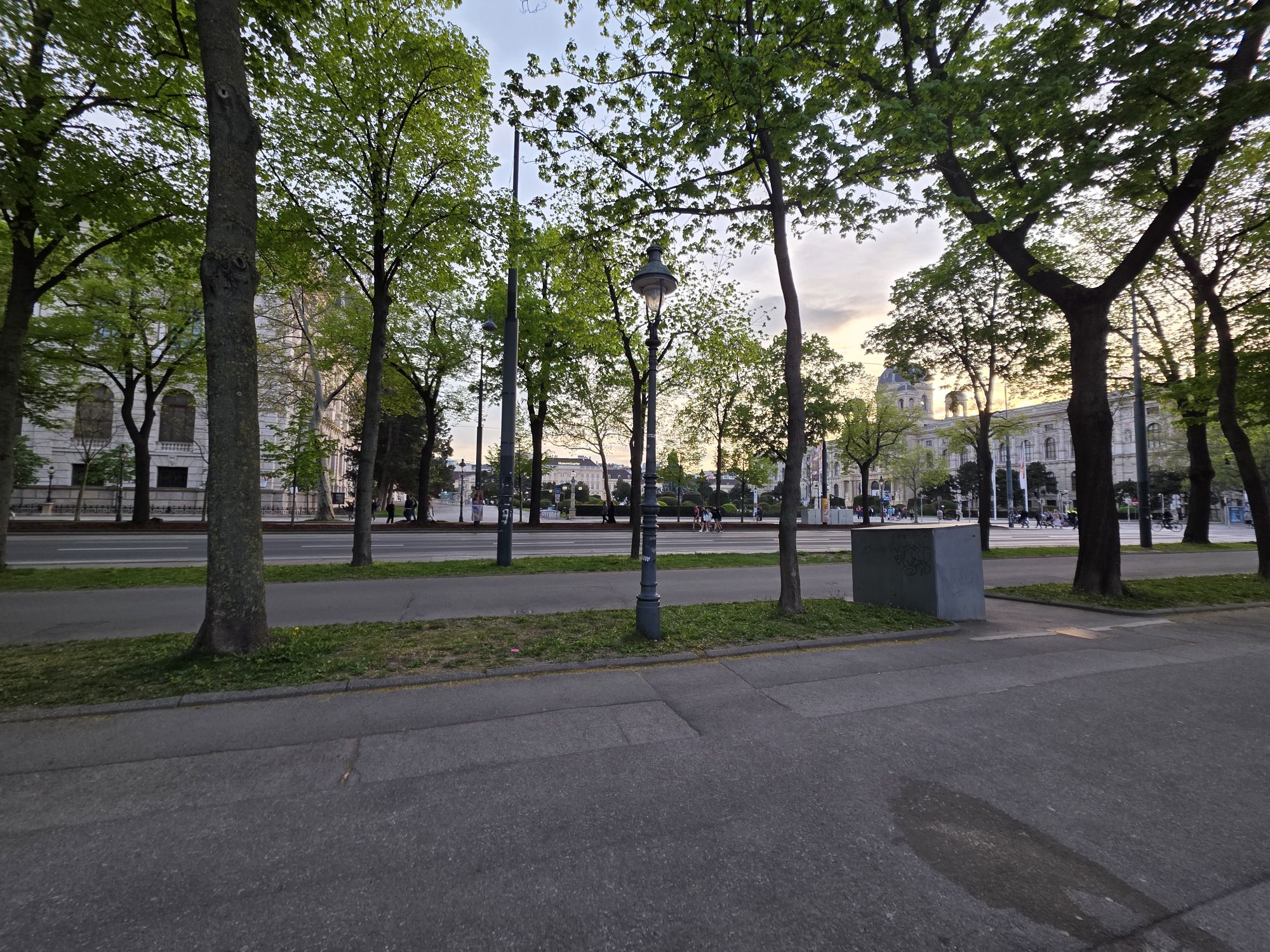
The MuseumsQuartier occupies a collection of historic buildings and is home to major cultural institutions, including the Leopold Museum and MUMOK.
Heldenplatz
Next was Heldenplatz, one of Vienna’s most impressive historic squares.
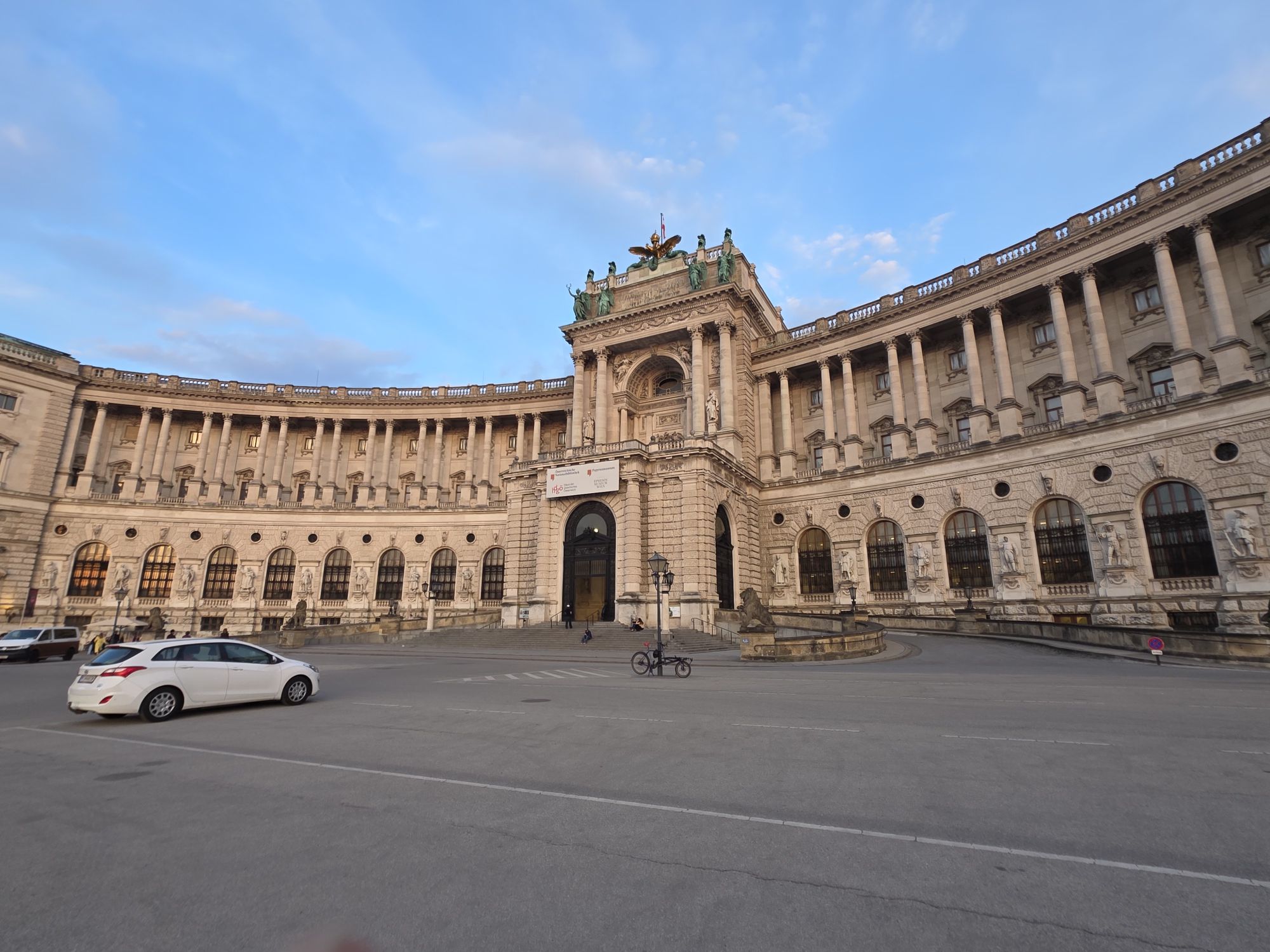
The enormous open space is surrounded by some of the city’s most important buildings, including the Hofburg Palace. The square has also played an important role in Austria’s political history and has been the setting for major public gatherings and demonstrations.
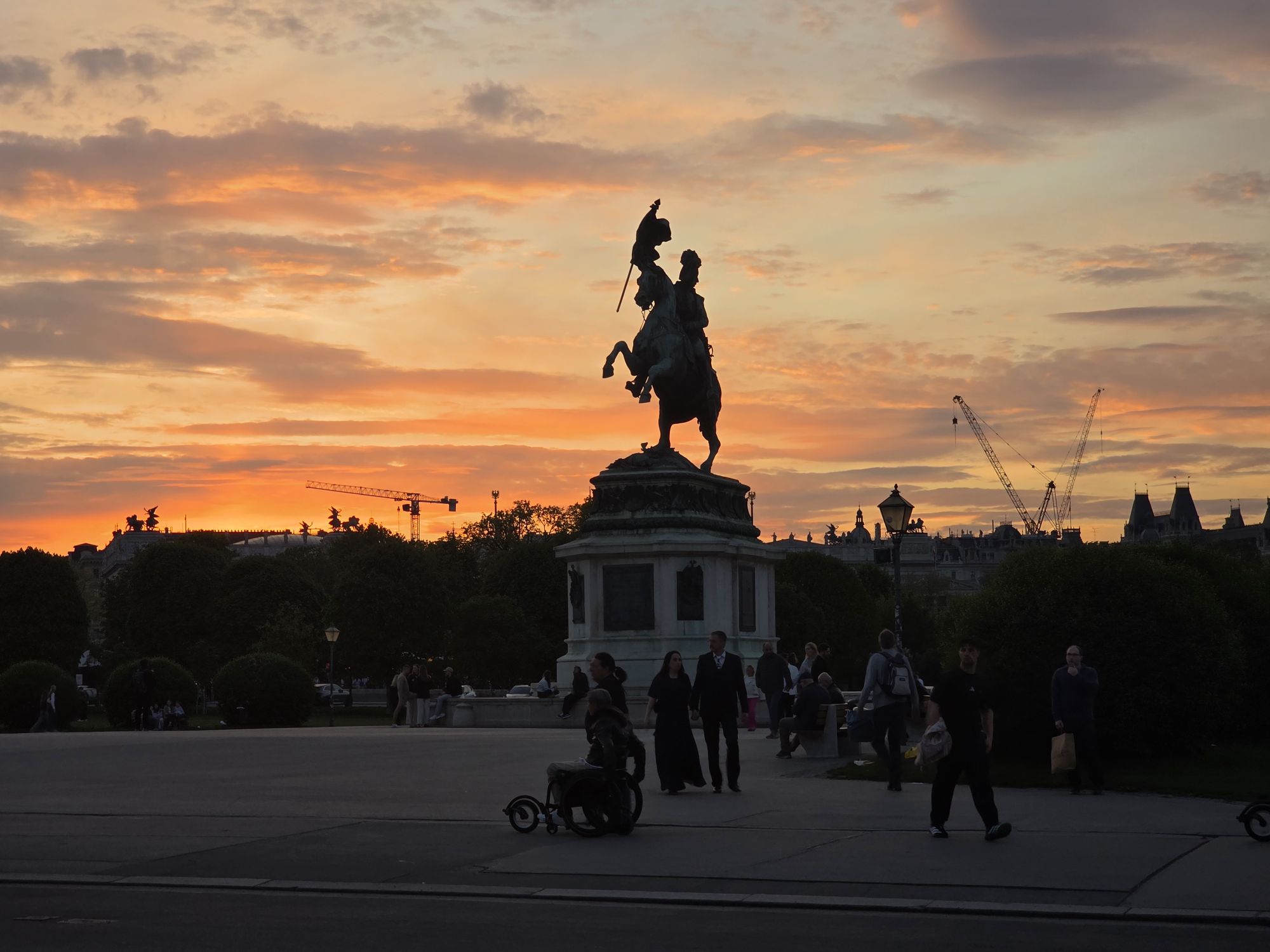
There are also several imposing monuments here, including the equestrian statue of Archduke Charles and the monument to Prince Eugene of Savoy.
The Looshaus
From the grand imperial architecture, the walk took a very different turn at the Looshaus.
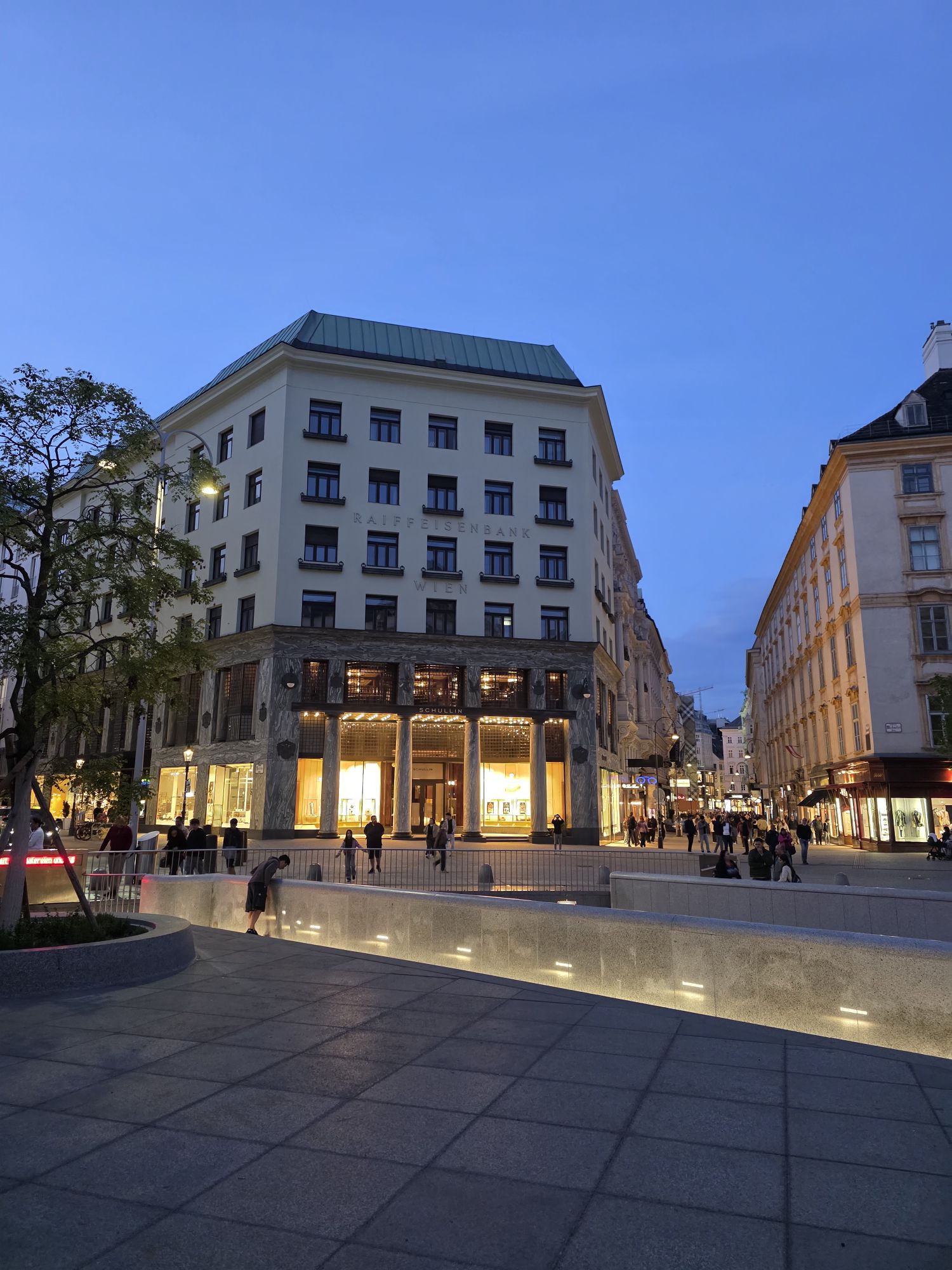
Designed by architect Adolf Loos in 1910, the building was radically different from the ornate architecture surrounding it. Its clean lines, plain facade and lack of traditional decoration made it stand out dramatically against Vienna’s historic buildings. Loos was famous for his criticism of excessive ornamentation, and the Looshaus became an important example of early modern architecture.
The Plague Column on the Graben
Next along the walk was the Graben, one of Vienna’s best-known shopping streets.
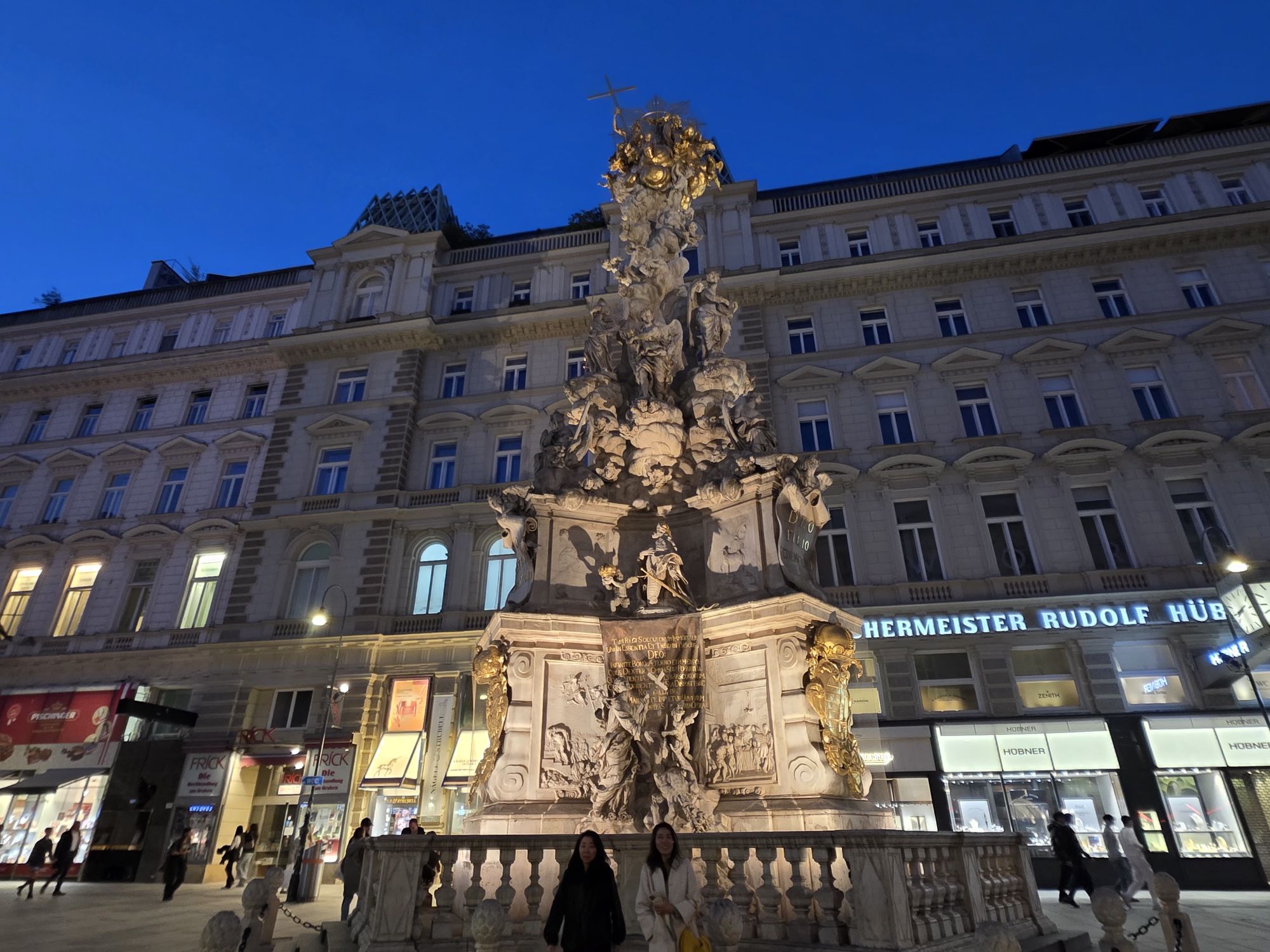
Among the shops and busy city life stands the impressive Plague Column, also known as the Pestsäule. The monument was commissioned after the devastating plague epidemic of 1679 and is one of the most elaborate Baroque monuments in Vienna.
St Stephen’s Cathedral
The final stop on the walking tour was perhaps the most spectacular of them all — St Stephen’s Cathedral.
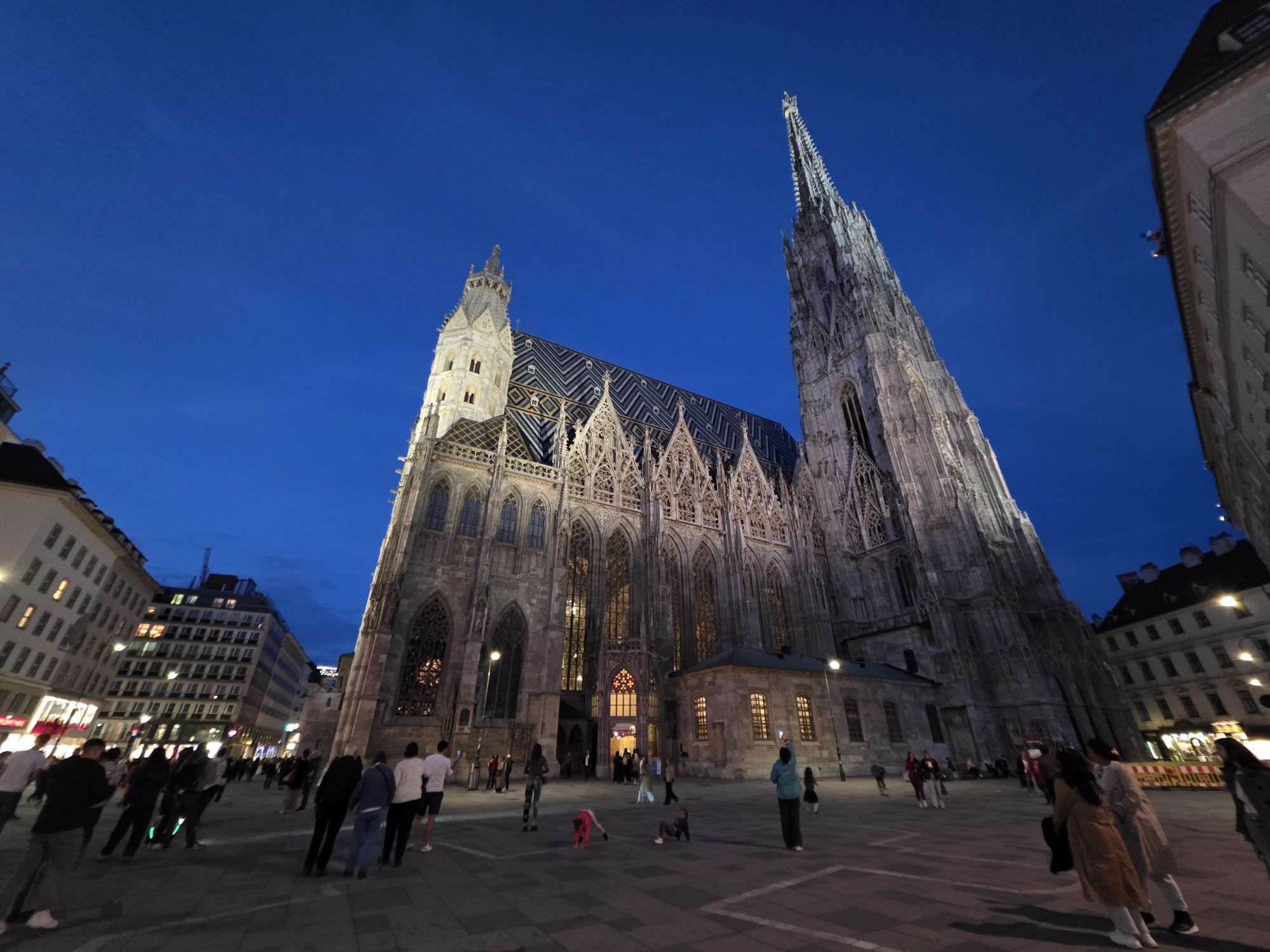
Located in the heart of Vienna, St Stephen’s Cathedral is one of the city’s defining landmarks. Its enormous Gothic tower rises 136 metres above the city, making it impossible to miss as you approach the centre. The cathedral dates back to the medieval period and has been rebuilt and altered many times over the centuries. Its detailed stonework, colourful roof and towering spire make it one of Vienna’s most recognisable buildings.
Time for Chocolate
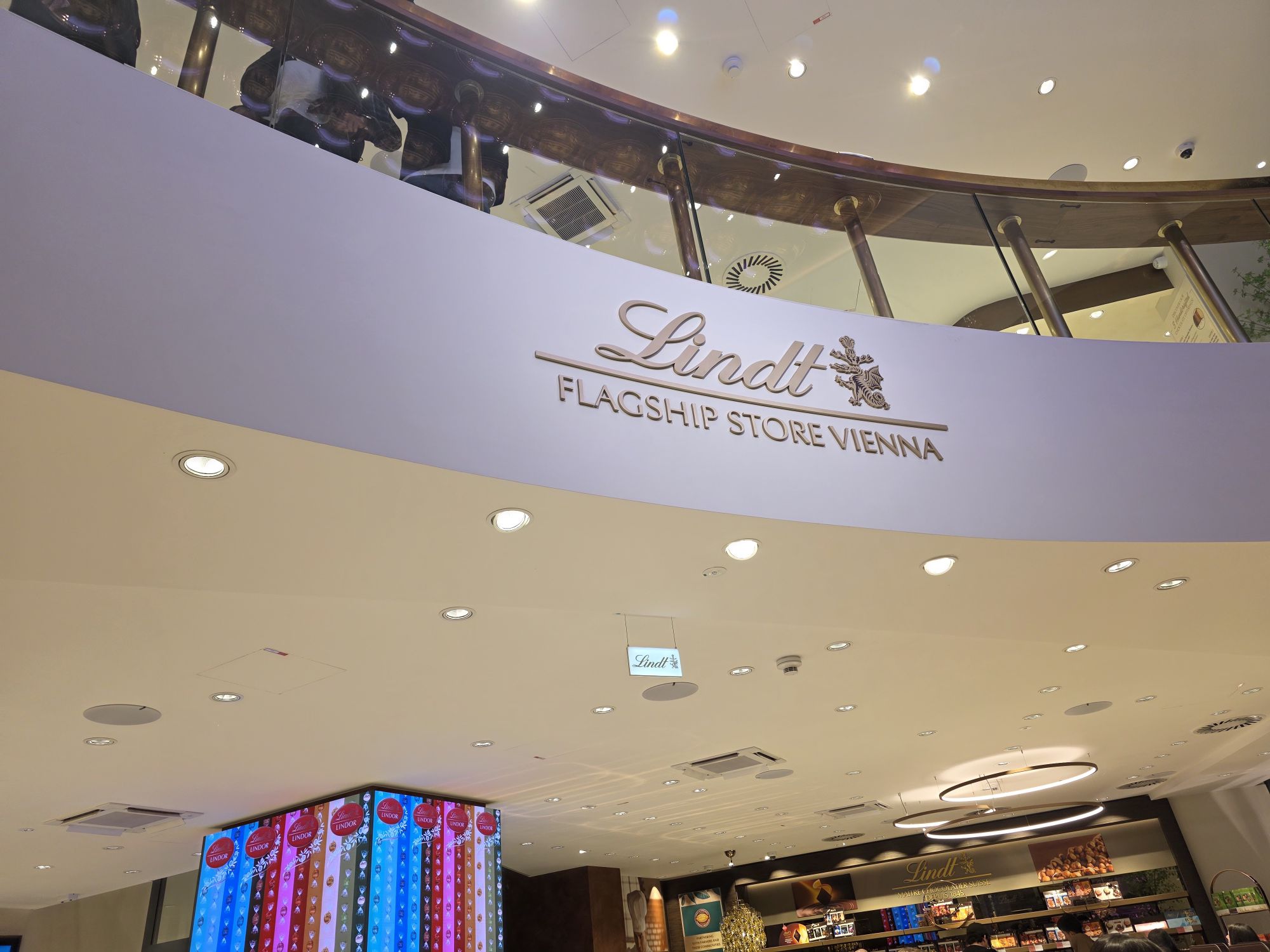
And with the walking tour officially over, I had one final destination in mind — the Lindt boutique.
If you’re visiting Vienna for the first time, I’d definitely recommend exploring the city on foot.

