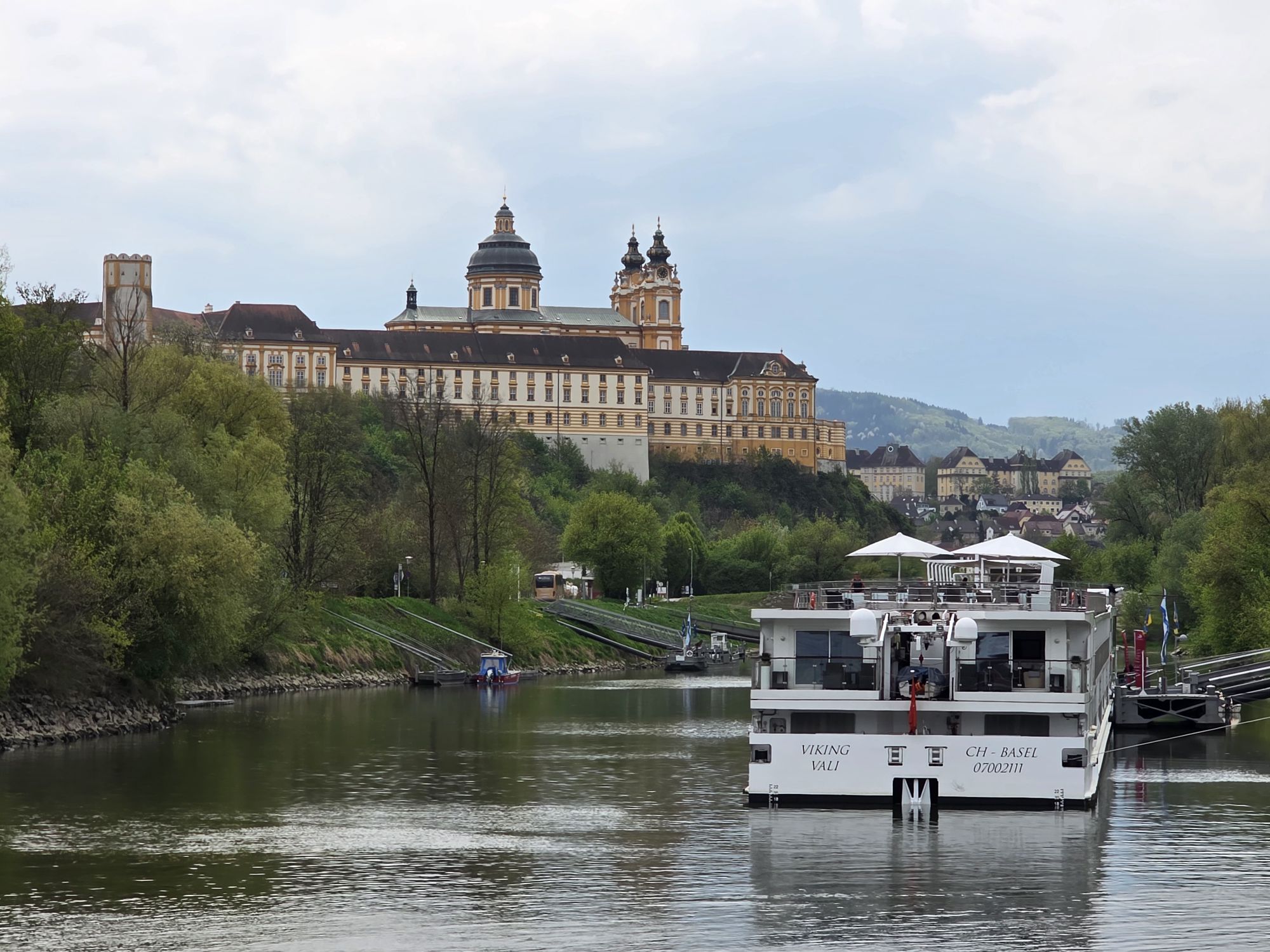
When and where: Wachu Valley, April 2026
During my visit to Vienna, I decided to go on a day trip to visit the Wachau Valley and Melk Abbey. I booked the tour with GetYourGuide.
From Vienna to Dürnstein
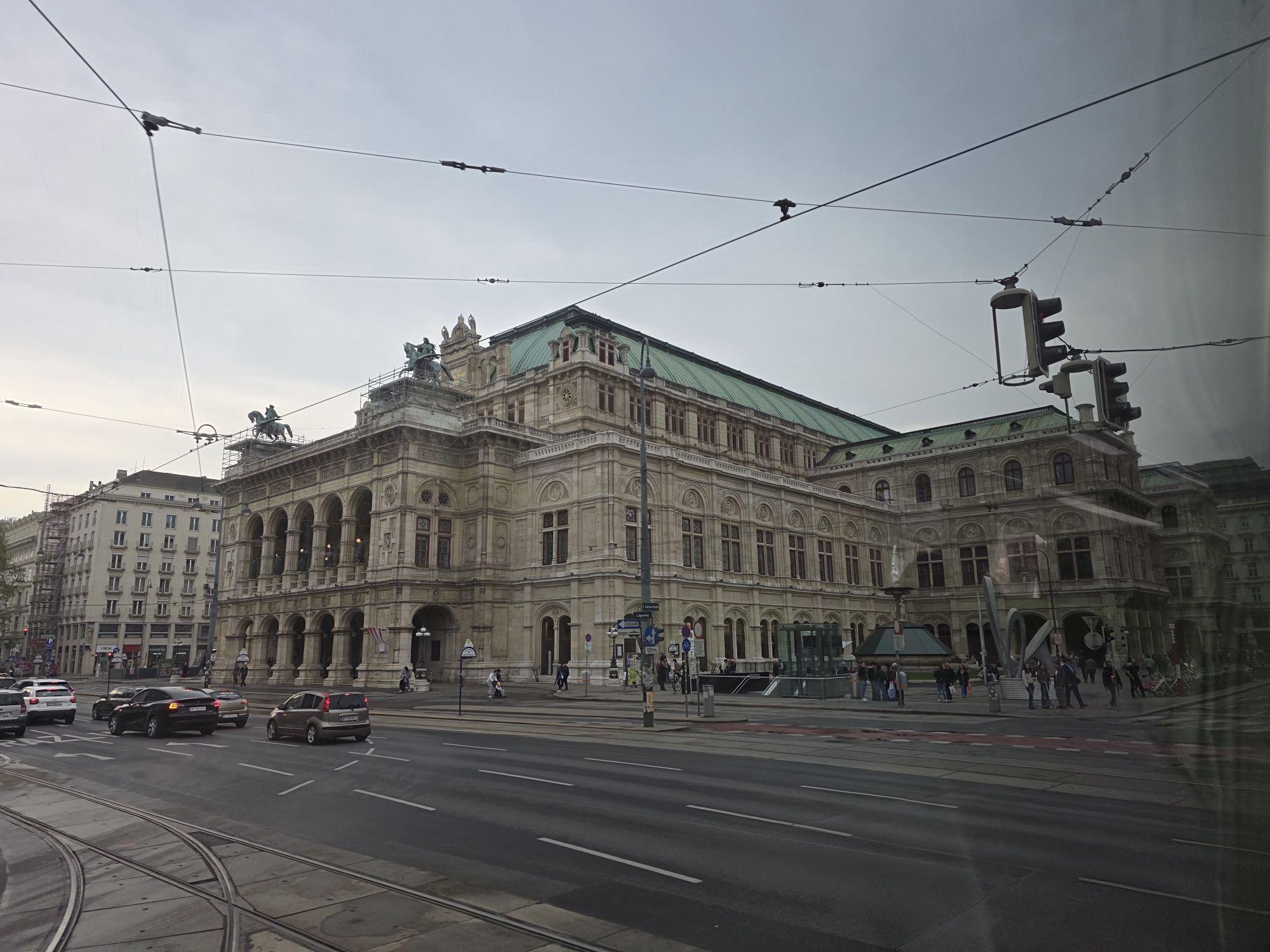
0845: I met the tour group outside the Vienna State Opera and climbed aboard the coach. There were about 20 of us and it was a comfortable 50 seater coach.
As we headed out of Vienna, our guide began telling us about the area and the Danube. It crosses ten countries, making it one of the most international rivers in the world.
We were heading towards the Wachau Valley, a particularly beautiful section of the Danube which has been designated a UNESCO World Heritage Site.
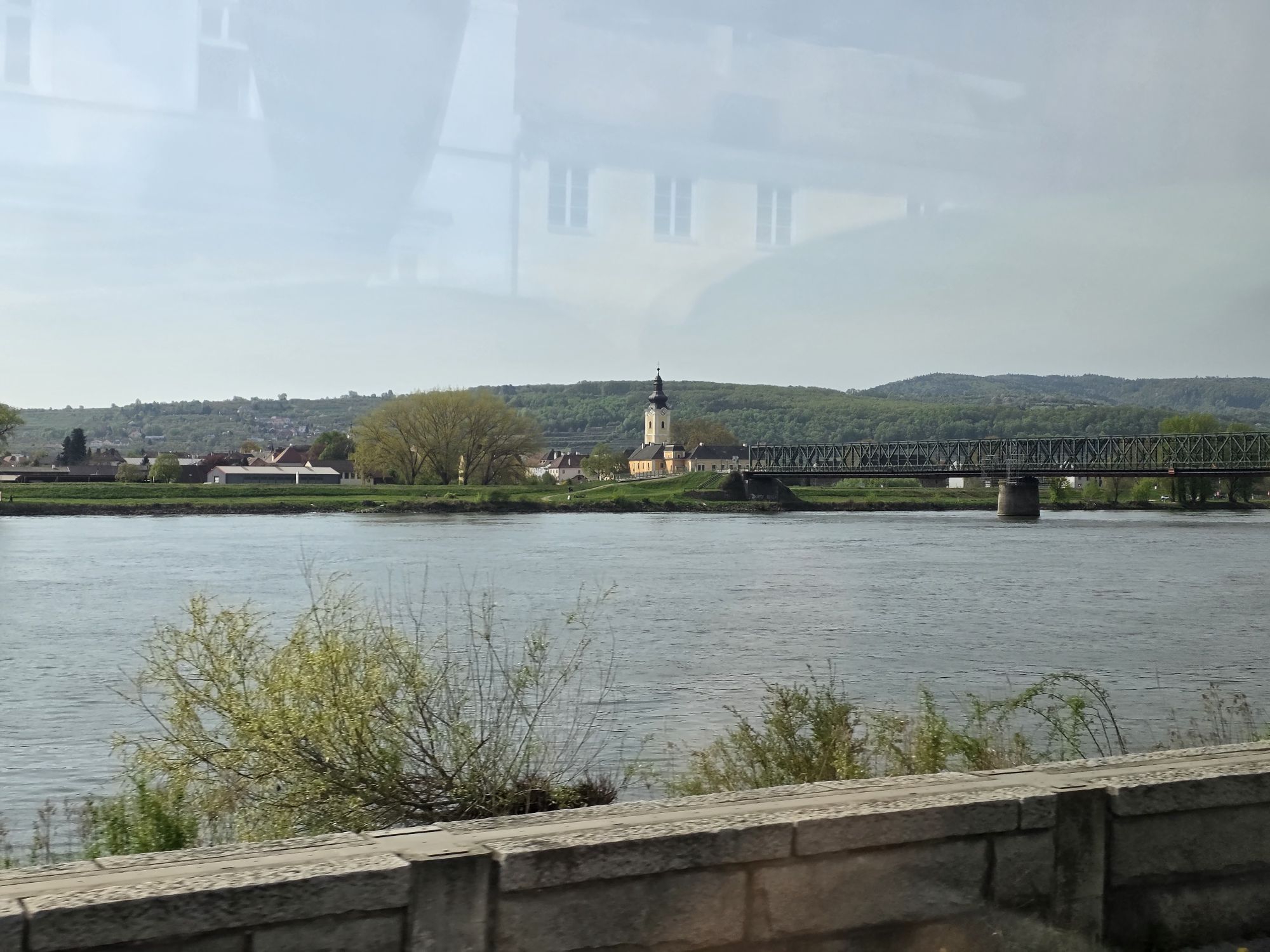
The scenery gradually changed as we left Vienna behind. Vineyards appeared on the hillsides, with little villages dotted along the river.
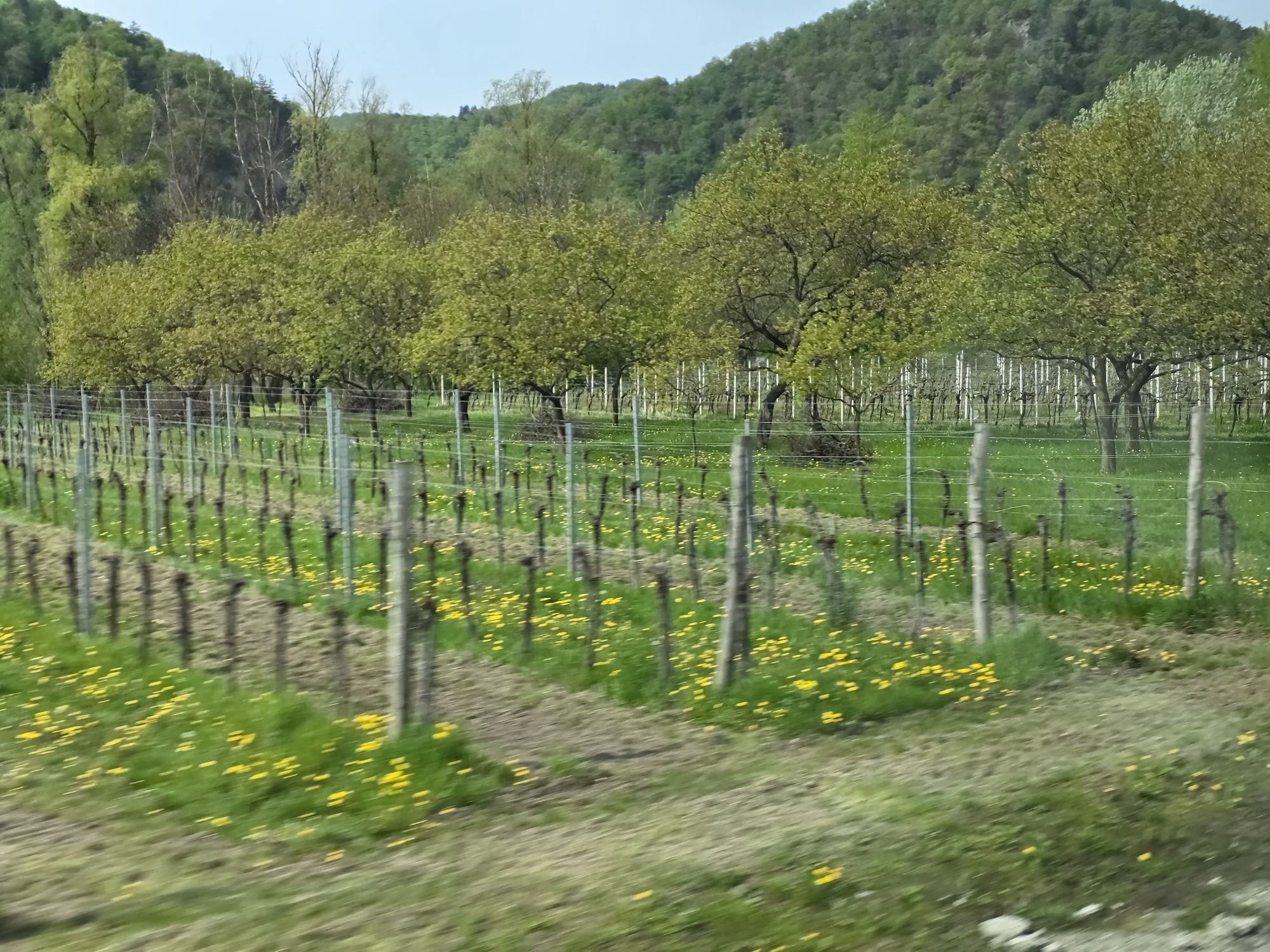
Wine is, unsurprisingly, a big part of life here, but apparently it’s not just wine that visitors should try. Apricots are also hugely important in the Wachau, with apricot juice and apricot marmalade being particularly popular.
Dürnstein – The Dry Rock
1030: Our first stop was Dürnstein.
Dürnstein is a small medieval village sitting on the banks of the Danube. The name apparently translates roughly as “dry rock”, which seems rather appropriate given the rocky landscape surrounding it.
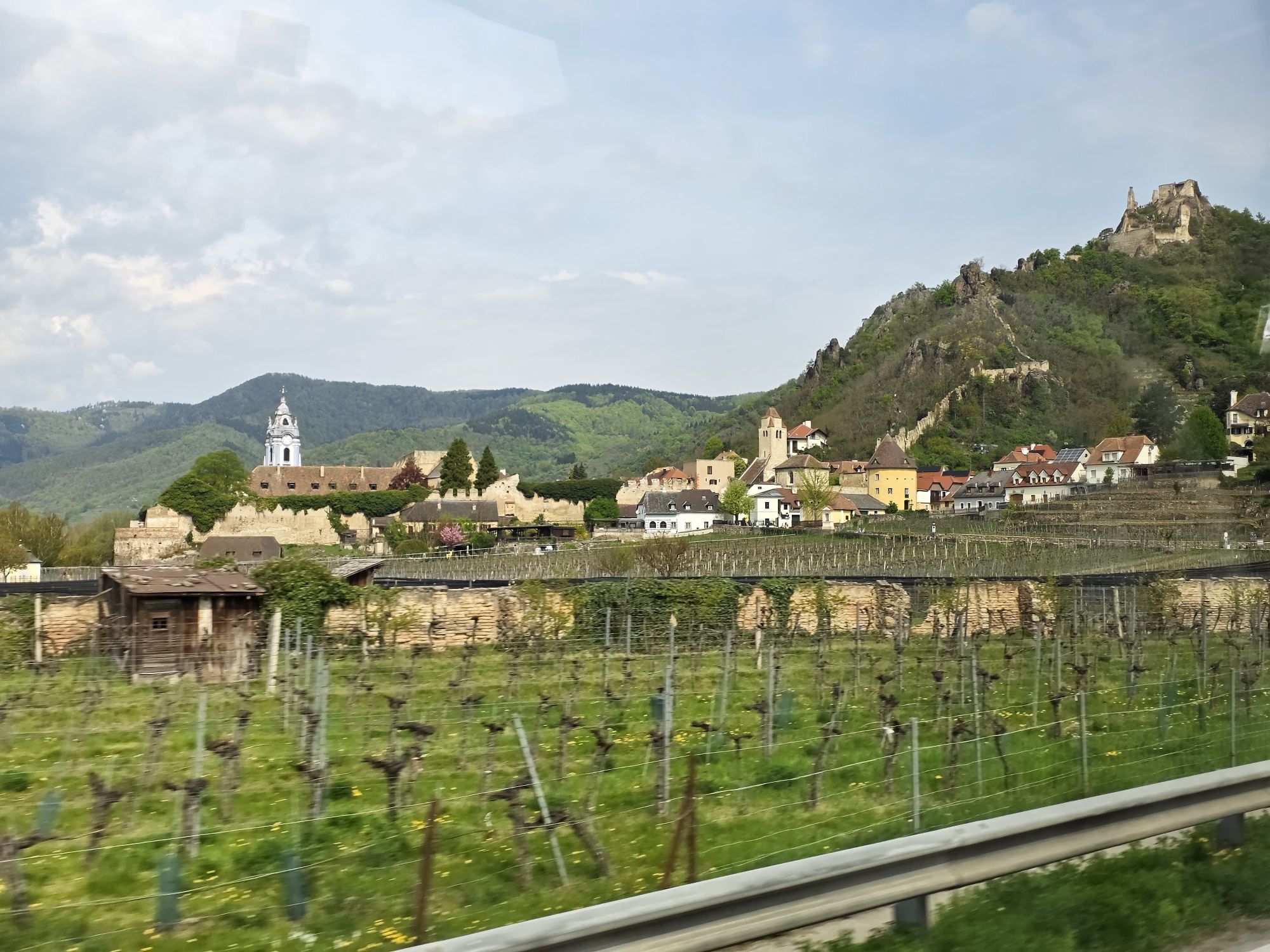
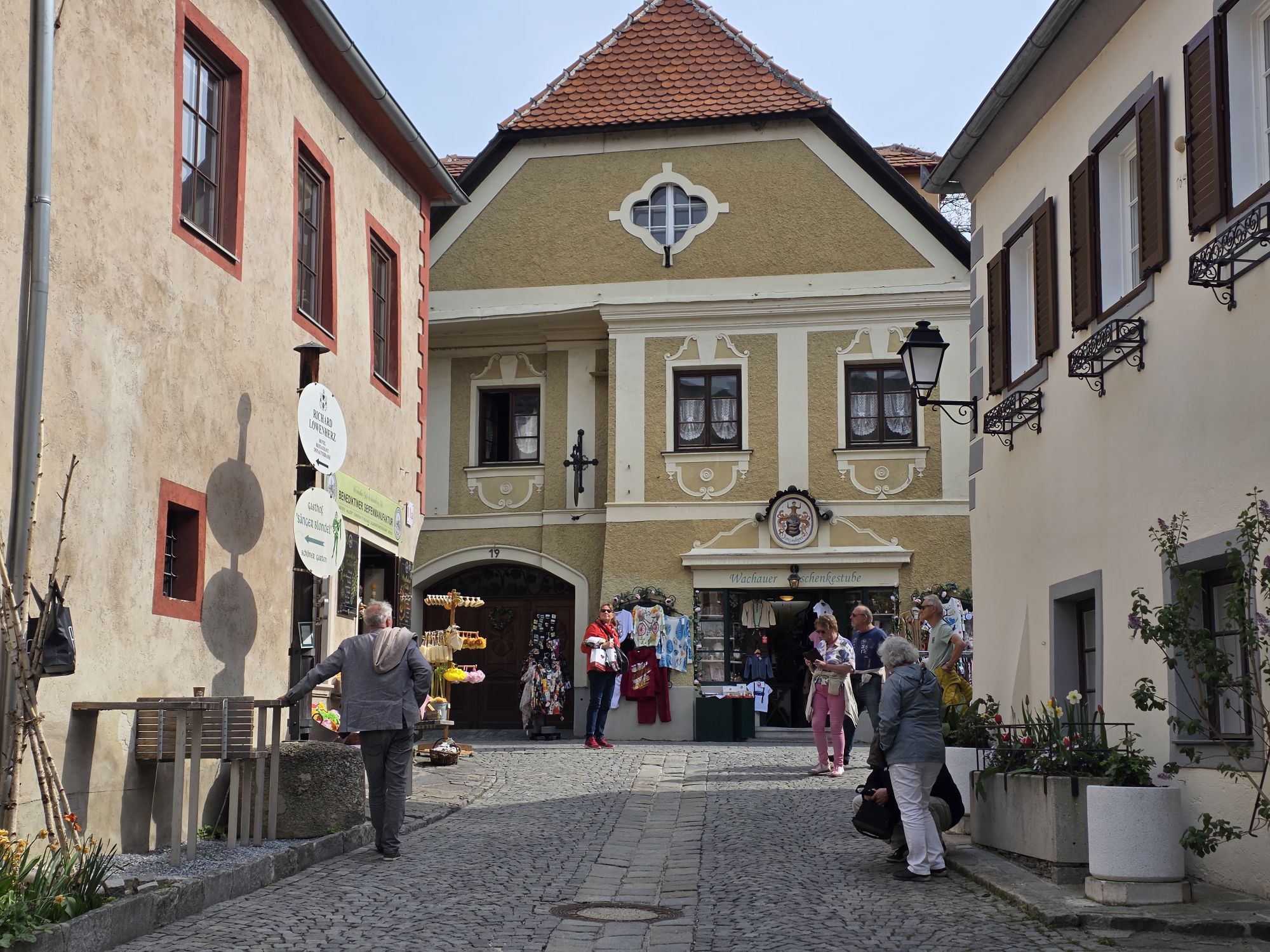
It is the sort of place that looks as though it has been lifted straight from a storybook, with colourful buildings, narrow streets and the ruins of Dürnstein Castle perched high above the town.
And it is this castle that give Dürnstein one of its most famous stories.
Richard the Lionheart
Richard the Lionheart was imprisoned here in the 12th century.
King Richard and Leopold V, Duke of Austria, had been fighting in the Crusades. Although they fought for the same side, the men had a number of personal altercations during the crusades.
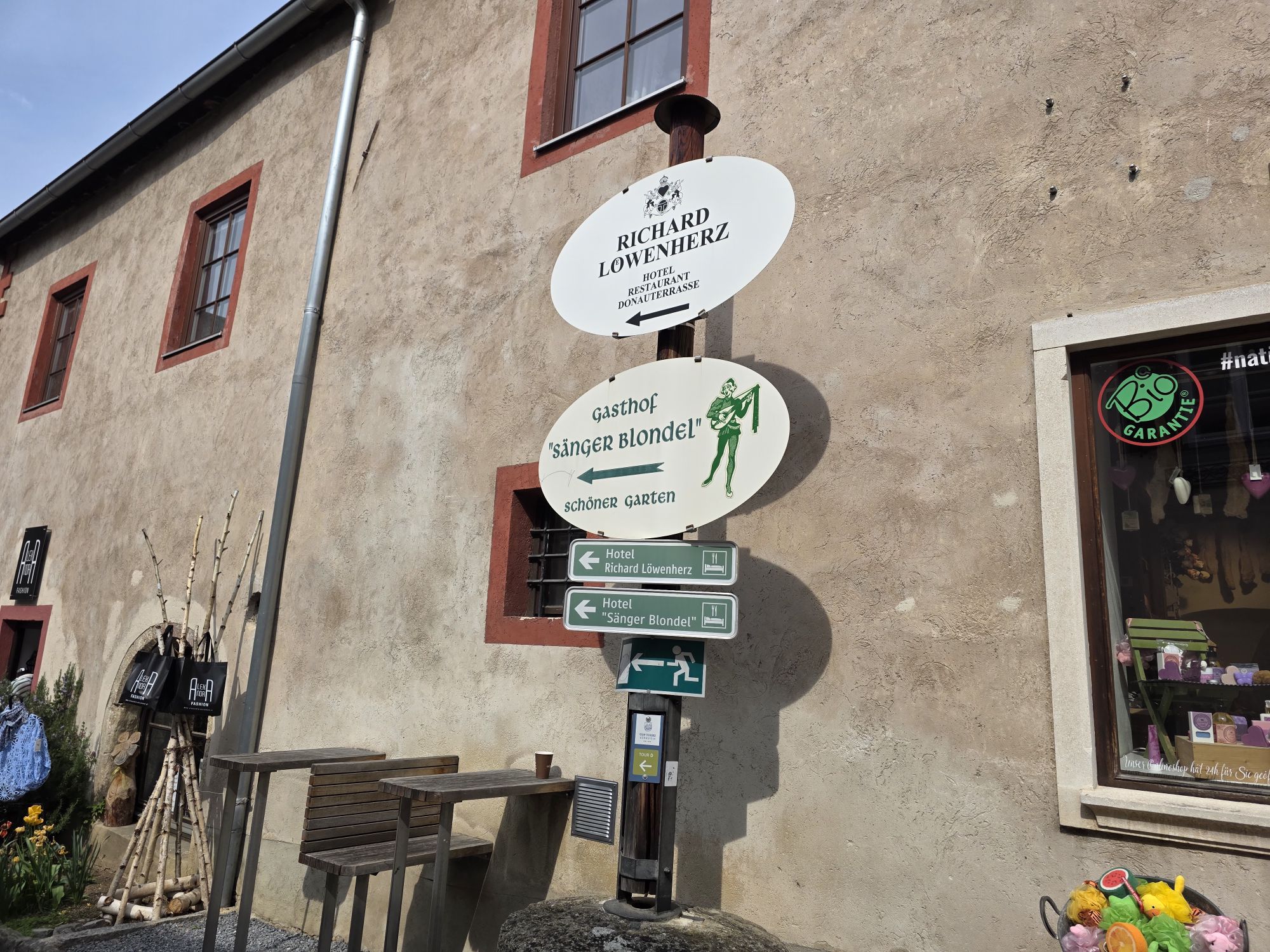
On his way back from the crusades through Austria, King Richard was shipwrecked and had no choice but to cross into the territory of Leopold V. Although he was under disguise, Richard was found out and Leopold imprisoned Richard at Dürnstein Castle for several months.
King Richard was handed over to the Holy Roman Emperor who demanded a ransom of 150,000 Marks to release him. This was reportedly more than three times the annual income of the English Crown at the time. England eventually paid the ransom and Richard was back in England in little over a year.
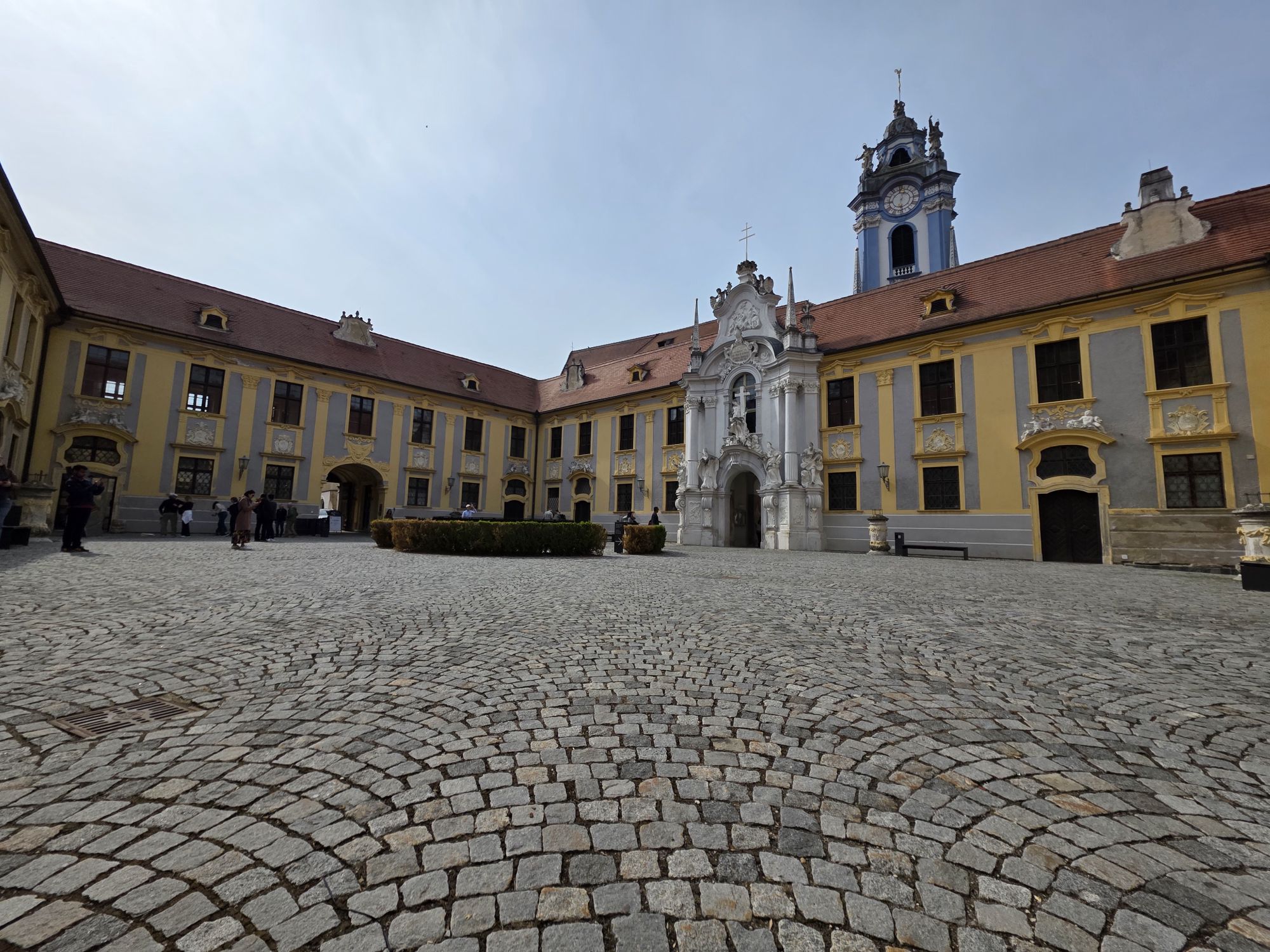
It’s quite a story to associate with such a pretty little village. We had around 45 minutes to explore, which was just enough time to wander through the streets, look up at the castle ruins and take in the views before continuing on our journey. Unfortunately there was not enough time to climb to the castle ruins.
Cruising the Danube
1145: Back on the coach, we continued to Spitz, where we boarded our boat for the journey down the Danube towards Melk.
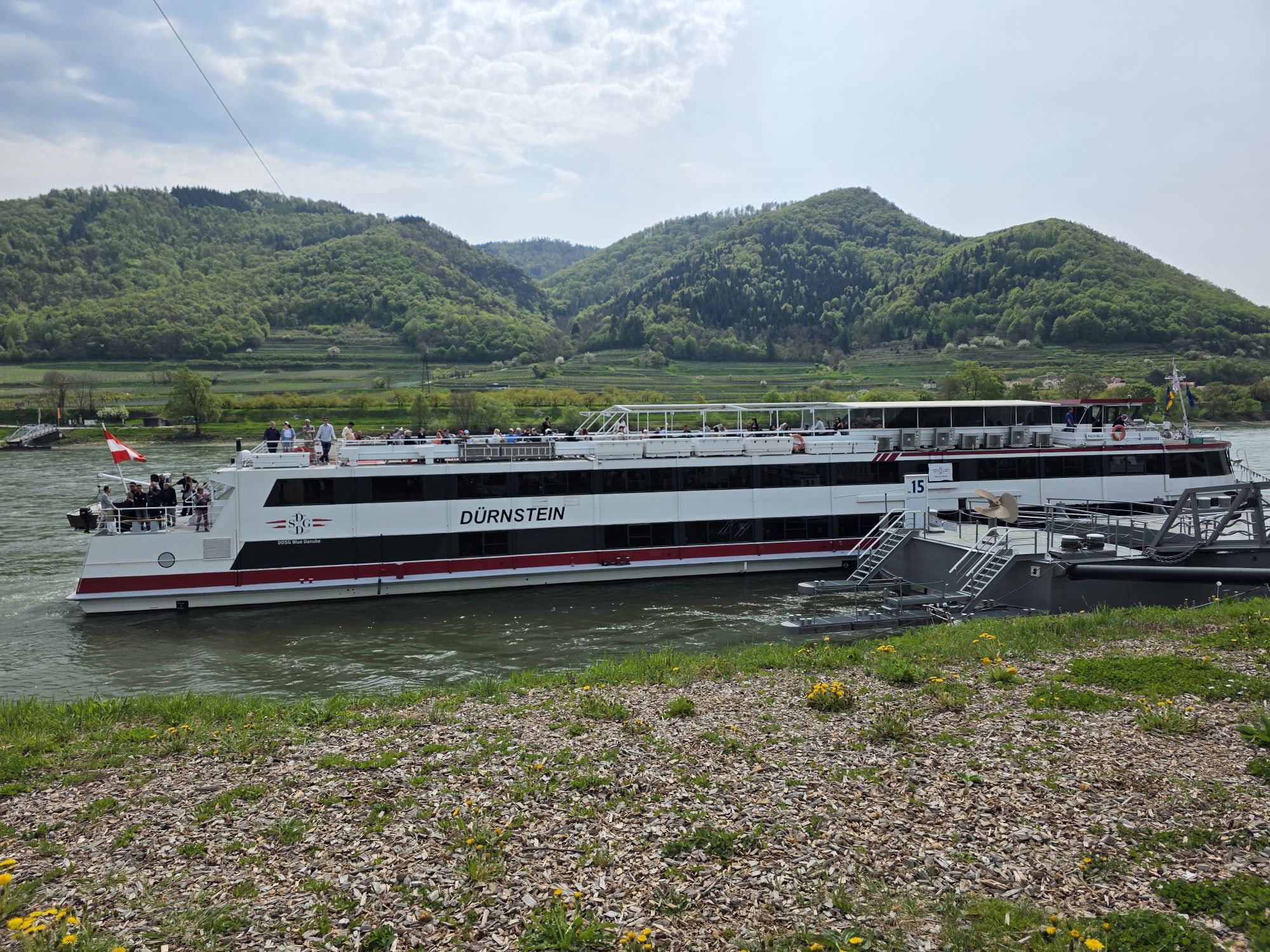
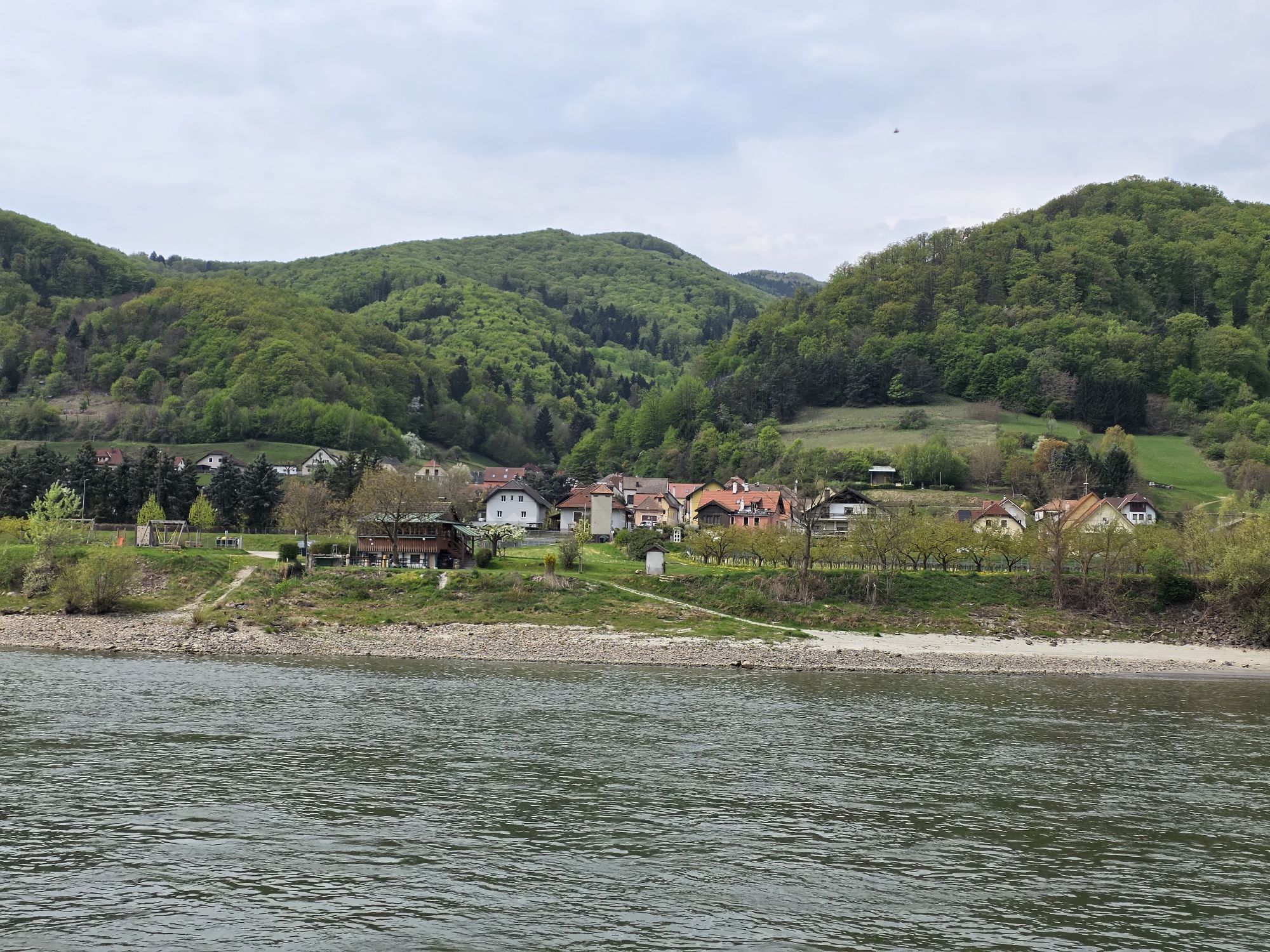
Vineyards, wooded hills, little villages and historic buildings line the river as the boat makes its way downstream.
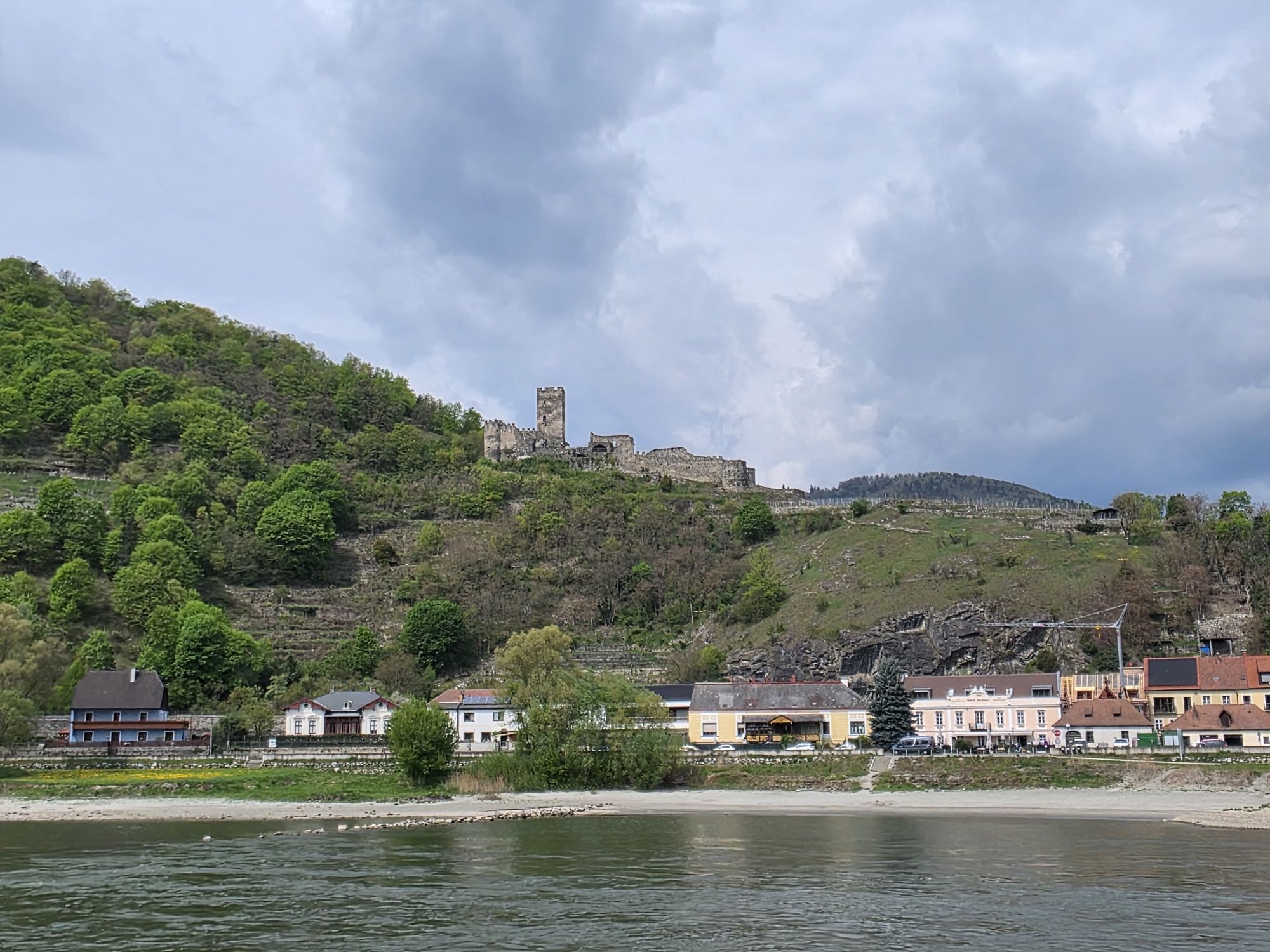
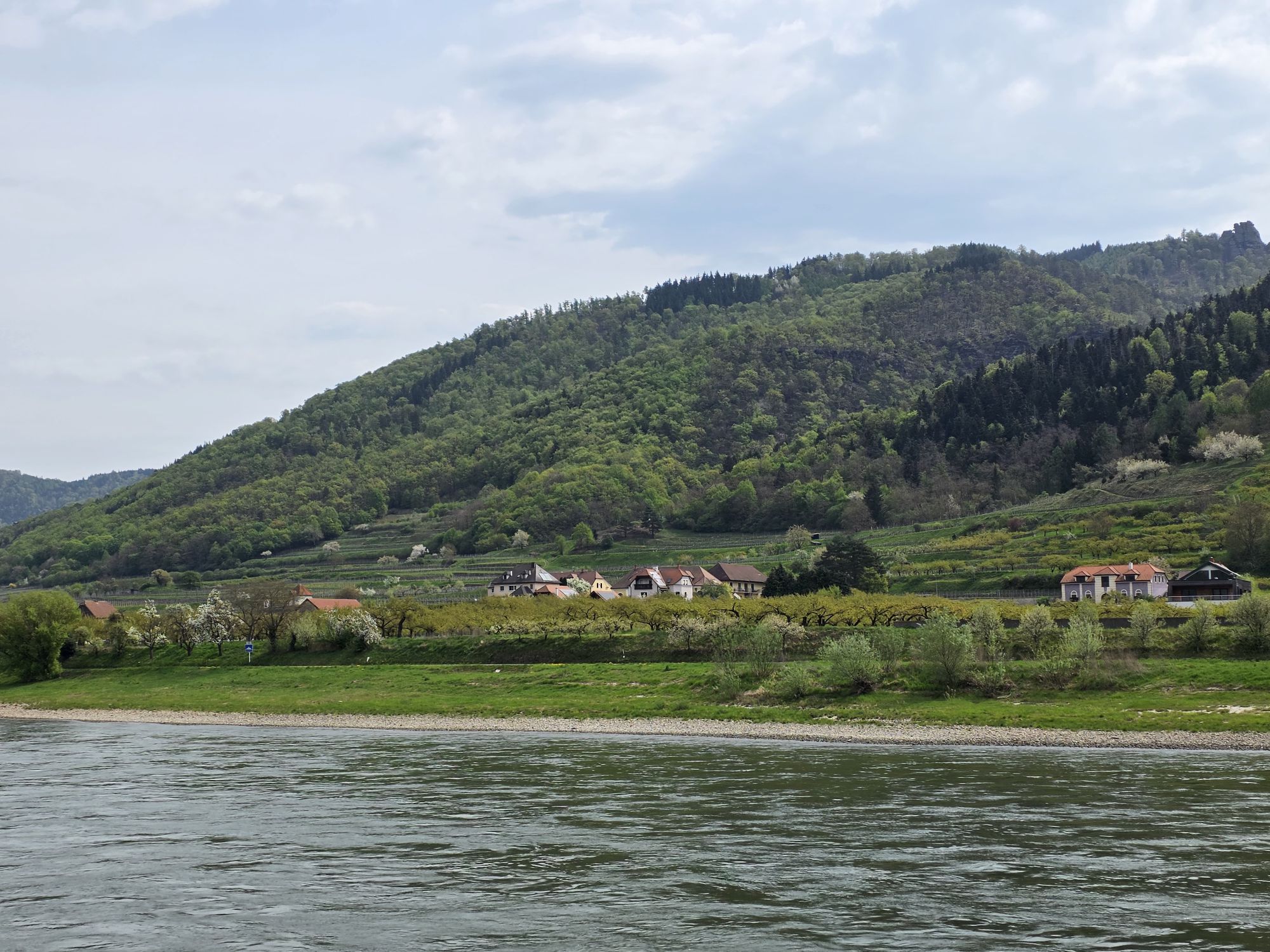
The Wachau isn’t just known for its scenery and wine, either. The area has a long history of industry and trade, while nearby Krems, for example, became an important centre for the metal industry.
The Danube is also home to the sturgeon, the largest freshwater fish in Europe.
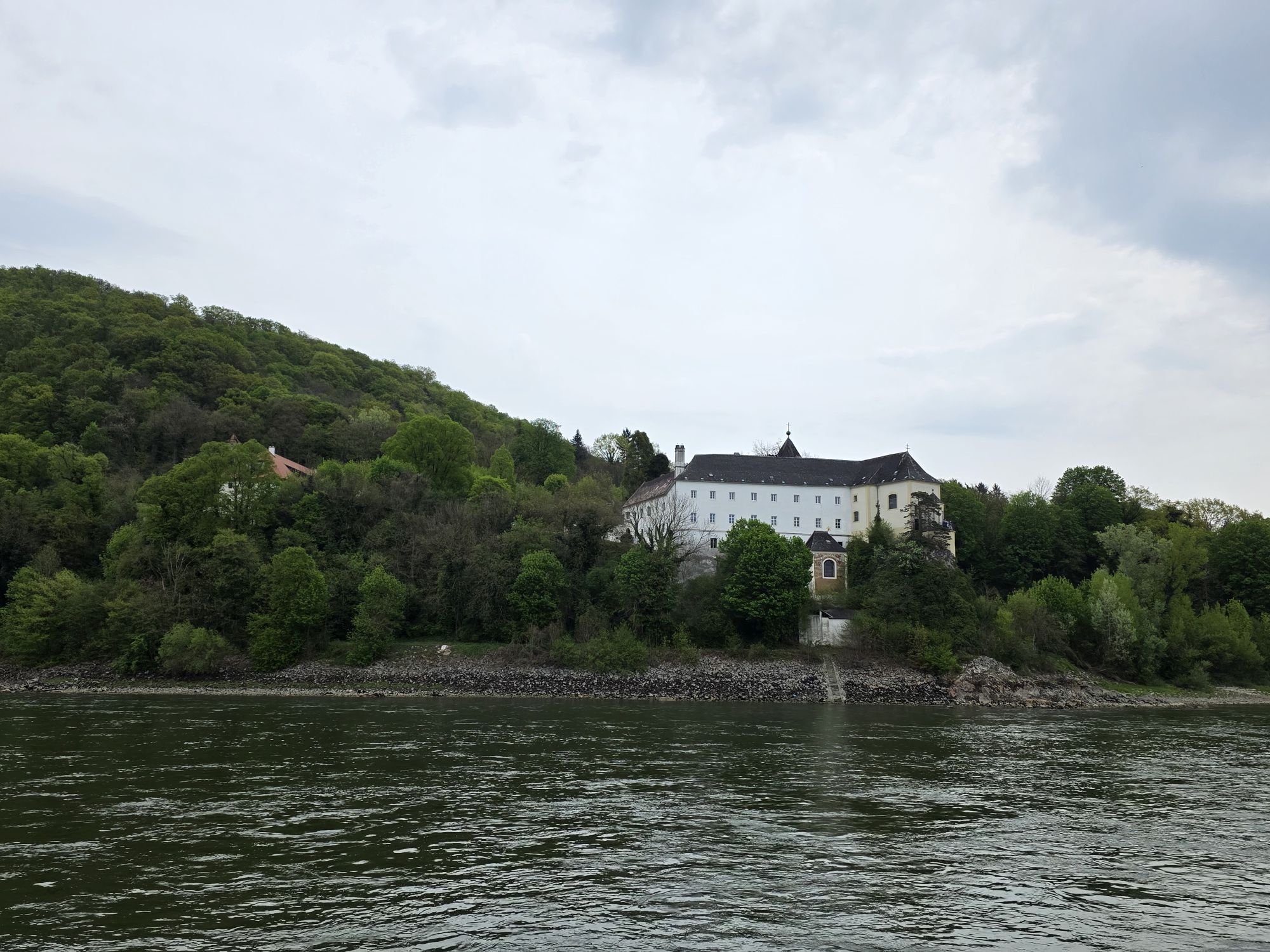
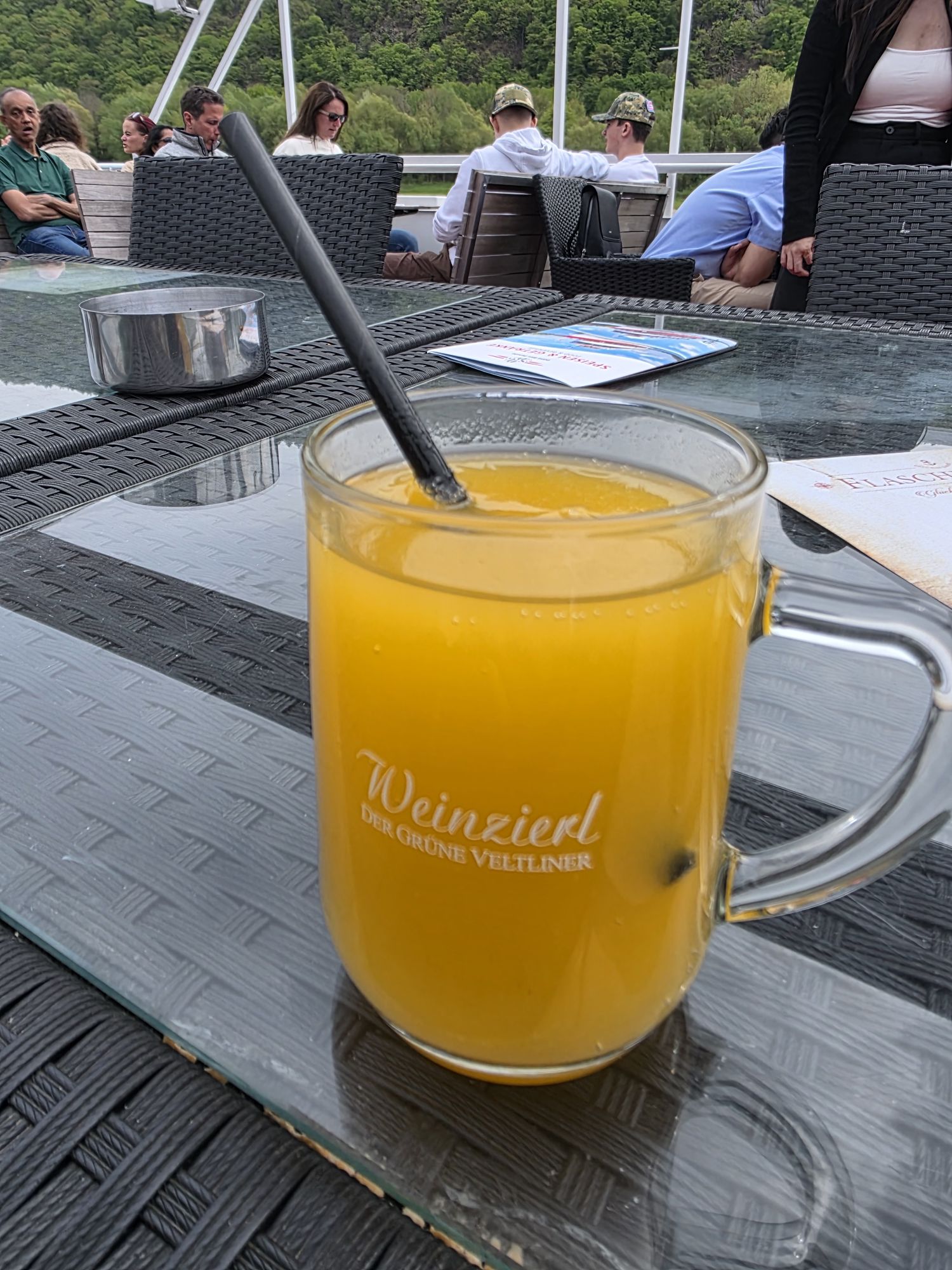
After the relatively early start, it was nice to simply to sit back, watch the scenery go by.
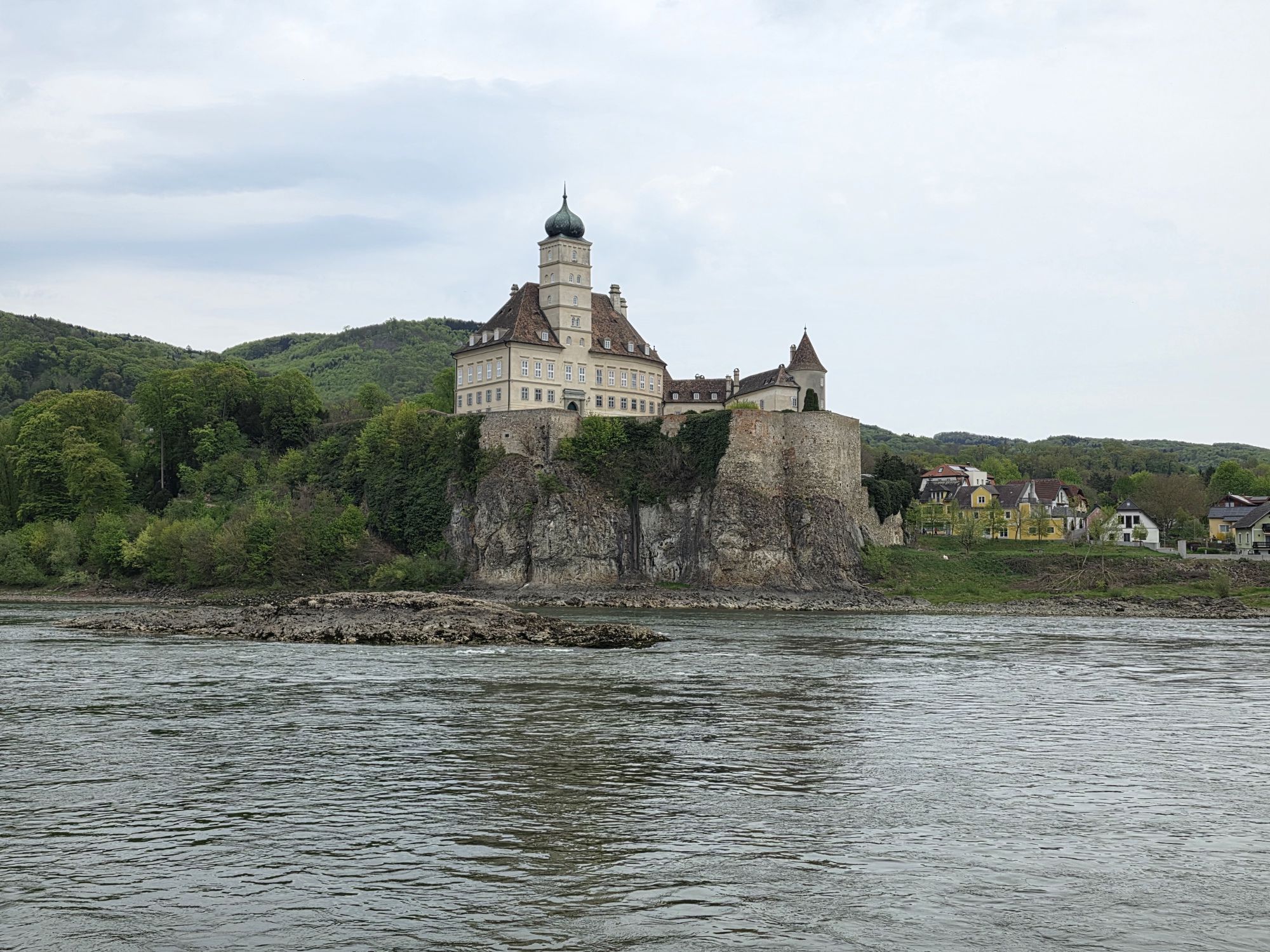
The cruise lasted around an hour and a half before we arrived at Melk.
Exploring Melk
1330: Once we arrived, we were taken by coach into the centre of Melk and given some free time before our abbey tour.
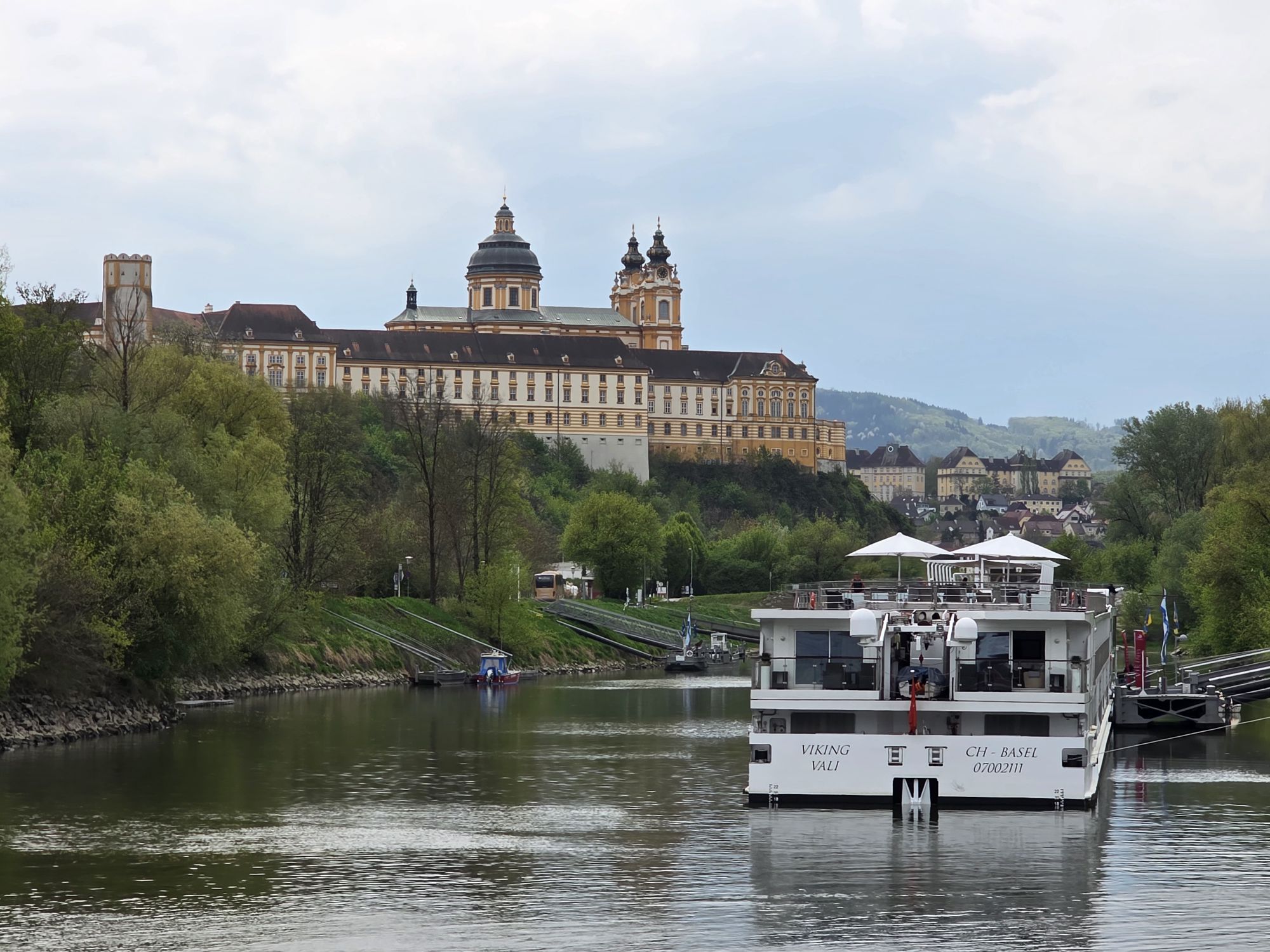
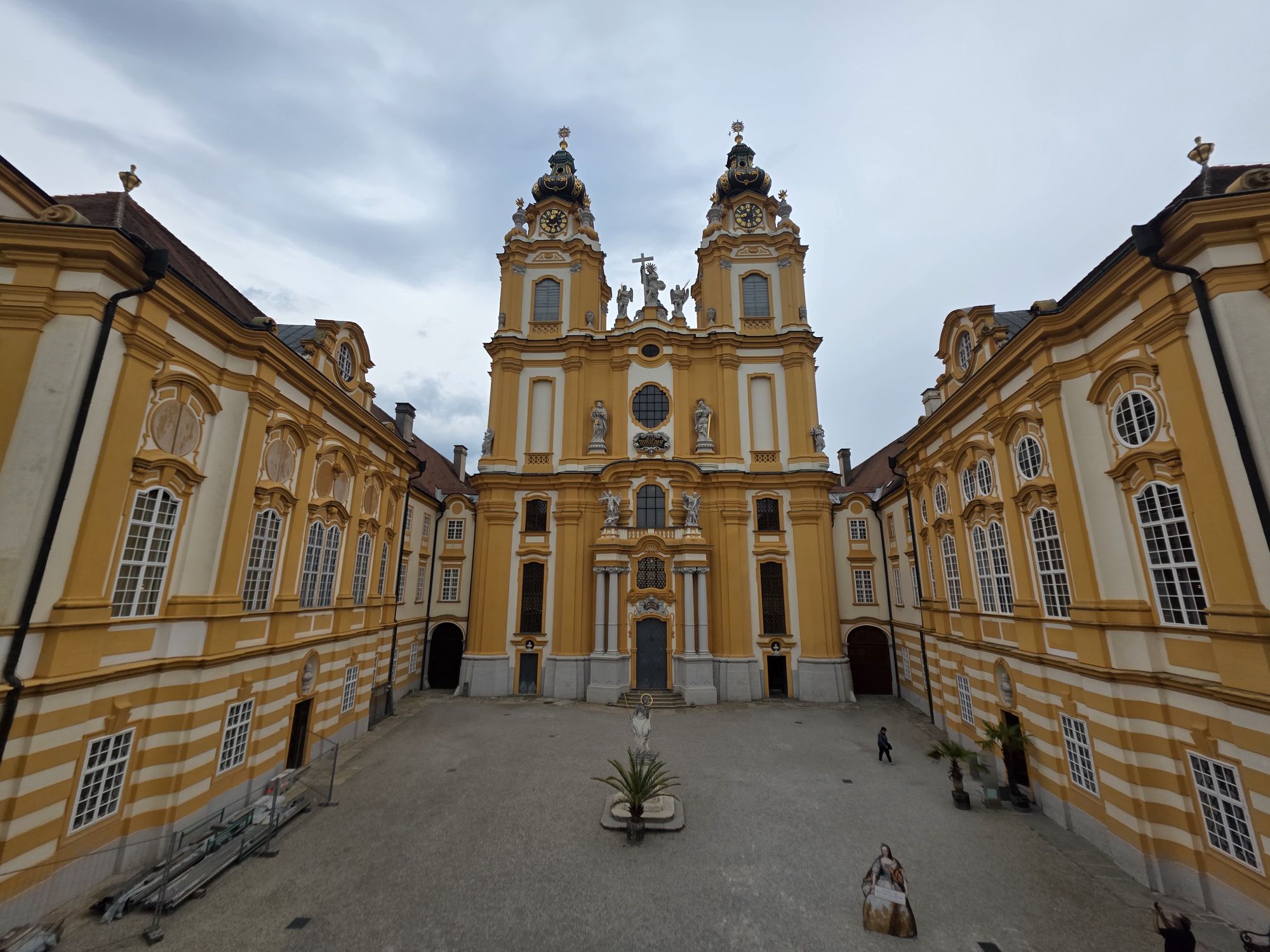
Melk itself is a lovely little town, but it was the view of the abbey itself that is the most striking thing about the centre of Melk. Perched dramatically above the town, Melk Abbey is enormous.
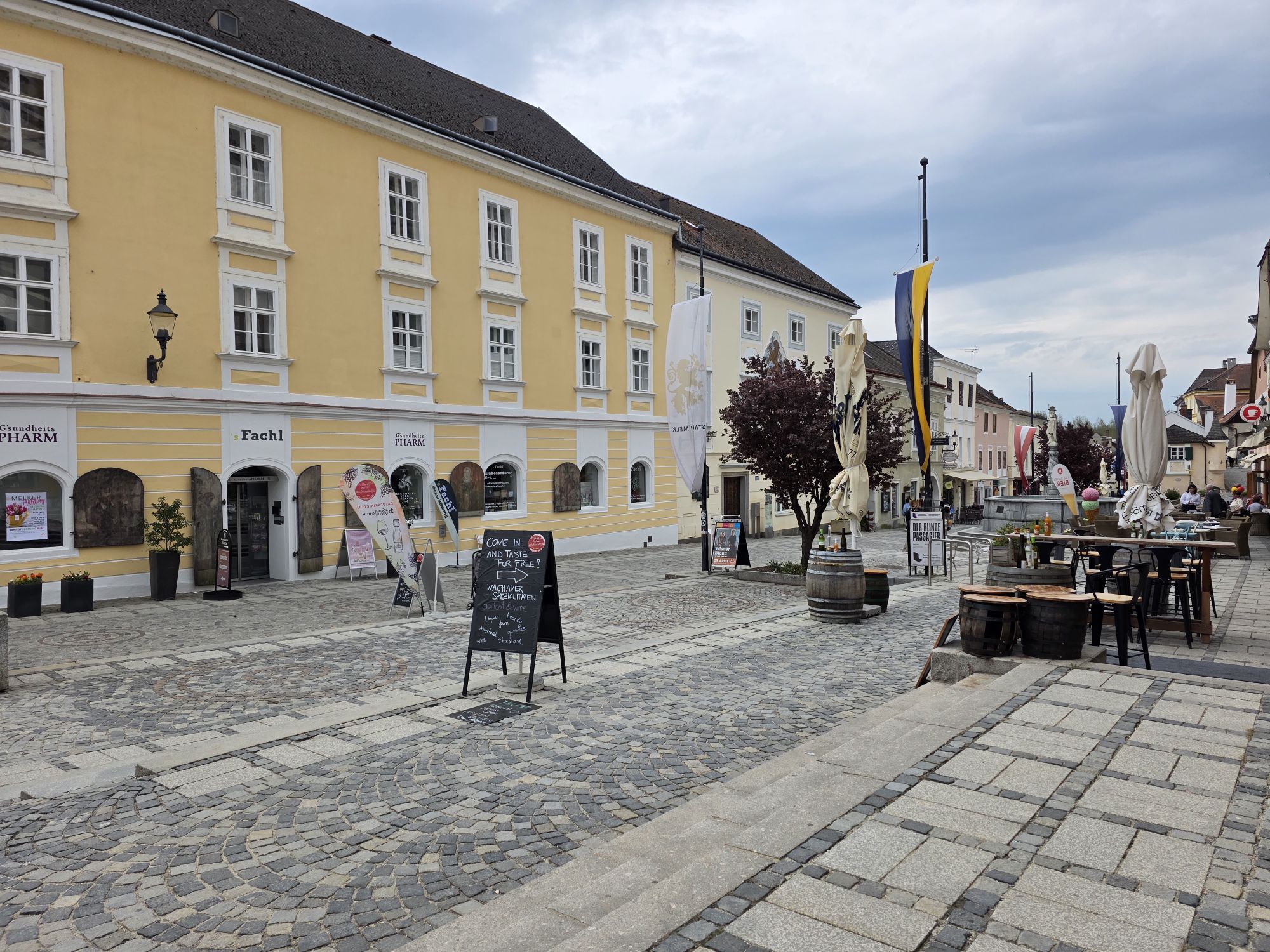
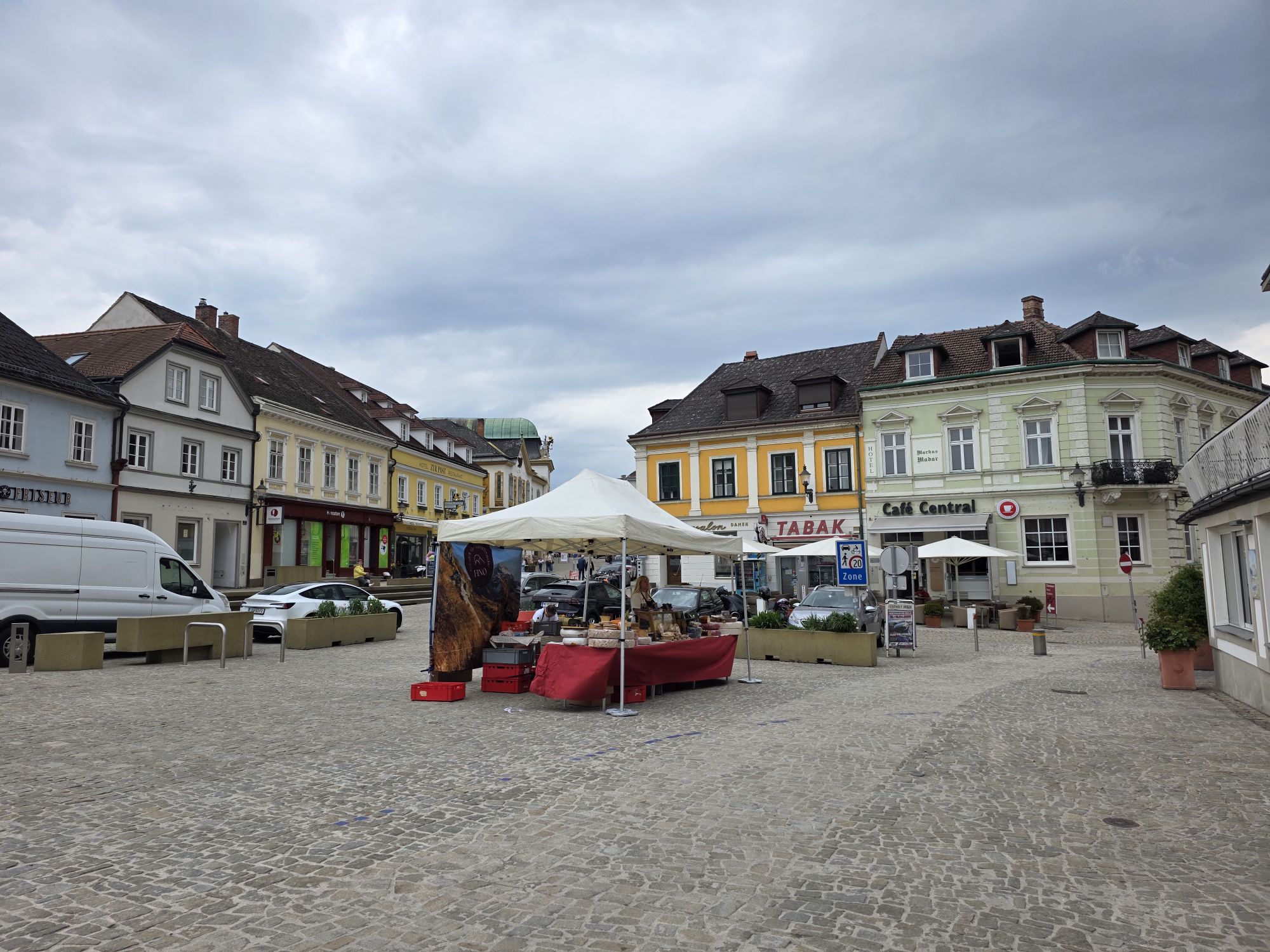
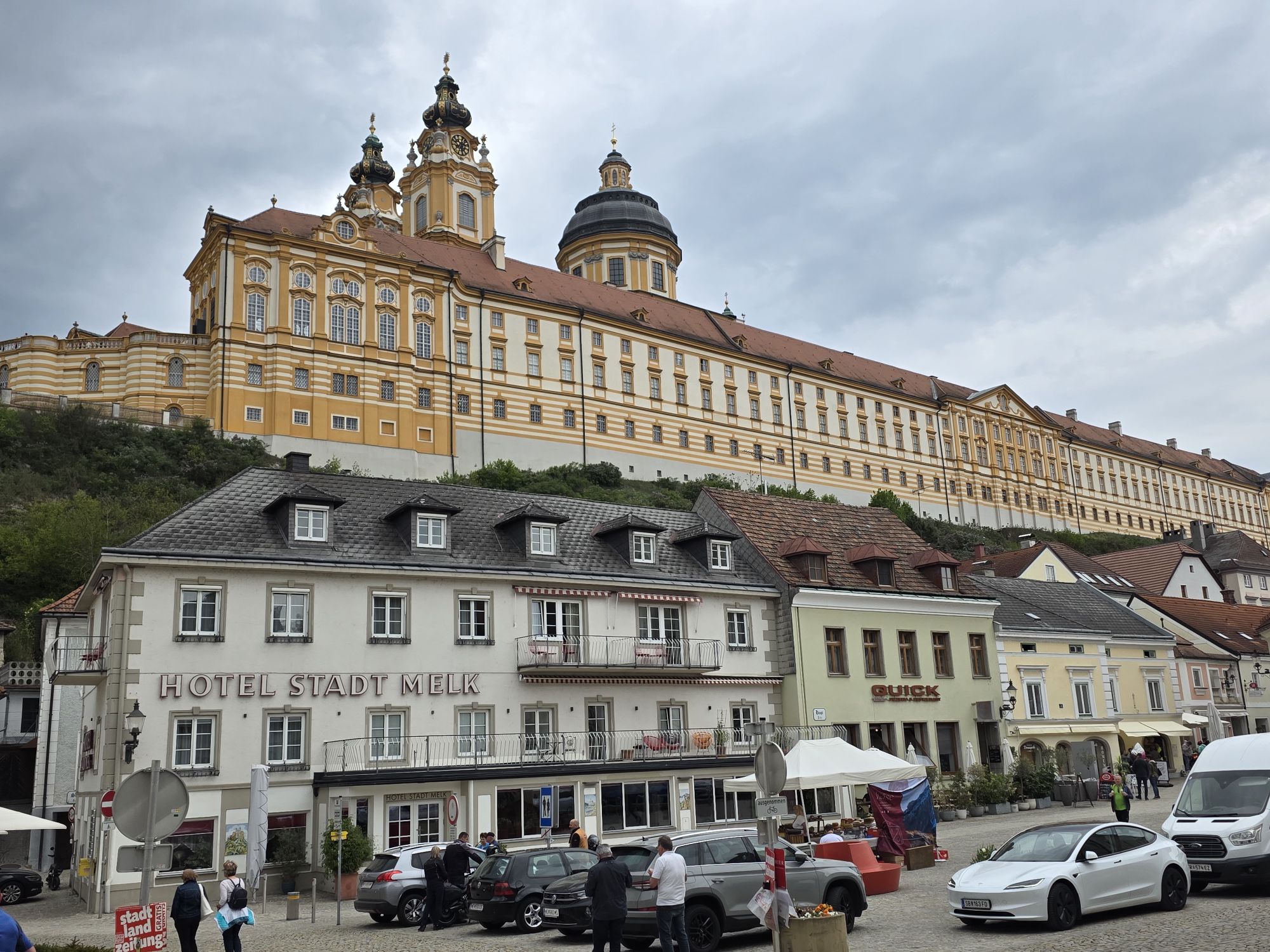
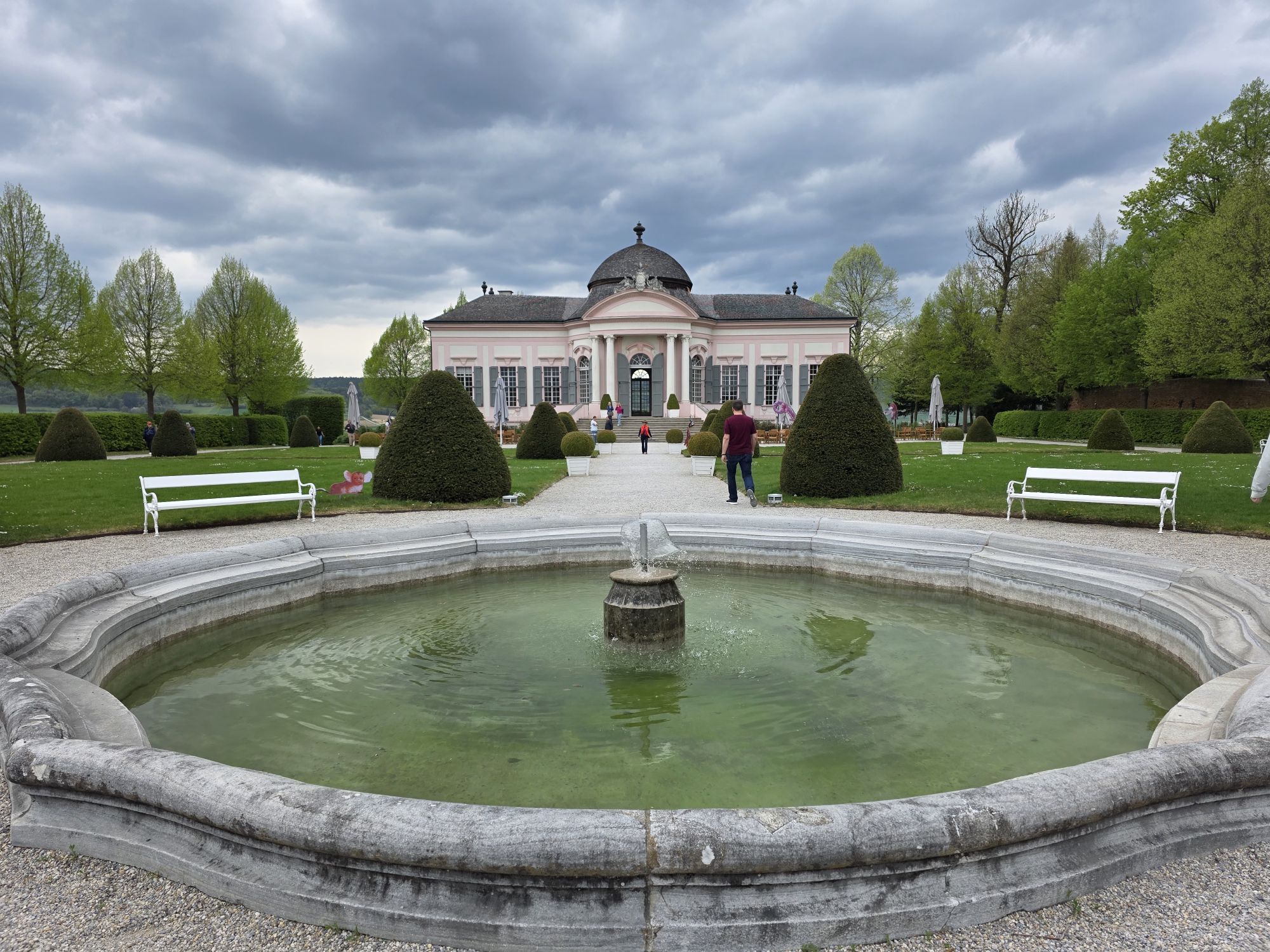
I also had a chance to look around the Abbey gardens before the guided tour and they were quite spectacular.
Melk Abbey
1450: Our guided tour of the Abbey began.
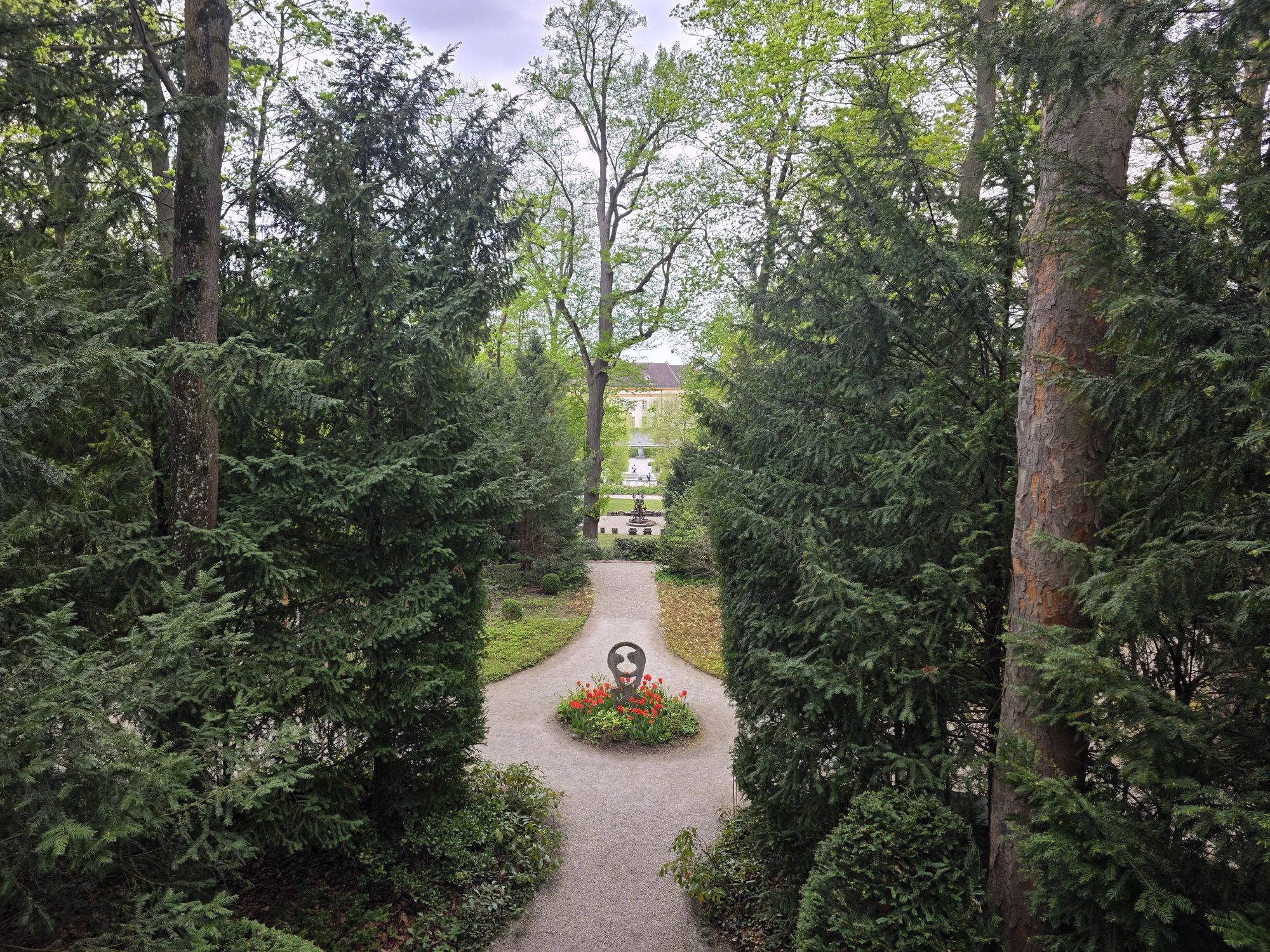
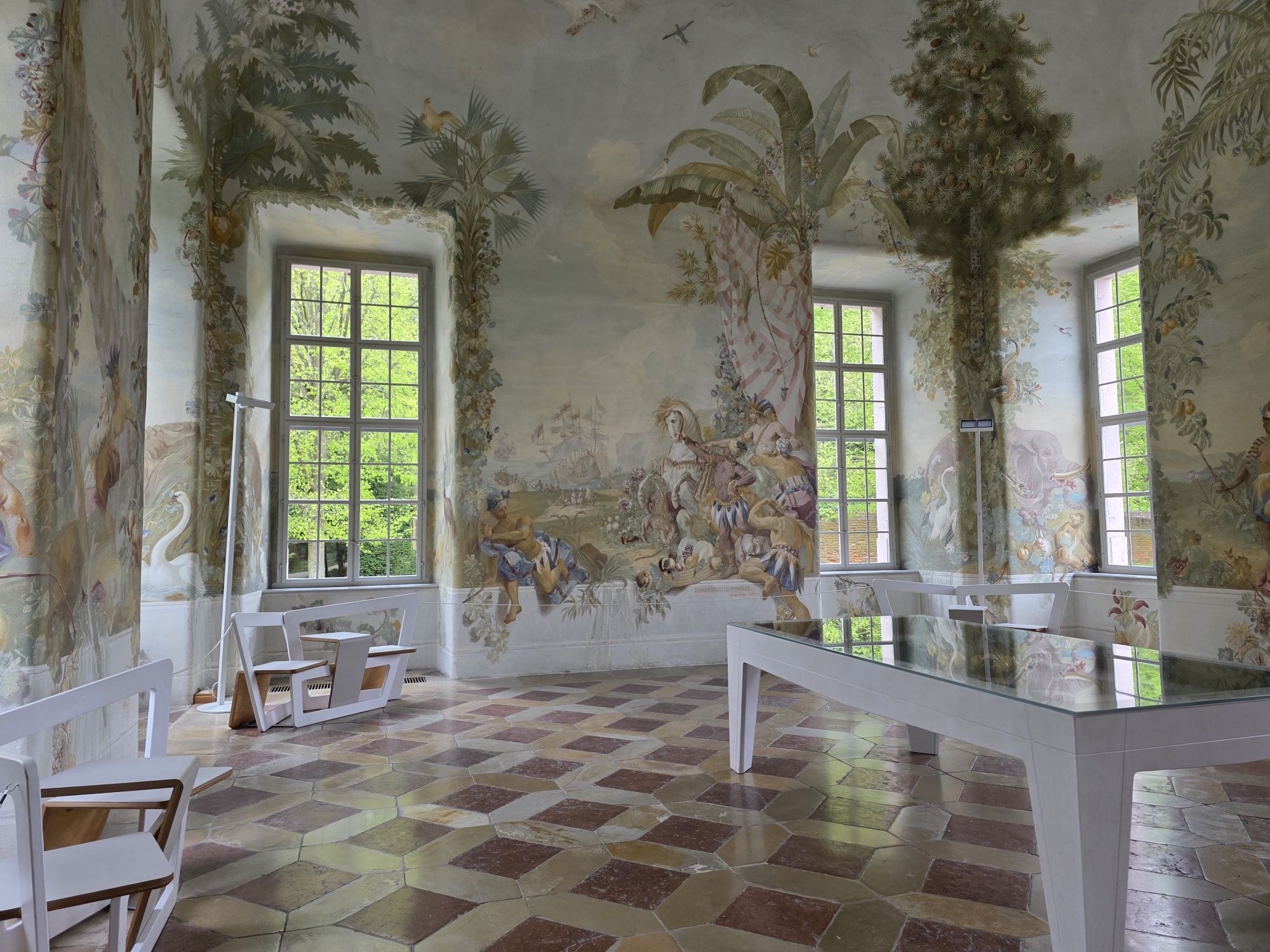
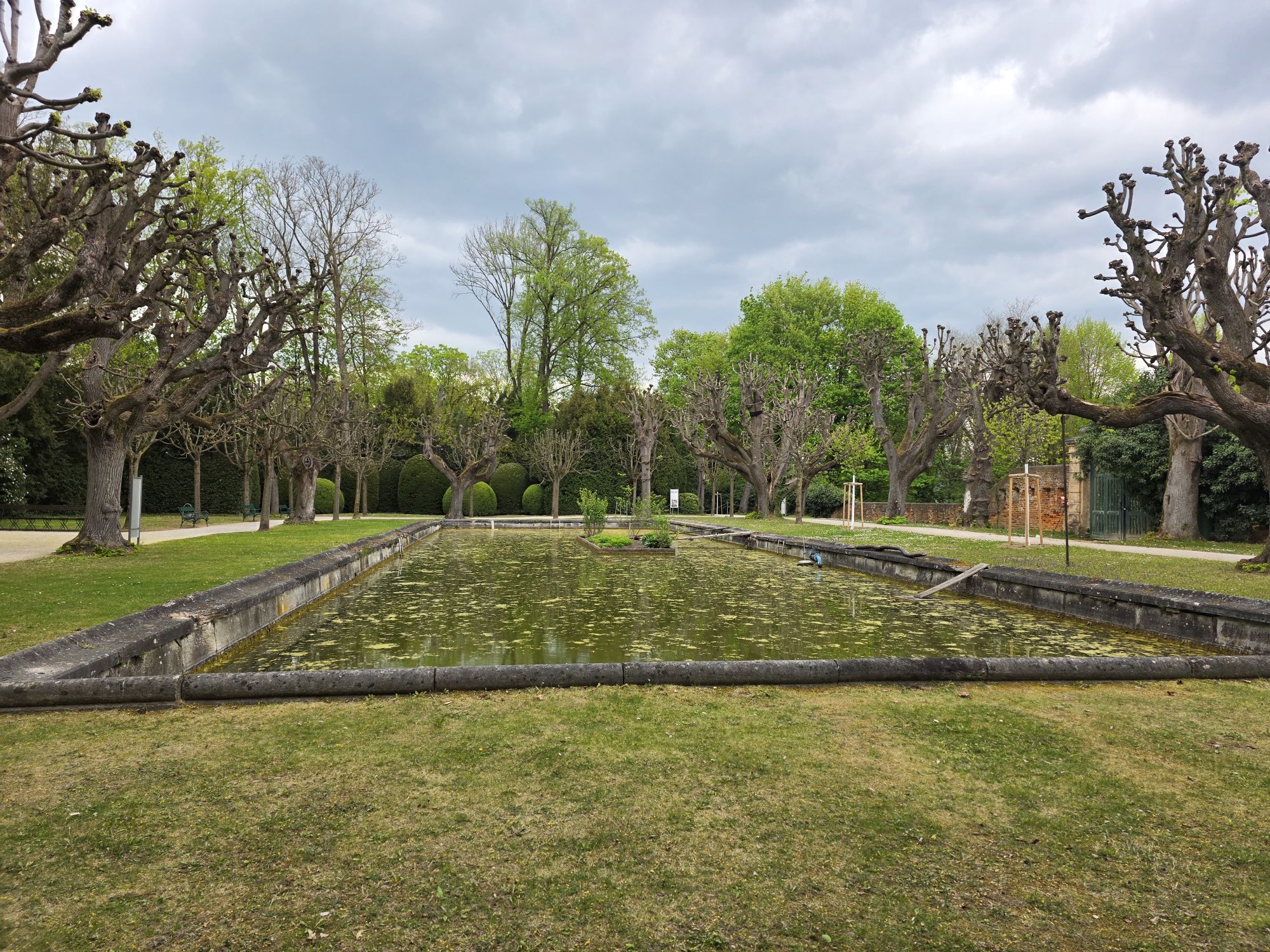
Melk Abbey has around 900 years of history. The monastery was established here around the end of the 11th century, when Leopold II gave the fortress at Melk to the Benedictine monks. Over time, it developed into the magnificent abbey we see today.
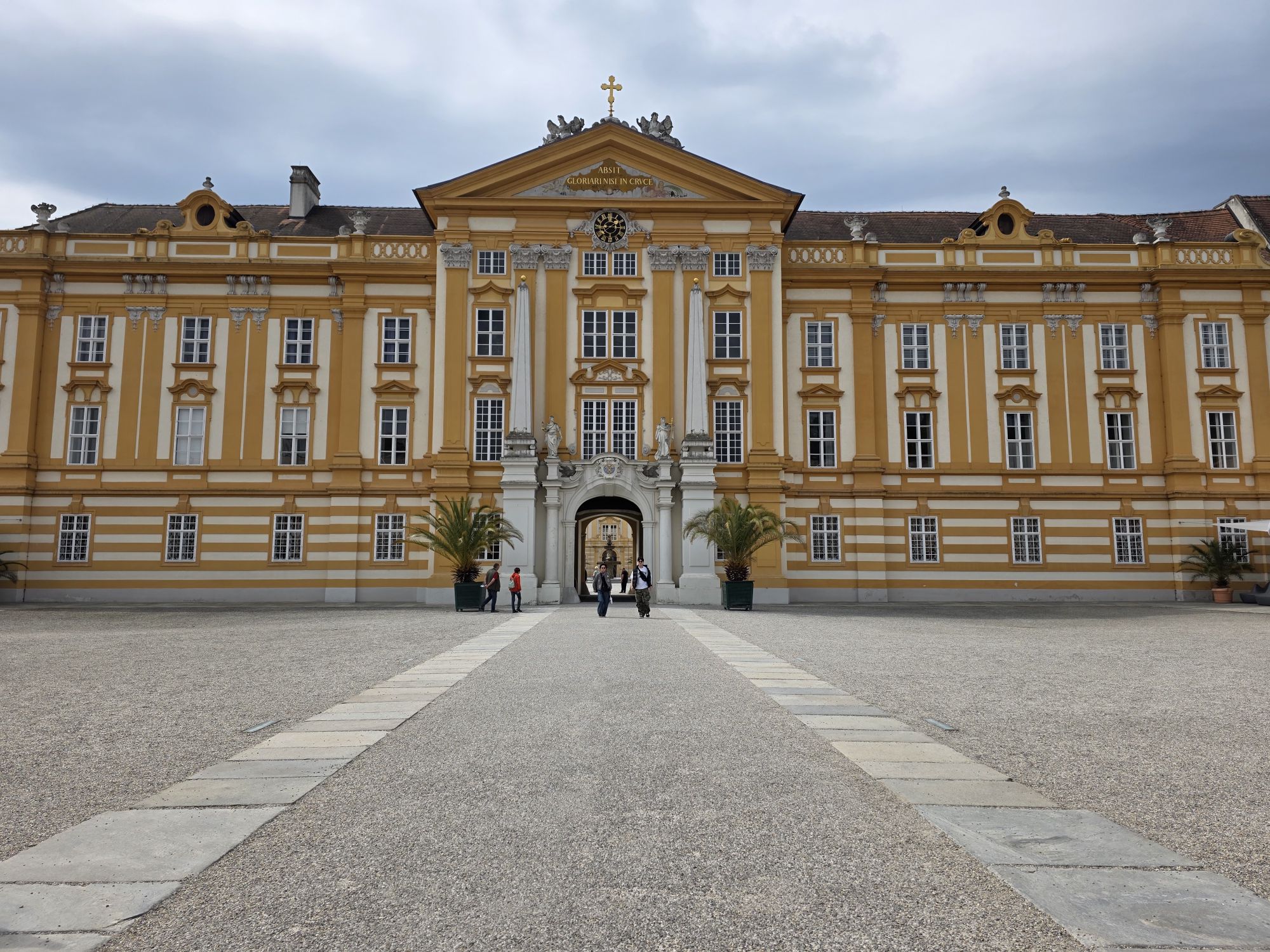
The building was extensively rebuilt in the Baroque style in the early 18th century, creating the spectacular complex that dominates the town.
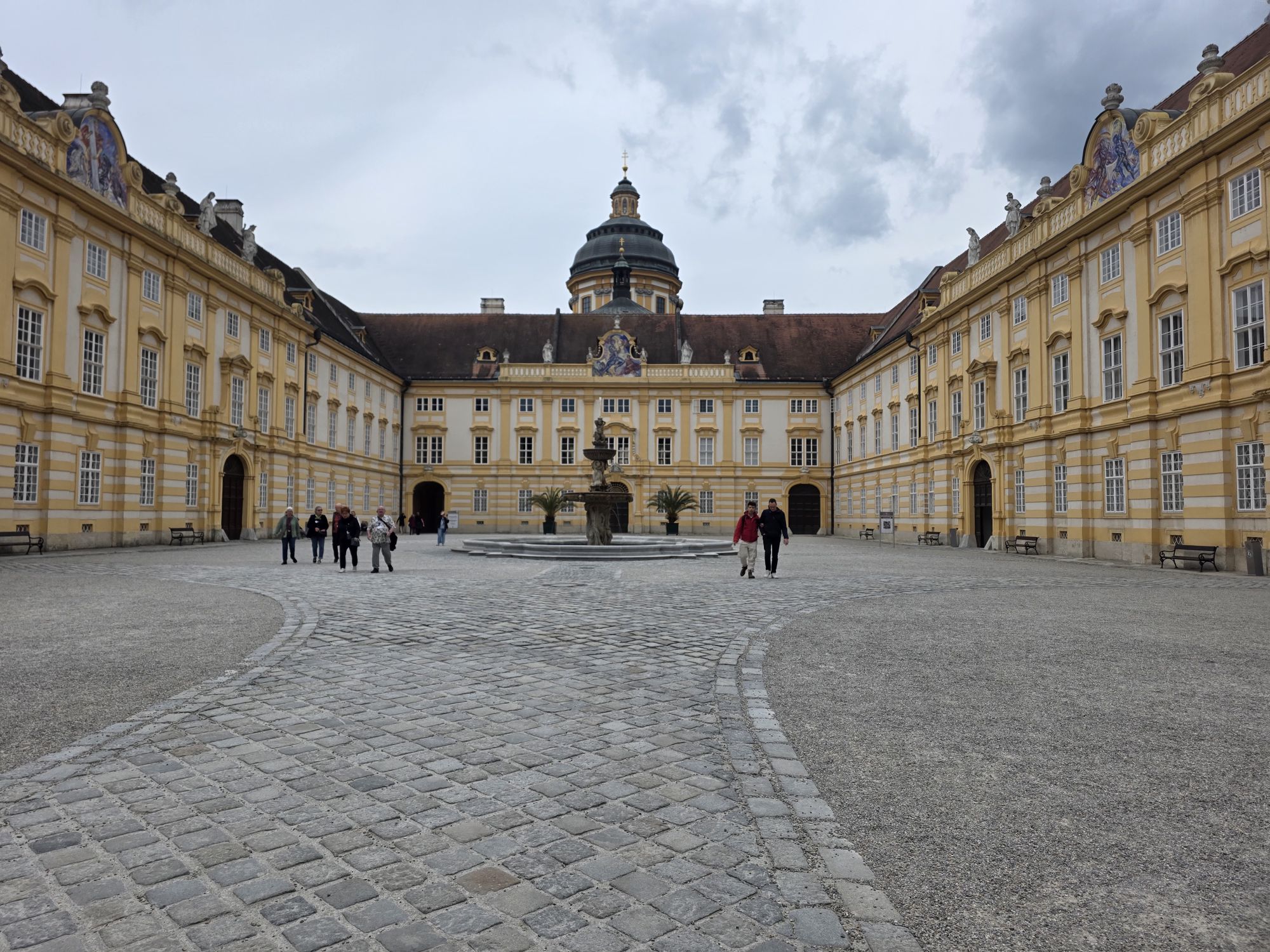
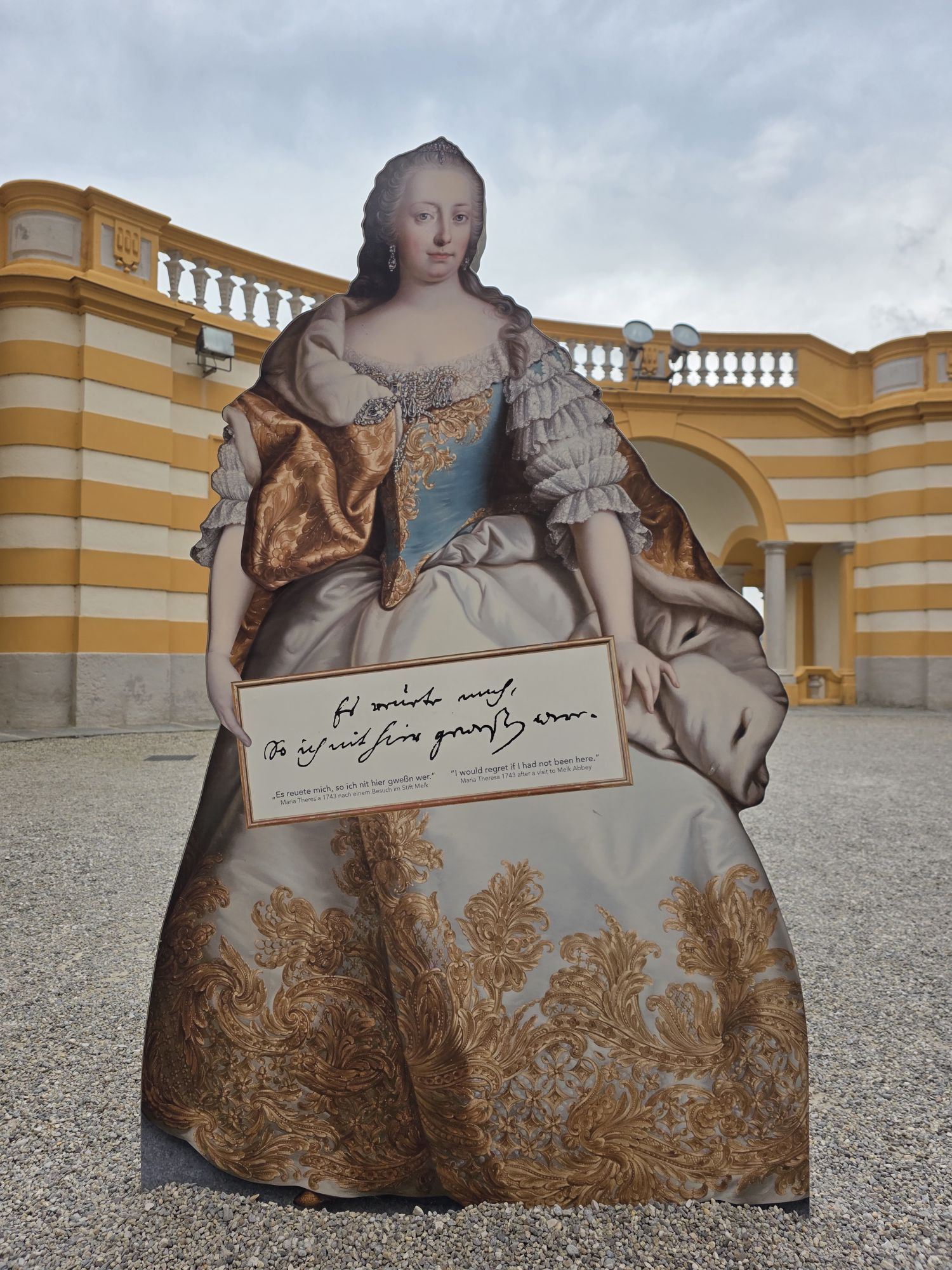
One of the more fascinating stories from the tour was about Maria Theresa, the Empress of Austria. She visited Melk three times, and apparently didn’t travel alone. Her retinue could number around 300 people, so the abbey had to have rooms suitable for accommodating an imperial entourage.
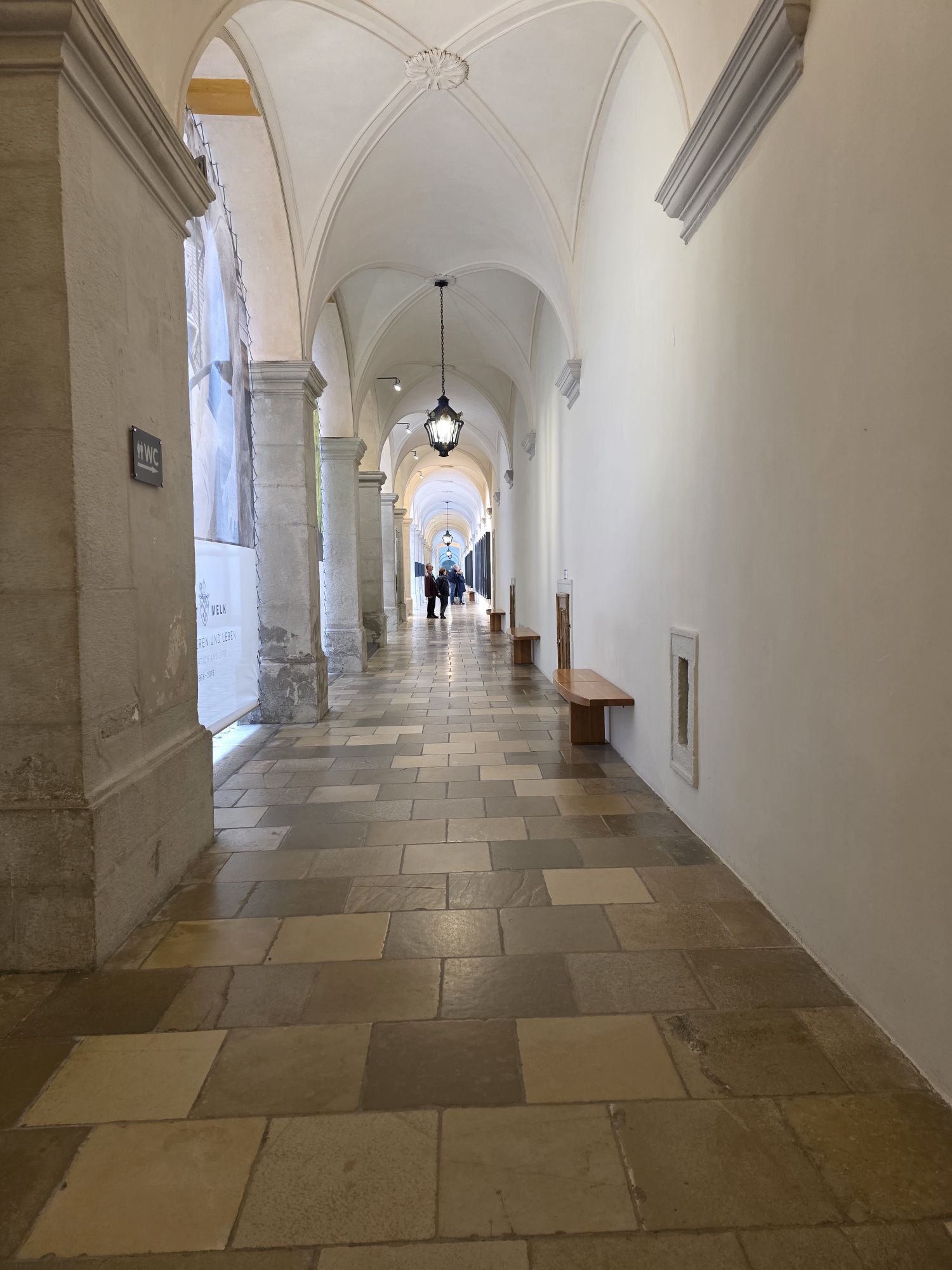
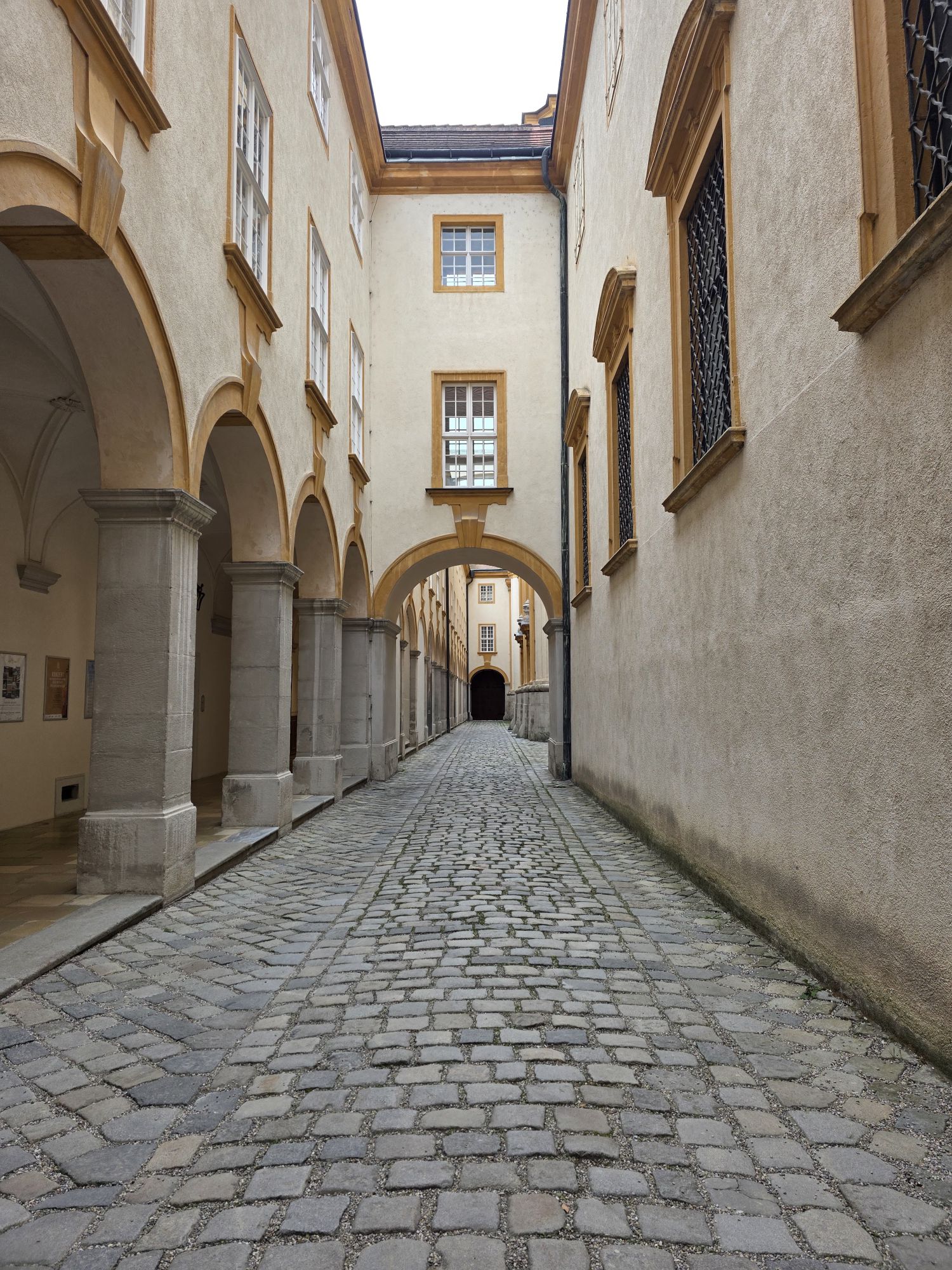
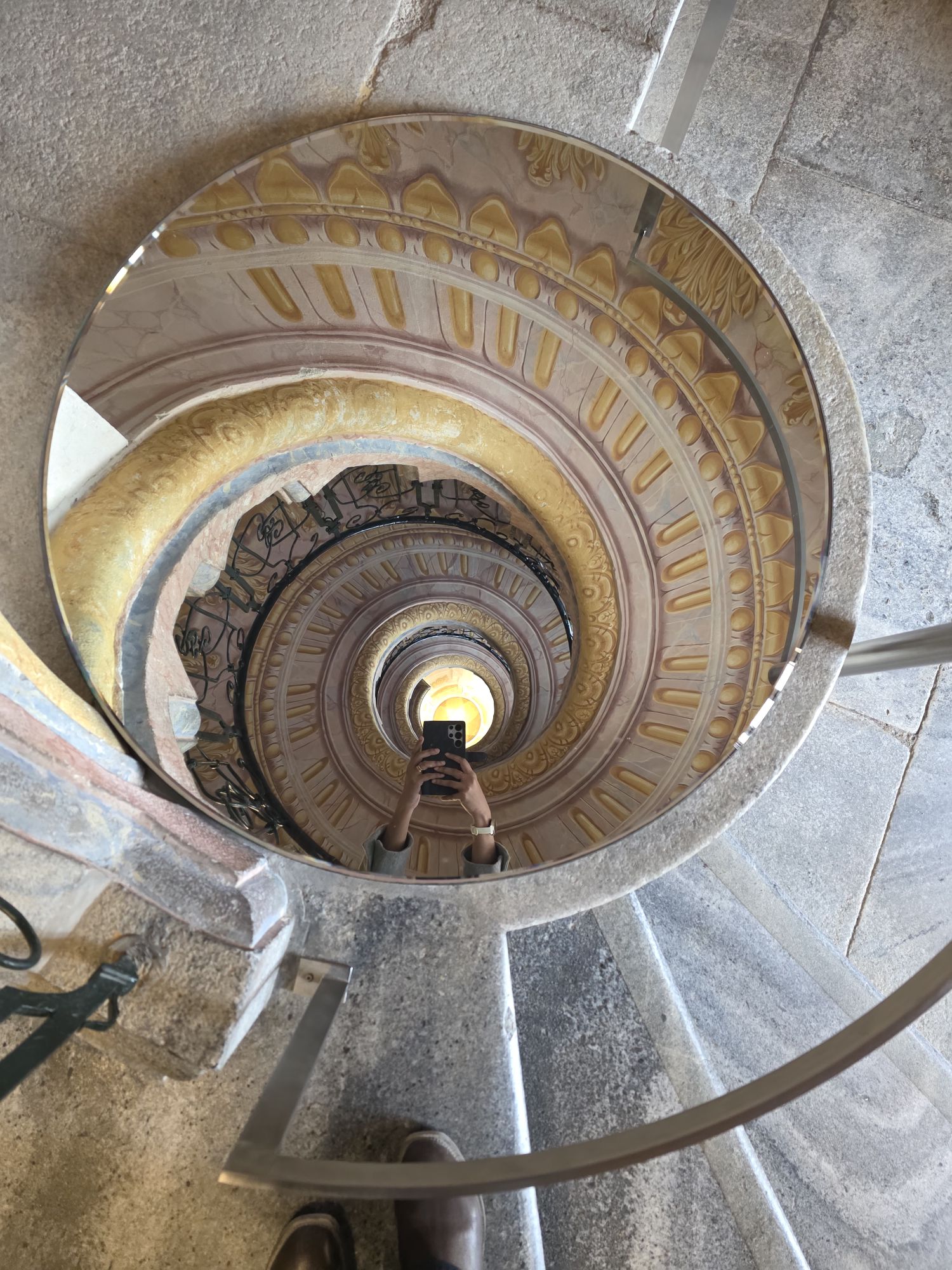
Today, many of these rooms form part of the museum, displaying religious artefacts and treasures from the abbey and church.
The Dining Hall
One of the highlights was the dining hall.
We were told that it hosted some very distinguished guests over the centuries, including Napoleon.
The ceiling was another clever bit of Baroque theatricality.
At first glance, it appears to be beautifully vaulted, but look more closely and you realise that the ceiling is flat and the effect is actually created through painted perspective.
The Library
Next was the library.
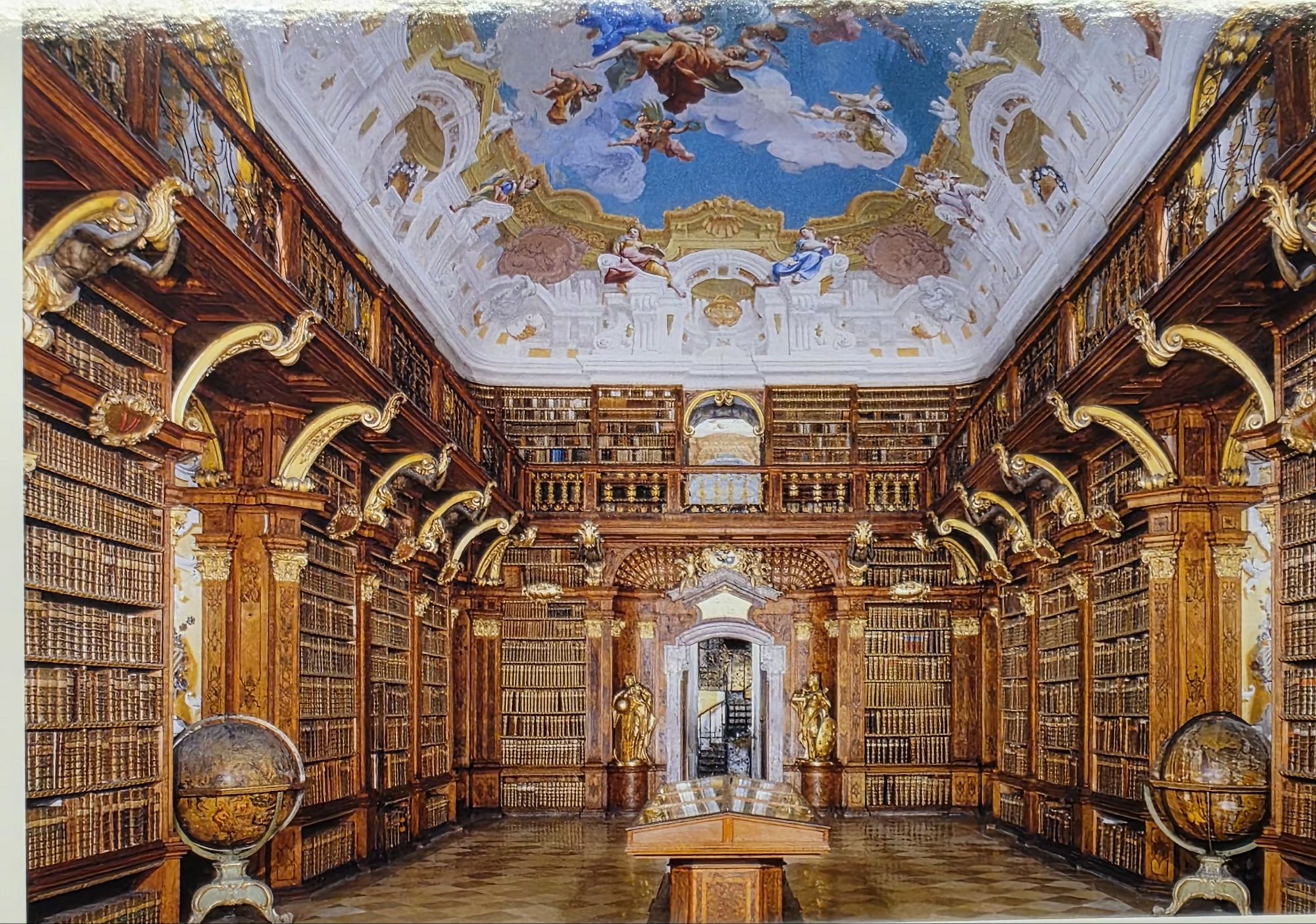
The library contains an enormous collection of books spread across 12 rooms, with more than 100,000 volumes. The oldest book in the library is thought to be over a 1000 years old.
With its rows of historic books, beautiful woodwork and extraordinary painted ceilings, it was one of those rooms where I could have happily spent the whole day.
Unfortunately, photography wasn’t permitted inside the abbey, so my camera wasn’t much use. Postcards from the gifts shop would have to do.
The Abbey Church
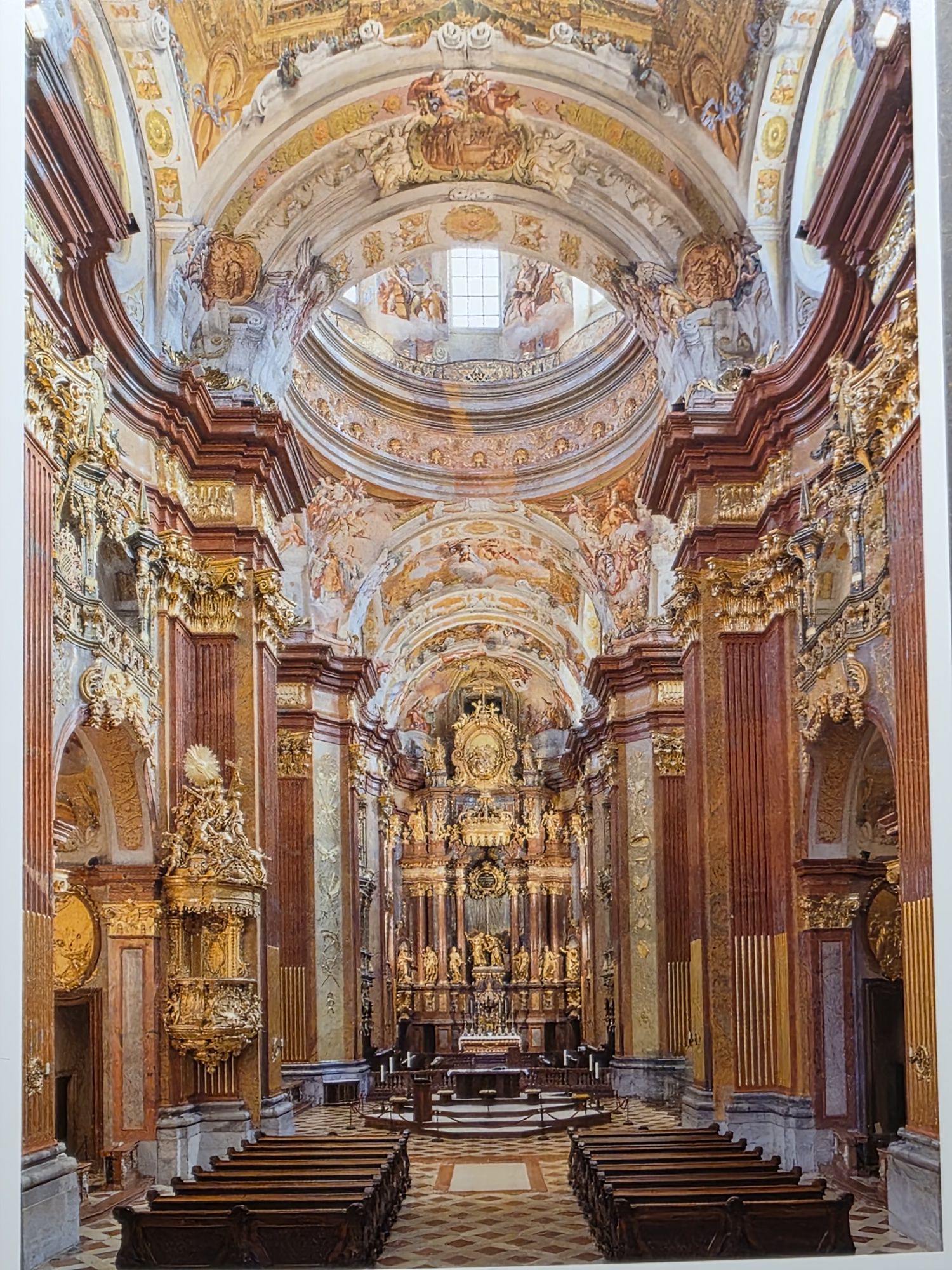
The abbey church was equally spectacular.
The interior is filled with elaborate decoration, marble, frescoes and an astonishing amount of gold. I was told that around five kilograms of gold were used in the decoration.
The abbey is still home to a community of Benedictine monks – and it also has a school.
Education has been an important part of Melk’s history for centuries, and the school continues that tradition. Latin is compulsory and students can even study Ancient Greek.
There is also a focus on agriculture, reflecting the Benedictine tradition of combining education, work and practical life.
As we left the Abeey, I had to agree with Empress Maria Theresa, who said “I would regret it, if I had not been here.”
1620: We climbed back onto the coach for the journey to Vienna.
1730: Back in the city.
Dürnstein was charming, the Danube cruise was beautiful and Melk Abbey was genuinely spectacular.
The whole day also gave me a chance to see a very different side of Austria – away from Vienna’s grand boulevards and imperial palaces and out into the countryside of the Wachau Valley. If you are thinking of a day trip from Vienna, I’d highly recommend this one.

