When and where: Jersey, Channel Islands
For our second day in Jersey, we decided to take a slightly different approach. Rather than touring the island and stopping at lots of different places along the way, we picked out three particular attractions that we were keen to visit.
Our three stops were La Hougue Bie, the Jersey Museum and Art Gallery, and the Jersey War Tunnels. Each offered a very different perspective on the island’s past.
La Hougue Bie
0945: We started the morning by catching a LibertyBus from St Helier towards La Hougue Bie, one of Jersey’s most remarkable archaeological sites. Situated in the parish of Grouville, it is one of the most important prehistoric monuments in Europe and well worth making the journey out of the town to see.
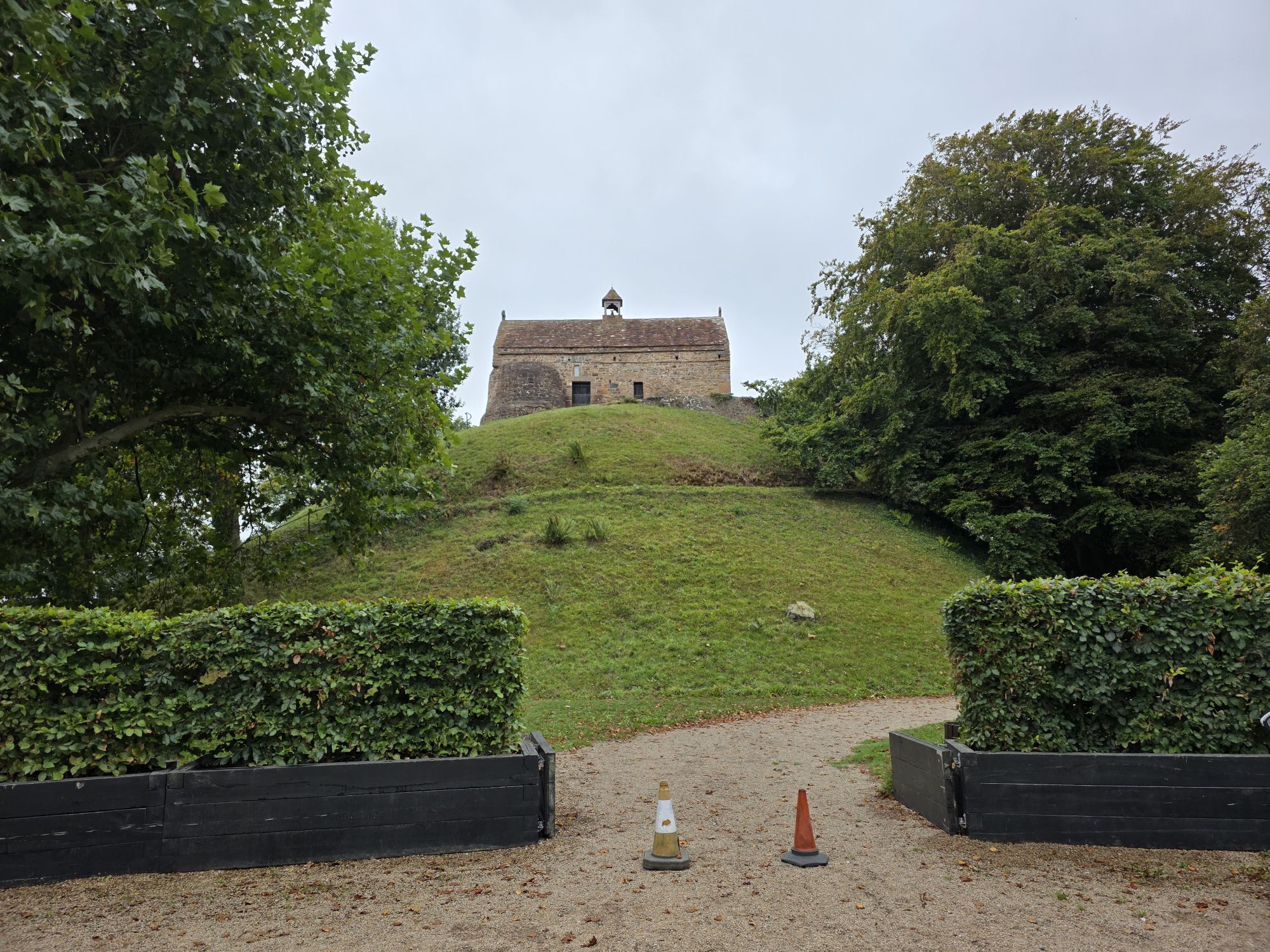
1015: Exploring La Hougue Bie
La Hougue Bie is an extraordinary Neolithic passage grave dating back to around 4000 BC. At approximately 6,000 years old, it is one of the oldest surviving structures in the world, predating the Great Pyramids of Giza and Stonehenge by around a 1000 years.
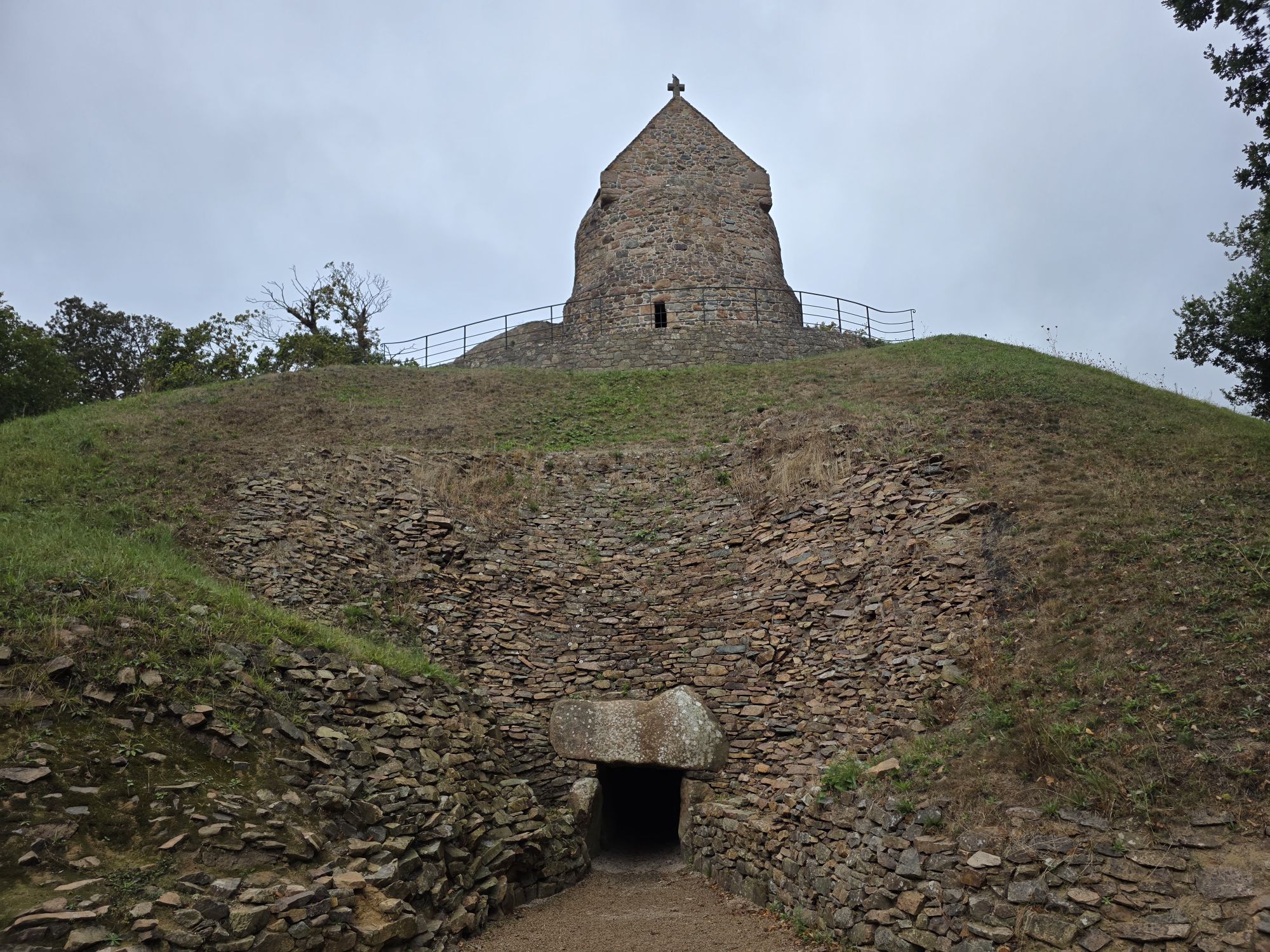
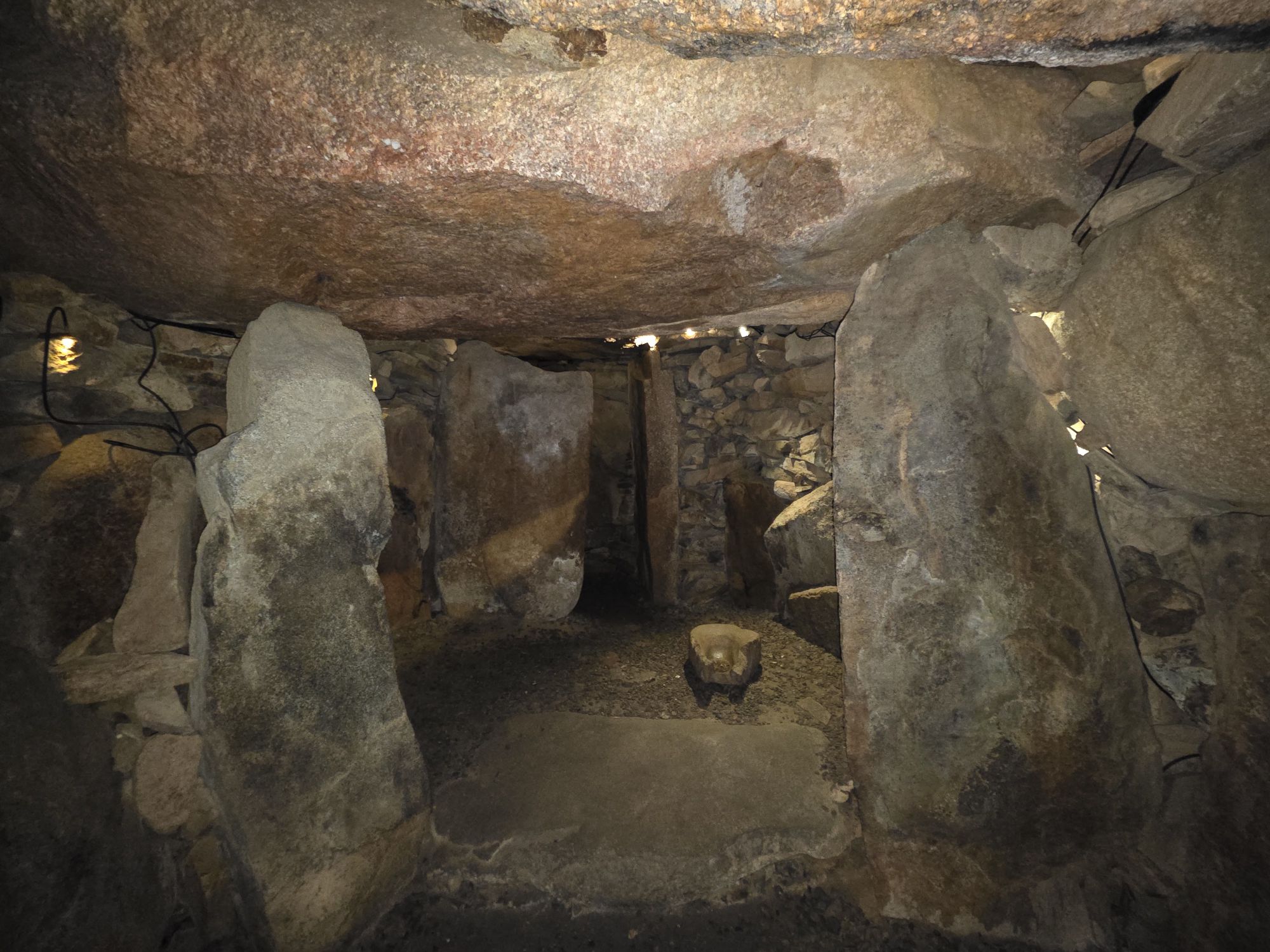
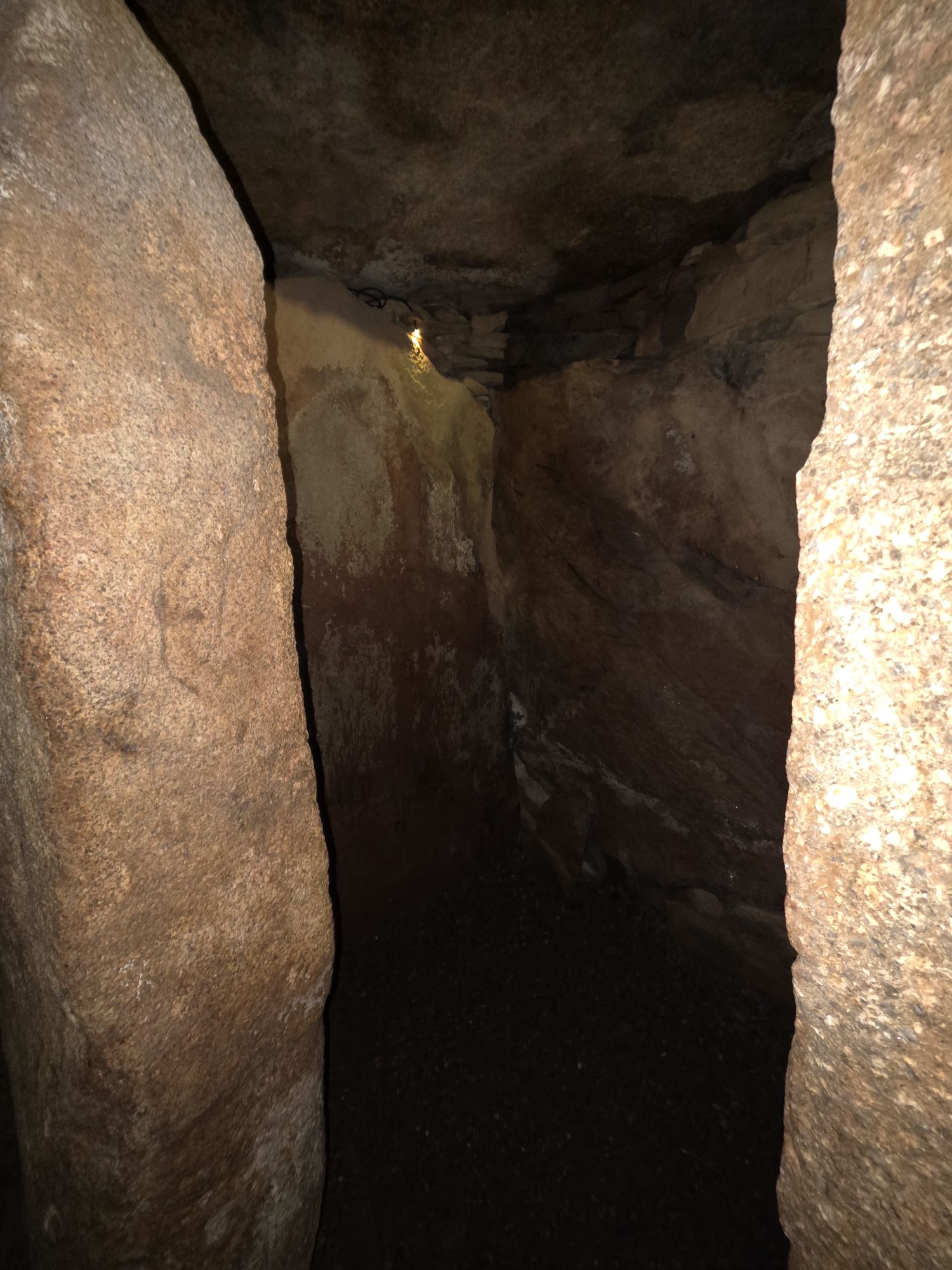
The main attraction is the passage grave itself. A narrow passage, formed by enormous standing stones and topped with heavy stone slabs, leads into a series of burial chambers.
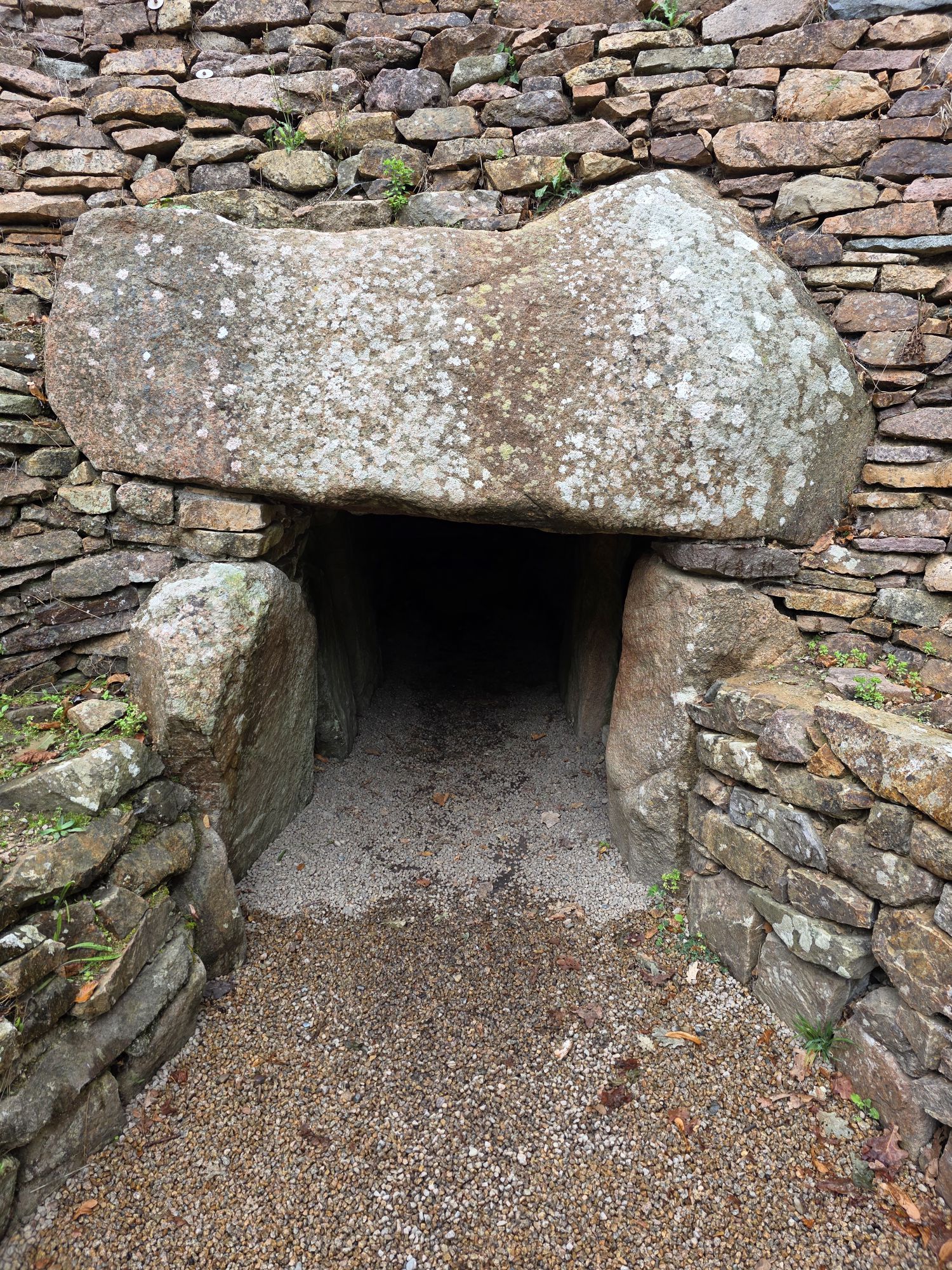
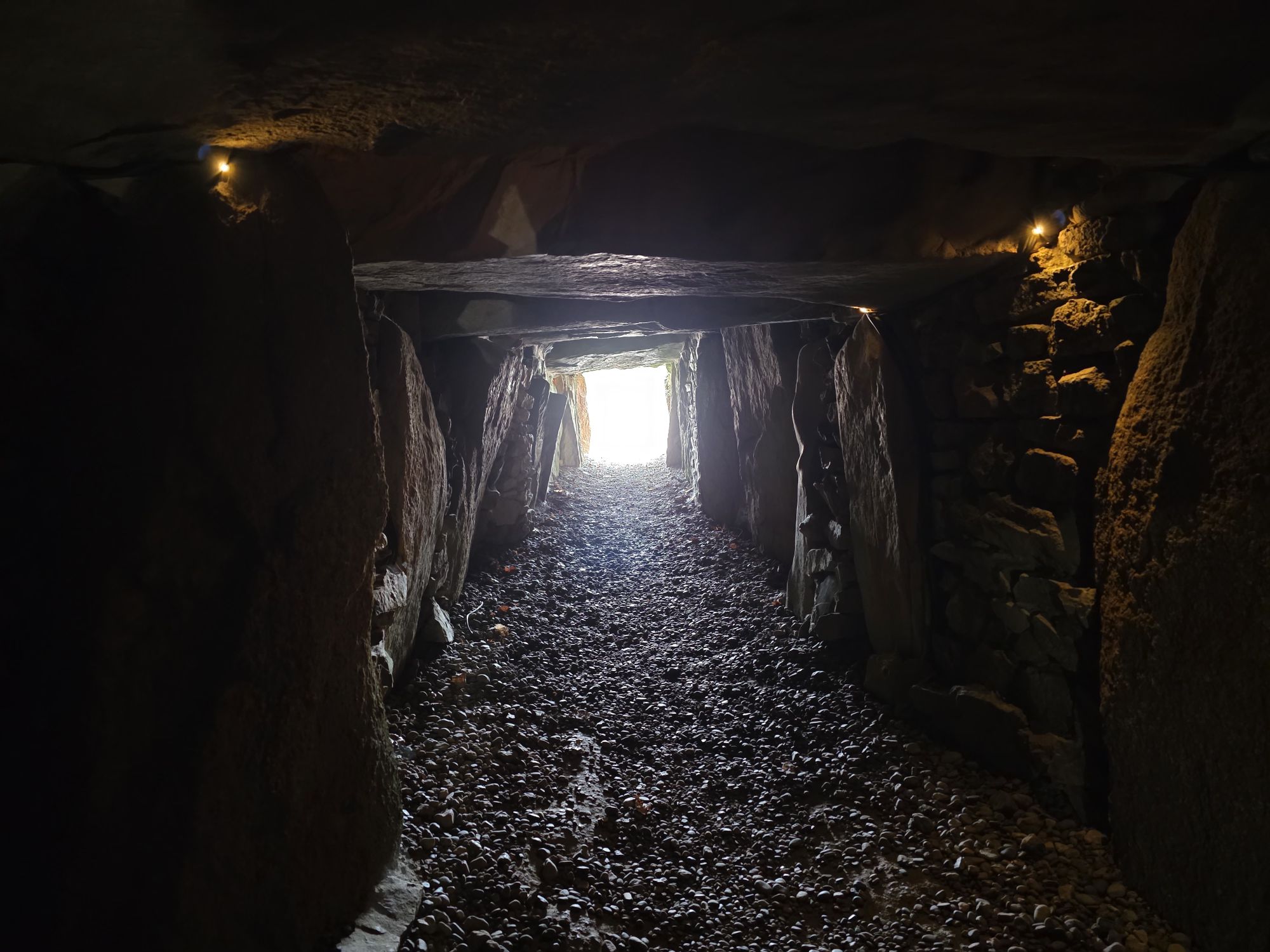
The largest chamber is surprisingly spacious, with enough height for several people to stand upright inside.
The monument is believed to have served as an important burial and ceremonial site. The passage was carefully aligned so that, on the spring and autumn equinoxes, sunlight travels directly along it, illuminating the back wall of the furthest chamber.
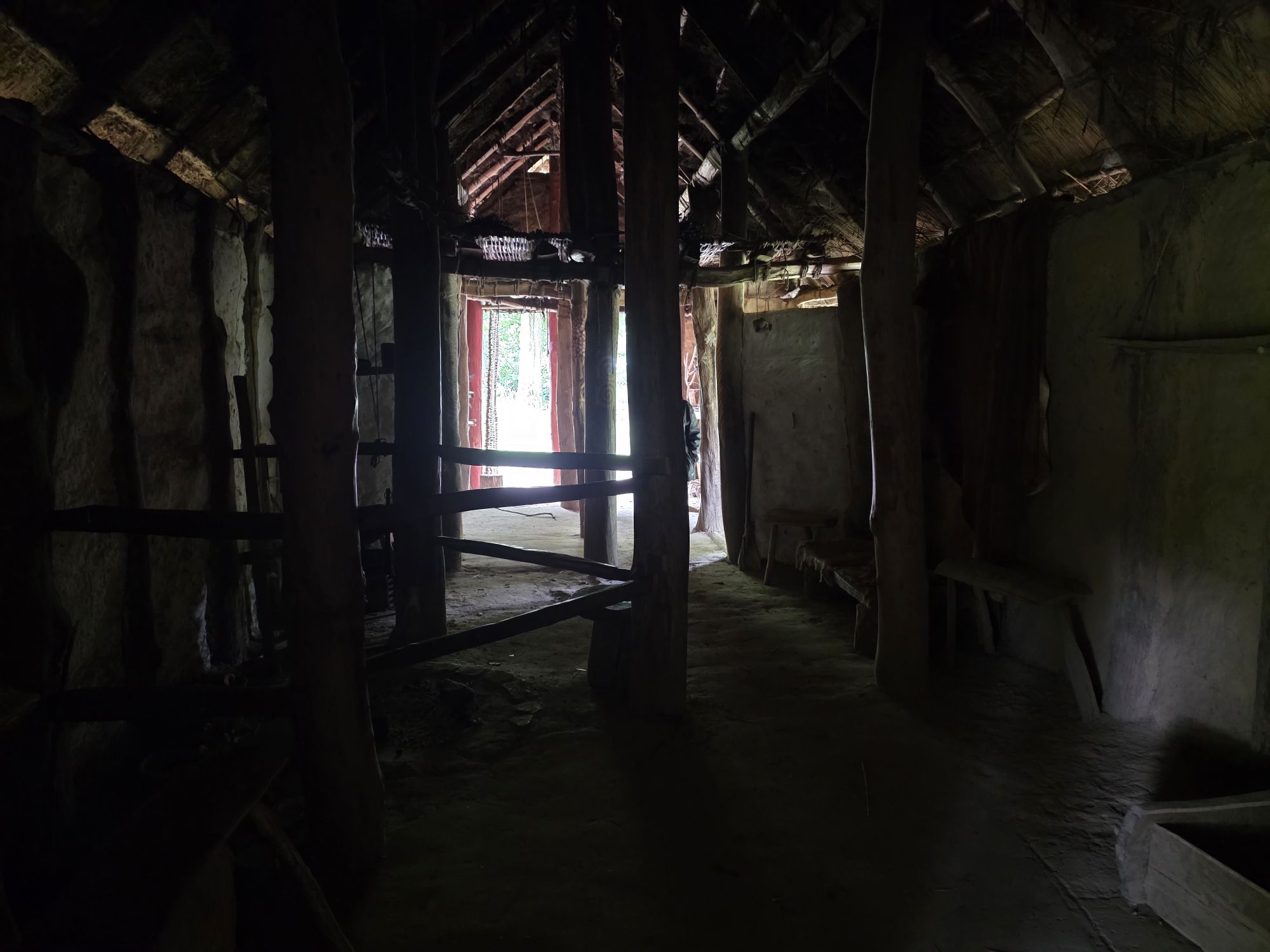
Outside the tomb, you can also see reconstructed Neolithic longhouses, which help bring the daily lives of the people who built the monument to life.
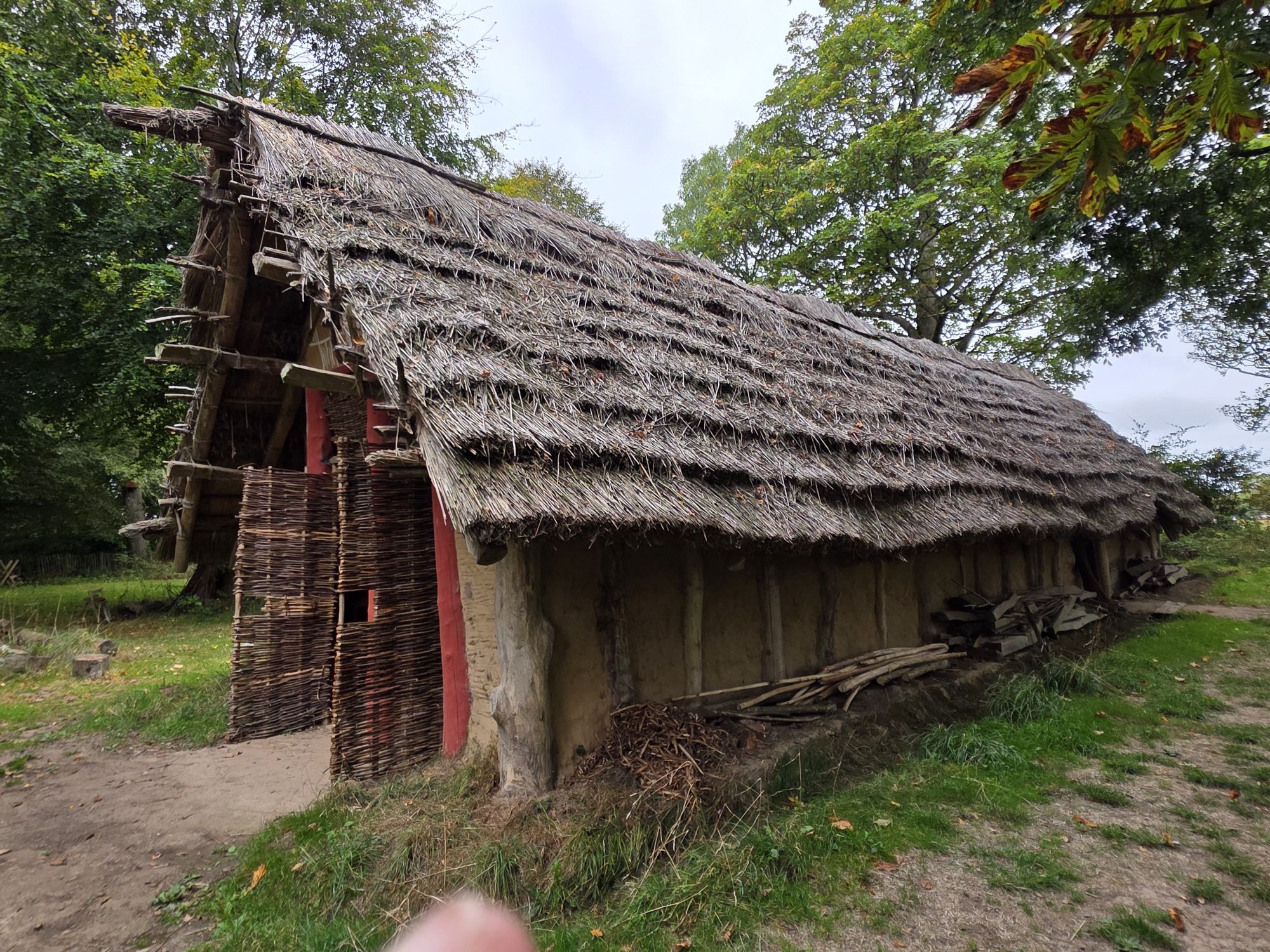
These reconstructions were created with the help of volunteers and provide an interesting contrast to the impressive stone burial chambers.
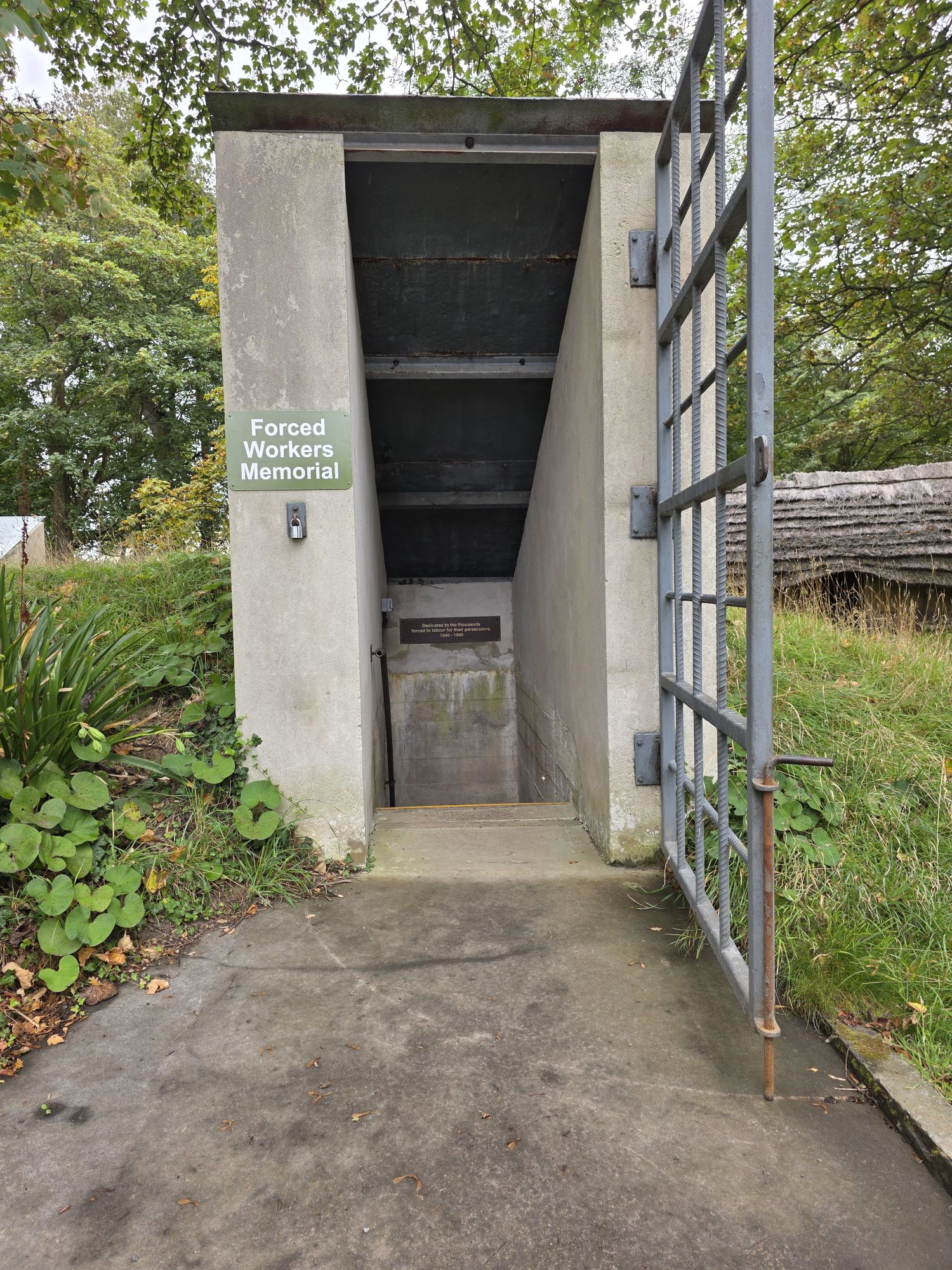
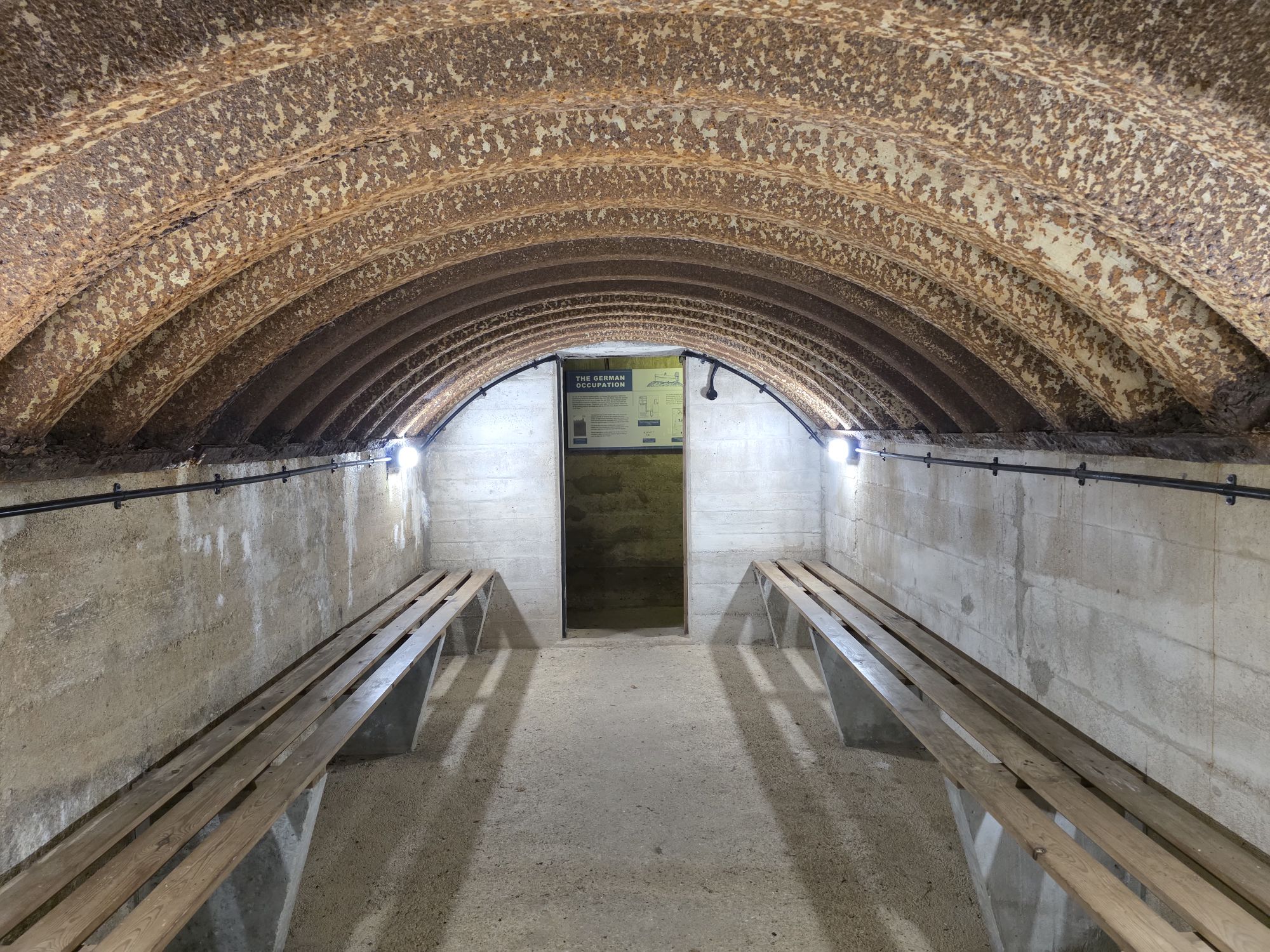
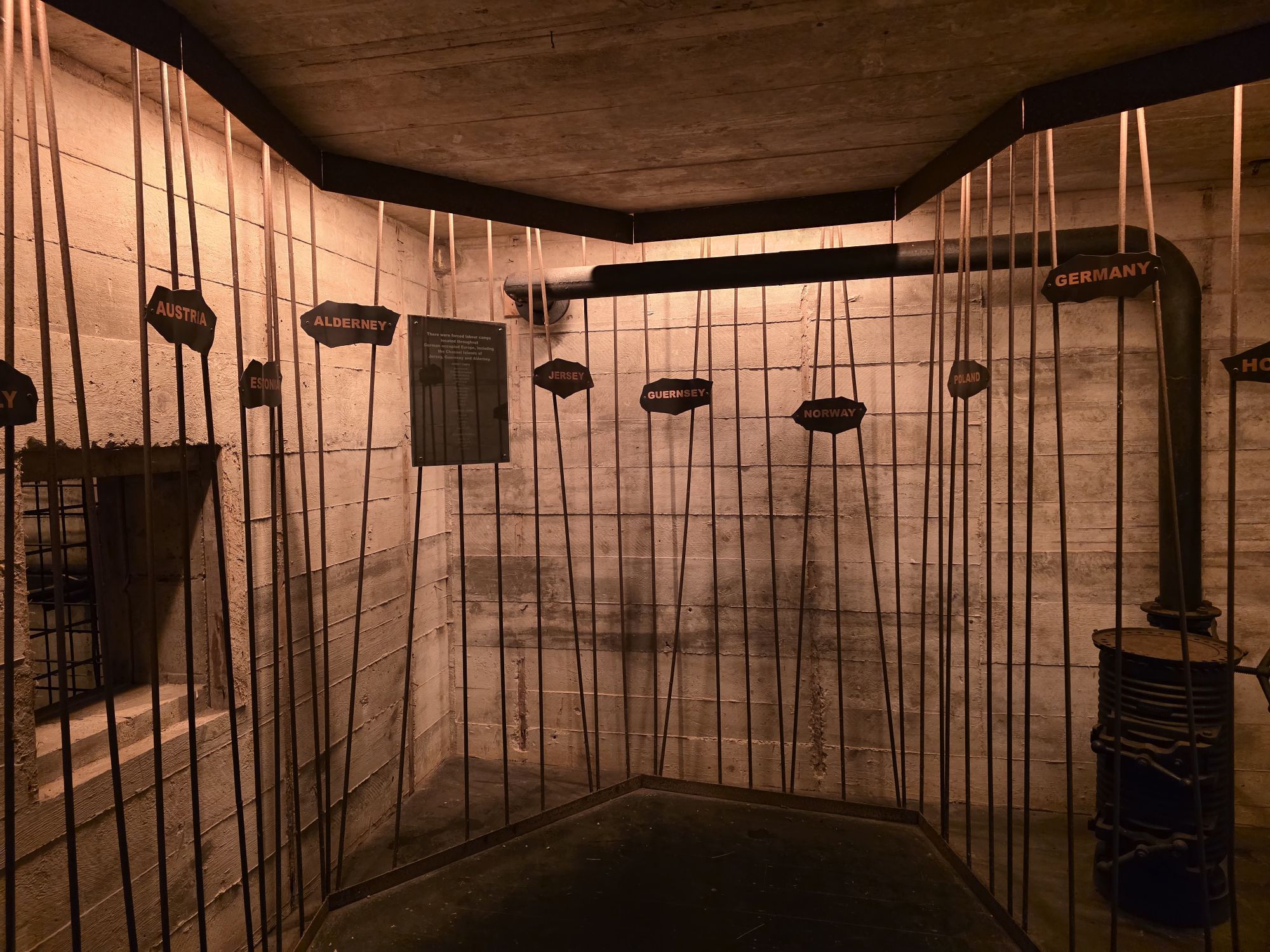
La Hougue Bie also has a much more recent, and rather darker, chapter in its history. During the German occupation of Jersey in the Second World War, the occupying forces constructed an underground bunker within the site. Today, this has been incorporated into a small museum and memorial, documenting the occupation and remembering those who lost their lives during this difficult period.
Tip: Allow around an hour to an hour and a half to explore La Hougue Bie properly. Don’t just visit the passage grave; make time for the longhouses and the wartime exhibits too.
1130: After exploring La Hougue Bie, we headed back towards St Helier by bus for our next stop.
Jersey Museum and Art Gallery
1200: Our next visit was to the Jersey Museum and Art Gallery.
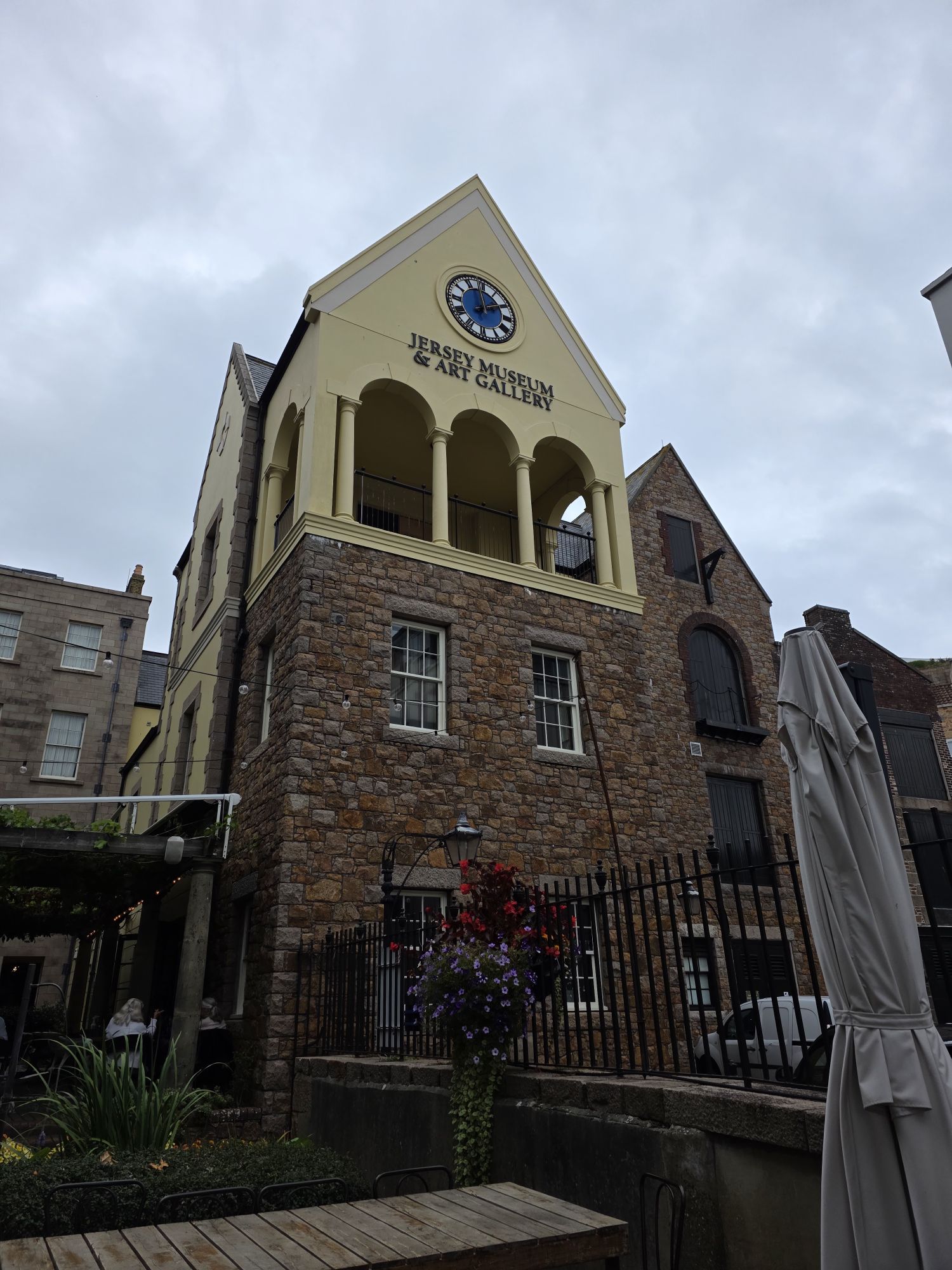
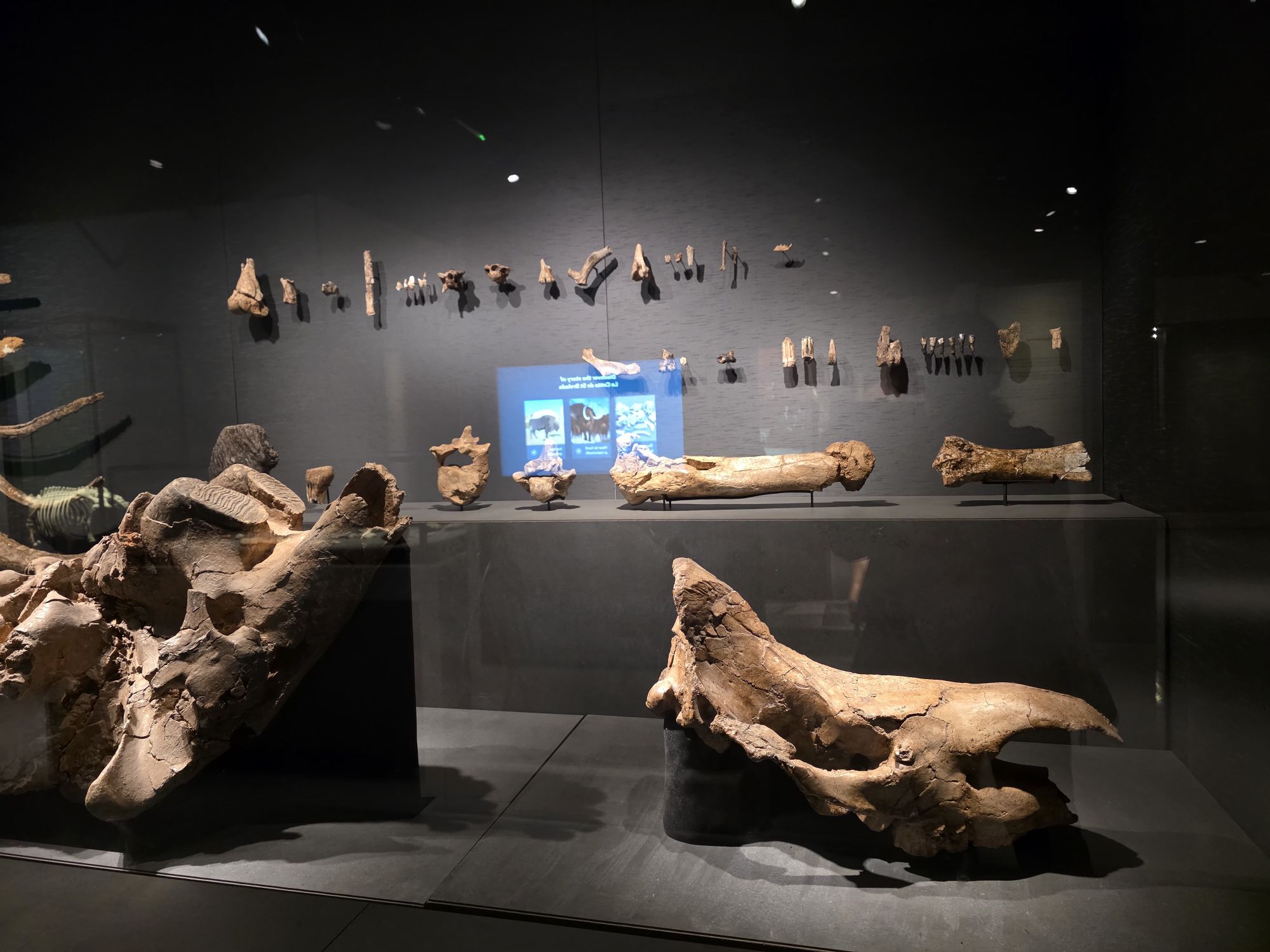
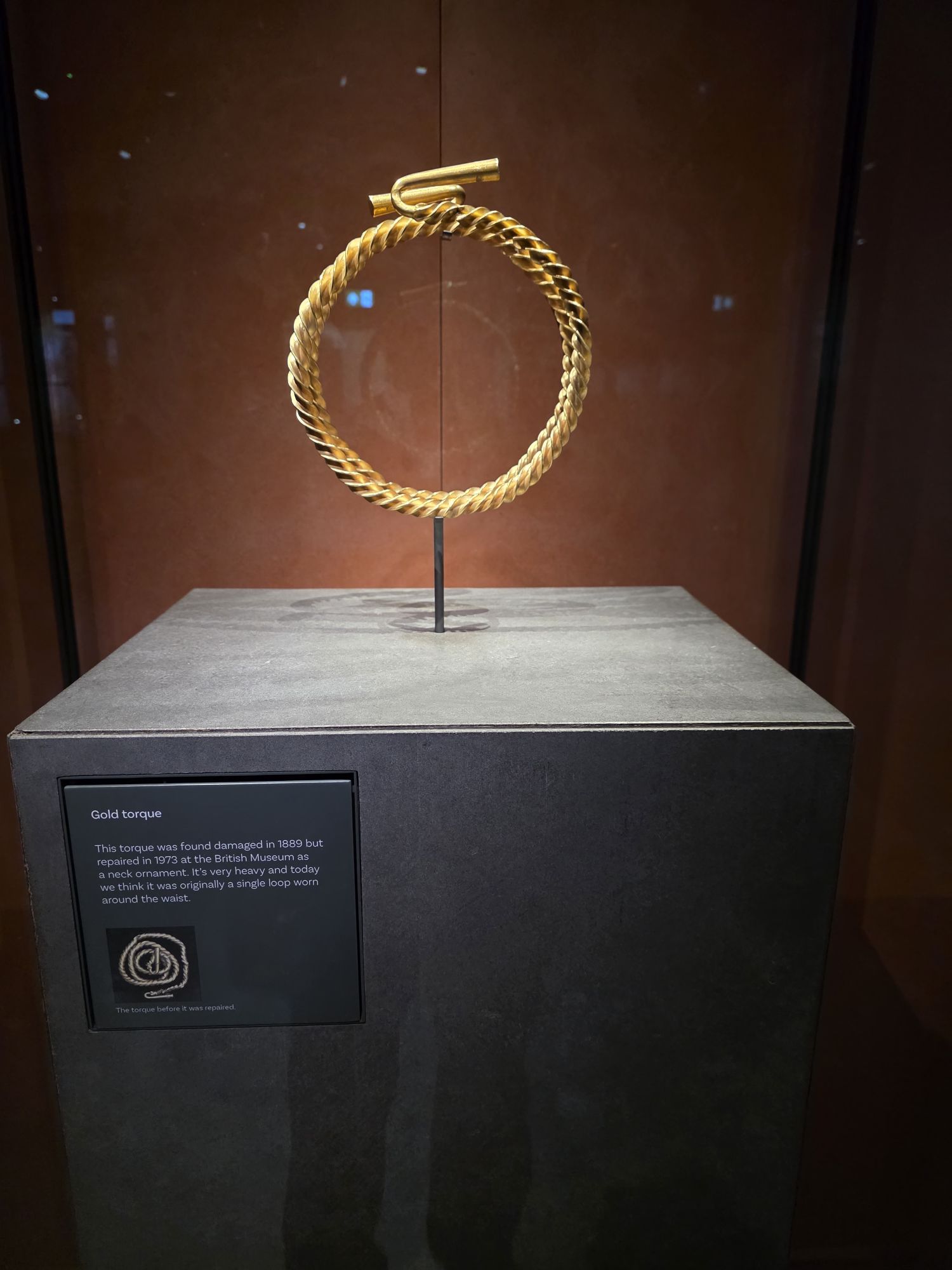
The museum offers a fascinating introduction to the island’s history, from its geological beginnings and prehistoric settlements through to more recent times.
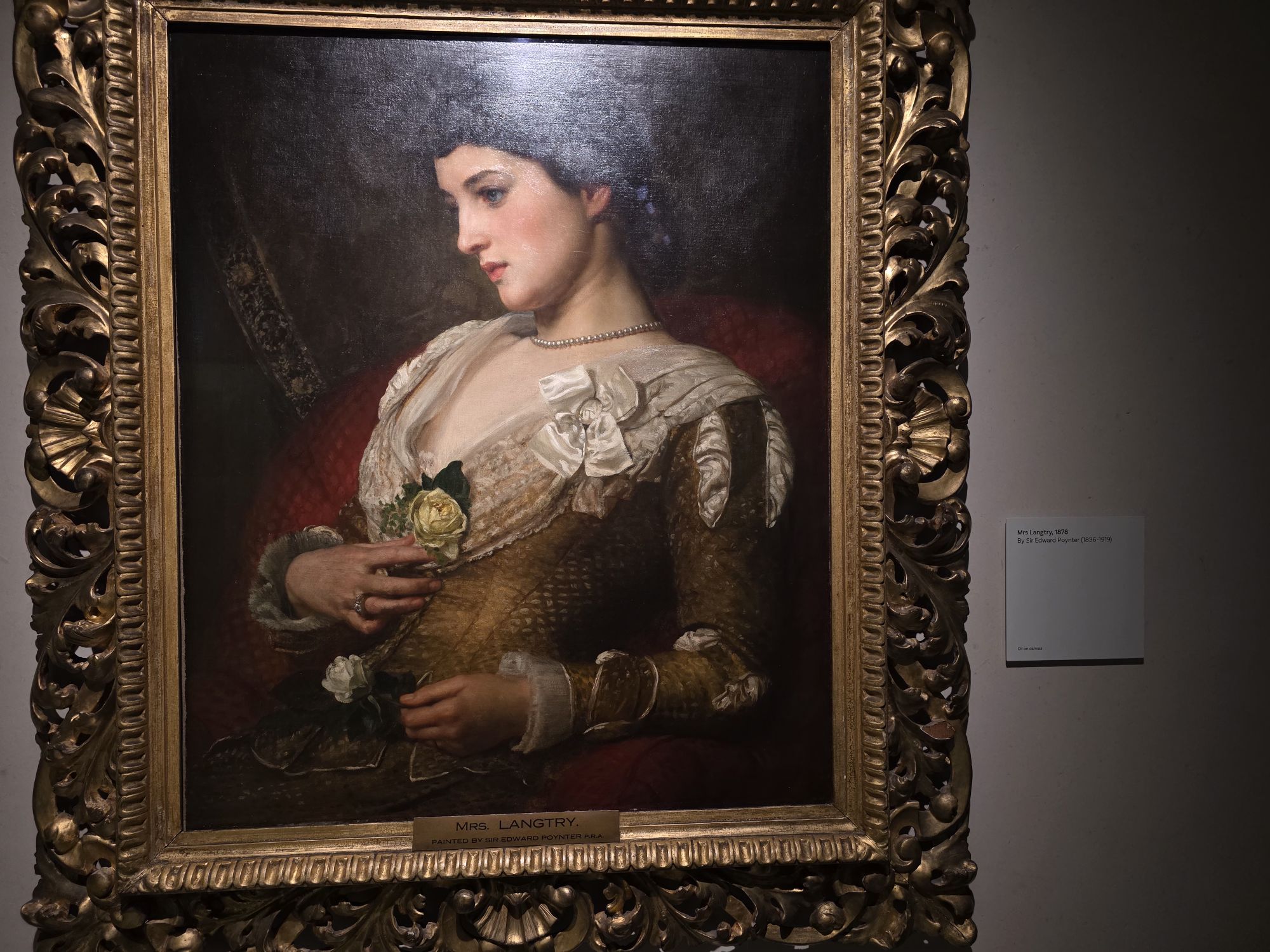
The art gallery is another reason to visit, showcasing works connected with Jersey and its artistic heritage.
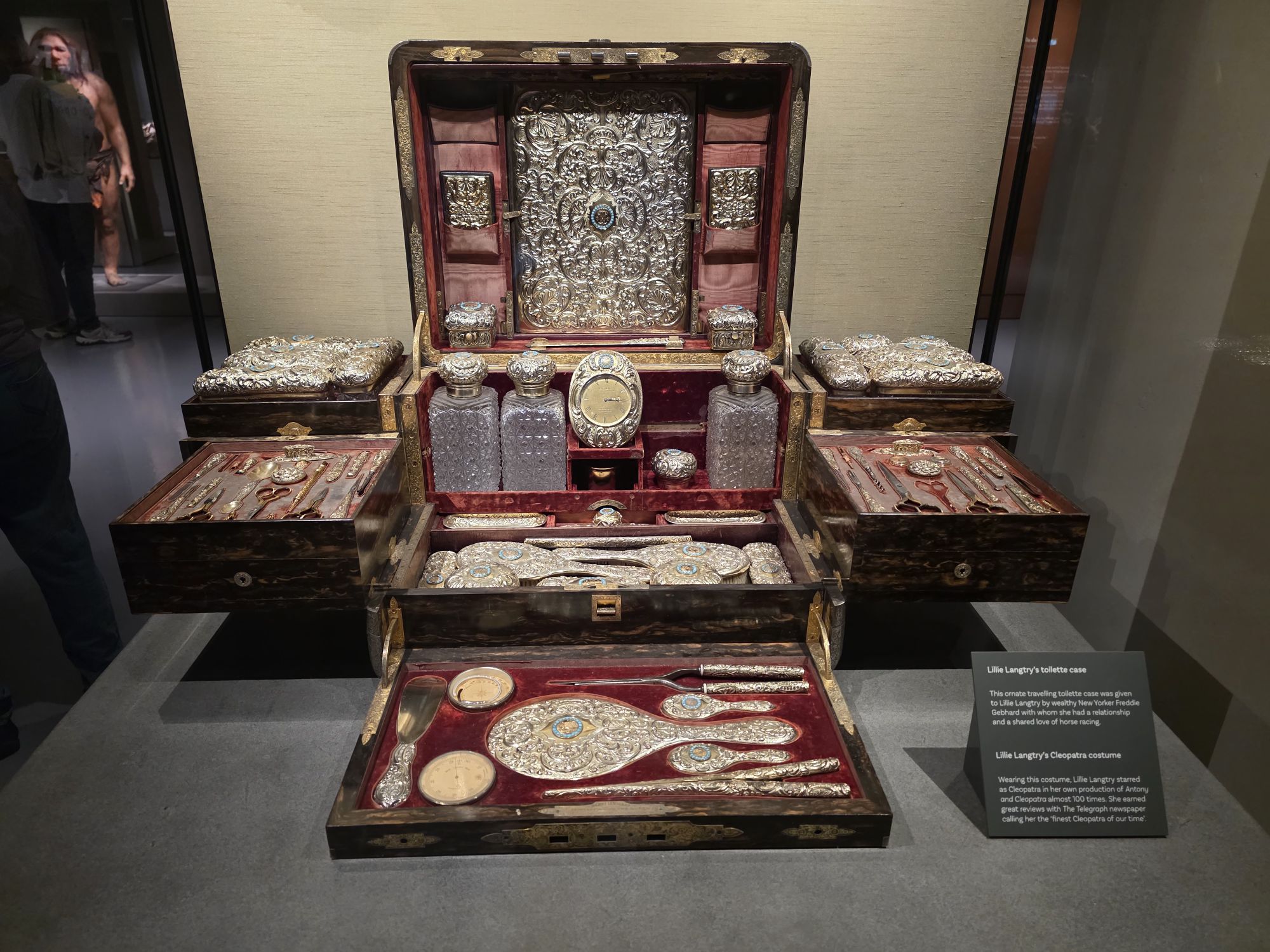
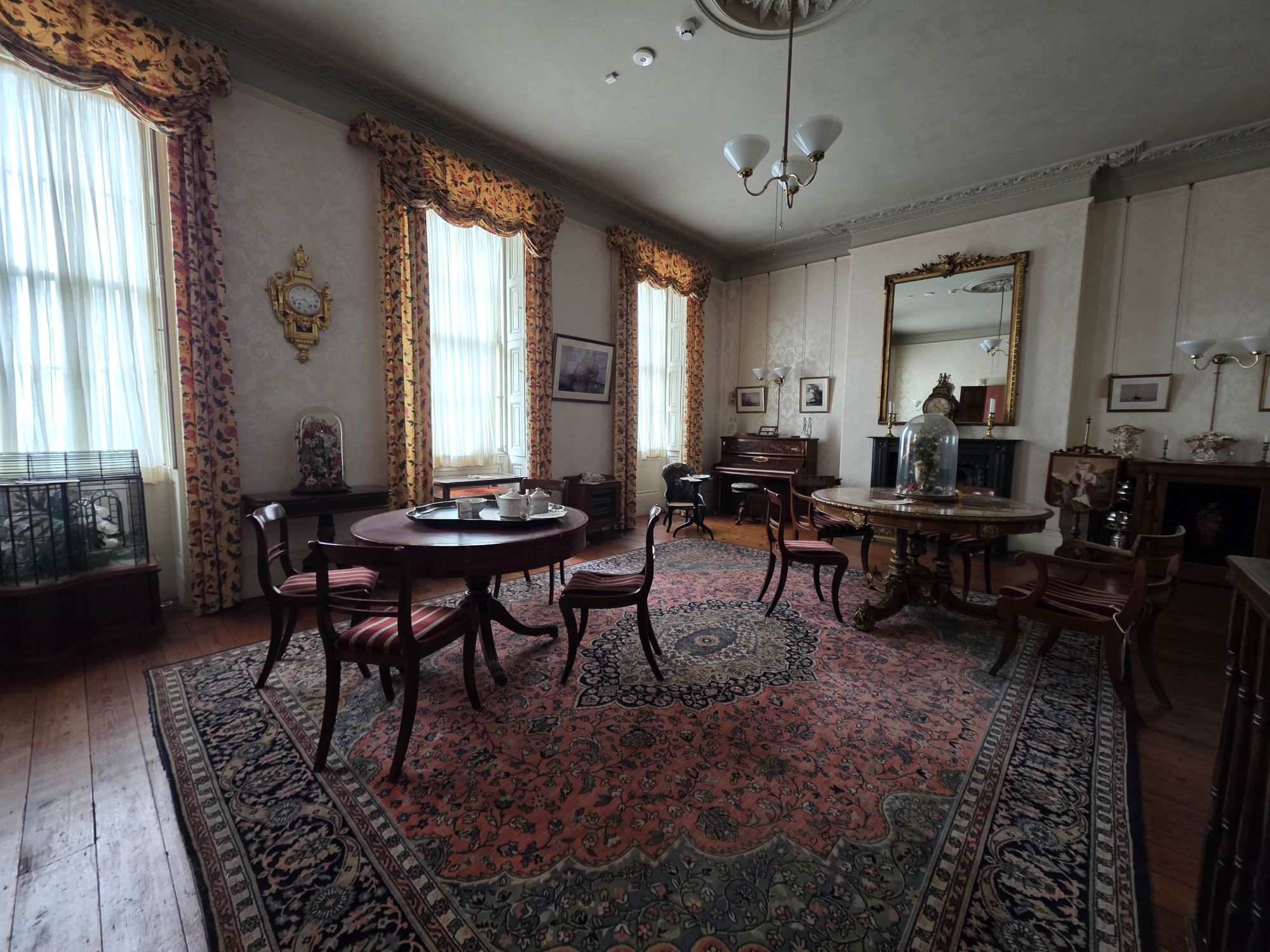
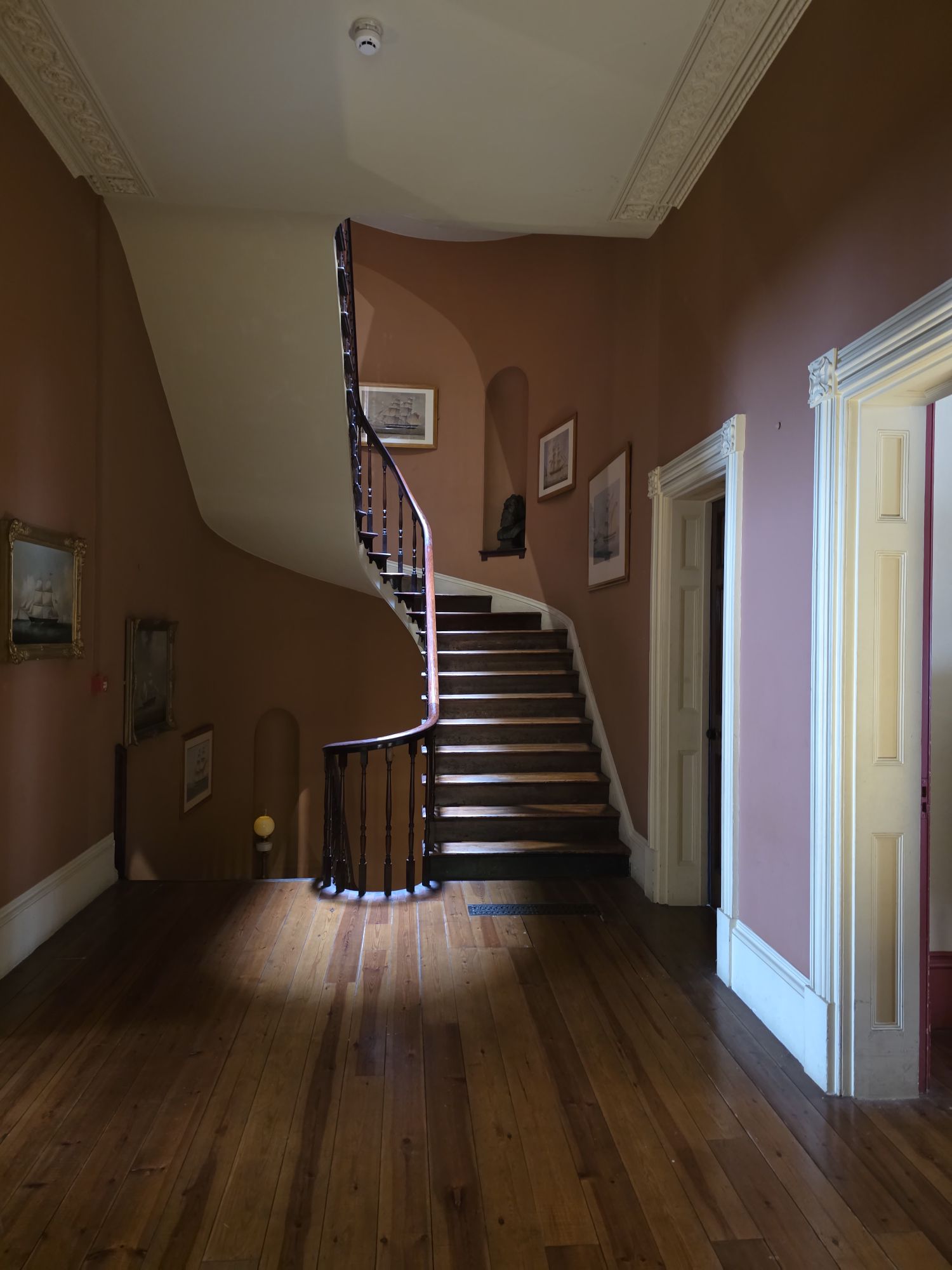
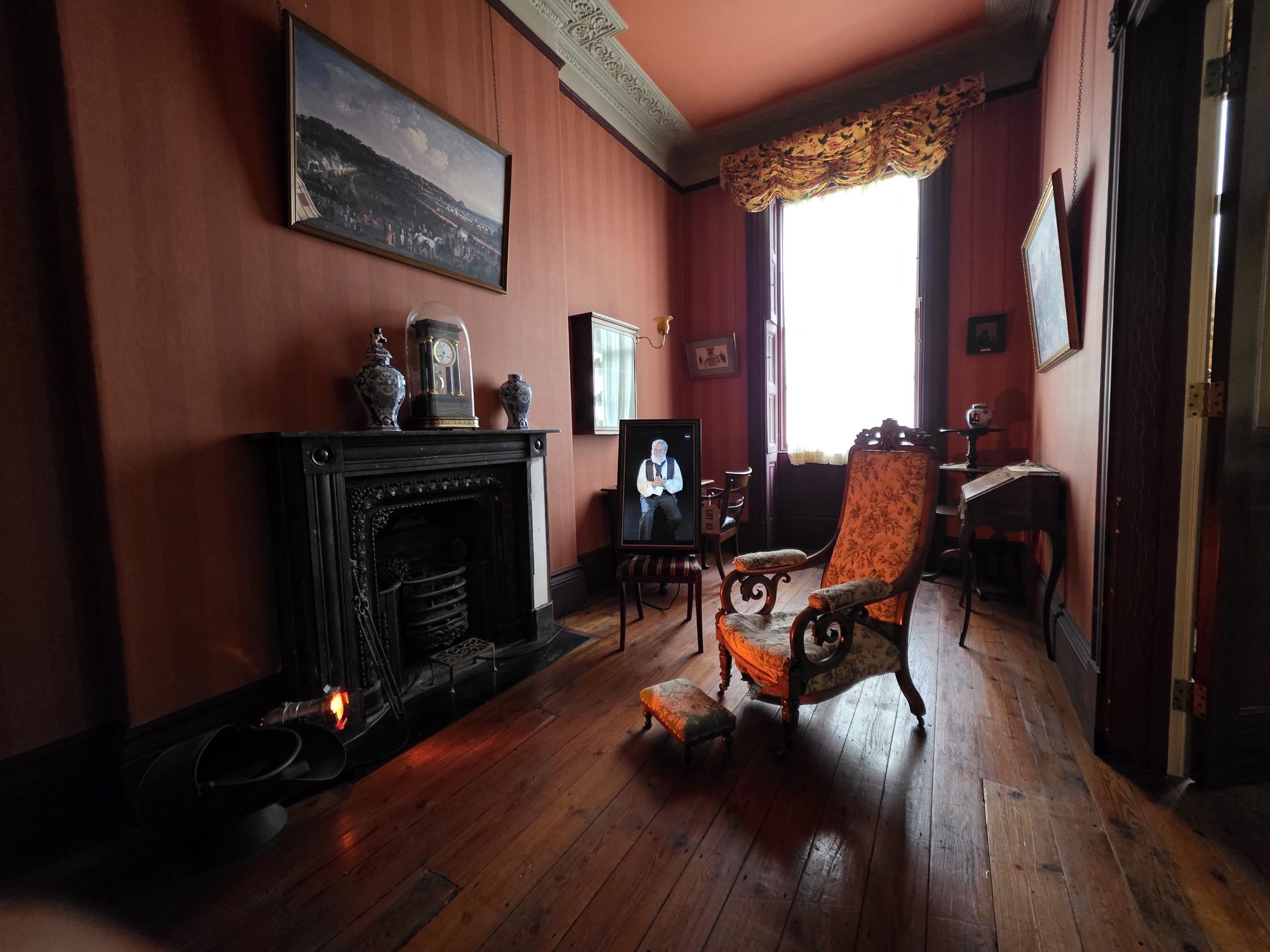
One of the highlights of the museum is the Victorian House, which recreates domestic life in Jersey during the Victorian period.
1430: After lunch and a look around the museum, we caught a bus towards the Jersey War Tunnels.
Jersey War Tunnels
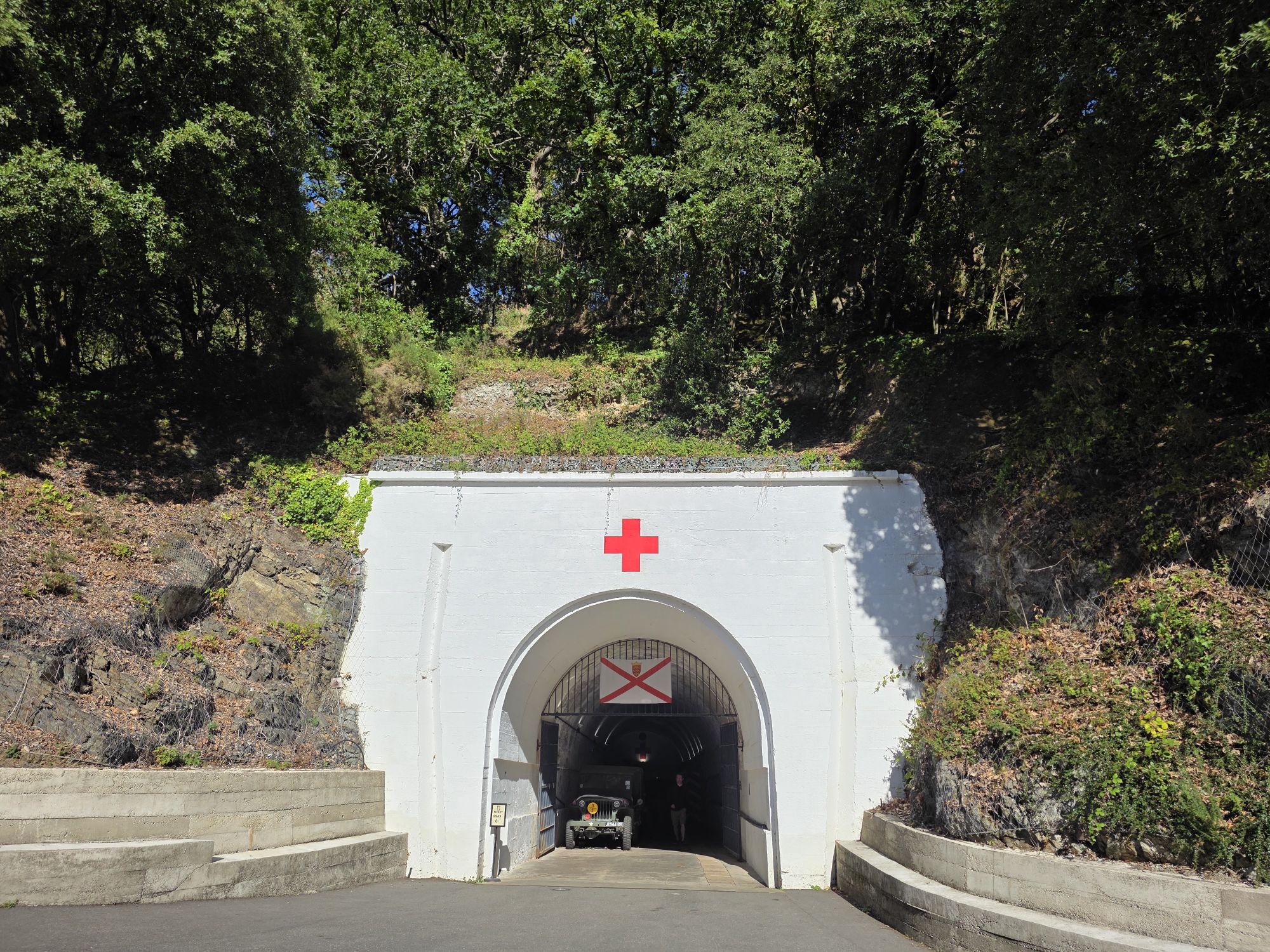
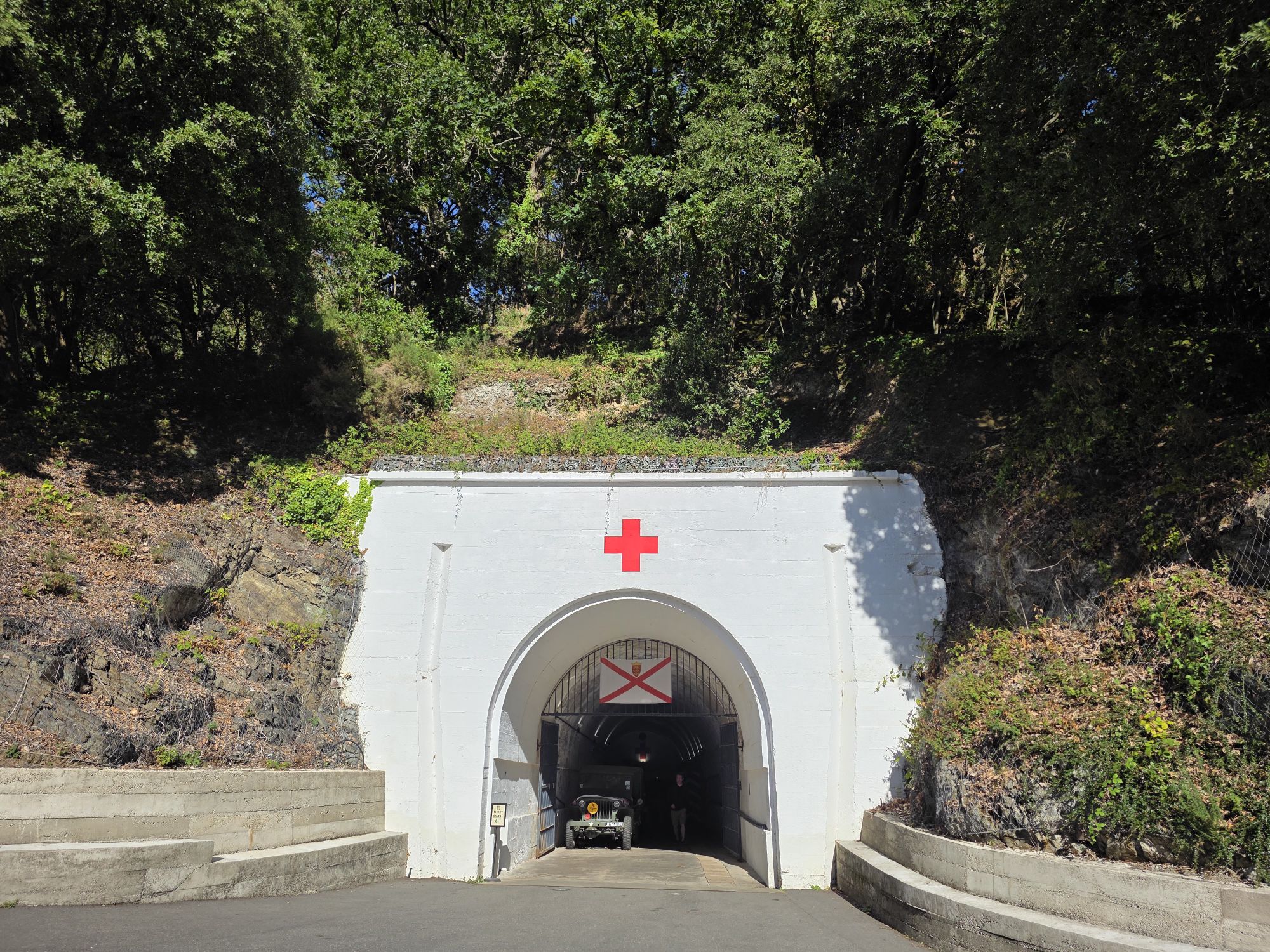
Our final stop of the day was the Jersey War Tunnels, one of the island’s most significant historical attractions.
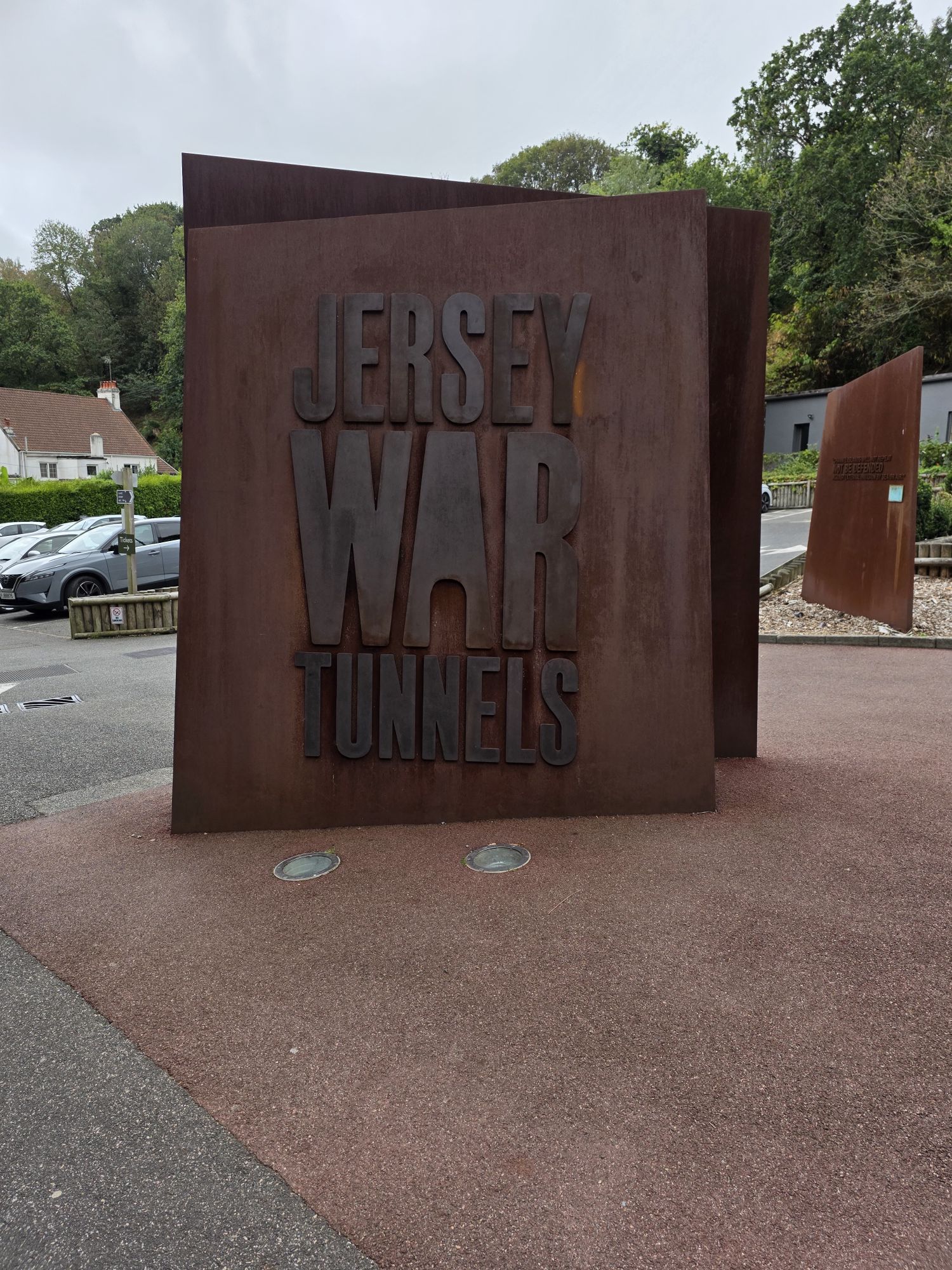
Jersey and the Channel Islands are the only part of the British Isles to be occupied by German forces during the Second World War.
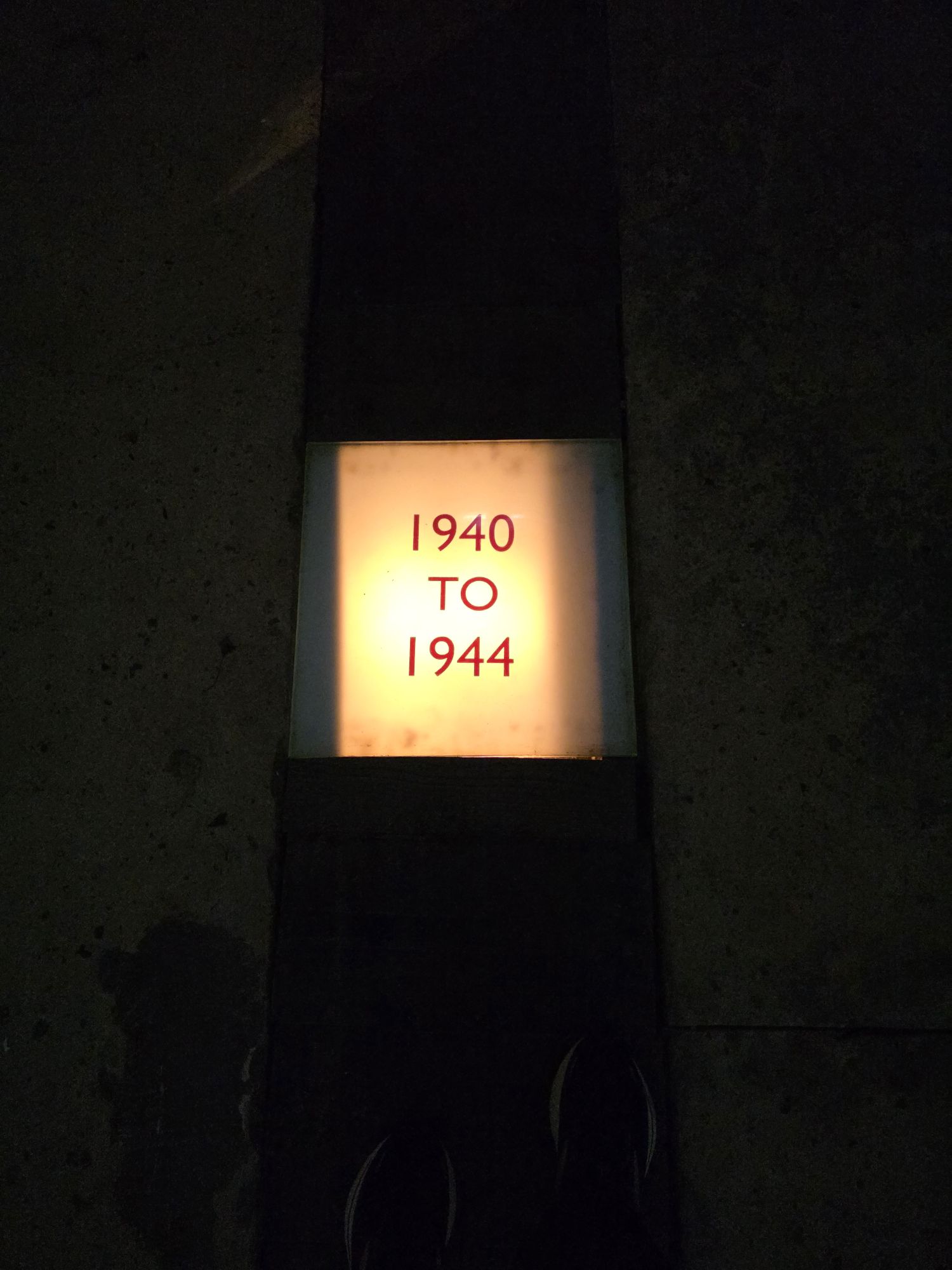
The occupation began in June 1940 and lasted until 9 May 1945. During those five years, islanders experienced restrictions on their freedom, food shortages, forced labour and the constant presence of the occupying German military.
The tunnels themselves were constructed by forced and enslaved labourers under German occupation. Originally intended as an underground military hospital, the complex was built deep into the hillside to provide protection against Allied bombing.
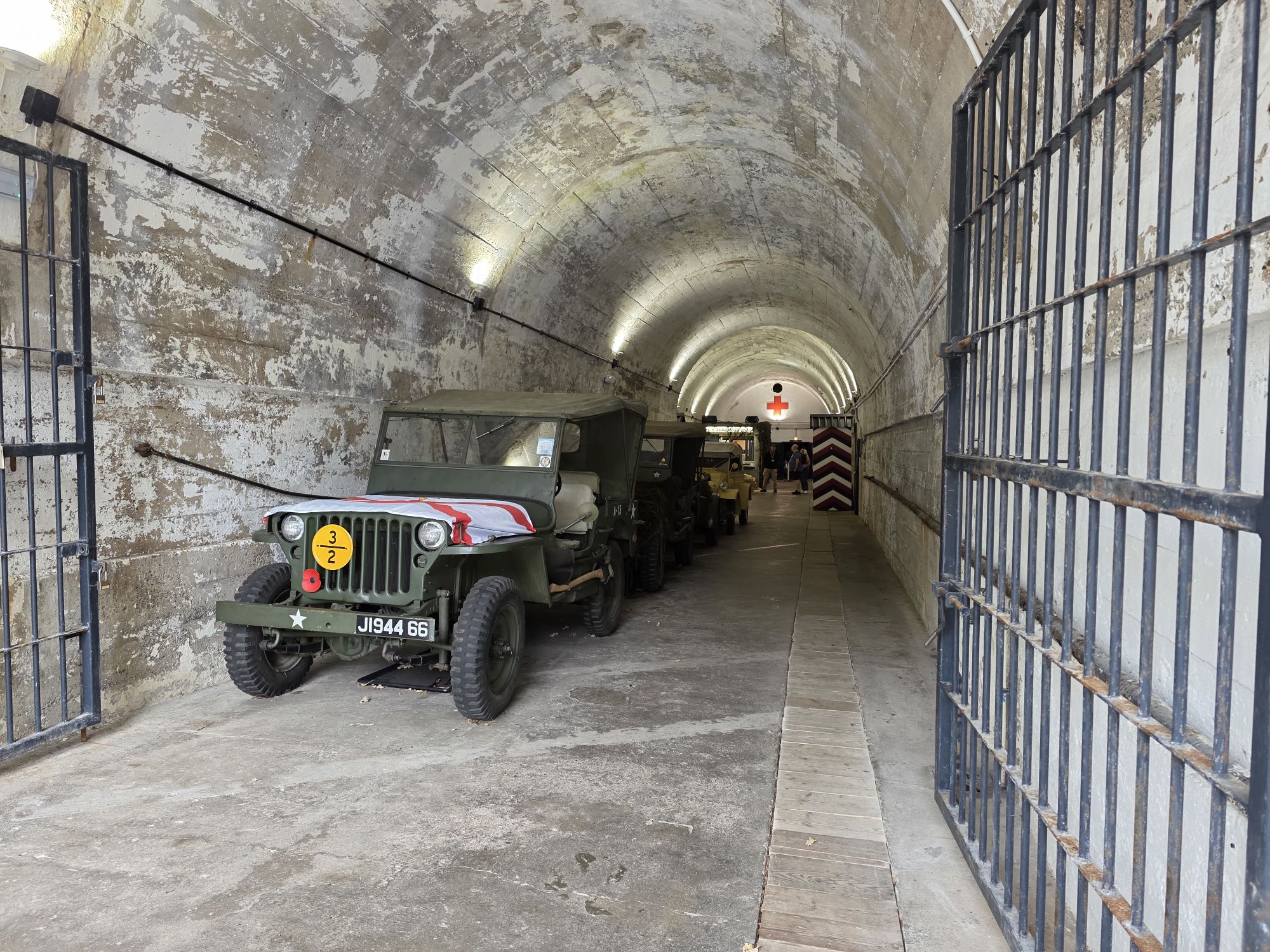
Today, the tunnels house an extensive exhibition telling the story of the occupation through photographs, personal accounts, artefacts and recreated scenes. Walking through the underground passages is a sobering experience, particularly when you learn about the conditions endured by the workers who were forced to construct them.
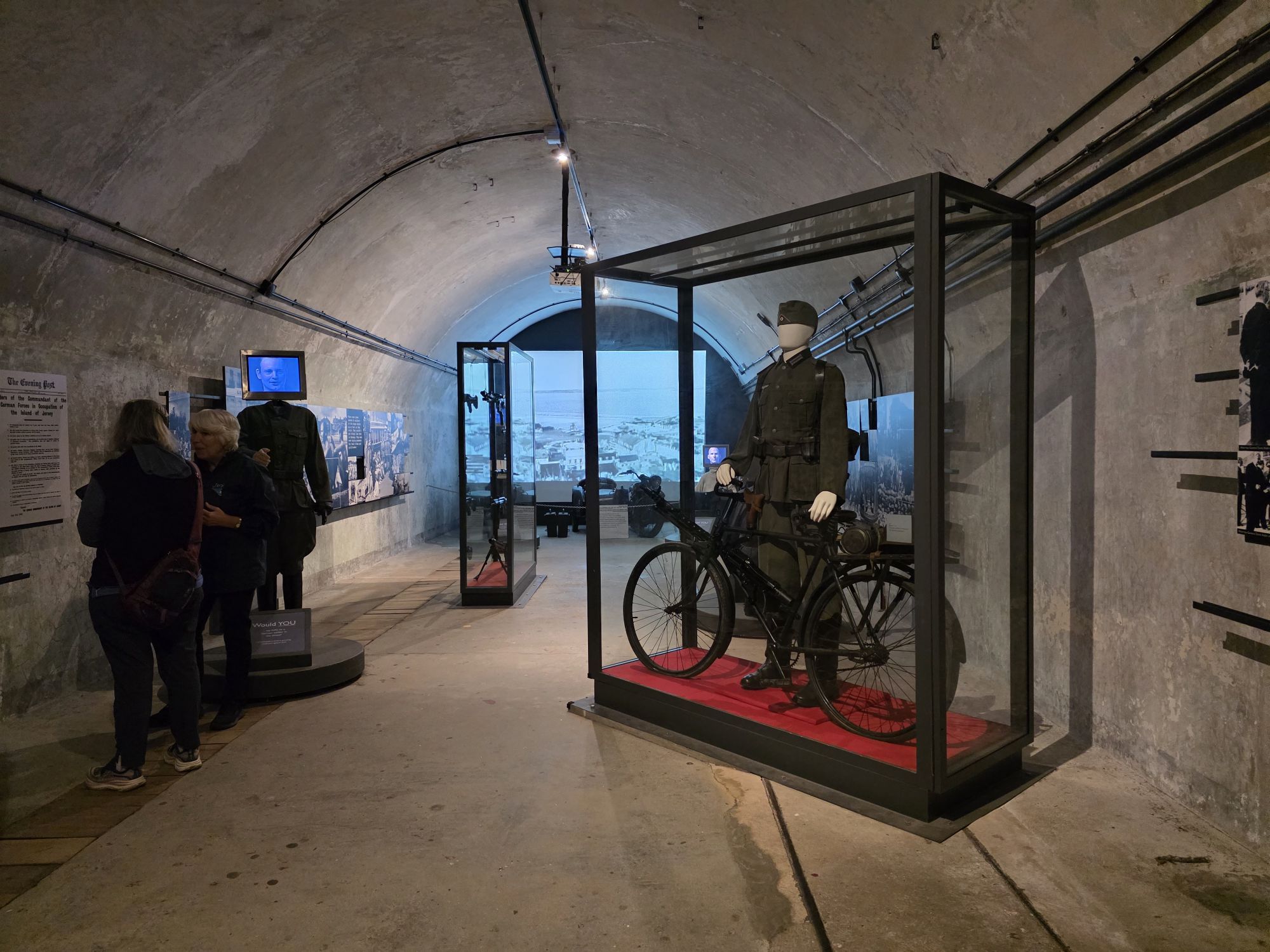
The exhibitions also explore the everyday experiences of Jersey residents during the occupation: how families adapted to shortages, how people communicated, the restrictions they faced and the difficult choices they sometimes had to make.
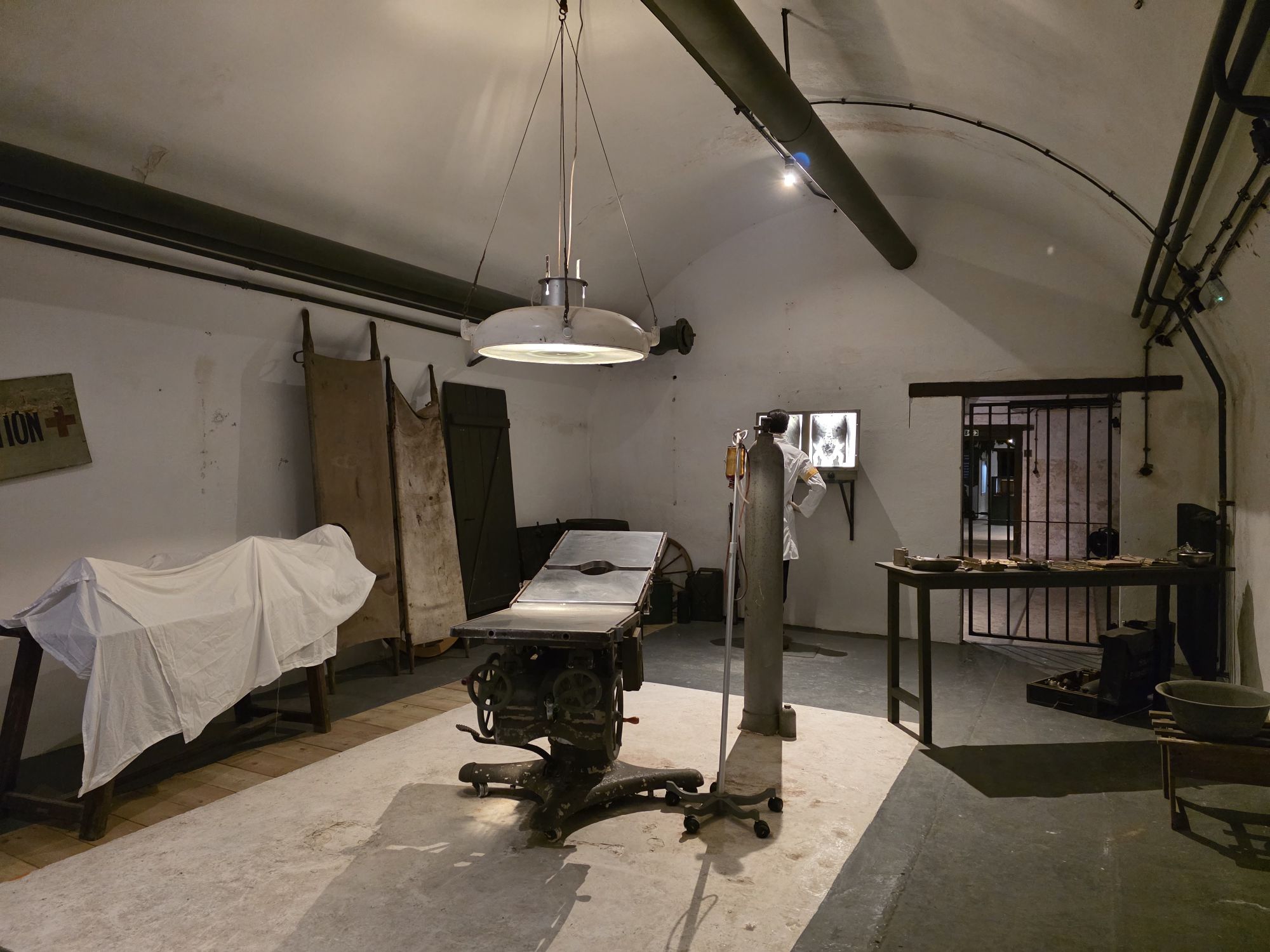
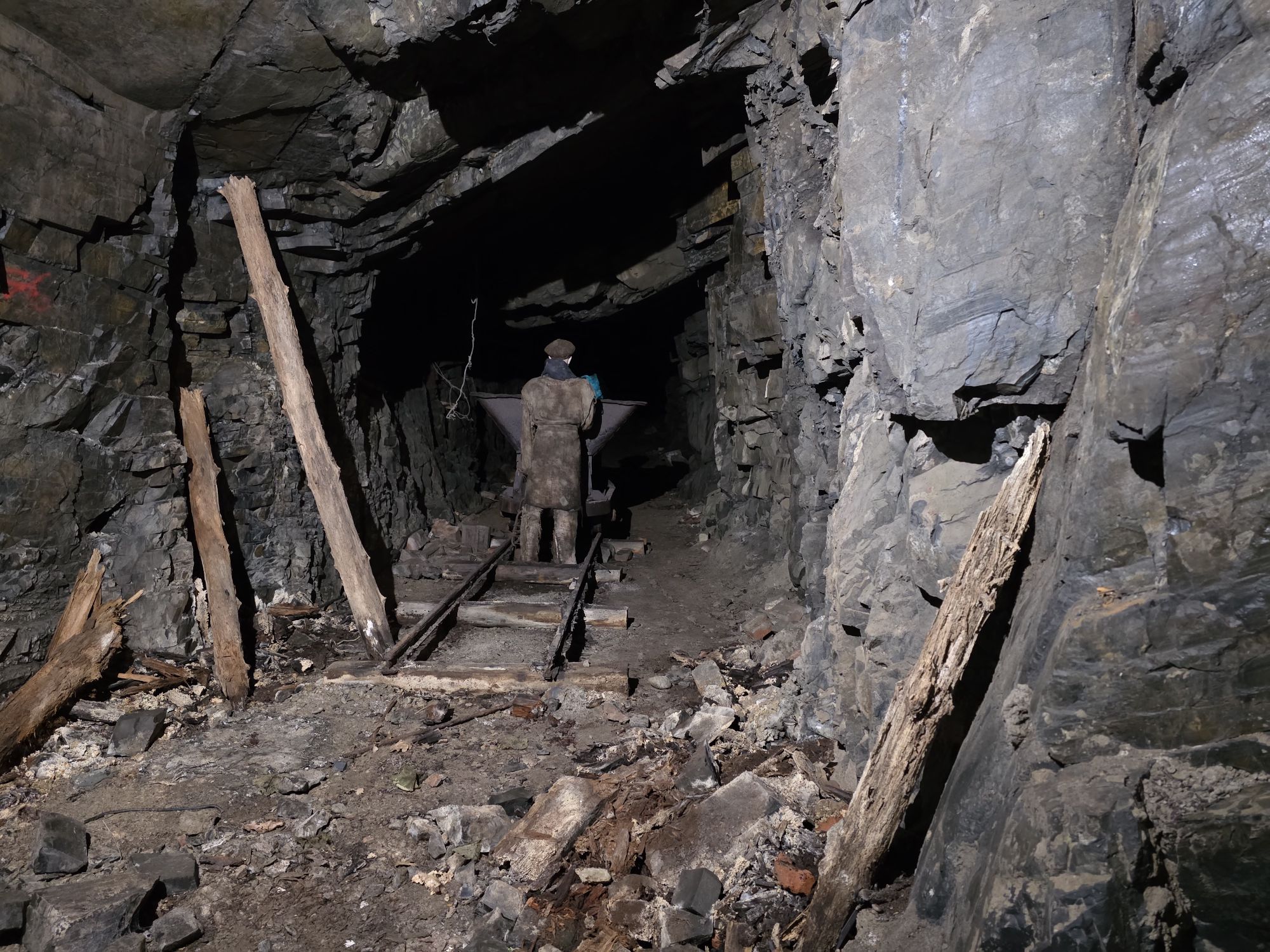
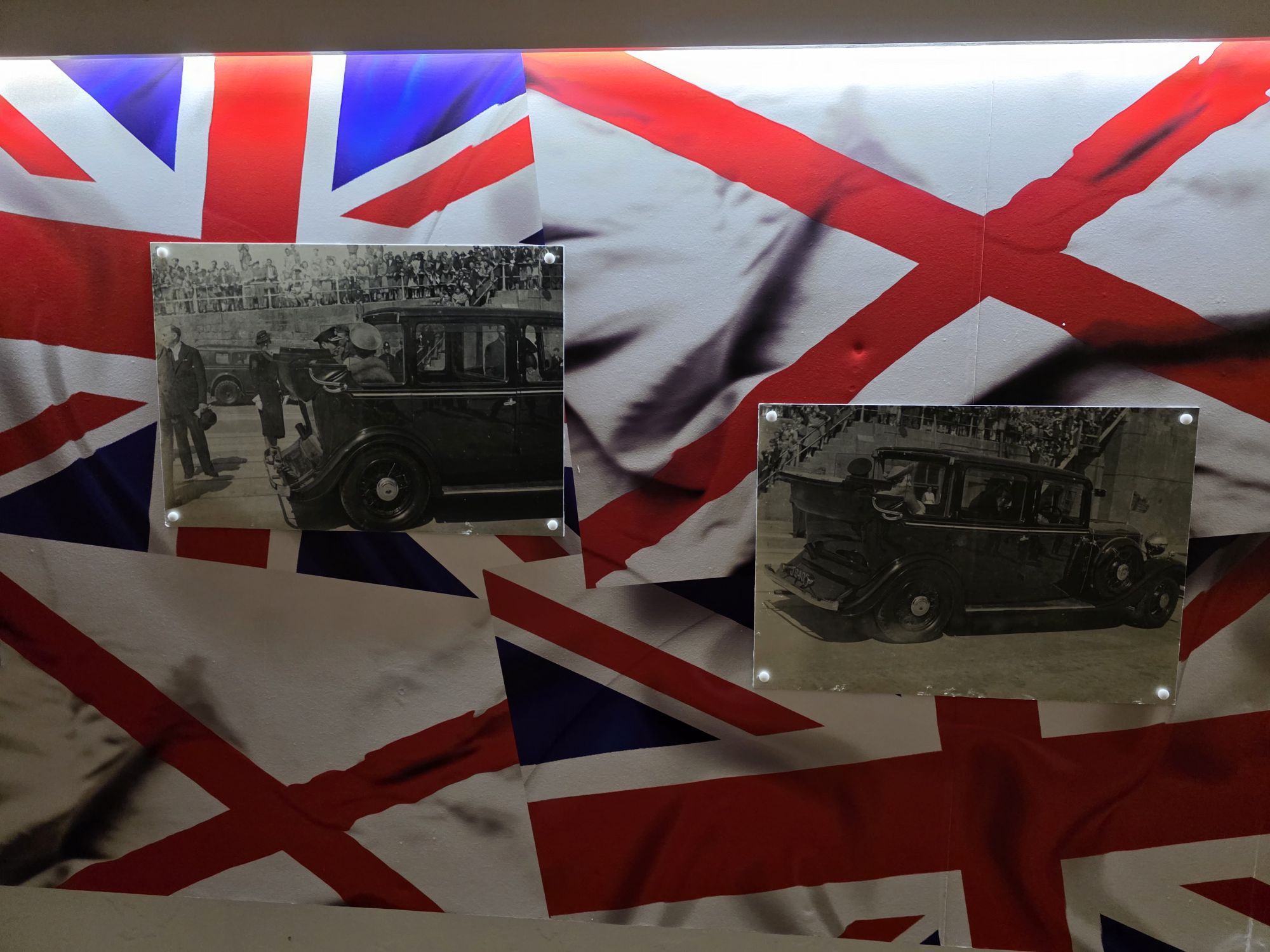
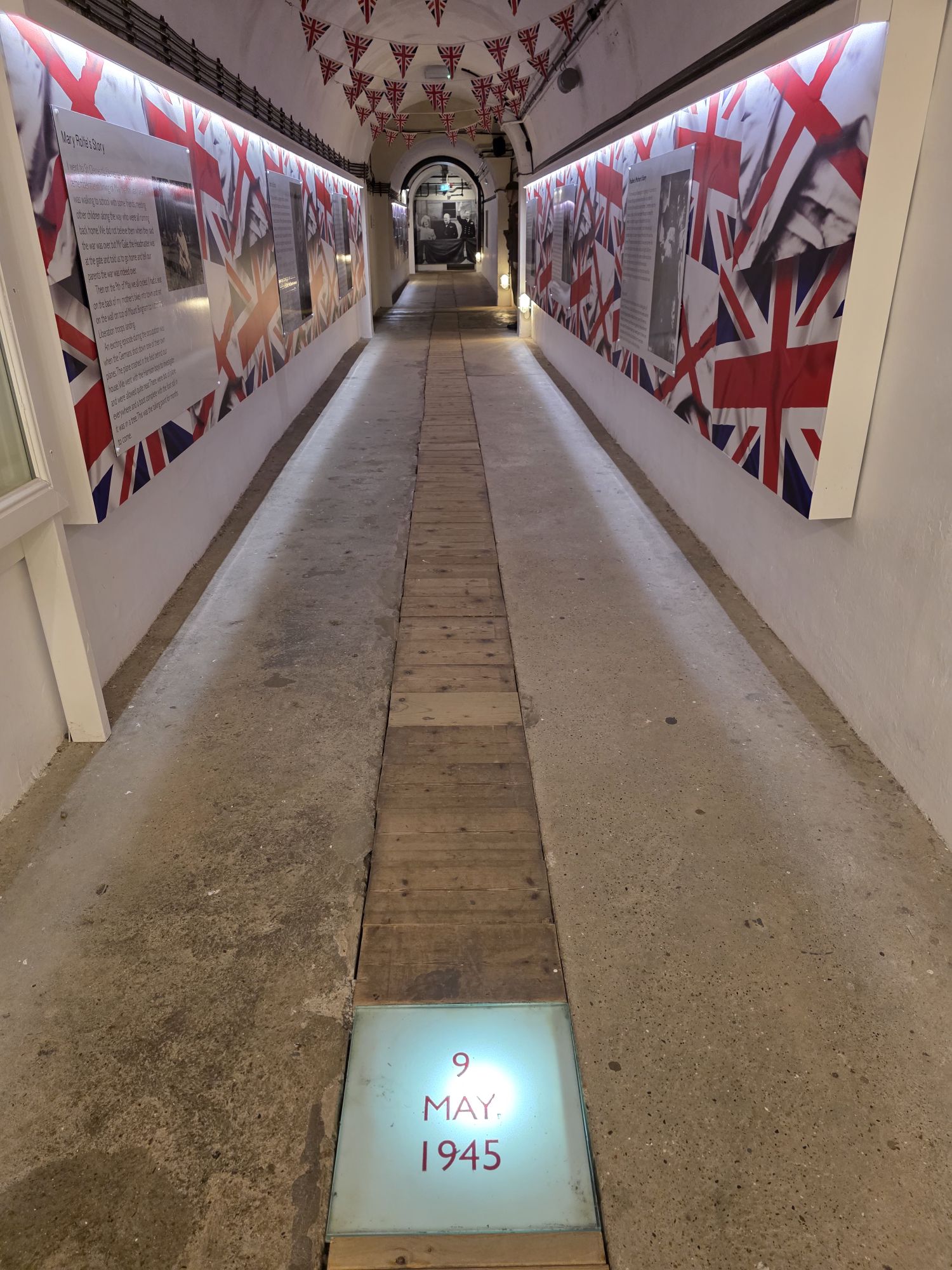
Allowing two hours gave us a good opportunity to explore the different sections and take in the stories. It is an incredibly moving attraction and provides an important insight into a period of Jersey’s history that is still remembered very strongly today.
1700: Return to St Helier
After a full afternoon at the War Tunnels, we made our way back towards St Helier, bringing an interesting and history-filled second day on the island to a close.

