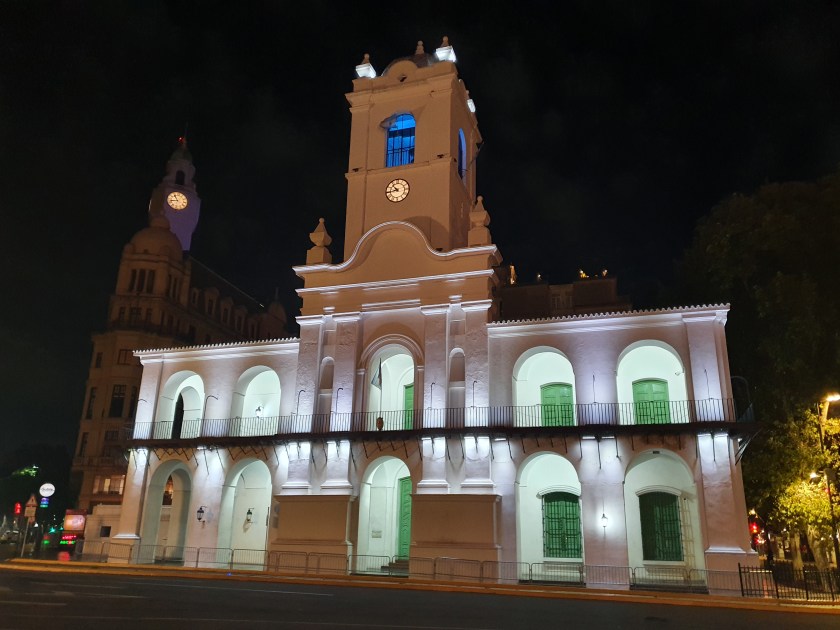
Where and When: Buenos Aires, Argentina, 25 February 2024
0915: It is our first (and last) full day in Buenos Aires. To start with, we have a half-a-day city tour.
The first significant landmark we go past is the Obelisk at the Plaza de la República. This is the centre of celebrations in Buenos Aires. In 2022, 6 million Argentinians poured into the surrounding avenue to celebrate their World Cup victory. The plaza was designed by Alberto Prebisch and inaugurated in 1937. The layout of the plaza and the avenue has had a few changes, and it is now considered to be the widest avenue in the World.

From the Obelisk, we head to the North of the city.
Brief stop at Floralis Genérica. This is a sculpture made of steel and aluminium located in Plaza de las Naciones Unidas. It was a gift to the city by the Argentine architect Eduardo Catalano and was built by Lockheed Martin in 2002.
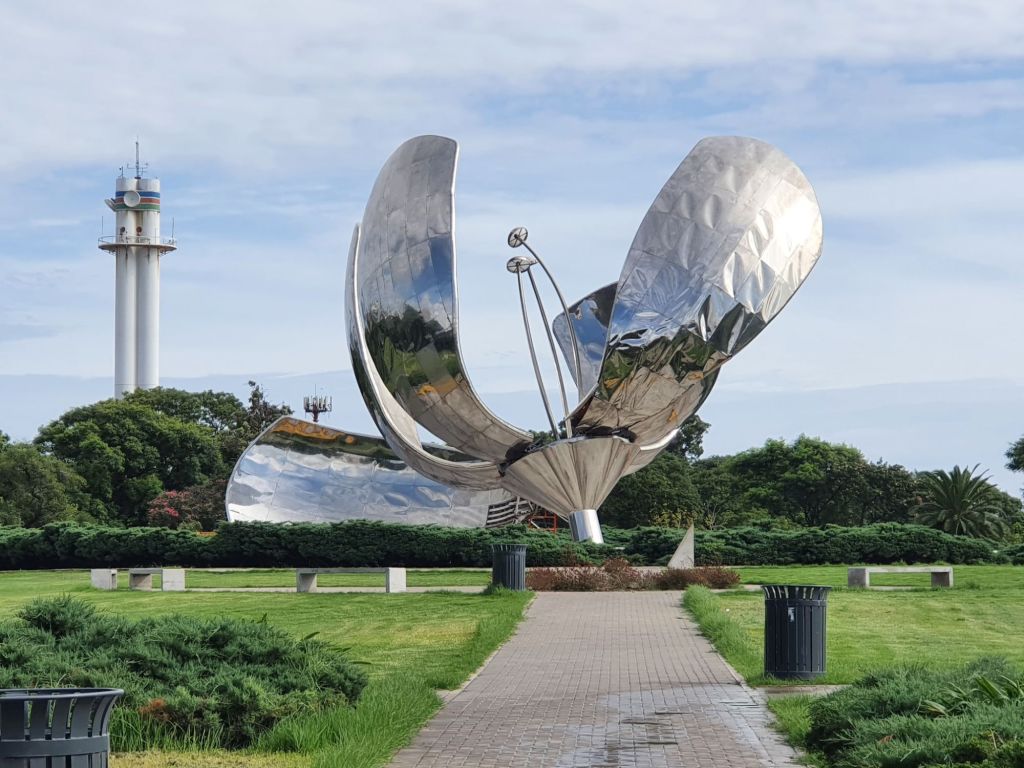
The “petals” of the sculpture open at sunrise and close at sunset. However, it was damaged due to a Tornado in December 2023, so one of the petals are lying on the floor at the moment.
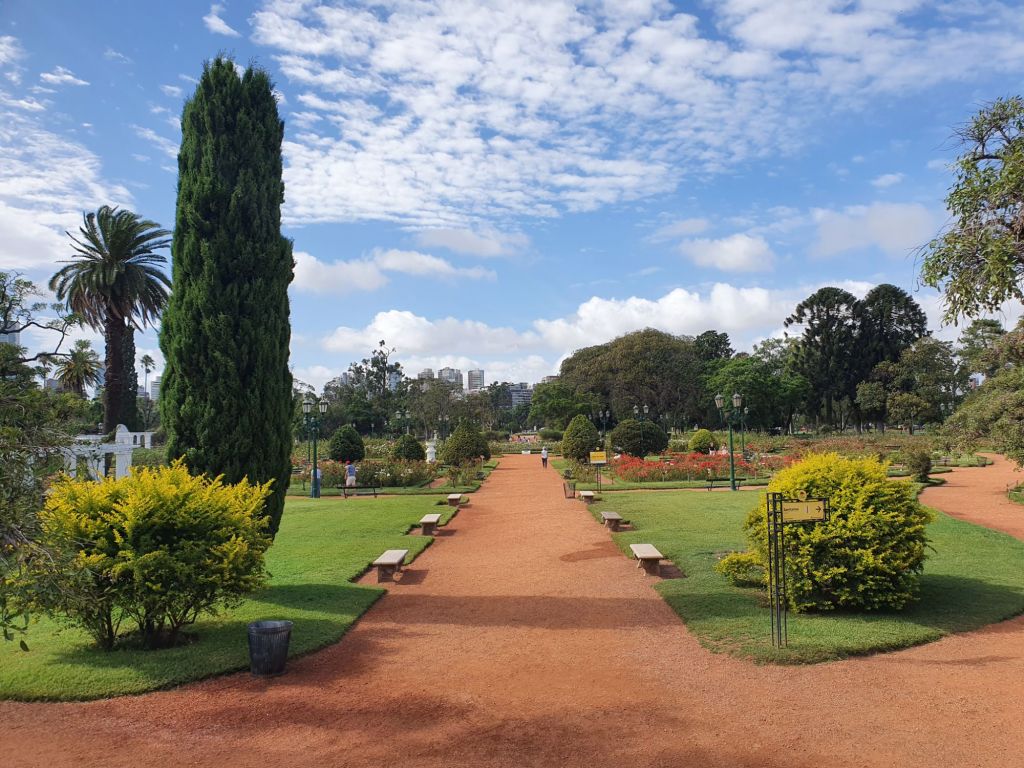
We head through the up market neighbourhood of Paelramo. We have a brief stop at Bosques de Paleramo, one of the oldest parks in the city. On this Sunday morning, it is busy with people walking, jogging and exercising.

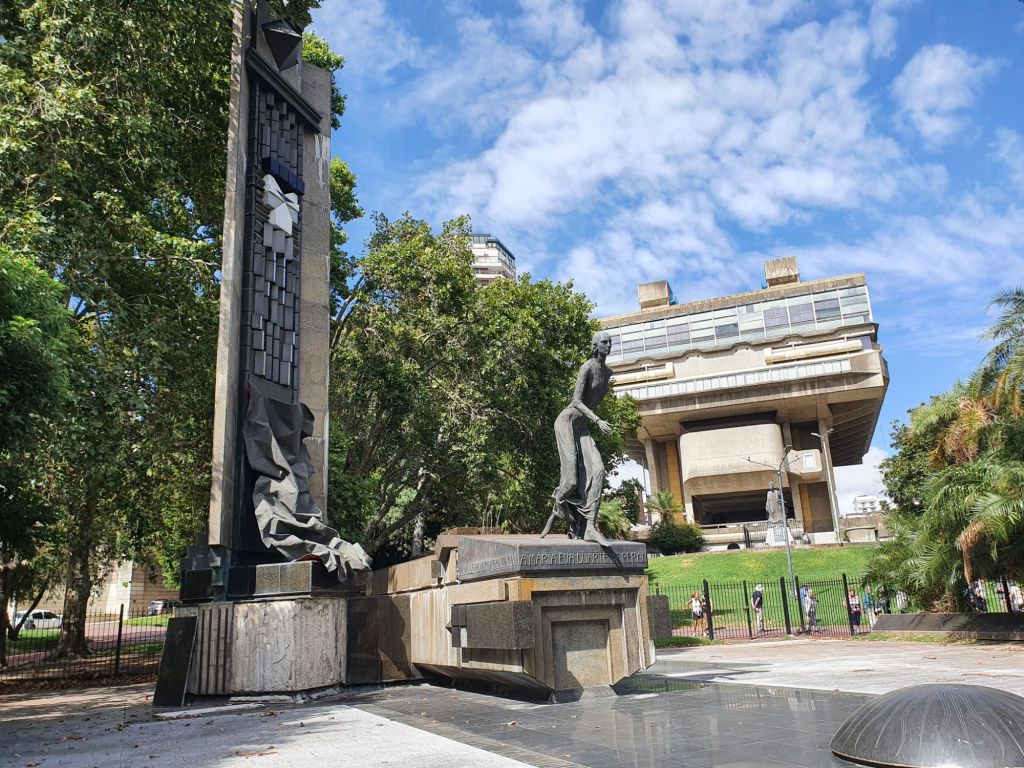
Brief stop at the Eva Peron statue at Avenida Libertador. This is built on the site of the former home of Eva Peron.

After going past few more landmarks, our next stop is La Ricoleta cemetery. Built in 1822, it is considered to be one of the most beautiful cemeteries in the world. The cemetery spans 14 acres, and has over 4500 burial plots.

A burial plot at the cemetary today costs upwards of 100,000 USD. There are several famous figures buried here, including Eva Perón, presidents of Argentina, Nobel Prize winners, the founder of the Argentine Navy, and military commanders such as Julio Argentino Roca.


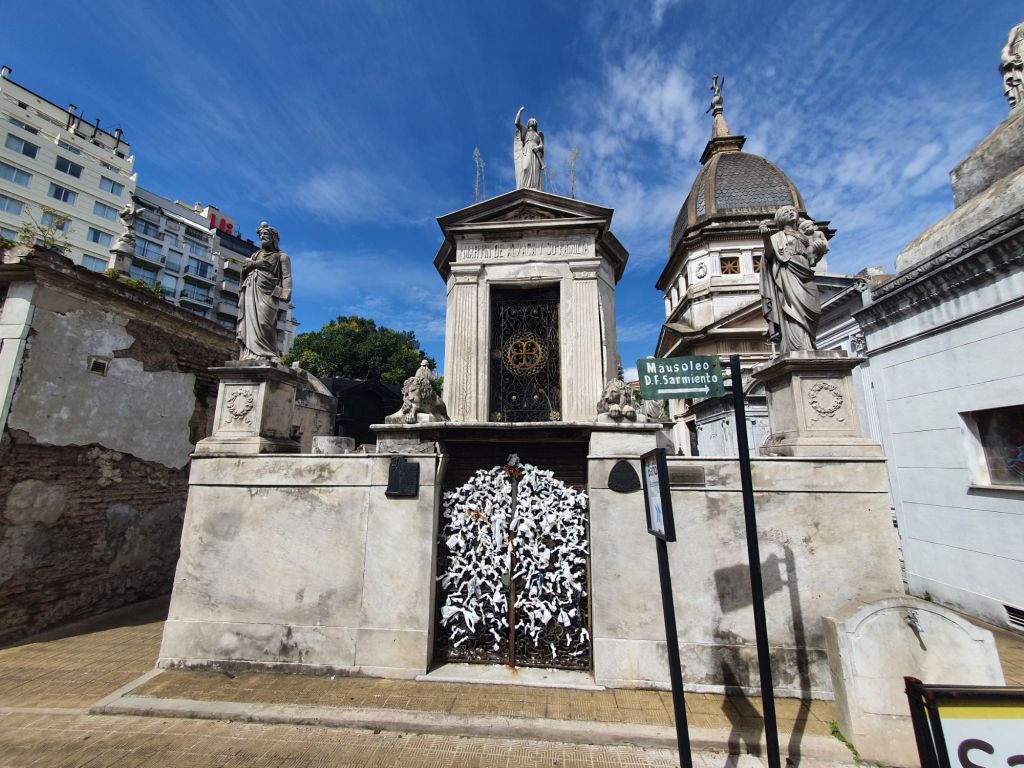
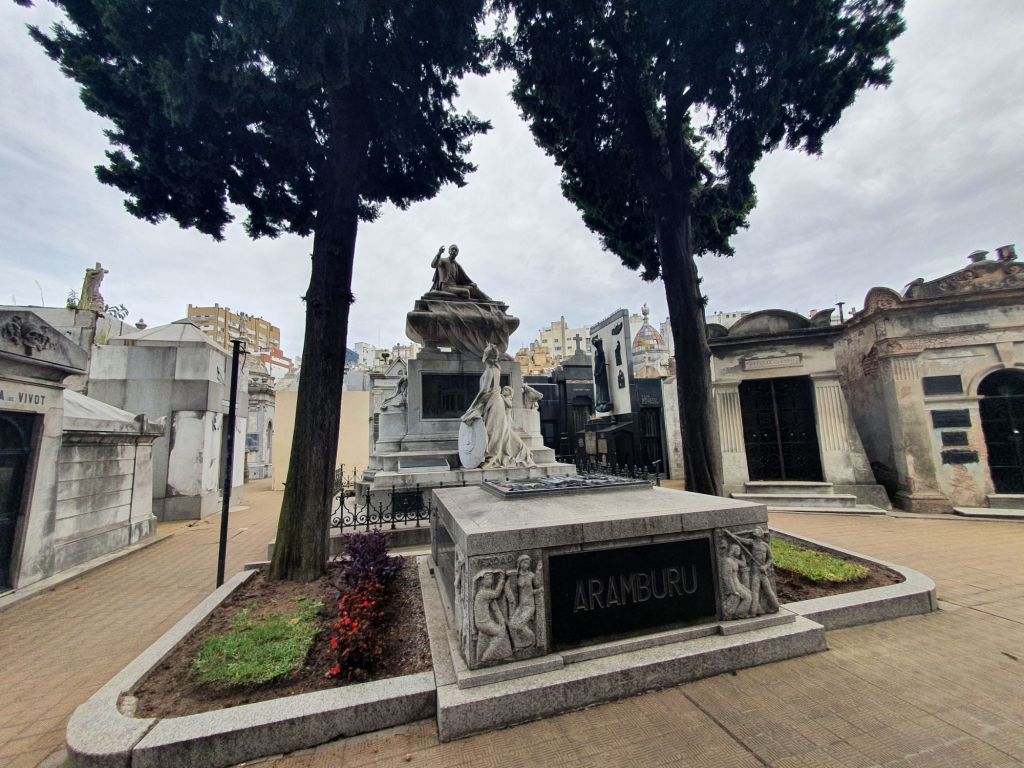
The last stop of the tour is Camanito in La Boca. This is a very lively neighbourhood famous for its colourful houses, live Tango music and dancing, lots of eateries and ofcourse, souvenir shops.


Lunch is at a local restaurant, done up in the style of a tradtional village eatery.

1500: After the tour I spent the rest of the afternoon exploring attractions nearby to our hotel.

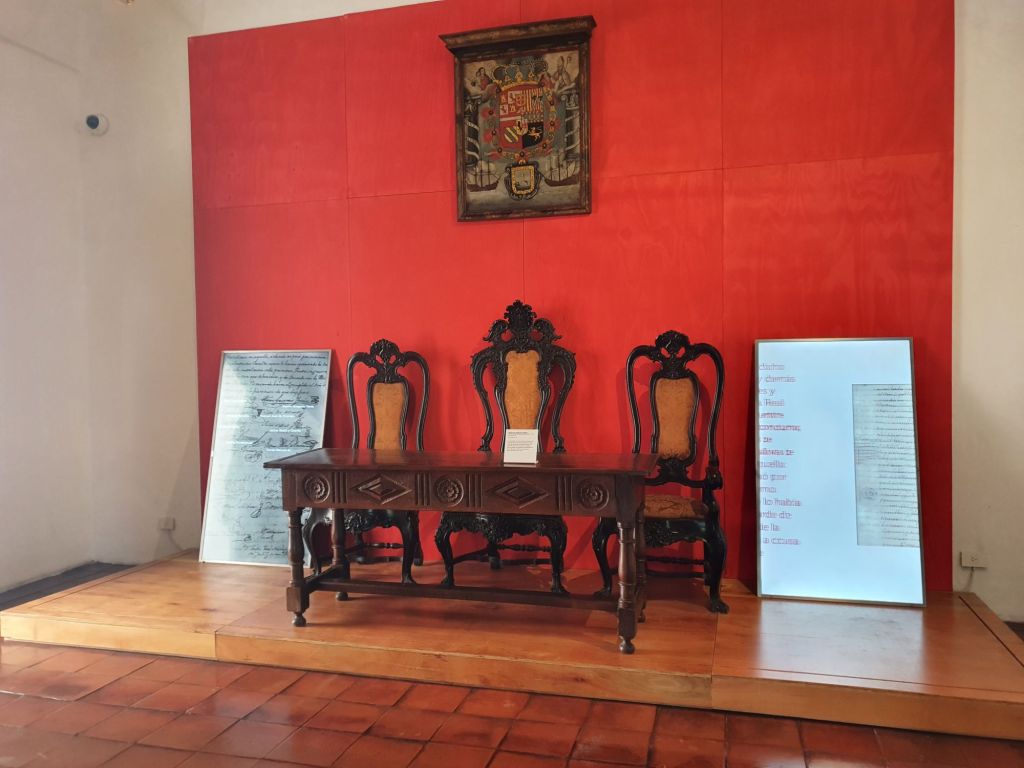
My first stop was the former colonial government house at Plaza de Mayo, which is a museum, and entry is free.

The museum tells the story of Argentina’s independence from Spain. All the descriptions are in Spanish, but Google translate does a remarkable job of translating the text on the plaques.
My next stop is the Metropolitan Cathedral of Buenos Aires. This is where Pope Francis was the Archbishop of Buenos Aires for 15 years before he became the Pope in 2013.
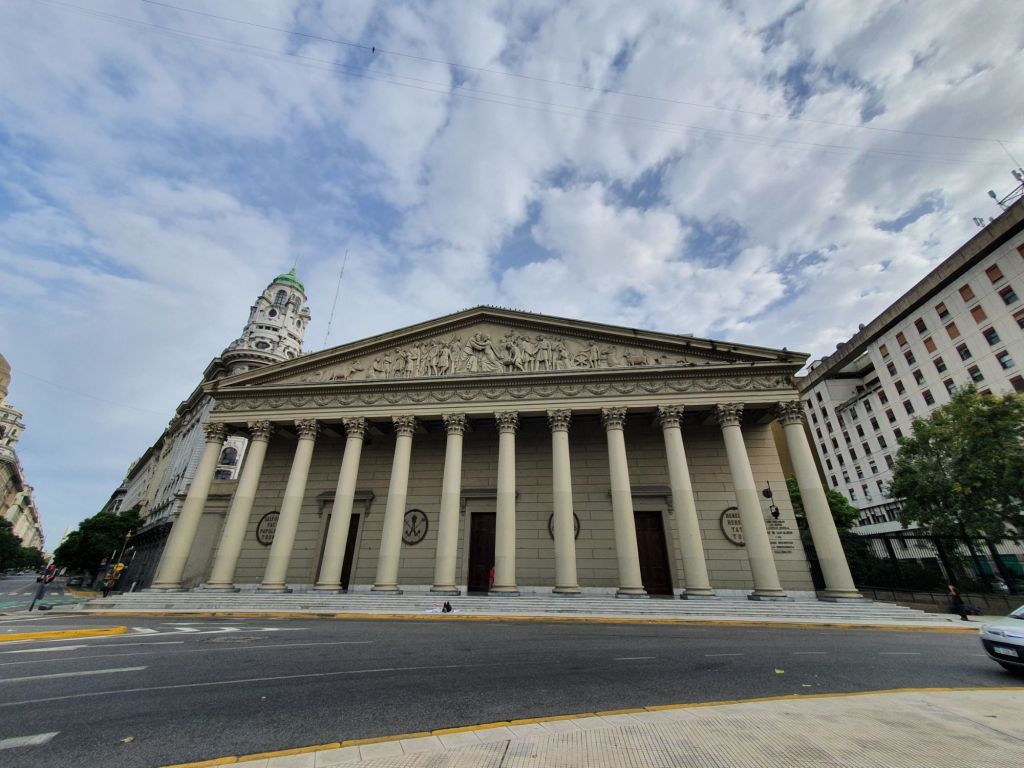

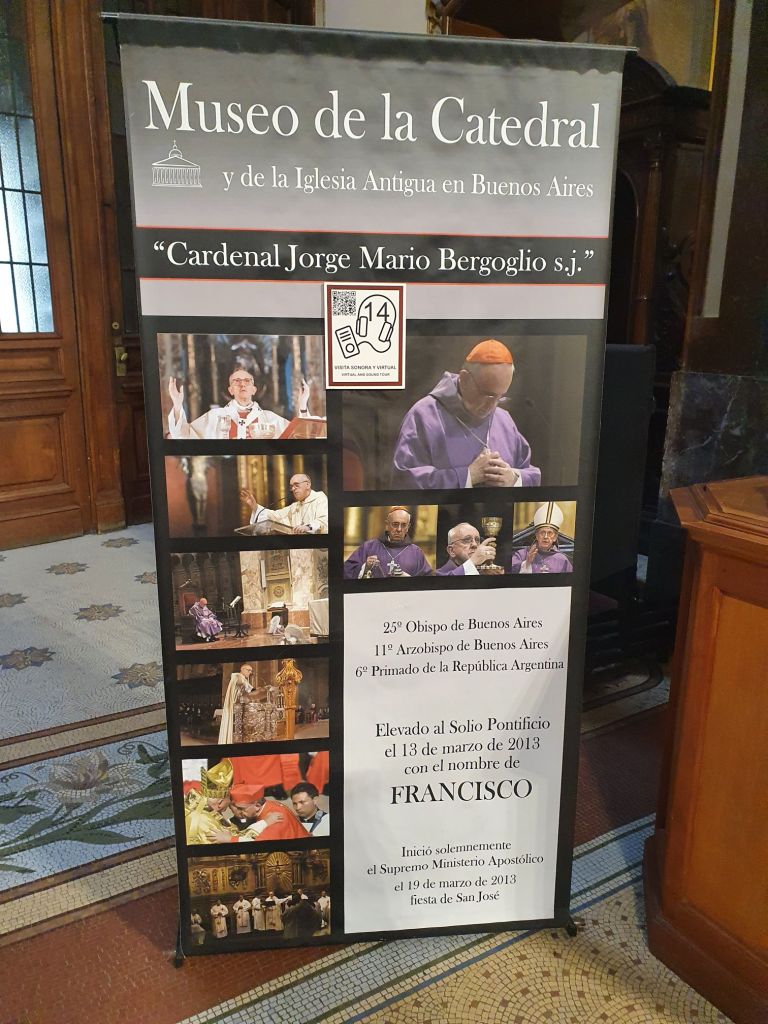
The Cathedral also houses the Mausoleum of General Jose de San Martín. He was an Argentine General and a leader instrumental in gaining independence from Spain for Peru, Chile and Argentina.

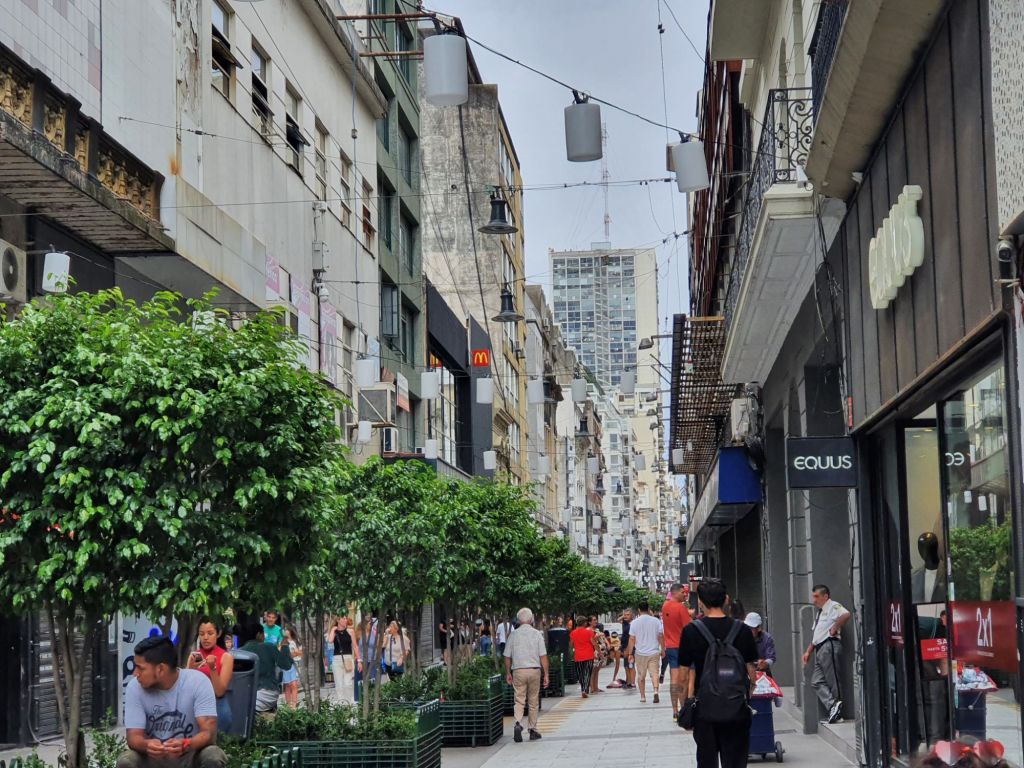
Next, I walk down the Florida shopping street. This leads to Plaza General San Martin park.
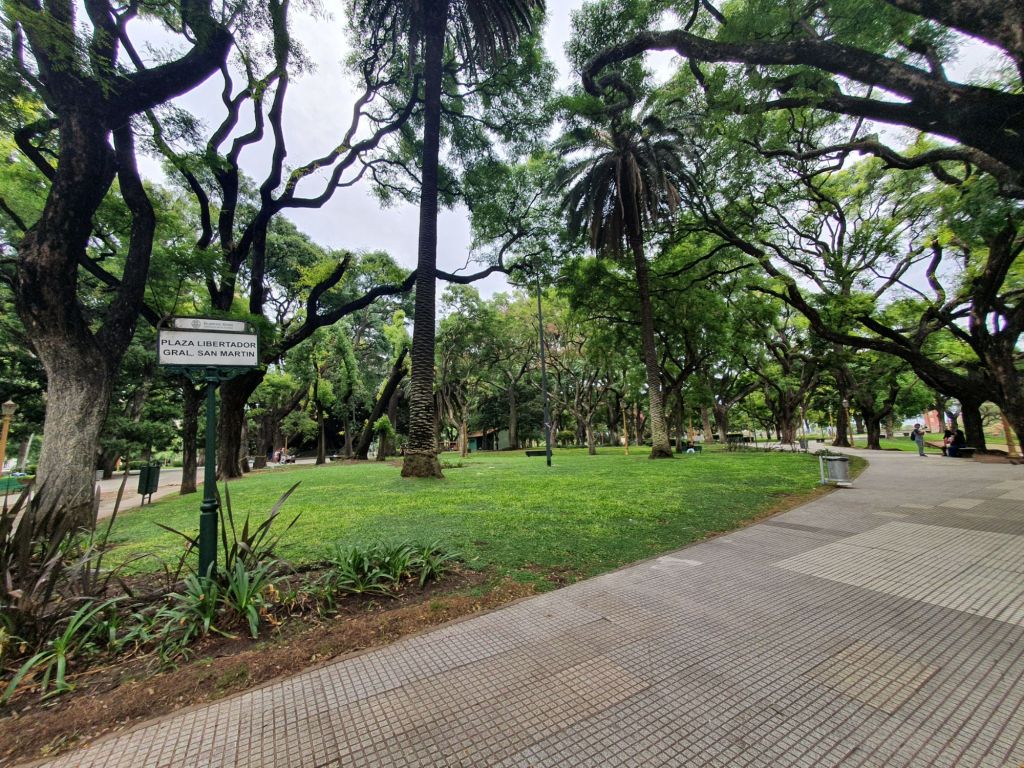
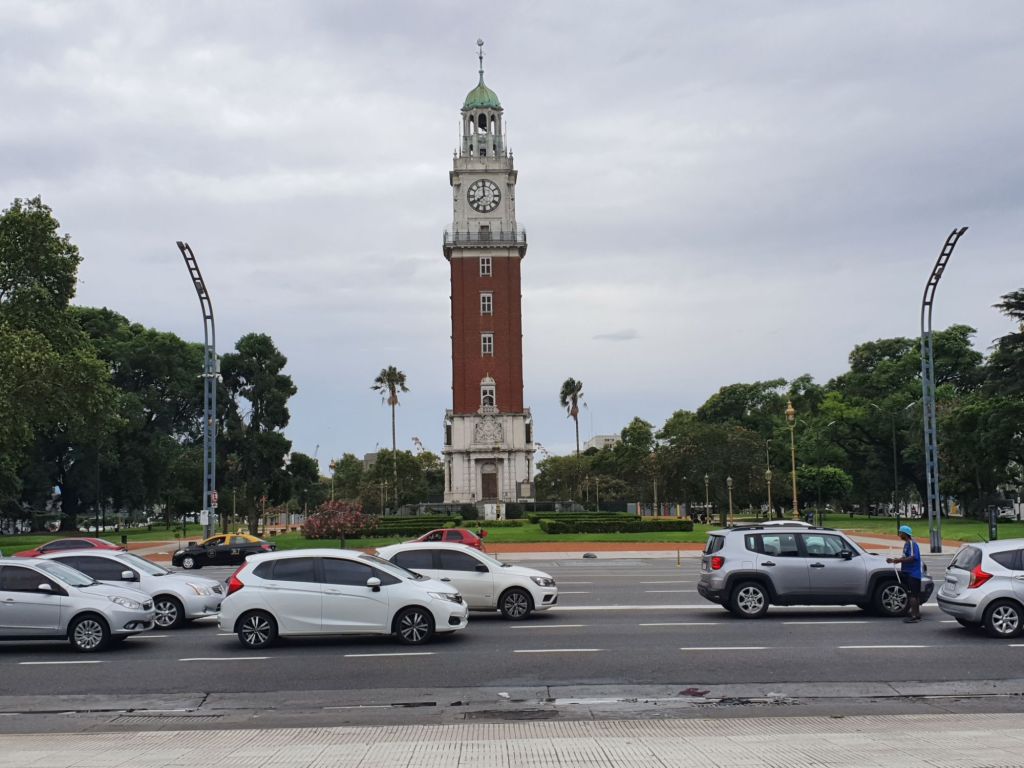
On one end of the park is the Falklands war memorial which is opposite the Clock Tower monument celebrating independence from Spain.

After an ice cream break at Rapa Nui (according to our tour leader, serving some of the one best gelato in the country), I head back to the hotel. The food in Buenos Aires is varied and influenced by cuisine from Spain and Italy (hence the popularity of gelato).

2000: Dinner and Tango show at Piazzola Tango.
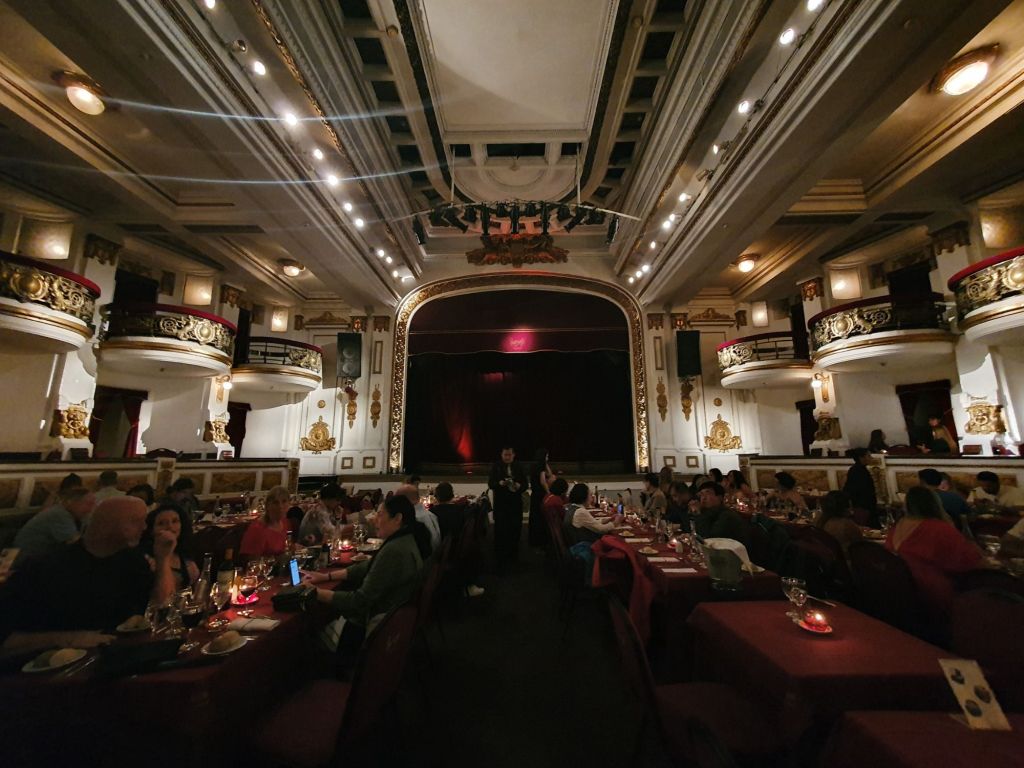
This type of Tango show is quite common in Buenos Aires and is put on for tourists. But the production is very high quality – with a live band and six couples demonstrating the Tango from the traditional to the contemporary.
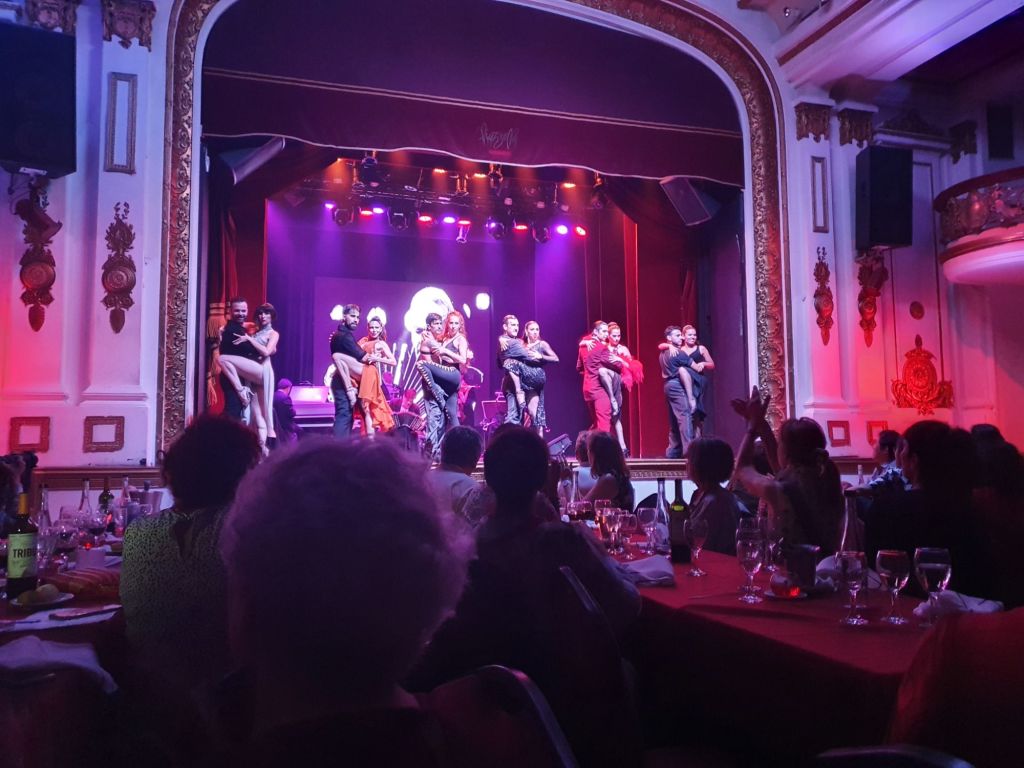
I am not sure if it was worth 100 USD price tag, but then again, where better to watch the Tango than its birthplace of Buenos Aires?

It was a packed day in Buenos Aires, and at the end of the day, my first good impression of Buenos Aires still holds. It felt like any other capital city in the world, with some world class attractions, many interesting and lively neighbourhoods and plenty to see and do. My time in Buenos Aires was short, so I have made a list of things to see/do for a future visit:
Teatro Colon: This is a world famous theatre. I would love to go back and see a performance here and/or have a tour of the theatre.

Japanese Gardens: Built by the Japanese Argentine Cultural Foundation, these gardens are amongst the largest Japanese gardens in the world outside Japan.
Neighbourhoods of Paelramo, Ricoleta and Puerto Madero: These are hip and trendy neighbourhoods of Buenos Aires I would like to spend more time in.
Have you been to Buenos Aires? What are your highlights? Or maybe you are hoping to visit one day. What would you like to see? Leave a comment below and let me know.
 Diary of a Tourist
Wow, that cemetery looks like a compact town!
LikeLiked by 1 person
That’s a really good observation! Infact, the tour guide told us that the rich and famous who are buried here had their architects build the Mausoleums in the same style as their grandhouses, just smaller – so it does look like a mini town 🙂
LikeLiked by 1 person