Where and when: St John’s, Newfoundland, Canada, August 2025
0900: Since we only had 1 full day to spend in St John’s. I booked a St John’s city tour with McCarthy’s Party Tours (via Get Your Guide).
The tour starts off with a quick lesson on how to pronounce Newfoundland like a local. It is pronounced New-fun-land (where land rhymes with “stand”).
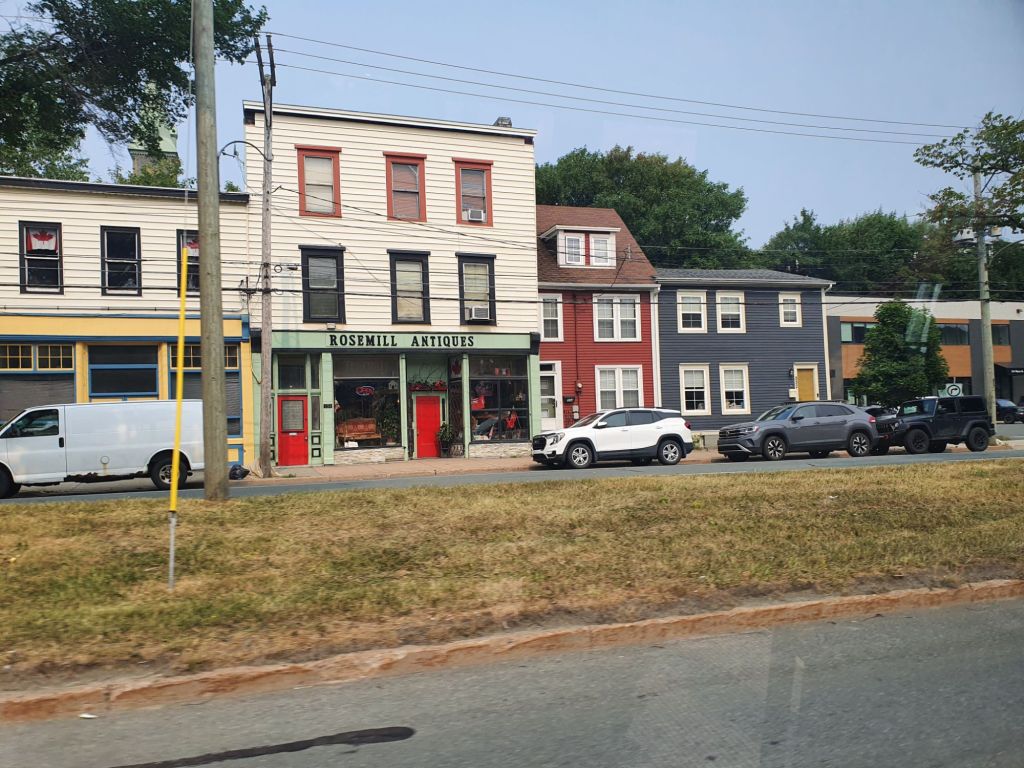
St John’s town has a population of about 120,000. The greater St John’s area has a population of about 240,000, which is half the population of Newfoundland.
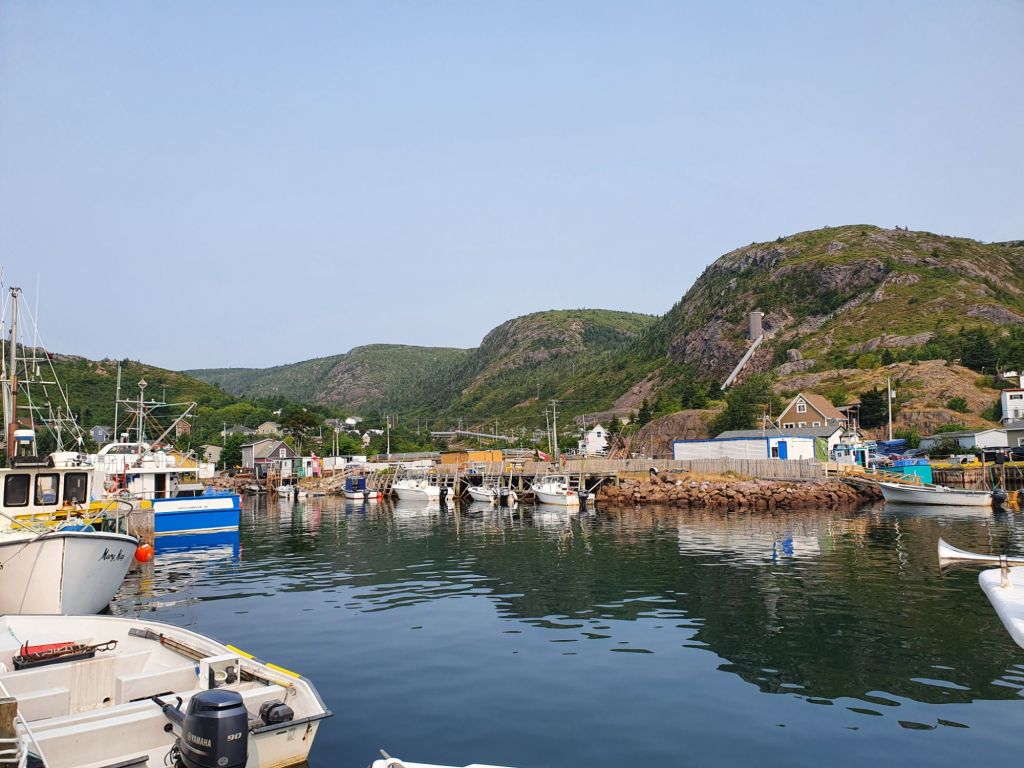
The first of the tour stop was Petty Harbour. A small, picturesque fishing village on Maddox Cove to the South of the city.
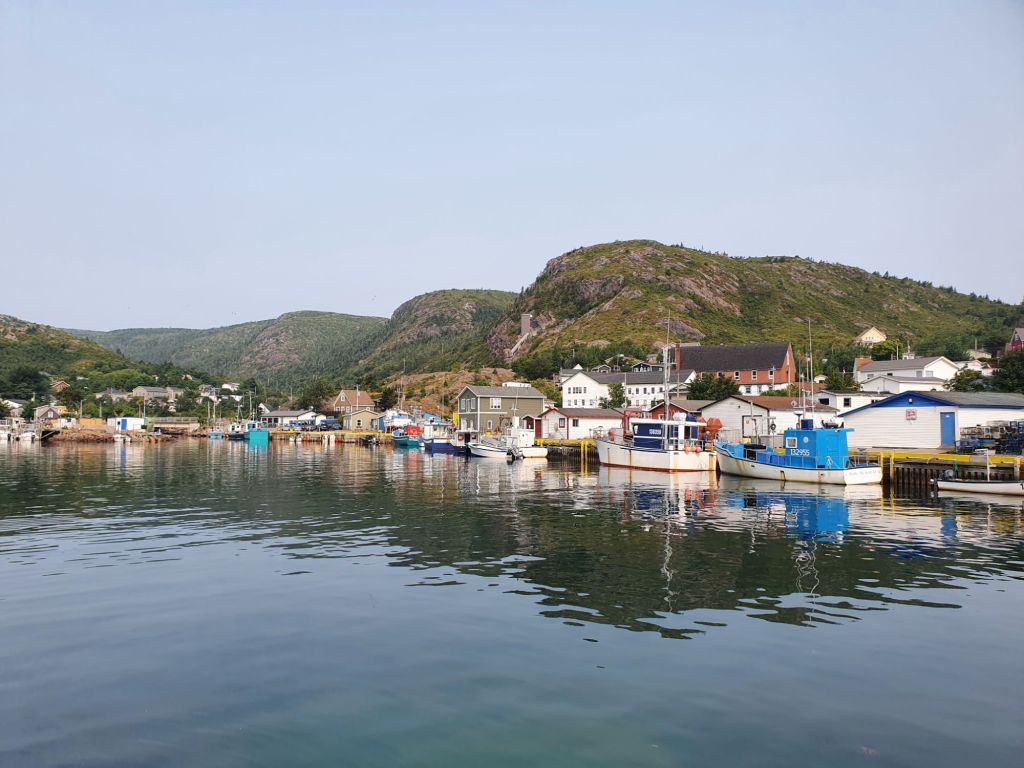
Fishing used to be the main industry in Newfoundland, until a cod fishing moratorium (to preserve fish stocks) in the early 1990’s. Fishing is slowly being reopened and St John’s is one of the major centres for fishing in Canada. Most of the catch is exported to the rest of Canada.
Next stop on the tour was Cape Spear. This is the headland to the north of the city and the most easterly point in Northern America (except for Greenland).
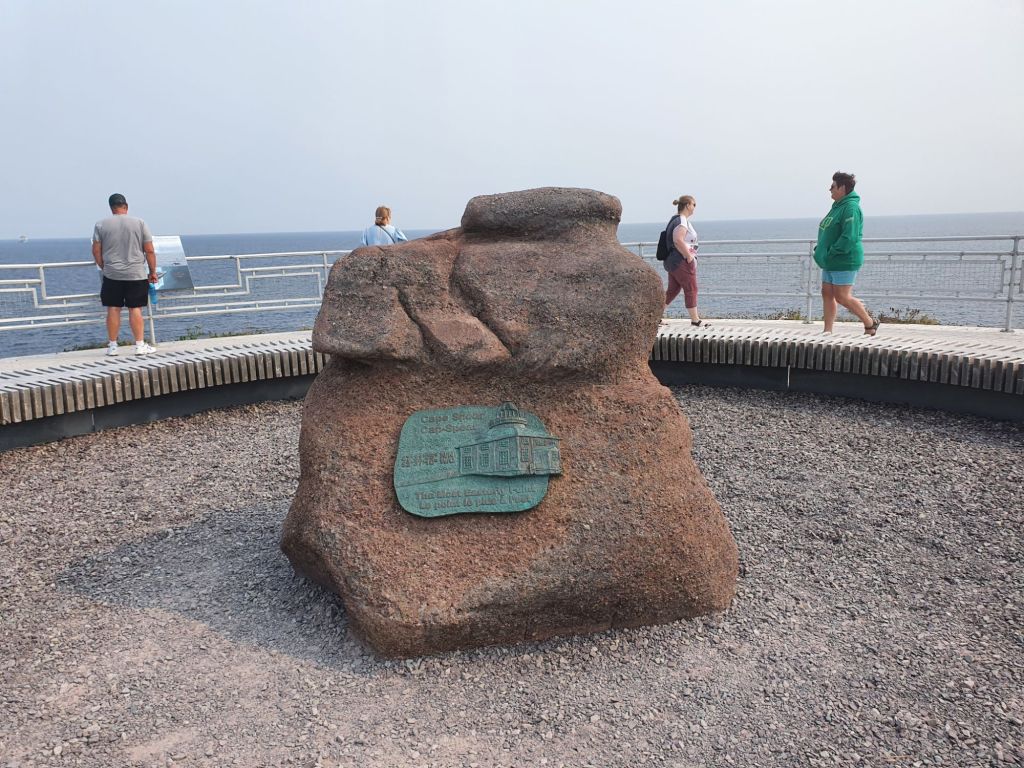
Cape Spear has the oldest standing lighthouse in Newfoundland, dating back to 1836. The second, more modern lighthouse still operates today.
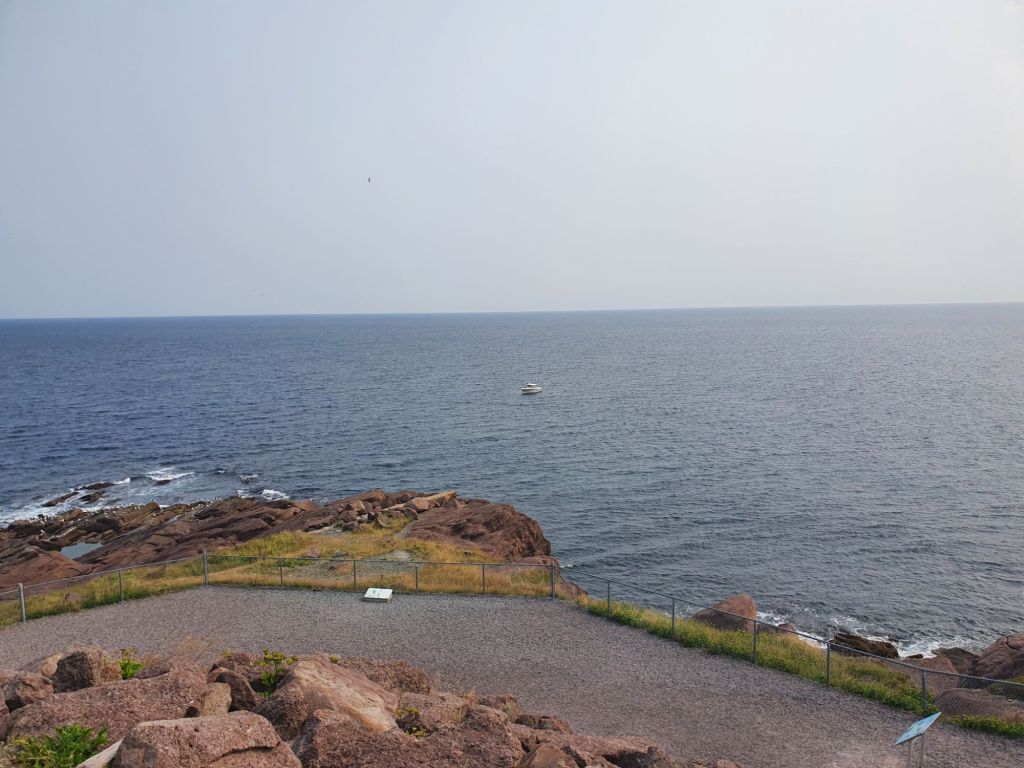
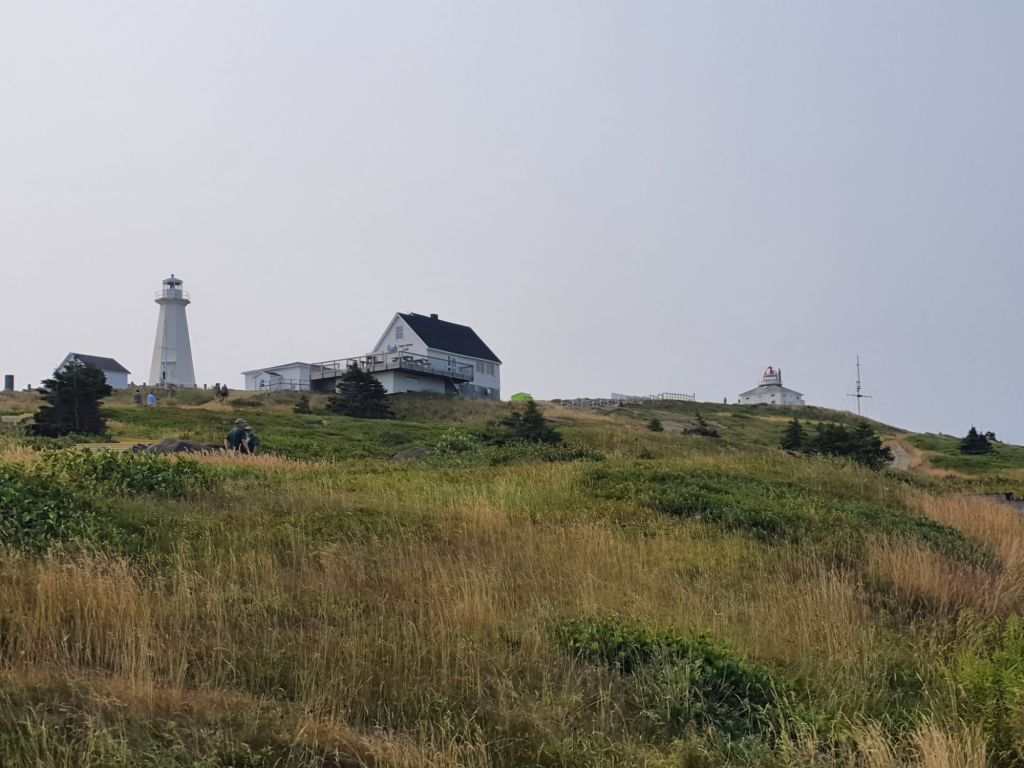
During World War II Cape Spear was a vital point for defending St John’s harbour for the allies. The Cape still has remnants of gun batteries. They could shoot artillery from here to 8 miles into the ocean.
More recently, Cape Spear became famous for being the finishing point for Race Across the World Series 3.
From here you can also see Signal Hill which we will visit next.
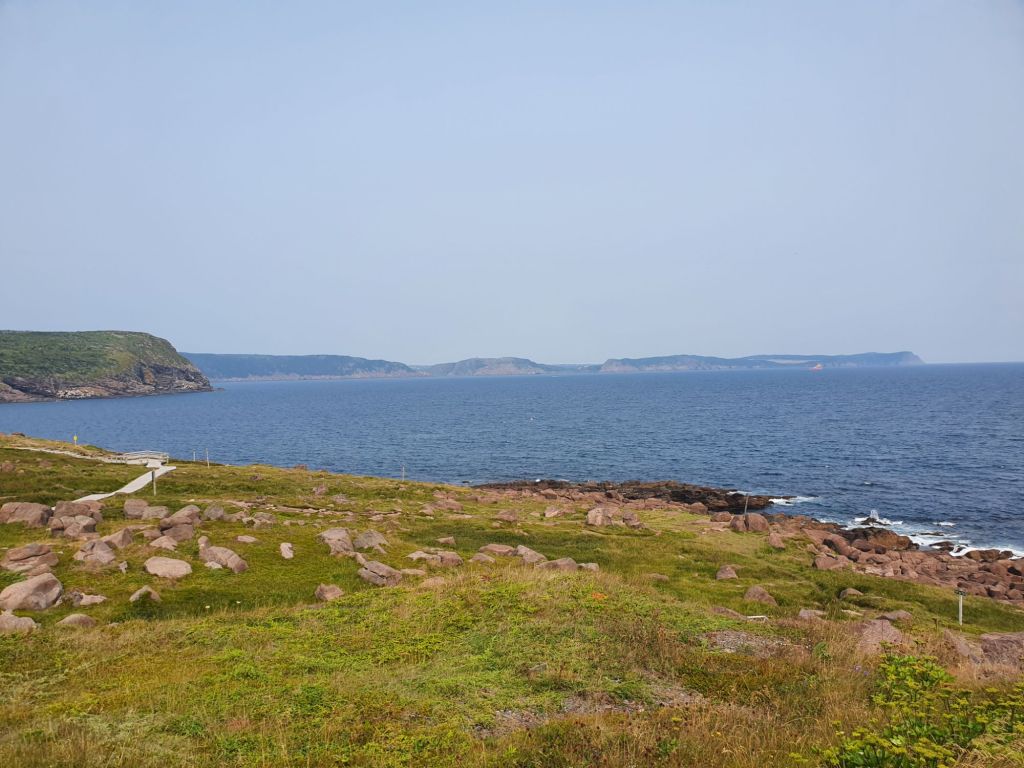
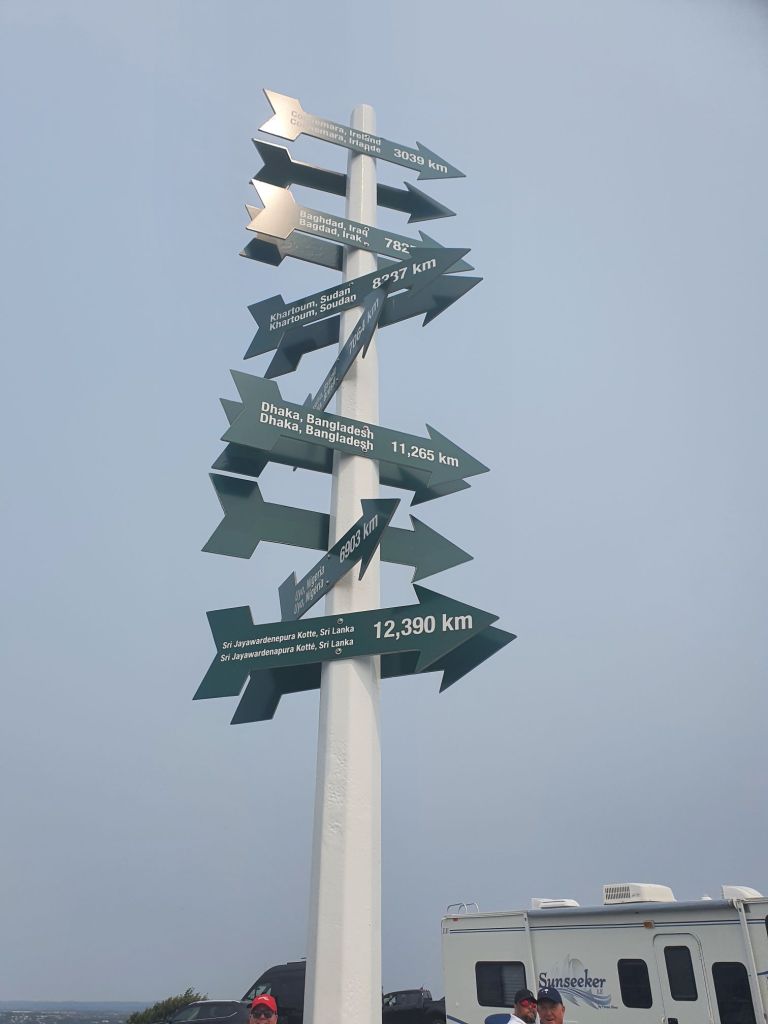
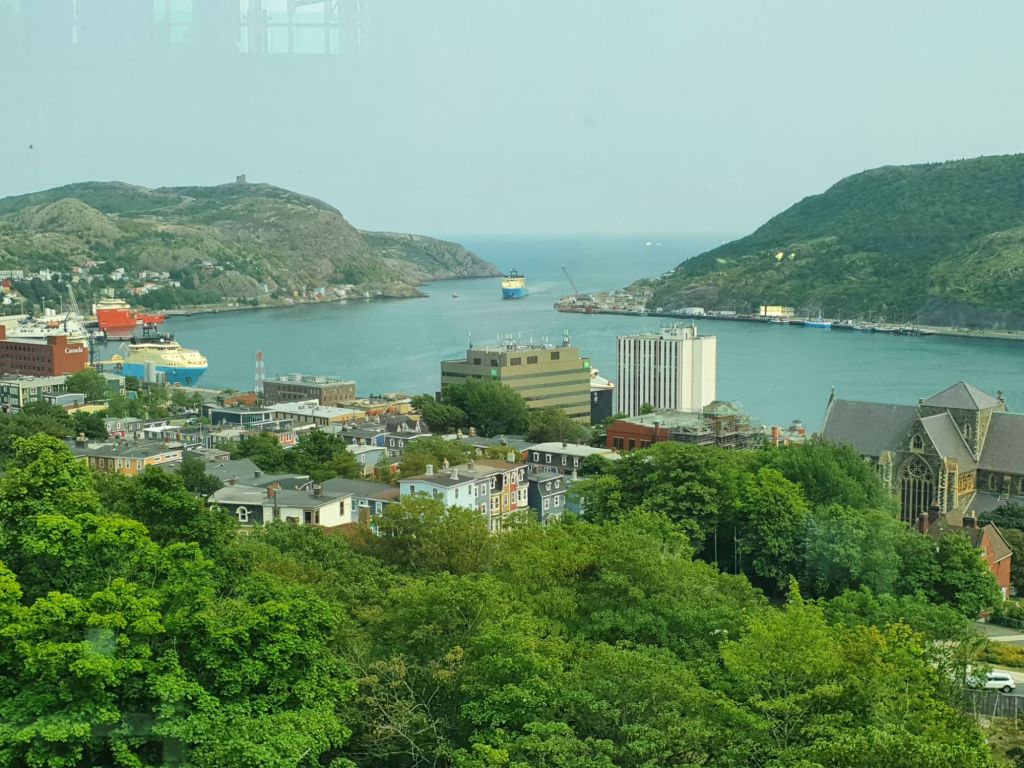
1115: Our next stop was Signal Hill, an iconic St John’s landmark. It is located close to St John’s Town and has been a defense post since the 18th century due to its possition overlooking the narrow entrance to the St John’s harbour.
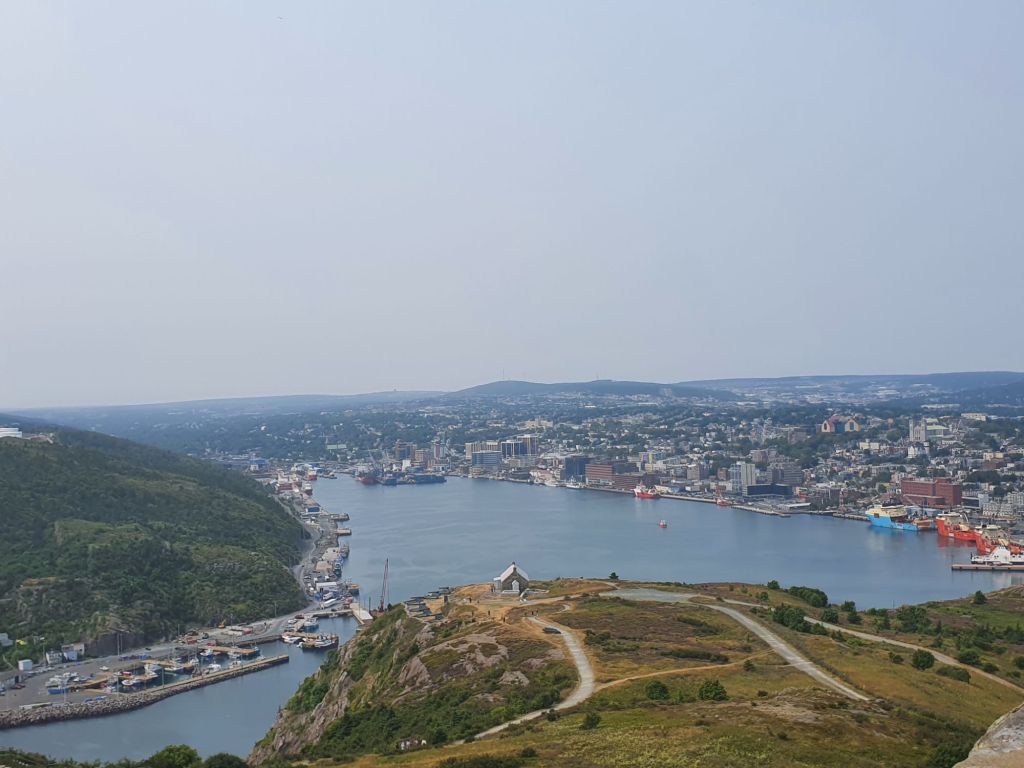
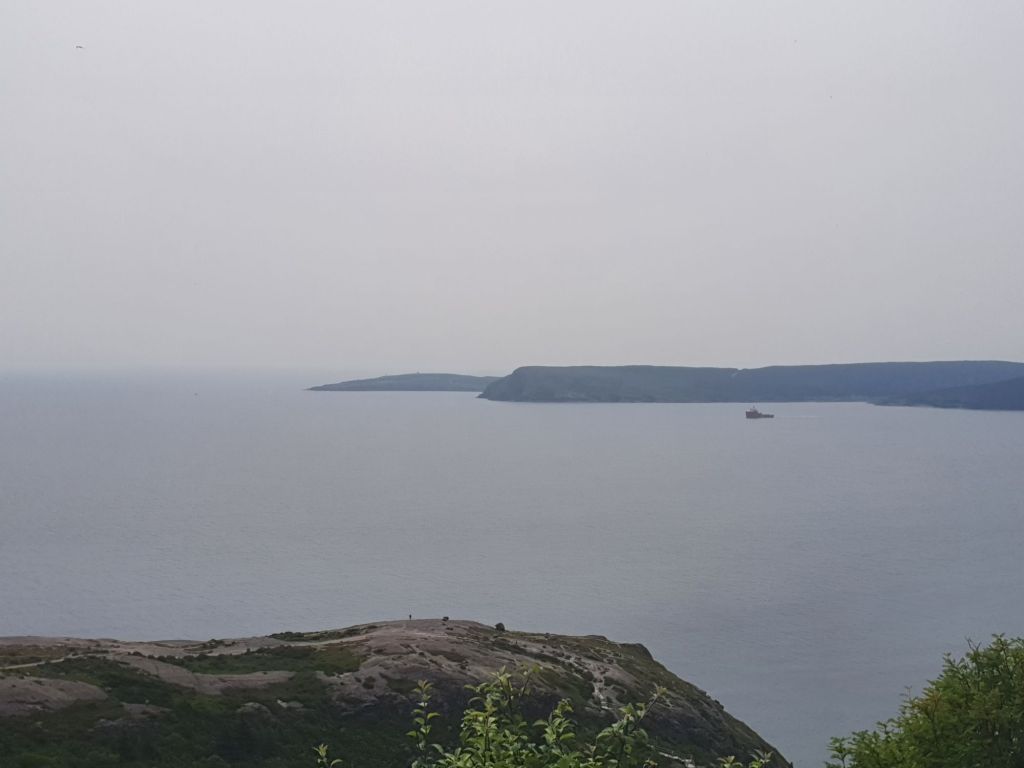

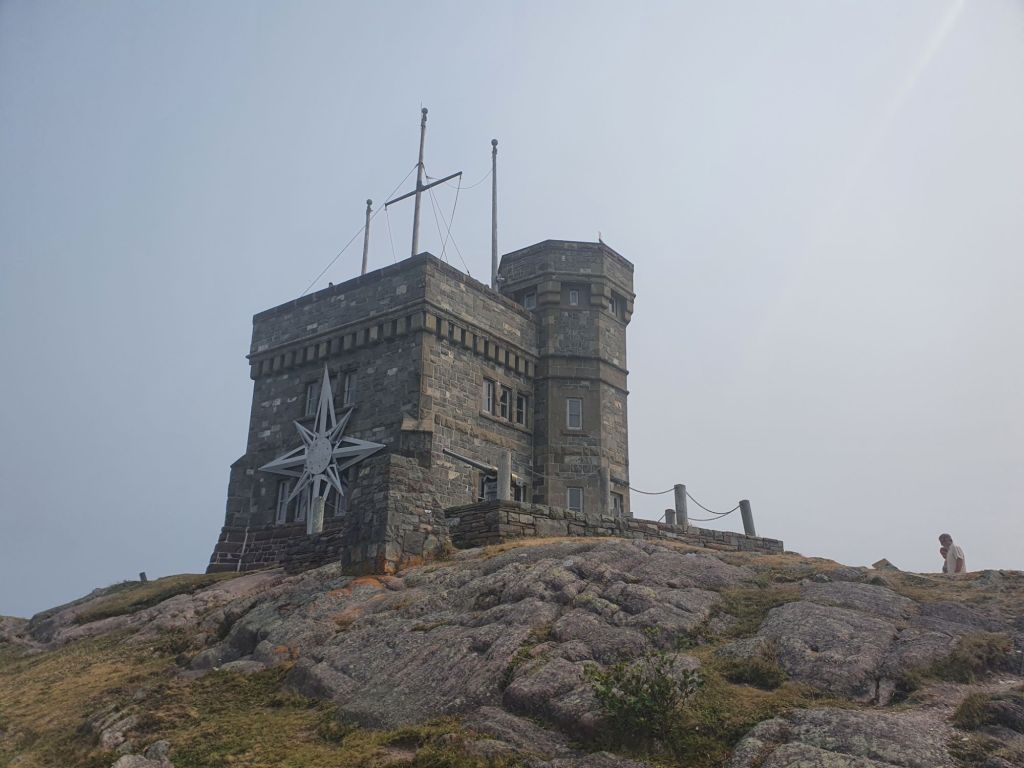
The main building on Sognal Hill is the Cabot Tower. Construction on Cabot Tower began in 1897 to commemorate both the Diamond Jubilee of Queen Victoria in 1897 and the 400th anniversary of John Cabot’s landfall which took place in 1497.
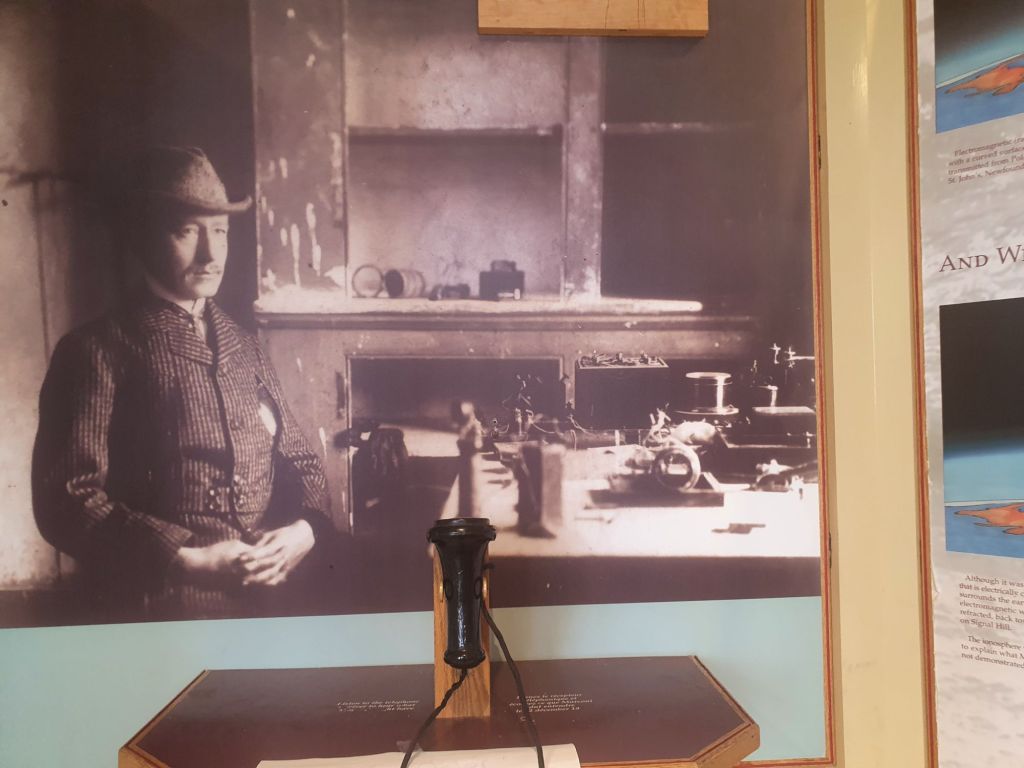
Perhaps what Signal Hill is most famous for is being the location where, on 12 December 1901, the first transatlantic wireless transmission was received by Guglielmo Marconi. The transmission, in Morse code, originated from his Poldhu Wireless Station, Cornwall, United Kingdom.
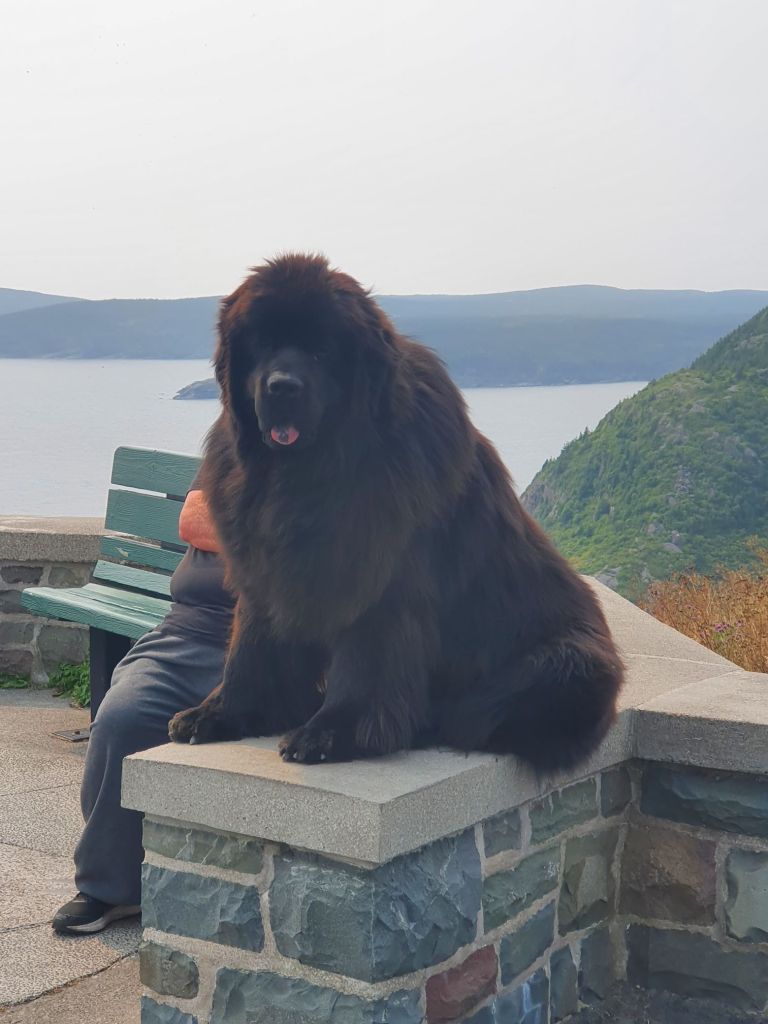
We were also lucky enough to say hello to a dog synonymous with Newfoundland (and the owner let us take photos). Incidentally, Labrador is where the Labrador Waterdog originated from. They are the ancestors Scottish labrador retrievers. Unfortunately the labrador waterdog is now extinct.
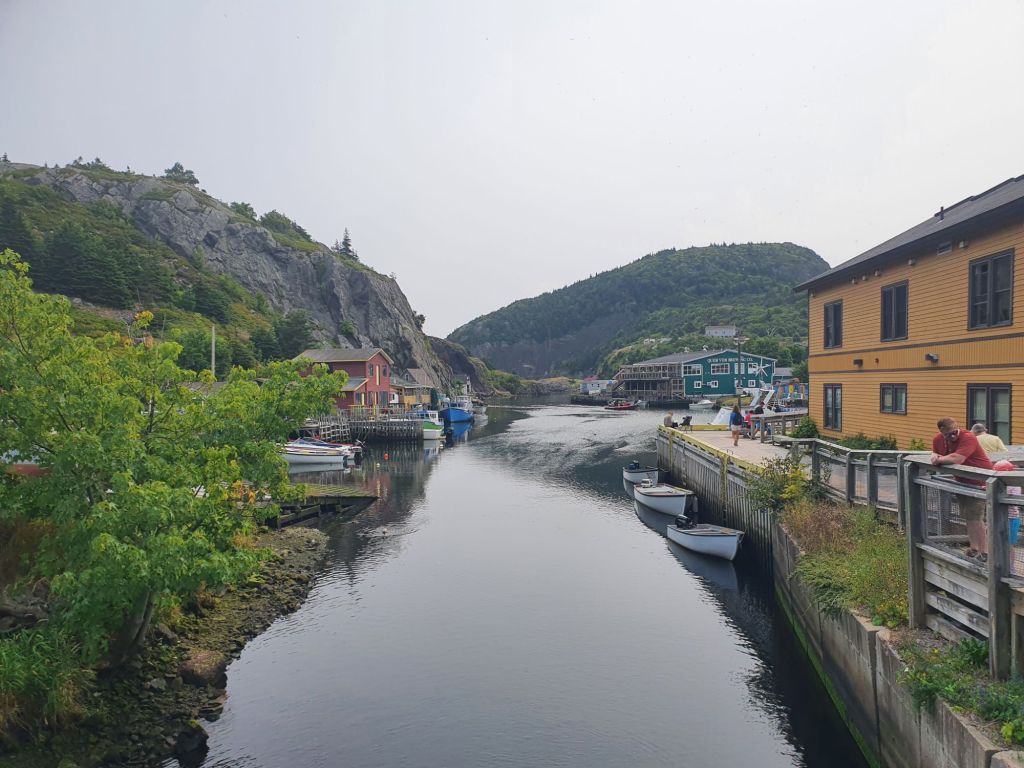
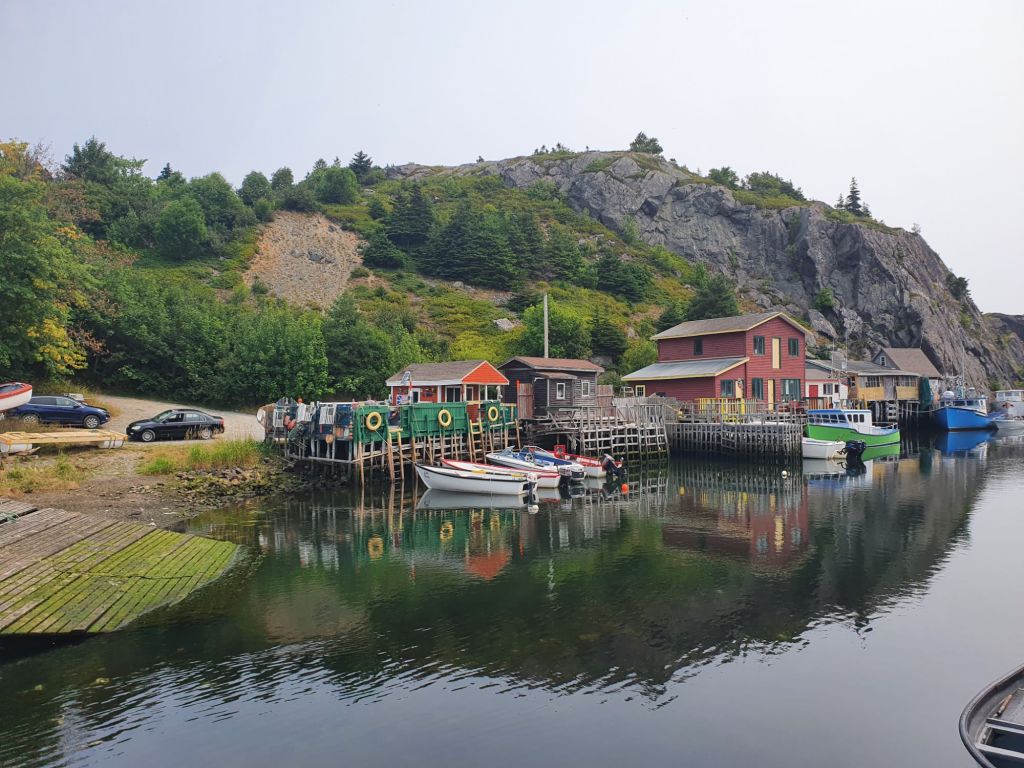
Our next stop was Quidi Vidi village – which was originally another small fishing village, but now turned into an artisan village.
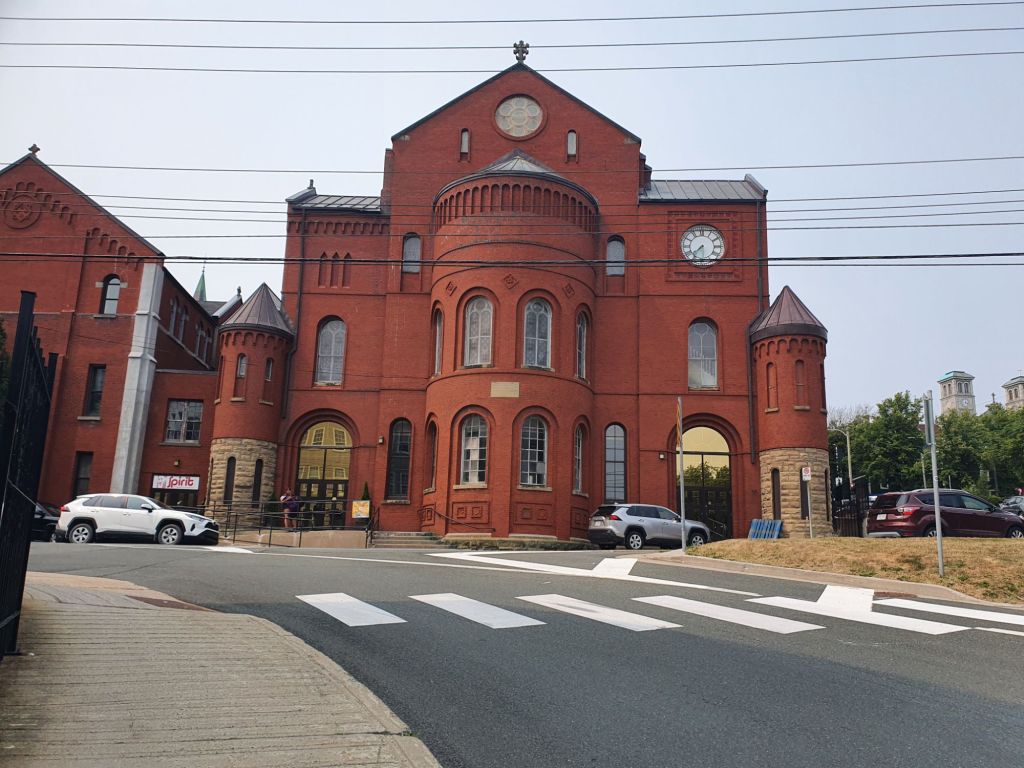
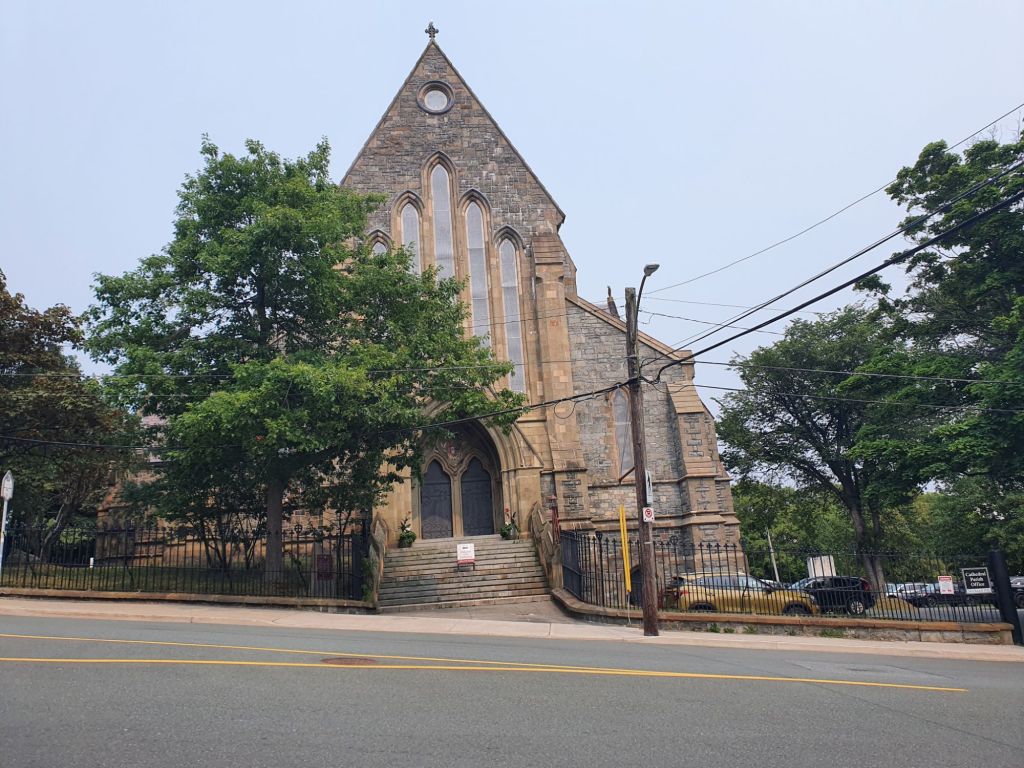
1230: Then it was back to St John’s to take in a few interesting points. There are a number of different churches around here. Many of the European settlers were either from England and Protestant or from Ireland, and Catholic. The different religions meant many different churches and the communities remained largely self-contained until well into the 20th century.
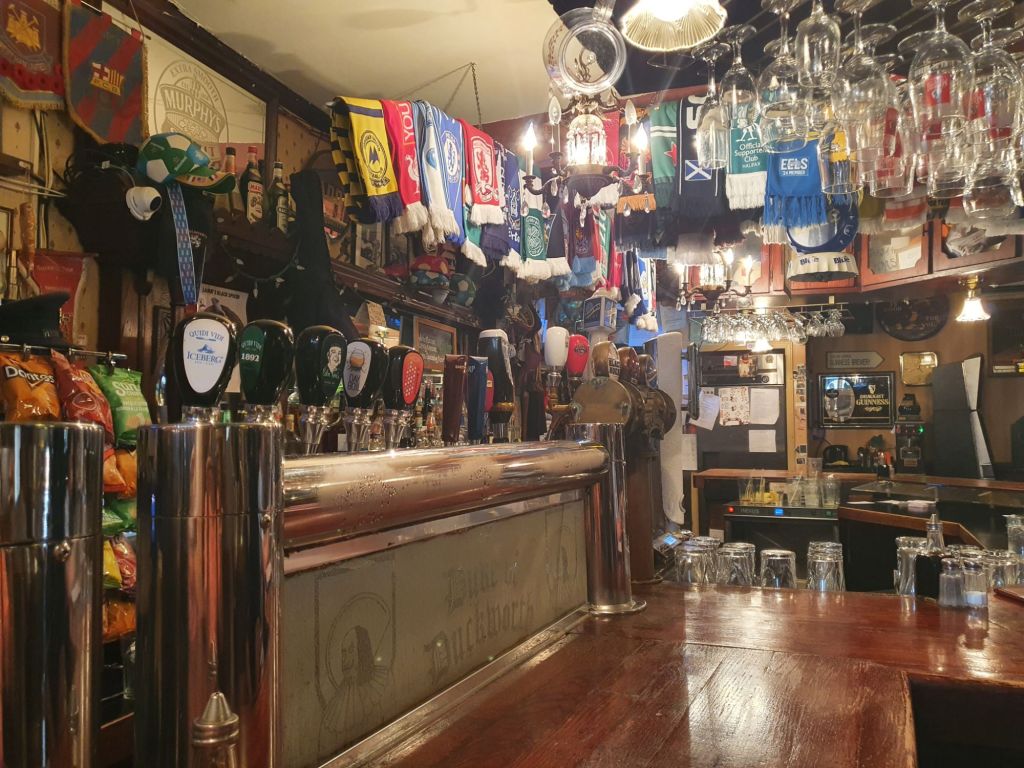
After the tour we decided to have a St John’s speciality of fish and chips at the Duke of Duckworths. Duckworth is one of the famous pubs here and has a distinct English/Irish feel.
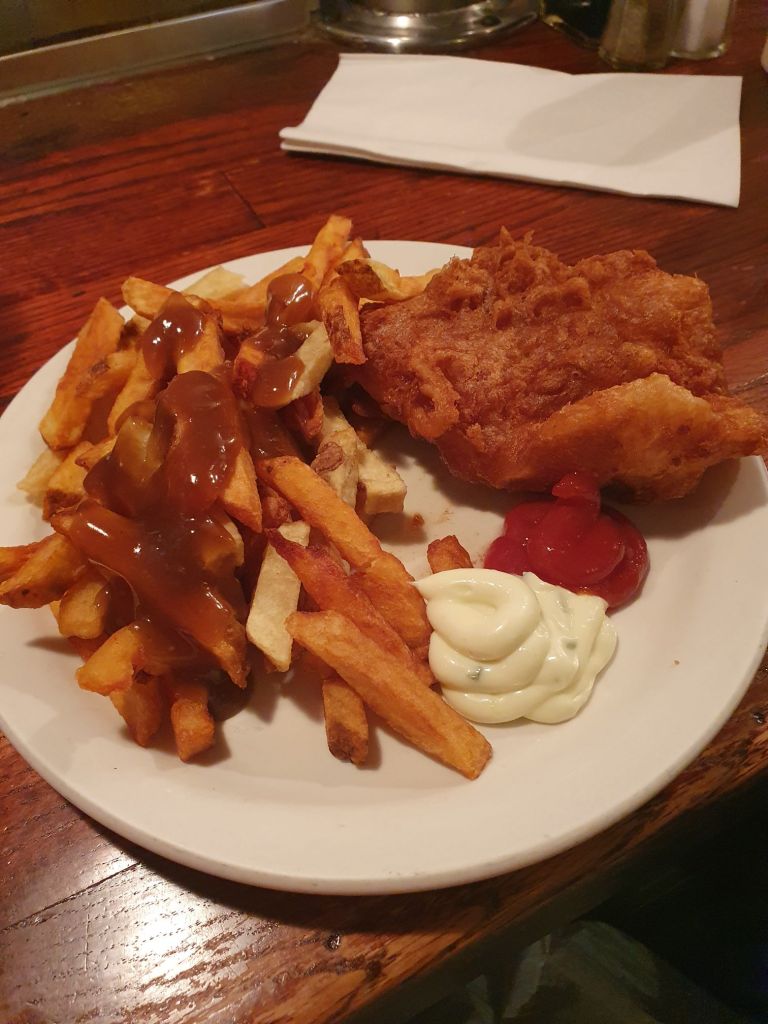
Battered and deep-fried cod with chips served with salad dressing, ketchup and gravy (and not with mushy peas or curry sauce in the UK). The whole dish (especially the gravy) was actually very tasty.
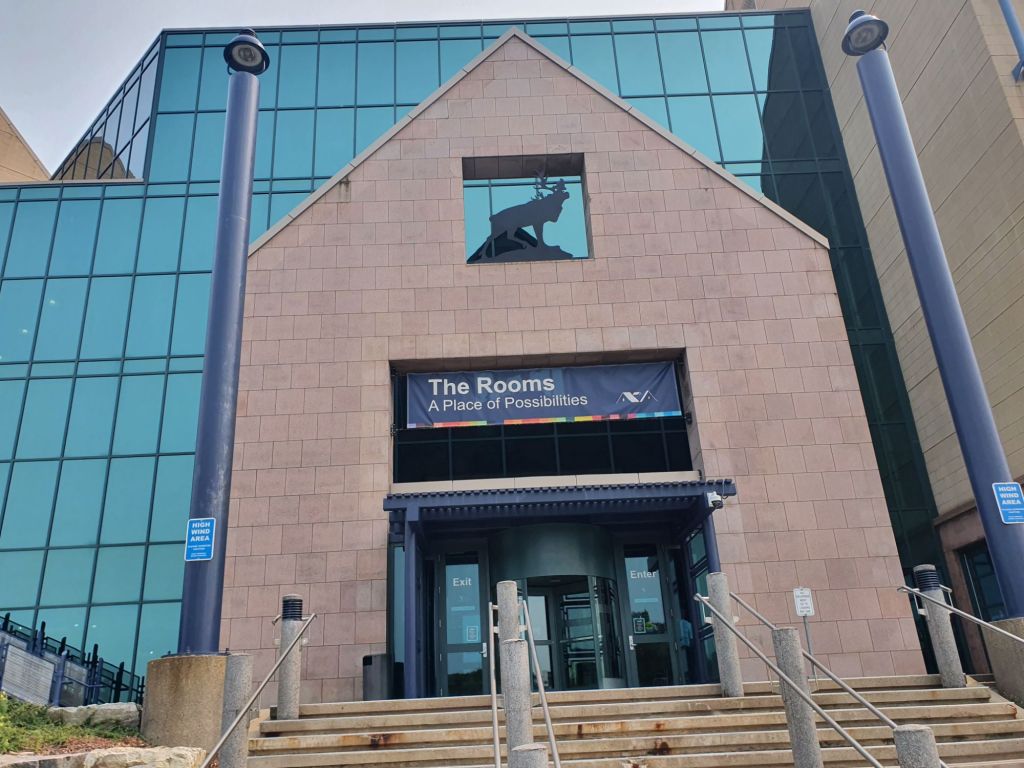
We spent the afternoon at The Rooms: St John’s main museum, comprising an art gallery and a museum.
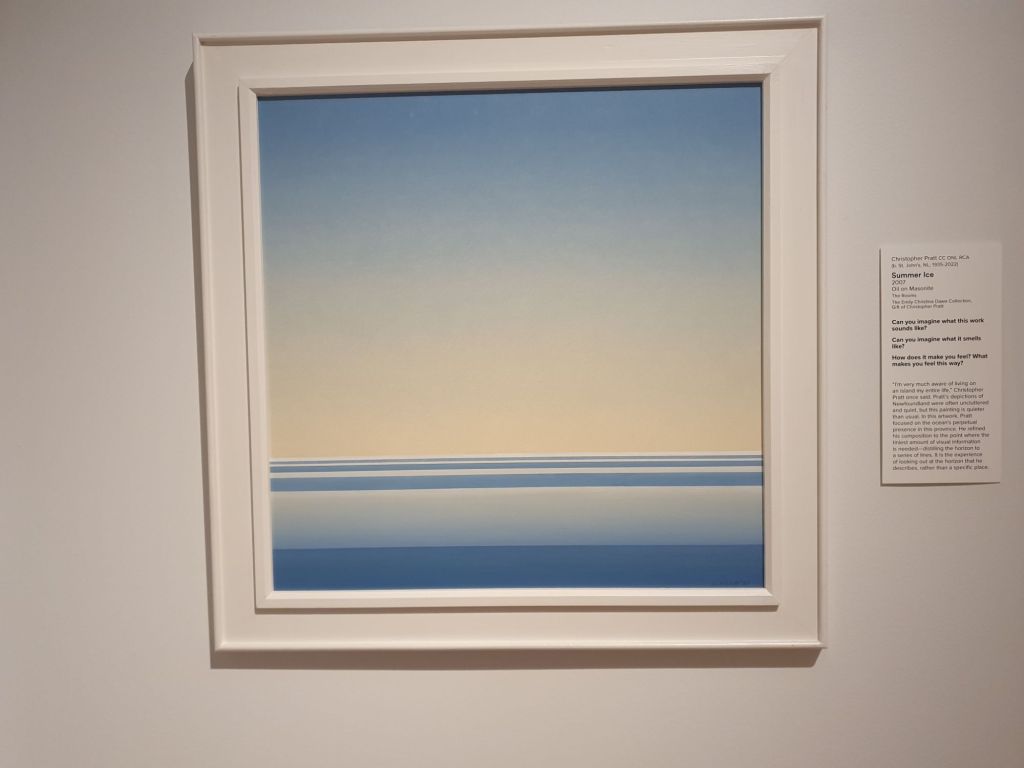
The art gallery mostly contains work by John Christopher Pratt. Pratt was a St. John’s native and was one of Canada’s most prominent painters and printmakers. He also designed the flag of Newfoundland and Labrador.
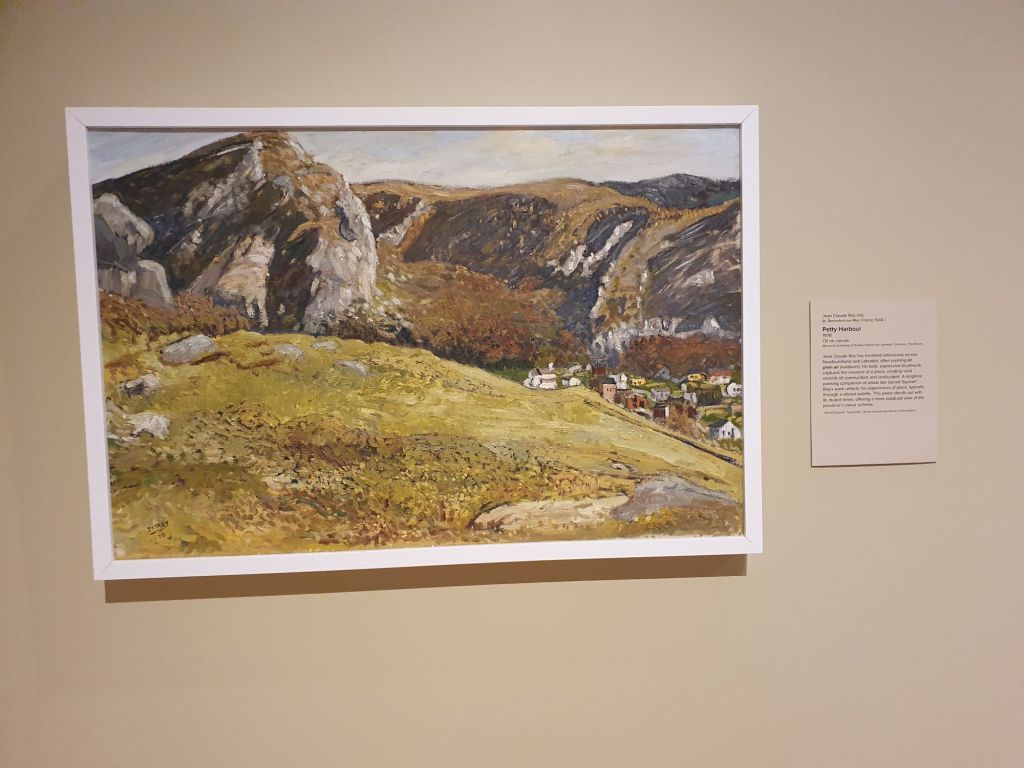
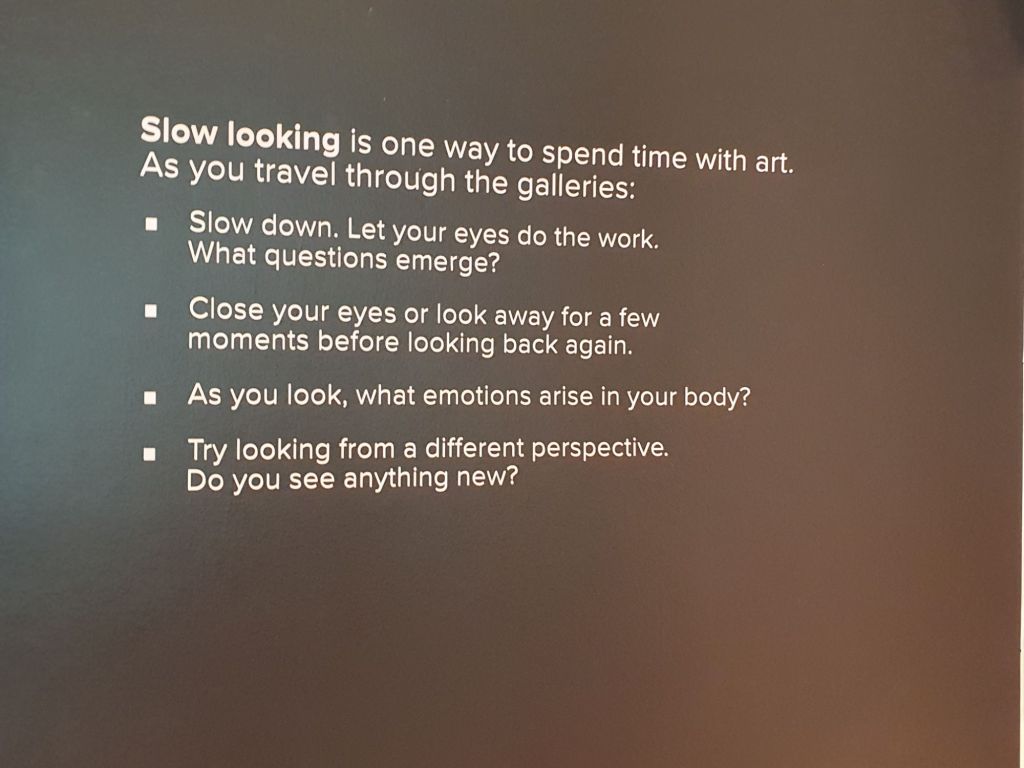
The museum has two wings, one focusing on the people and one on nature. The wing on people look at the indigenous communities as well as the 16th century European settlers in Newfoundland, their history and how the changes in the last few centuries that have affected them. From early European arrivals, formation of fishing stations, British Colony, World Wars I and II, becoming the 10th province of Canada in 1949, Newfoundland and Labrador has a fascinating history.
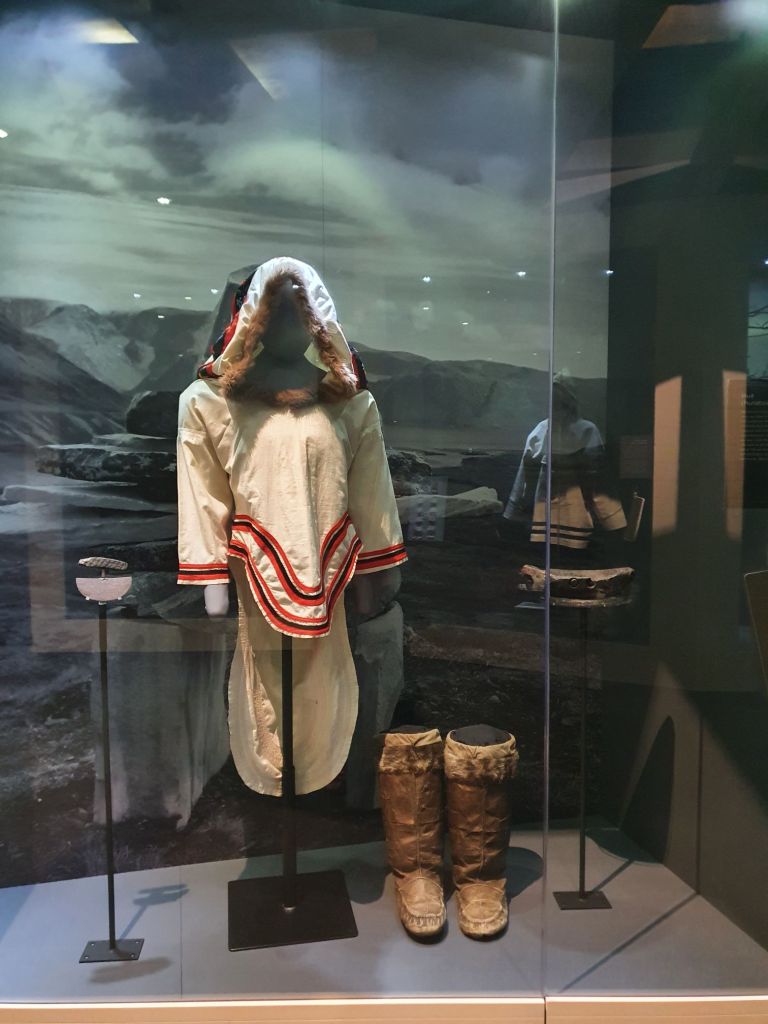
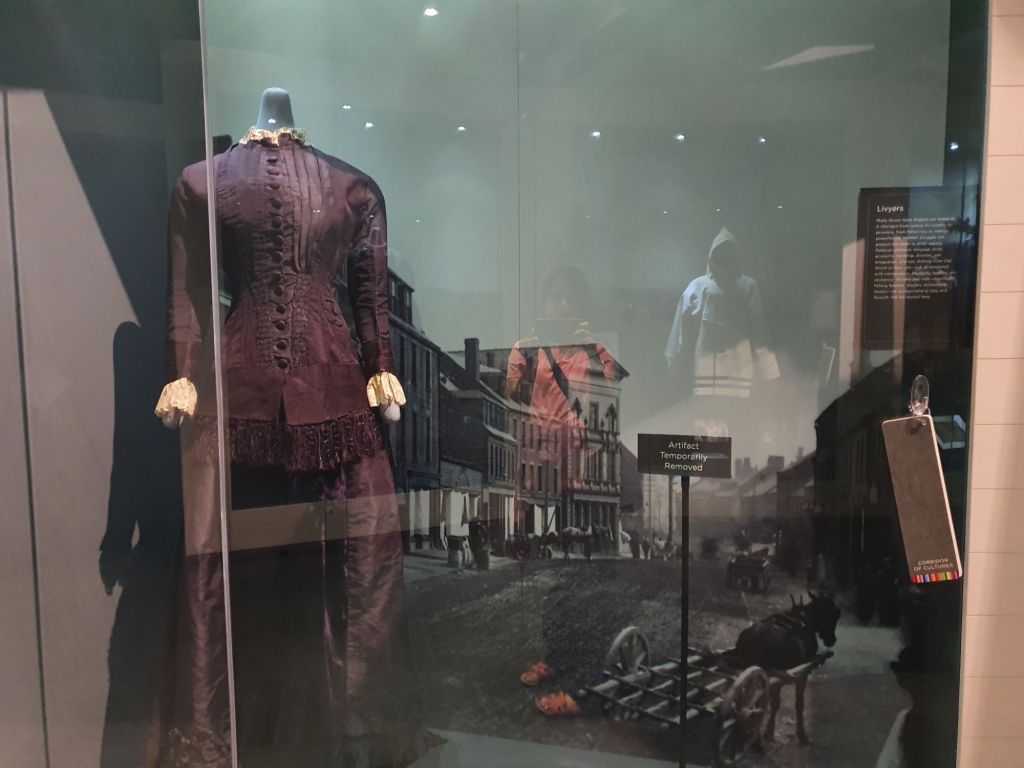
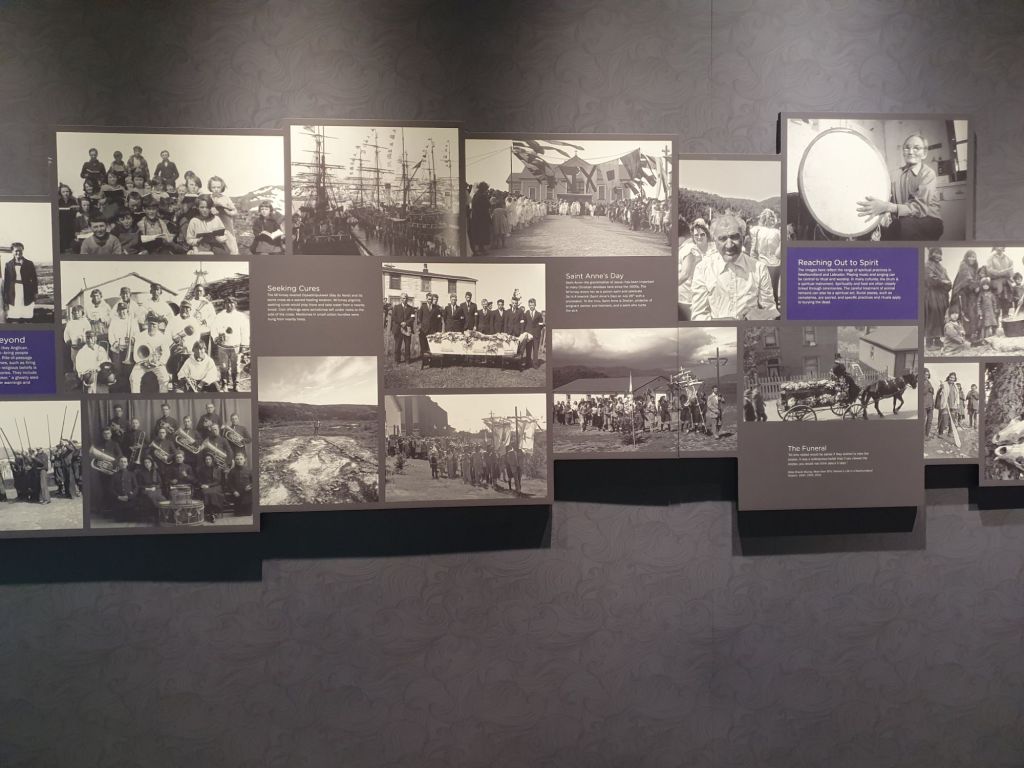
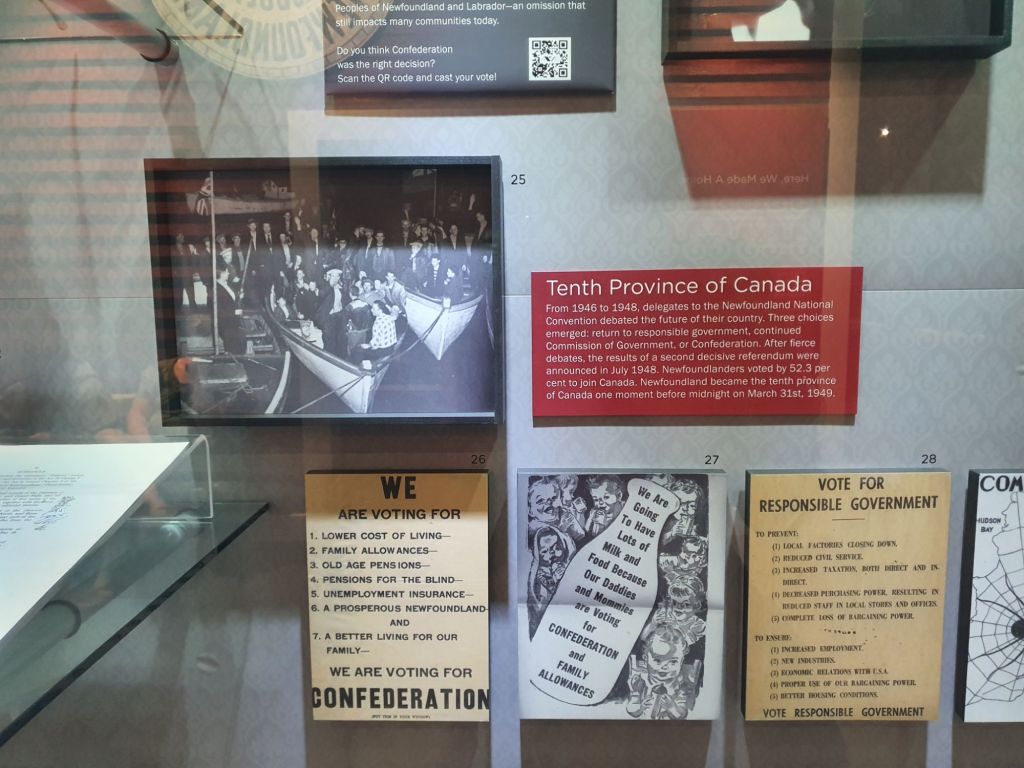
The museum also covers the very early settlers including the Beothuk people who are now extinct.
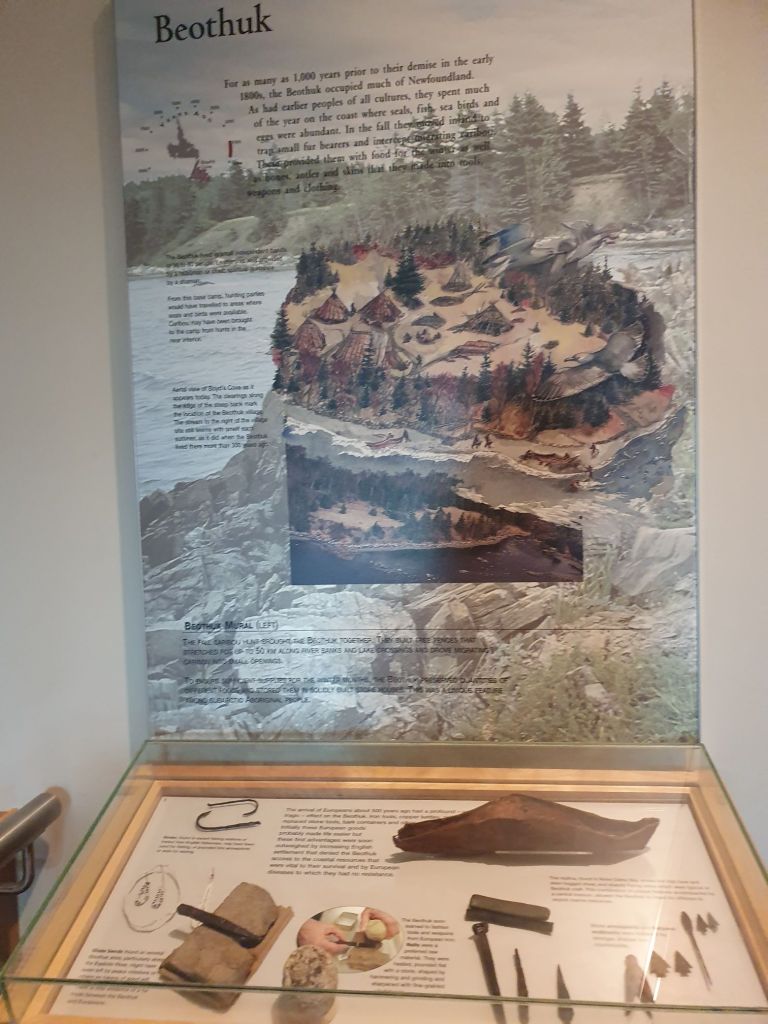
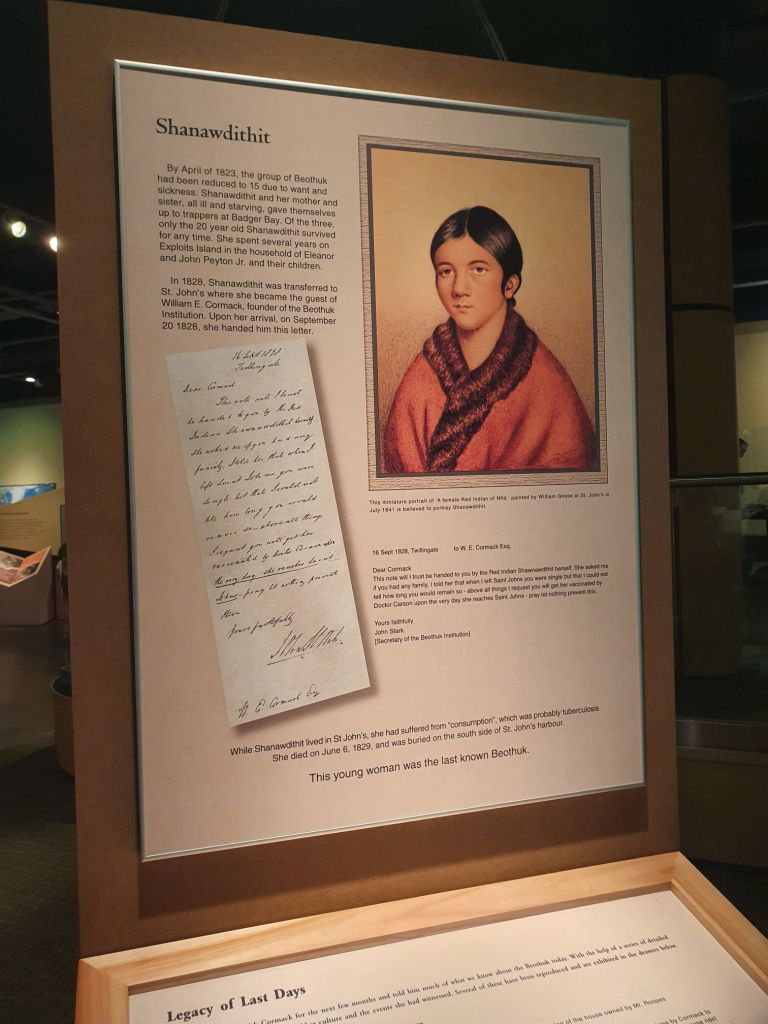
The nature wing covers natural landscapes of Newfoundland and Labrador and indegenous animals caribou, bears and even a giant squid.
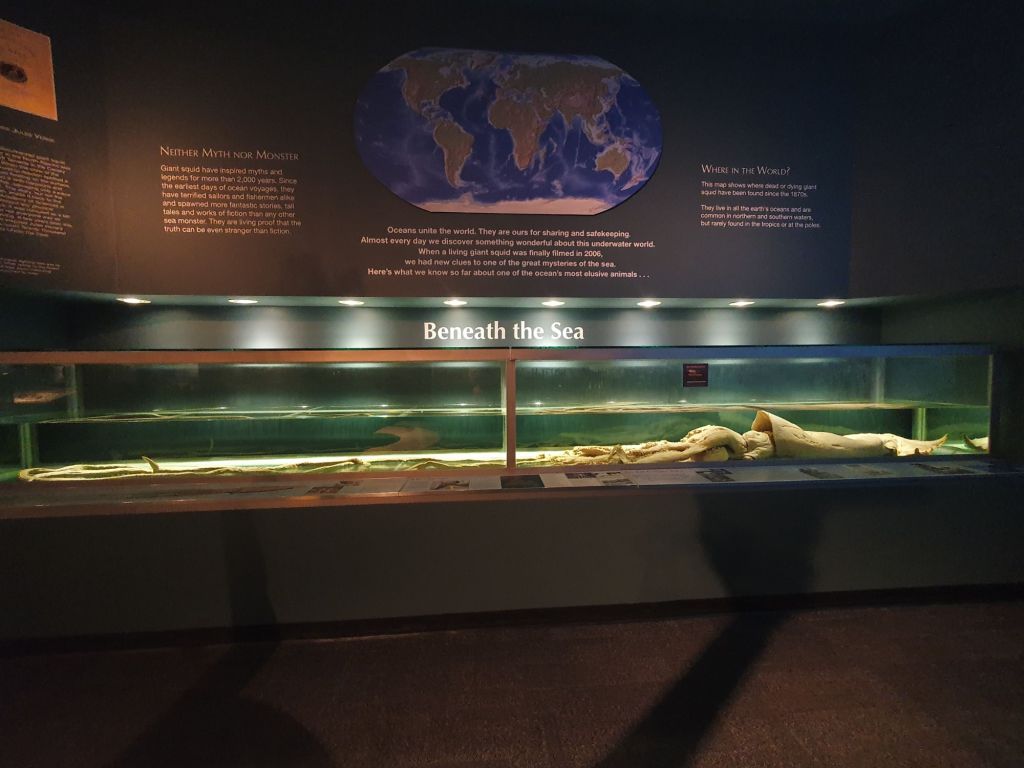
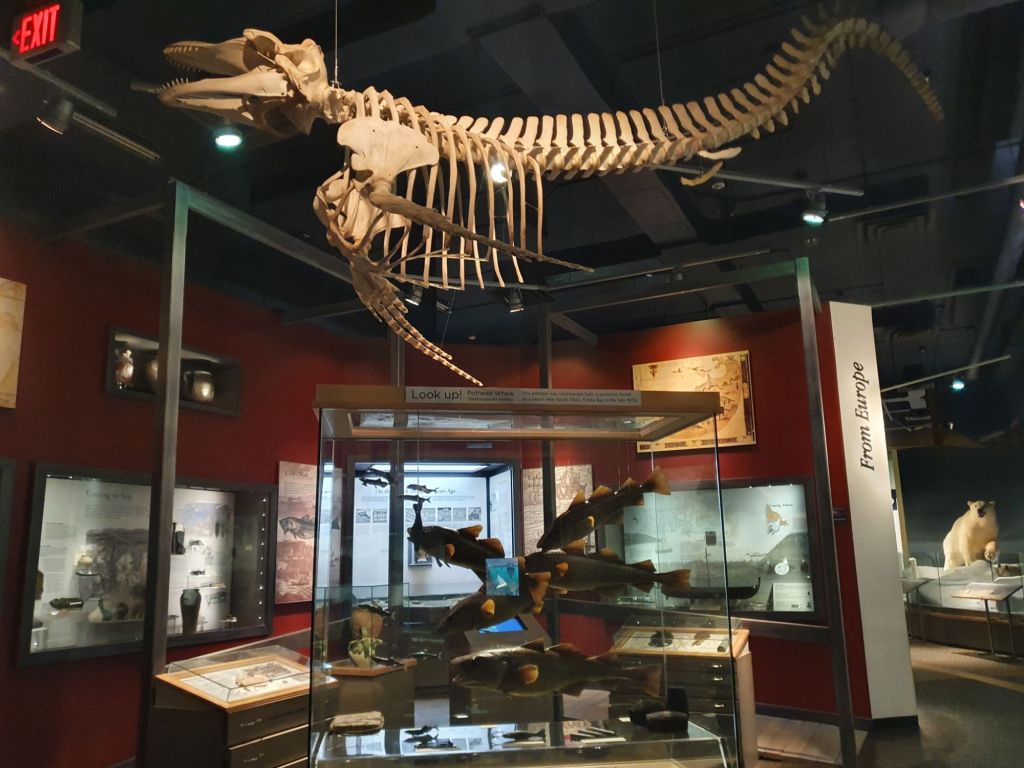
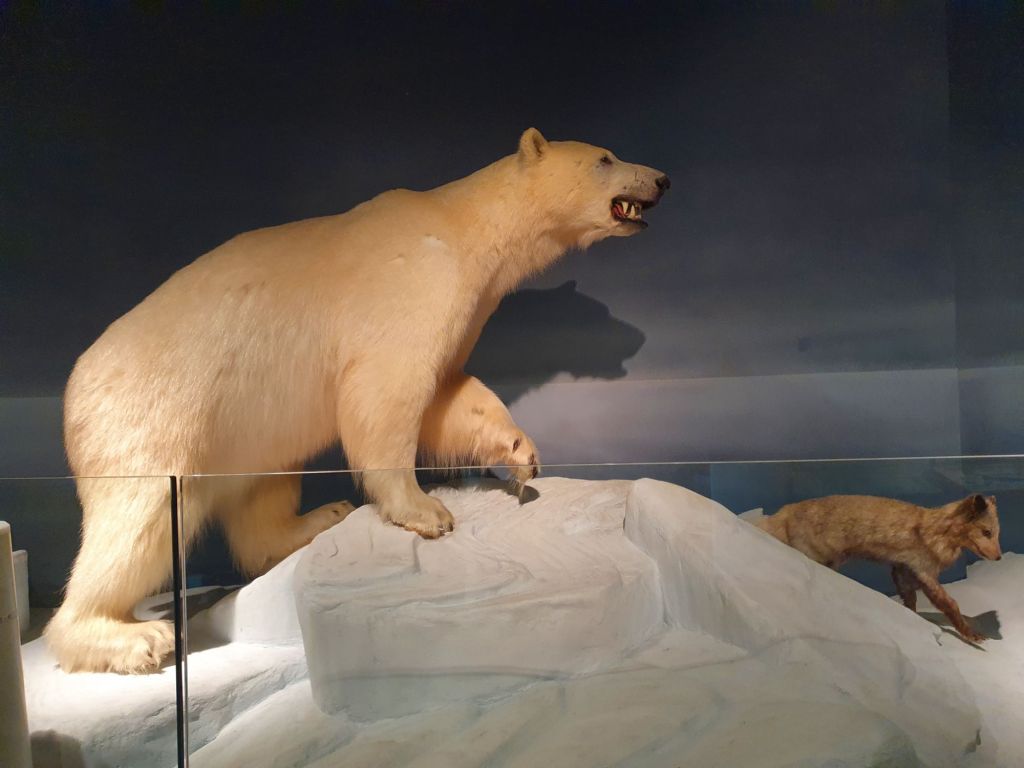
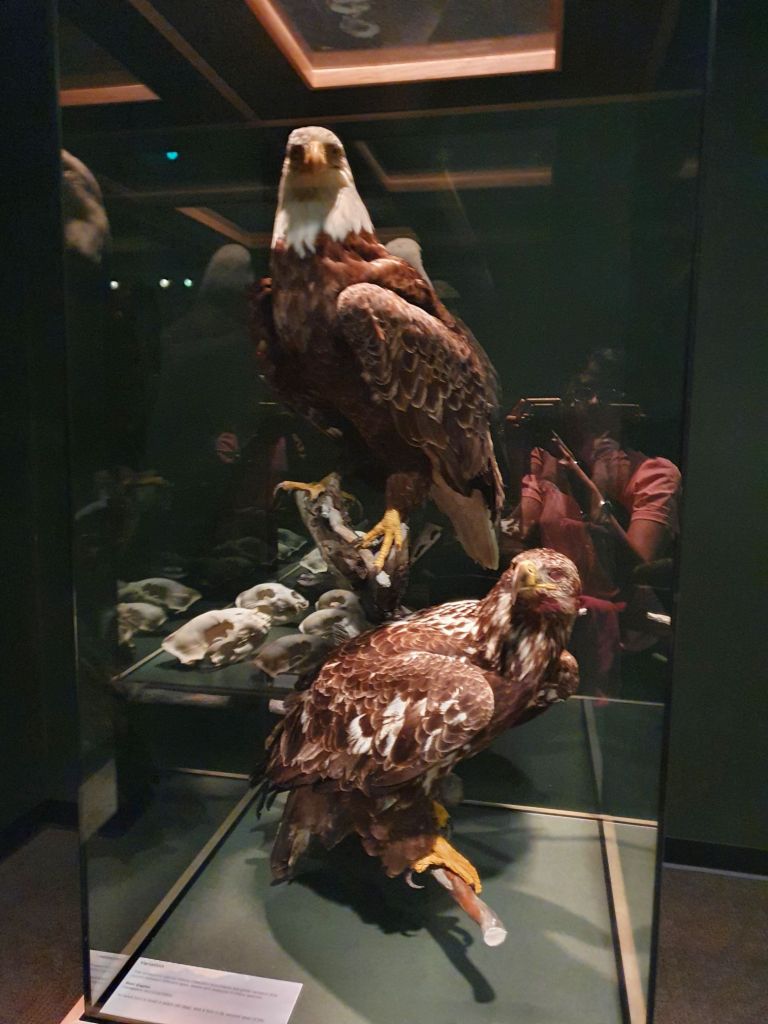
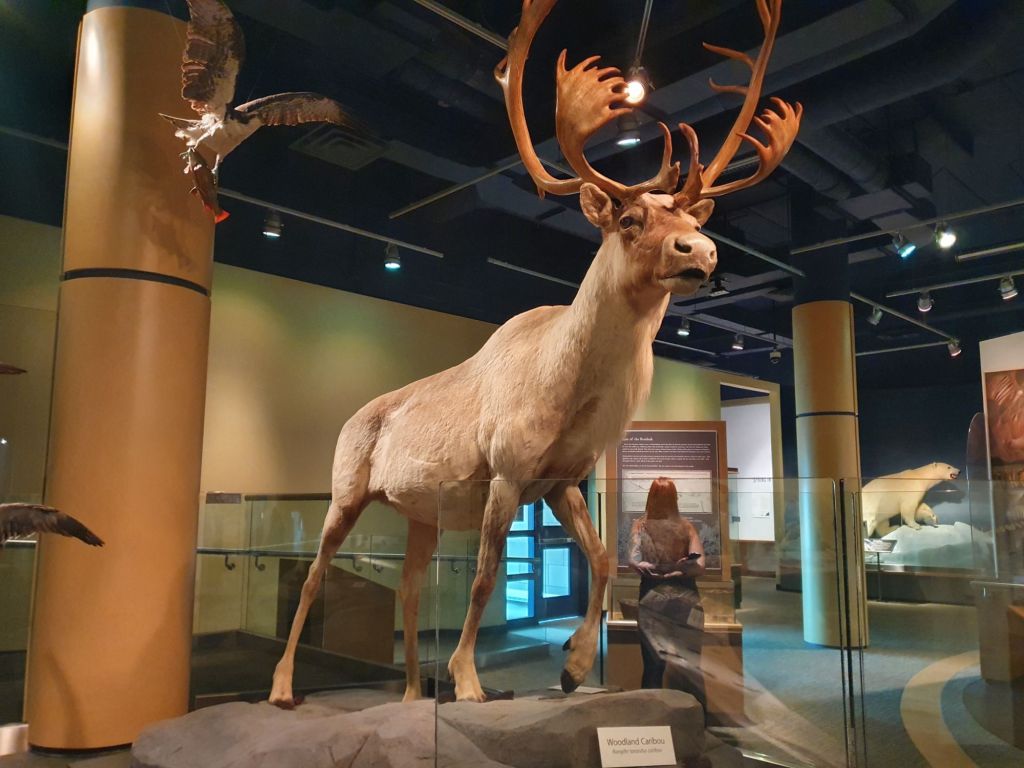
Another great feature of The Rooms is its cafe, with a brilliant picture window with view of Signal Hill and entrace to the St John’s harbour, from the city side.
The museum also had galleries dedicated to Newfoundlanders’ World War I effort. There was also a temporary exhibition on Canada Games, which was due to start in St John’s on the 9th of August 2025.
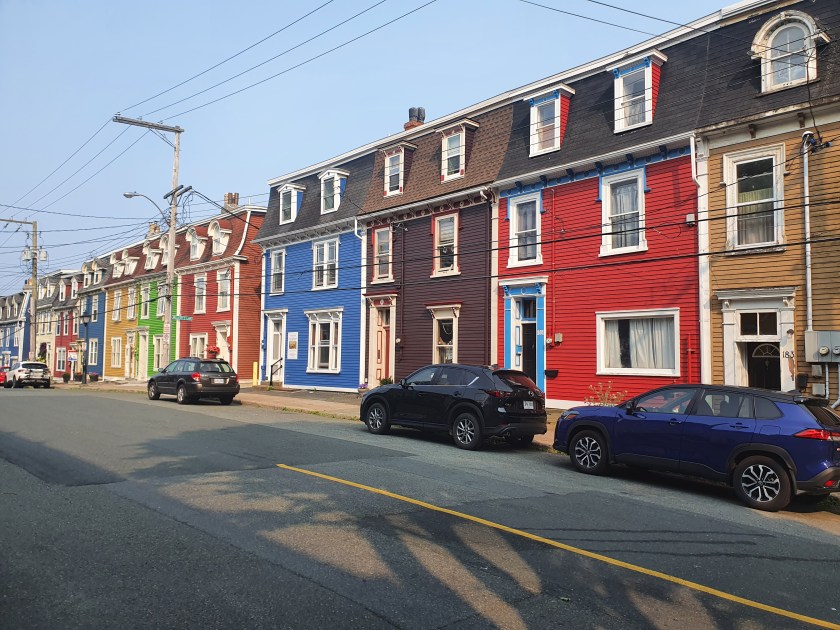
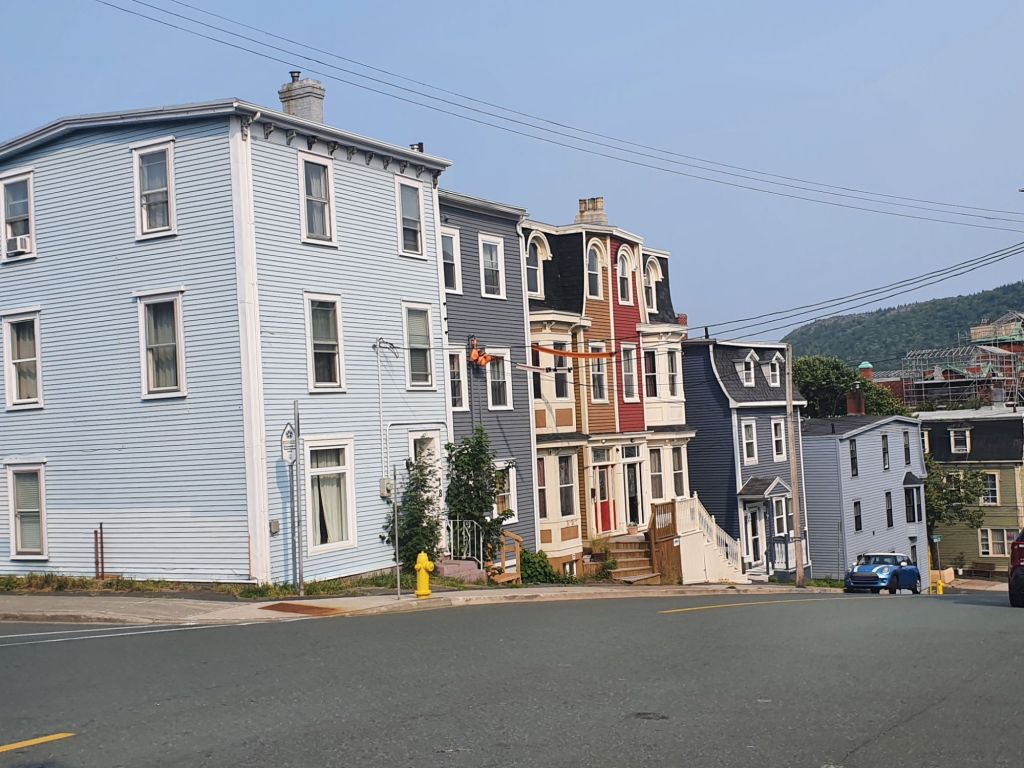
We headed back downtown (St John’s is very hilly) past the colourful rows of terraced houses known as Jelly Bean rows.
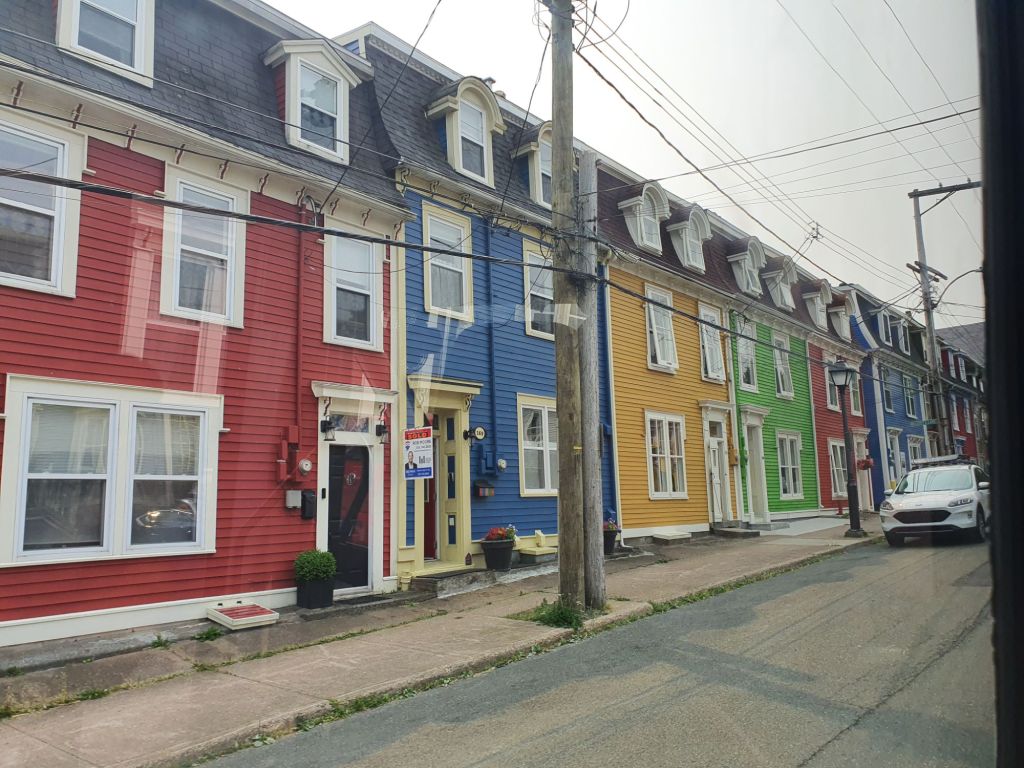
The houses are European style, dating back to late 19th century when they had to be rebuilt after a fire that engulfed most of the city in 1892.
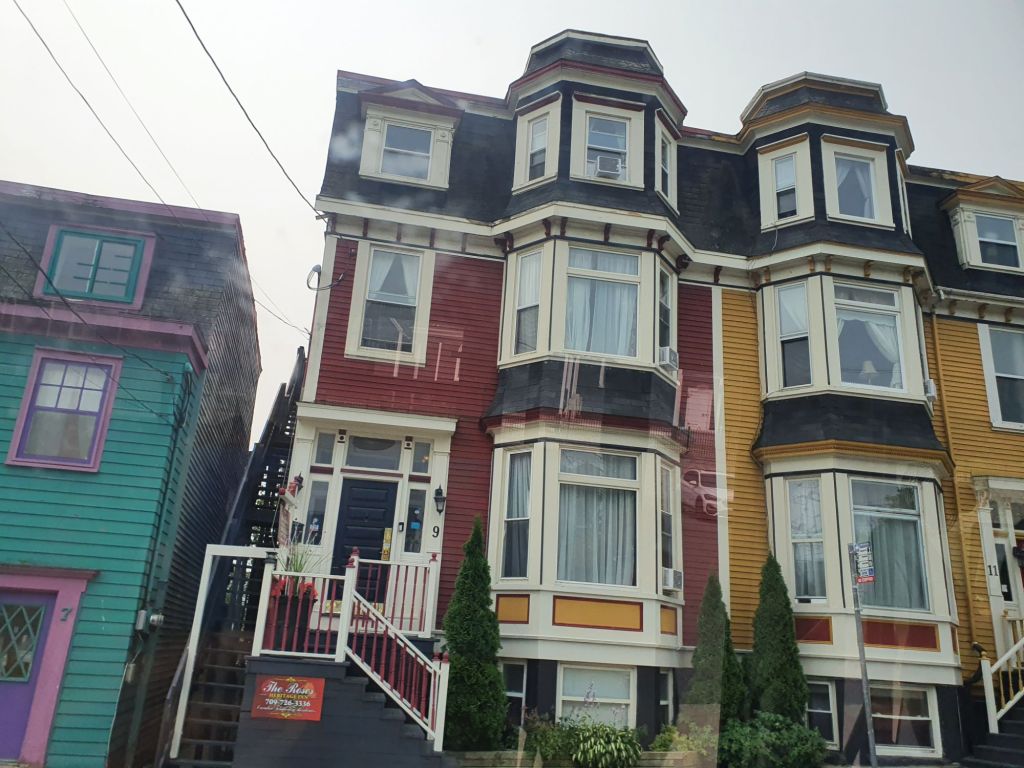
Although lovely in the summertime, St John’s can be rather grey and dull over the long winters, so the home owners painted their houses in vibrant colours to cheer things up. Over time, the colourful houses achieved their own fame.
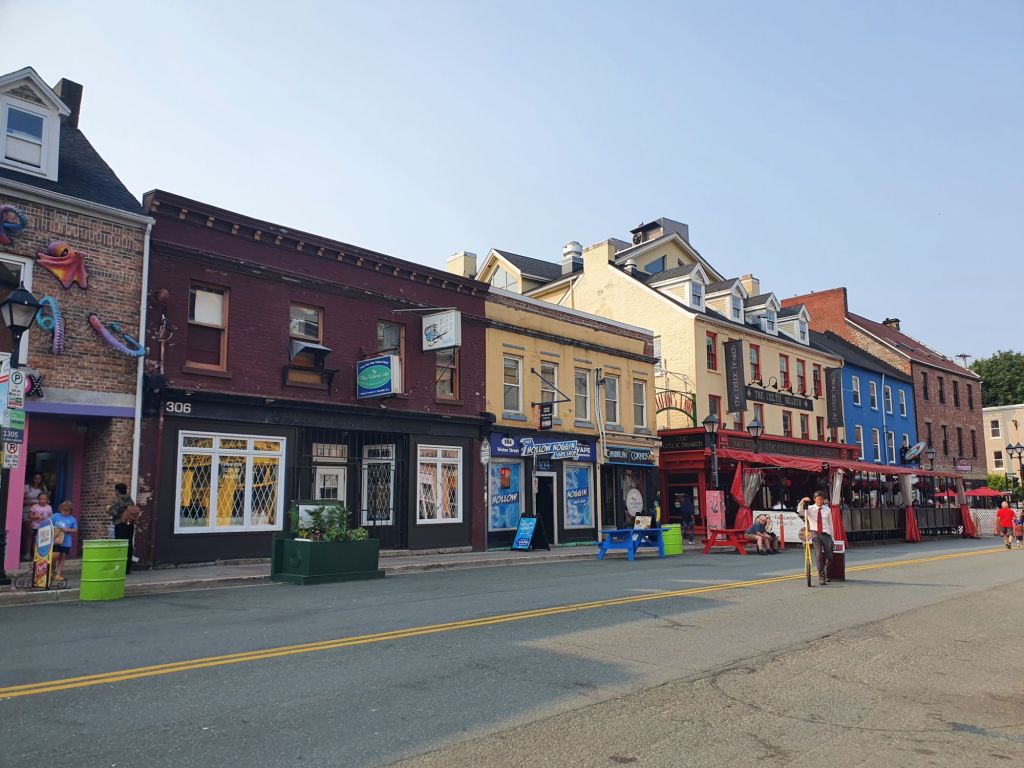
Water street and George Street still has some of the original buildings, made of brick and reminded me of one of the many English and Irish market towns.
Then it was time to Head to the airport, drop off the car and wait for the flight.
Over a Tim’s coffee and pizza (my first and last on this trip), I considered the trip over the last few days.
Newfoundland – as sparse as it is spectacular. It many ways it reminded me of the Scottish Highlands; only bigger and more empty. I will remember it for the scenery and geology of the national parks and the coastal peninsulas, the friendliness of the people and most of all, for the sense of familiarity I found there.
 Diary of a Tourist
St. John’s looks lovely. Thanks for taking me along on the ride of this part of Canada.
LikeLiked by 1 person
My pleasure! Hope it helps you decide whether it’s worth a Road Trip there or not. 😉
LikeLiked by 1 person